Category: Dec 2019 – Jan 2020

  • Alternative Strategies for Sleep Apnea

    About 50 to 70 million people in the U.S. are chronic sleep apnea sufferers; more than 85 percent of them are undiagnosed.

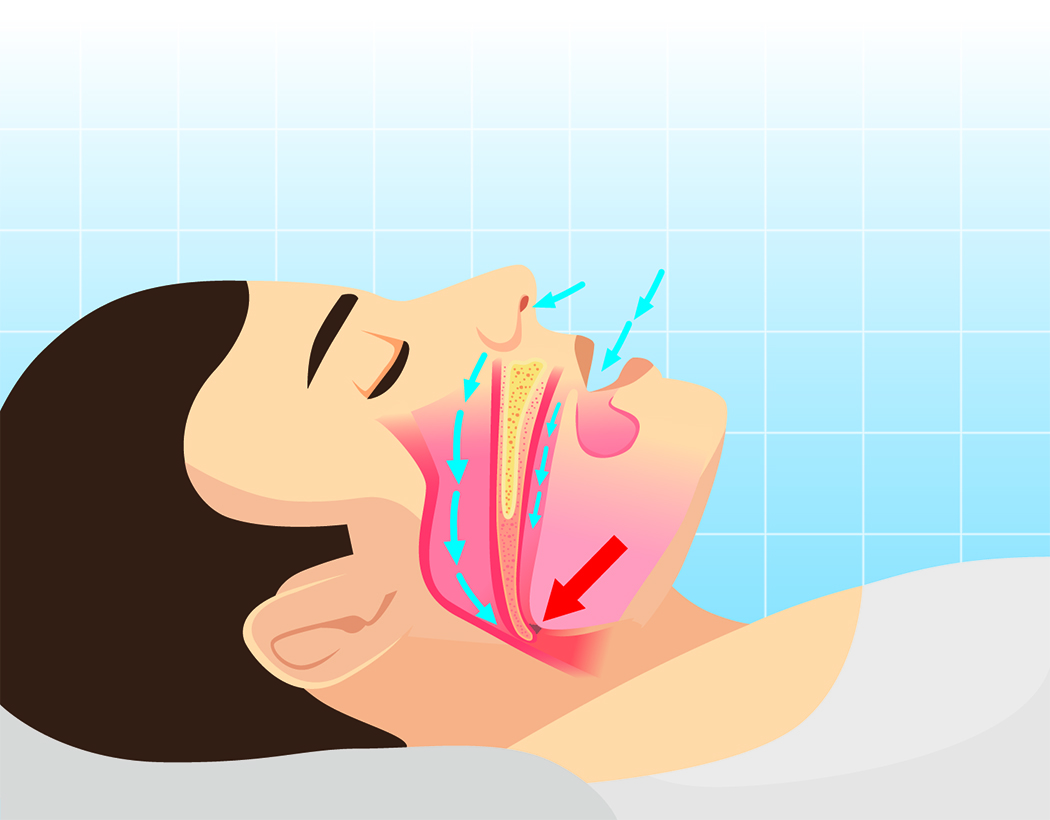
    The Mayo Clinic defines sleep apnea as a potentially serious sleep disorder in which breathing repeatedly stops and starts. Sleep apnea sufferers may snore loudly and feel tired, even after a full night’s sleep.

    There are two main types of sleep apnea:  Obstructive Sleep Apnea (OSA) commonly occurs when an airway collapses when you sleep; Central Sleep Apnea (CSA) occurs when your brain doesn’t send the proper signals to the muscles that control breathing. A person with OSA may  experience shallow breathing and possible pauses in breath. Breathing interruptions can last anywhere from a few seconds to over a minute and occur up to 30 times an hour. These disturbances can cause extreme fatigue the following day.

    Signs of Sleep Apnea
    •  Has anyone noticed that you gasp for air or even stop breathing while you are sleeping?
    • Do you often wake up “unrefreshed?”
    • Are you excessively sleepy during the day?
    • Has your energy and motivation decreased?
    • Do you find it difficult to concentrate?
    • Do you have high blood pressure?
    • Have you suffered a stroke or heart attack?
    • Do you have type 2 diabetes?

    Serious Risks to Your Health
    •  High blood pressure, heart disease, stroke, depression and greater risk of dying from cancer.
    •  60 to 65 percent of diabetic patients have OSA.
    •  83 percent of those on blood pressure meds have sleep apnea.
    •  A person with untreated sleep apnea is seven times more likely to be involved in a vehicle accident.

    What Are the Treatment Options?
    • CPAP machine is the No. 1 treatment choice.
    • Oral appliance made by a dentist.
    • Various types of surgery.

    How Does an Oral Appliance Work?
    An oral appliance keeps the lower jaw in a for- ward position, bringing the back of the tongue forward and opening up the airway. It is recommended for patients with mild or moderate sleep apnea and those who cannot tolerate a CPAP (Continuous Positive Airway Pressure) machine. Severe sleep  apnea is usually treated with a CPAP or surgery.

    For more information on CPAP alternatives, see your dentist or primary care physician.


    LANCE I. TERAMOTO, DDS, DASBA
    4747 Kilauea Ave., Ste. 101, Honolulu, HI 96816
    Free consultations: 808-737-9882
    www.smilesofaloha.com
    About 50 to 70 million people in the U.S. are chronic sleep apnea sufferers; more than 85 percent of them are undiagnosed. The Mayo Clinic defines sleep apnea as a potentially serious sleep disorder in which breathing repeatedly stops and starts. Sleep apnea sufferers may snore loudly and feel tired, even after a full night’s…

  • Tips for Healthy Knees

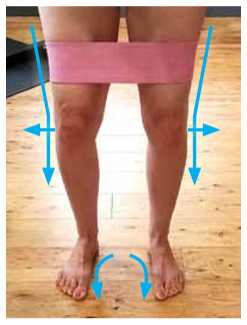
    The majority of patients who come into my office do not realize they lock or hyper-extend their knees while standing or walking. They often do this out of habit or because of weakness. Generally, locking your knees transfers stress from supporting muscles to the knee joint, compressing it. The result is decreased mobility and blood flow and increased friction that can lead to pain or wearing away of the joint. While standing, you should be able to contract your quads so that your kneecaps lift. If you can’t see your kneecaps lifting, you are probably locking.

    Proper strengthening is essential. Strengthening of the quads and hamstrings used to be recommended. We now know that strengthening the muscles surrounding the hip and correcting foot alignment will reduce stress on the knee joint. The following exercise will target the entire leg to maximize knee function:

    ◆ Wrap a resistance band around your thighs and align your feet under your hips. Push your toes down like you’re gripping the floor to create an arch under your foot. Bend your knees slightly and push them out against the band, hold up to 30 seconds and relax. Repeat 10 times.


    MOON PHYSICAL THERAPY, LLC
    320 Ward Ave., Ste. 107, Honolulu, HI 96814
    95-1057 Ainamakua Drive, F-11, Mililani, HI 96789
    808-597-1005 | www.moonpt.com

    The majority of patients who come into my office do not realize they lock or hyper-extend their knees while standing or walking. They often do this out of habit or because of weakness. Generally, locking your knees transfers stress from supporting muscles to the knee joint, compressing it. The result is decreased mobility and blood…

  • The Benefits of Neuro-Acupuncture

    Ancients 3,000 years ago implicitly understood how stimulating acupuncture points with very thin needles could affect both our central and peripheral nervous systems. The central nervous system is made up of our brain and spinal cord, while the peripheral nervous system is the system of nerves outside the brain and spinal cord.

    For low back pain, for example, a needle is inserted into the area and a signal is sent through the nervous system to the brain, where natural painkillers are released. Some of these are 10 to 200 times stronger than morphine!

    Chinese needling has now joined forces with neuroscience, creating neuro-acupuncture, also known as scalp acupuncture, because specific areas of the scalp are needled to stimulate the underlying brain cells.

    By stimulating areas on the scalp that are associated with motor, sensory or other functional impairment, brain cells are induced to make new connections. Surrounding neurons are also recruited to rewire circuitry and restore lost abilities. Making new connections is important for persons recovering from a stroke or who suffer from tremors or neuropathy.


    NEEDLES OF HOPE
    1314 S. King St., Ste. 1050, Honolulu, HI 96814
    808-450-2527 | kathy@needlesofhope.com
    www.needlesofhope.com

    Ancients 3,000 years ago implicitly understood how stimulating acupuncture points with very thin needles could affect both our central and peripheral nervous systems. The central nervous system is made up of our brain and spinal cord, while the peripheral nervous system is the system of nerves outside the brain and spinal cord.

  • Everyone Needs a Medical Organizer

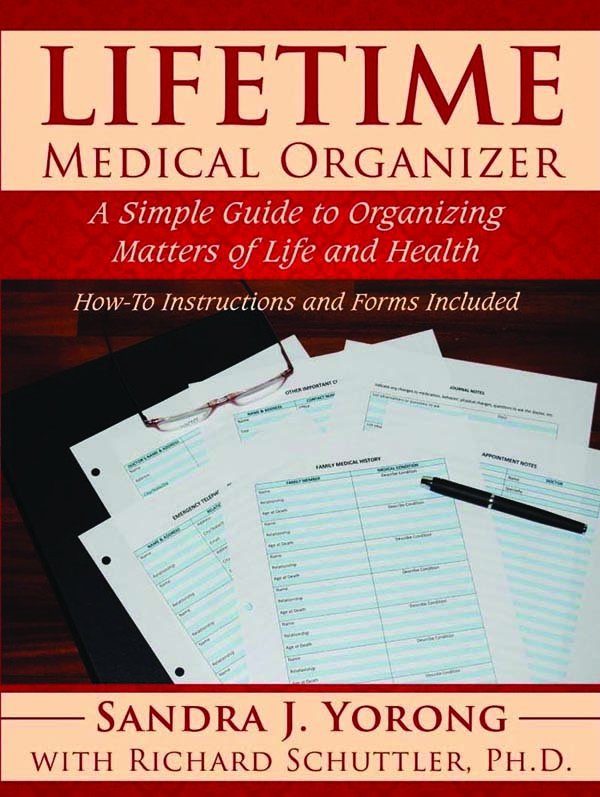
    The year 2006 was a difficult time for Sandi Yorong and her family. Her father started the year undergoing treatment for low-grade prostate cancer. The mild radiation treatment made him tired, but there were no other complications. By mid-year, however, he began experiencing upper back pain. In November, he was diagnosed with terminal lung cancer. Sandi’s father passed away in January 2007.

    Sandi spent many days going back and forth to the hospital with her mother while her father received care. She juggled work demands, and coordinated information between doctors and nurses, while updating her siblings and relatives.

    After customizing her own medical organizer to manage doctor updates, prescriptions, health changes, legal documents and other health-related information for her father, Sandi realized she had developed a very useful tool to communicate and coordinate with family, friends and health professionals — even when she was unavailable.

    Several months later, a friend encouraged Sandi to write a book to share her experiences and her process of creating a medical organizer. She soon published Lifetime Medical Organizer: A Matter of Life and Health. Although Sandi already knew how effective it was for her family, she had an opportunity to test her concept. Her friend created an organizer following the process in Sandi’s book when her own mother needed full-time caregiving. Her friend found that the organizer served as a bridge of communication for her 10 siblings living in various parts of the country who wanted updates about their mom’s health.

    After reading the book, Sandi’s doctor said he wished more families would apply the concept of a medical organizer.

    “My doctor thought it was a great idea for patients, especially when they occasionally bring different family members to accompany them,” Sandi explained. “He said it would create more consistent conversations when loved ones are up to date before the appointment.”

    Always the problem solver, Sandi still enjoys finding practical solutions. It doesn’t hurt that Sandi is a financial advisor with more than 24 years of experience. Helping clients find answers has become part of her DNA.

    Although health information is now available electronically, Sandi believes that creating a customized medical organizer is still valuable for caregivers and loved ones in order to combine online records with other essential documents.

    Yorong’s book is available at www.Amazon.com or email her at sandiyorong@gmail.com to order a personalized copy. Receive a discount when you mention Generations Magazine.


    SANDI YORONG is a financial advisor at Pacific Wealth Planning Group with more than 24 years of experience helping people with retirement planning. Find her on LinkedIn or Facebook, or call 808-792-5935.

    The year 2006 was a difficult time for Sandi Yorong and her family. Her father started the year undergoing treatment for low-grade prostate cancer. The mild radiation treatment made him tired, but there were no other complications. By mid-year, however, he began experiencing upper back pain. In November, he was diagnosed with terminal lung cancer.

  • Dust to Dust: Leaving a Clean Legacy

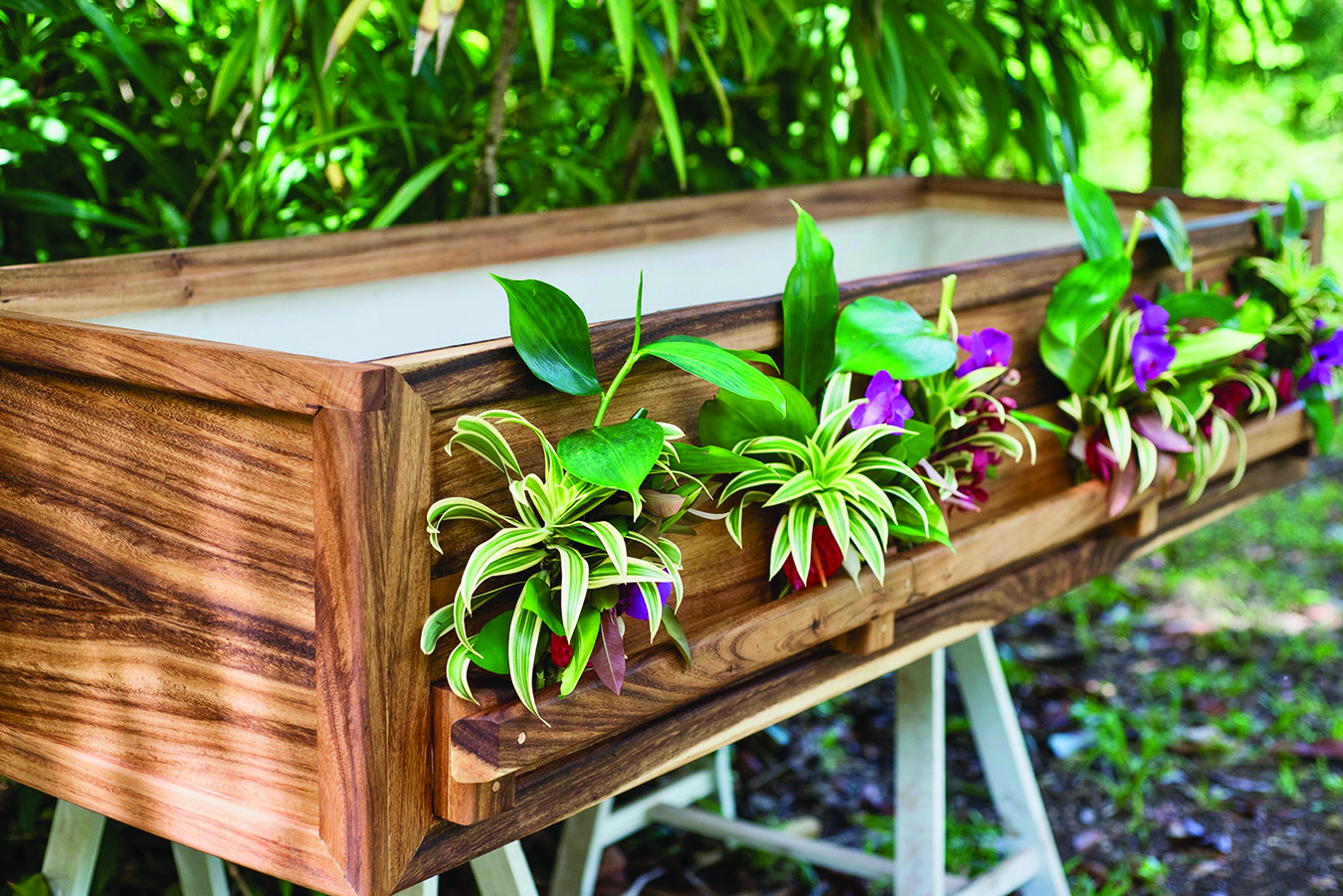
    In Hawai‘i, we’ve developed a rich social discourse around issues of sustainability impacting our communities and environment during our lifetimes. The ever-increasing level of consciousness regarding single-use plastics, reusable bags, clean energy and more is an encouraging sign. But what about the eco-impact of our decisions about end-of-life space? Each year in Hawai‘i, we bury an average of 3,400 imported caskets constructed from non-biodegradable materials such as metal, polyester, lacquer, caustic glue, rubber and formaldehyde. We additionally inter hundreds of gallons of hyper-toxic embalming fluid. These are materials we would never bury on any other day of the year in our backyards. So how have we arrived at a place where our lifestyle choices for the environment look markedly different from our end-of-life choices?

    This casket was made from 100 percent locally reclaimed monkeypod wood.
    This casket was made from 100 percent locally reclaimed monkeypod wood.

    We live in a society where conversations about mortality are largely uncomfortable, disintegrated and oftentimes taboo. The unintended consequence  is that the eco-implications of our very impactful choices in this space are also not discussed. When we don’t engage, we’re not able to make fully informed decisions and instead, fall back on what is traditionally offered. Funeral homes typically provide a standard catalog with dozens of casket options — very few of which are biodegradable. Given these items are intended to be buried in our beloved land, they should, at a minimum, be able to return to the earth.

    The wonderful news is the Federal Trade Commission has established the Funeral Rule, a comprehensive set of rights and protections we all enjoy as consumers in the death space. It includes, among many other privileges, the ability to purchase a casket from any source, regardless of where you’re buried or cremated. This allows families time for an unmediated, online search from the comfort of home. It also affords them the opportunity to procure an environmentally conscious option in the event the funeral home does not offer one. The Funeral Rule is an empowering protection that allows us to leave a clean eco-legacy for future generations.


    PĀHIKI ECO-CASKETS
    808-542-7691 | aloha@pahikicaskets.com
    www.pahikicaskets.com
    https://www.instagram.com/pahikicaskets/?hl=en

    Each year in Hawai‘i, we bury an average of 3,400 imported caskets constructed from non-biodegradable materials such as metal, polyester, lacquer, caustic glue, rubber and formaldehyde. We additionally inter hundreds of gallons of hyper-toxic embalming fluid. These are materials we would never bury on any other day of the year in our backyards. So how…

  • Create a Legacy With Your Real Estate

    One of the biggest decisions we face as we age is what to do with our most valuable asset — our real estate. Our home is a precious place of comfort… well, most of the time. But perhaps a flight of stairs is becoming a struggle to climb. Maybe the house is now just too big to maintain. Where to go when it’s time to downsize is a question select real estate professionals can answer. These specialists can help you navigate your living options and help with the transition.

    Another big challenge is what to do with your investment property — such as a rental that has become a burden. Experienced realtors can conduct an Asset Performance Test to see how valuable your property is performing. Is your rental generating the most Net Operating Income? If you don’t need extra income but you want to keep the real estate in the family, there are ways to transfer property to your heirs while you are still living. Building wealth through real estate is the way most “akamai” families create generational wealth. If you want a better life for you and your family, now is the time to create a legacy.


    The Ihara Team
    1347 Kapiolani Blvd 3rd floor
    Honolulu, HI 96814
    (808) 518-2310
    Iharateam.com 

    One of the biggest decisions we face as we age is what to do with our most valuable asset — our real estate. Our home is a precious place of comfort… well, most of the time. But perhaps a flight of stairs is becoming a struggle to climb. Maybe the house is now just too…

  • Send Love to Caregivers Who Give Love

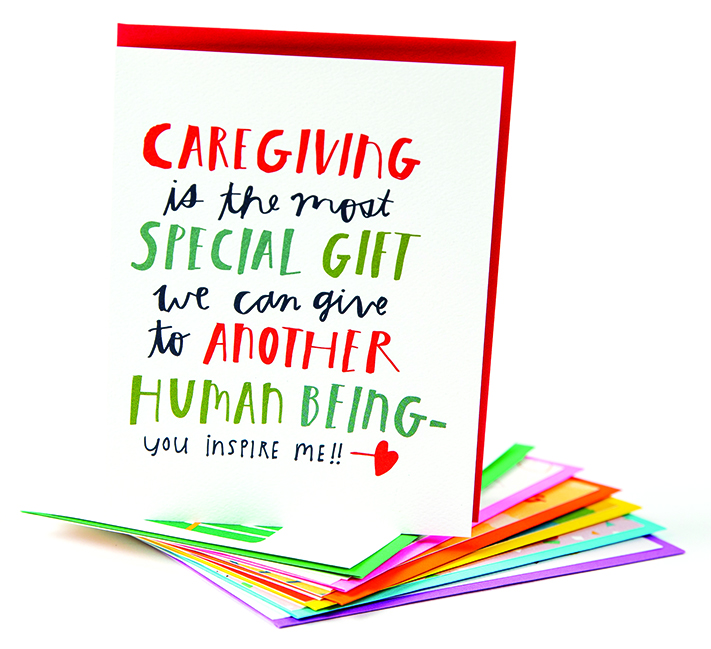
    Looking for a simple, non-digital way to connect with family caregivers who take care of older adults? Send them an appreciation card to acknowledge their dedication and compassionate work.

    Family caregivers devote their time and energy to provide care and to ensure quality of life for their aging loved ones. Family caregivers play a vital role in healthy aging.

    With all the duties involved, family caregiving can be socially isolating, emotionally stressful, physically exhausting, mentally frustrating and financially challenging. Over time, the strain and stress of caregiving can negatively impact a caregiver’s health, according to the National Alliance for Caregiving and AARP. To ensure our loved ones age successfully, we should also focus on the well-being of their caregivers. Their emotional and mental health are critical in performing caregiving tasks. It’s also important to reach out to family caregivers so they do not feel alone.

    Family caregivers give love and should receive love, too. A greeting card that acknowledges family caregivers for their important role, recognizes their devotion, honors their work, expresses gratitude and celebrates caregiving can go a long way to shine a bright light on a deserving longtime or new caregiver.


    SENIOR SHOWER PROJECT
    415-529-5659 | info@seniorshowerproject.com
    www.seniorshowerproject.com

    Family caregivers give love and should receive love, too. A greeting card that acknowledges family caregivers for their important role, recognizes their devotion, honors their work, expresses gratitude and celebrates caregiving can go a long way to shine a bright light on a deserving longtime or new caregiver.

  • Dine Out or Order In Tasty, Healthy Meals

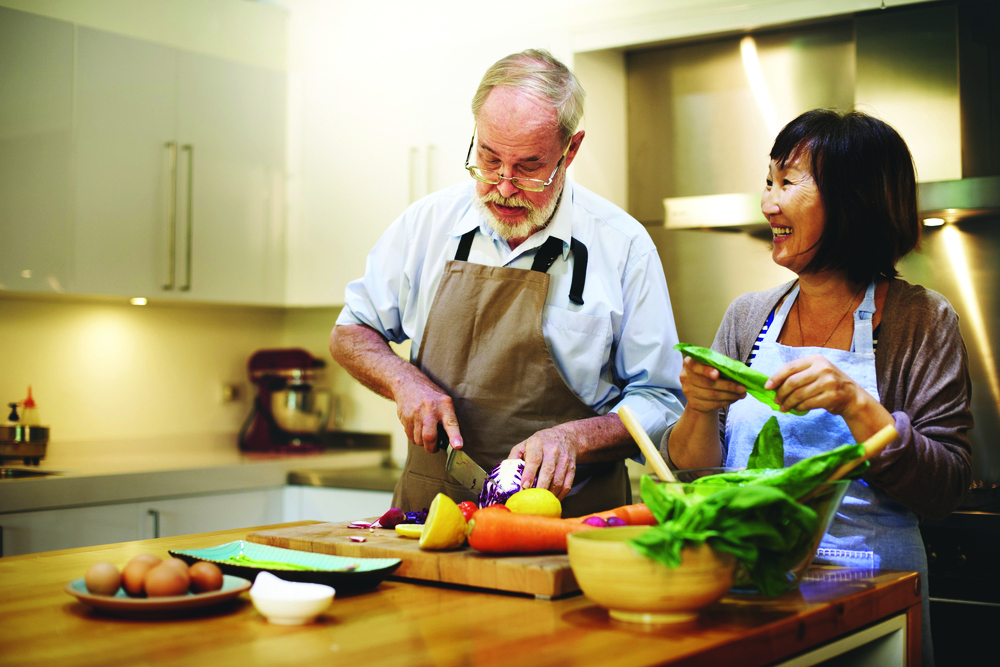
    Today, innovation is changing our way of life for the better. Technology evolves to eliminate painstaking tasks and make our lives easier. Improving methods also applies to the food business, where the combination of technology and innovation enables hungry islanders to obtain their favorite meals from local restaurants with delivery to their doorsteps within minutes of ordering. We can choose snacks, meal plates or fine dining from the comfort of our home using our smartphone or laptop.

    Companies involved in meal plans and food preparation services are personalizing menu items according to customers’ needs. New and improved cooking methods and recipes help chefs to retain great flavor while they provide the customers the healthiest possible meals. Freshly prepared foods do not require preservatives or MSG to boost flavor. Most restaurants have abandoned their use.

    Some clients may want to consume less carbohydrates, so the meal company cuts out carbs from the meal item, and adds more proteins and vegetables instead. Seniors controlling their cholesterol need low-fat meals, which restaurants and food services are able to offer.

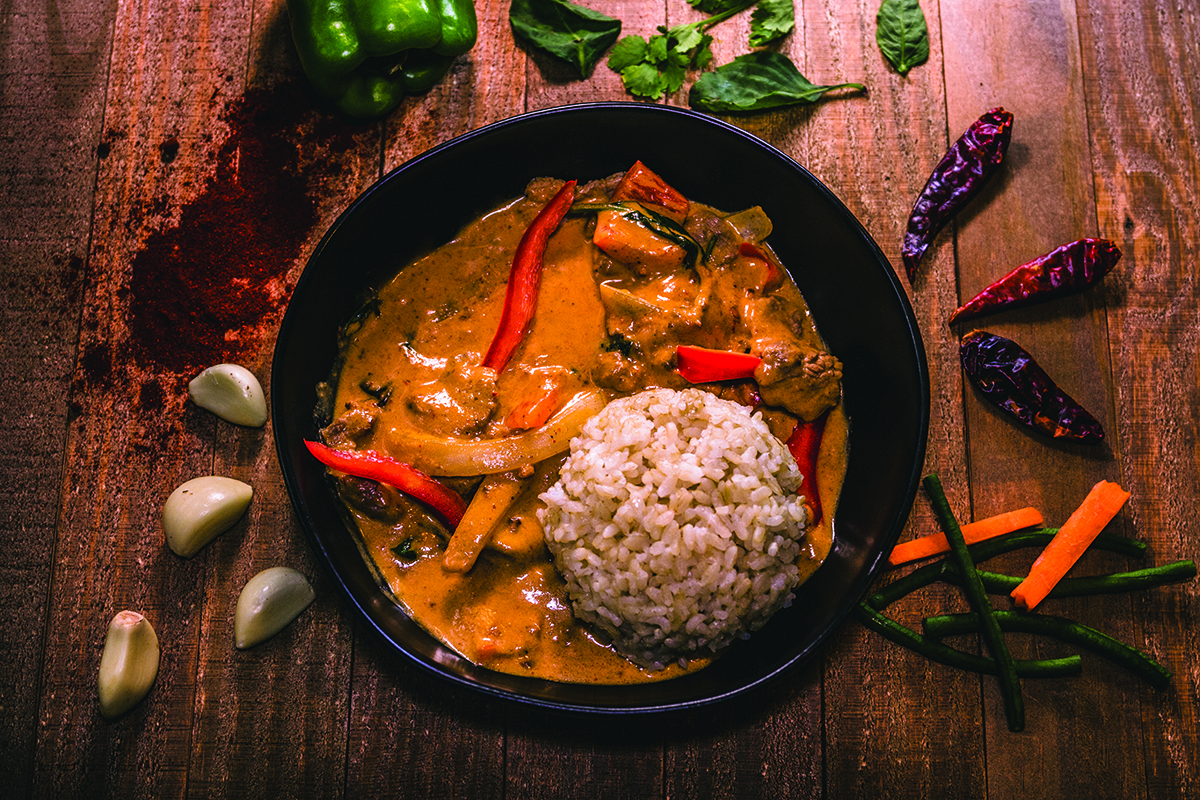
    Cuisines from across the world have their own unique flavor profiles. One that rises to the top of the “big flavor” category is Thai food. Chefs incorporate robust herbs and spices, citrus, and “salt and sweet” Thai flavors with the best fresh ingredients so seniors and their families can enjoy healthy, delicious food without consuming excessive calories.

    There is a lot more to be gained by eating 500-calorie, taste bud-satisfying veggie and protein dishes, than meals loaded with fat and bland starches. So for a better life, make healthy choices, whether you step out or order in.


    ME MYSELF ’N THAI RESTAURANT AND MEAL PLAN
    1336 Dillingham Blvd., Honolulu, HI 96817
    Mon–Sun, 9am – 4pm | 808-693-5131
    Nont Panayanggool
    n.panayanggool22@gmail.com  | www.memyselfnthai.com

    Today, innovation is changing our way of life for the better. Technology evolves to eliminate painstaking tasks and make our lives easier. Improving methods also applies to the food business, where the combination of technology and innovation enables hungry islanders to obtain their favorite meals from local restaurants with delivery to their doorsteps within minutes…

  • Mom’s Date Cake – A 1945 Holiday Treat

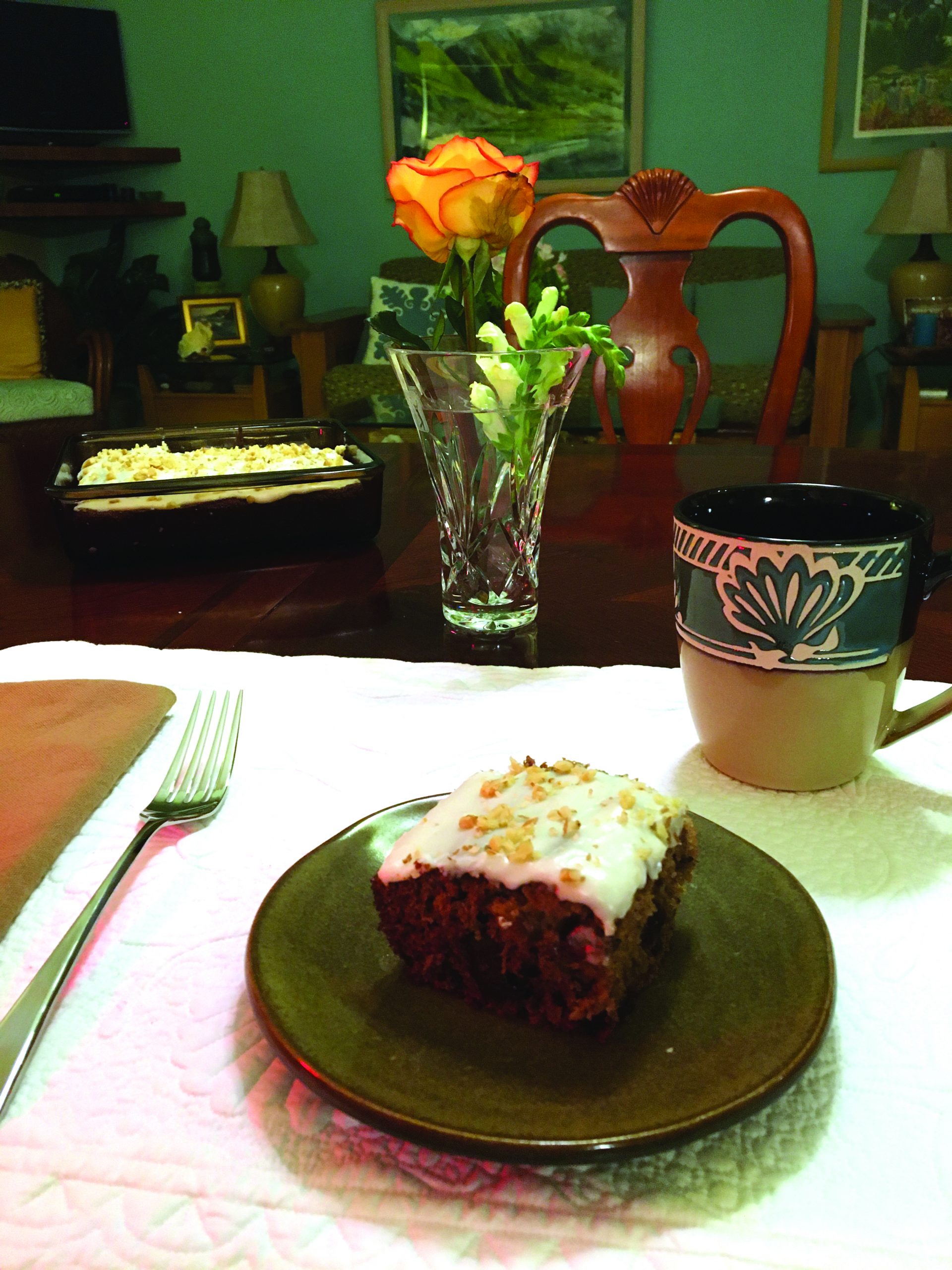
    This satisfyingly sweet and moist cake makes up in 10 minutes and a small piece turns morning coffee or afternoon tea into a special occasion. At my home, the women sat down for tea before starting to cook the evening meal or when “the people” came to visit. Funny how a sweet treat triggers fond memories.

    Ingredients:

    Cake:
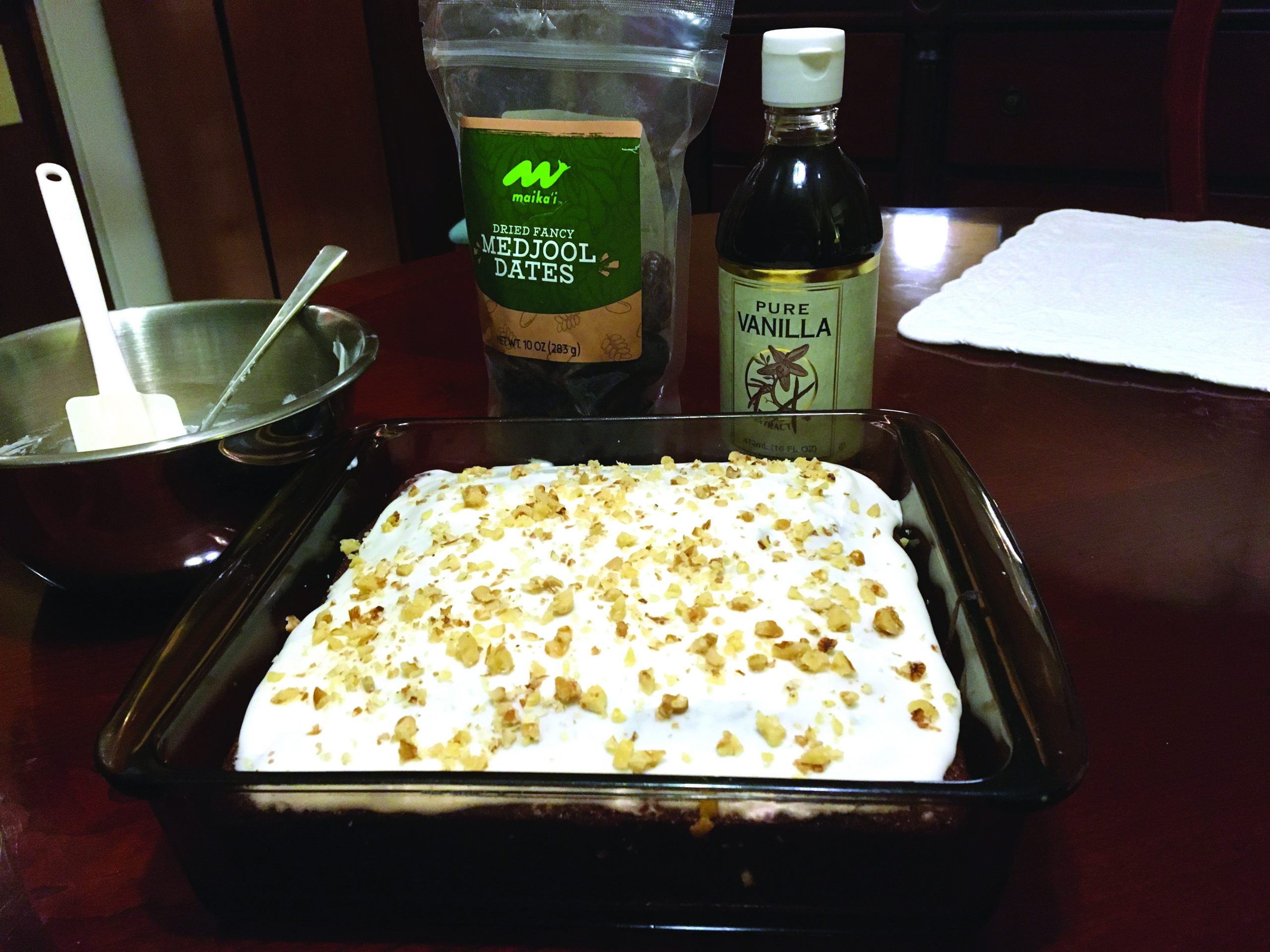
    1 cup (packed) pitted dates (cut in quarters)
    1 tsp. baking soda
    2 Tbsp. cubed butter
    1 cup boiling water
    1 egg
    2/3 cup sugar
    1-1/2 cup flour
    1/2 tsp. vanilla
    1/2 tsp. salt

    Icing:
    1 cup confectioner’s sugar
    2 Tbsp milk or cream
    Dash vanilla
    Pinch salt
    1/2 cup+ walnuts (chopped)

    Directions:
    Preheat the oven to 350 degrees. Prepare a square 9-by-9 baking pan. Spray cooking oil on the inside.

    Cake:
    In a medium bowl, beat all the cake ingredients into a smooth, thin batter, either using an electric beater or by hand.

    Then pour into the prepared pan, place it on the middle rack of your oven and bake for 25 minutes, until brown. Remove and let it sit to cool.

    Icing:
    In a small bowl, beat the ingredients to a smooth consistency. Then spread evenly on top of the cooled cake. Evenly sprinkle chopped walnuts over the icing — add more walnuts if desired.

    Serves: 9–16 | Total time: 35 minutes


    If you’d like to share, Generations Magazine would love to list your favorite recipe and story behind it. For review, please send your story and recipe to: Generations Food & Story 1414 Dillingham Blvd., Ste. 201, Honolulu, HI 96817

    This satisfyingly sweet and moist cake makes up in 10 minutes and a small piece turns morning coffee or afternoon tea into a special occasion. At my home, the women sat down for tea before starting to cook the evening meal or when “the people” came to visit. Funny how a sweet treat triggers fond…

  • Enrich Retirement With Passion, Exploration

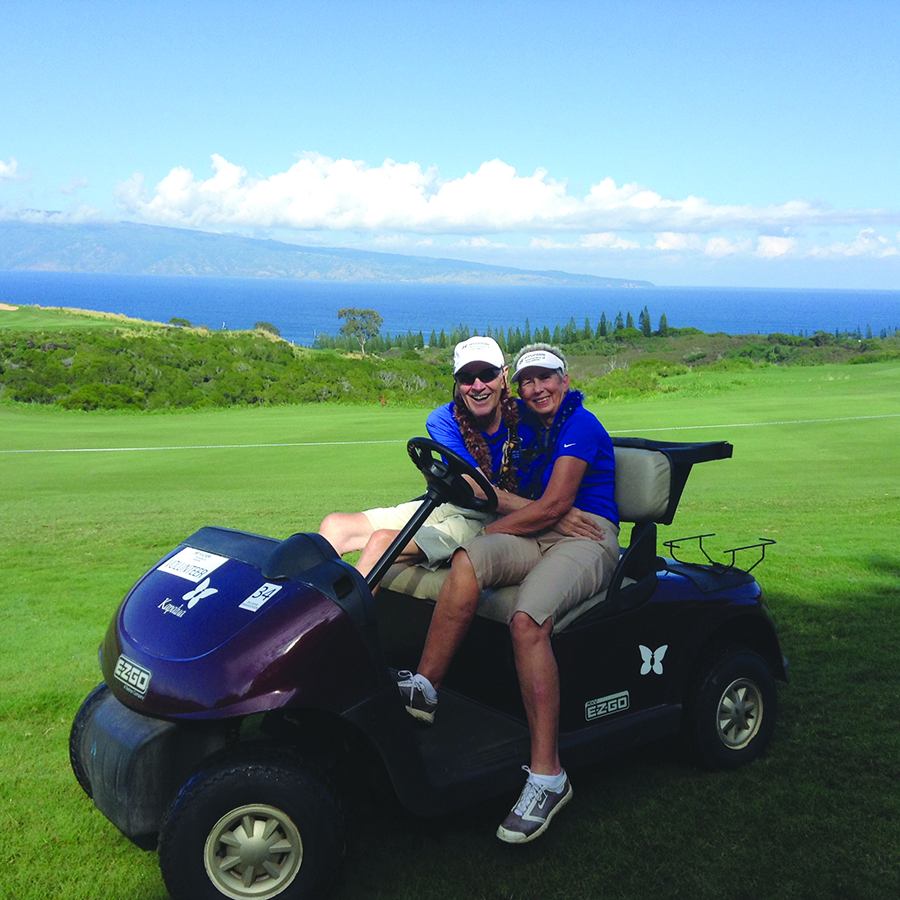
    I am a retired preschool teacher from Bemidji, Minnesota, and I live in Kā‘anapali, Maui, all winter. I am an active volunteer in both communities and my huge appetite for travel has taken me to many of the world’s countries. My method of solo travel affords me opportunities to explore each destination and its culture at my leisure. Often that means viewing and appreciating its art. Exposure to unique and diverse art forms has developed my love of art in all its various forms.

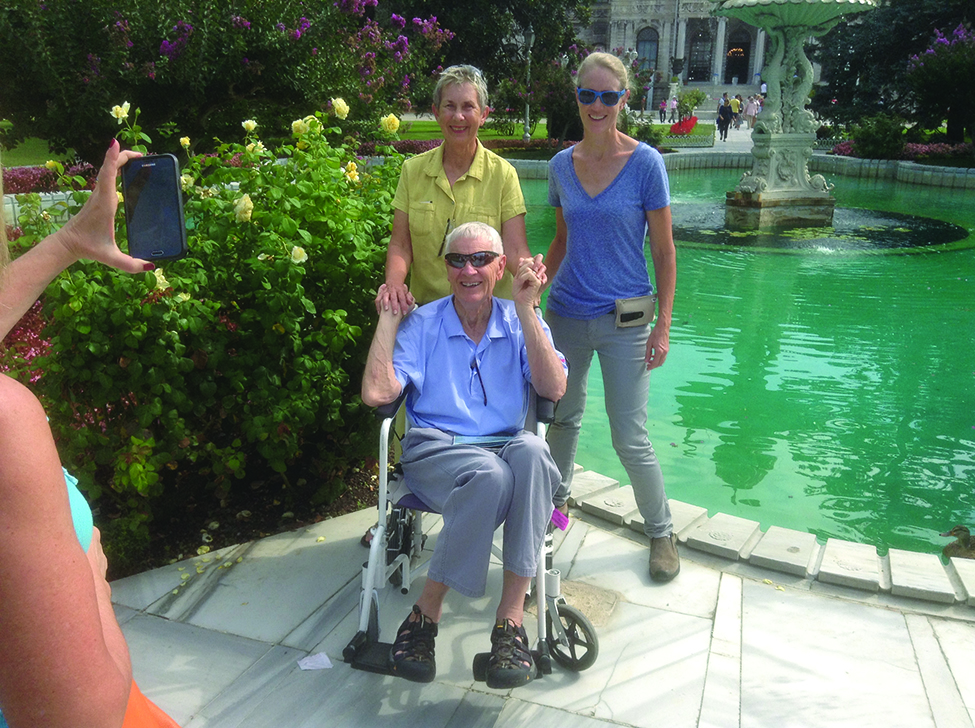
    When my husband was alive, we traveled all over the world. I would have to think of the few countries that we have not visited. Lee was a college professor with a passion for new places and a wonderful sense of humor. After a health problem robbed his ability to walk and talk, we figured out how to keep seeing the world. My daughter, Leeann, was able to share those adventures with us.

    For most of his life, Lee was a cross-trained athlete and served on the Olympic committee. Before the Bejing Olympics, we spent six fabulous weeks exploring China.

    Transitioning to solo travel was not as hard as I thought, because Lee and I were so good at planning itineraries and being flexible on the road.

    I share a passion for seeing the world. If you do too, I recommend travel as a rewarding pastime. I have found that people are much friendlier in real life than they are in the news, books or the movies.

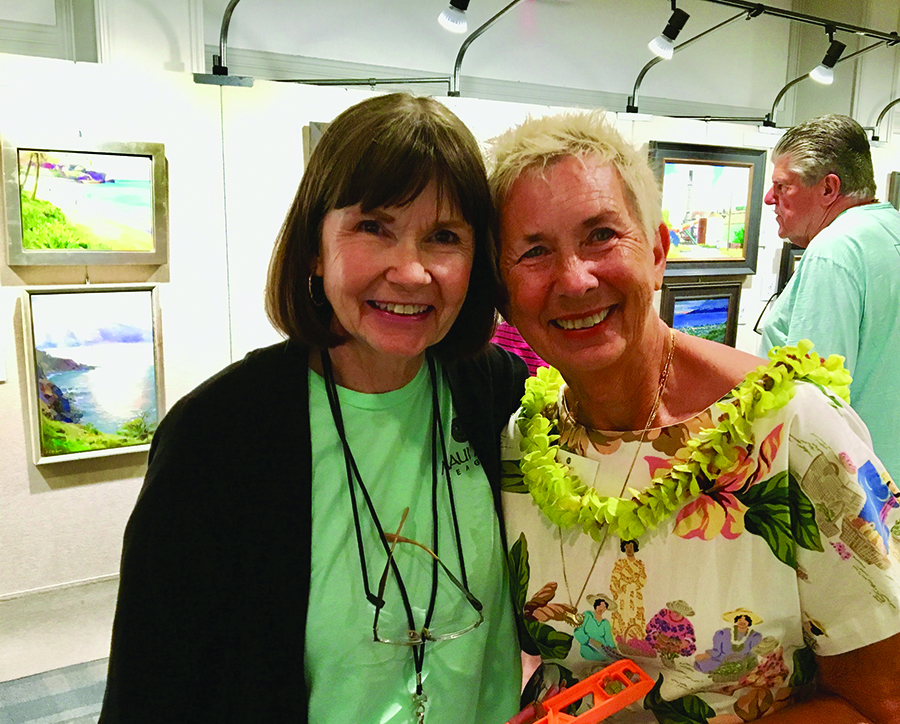
    Every February, I stay home on Maui to assist with the Maui Plein Air Painting Invitational event. This unique event is a tremendous asset to our community by bringing world-class artists here. Our local residents and seasonal guests get a front row seat to watch them paint the beauty of Maui. I live to watch the artists select a subject, set up the easel, create the painting, and frame and hang the finished product. At the art shows I get to greet all the families, visitors and collectors. It’s such a joy to do.

    There is also a free art lecture one evening by a famous art museum curator about “famous art fakes” and a full day of outdoor painting for Maui school children. For all of us who love art and enjoy watching the creative process, being a volunteer is big fun. Feb. 16 through 24, you can find me watching plein air artists on West Maui — and greeting visitors. Here or abroad, art and culture enriches my life.

    I am a retired preschool teacher from Bemidji, Minnesota, and I live in Kā‘anapali, Maui, all winter. I am an active volunteer in both communities and my huge appetite for travel has taken me to many of the world’s countries. My method of solo travel affords me opportunities to explore each destination and its culture…

  • The First Step for a Working Future

    In my 2005 book Boom or Bust, I made the case that if you are prepared, it is never too late to do the work you are meant to do throughout the bonus years of your lengthening life. But if you’re not prepared, watch out for the storm clouds ahead.

    Notice that I used the word “work”— not the word “job.”

    Even so, you may be thinking…

    • I am retired.
    • Employers think I am too old to hire.
    • I can’t do the physical work I once did.
    • I don’t have a high school diploma or college degree.
    • I don’t know where to start looking for an opportunity.

    These are some of the fear words and phrases I hear every day.

    Swallow this. Fear will not lead you into a more financially secure, societally connected, healthy world. But I recognize how fear stops action for many people, educated or not; physically challenged or not; old or not. Should you think that I have not walked in your shoes, I will share that I am 80 years old and in some ways wearing down, while in other ways revving up for new adventures. You can, too, because the need to remain engaged is a lifetime truth for one and all.

    Rather than offer you a lengthy strategy, I suggest you take your first step — and only your first step — into the next phase that will include future work.

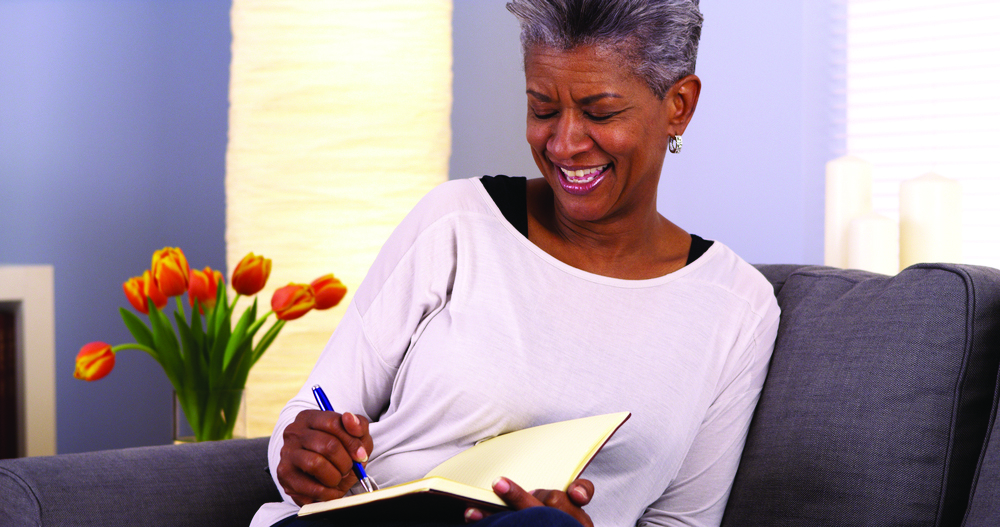
    On a daily basis for the next several weeks, jot down a few notes related to ideas for your working future. Include inspirations, dreams and ideas that may surface around you every day. Use your imagination and remember that work can be done for the good of community, for free, for income, part-time, full-time or some of the time. Ideally, find a regular time to add daily notes to your personal journal. Don’t worry about grammar and spelling — you are the only one who will read what you write. Step No. 1 is up to you and for you only. It is your internal journey.

    We will cover more steps next issue. Remember, please, without a first step, you will only be hoping — not planning — for a working future.

    In the meantime, allow me to offer a gift for the holidays. If you take the time to capture your ideas in a daily journal and know how to use email, please reach out to me. I’d be happy to give you feedback.


    NEW WORKFORCE HAWAII
    Carleen MacKay
    916-316-0143 | carleenmackayhi@gmail.com
    www.newworkforcehawaii.com
    Contact Carleen via her website and receive New Ways to Work, a free PDF book co-written with Phyllis Horner.

    In my 2005 book Boom or Bust, I made the case that if you are prepared, it is never too late to do the work you are meant to do throughout the bonus years of your lengthening life. But if you’re not prepared, watch out for the storm clouds ahead.

  • Thoughts on Aging

    Author Scott Makuakane reflects on Generations Magazine, now in its tenth year.


    Q:
    Hawai‘i has the largest older population in the country. How do you think our seniors are currently living and thriving?

    Hawai‘i is generally a retirement-friendly state. Taxation of retirement income is relatively benign. Our warm climate and surrounding ocean allow ample opportunities for year-round outdoor exercise and connecting with nature. Our culture is generally inclusive and promotes venues for social interaction. All of these factors form a foundation for a thriving senior population that can enjoy fulfillment and longevity. The key is recognizing the treasure trove and taking full advantage of it.

    We have clients in their 70s who are very active in exercise and social groups. One of them recently told us about her hero — a woman in her 90s who attends her Zumba class. Other clients in their 80s are fulfilling their bucket list travel fantasies. It’s encouraging to engage with people like these, who view age as mostly a state of mind and relish each step in their life’s journey. They say 60 is the new 40, but there is no reason that we can’t extend that to 70 or 80 or 90. Sometimes health does not cooperate, but we can do so much proactively to extend the quality of life we enjoy far longer than past generations have.

    Q:
    What important information or trends do seniors and their families need right now to enjoy better quality of life?

    Seniors need to take advantage of all that our community offers. Resources are there and it is important to know where to find them. That is part of the beauty of Generations. Between the magazine, the radio and TV exposure, and the website, much of what is so good and senior-friendly about Hawai‘i is showcased and thereby made available to seniors and their families.

    Specifically, a key to quality of life is being connected with other people. Technology can play a huge role here. A voice, a video image or an email can fortify the senior soul. So attaining tech-savviness can be a valuable asset. Seniors who believe “you can teach an old dog new tricks” embrace technology and are more connected than ever before. Of course, technology has a dark side, and people are victimized in Hawai‘i every day by internet and telephone scammers. That’s where family can intervene and help make sure bad things aren’t happening in their ‘ohana.

    Q:
    Active baby boomers are now seniors. How do you think they will change the way we look at a “frail senior?”

    For many of us, seniors are no longer “them.” They are “us.” One thing I have come to appreciate about the Hawaiian culture is that gray hair is often appreciated, respected and given deference. You see this in informal encounters in public places, as well as in more institutionalized settings, such as the various programs and resources that our state and county governments and nonprofit organizations provide. Most people seem to have an awareness of the fact that we enjoy the quality of life we do in large part because of the contributions of previous generations. And they appreciate how current generations are setting the stage for those yet to come.

    Throughout Hawai‘i, the word “kūpuna” means ancestor or grandparent. “Frail” is not part of that definition. A kūpuna is an honored elder, a living treasure who has acquired enough life experience to become a leader and teacher. Kūpuna before us have guided us with their wisdom. They are a rich source of experience, knowledge, guidance, strength and inspiration for the next generations.

    This is not the case everywhere. On a recent business trip to Boston, I had a brief conversation with a 20-something-year-old. We told him about the word “kūpuna” and asked him what the local term was. Without missing a beat, he said, “I don’t know. F—ing old people, I guess.”

    Lucky we live Hawai‘i.

    Hawai‘i is generally a retirement-friendly state. Taxation of retirement income is relatively benign. Our warm climate and surrounding ocean allow ample opportunities for year-round outdoor exercise and connecting with nature. Our culture is generally inclusive and promotes venues for social interaction. All of these factors form a foundation for a thriving senior population that can…