Category: April – May 2014

  • Spring Time Means UH Baseball

    With granddaughter Alexis at a UH game.
    With granddaughter Alexis at a UH game.

    Many of Hawai‘i residents are baseball fans, especially when it comes to UH’s Baseball Bows. We take pride in these young men who represent our state in collegiate competitions, now playing all their home games in “the house that Les built.”

    The 2014 season marks the 30th anniversary of the Les Murakami Stadium (built in 1984 and previously named the Rainbow Stadium). Coach Les, who was the cover story of Generations’ April/May 2013 issue, was honored on February 21st to commemorate the three decades of the stadium. He became the UH head coach in 1971, won his 1,000th game in 1998, was inducted in the American Baseball Coaches Association Hall of Fame in 2001 and retired after 31 seasons.

    I am proud to say that my husband and I have been UH baseball fans since we met in 1974. Our three children, and now our son-in-law Trey and granddaughter Alexis, enjoy watching at least one game of the home series. Over the years, we have seen great wins and heartbreaking loses. Our most memorable were probably the two longest UH games ever played (prior to the “Les” being built). As we recall, it was in 1976 and we stayed until after midnight, sitting outside the stadium in center field (Scholarship Hill), where Gerald Ako and Derek Tatsuno pitched their entire games of 17 and 18 innings — and won!

    Watching UH baseball is a great tradition for my family. To join the fun, call 808-944-2697 or visit www.hawaiiathletics.com.

    Many of Hawai‘i residents are baseball fans, especially when it comes to UH’s Baseball Bows. We take pride in these young men who represent our state in collegiate competitions, now playing all their home games in “the house that Les built.” The 2014 season marks the 30th anniversary of the Les Murakami Stadium (built in…

  • The Professional Criminal Magician

    Financial abuse of seniors oftentimes goes unreported. Studies have estimated that as few as 1 in 30 cases are brought to the attention of authorities. There are many reasons why these matters don’t get reported.

    The two main reasons for none reporting are:

    the abuser is a family member and the victim doesn’t want to get them in trouble
    the victim is too embarrassed about being taken advantaged of that they would rather no one know about it than to be humiliated
    The first reason, although misguided, is understandable, but second reason, however, is not.

    To be direct and word this in no uncertain terms, victims of financial abuse should not feel embarrassed about being tricked out of their money. Today’s criminals who target seniors are smart criminals with hundreds of hours of experience and sophisticated tools that can convince even professionals that they are legitimate in their business dealings.

    Generations Magazine- The Professional Criminal Magician - Image 01Encountering today’s scam artist is very similar to seeing a professional magician perform. He has spent countless hours practicing his act, invested in resources and props, and achieved a certain level of competence that earned him his own show. When the audience leaves the performance, they are often left wondering how the tricks were accomplished. They are not, however, embarrassed that they could not figure out how a particular illusion was accomplished. The same should be said about victims of today’s scams.

    An example of the skill level of these criminals is seen in a rash of sweepstakes/lottery scams occurring in the Islands today. Potential victims are sent a personalized message (mail, email or telephone) telling them of their good fortune at winning a prize. How did the criminal get this contact information? They spent money getting it. Just like the magician going into a magic shop to buy a deck of marked cards or a collapsible wand, the scam artist can purchase personal information from various sources including people who steal mail; telemarketers who compile information from people who fill out contest entry forms; or computer programs designed to hack email accounts or link addresses to names.

    Gone are the misspelled, poorly written emails and letters. These scam artists have learned from past mistakes and perfected their trade. Today’s personalized lottery winning letters are well-written and look legitimate. Some include pre-printed checks that will initially fool even a bank teller into giving a sum of money that is suppose to be sent to the scam artist to pay for “taxes and fees” on the prize money. Other letters include a credit card that the victim is told has the lottery winnings on it and it just needs to be activated with a payment.

    So professionally done are these notifications, that some banking personnel, financial planners, lawyers and judges have been fooled by these scams.

    In short, if you have been scammed, do not feel embarrassed. You were taken by a professional. Report the crime so that there is a chance these criminal magicians will disappear. All reports are confidential.


    To report suspected elder abuse, contact the Elder Abuse Unit at: 808-768-7536.
    ElderAbuse@honolulu.gov
    www.ElderJusticeHonolulu.com.

    Financial abuse of seniors oftentimes goes unreported. Studies have estimated that as few as 1 in 30 cases are brought to the attention of authorities. There are many reasons why these matters don’t get reported. The two main reasons for none reporting are: the abuser is a family member and the victim doesn’t want to…

  • DANA is a Joy!

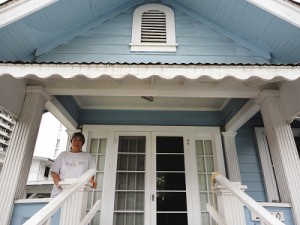
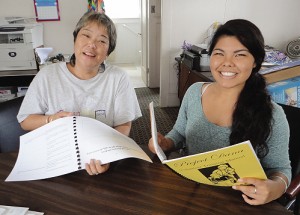
    Osajima at the front porch of Project Dana office and doing an orientation inside with volunteer Ashley.
    Osajima at the front porch of Project Dana office and doing an orientation inside with volunteer Ashley.

    Welcome to Project Dana. Its headquarters is nestled in Moili‘ili in a little blue house, which was donated to Moili‘ili Hongwanji Mission by a long-time dedicated member.

    In recognition of the great and growing need of in-home assistance for Hawai‘i’s frail elderly, Project Dana was launched in 1989 by the Moili‘ili Hongwanji Mission with the wise leadership and foresight of founder Mrs. Shimeji Kanazawa and founding administrator Rose Nakamura. Project Dana is an interfaith volunteer caregiving program that provides a variety of supGenerations Magazine- DANA is a Joy! - Image 02portive services to the elderly, disabled persons and family caregivers to ensure their well-being, independence and dignity in an environment of their choice. Support comes through a corps of trained volunteers from a coalition of churches/temples and community organizations that demonstrate the universal principle of DANA, a Sanskrit word that means “selfless giving without the desire for recognition or reward.”

    Generations Magazine- DANA is a Joy! - Image 03Volunteer project coordinator Cyndi Osajima is one of the staff members who works out of the “office.” She has been with Project Dana since 1993 and considers this her dream job. “I am honored and consider it a privilege to be with Project Dana, working with the devoted staff, site leaders and volunteers. I learn so much from the elderly as they share their life experiences” she says.

    Part of Osajima’s job includes conducting orientations for new volunteers, matching volunteers to the requests of the elders, providing information and referrals, and giving presentations to organizations, agencies, workshops, senior fairs and groups about Project Dana.

    “I am grateful to work in a field where I can utilize my academic knowledge and put my faith into action as a Buddhist,” she says.

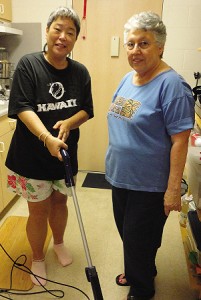
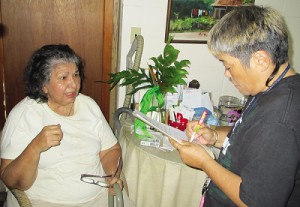
    Osajima working with seniors.
    Osajima working with seniors.

    With an increasing number of elderly in Hawai‘I and greater demands put on social support services, Project Dana fills important service gaps by providing respite, in-person visits or telephone calls, transportation to medical appointments, grocery shopping assistance, caregiver support groups and home safety assessments/education. Working with more than 200 public and private agencies, organizations and individuals, Project Dana provides compassionate and loving care to help advance the well-being of Hawai‘i’s elders as they age in place.

    As the volunteers are the “heart” of The Project, on Sept. 20, 2014, Project Dana will be honoring and thanking all volunteers throughout the state with a 25th Anniversary Celebration.

    Anyone needing services or interested in becoming a volunteer, please contact Project Dana.

    Generations Magazine- DANA is a Joy! - Image 05

    Welcome to Project Dana. Its headquarters is nestled in Moili‘ili in a little blue house, which was donated to Moili‘ili Hongwanji Mission by a long-time dedicated member. In recognition of the great and growing need of in-home assistance for Hawai‘i’s frail elderly, Project Dana was launched in 1989 by the Moili‘ili Hongwanji Mission with the…

  • Aquatic Solutions

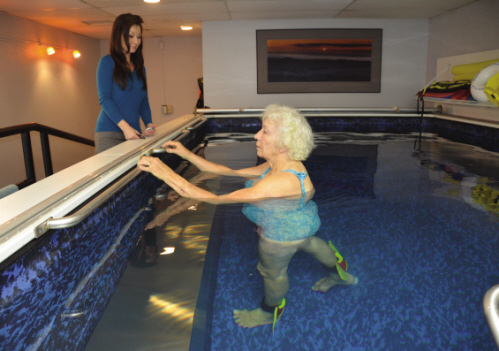
    Ivalee in aquatic therapy
    Ivalee in aquatic therapy

    More than 50 million Americans suffer from debilitating joint pain, making day-to-day living a challenge. As a result, many people choose not to undergo land-based rehabilitation, which is often times very painful. But without treatment, further joint damage, increased pain and decreased function are all very real possibilities. Luckily, aquatic therapy offers another option.

    Aquatic therapy benefits:

    Decreased Stress on Joints: Water buoyancy supports body weight and reduces compression and vibration that cause pain on land.

    Improved Safety: Water provides a gentle, pain free environment for challenging activities that improve balance, strength and mobility.

    Reduced Swelling: The pressure of the water around the joints reduces swelling, which improves mobility and flexibility.

    For patients with chronic pain, aquatic therapy is the gateway to independent pain management and fitness through water exercise.

    Ivalee, 85, says that aqua therapy has helped her joint pain tremendously by loosening her muscles and improving her flexibility. “Water exercises are easier to do than land exercises and I’m able to increase the resistance so that when I do transition to a land program, I’ll be stronger,” she says. “I highly recommend aqua therapy. It is refreshing, relaxing and lots of fun.”


    Moon Physical Therapy’s Cardiac Rehab Program
    320 Ward Avenue, Suite 107, Honolulu, HI 96814
    808-597-1005 | www.moonpt.com

    More than 50 million Americans suffer from debilitating joint pain, making day-to-day living a challenge. As a result, many people choose not to undergo land-based rehabilitation, which is often times very painful. But without treatment, further joint damage, increased pain and decreased function are all very real possibilities. Luckily, aquatic therapy offers another option. Aquatic…

  • Post Stroke: Not Giving Up on Feeling Good

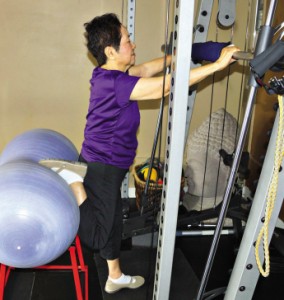
    It was just a yGenerations Magazine- Post Stroke Not Giving Up on Feeling Good - Image 01ear ago that Marion Iwane, 88, read a story in Generations Magazine about a senior in her 90s who started exercising at age 77. Inspired by the story, Marion decided to come in for help with balance, weakness and pain in her hips and shoulders. One month into the program, Marion suffered a mild stroke. After a brief stay in the hospital, she was sent to a nursing rehabilitation facility. Two months later, Marion’s daughter brought her back in to see me. Seeing her with a walker and weak on the left side of her body due to the stroke, I knew we had some work to do. I had successfully worked with another client who suffered a much stronger stroke, so I had high hopes for Marion’s recovery.

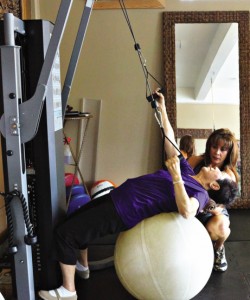
    Generations Magazine- Post Stroke Not Giving Up on Feeling Good - Image 02Marion has come in twice a week for the last 10 months. We started with moving the joints and light stretching, working our way up to strength and flexibility exercises. While training the right and then the left side of the body, it was important that she not lead with her dominant side. When she accomplishes one task we move on to a new one, continually stimulating her brain and connecting the mind to the movement. In the beginning there were times when she wanted to stop coming. Thanks to her daughter who encouraged her to continue, her attitude toward exercise has changed. One day she said to me, “I want to be strong like you.” Wow, that made my day!

    Generations Magazine- Post Stroke Not Giving Up on Feeling Good - Image 03In addition to exercise, Marion and I have worked on infusing her diet with healthy nutrients through green smoothies. Getting enough fruits and vegetables into our diets is important for good health and longevity. We also need healthy fats (monounsaturated and polyunsaturated fats from avocados, raw nuts, fatty fish, etc.) to maintain brain function and help with cellular communication. We add flaxseed and coconut oil into our smoothies as an easy way to ensure we get our good fats.

    Nearly a year later, Marion is stronger and more flexible than prior to the stroke. The pain she was having in her shoulders and hips is gone. She no longer uses a walker and sometimes forgets her cane in the studio after her workout.

    Diane, Marion and daughter, Shirley
    Diane, Marion and daughter, Shirley

    Marion continues to feel better and stronger. I am so proud of her and grateful that she allowed me to share her story to inspire others not to give up regardless of our age and obstacles.

    It is important for all of us to connect the mind and body through movement patterns and exercise (neuromechanics). The more connections — the more brain activity — the healthier the mind, body and spirit.


    Shaping Up!
    808-221-3905
    shapingup@hawaii.rr.com
    www.shapingup808.com

    It was just a year ago that Marion Iwane, 88, read a story in Generations Magazine about a senior in her 90s who started exercising at age 77. Inspired by the story, Marion decided to come in for help with balance, weakness and pain in her hips and shoulders. One month into the program, Marion…

  • Editor’s Note

    Spring is here and it’s the season of rebirth and rejuvenation! Outdoor. Indoor. Or both. Sit. Stand. Move. Interact. Anyway you want it. Though it is the time to come alive! So here are just a few activities to do to keep you busy during this spring.

    1) Go Bows! Get out and cheer on the Rainbow Warrior baseball team. See pg. 11

    2) I believe we need to have more intergenerational programs, such as the One-Mile Project featured in last month’s issue with the class from ‘Iolani School. We need to cherish our kupuna as they have a wealth of experience and values. To all our kupuna, I encourage you to pass down all your values, work ethic and stories of old Hawai‘i, and there is no better way than spending time with your children, grandchildren and even great-grandchildren.

    3) Listen to music and your favorite radio station, AM 690 (KHNR). Tune in Saturdays for two shows:

    • Frank B. Shaner’s Baby Boomer radio show, 4 – 5 p.m.
    • Generations radio show, 5 – 6 p.m.

    To listen to past radio shows, visit BabyBoomerShow.com and Generations808.com

    4) Expand your knowledge, mind and ideas about aging in place, making each year golden! Attend this informational workshop — Generations publisher, Percy Ihara, will be the keynote speaker on “Aging in Hawai‘i.”

    Mini Aging In Place Workshop

    Friday, May 30, 2014, 9:30 –11:00 a.m., Ala Moana Pacific Center, 1585 Kapiolani Blvd., #1518. IMPORTANT: Seating is LIMITED — RSVP with the number of people attending by May 23. Contact: Scott Sakata, Realtor, Seniors Real Estate Specialist (SRES). Phone: 808-228-4916 (call for parking and directions).

    5) It’s showtime! Be entertained with enthusiastic and talented performers.

    Hawai‘i Ballroom Dance Association Cabaret — Mardi Gras Follies 2014, with director Jack Cione. Saturday, June 7, 7 p.m. (doors open at 6:30 p.m.), Hawai‘i Theater, 1130 Bethel St. Tickets are $30 and can be purchased through the Hawai‘i Theater, 808-528-0506.

    6) It’s the right cause for the right reason: give back to our community … just by walking.

    Generations - 2014-04-05 - Message from the Editor - Image 012014 Walk to Cure Arthritis — Hawaii
    Sunday, June 1, 2014 at the Hawaii State Capitol. For Walk information, call the local Arthritis Hawaii office at                         808-596-2900.


    Live well,

    Generations - 2014-04-05 - Message from the Editor - Image 02

    Percy Ihara, Editor/Publisher

    Generations - 2014-04-05 - Message from the Editor - Image 03


    Spring is here and it’s the season of rebirth and rejuvenation! Outdoor. Indoor. Or both. Sit. Stand. Move. Interact. Anyway you want it. Though it is the time to come alive! So here are just a few activities to do to keep you busy during this spring. 1) Go Bows! Get out and cheer on…

  • Backwards Planning

    In my 19 years as an estate planning attorney, I’ve noticed that many of the things we do as attorneys seem backward. The consequence of backward estate planning is dire, causing failed estate plans and fractured family relationships. To ensure a successful estate plan, we must reverse the way we view many of the common estate planning practices:

    • “Read the Will” prior to, not after, someone dies. In a family meeting, discuss your estate plan. What better time to reveal and clarify intentions than when we are alive.
    • It is not solely the document that makes up a sound estate plan, it is the underlying intent that provides the foundation for each document.
    • Start with “why”, then get to the “how” and “what.” Often lawyers want to rush into telling people what to do without exploring the client’s desires and hopes. If we don’t start with asking why the client wants to complete a plan, the what and how will miss the mark.
    • Stop the tail from chasing the dog. Meaning, lawyers often prioritize artificial tax planning over spending time in the relational aspects of estate planning, only to see that while we may minimize taxes, relationships fail.
    • Mend relationships now. We often avoid strained relationships, and leave it to the estate plan to speak to fractured relationships. While some relationships are not “fixable,” now is the time to try.
    • What is most important is not only equal distribution of assets to our children, but also preserving and nurturing the relationships between those we leave behind.
    • We might feel that it is only the worth (dollars and cents) of our assets that is important. However when pressed, most of us feel it is the value (emotion/relational) of our gift that is our most important legacy.
    • Change “I just completed my plan, now I’m done” to: “I just completed my plan and now I’m ready to start.” Once you’ve signed your estate planning documents, I believe you’ve just started the estate planning process because life changes. Now you’ve committed to something that you can review as change occurs.
    • It’s not an entitlement to receive an inheritance. It’s a loving gift.
    • “It’s family so we don’t have to write legal instructions.” It is because it is family, there is much at stake. The clearer the communicate, the better chance for a successful estate plan.

    Stephen B. Yim, Attorney at Law | 2054 S. Beretania St., Hon. | (808) 524-0251 | stephenyimestateplanning.com

    In my 19 years as an estate planning attorney, I’ve noticed that many of the things we do as attorneys seem backward. The consequence of backward estate planning is dire, causing failed estate plans and fractured family relationships. To ensure a successful estate plan, we must reverse the way we view many of the common…

  • Financial: Time for a Retirement Dress Rehearsal

    Two emotions are likely to strike those who are nearing retirement — excitement and fear. Leaving the world of alarm clocks and cubicles is liberating, but feelings of apprehension about entering a new life stage can easily creep in. The responsibility of pursuing your passions and filling each week in a satisfying way can be a challenge. Then, top that off with the ever-present concern about long-term financial security in retirement.

    Feeling excitement and fear is ok, but what if life after work isn’t everything you envisioned it to be?

    Try A Practice Run

    If you’re nearing retirement, you’ve likely taken steps to prepare financially for the future. But there’s one important thing you might not have considered adding to your pre-retirement checklist — a practice run. How you choose to spend your time (and in many cases, your money) is not always an easy decision. As we age, our interests, hobbies and relationships change. What you may consider your “ideal” retirement when you’re 55 may not fit when you’re 65. This evolution can make it hard to plan accurately for retirement.

    To the extent you’ve made a financial commitment to a certain lifestyle, changing your mind in 10 or 15 years could throw a wrench in your long-term financial plan.

    For example, consider an individual who has lived his entire life in New York, but retires to Florida where taxes and cost-of-living are generally lower. Deciding after several years to relocate back to New York to be near family — where cost of living and tax rates differ — can mean the dollars he’s saved will have to be re-allocated and his savings may not go as far as he’d planned.

    The idea of practicing retirement may also mean leaving the 40-hour work week for something that’s more part-time. Some people may want to take a part-time role with their current employer, or work as a consultant. This also can offer important financial benefits that help preserve their nest egg.

    Financial Rehearsal

    Practice can also be beneficial in another way — simulating how to manage your expenses in retirement. The idea that your cash flow no longer comes from a reliable paycheck, but from other sources like Social Security and personal savings can come as a shock … even to those who are well-prepared for this change.

    One idea to accomplish this is to run two accounts for a certain period of time. Through one account, manage all of your household and lifestyle expenses that you expect during retirement. This includes the costs for necessities such as food, clothing, shelter, utilities, taxes and insurance as well as “nice-to-have” items like dining out, traveling, etc.

    Through the second account, manage all of your expenses that are expected to end in retirement like principal and interest on a mortgage payment (if your home will be paid off), car payments (although car payments can certainly happen again in retirement), college costs for your kids and contributions to retirement plans.

    Perfecting Life In Retirement

    A little practice can go a long way toward easing emotional and financial concerns when it comes to making the jump into retirement. A retirement trial run may not answer all of your questions — and it doesn’t necessarily include the unexpected events that can often throw retirement off track — but doing it for six months or so can be very beneficial in determining whether your retirement budget is realistic. Consider working with a financial advisor who can help you reach your retirement dreams.


    Michael W. K. Yee, CFP
    1585 Kapiolani Blvd., Suite 1100, Honolulu
    808-952-1222 ext. 1240 | michael.w.yee@ampf.com

    Michael W K Yee, CFP®, CFS®, CRPC®, is a Financial Advisor CERTIFIED FINANCIAL PLANNER practitioner™ with Ameriprise Financial Services, Inc. in Honolulu, HI. He specializes in fee-based financial planning and asset management strategies and has been in practice for 26 years. Brokerage, investment and financial advisory services are made available through Ameriprise Financial Services, Inc. Member FINRA and SIPC. © 2014 Ameriprise Financial, Inc. All rights reserved. File # 783860


    Two emotions are likely to strike those who are nearing retirement — excitement and fear. Leaving the world of alarm clocks and cubicles is liberating, but feelings of apprehension about entering a new life stage can easily creep in. The responsibility of pursuing your passions and filling each week in a satisfying way can be…

  • Medicare: Taking Your Medicare Call

    Medicare questions (such as the ones below) flood the Hawaii SHIP hotline each day.

    SHIP: “Good morning, you have reached the Executive Office on Aging and the Hawaii SHIP, how may I help you?”

    Caller #1: “I need information about why my Medicare is not covering my ambulance bill.”

    Caller #2: “I am turning 65 in June, what do I need to do?

    The Hawaii SHIP Program is sponsored by the Department of Health Executive Office on Aging, through a grant from the Centers for Medicare and Medicaid Services. The program provides assistance to Medicare beneficiaries. In addition, the program provides presentations to all interested groups, exhibits at health and wellness events and does special screening outreach for Medicare beneficiaries during the Medicare Open Enrollment period, from October 15 to December 7.

    Did You Know?

    Medicare counseling assistance is available usually on the first Friday of each month at the Honolulu and Kapolei Social Security offices. A Medicare counselor is there from 9 a.m. to noon to assist anyone with Medicare questions, such as:

    • Do I have to sign up for Medicare?
    • Do I need a drug plan?
    • Is there help with health costs?

    Two Medicare counseling sessions this spring are on Friday, April 4 and May 2.

    Volunteer Opportunities

    The Hawaii SHIP provides assistance to Hawai‘i’s 220,000 Medicare beneficiaries and is staffed by two state program specialists. So how is it that two staff members can accomplished the program goals? Not possible without the dedicated

    volunteers who contribute to the success of the volunteer-based program.

    Hawaii SHIP provides a number of great opportunities. Training and mentoring are provided for all volunteer positions. Presently, you have a choice among the following:

    • Community Outreach Specialist
    • Customer Service Specialist
    • Certified Medicare Counselor
    • Office and Material Volunteer
    • Special Projects Volunteer
    • Professional/Working Volunteer … and more.
      You can be a volunteer and assist Medicare beneficiaries, as well as family and friends. Volunteers are welcomed from all islands. You are invited to join others who have already said, Yes!


    Hawaii SHIP (State Health Insurance Assistance Program):
    1-888-875-9229 | help@hawaiiship.org
    www.hawaiiship.org
    For 2014 Medicare updates: www.medicare.gov

    Medicare questions (such as the ones below) flood the Hawaii SHIP hotline each day. SHIP: “Good morning, you have reached the Executive Office on Aging and the Hawaii SHIP, how may I help you?” Caller #1: “I need information about why my Medicare is not covering my ambulance bill.” Caller #2: “I am turning 65…

  • How to Handle Fall Risks

    Everyone has heard about the aging “tsumani”— that enormous collection of “Baby Boomers” who were born after World War II — and its huge impact on our Islands and society. Boomers are turning 65 in record numbers: every 10 seconds. That is 6 new seniors per minute, 360 per hour, 8,640 per day, and more than 3 million in 2010 alone. Unfortunately many are in need of serious health care … and there are not enough doctors, nurses and hospital beds to accommodate everyone.

    Generations Magazine- How to Handle Fall Risks - Image 01More than ever, we have to take charge of our own health, including doing what we can to avoid health problems, such as preventing falls. According to the Centers for Disease Control, falls are the leading cause of accidental fatal and non-fatal injuries among Hawai‘i’s older adults. Every five hours a kupuna is injured so severely in a fall that he/she must be treated in a hospital.


    These falls threaten our independence and quality of life … and many seniors never fully recover from their injuries.

    The good news is that falls are preventable.

    Here are four key ways you can prevent yourself from falling:

    1. Medication Management: Multiple medications can cause dizziness and contribute to a fall. Ask your pharmacist to review all of your medications — prescriptions, over-the-counter drugs (antihistamines, cough syrups, etc.) and supplements such as vitamins, ginkgo root, ginseng or other herbal items.
    2. Vision Checks: Get your eyes checked annually. Your depth perception and ability to see in low light changes over a lifetime.
    3. Create A Safe Home: Clean and clear your living area. De-clutter your residence and remove fall hazards (loose newspapers, throw rugs, electric cords) from your path. Also, add more lighting to walkways, stairways and other pathways. Increase the wattage in all your lights. Don’t worry about the extra electricity … it is cheaper than a fall injury. And most importantly, turn on a light when you get up at night.
    4. Physical Activity: Exercise and walk regularly for balance and strength. Even if you require a cane or a walker, keep walking. If you’re too frail to walk safely, try chair exercises—much can be accomplished from a seated position. Find examples on CDs and YouTube videos that specialize in seated exercises.
      If you’re up for taking a class, tai chi is a popular exercise for preventing falls. It focuses on balance while alleviating stress and anxiety. It’s considered to be a form of ‘meditation in motion’.

    To view the 2013-2018 Hawaii Falls Prevention State Plan, visit www.hawaiiadrc.org and click on the “Resources” tab and scroll down to “New Publications.”


    Executive Office on Aging
    808-586-0100 | eoa@doh.hawaii.gov
    www.health.hawaii.gov/eoa/

    Everyone has heard about the aging “tsumani”— that enormous collection of “Baby Boomers” who were born after World War II — and its huge impact on our Islands and society. Boomers are turning 65 in record numbers: every 10 seconds. That is 6 new seniors per minute, 360 per hour, 8,640 per day, and more…

  • Hazardous Internet Documents

    You have seen the commercials. You have heard the radio ads. But before you go to a website to have your estate plan constructed by a computer program, be sure to ask yourself this:

    Generations Magazine- Hazardous Internet Documents - Image 21

    You may not have as large an estate as Mr. Fancyshmancylawyer or Mr. Radiobucks, but everything you own is everything you own, and it probably makes a difference to you whether it goes where you want it to go after you’re gone. It probably also makes a difference to you who will make decisions on your behalf if there is ever a time when you can’t make them yourself. Do you want your hand-picked decision-maker talking with your doctor as you lay there unable to speak, or are you willing to leave it to chance as to who steps up to the plate?

    You may respond, “You’re a lawyer who makes his living putting together estate plans for clients … of course you don’t like those legal websites. They cut into your bottom line.” Well, not really.

    Generations Magazine- Hazardous Internet Documents - Image 03A growing portion of my practice involves fixing estate plans prepared over the Internet. The problem with computer-driven estate plans is that in the real world, more often than not, they don’t work. An effective estate plan involves far more than a set of documents, even very well drawn documents that would stand up in any court in the land. For one thing, wouldn’t it be better to have an estate plan that will help you and your family stay out of court altogether? Going to court is not the end of the world, but it can be a royal pain. Most lawyers and judges are good, decent people. But does that mean that your estate plan should provide them with profitable employment? A much better approach is getting your plan right the first time, and then making sure that it continues to work according to your wishes in light of changes in your health, your stuff, the law, and the list of people you trust. If you can accomplish these things without court supervision, you will have reached estate planning nirvana.
    Bottom line: There is a lot of really good information on the Internet. There is also a lot of misinformation. Do you have the training and background to tell one from the other when it comes to putting your estate plan in order? If so, knock yourself out. If not, there is something to be said for working with a live professional instead of an impersonal website that cares more about your credit card authorization than about what happens to you and your stuff.


    Scott Makuakane, Counselor at Law
    Focusing exclusively on estate planning and trust law.
    Watch Scott’s TV show, Malama Kupuna
    Sundays at 8:30 p.m. on KWHE, Oceanic channel 11
    www.est8planning.com
    O‘ahu: 808-587-8227
    Email: maku@est8planning.com

    You have seen the commercials. You have heard the radio ads. But before you go to a website to have your estate plan constructed by a computer program, be sure to ask yourself this: You may not have as large an estate as Mr. Fancyshmancylawyer or Mr. Radiobucks, but everything you own is everything you…

  • Web Navigation

    Main navigation menu: Use these topics to navigate to the various pages in our site. As you run the cursor over the word, it’ll become bold. These topics will always exist on every page. Throughout the homepage, there are also various other buttons that’ll take you to any one of these topics.

    Home is the main page.

    This Issue will take you to the current issue’s table of contents with live\ links to individual articles.

    Resources will take you to resource guide archives.

    AIP Videos show a list of the Aging In Place Workshop speakers.

    Events: contains the events calendar.

    Advertising contains all of our advertising and marketing information.

    About Us is just a little background.

    Contact Us via mail, phone or email.

    Subscribe provides a subscription form so you can enjoy Generations Magazine delivered to your door every other month.

    Generations Magazine- Welcome to the Generations808.com1- Image 01

    Main navigation menu: Use these topics to navigate to the various pages in our site. As you run the cursor over the word, it’ll become bold. These topics will always exist on every page. Throughout the homepage, there are also various other buttons that’ll take you to any one of these topics. Home is the…