Category: Programs & Services

  • Benefits Enrollment Center

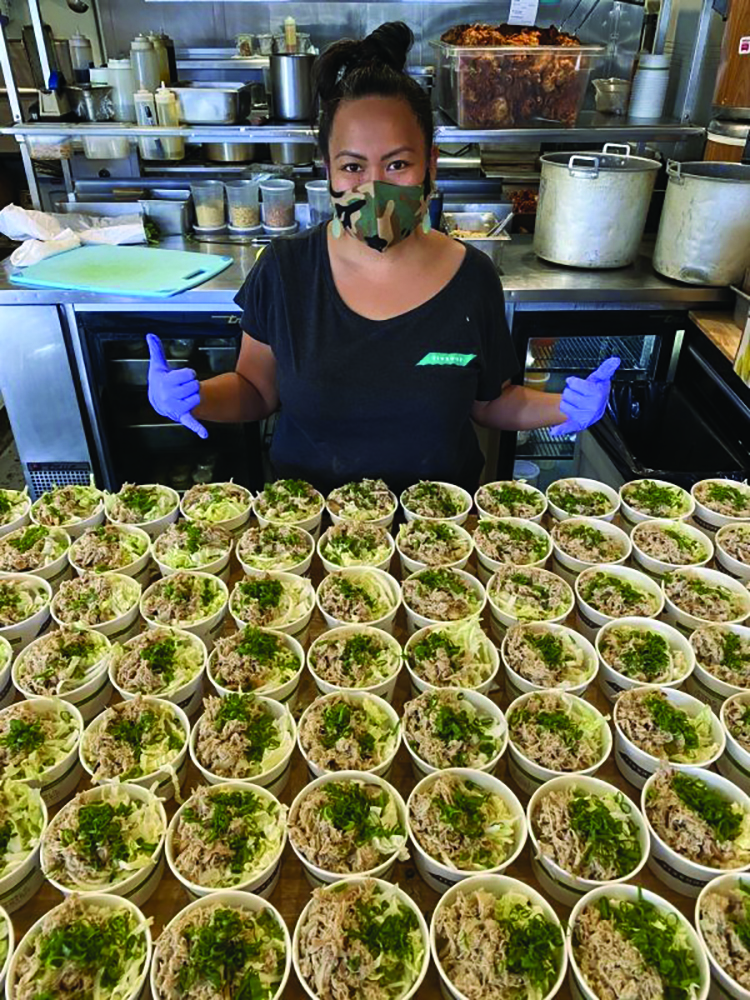
    The Benefits Enrollment Center program helps low-income kūpuna 65-plus and disabled Medicare beneficiaries to access food benefits.

    At the onset of the COVID-19 pandemic, kūpuna were encouraged to stay home and self-isolate. Dining in restaurants or grocery shopping became difficult for all of us, but particularly for seniors who were most vulnerable. The Kupuna Food Security Coalition was formed to address the nutritional needs of seniors. Community organizations stepped up to provide emergency meals and grocery buying assistance.

    Over a year later, some of the temporary emergency meal  programs have ended and the focus has turned to long-term food security solutions. The Supplemental Nutrition Assistance Program (SNAP) can help seniors stretch their dollars and give them access to nutritious food.

    The Benefits Enrollment Center (BEC) assists Medicare recipients in applying for SNAP and other benefits. The BEC team can help with eligibility guidelines, applications, information gathering and follow-up services to ensure that they have access to the benefits they are eligible for.


    CATHOLIC CHARITIES HAWAI‘I (501(c) 3 nonprofit)
    1822 Keeaumoku St., Honolulu, HI 96822
    808-527-4777 | peter.reyes@catholiccharitieshawaii.org
    www.CatholicCharitiesHawaii.org
    The Benefits Enrollment Center program of Catholic Charities Hawai‘i is made possible through grants from the National Council on Aging (NCOA) and the Walmart Foundation. Medicare recipients can contact the Benefit Enrollment Center at 808-527-4777 to learn more.

    The Benefits Enrollment Center program helps low-income kūpuna 65-plus and disabled Medicare beneficiaries to access food benefits. At the onset of the COVID-19 pandemic, kūpuna were encouraged to stay home and self-isolate. Dining in restaurants or grocery shopping became difficult for all of us, but particularly for seniors who were most vulnerable.

  • ATRC Links People With Assistive Technology

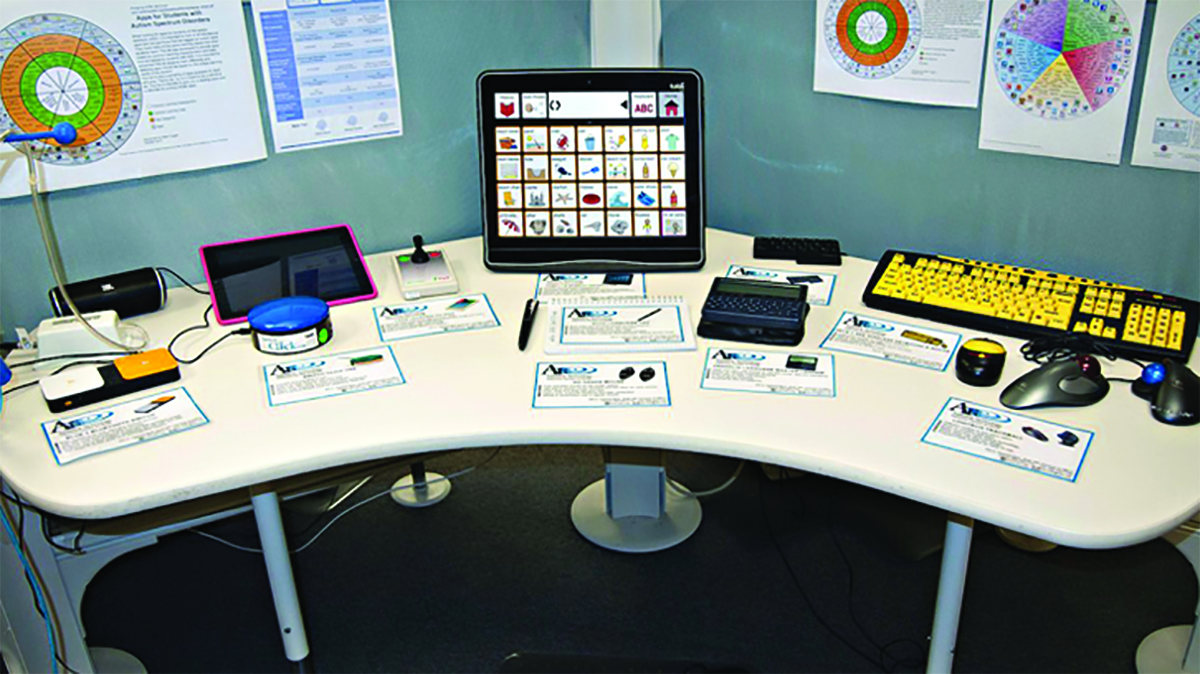
    Assistive Technology Resource Centers of Hawai‘i (ATRC) is a nonprofit resource center that provides information about assistive technology (AT) to persons with disabilities, as well as their family members, employers and educators. Its mission is to link people with AT and empower individuals through its use.

    As Hawai‘i’s designated Assistive Technology Act agency since 1991, ATRC provides technical assistance throughout the state to ensure persons with disabilities can get what they need. ATRC services include assessment, training, program information, public awareness programs, technical assistance, rehabilitation technology services, financial loans and more. ATRC reps also speak to organizations and demonstrate technology.

    ATRC is providing limited access during the pandemic. Remote assessment, training, learning groups (peer), professional learning opportunities, information and referrals are still available.


    ASSISTIVE TECHNOLOGY RESOURCE CENTERS OF HAWAII (501(c) 3 nonprofit)
    808-532-7110 | barbara@atrc.org
    www.atrc.org
    ATRC does not sell products, but recommends vendors. Device demonstration and lending  programs give individuals and groups the opportunity to make an informed choice about an AT device prior to acquiring one.

    Assistive Technology Resource Centers of Hawai‘i (ATRC) is a nonprofit resource center that provides information about assistive technology (AT) to persons with disabilities, as well as their family members, employers and educators. Its mission is to link people with AT and empower individuals through its use.

  • SSA Helps Small Businesses

    If you’re a small business owner or you work for one, we can help make your life easier with our suite of services. Our business services allow you to file W-2/W-2Cs online and verify your employees’ names and Social Security numbers against our records.

    If you run a business, make us your first stop at www.ssa.gov/employer. It will save you valuable time when you need information on W-2s, electronic filing and verifying Social Security numbers. Small business owners can also take advantage of our Business Services Online at www.ssa.gov/bso/bsowelcome.htm. You must register to use this free service, which also offers fast and secure online W-2 filing options to Certified Public Accountants, enrolled agents and individuals who process W-2s and W-2Cs.

    For more information about electronic wage reporting, read our publication at www.ssa.gov/pubs/EN-05-10034.pdf.


    SOCIAL SECURITY ADMINISTRATION
    Call SSA at 800-772-1213 (TTY 800-325-0778)
    Mon–Fri, 8:30am–3:30pm. Use the SSA Office Locator at www.socialsecurity.gov to find your local office.

    According to the US Small Business Administration, about 30 million small businesses in the United States employ tens of millions of people. Running a small business can be a 24-7 endeavor managing employees, inventory, scheduling, services and marketing at a small business can be very challenging.

  • Relay Conference Captioning Service

    Communication access is critical to stay connected for our health and overall quality of life. As we age, hearing loss may affect our lives, making it more difficult to understand what is happening during in-person meetings, community services, safety workshops and many other events. Struggling to hear and understand what is being said in our daily activities may cause us to feel a loss of independence and dignity, and may even cause us to withdraw socially.

    There’s a service available that can help you feel empowered and stay engaged with individuals or co-workers. Relay Conference Captioning (RCC) is a service available at no cost* to Hawai‘i  residents who are deaf or hard of hearing that enables them to actively participate in multiparty teleconference calls or web conferences. The service enables you to participate in teleconference calls or webinars by reading live captions through a web browser on your computer or mobile device. Saving a copy of the RCC transcript is one of the available options.

    If you or someone you know is challenged by group online discussions or meetings, encourage them to check out this innovative solution and help regain their confidence and independence.


    HAWAII CAPTEL®
    877-805-5845 (toll-free) | captel@captel.com
    www.hawaiicaptel.com
    Relay Hawaii
    844-882-3160 | relayhawaii@sprint.com
    www.relayhawaii.com/rcc
    *Relay Hawaii Equipment Program (RHEP) provides specialized equipment at no cost to deaf, hearing-challenged or speech-disabled individuals who are unable to use a standard telephone.

    As we age, hearing loss may affect our lives, making it more difficult to understand what is happening during in-person meetings, community services, safety workshops and many other events. Struggling to hear and understand what is being said in our daily activities may cause us to feel a loss of independence and dignity, and may…

  • What’s the ‘Advantage’ in Medicare Plans?

    While choosing the most valuable plan for you, make sure your prescriptions and providers are covered and in the network. Consider the specific benefits that are most advantageous to you and what is personally important to you.

    There are two times per year that most members can change plans; however, very often, there are additional windows that allow Medicare beneficiaries to make changes mid-year. These windows may be available to you.

    While the employees of each carrier are trained about the specific plans they represent, they can be examples of “If the only tool you have is a hammer, everything looks like a nail.”

    To get the most unbiased advice, I suggest you find a local, independent insurance agent who specializes in Medicare and represents multiple plans.

    Medicare can be confusing, but with a bit of help from experts, it doesn’t have to be intimidating or overwhelming.


    THE MEDICARE GEEK
    1221 Victoria St., #3103, Honolulu, HI 96814
    808-724-4993 | robin@themedicaregeek.com
    www.themedicaregeek.com

    There’s been a lot of buzz about the extra benefits that come with Medicare Advantage plans. I’m asked everyday, “What’s the best plan?” There really isn’t a one-size-fits-all best plan — but chances are, there could be a better plan out there for you than what you have.

  • Visitor Aloha Societies in Hawai‘i Care for Travelers Touched by Adversity

    Despite the ongoing pandemic, Hawai‘i continues to attract scores of visitors lured by the promise of pristine beaches, picture-perfect scenery and a balmy, tropical climate. Yet, the fact remains that while our state continues to be one of the safest destinations in the world, it is not unlike anywhere else. The islands still can be a place where unfortunate circumstances may befall just about anyone.

    Of course, no person goes on vacation expecting the worst. Many are even prone to letting their guard down — which is when Visitor Aloha Society of Hawai‘i (VASH) steps in.

    Established in 1997 by the Rotary Club of Honolulu, with the cooperation of the Honolulu Police Department, VASH serves as a temporary lifeline from which US mainland and international travelers may receive free moral support, translation services, and help with funeral arrangements and other emergency assistance.

    Although there are VASH branches throughout the state, all operate independently of each other. Those found on Maui and Kaua‘i, for example, work in conjunction with Maui Visitors Bureau and Kaua‘i Visitors Bureau, respectively, while VASH on the Big Island and here on O‘ahu operate as nonprofit organizations.

    How Can VASH Help?

    The way it works is simple: When a visitor files a police report, encounters a social worker in the hospital or requires emergency medical services, VASH may be called upon to assist.

    Be it car break-ins at popular lookout points; incidents of theft, domestic violence or injury — or even the unexpected passing of a loved one — our team of carefully trained volunteers intervenes with empathy and guidance to help vacationers in need find solace and move forward.

    In some instances, guests on cruise ships that dock in Honolulu, particularly the elderly, slip and fall, sustaining an injury, while others simply become ill. Whatever the case, they may find themselves in a local hospital, separated from loved ones in unfamiliar territory. That’s when a VASH volunteer steps in to let them know they are not alone.

    In another case not long ago, The Queen’s Medical Center–West O‘ahu reached out after treating a domestic abuse victim on vacation with her family. Every step of the way — from keeping her and her three children safe at their hotel to seeing them through TSA at the airport — VASH was right there, even following up with her after she returned home.

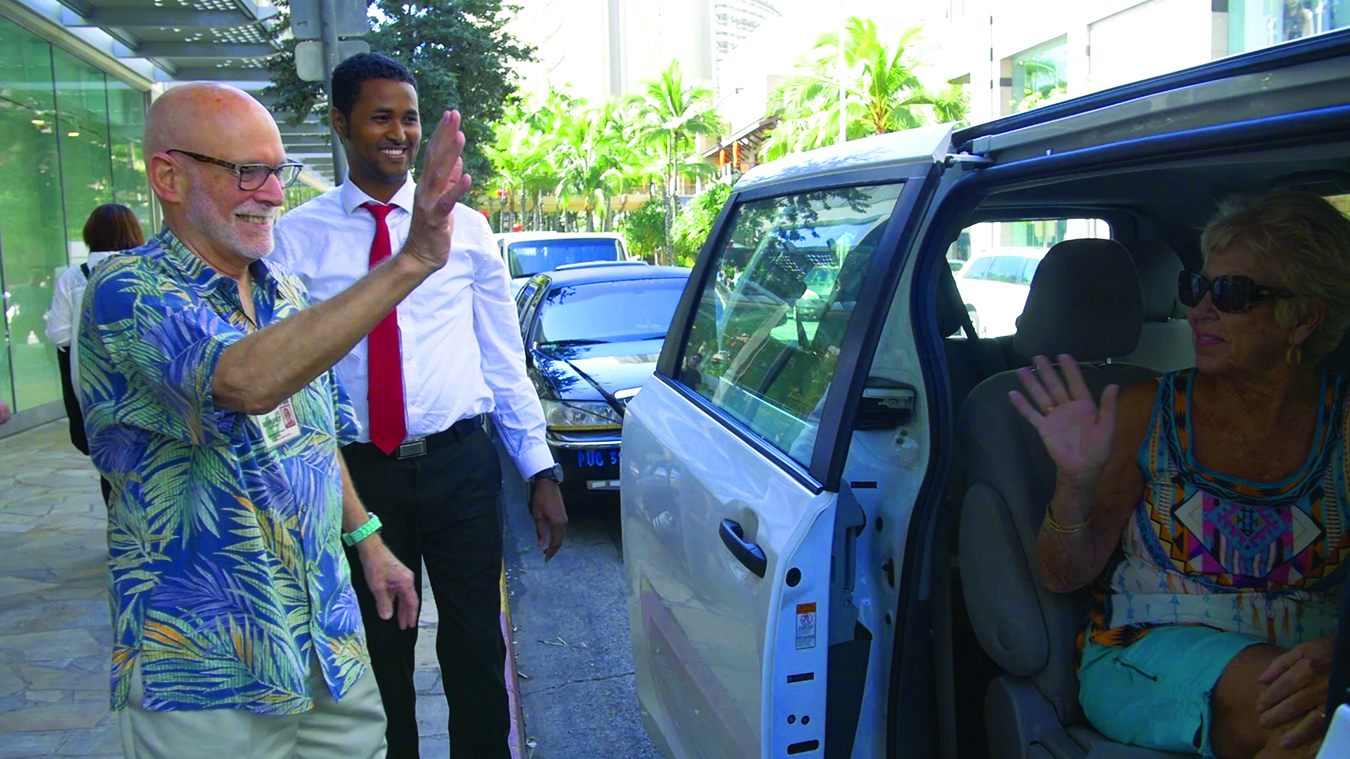
    Robert Gentry, 83, a former mayor of Laguna Beach, Calif., has been with VASH for almost 13 years.
    Robert Gentry, 83, a former mayor of Laguna Beach, Calif., has been with VASH for almost 13 years.

    Unsurprisingly, our focus within the past year has expanded to include protecting Hawai‘i from the possible spread of COVID-19. Last year, for example, in partnership with the Hawai‘i Tourism Authority, we introduced the COVID-19 Flight Assistance Program, helping to monitor visitors who violate the state’s mandatory quarantine. In some of these instances, VASH has helped violators find discounted plane fares. In others, particularly when an offender has been arrested and is found to be without any money, we have donated return flights. VASH is funded by the Hawai‘i Tourism Authority. VASH is very grateful for this support.

    But none of these efforts would be possible without the contributions of our dedicated volunteers, many of whom are Hawai‘i seniors. With only one other full-time staffer and five part-timers, volunteers are what keep VASH running full speed ahead.

    With the islands reopening to visitors from all over the world, who continue to arrive en masse, VASH welcomes anyone interested in lending their time to our organization.

    The Role of VASH Volunteers

    The most common role our volunteers take on is that of friend and confidante, connecting with distressed visitors over the phone from the comfort of their own home. It is through these conversations that, with a friendly, understanding attitude, VASH volunteers offer hope and compassion. More often than not — particularly for those visitors who find themselves alone, far from family and friends in other parts of the country or world — all they are looking for is a sympathetic ear.

    Volunteer opportunities abound: Some prefer to spend their time helping out in our office. One woman designs floral arrangements for visitors who find themselves in the hospital. Whatever their interest, there is something for everyone.

    There are no extraordinary qualifications required of potential volunteers. However, those hoping to serve as liaisons for agitated visitors should possess excellent listening skills to best determine their needs.

    Everyone must undergo a mandatory four-hour training session before being put to work. All we ask for is a mere three hours of their time each month — and it isn’t uncommon for an initial commitment to turn into a lifelong passion.

    To learn more about getting involved, call 808-926-8274 or fill out our volunteer application form at visitoralohasocietyofhawaii.org/volunteer-program.

    SAFETY TRAVEL TIPS FOR EVERYONE

    While going on vacation certainly is a time to have fun, it doesn’t mean throwing caution to the wind. It’s all about finding a balance between leaving with both a memorable experience and everything intact. Seniors in particular should heed these simple safety tips:

    • Upon arriving at your destination, take your luggage to your hotel. Even if your room isn’t ready, hotels will typically store luggage, ensuring it doesn’t have to sit in your car.

    • Instead of traveling with all of your cash, credit cards and other valuables, use the safe in your hotel room to store personal items. Hopping out of the car just for a minute to snap a photo or grab a bite to eat? Take everything with you. On that note, don’t arrive at a destination and then store something in your trunk before embarking on an activity. You can never be sure of who’s watching. Never leave items unattended, as well.

    • Pack a photocopy of your passport or driver’s license just in case the original is ever lost or stolen. Be sure to store them separately.

    • Keep your hotel door locked at all times and use the peephole if anyone knocks.

    • Look and listen. Be aware of your surroundings and trust your instincts. If something doesn’t feel right, leave or get help.


    O‘AHU: VISITOR ALOHA SOCIETY OF HAWAI‘I
    808-926-8274 | JRich.VASH@hawaii.rr.com
    www.visitoralohasocietyofhawaii.org
    Hrs.: Monday–Friday (except holidays): 9am–5pm
    After-hour emergency number: 808-926-8274
    KAUA‘I VASH
    24-hour: 808-482-0111 | daphne.therese@yahoo.com
    www.visitoralohasociety.org
    MAUI COUNTY VASH
    808-244-3530 | janet@mauivb.com
    www.hawaii.com/travel/visitor-aloha-society
    HAWAII ISLAND VASH
    Kona, West Hawai‘i: 808-756-0785
    Hilo, East Hawai‘i: 808-935-3130
    www.vashbigisland.org

    Despite the ongoing pandemic, Hawai‘i continues to attract scores of visitors lured by the promise of pristine beaches, picture-perfect scenery and a balmy, tropical climate. Yet, the fact remains that while our state continues to be one of the safest destinations in the world, it is not unlike anywhere else. The islands still can be…

  • Get Help Paying Health & Prescription Costs

    Female pharmacist discusses prescription medication with senior customer at pharmacy

    If you have limited income and resources,  you may qualify for help paying some healthcare and prescription drug costs. Fifty-two percent of seniors in Hawai‘i qualify for the Medicare Extra Help program.

    You may qualify for extra help if your yearly income and resources were below certain limits (the following are figures for 2021):

    • A single person must earn less than $22,470 and have less than $14,790 in resources.
    • Married persons must earn less than $30,300 and have less than $29,520 in resources.

    Resources include money in a checking or savings account, stocks, bonds, mutual funds and IRAs. Resources don’t include your home, car or household items, your burial plot, up to $1,500 for burial expenses per person or life insurance policies.

    If you qualify for Extra Help and join a Medicare drug plan, you will get help paying your plan’s costs and incur no late enrollment penalties.

    Drug costs in 2021 for people who qualify will be no more than $3.70 for each generic drug and $9.20 for each brand-name drug.

    For more information and to access an Extra Help application, visit socialsecurity.gov/i1020 or call Social Security at 1-800-772-1213.


    FINANCIAL BENEFITS INSURANCE INC.
    1311 Kapiolani Blvd., Ste. 504, Honolulu, HI 96814
    808-792-5194 | emotosue@fbihi.com
    www.fbihi.com | FB: Financial Benefits Insurance

    If you have limited income and resources,  you may qualify for help paying some healthcare and prescription drug costs. Fifty-two percent of seniors in Hawai‘i qualify for the Medicare Extra Help program.

  • Purpose Pals: A Kūpuna-Youth Connection

    Purpose Pals is a free, virtual intergenerational program led by Christy Nishita and Colby Takeda, in collaboration with Age-Friendly Honolulu, Blue Zones Project Hawaii, and the Hawaii Afterschool Alliance. Purpose Pals matches adults 50 and over with high school through college-age students, fostering regular communication using Big & Mini’s web-based video conferencing platform. The program provides themed conversation starters to ensure pals have enriching talk story sessions as often as they like.

    Most seniors have some form of mobile device. But early in the pandemic, the developers of Big & Mini realized that there was a need to connect older individuals with wonderful stories and experiences to younger generations. Soon, Big & Mini was born, shrinking the generational gap and helping to build meaningful intergenerational relationships.

    Purpose Pals creates new friendships, and even enables seniors with a lifetime of experience to become career mentors for their younger pals. Older pals say their younger pals lift their spirits.

    To become a pal or to bring Purpose Pals to your group, see the contact information below.


    PURPOSE PALS
    purposepals.org | info@purposepals.org

    Purpose Pals is a free, virtual intergenerational program led by Christy Nishita and Colby Takeda, in collaboration with Age-Friendly Honolulu, Blue Zones Project Hawaii, and the Hawaii Afterschool Alliance. Purpose Pals matches adults 50 and over with high school through college-age students, fostering regular communication using Big & Mini’s web-based video conferencing platform. The program…

  • Annual Wellness Visits to Stay Healthy

    During a Medicare Annual Wellness Visit (AWV), you and your doctor will focus on overall wellness, prevention and early disease detection.

    The AWV is designed to support you in taking an active role in managing your health and improving your well-being and quality of life. Doctors recommend the visit and encourage all Medicare patients to schedule one every year.

    One of the most valuable parts of the AWV is the creation of a long-term preventive care plan based on Health Risk Assessment; a current list of medical providers and medications; screening for cognition, hearing, functional status and fall risk; family history, health risk factors and age-specific preventive screenings.

    While both an annual physical and an AWV are important, they are not the same. During an annual physical, your doctor looks for signs of major problems and symptoms and conducts important routine tests.

    Medicare covers 100 percent of the AWV visit. You are not responsible for deductibles, co-payments or co-insurance amounts.

    Be your own advocate! Call your primary care doctor today and schedule your AWV.


    MDX HAWAI‘I
    500 Ala Moana Blvd., Ste. 2200, Honolulu, HI 96813-4993
    808-522-7500 | www.MDXHawaii.com
    MDX Hawai‘i has over 35 years of experience serving the people of Hawai‘i. Our physician network represents over 630 top primary care physicians, and more than 2,200 leading specialists and hospitals. MDX Hawai‘i contracts with Humana MO, Humana PPO and AARP/UnitedHealthcare PPO Medicare Advantage Plans.

    During a Medicare Annual Wellness Visit (AWV), you and your doctor will focus on overall wellness, prevention and early disease detection. The AWV is designed to support you in taking an active role in managing your health and improving your well-being and quality of life. Doctors recommend the visit and encourage all Medicare patients to…

  • Workers & Social Security

    Do you plan to pay a cleaning person, cook, gardener, babysitter or other household worker at least $2,300 in 2021? This amount includes any cash you pay for your household employee’s transportation, meals and housing. If you will pay at least $2,300 to one person, you have some additional financial responsibilities.

    When you pay at least $2,300 in wages to a household worker, you must do all of the following:

    • Deduct Social Security and Medicare taxes from those wages.
    • Pay these taxes to the Internal Revenue Service.
    • Report the wages to Social Security.

    For every $2,300 in wages, most household employees earn credits toward Social Security benefits and Medicare coverage. Generally, people need 10 years of work to qualify for:

    • Retirement benefits (as early as age 62).
    • Disability benefits for the worker and the worker’s dependents.
    • Survivors benefits for the worker’s family.
    • Medicare benefits.

    You can learn more about reporting household worker income by reading Household Workers at www.ssa.gov/pubs/EN-05-10021.pdf.


    Call SSA at 800-772-1213 (TTY 800-325-0778)
    Mon–Fri, 8:30am–3:30pm.
    Prince Kuhio Federal Building
    RM 1-114 FED BLDG, 300 Ala Moana Blvd, Honolulu, HI 96850

    Or use the SSA Office Locator at www.socialsecurity.gov to find the office closest to you.

    Do you plan to pay a cleaning person, cook, gardener, babysitter or other household worker at least $2,300 in 2021? This amount includes any cash you pay for your household employee’s transportation, meals and housing. If you will pay at least $2,300 to one person, you have some additional financial responsibilities.

  • Medicare: Increased Benefits for Veterans

    Many veterans don’t understand that the Veteran’s Administration (VA) offers a healthcare plan for veterans, reservists and members of the National Guard only.

    This healthcare plan is not available to all veterans, as eligibility and qualifications are required to receive these healthcare services.

    All medical treatment provided by the VA will be at VA facilities only; therefore, the veteran may have to travel long distances to access care.

    They may also have difficulty obtaining a second opinion for certain specialty treatments.

    Therefore, the VA recommends veterans turning 65 or those under 65 that qualified for Social Security Disability for more than two years should sign up for Medicare Part B when they are first eligible to enroll.

    If you didn’t get Part B when you were first  eligible, your monthly premium may go up 10 percent for each 12-month period you could have had Part B, but didn’t sign up.

    In most cases, you’ll have to pay this penalty each time you pay your premiums, for as long as you have Part B.

    Once a veteran qualifies for Medicare Part A and B, he or she has the option to enroll into a Medicare Advantage Plan, sometimes called “Part C” or “MA Plan.” Medicare Advantage Plans include hospital and outpatient services, with or without prescription drug coverage.

    Medicare Advantage Plans provide increased benefits for veterans. Some plans, at a $0 premium in addition to the Part B premium, will include added value enhancements to increase the veteran’s accessibility to care, such as non-VA emergency {Play} rooms and urgent care facilities, at lower costs.

    In 2021, there are Medicare Advantage Plans that may provide benefits for health club membership and dental service. Based on the veteran’s zip code, some plans will provide a reduction for their Medicare Part B premium.

    Finally, veterans with low income may now qualify for Extra Help or Medicaid Plan benefits with little or no out-of-pocket costs. Both programs can help with Medicare prescription drug program costs. Contact a licensed agent for more information on qualification guidelines and for application assistance.

    During these difficult times, healthcare and extra value benefits like these are critical for some seniors in order to help them reduce costs.

    Please contact a licensed agent specializing in Medicare Advantage Plans for more information and assistance.


    COPELAND INSURANCE GROUP
    1360 S. Beretania St., Ste. 209, Honolulu, HI 96814
    Phone: 808-591-4877 | Fax: 808-589-2399
    margaret@copelandgroupusa.com
    www.copelandgroupusa.com

    Many veterans don’t understand that the Veteran’s Administration (VA) offers a healthcare plan for veterans, reservists and members of the National Guard only. This healthcare plan is not available to all veterans, as eligibility and qualifications are required to receive these healthcare services. All medical treatment provided by the VA will be at VA facilities…

  • Help & Hope for Parkinson’s Patients

    In 1817, Dr. James Parkinson was the first person to systematically describe the symptoms of the disease that bears his name. In “An Essay on the Shaking Palsy,” he reported on three of his own patients and three persons whom he saw in the street.

    In honor of his contributions to Parkinson’s diagnosis and symptom treatment, World Parkinson’s Day is held each year on April 11, the doctor’s birthday.

    Although a cure has still not been found, the nonprofit Hawai‘i Parkinson Association (HPA), was established in 1996 to assist Parkinson’s disease (PD) patients and their family members live the best life possible by uniting people, organizations and resources to treat their symptoms.

    HPA RESOURCE CENTER

    For education and outreach, HPA recently opened a resource center at St. Francis Healthcare Center on O‘ahu. The center’s goal is to provide the members of the Parkinson community with the most up-to-date information available so they can conduct an informed discussion with their doctor about treating their symptoms.

    Anyone affected by or with an interest in Parkinson’s is welcome to visit the center and find information on physicians, support groups, exercise, medications, clinical drug trials and studies, lending and reference libraries, and general information on Parkinson’s.

    The primary tools used to assist people with Parkinson’s and their families are support groups. A patient has scheduled doctor visits every two to three months. In between visits, they can attend group meetings that provide emotional support and best practices for dealing with Parkinson’s.

    HPA volunteer groups are comprised of people with Parkinson’s, caregivers, family members and healthcare professionals. Volunteers also help educate and support ongoing research in finding the cause and cure. HPA supports the volunteer support group leaders by providing access to resources. Currently, there are approximately 25 HPA-affiliated support groups statewide.

    What is Parkinson’s Disease?

    Parkinson’s is a progressive neurodegenerative condition. It is categorized as a movement disorder because the condition generally includes tremors, slowness, stiffness, walking/balance problems and difficulty with speech/writing. The condition frequently includes non-motor symptoms, such as depression and memory problems.

    Although there is no cure for Parkinson’s, current treatments can help alleviate the symptoms but do not prevent or delay the progression of the disease. Even though there are broad similarities, symptoms and progression are unpredictable and vary from person to person.

    How is Parkinson’s Diagnosed?

    There is no specific test currently available that will generate a definitive Parkinson’s diagnosis. Rather, a diagnosis is based on an aggregation of a patient’s clinical history and both motor and non-motor symptoms observed during an exam by a neurologist. With no conclusive test and the large variation of symptoms among patients, misdiagnosis is not uncommon. Patients should strive to consult a movement disorder specialist (MDS) certified neurologist who has had  specialized training in Parkinson’s diagnosis and treatment.

    What Causes Parkinson’s?

    After a Parkinson’s diagnosis, people often ask how and why they got the disease. For most people, the root cause of Parkinson’s is unknown. However, research has revealed that Parkinson’s is caused by low dopamine levels in the brain. Dopamine helps transmit signals between the areas of the brain that control all purposeful movements, including talking, walking and writing. Low levels occur when the dopamine producing brain cells are dying while the body’s dopamine consumption remains constant.

    Research has indicated that the onset of Parkinson’s primarily has linkages to three environmental events: 1) genetics, 2) traumatic brain injury (TBI) and 3) prolonged exposure to certain pesticides and insecticides.

    It should be noted that these are linkages only, not hard rules. Not everyone who has an identified Parkinson gene will develop the condition. Not everyone who has had a TBI or been exposed to a pesticide will develop Parkinson’s. Research is ongoing worldwide to try and better understand the linkages as a clue to create a cure.

    How is Parkinson’s Treated?

    Treating the whole person is the key to the Parkinson’s patient having the best quality of life possible. This type of treatment requires a multidisciplinary approach of medication, exercise and caring for the general well-being in order to slow and/or mitigate physical symptoms.

    Medications typically work well in the early stages, but as PD progresses, patients typically experience increased drug-related complications, such as motor fluctuations and side effects. Exercise, including physical and occupational therapies, are important for a balanced and healthy lifestyle. Cardio exercise proves to be of greatest benefit, but all exercise is valuable.

    Nutrition, and spiritual and mental health are equally important in the daily treatment for long-term health and well-being of the PD patient.

    National STATs for Parkinson’s

    An estimated 1 million in the US and 8 million people worldwide currently live with PD.

    Parkinson’s affects 1 in 100 Americans over the age of 60. It is reported that there are an estimated 50,000 to 60,000 new cases diagnosed each year. Surveys show that 35 to 42 percent of cases go undiagnosed. With an aging population, better health education and more effective treatments, it is anticipated that the prevalence of Parkinson’s will increase substantially in the next 30 years.

    By 2050, the number of people with Parkinson’s is expected to double.

    The average age of onset is approximately 62 years old; however, 10 to 20 percent of persons with Parkinson’s are diagnosed before the age of 50. The under-50 group is referred to as people with Young-Onset Parkinson’s Disease (YOPD).

    According to a 2019 study, the 1 million Parkinson’s patients in the US cost an estimated $52 billion per year in direct and indirect costs, or an average of $52,000 per person, per year.
    PARKINSON’S IN HAWAI‘I

    Based on a 2018 study, there are approximately 6,800 people aged 45 years and older living with Parkinson’s in Hawai‘i, with another approximately 2,500 undiagnosed.

    To treat these people, there are seven O‘ahu-based neurologist who have the expertise and/or experience to be called Parkinson’s experts: two at Queen’s Medical Center in Honolulu, two at Kuakini Medical Center, one at Hawaii Pacific  Neuroscience, one at the Pacific Health Research and Education Institute (an affiliate of the VA Pacific Islands Health Care System) and one at Kaiser Permanente.

    In Hawai‘i, the economic burden on the local economy is approximately $350 million per year. This onus primarily falls to the insurance companies and families of the patients, as many people with Parkinson’s are retired or disabled.

    To make a contribution, click on “Make a Donation” at www.parkinsonshawaii.org.


    HAWAI‘I PARKINSON ASSOCIATION (501(c) 3 nonprofit)
    808-219-8874 | info@parkinsonshawaii.org
    www.parkinsonshawaii.org
    HPA RESOURCE CENTER
    2228 Liliha St., Ste. 206, Honolulu, HI 96817
    808-762-0600 | resourcectr@parkinsonshawaii.org
    Hours of Operation: Tues 9am–3pm, Wed 8am–4pm, Fri 9am–3pm, and by appointment

    Although a cure has still not been found, the nonprofit Hawai‘i Parkinson Association (HPA), was established in 1996 to assist Parkinson’s disease (PD) patients and their family members live the best life possible by uniting people, organizations and resources to treat their symptoms.