Category: Articles

  • It Takes Our Entire State to Protect Kūpuna

    We’re home, still feeling isolated during the pandemic. The phone rings; a welcomed sound. We look forward to hearing from a family member or friend — a warm voice to spend time with. We answer the phone, and minutes later, our whole life is turned upside down. Does this sound familiar?

    Too often, unfortunately, many of our kūpuna fall victim to scammers who want their health, financial or other personal information. Our seniors face dire consequences as these comments from Senior Medicare Patrol (SMP) Hawaii reveal:

    “ I bought a COVID-19 test kit that Medicare won’t pay for!”
    “I think someone’s using my Medicare number!”
    “ They swabbed my cheek and said Medicare would cover 100 percent for genetic tests!”
    “ I got a bill for a knee brace that I don’t need!”

    Our reputation, savings, assets and ultimately, our life legacy are at risk when we trust the person on the phone, email or social media, to help us. “Free,” “discounts,” “take action immediately or else” and “urgent” are words that make us panic and not think clearly.

    Here’s a larger view of the problem:

    • 10,000-plus Americans turn 65 each day and many of them become eligible for Medicare.
    • One in four Hawai‘i residents is 65 or older. This group will represent a third of our state’s total population in less than a decade.
    • Medicare loses approximately $70 billion each year — a modest guesstimate since it’s difficult to truly measure its  annual loss.
    • By 2022, hospital and drug costs are expected to exceed $1 trillion.

    SMP’s volunteer-based program is funded by the US Administration for Community Living and is administered by the Hawai‘i Department of Health, Executive Office on Aging. SMP Hawaii “empowers and assists beneficiaries, their families and caregivers to prevent, detect and report healthcare fraud, errors and abuse through education and counseling.”

    SMP Hawaii can refer you to many community resources and help to report suspected cases of healthcare fraud to appropriate authorities. Contact us for more information or to learn more about how to volunteer, because it takes every person in our entire state to protect our precious kūpuna.


    SENIOR MEDICARE PATROL (SMP) HAWAII
    Executive Office on Aging , Hawaii Department of Health
    Advocacy, Education and Outreach Section
    250 South Hotel St., Ste. 406, Honolulu, HI 96813
    808-586-7281 | 1-800-296-9422
    info@smphawaii.org | www.smphawaii.org
    We’re home, still feeling isolated during the pandemic. The phone rings; a welcomed sound. We look forward to hearing from a family member or friend — a warm voice to spend time with. We answer the phone, and minutes later, our whole life is turned upside down. Does this sound familiar? Too often, unfortunately, many…

  • Retirement Made Easy

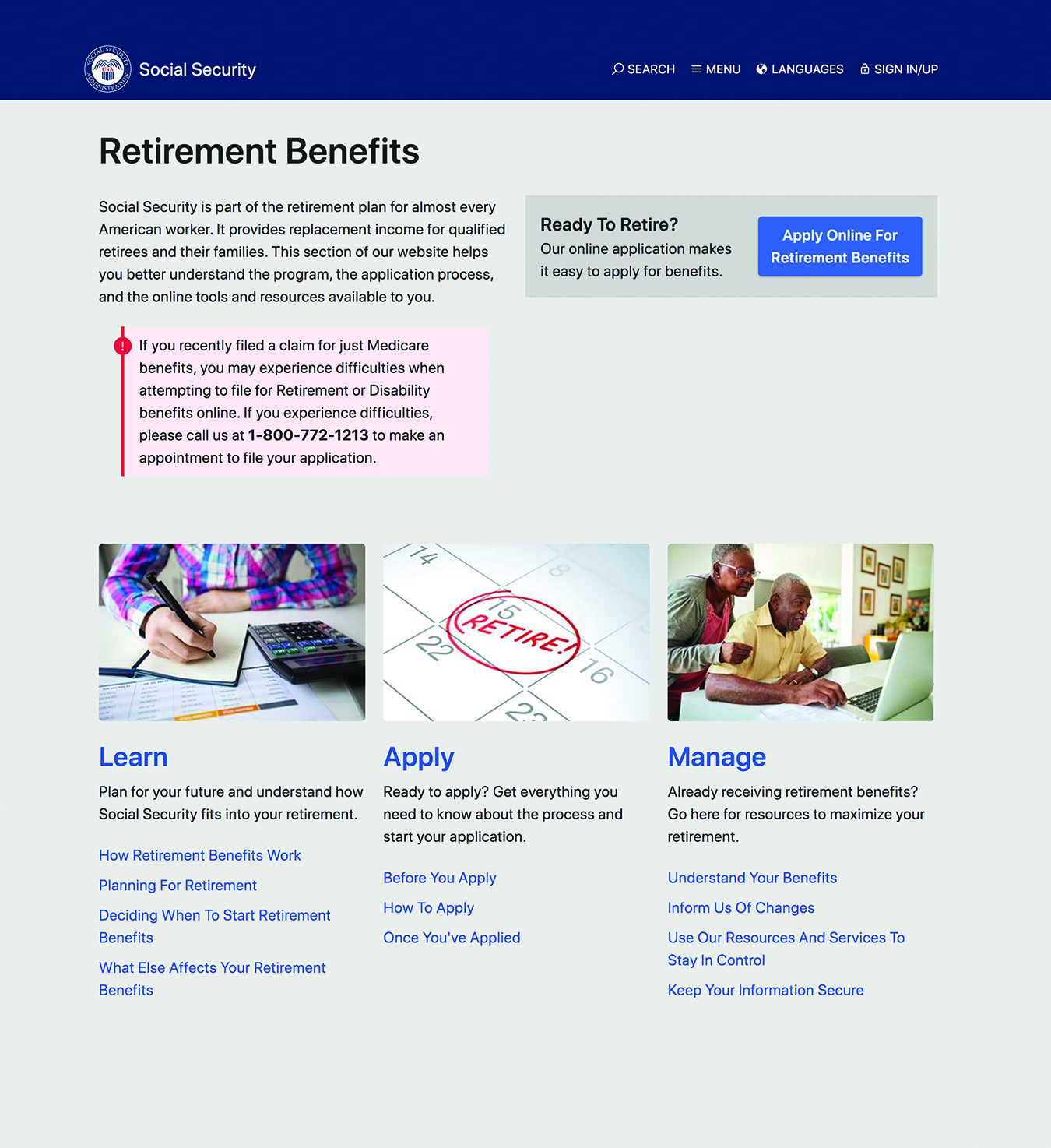
    Preparing for retirement is one of the most significant decisions you can make. A great place to start is the Social Security Administration‘s retirement portal. The portal is easy to use, whether you are ready to learn about, apply for or manage your retirement benefits.

    But first, create your personal my Social Security account to manage your retirement benefits. Then, learn about the benefits and be better prepared to apply for them online.

    Visit our retirement benefits portal today to “Learn,” “Apply” and “Manage” your retirement benefits. While you’re there, subscribe to receive retirement information and updates.

    800-772-1213 (TTY 800-325-0778) M–F, 8:30am–3:30pm
    SSA Office Locator: www.socialsecurity.gov
    Retirement Portal: www.ssa.gov/benefits/retirement

    Preparing for retirement is one of the most significant decisions you can make. A great place to start is the Social Security Administration‘s retirement portal. The portal is easy to use, whether you are ready to learn about, apply for or manage your retirement benefits.

  • What is a Fiduciary?

    Judge gavel with scales of justice, Business people and male lawyers discussing contract papers at law firm in office. Concepts of law.We hear the word “fiduciary” used more and more. But what does it mean? The origin of the word comes from the Latin word “fidere,” which means “to trust.”

    Today, we use “fiduciary” as a noun, meaning a trustee, a word most of us are familiar with. Fiduciary is also an adjective, referring to a relationship of trust and good faith between the fiduciary and the person for whom the fiduciary acts.

    A fiduciary assumes responsibility for the affairs of another person (usually called the principal, ward or beneficiary).

    There are three important duties that are required of a fiduciary:

    • The Duty of Care is the responsibility to make decisions in good faith and in a reasonably prudent manner.
    • The Duty of Good Faith requires the fiduciary not to act in a fraudulent or deceitful way or to the detriment of the person.
    • The Duty of Loyalty means acting only for the benefit and of the person without any self-interest or economic conflict.

    In summary, a fiduciary has legal and ethical obligations to act in the best interest of the person in all situations and to put those interests before his or her own.

    What we don’t often realize is that this word applies to various types of professional relationships in our lives, such as:

    • trustee and beneficiaries
    • estate executor and heirs
    • guardianship or conservatorship and ward
    • attorney and client
    • doctor and patient
    • directors of corporations and shareholders
    • real estate agents and buyers or sellers
    • financial advisors and clients

    Fiduciaries may perform many roles for you during your life and after your passing.

    While choosing a fiduciary for your medical, financial and estate planning needs may not be easy, finding the right fiduciary should provide peace of mind that your interests are looked after in a responsible manner.


    HAWAII FIDUCIARY SERVICES, LLC
    3615 Harding Ave., Ste. 309, Honolulu, HI 96816
    808-777-4200 | kholt@hifiduciaryservices.com
    www.HawaiiFiduciaryServices.com

    We hear the word “fiduciary” used more and more. But what does it mean? The origin of the word comes from the Latin word “fidere,” which means “to trust.” Today, we use “fiduciary” as a noun, meaning a trustee, a word most of us are familiar with. Fiduciary is also an adjective, referring to a…

  • Dementia: Environment Makes a Difference

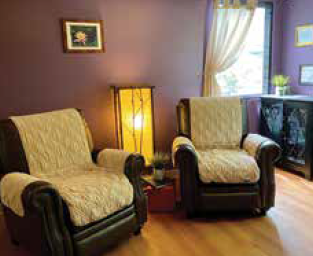
    For someone with dementia, both too much and too little sensory stimulation may lead to agitated behaviors. To keep your loved one at a regulated state of sensory stimulation, it is important to consider what is providing sensory stimulation in each space.

    To create a comforting space, try to provide natural light during the day to help regulate the circadian rhythm of your loved one. As it gets closer to bedtime, lights should be dimmed to enable easier sleep. Pleasant scents from aromatics or  essential oils can be useful to keeping your loved one calm; however, make sure th {Play}e scent isn’t overpowering, which can be irritating. Noise levels that are too loud or too quiet may cause anxiety. Ensure that all sounds are at a comfortable level and aren’t in competition. Even the purr of an air conditioner can seem deafening to someone with dementia.

    Helpful sensory stimulation could include colors, smells and textures that will allow your loved one to explore and relax in their environment.


    MANOA COTTAGE KAIMUKI
    748 Olokele Ave., Honolulu, HI 96816
    808-426-7850 | info@manoacottage.com
    www.manoacottage.com

    For someone with dementia, both too much and too little sensory stimulation may lead to agitated behaviors. To keep your loved one at a regulated state of sensory stimulation, it is important to consider what is providing sensory stimulation in each space.

  • Should Dad Stop Driving?

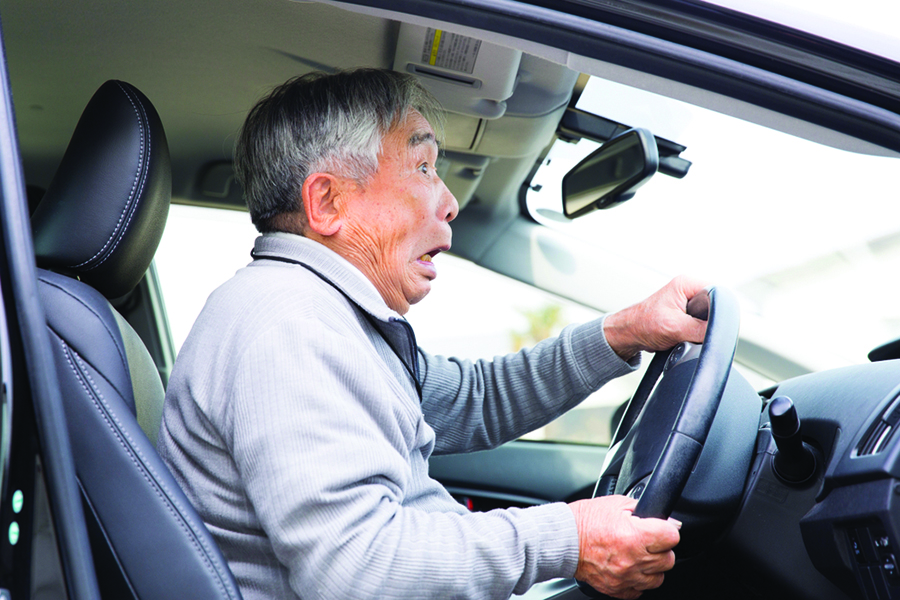
    Photo of senior driver having issuesDad should stop driving! His sight is not good and reflexes are slow.”

    Although there are many seniors still on the road, some may have lost critical cognitive and physical functions. These limitations may result in dangerous, life-threatening situations.

    A formal driving assessment or refresher course may help mitigate problems. Resources include:

    • KJ & Beatrice Luke Specialty Clinic at Nuuanu Drivers Program, Honolulu, 808-566-3862, driversprogram@rehabhospital.org
    • AARP Safe Driving Program www.AARPdriversafety.org customerservice@aarpdriversafety.org
    • AAA Driver 65 Plus: Self Rating Tool www.aaa.com/safety/senior-driver-safetymobility
    • Drive Safely Online Course www.idrivesafely.com/insurancediscount/mature/hawaii

    See below or search online for additional mature driver safety programs in Hawai‘i.

    Many insurance companies also offer courses, online classes, tips and even discounts for seniors who pass an approved course.


    THE CAREGIVER FOUNDATION (501(c) 3 nonprofit)
    926 3rd St., Pearl City, HI 96782
    808-625-3782 | gary@thecaregiverfoundation.org
    www.thecaregiverfoundation.org
    https://thecaregiverfoundation.org/learn-more-old/seniorsafety/
    how-to-discuss-senior-driving-with-a-loved-one
    https://www.nia.nih.gov/health/older-drivers#give-up
    https://www.nhtsa.gov/road-safety/older-drivers

    Although there are many seniors still on the road, some may have lost critical cognitive and physical functions. These limitations may result in dangerous, life-threatening situations. A formal driving assessment or refresher course may help mitigate problems.

  • Caregiver Education in a Changing World

    Providing care for an aging loved one can be challenging, especially if he or she has Alzheimer’s disease or another form of dementia. These challenges have been exacerbated by the ongoing pandemic.

    Hawai‘i has an estimated 29,000 citizens suffering from Alzheimer’s. By 2035, that number could rise to 35,000.

    Care for those suffering with dementia is generally provided by family members. Many family caregivers begin this journey with no experience or training, so they can be understandably overwhelmed  by their new responsibilities. Having no experience causes stress, uncertainty, fear, frustration and a myriad of other emotions.

    One of the most effective ways to help ensure the highest quality of care for those with dementia is through caregiver education. Learning practical caregiving approaches and using local caregiving resources are important strategies.

    Caregivers can be more successful if they know there is help in the community to assist them in their endeavors and when they are armed with the resources they need in order to provide safe, effective care for their loved ones.

    In addition, caregiver education leads to improved health outcomes, not only for the kūpuna, but also for the caregivers.


    HALE HAU‘OLI HAWAII (501(c) 3 nonprofit)
    98-1247 Kaahumanu St., Ste. 207, Aiea, HI 96701
    808-292-4665 | Kwyatt01@aol.com
    www.halehauolihawaii.org

    Providing care for an aging loved one can be challenging, especially if he or she has Alzheimer’s disease or another form of dementia. These challenges have been exacerbated by the ongoing pandemic. Hawai‘i has an estimated 29,000 citizens suffering from Alzheimer’s. By 2035, that number could rise to 35,000.

  • Avoid Kūpuna Caring for Kūpuna

    There is nothing more frightening than the image of a 93-year-old helping a 96-year-old step into the shower or stumble down a stairway. While this scenario is becoming more common in Hawai‘i, the reality is this generation wants to take care of themselves.

    Our loved ones’ important expectations include privacy, dignity, independence and more. These are the folks who have always made it through tough times. Allowing others, even family, to help them may cause anxiety and hurt feelings.

    Situations are bound to come up — a fall, a missed medication, lack of nutrition or a fender bender — and help will be required. These can be considered opportunities that finally allow the decision to be made to get help.

    But therein lies the dilemma… allowing the decision. Families need to recognize timing and know when to say a change is needed.

    Sometimes professional medical advice can be invaluable. Most families feel a great sense of relief knowing there are others involved in managing a crisis. This does not mean the crisis will end, but it does give families access to another resource they did not have before.

    A home health agency can offer families a way to start a discussion about care for their loved one. There are many options in the community; in-home help is a good place to start.

    Here are some things to remember when the times comes to start looking for care:

    • A little goes a long way. Think about starting in-home care one day a week. This beginning point will provide a smoother, more gradual  transition, so there is less chance that your loved one will feel overwhelmed.
    • Establish a relationship with the home health agency. Remember, you are working with people who know what you are dealing with. They have heard it all. Don’t be afraid to tell them the whole story.
    • Clarify expectations on scheduling, caregiver turnover, training and orienting to daily care.
    • Understand what you are getting. If your loved one needs advanced medical care and has multiple chronic conditions, you may want to involve a home health agency rather than a home care company. That way, there will be a medical professional such as a nurse involved with the care plan. Caregivers from home care companies are limited as to what tasks they can perform in the home.

    If families can coordinate, communicate and have patience with the home health agency, they will have access to a healthcare professional who can be objective and encourage changes in frequency of care as the needs of the loved one decrease or increase.

    Building trust beforehand will make this transition easier. Start the conversation and do some research before the kupuna in your life ends up caring for another kupuna in their life.


    ATTENTION PLUS CARE HOME HEALTHCARE
    Accredited by The Joint Commission
    1580 Makaloa St., Ste. 1060, Honolulu, HI 96814
    808-739-2811 | www.attentionplus.com
    AGING IN HAWAII EDUCATIONAL OUTREACH PROGRAM
    by Attention Plus Care — a program providing resources for seniors and their families, covering different aging topics each month. For class information and upcoming topics, call 808-440-9356.

    There is nothing more frightening than the image of a 93-year-old helping a 96-year-old step into the shower or stumble down a stairway. While this scenario is becoming more common in Hawai‘i, the reality is this generation wants to take care of themselves.

  • Tips to Help Minimize the Risk of Falling

    Do you ever feel faint or lose your balance? Are your legs unsteady or seem like they’ll give way? Would you feel safer using a walker or cane?

    If you answered yes to any of these questions, talk to your doctor about preventing falls that can lead to serious injury. Meanwhile, consider these other ways you can help fall-proof your life.

    ■ Get rid of clutter. It’s a good idea to remove cords, crowded furniture, slippery rugs and anything you can trip over at home. Good lighting is essential. Consider night lights for your bedroom, hallways and bathroom.
    ■ Wear it wisely. Replace slippery shoes with non-skid, safer alternatives. Avoid wearing long clothing, such as mu‘umu‘u or robes, and blankets that could get caught under your feet.
    ■ Adjust your glasses. If your glasses (bifocals, transition lenses) make it difficult to perceive changes in elevation, such as stairs, curbs and driveways, make an eye doctor appointment.
    ■ Check your medications. Some medications may cause side effects that can lead to a fall. It’s important to regularly review your medications with your doctor. (Be sure to include all over-the-counter medicines, supplements and herbal medications you take.)
    ■ Plan ahead. If possible, sign up for a medical alert system, or keep a portable or mobile phone nearby. Voice-activated devices such as smart watches and virtual assistants (Amazon Echo, Google Home) can also be used to call for help in a fall emergency. It’s a good idea to give a spare key to a family member or a friend, and to program their phone numbers in your phone.
    ■ If you fall and can’t get up… If you need help, try to make noise, shout, bang on something, call 911 or press your medical alert button. Move your legs, arms and lift your hips slightly to help prevent pressure sores from starting.
    ■ Improve balance with leg bends. Bend one knee so your foot comes up behind you and is level with your knee. Lower your foot to the floor. Repeat with the other leg. Hold on to a sturdy chair or wall. Be sure to talk to your doctor before doing this or any other exercise program.
    ■ Add strength to your core. Sit in a sturdy chair placed against a wall. Stand up without using your hands. If this is too hard, start by using a pillow on the chair until you get stronger. Repeat 10 to 15 times, if possible. Again, talk to your doctor before doing this or any other exercise program.


    KAISER FOUNDATION HEALTH PLAN, INC.
    711 Kapiolani Blvd., Honolulu, HI 96813
    808-432-5915 (TTY 711) | www.kp.org
    This article contains health and wellness or prevention information.

    Do you ever feel faint or lose your balance? Are your legs unsteady or seem like they’ll give way? Would you feel safer using a walker or cane? If you answered yes to any of these questions, talk to your doctor about preventing falls that can lead to serious injury. Meanwhile, consider these other ways…

  • Stress is Linked to Alzheimer’s Dementia

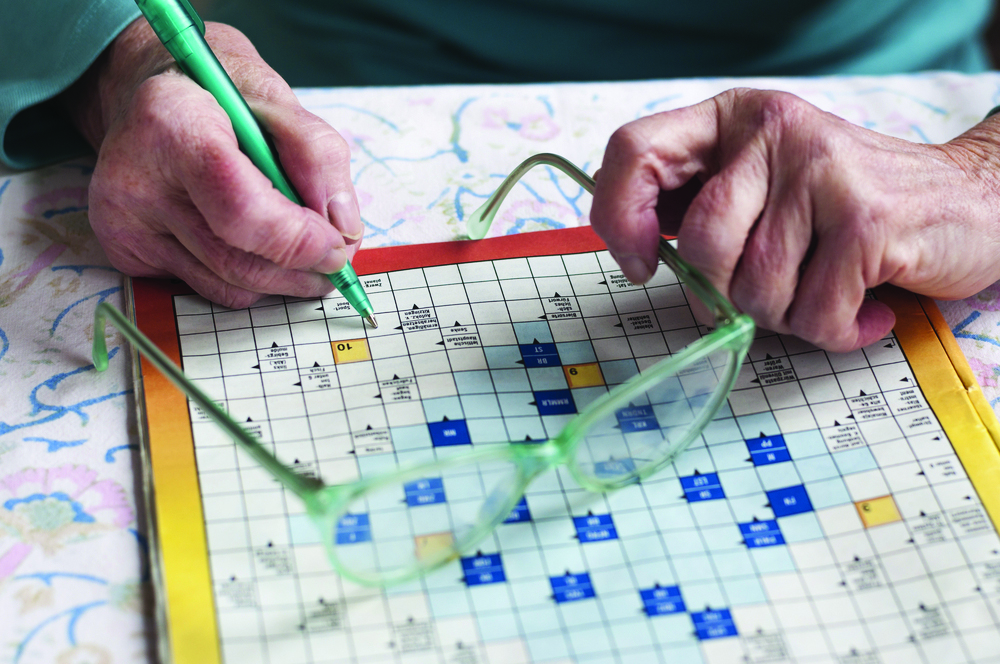
    Senior women sitting at a table and solve crosswords.Alzheimer’s, the most common cause of dementia, is a disease of the brain that leads to loss of memory and function due to damaged and dying brain cells. The early symptoms include forgetfulness, lack of focus, trouble with decision-making, confusion and poor judgement.

    Currently, doctors can only provide ways to help delay its progression and severity. But recent research has shown a few ways to prevent dementia. Aside from maintaining a daily exercise regime, healthy blood pressure, and healthy dietary fat and sugar levels, two additional measures can be used to help prevent the disease.

    As much as possible, avoid chronic emotional distress, which can trigger dementia symptoms. Toxic levels of stress have been shown to shrink the hippocampus, where memories are stored.

    Keep your brain busy and stimulated — in line with the “use it or lose it” adage. One must continually engage in and practice an ability or risk losing it. That applies to mental activity as well. A study revealed strong evidence that retiring early can speed up the onset of dementia, but showed a significant decrease in the risk of developing dementia with retirement at an older age. For example, there was a 14 percent reduction in Alzheimer’s in workers who retired at 65 over those who retired at 60 . There is no cure, yet, so the best treatment is to avoid stress and stay active.


    OHANA PACIFIC MEDICAL LLC
    428 Kawaihae St., #148, Honolulu, HI 96825
    808-930-9858 | opm@ohanapacific.org
    www.ohanapacificmedical.org

    Alzheimer’s, the most common cause of dementia, is a disease of the brain that leads to loss of memory and function due to damaged and dying brain cells. The early symptoms include forgetfulness, lack of focus, trouble with decision-making, confusion and poor judgement.

  • Better Posture, Better Health

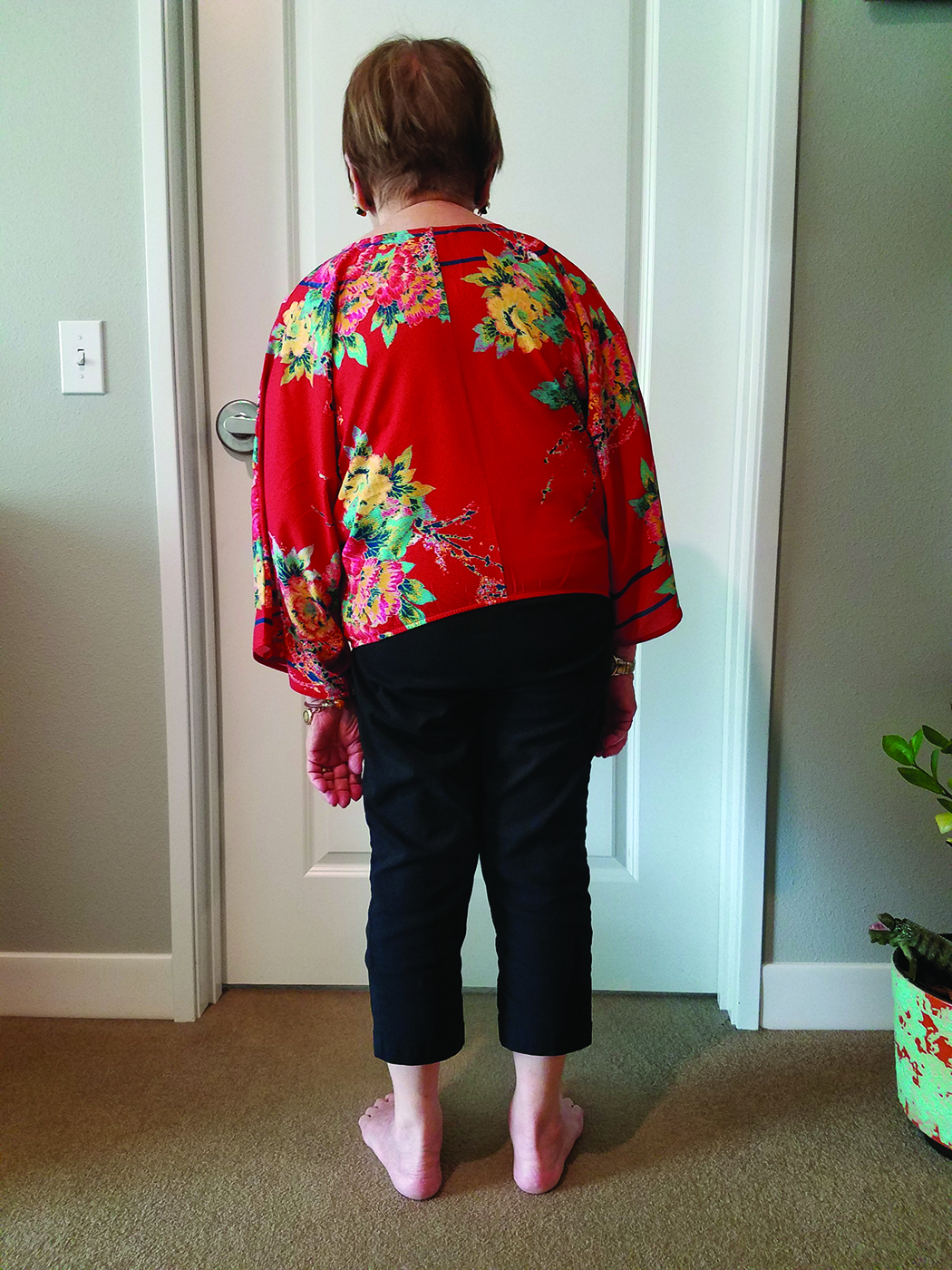
    Mention posture and everyone sits or stands straighter. But are you truly aligned? Most people have some type of asymmetry and don’t even know it. It’s impossible to correct an imbalance you aren’t aware of.

    Properly aligned spine and joints, and functionally balanced muscles allow your body to move with optimum efficiency and minimize the risk of injury or permanent structural damage. Achieving this state requires self-awareness.

    How do you find your neutral? Start by standing in front of a mirror. Check if your shoulders are the same height. Are your thumbs pointing towards the mirror or do you see the backs of your hands? Is one hip higher than the other? Are your knees and ankles straight, or caving in or bowing out? Are you leaning forward or backward? Do
    you lock your knees?

    Close your eyes, move around and realign yourself. Open your eyes. If you’re still crooked, keep trying with your eyes shut until you have achieved proper alignment.

    Awareness is just the first step; next is exercise — stretching tight muscles and strengthening postural muscles to keep you aligned. Repetition is the key to developing habits that lead to improved balance, function and health.


    GYMGUYZ Urban Honolulu
    Home Personal Training & Mobile Fitness
    808-638-2525
    gymguyzurbanhonolulu@gymguyz.com
    www.gymguyz.com

    Mention posture and everyone sits or stands straighter. But are you truly aligned? Most people have some type of asymmetry and don’t even know it. It’s impossible to correct an imbalance you aren’t aware of. Properly aligned spine and joints, and functionally balanced muscles allow your body to move with optimum efficiency and minimize the…

  • See Your Dentist to Reduce Alzheimer’s Risk

    Your oral health directly impacts your overall health, which is why seeing a dentist is just as important as seeing your primary care physician. Your dentist can determine if you will come across issues such as gum disease, which may impact your quality of life and even raise your risk for systemic disease in your later years.

    Gum disease, or periodontal disease, is an inflammation of the gums due to plaque and bacteria buildup. When plaque isn’t removed, it hardens into tartar and produces toxins that break down the gum tissue, causing them to pull away from your teeth and form pockets that fill with bacteria. Without a solid routine that includes brushing twice a day, flossing daily and visiting a dentist for an exam and cleaning twice annually, this condition can increase your risk for heart disease, diabetes and Alzheimer’s disease.

    Studies show those who develop gum disease early in life are four times more likely to develop Alzheimer’s disease or dementia. The type of bacteria that cause gum disease can destroy brain neurons, a hallmark feature of Alzheimer’s. Your dentist can help target gum disease and may increase your cleanings throughout the year to prevent plaque and bacteria buildup, lowering your risk of disease.

    Find a dentist near you and schedule an appointment today to live well and smile more.


    HAWAII DENTAL SERVICE
    Kahala Howser, Wellness & Events Manager
    808-521-1431 | khowser@hawaiidentalservice.com
    www.HawaiiDentalService.com

    Your oral health directly impacts your overall health, which is why seeing a dentist is just as important as seeing your primary care physician. Your dentist can determine if you will come across issues such as gum disease, which may impact your quality of life and even raise your risk for systemic disease in your…

  • 3 Steps to Help Kūpuna Cope With Change

    Change continues at each phase of life and is not always easy. That is why changes like retirement, new living arrangements, health diagnoses, and the loss of close friends or a spouse can leave kūpuna feeling vulnerable and insecure. Whether you are in a season of change or helping an older loved one navigate new circumstances, there are practical steps you can take to make change a positive process.

    Reinforce with love. We all want our kūpuna to be safe and sound. Support and empathize with them by reassuring them that current changes are being made to benefit their wellbeing — not to take away their independence.

    Have a plan. Adequate planning and a specific timeline give your kūpuna the opportunity to adapt to these changes at a comfortable pace. A sensible plan facilitates a much smoother transition.

    Communication is key. Involve your kūpuna in the conversation. Explain your concerns and let them to do the same. Giving your kūpuna a platform for expressing themselves will help build a stronger foundation in order to address the need for change. Change is tough and emotions may run high. But leading with love, having a plan and being communicative will help facilitate this process.


    HOME CARE BY ALTRES MEDICAL 808-591-4930 | homecare@altres.com www.altreshomecare.com

    Change continues at each phase of life and is not always easy. That is why changes like retirement, new living arrangements, health diagnoses, and the loss of close friends or a spouse can leave kūpuna feeling vulnerable and insecure. Whether you are in a season of change or helping an older loved one navigate new…