In American society, we are often anxious and afraid to look directly at death and accept it as a mysterious, important and integral aspect of our living. So, we ignore death and do not explore, discuss and plan for our end-of-life care.
We are too often unprepared when the time comes and we are told we have a serious progressive illness. We may not have prepared our loved ones for the time when we can no longer make decisions on our own, leaving them anxious without knowing what we want during our end-of-life journey. Because we are unprepared, we are overwhelmed with strong feelings, including fear and anxiety bringing negative thoughts, concerns and questions flooding into our life. What now?
With assistance and honest discussions with loved ones before a health crisis occurs, plans can be created and shared, which can reduce fears and can become the catalyst for healing of long-held pain from wounds which we have been carrying within.
This healing is the process of becoming whole and balanced, mentally, emotionally and spiritually, discovering life’s meaning, allowing the emergence of our genuine, authentic selves. In most situations with the right care, physical pain can be treated and made manageable.
Why not plan for this ahead of time, before we are told we are dying? Part of this process of healing is clearing up relationships through honest dialogue. Granting forgiveness and asking for forgiveness can help to set things right, releasing long-held pain. Who might you need to do this with?
Telling others “thank you” and expressing your gratitude for their role in your life provides meaningful affirmation for both you and them. Who do you need to thank?
Exploring resources and developing your support community can help you to answer the question, “Who will take care of me and my affairs?”
Sharing love is healing. Who do you love? Have you told them so lately? Is there someone you love, but haven’t told them?
It’s about talking to your loved ones about what you or they want for end-of-life care. Honest conversations with loved ones about what you would like to have happen at the end of your life help you to self-reflect on what is important and will let loved ones know your wishes. These conversations can happen at any time — even if you are not seriously ill.
Use the information below to learn about starting “the conversation,” advance care planning and resources to bring peace at the end of life.
In American society, we are often anxious and afraid to look directly at death and accept it as a mysterious, important and integral aspect of our living. So, we ignore death and do not explore, discuss and plan for our end-of-life care. We are too often unprepared when the time comes and we are told…
“We’re not in charge anymore” is the phrase I find myself repeating over and over again to my husband, Bill. The first time I heard myself say that to him was when he complained about waiting for our son and his partner to choose a date in September to move some of our furniture from the three-bedroom townhouse in ‘Ahuimanu to the newly renovated one-bedroom unit downstairs in Kailua, where we will live out the rest of our lives. They chose the Labor Day holiday.
PC: iStock / Jacob Wackerhausen
I should explain that Bill suffered a stroke the summer of 2020 during the pandemic. I realize now that Bill’s stroke was a mild one. He only spent one week at Kaiser. I was not allowed to visit. I remember being allowed to see him on the hospital grounds before he was transported by ambulance to the rehab facility in Nu‘uanu. He spent four weeks there and during that whole time, I never got to see him because of COVID-19.
The first time I saw him there was when I picked him up to bring him home to ‘Ahuimanu. At home a physical therapist worked with him enough so that he was only on a walker for one week, graduating to a cane after that. He’s been walking with the cane ever since then. So it’s been hard for Bill to realize that he is not able to do a lot of what he was able to do before his stroke, such as lifting heavy furniture and moving heavy items easily.
After my sister died last year and her partner cleared out of the space downstairs in the house we’d built in Kailua, we had the space renovated with new kitchen cabinets, new appliances, a walk-in shower (replacing the whirlpool tub), new flooring and bright off-white paint on all the interior walls. After the house was finished in 2006, we lived upstairs until 2015, but arthritis in my right knee made it impossible for us to stay there. That’s when we moved into our daughter’s townhouse in ‘Ahuimanu and she moved upstairs in the Kailua house. We’ve been helping her with her mortgage ever since.
Now it’s time for us to move back to Kailua so we can be taken care of in our declining years.
As I said, we’re not in charge anymore. The kids are in charge now even, though the kids are in their 50s now. When the kids were little/younger, we were in charge. We placed them in our neighborhood schools, paid for their hula and piano lessons, drove them to and from practice sessions, and when it was time after their elementary years, helped get them into Kamehameha and paid their tuition. We did much the same with drama, hula and band practice sessions there. We paid tuition for college and helped with car insurance.
Not it’s their turn to be in charge. If that means waiting until they have time in their busy schedules to move furniture or appliances, so be it. Complaining won’t help, patience will.
The more my husband complains, the more often I have to remind him and myself. We’re not in charge anymore.
It meant we had to wait weeks — or a whole month — until we finally moved into the downstairs space the first week in October — where we’re still not in charge.
Bill power-washed the area on the lānai and wanted to move the fridge from ‘Ahuimanu to be plugged in there for his beer and my daughter’s wine weeks ago, but it had to wait until she and her husband had time last weekend.
Because, we’re not in charge anymore.
Anita ‘Ilima Stern is a retired elementary school teacher and writer who taught hula for 33 years. Her students liked learning hula and chant from her and appreciated the positive feedback they received. She lives in Kailua on O‘ahu.
If you have thoughts or a story to share, email the editor: debra@generations808.com. It may be published in Generations Magazine, Facebook or our website.
“We’re not in charge anymore” is the phrase I find myself repeating over and over again to my husband, Bill. The first time I heard myself say that to him was when he complained about waiting for our son and his partner to choose a date in September to move some of our furniture from…
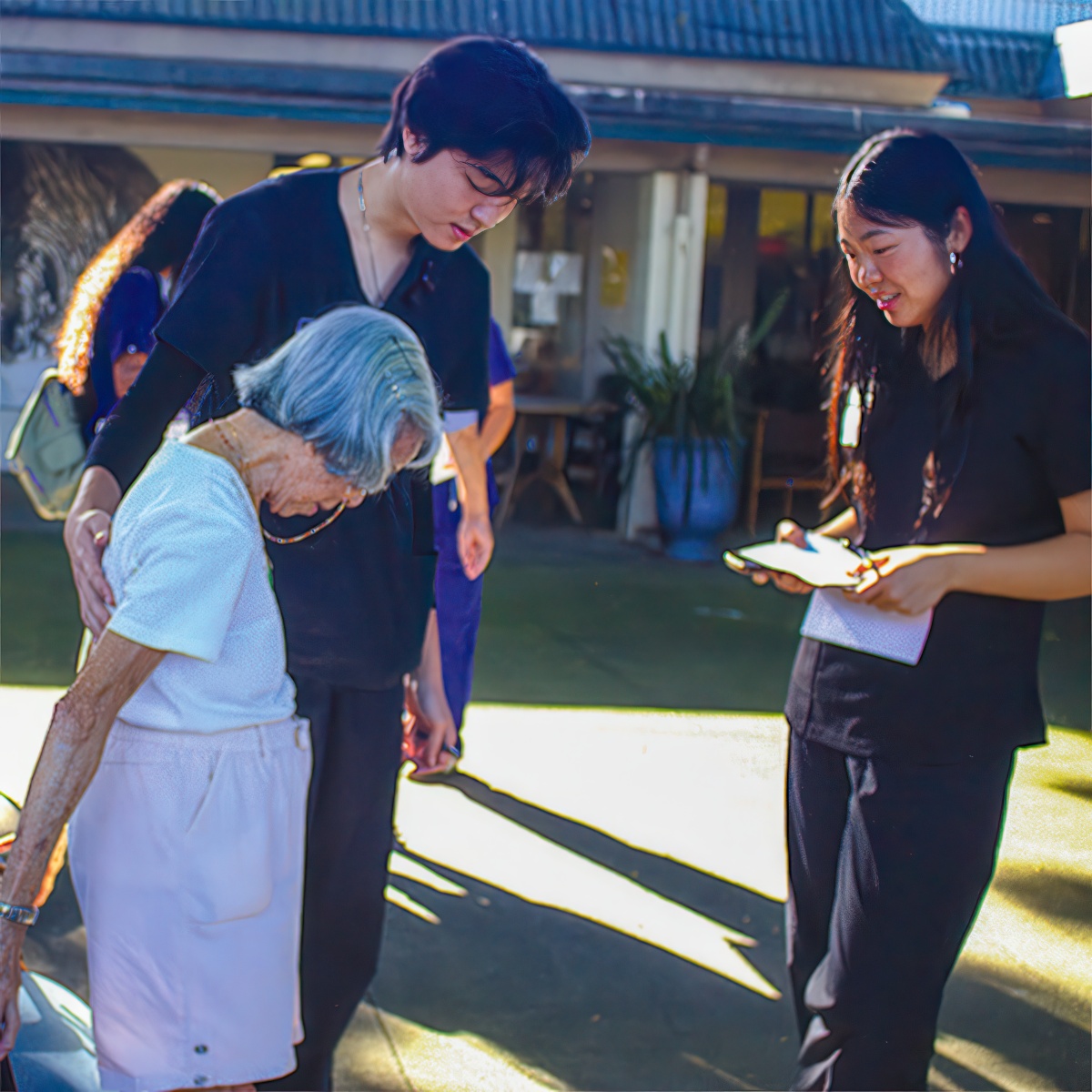
Strength and balance are essential to staying independent as we age. But fall prevention isn’t just about exercise — it’s also about confidence. To that end, McKinley High School’s occupational therapy students recently partnered with kūpuna at the Lanakila Multi-Purpose Senior Center, guiding them through exercises designed to improve stability and mobility.
McKinley High School occupational therapy students Jason Lin and Shirley Yang assist a kūpuna with a single-leg exercise to improve balance and stability.
Coached by a professional occupational therapist, students (many aspiring healthcare professionals) put their knowledge into practice by assisting kūpuna with fall prevention techniques. They measured vital signs, led stability exercises and shared strategies to help maintain mobility, while determining whether kūpuna could safely continue daily activities or if further care was needed.
EXERCISES FOR FALL PREVENTION
Single-Leg Stance Tests: Holding this position for at least five seconds helps build balance and ankle stability.
Seated Leg Lifts: Strengthening the quadriceps and hip flexors enhances walking ability and reduces instability.
Guided Walking Drills: Focusing on posture and step control helps kūpuna move with greater confidence and safety.
Regular practice of these exercises can significantly reduce fall risk, making them essential for long-term health and mobility. However, if any kūpuna experienced difficulty with the exercises or showed signs of instability, further medical evaluation was recommended.
Beyond the physical benefits, the event brought generations together through mutual experiences. Kūpuna a shared their commitment to staying active, while students gained valuable hands-on experience in patient care. “I felt very safe during the exercises and it gave me the confidence to keep moving,” says a kūpuna participant.
“It was a wonderful experience. I learned so much from working with them,” says Shirley Yang.
Kūpuna left with valuable techniques to maintain independence. Students gained a deeper understanding about how small, consistent efforts can positively impact someone’s well-being. Together, both generations took steps — both literally and figuratively — toward a stronger, safer future. The collaboration has inspired interest in future partnerships between McKinley High School and local senior centers.
Strength and balance are essential to staying independent as we age. But fall prevention isn’t just about exercise — it’s also about confidence. To that end, McKinley High School’s occupational therapy students recently partnered with kūpuna at the Lanakila Multi-Purpose Senior Center, guiding them through exercises designed to improve stability and mobility. Coached by a…
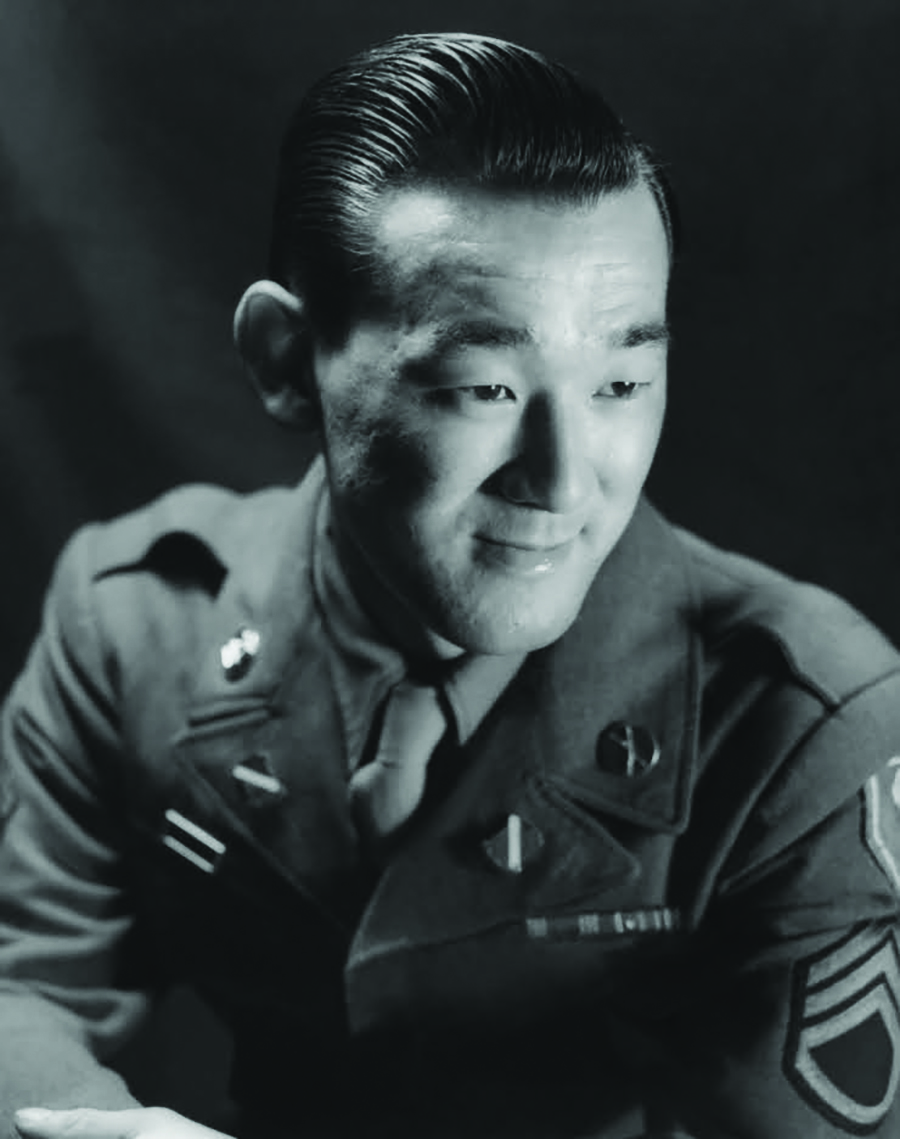
Dr. Takashi Manago is one of six known living veterans of the mostly Hawai‘i-born, Japanese American unit — the 100th Infantry Battalion (the 100th). At age 101, Dr. Manago is an active member of the 100th Infantry Battalion Veterans organization, affectionally called “Club 100” and tirelessly makes public appearances to represent those killed in action during World War II and those who have since passed. With the 442nd Regimental Combat Team (RCT), the 100th became the most decorated in US military history for its size and length of service.
Dr. Takashi “Taka” Manago was born on Jan. 20, 1924, in Captain Cook, Kona, Hawai‘i. He is the son of Kinzo and Osame Manago, the founders of the Manago Hotel in Captain Cook.
Taka was a 17-year-old student at Konawaena High School when Pearl Harbor was attacked. In 1944, he was inducted into the Army with the 442nd RCT and later joined the 100th Infantry Battalion – Company A, as a replacement. The boat trip from Hawai‘i to the mainland was seven days of seasick torture.
After basic training at Camp Hood, Texas, Taka was deployed to Italy in April 1945. He served as a litter bearer in Northern Italy. His assignment was bringing the injured soldiers from the front line under the cover of night. He remembers the “ack-ack” sounds and 88mm shells whizzing overhead.
After a few weeks in combat, they got word that the Germans had surrendered, and on May 8, 1945, the war in Europe was over.
Taka’s next assignment was receiving and processing the German prisoners of war. He decided to reenlist and continued to serve in Florence, Italy, where he took medical classes at the Army training school. He married Italian sweetheart Silvana Cozzi and later had a daughter, Rita.
Taka was discharged in 1948 as a staff sergeant. After the war, Taka attended Creighton College and the Fairleigh Dickinson University School of Dental Medicine. He established a successful dental practice in Honolulu. Taka married Jane Toyoko Iida and had three children: Jennifer, Beverly and Jeffrey. He enjoys watching sports, eating out and helping to perpetuate the legacy of the 100th Infantry Battalion.
In a previous article, I wrote about elders staying healthy by being social and purposeful. Dr. Manago is a great example of how young a 101-year-old mind can be. Thank you, Dr. Manago, a Hawai‘i-born veteran, who helped liberate Europe while spreading the seeds of aloha.
Dr. Takashi Manago is one of six known living veterans of the mostly Hawai‘i-born, Japanese American unit — the 100th Infantry Battalion (the 100th). At age 101, Dr. Manago is an active member of the 100th Infantry Battalion Veterans organization, affectionally called “Club 100” and tirelessly makes public appearances to represent those killed in action…
I found my perfect niche when I met Director Kimberly Itagaki, who launched her “RSVP Newsletter” in 2020. The Retired and Senior Volunteer Program (RSVP) is a nationwide volunteer program for people ages 55 and over who are passionate about sharing their time and talents with their community. For me, RSVP opened a whole new world of service.
I work alongside exceptional individuals who have taught me what service involves — time, helping others one-on-one, maintaining a garden and other special projects that promote different cultures and customs.
Two volunteers I work with are distinguished for their outstanding service. Linda Dyer, a stage designer at church functions, shared Japanese customs, diverse perspectives and critical thinking with Leeward students.
Ed Tagawa, on his bent knees and with his bare hands, pulls weeds weekly to keep the Ho‘ola ‘Aina Pilipili Garden (UH College of Education) green and flourishing for the community.
Linda and Ed exemplify true volunteerism — service starting from the heart along with time, effort and a spirit of selflessness.
Blessed with fellowship and friendships, I have found purpose as an RSVP volunteer.
RETIRED AND SENIOR VOLUNTEER PROGRAM (RSVP) 925 Dillingham Blvd., #200, Honolulu, HI 96817 eadrsvp@honolulu.gov
I found my perfect niche when I met Director Kimberly Itagaki, who launched her “RSVP Newsletter” in 2020. The Retired and Senior Volunteer Program (RSVP) is a nationwide volunteer program for people ages 55 and over who are passionate about sharing their time and talents with their community. For me, RSVP opened a whole new…
Project Dana proudly welcomes Maria Raiza Morales as its new executive director. Honored to uphold the organization’s mission, she builds on the vision of its founders, Shimeji Kanazawa and Rose Nakamura. With gratitude for the mentorship of Rose and former Executive Director Cyndi Osajima, Maria steps into this role with a strong commitment to their legacy, supported by a dedicated team and community.
Project Dana continues to serve Hawai‘i’s kūpuna and caregivers by providing companionship, transportation, errands and respite support. Its Caring for the Caregiver program offers public presentations, training, support groups and counseling. To enhance these efforts, Project Dana recently introduced Mon Ami, a software platform improving volunteer coordination and client services. With Hawai‘i’s aging population growing, these services are more critical than ever.
Together, Project Dana and our community ensure that kūpuna and caregivers receive the support they need. We invite you to join us in this mission — through service, volunteerism and community connection.
To learn more, visit our website, or contact us by phone or email if you are interested in volunteering or need assistance.
Project Dana proudly welcomes Maria Raiza Morales as its new executive director. Honored to uphold the organization’s mission, she builds on the vision of its founders, Shimeji Kanazawa and Rose Nakamura. With gratitude for the mentorship of Rose and former Executive Director Cyndi Osajima, Maria steps into this role with a strong commitment to their…
Even before the Lahaina fire of August, 2023, Evelyn Lane, 67, was concerned about what would happen if a natural disaster struck the Kahuku Elderly Hauoli Hale senior and disabled low-income housing project that she lives in.
Who will help them if a fire broke out in the forested area near the complex? What if there’s a tsunami? Who would help residents in wheelchairs and those who have difficulty walking?
“All of these people could be left behind and I worried that would include me,” Evelyn said.
The complex is developing an emergency plan with help from neighbors, local community groups and an AARP Community Challenge grant.
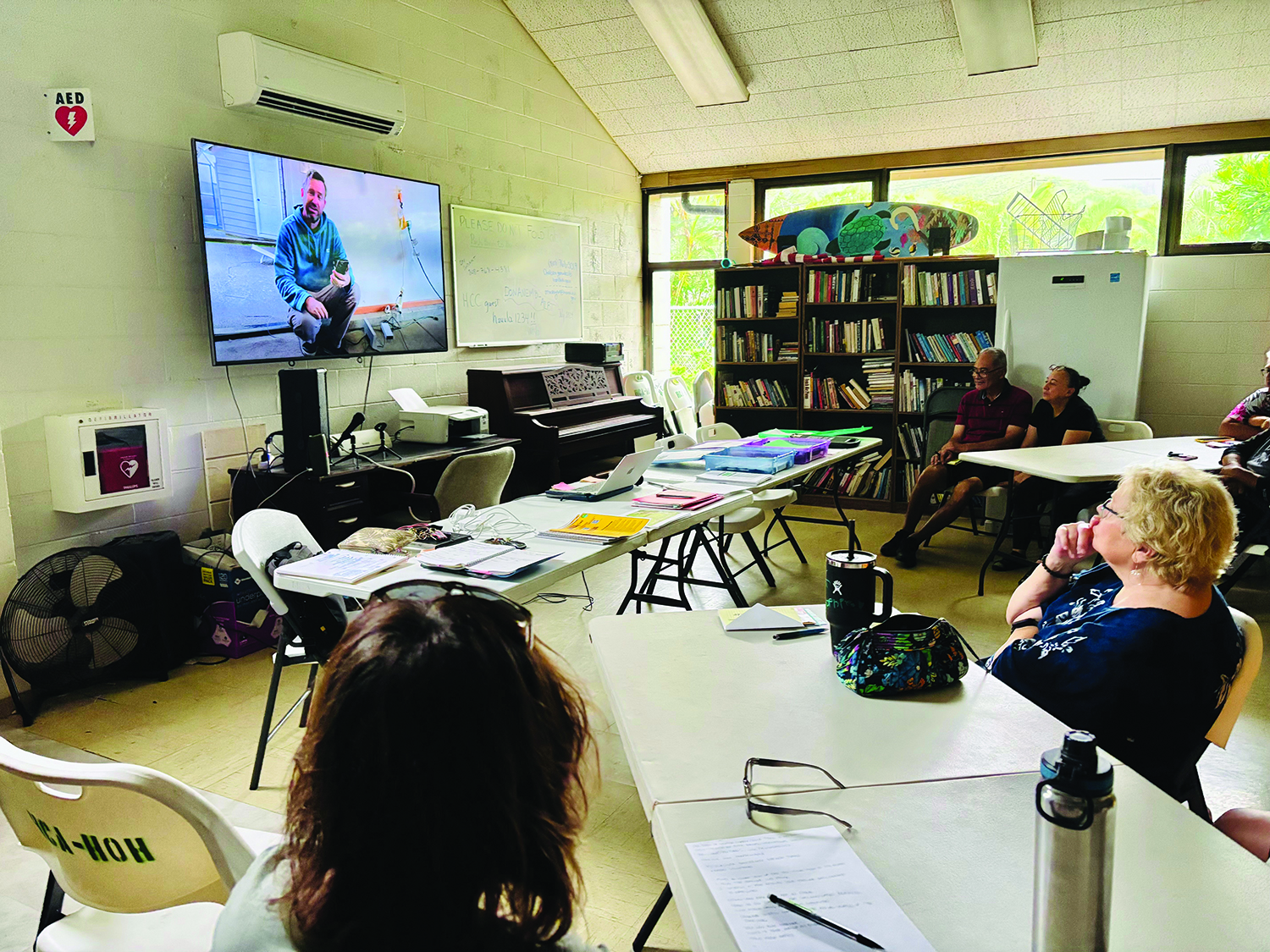
The grant helped the neighboring Hui O Hau‘ula community organization purchase satellite internet system communication devices that provide internet to populations with little or no connectivity. The grant also provided training on emergency preparedness, and the use of Wi-Fi and the internet during a disaster to the Hau‘ula community and neighboring valleys in Northwest O‘ahu.
Hui O Hau‘ula President Dotty Kelly-Paddock notes that the communities between Ka‘a‘awa and Kahuku could be cut off if Kamehameha Highway is damaged in a disaster. She used the AARP grant to buy three internet devices. She used a grant from the Castle Foundation to buy two more devices for all of the Ko‘olauloa communities in Northeast O‘ahu, and helped Lane and other community activists get training so they could help organize their neighbors to become disaster resilient and prepare for emergencies.
Lane is organizing meetings with residents, the Kahuku Community Association, churches and other neighbors.
“You have to be really resilient to live on the North Shore of O‘ahu,” Evelyn says, adding that internet system and the disaster resilience plan “are going to be a real benefit to our community.”
As hurricane season approaches in June, AARP Hawai‘i encourages you and your family to have a personal disaster plan in place — especially if you are a kupuna or a caregiver for one. AARP also encourages community leaders to talk to neighbors about creating a disaster resilience plan so everyone can know what to do before the next one strikes. For more information, search online: “AARP How to Prepare for Natural Disasters” and “AARP Disaster Resilience Tool Kit.”
Even before the Lahaina fire of August, 2023, Evelyn Lane, 67, was concerned about what would happen if a natural disaster struck the Kahuku Elderly Hauoli Hale senior and disabled low-income housing project that she lives in. Who will help them if a fire broke out in the forested area near the complex? What if…
By Rosa Barker Photos courtesy of Barbara & Roger Tinius
Kida-Sensei’s Rikka Shimputai
Ikebana is instantly recognizable as a Japanese style of floral art, no matter where in the world it is created. One thing that sets it apart as a style is that the arrangement is simple and uncluttered. But that simplicity is full of deeper meaning, dating back many centuries, when an Ikenobo priest taught that “With a spray of flowers, a bit of water, one evokes the vastness of rivers and mountains.”
Ikenobo Ikebana Ikenobo Ikebana is the original school of ikebana in Japan. The school’s headquarters are in Kyoto, close to the art’s origins at the Rokkakudo Temple, which was founded nearly 1,400 years ago. Priests who made floral offerings at the temple’s Buddhist altar lived near a pond (ike) in a small hut (bo). The priests became known as “ikenobo,” and people came to watch and learn from them. The Buddhist name “Senkei Ikenobo” first appeared in historic records as “master of flower arranging” in 1462.
In the mid-16th century, Senno Ikenobo established the philosophy of ikebana, completing a compilation of Ikenobo teachings called “Senno Kuden.” He taught that “Not only beautiful flowers but also buds and withered flowers have life, and each has its own beauty. By arranging flowers with reverence, one refines oneself.” As the Ikenobo Ikebana Japan website explains, the spirit of Ikenobo Ikebana is embodied in the idea that “arranging flowers and finding beauty in them is linked to a heart that values nature and cares for other people.” Flowers are not only beautiful but they can reflect the passing of time and the feelings in the heart of those who arrange them.
Ikenobo Ikebana Styles Ikenobo Ikebana has three main styles: shoka, rikka and jiyuka (Free Style). The first two have both traditional (shofutai) and more modern (shimputai) variations. The modern variations and the jiyuka style were all introduced during the current Kyoto headmaster’s term. He based these “new” styles on old scrolls showing materials being used in a simpler manner.
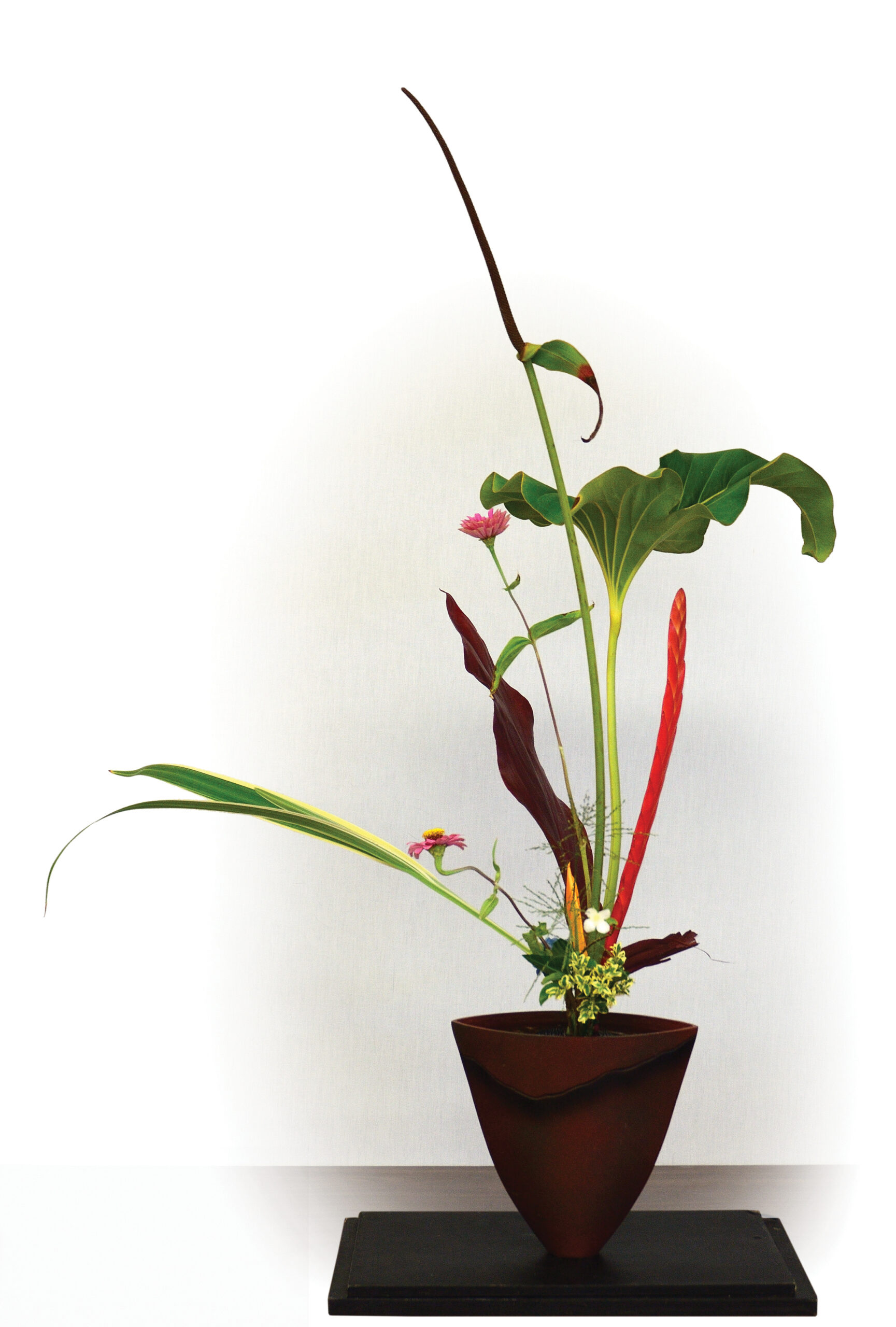
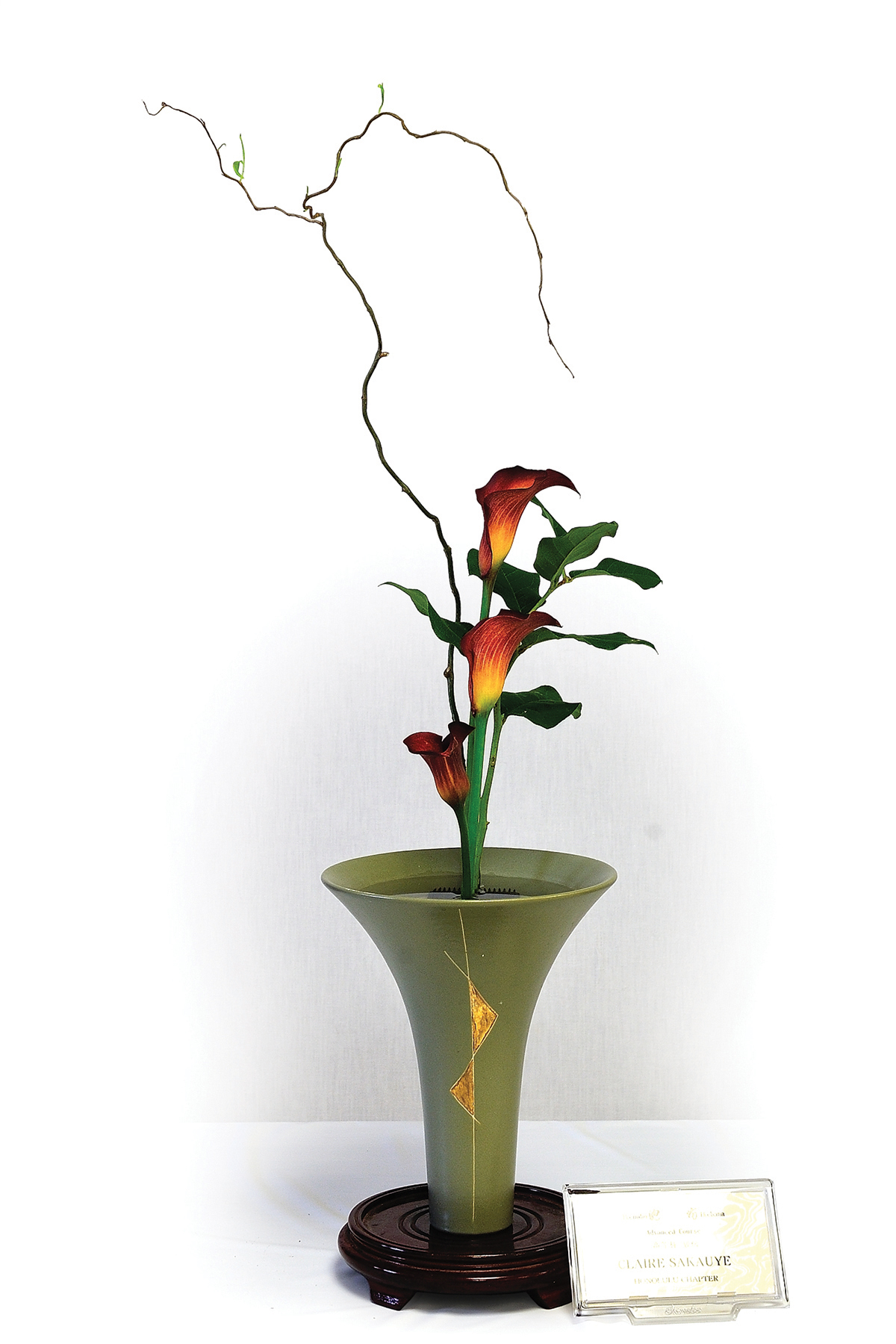
SHOKA uses no more than three kinds of floral materials and is the most dignified flower style among the three, created originally during the mid-Edo era (18th century) for placement in the tokonoma (alcove) of a traditional Japanese tatami room. It has only three main components that can represent past, present and future, or heaven, man and earth. This style expresses the longing for nature.
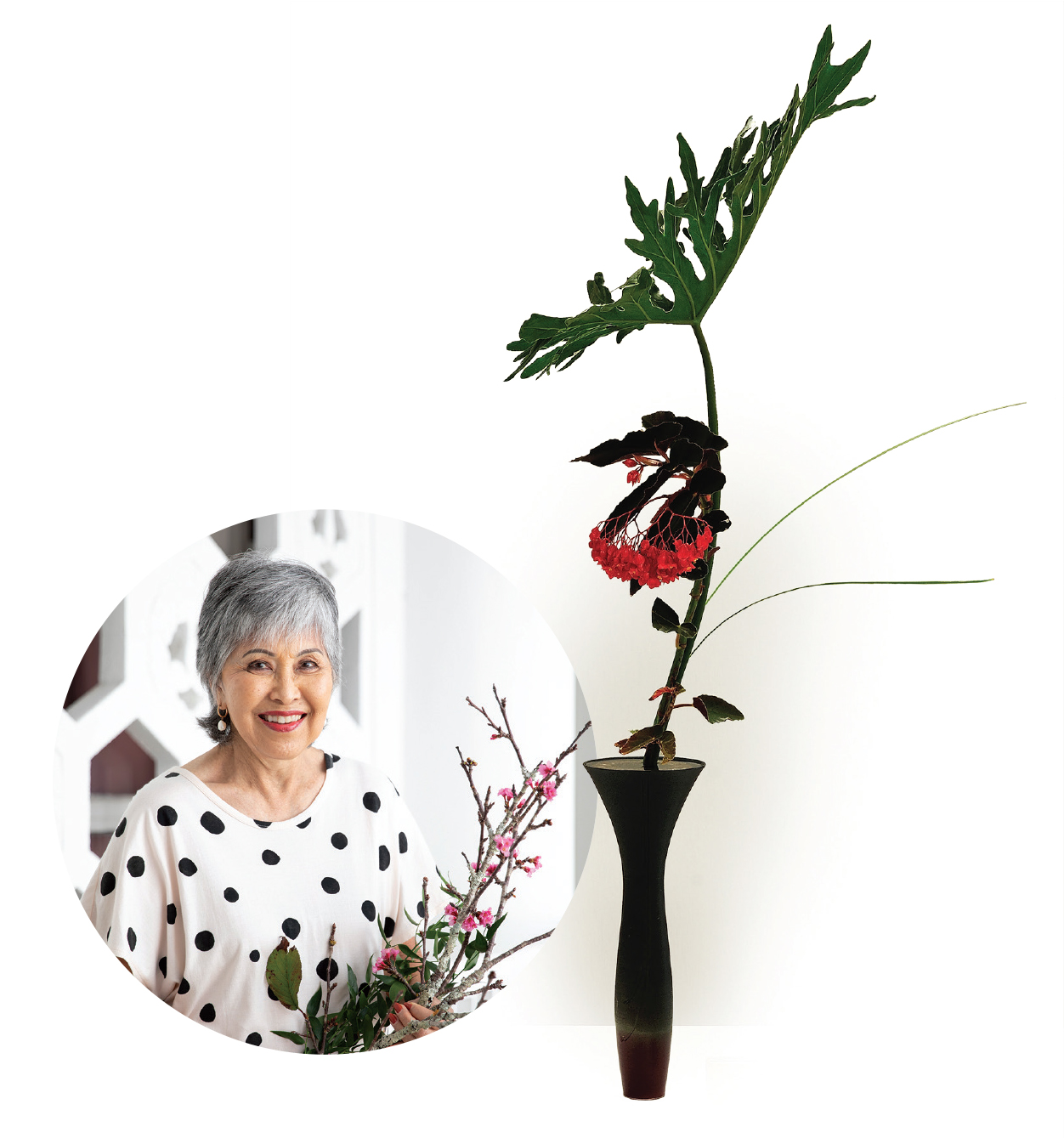
Shoka Shimputai by Claire Sakauye
RIKKA is the most classical ikebana style, having been handed down since the 16th century, during the Muromachi Era (approximately 1336 to 1573). Because it represents “a harmony of a wide variety of plants in the natural world,” this style is more elaborate and more challenging to create than shoka. It expresses grace of tradition and magnificent landscape and has nine main components with optional additional parts to fill in or round out the arrangement.
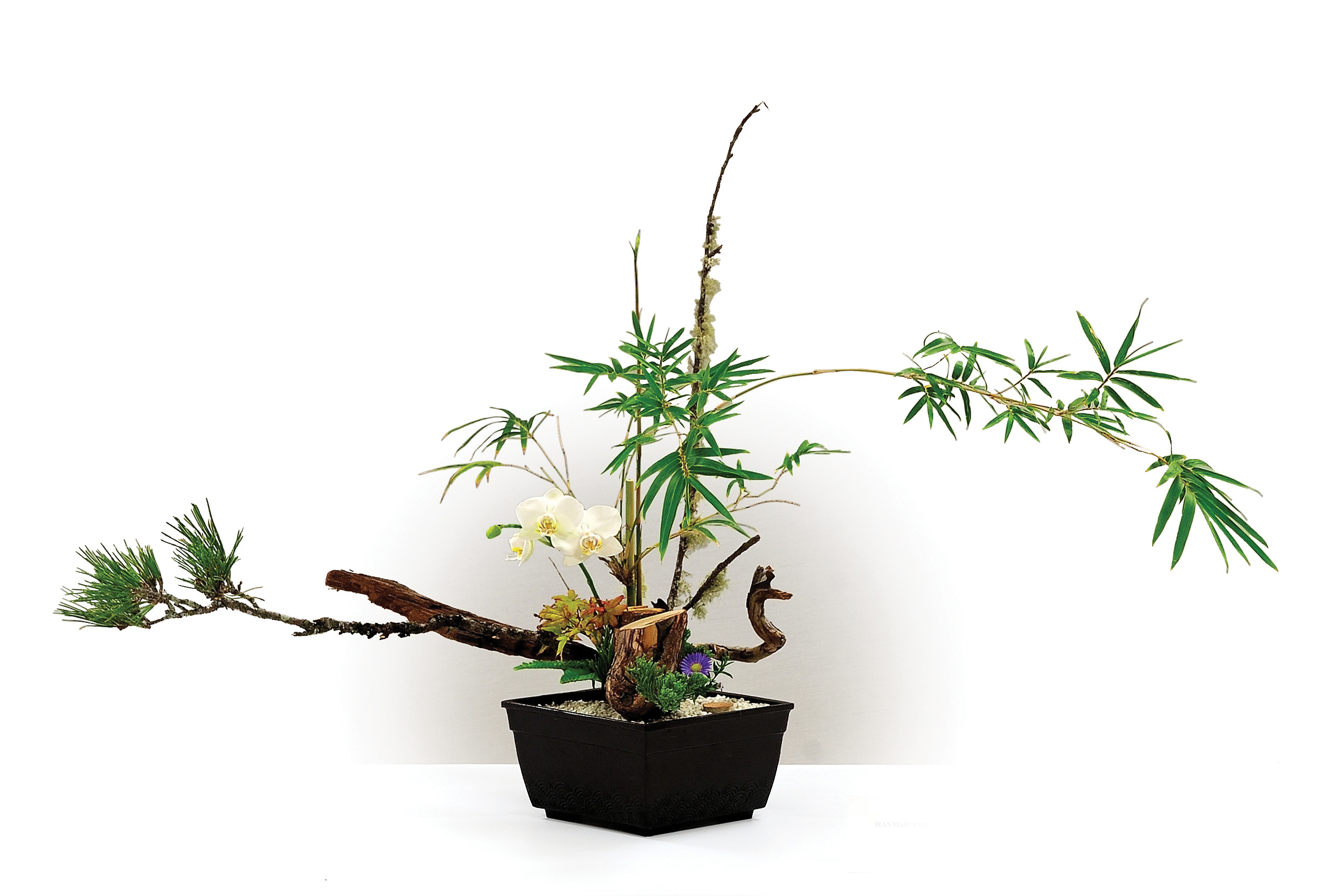
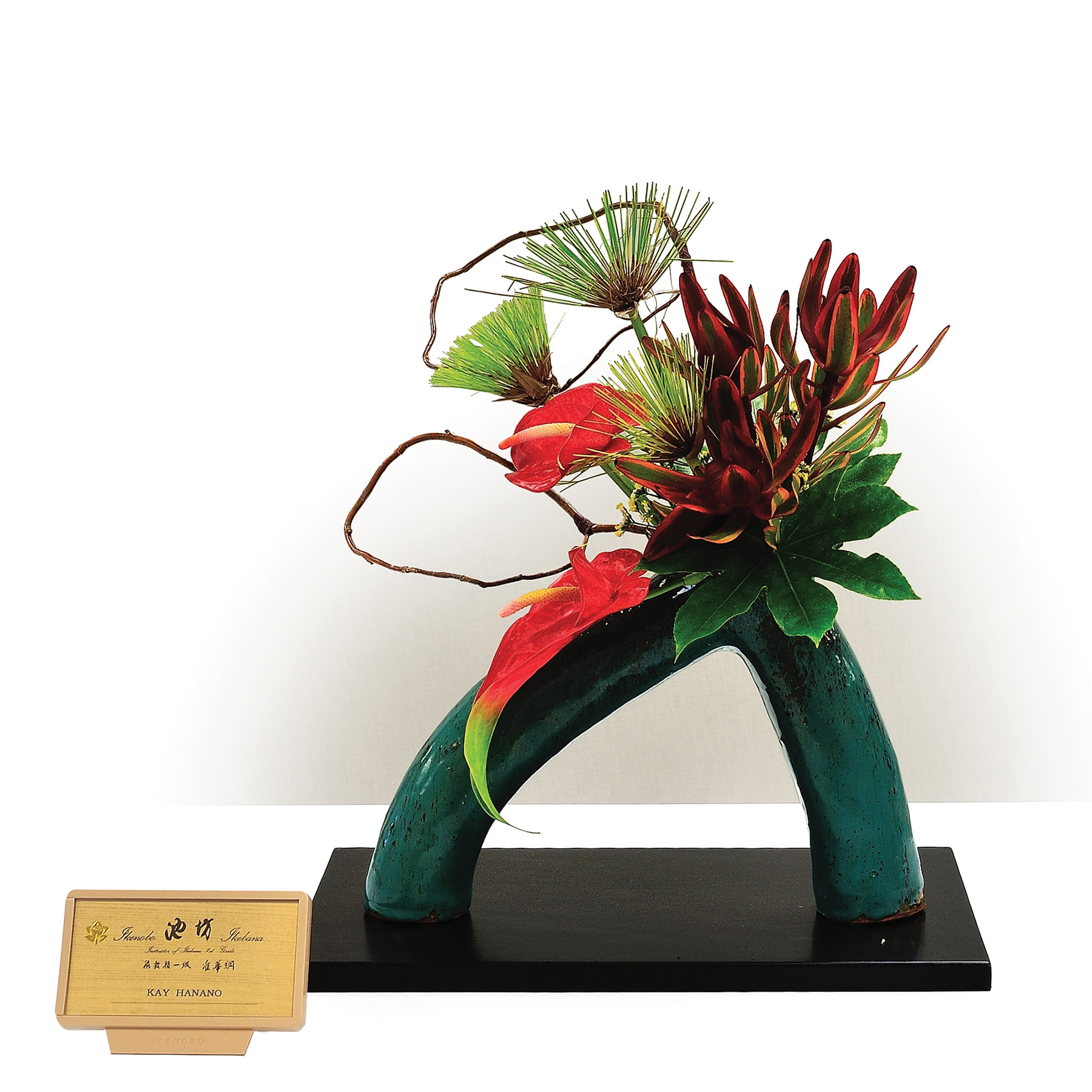
JIYUKA has no specific pattern or set of rules but falls into two basic categories: naturalistic and designed, in which materials are used in a less natural manner. The creator has complete freedom to express their personal inspiration. The finished arrangement might hang on a wall like a picture or be suspended from the ceiling like a lamp. Very few modern homes have an alcove or a tatami room, and this style was introduced in response to that architectural change.
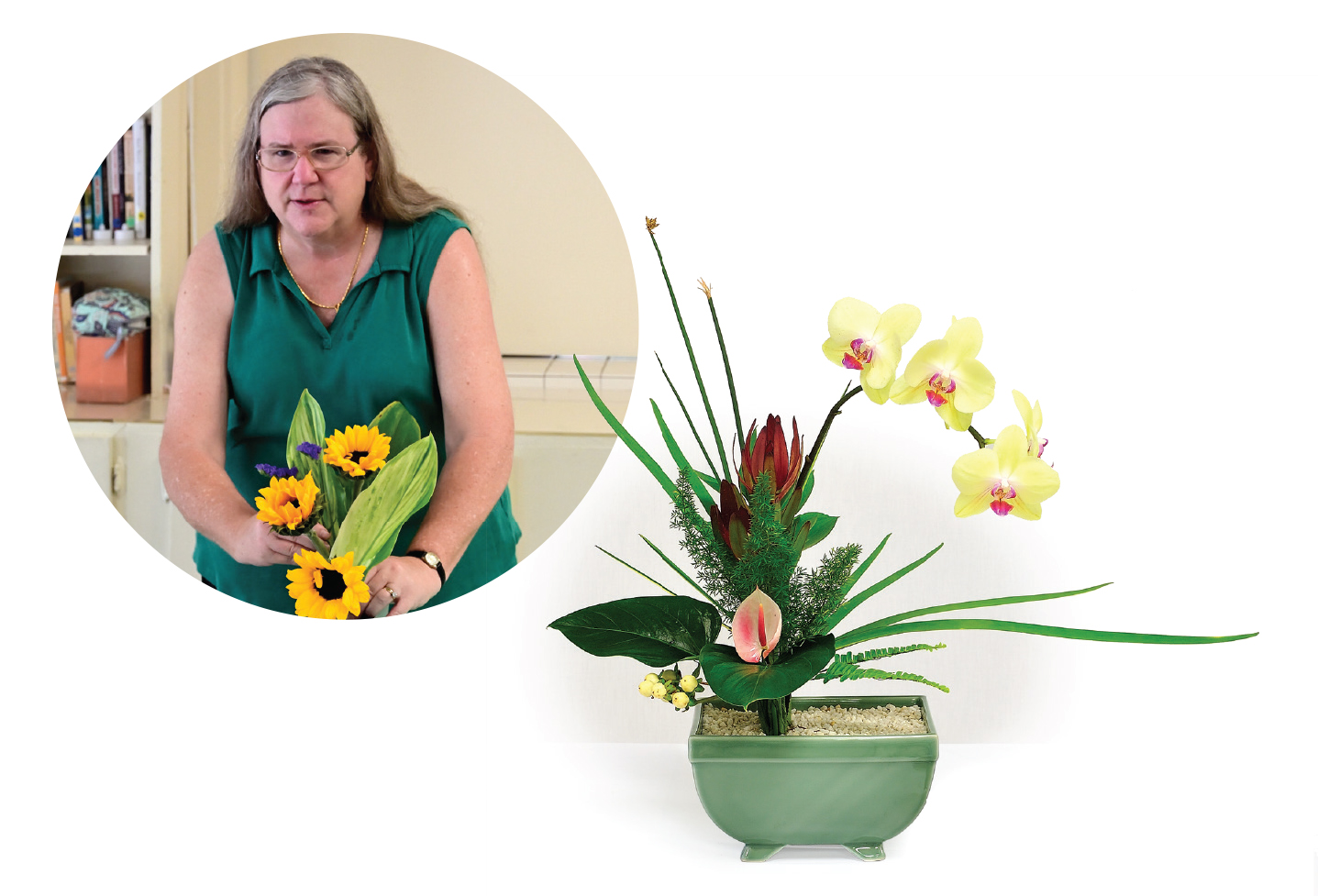
Sunanomono by Jean Marutani
Jiyuka by Kay Hanano
From Kyoto to Hawai‘i Kai Beryl Ono and Diana Salansky are both long-time members of the Ikenobo Ikebana Society Honolulu Hawaii Chapter, one of 41 chapters worldwide. For both of them, the relationship between the teacher (sensei) and the student is key to what kept them wanting to learn more. Diana’s sensei here in Hawai‘i always told her, “You can do it!”
Her sensei’s method of teaching was to have the student first watch her create an arrangement from the materials she supplied. The student would then be left to study it. “I would draw it and list the main, secondary and filler material,” Diana says. Then the sensei would take it apart and Diana would remake it. It’s a one-on-one process with the sensei explaining what is required for the style being created, and the particular characteristics of the materials she has chosen to use and how the material itself has precedence: “You might want to show the sunny side of a branch but the material might have opposite ideas. It’s about becoming aware of what is the essence. After about six lessons, you can create the arrangement first but sensei gives you instructions to follow.”
Beryl Ono Stapleton and her Shoka Shimputai arrangement PC: Steve Nohara
Beryl concurs, saying, “When you first get into ikebana, they teach the basics first.” She enjoys classes because, in a world of multitasking and deadlines, “it’s just me and my flowers and my materials for the two hours I’m there. I feel a sense of satisfaction, not so much about my arrangement, but something like others might feel at the end of an exercise class.” Beryl is the contact point for those wanting to find out more and join classes. (Visit ikenobohonolulu.org for class details.) There are eight Ikenobo Ikebana teachers on O‘ahu and classes are held at a number of different venues, twice a month. Barbara Tinius, one of those teachers, explains that students first learn a generic form of Free Style, then graduate to shoka. “In starting with Free Style, you are learning classroom protocol and how to hold your scissors and look at how the material grows without being burdened by too many rules.” Barbara and Diana, both certificated “Senior Professors of Ikebana” by Kyoto headquarters, are available for private lessons and ikebana demonstrations.
Minimal But Meaningful The choice of materials used in an arrangement is key to the art’s appeal. Once the novice has gained enough knowledge to choose materials, the student takes great pleasure in finding material that expresses what they want to say in the arrangement — or they might simply let the material itself speak to them. Beryl explains: “It’s not just grabbing different materials and throwing them together. I would spend an hour at the florist looking at all the materials. You are looking for something that just grabs you. You’re talking to your material. Eventually, you start planting things that you can use. You don’t just put ornamentals in your yard.” Material can also be gathered from nature. It need not be “perfect.” A shriveled bud has a story to tell that’s as meaningful as a branch of perfect blossoms. As Sen’ei Ikenobo, the current 45th Headmaster of Ikenobo, wrote in the Ikenobo Society of Floral Art’s magazine: “What is important is to look at plants as they are with an unconstrained mind, without reflecting our own desire.”
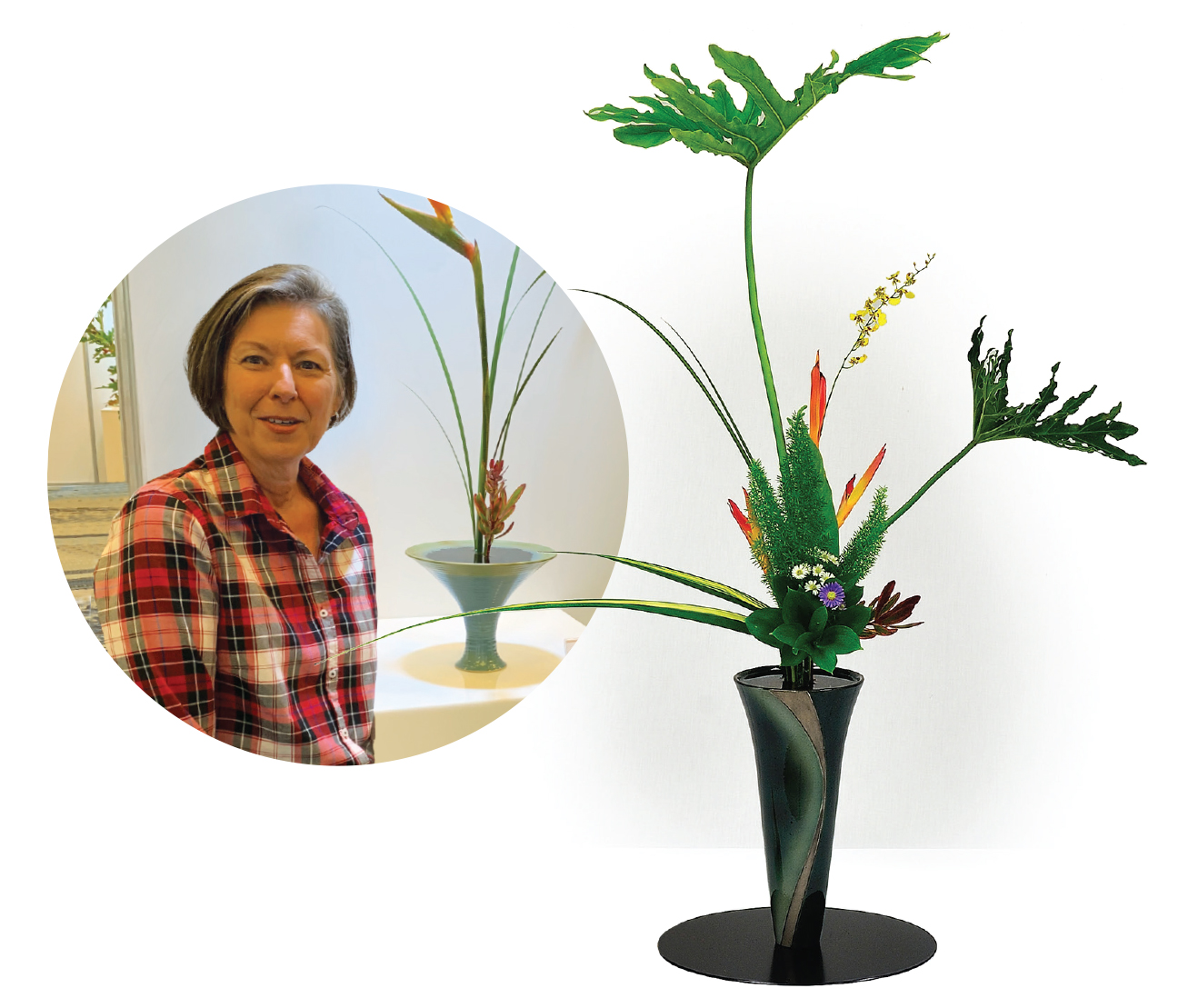
Diana Salansky and her Rikka Shofutai arrangement
Zen and Wabi-Sabi When Yasunari Kawabata was awarded the Nobel Prize in Literature in 1968, he used the occasion of his Nobel Prize lecture to bring the attention of a global audience to the finer points of Japanese cultural expression and the practice of Zen. Ikenobo Ikebana was one of the examples he used to illustrate this. “The ancients arranged flowers and pursued enlightenment.” he said. “Here we see awakening to the heart of the Japanese spirit, under the influence of Zen.”
Another manifestation of the Japanese spirit is the concept of wabi-sabi. It is an aesthetic that can be found in many forms of art, honoring the beauty of things that are imperfect, impermanent and incomplete in nature. Asymmetry, humility and simplicity characterize the wabi-sabi aesthetic and those qualities are integral to ikebana arrangements. In modern Japan, wabi-sabi is often understood as “wisdom in natural simplicity.”
Globalizing an Ancient Tradition In the second half of the 20th century, ikebana floral arranging began to blossom around the world. The presence of US military personnel based in Japan provided a nurturing soil in which to plant the seeds of global growth as ikebana teachers provided classes for military wives.
Barbara Tinius and her Rikka Shofutai Suna no mono arrangement
Ikebana International, an organization that is present in more than 60 countries and encompasses many different schools of ikebana, was founded in 1956 by Ellen Gordon Allen, wife of a US general stationed in Japan. Her purpose in creating this organization was “to unite people of the world through their mutual love of nature and the enjoyment of ikebana.” The organization’s motto is “Friendship Through Flowers.”
When her husband was posted in Rome (1954 to 1956), Ellen saw an opportunity to promote the art she had learned in Tokyo to a global audience. Her fascinating scrapbooks documenting her ikebana journey are digitally archived on the Ikebana International Washington DC Chapter 1 website (iichapter1.com/archives-2).
Diana’s journey with ikebana began when her husband was stationed in Japan. For 18 months, she studied with a sensei who came to the base, and who asked her to join Ikebana International (ikebana-hawaii.org). Back in Hawai‘i, she was introduced to Sensei Keiko Fukuda of Ikenobo School. Diana was president of Ikebana International Headquarters in Tokyo from 2017 to 2019.
The organization’s active ikebana schools in Honolulu regularly hold demonstrations and workshops. Schools, senior centers and care facilities, Japanese clubs, the University of Hawai‘i at Mānoa’s Department of East Asian Languages & Literatures, the Japanese Consulate and the Japanese Culture Center of Hawai‘i (JCCH) have all been venues, sometimes as part of a fundraising campaign for a local charity. Each week, volunteers from the Sogetsu, Ohara and Ikenobo schools provide seasonal arrangements for the lobby of the administrative office at JCCH.
Exhibitions Ikenobo Ikebana is not competitive. It acknowledges progressive levels of achievement based on a set sequence of classes and workshops by awarding certificates. The number of lessons is not the only determining factor for certificates. Students also need to demonstrate an understanding of the knowledge and principles inherent to that level of achievement.
Students get the opportunity to display their arrangements at exhibitions. “An exhibition is the stage for members to celebrate their work,” according to Sen’ei Ikenobo. “By preparing the exhibition, students can be motivated to face each leaf and flower with sincerity and work on their performance.” The exhibition that will be held in the Garden Lanai Room at the Ala Moana Hotel as part of the Ikenobo Ikebana Society of Honolulu’s 45th Anniversary Celebration is called “Creating Harmony.” The webpage for the event explains: “We chose this theme as that is exactly what we’re doing when we arrange three or more diverse materials into a cohesive artistic display.” (See the “45th Anniversary Celebration” sidebar.)
Attendance at exhibitions is best undertaken with an open mind and an open heart. To fully appreciate an ikebana arrangement, Beryl advises that the viewer should realize they are looking at something that has come from the arranger’s heart. “There’s a three-way conversation going on between the materials, the arranger and the viewer. It’s all about feelings and the place a person happens to be in life at that time.”
21st Century Ikenobo Ikebana While never forgetting its centuries-old roots as a religious ceremony, Ikenobo Ikebana warmly embraces new technologies and societal changes. Besides introducing modern forms of the two traditional styles and adding Free Style, Sen’ei Ikenobo, the current 45th Headmaster of Ikenobo, has encouraged the development of outreach efforts to Japan’s young people. Enter the Ikenoboys! About seven years ago, a group of junior professors at the Kyoto school formed the equivalent of a boy band. Either individually or as a group, they give demonstrations at schools and public events, and make TV appearances. On the “Ikebana’s Evangelist Ikenoboys” website at ikenoboys.com, you can find links to their videos and their Instagram account.
The school also collaborates with other arts. The Kyoto Ballet Company has added ikebana to its curriculum and in January 2023 included an ikebana performance in unison with dancers as part of a welcoming event for Japan’s Agency for Cultural Affairs. “Each dancer held a flower in their hand and passed the flowers to us at the center of the stage while dancing. Receiving the flowers from the dancers, we observed each flower to find the best direction and angle to maximize its appeal, and improvised an arrangement, which conveyed the passing of the seasons,” wrote Miyuki Koike, who teaches ikebana at the Kyoto Ballet Academy, in the Ikebana Floral Arts Society newsletter.
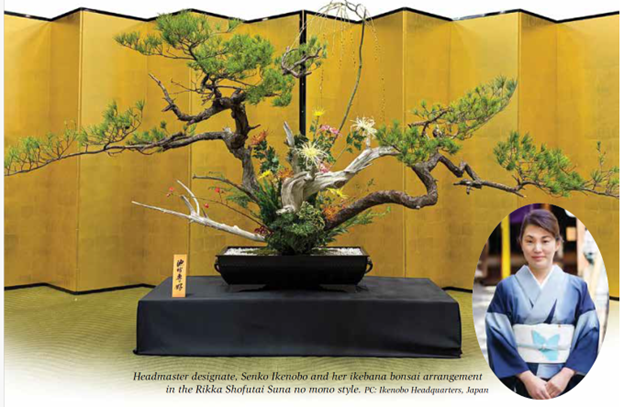
Of all the changes that the current headmaster has made, the most far-reaching has been naming his daughter, Senko Ikenobo, as 46th Headmaster-Designate of Ikenobo Ikebana. It is the first time in the school’s history that a headmaster has named a woman as his successor. She was appointed headmaster-designate in 2015. On her Ikenobo Ikebana webpage, she writes: “To the best of my ability, I hope to promote ikebana, one of the representative aspects of Japanese traditional culture, to the next generation.”
Senko is also active as a Japanese cultural ambassador around the globe and for international events held in Japan. She was a member of the organizing committee for the 2020 Summer Olympics and Paralympics (which were postponed until 2021 because of the pandemic), performed a floral offering ceremony at the United Nations Headquarters in New York and created ikebana arrangements for the 42nd G7 Summit in Japan. In 2024, Senko took part in a traditional maritime ceremony launching the Mitsui Ocean Fuji cruise ship in Tokyo Bay. By christening the new vessel, she has added “godmother” to her many roles. When she is here for the 45th anniversary celebration in June, Senko will be demonstrating the creation of Ikenobo Ikebana pieces at the Ala Moana Hotel.
The event will be a wonderful opportunity for ikebana enthusiasts and those curious about this Japanese cultural practice to engage with the values at the heart of Ikenobo teachings: “We create with branches, leaves and flowers a new form which holds our impression of a plant’s beauty as well as the mark of our own spirit.”
45th Anniversary Celebration Ikenobo Ikebana Society of Honolulu, Hawai‘i Chapter “Creating Harmony” Ikebana Exhibition Free to the Public June 14–15, 2025, 10am–3pm (Opening Ceremony at 10am, June 14) Ala Moana Hotel, 2nd Floor, Garden Lanai Room — Special Luncheon & Demo — For Registrants & Guests: The closing date to register and pay for the luncheon and the workshops is May 15. Registration & Information: ikenobohonolulu.org/45th-anniversary-1
Saturday, June 14
11am: Hibiscus Ballroom opens for seating
11:30am: Buffet luncheon followed by a demonstration by the Headmaster-Designate, Senko Ikenobo and a Reishiki-ike ceremony — Special Workshops — Taught by Prof. Manabu Noba Susannah Wesley Community Center 1117 Kaili St., #3432, Honolulu (For Members and Students only)
By Rosa BarkerPhotos courtesy of Barbara & Roger Tinius Ikebana is instantly recognizable as a Japanese style of floral art, no matter where in the world it is created. One thing that sets it apart as a style is that the arrangement is simple and uncluttered. But that simplicity is full of deeper meaning, dating…
Do I need a trust?” This is a common question I am asked when meeting with a client who is unfamiliar to estate planning. My usual response is, “It depends.” It depends on the client’s intentions or wishes, the client’s goals and concerns, the types of assets the client has, the age/maturity of client’s beneficiaries and whether there is a high risk of conflict.
Generally, a trust is beneficial for anyone who owns real property, has liquid assets of cumulative value of $100K or more and growing, has children or beneficiaries, has children or beneficiaries who have disabilities or are minors and/or children or beneficiaries who are not mature or responsible.
A trust is necessary for anyone who wants to prepare for incapacity, ensure a smooth transition of wealth, avoid probate, reduce conflict between the beneficiaries and reduce potential estate taxes.
A trust is a very important and flexible tool that can assist you throughout life and that extends through death.
Please understand that there are many different types of trusts. For the purposes of this article, consider revocable trusts or passthrough trusts, generally. You will want to meet with an estate planning attorney to see if a trust is suitable for you.
Do I need a trust?” This is a common question I am asked when meeting with a client who is unfamiliar to estate planning. My usual response is, “It depends.” It depends on the client’s intentions or wishes, the client’s goals and concerns, the types of assets the client has, the age/maturity of client’s beneficiaries…
Your revocable living trust (RLT) is a vehicle to deliver your assets to your beneficiaries — including you, if you become incapacitated. Think of your RLT as a little red wagon. In order for your wagon to do its job, you must load it up with your stuff. Anything you do not put into your wagon may not reach your intended beneficiaries without being subjected to an expensive, time-consuming public court proceeding.
If the proceeding is required in order to allow your assets to be spent on you while you are incapacitated, it is called a “conservatorship.” If the proceeding is required in order to allow your loved ones to receive their inheritances, it is called a “probate.” Either way, going to court can be costly and take a long time. Court proceedings can also draw unwanted attention.
You can spare yourself and your loved ones from having to go to court by transferring (called “funding”) all of your stuff into your RLT.
There are a few assets (most notably, life insurance policies, annuities and retirement plans), that do not need to be transferred into your RLT during your lifetime. Often, the most effective way of transferring these kinds of assets is through beneficiary designations. Another item you might not want to put into your RLT is your automobile, but you should discuss it with your attorney.
Your revocable living trust (RLT) is a vehicle to deliver your assets to your beneficiaries — including you, if you become incapacitated. Think of your RLT as a little red wagon. In order for your wagon to do its job, you must load it up with your stuff. Anything you do not put into your…
Children often learn their first lessons about money from the adults they’re closest to. Whether it’s listening to parents discuss a purchase or watching them pay bills online, kids are observant and their relationship with money is often shaped by what surrounds them. If you are a parent looking to instill financial wisdom in your children, here are some ways to get started.
◆ Set a good example. Kids often model what they see. Be intentional about the example you’re setting. Proactively discuss money with your children. Talk about what’s important to you moneywise and use everyday moments to bring it to life, such as bringing them along when you speak to a financial advisor or consider an expenditure.
◆ Share knowledge. You can give your kids important life skills by building their foundation of financial knowledge. Shape good habits with simple lessons about how to track spending or saving up for something special. Why wait until they’re on their own to talk about the value of good credit or to explain how compound interest can make savings grow? Talk about the rewards (and challenges) of delayed gratification and the perils of debt. As they get older, emphasize the importance of financial security and the value of professional guidance.
◆ Encourage goal setting. Instill the habit of goal setting early. Discuss your own goals — such as paying for a family vacation or saving for a new car — and how you follow through on them. Encourage your children to set a goal or two of their own.
◆ Reinforce the value of work. Children learn the value of a dollar sooner when they are exposed to the effort that goes into earning each one. Consider whether you want to provide an allowance or pay them for helping with chores. When they start a part-time job, talk through the various ways they can allocate the money earned. It’s human nature to be more careful when spending your own versus someone else’s money.
◆ Introduce the concept of budgeting. A spending plan can be empowering because you know exactly what money is going to meet each need and goal. Start explaining this concept early. Kids should understand that you impose limits on your own spending and why it’s important to live within your means. A trip to the grocery store can be an opportunity to share why you make the choices you do.
◆ Model philanthropy. If you donate to causes important to you, it can be impactful to show your children the power of giving. You might suggest they apply a save-spend-share philosophy toward their own money. The idea is to set aside a portion of their allowance or earnings for future wants or needs, spend another portion on today’s wants or needs and give a portion to causes they care about. Whether it’s enacting a spending philosophy or having a conversation with your child about how you use your money to give back, passing down your philanthropic values can be a rewarding experience for both parties.
◆ Be a resource. Most kids make a few financial mistakes as they mature into adulthood. So let them know they can turn to you for guidance. Encourage them to continue to build smart money habits and remind them they don’t have to navigate their financial journey alone.
Children often learn their first lessons about money from the adults they’re closest to. Whether it’s listening to parents discuss a purchase or watching them pay bills online, kids are observant and their relationship with money is often shaped by what surrounds them. If you are a parent looking to instill financial wisdom in your…
Hawai‘i’s unique housing landscape relies heavily on condominium and community association laws, which manage shared living spaces, properties and the intricate relationships within them. Governed by specific statutes, these laws include HRS 514B for condominiums, HRS 421J for community associations, HRS 421I for cooperatives and HRS 514E for timeshares. Of these, condominium laws stand out for their comprehensiveness, detailing everything from a developer’s responsibilities to the finer points of house rules. On the other hand, statutes for other housing types are strikingly thin, often leaving owners with little guidance in case of disputes.
This imbalance becomes even more apparent in properties that combine housing models. For example, a condominium might house timeshare organizations or rental pool groups within it, creating a complicated web of governance. These associations function as hybrid entities: They resemble corporations with directors and shareholders (owners), operate like families with close living arrangements that foster interpersonal conflicts, and act like governments with the authority to create rules and collect fees. Each aspect presents opportunities for friction and dysfunction, making their efficient operation critical for residents’ quality of life.
Hawai‘i’s Invisible County
The importance of these laws extends beyond their governance structures. Hawai‘i’s condominiums and community associations represent over $100 billion in real estate value. Condominiums alone make up more than 31% of the state’s housing units, the highest percentage in the US. About 420,000 people — nearly 30% of Hawai‘i’s population — reside in these communities.
To put this into perspective, this population is larger than the combined populations of Kaua‘i, Maui, and Hawai‘i Counties. These associations form Hawai‘i’s “invisible second-largest county,” and their influence on housing and the economy is undeniable.
Beyond housing, these associations help drive Hawai‘i’s economy, supporting contractors, landscapers, property managers and numerous service providers. As new housing developments increasingly adopt these models, the reliance on condominium and community association laws will only grow. These associations are not only residential communities but also economic ecosystems, ensuring jobs and livelihoods for thousands of workers who support their operations.
Despite their pivotal role, these associations often go unnoticed until governance issues erupt into public disputes. Disputes can arise from disagreements over shared expenses, misuse of funds, or lack of communication between boards and residents. These problems underscore the importance of proactive attention, improved transparency and ongoing reforms to make the system more equitable for all involved.
Hierarchy of Governance
To understand the structure of these associations, it’s essential to examine their hierarchical governance system. At the federal level, statutes like the Fair Housing Act (FHA) and the Americans with Disabilities Act (ADA) set broad protections to ensure equal access and non-discrimination. State laws, particularly HRS 514B and HRS 421J, provide detailed regulations governing everything, from how condos are developed to how they are marketed and managed. These state laws work in conjunction with community-specific documents: declarations (the “mini-constitutions”), bylaws (operational rules) and house rules (everyday guidelines). Meetings are governed by Robert’s Rules of Order, which help maintain procedural order and promote fair participation.
Inconsistencies in Governance
Despite this framework, the system is far from perfect. Condominium laws are significantly more detailed than those for cooperatives or timeshares, creating inconsistencies in governance. Judges often rely on condominium laws to resolve disputes in other association types, which can lead to misapplication of the statutes. This tendency can create further confusion and exacerbate tensions between owners and boards. Moreover, developers and management companies have historically played a significant role in drafting these laws, often prioritizing their interests over those of the residents. This influence can result in regulations that favor financial expediency or development goals at the expense of fairness or long-term sustainability. However, growing owner activism has resulted in notable reforms, including the anti-retaliation provision (HRS 514B-191), which protects residents who raise concerns from being targeted by their boards. Those dealing with condominiums are also required to act in good faith (HRS 514B-9). These requirements are a significant step forward but highlight the ongoing need for balance and equity in the governance structure. While the governance structure of community associations is designed to promote fairness and efficiency, several practical challenges arise.
■ Misuse of Executive Sessions. One persistent issue is the misuse of executive sessions. These private board meetings are intended for sensitive topics, such as personnel matters or potential litigation. However, boards frequently abuse this power to obscure discussions and decisions that should be made publicly. This lack of transparency undermines trust and leaves owners uninformed about critical matters affecting their community. For example, major decisions like approving large-scale renovations or reallocating shared expenses are sometimes made behind closed doors, leading to frustration and disputes among residents.
■ The Voting Process. Another common problem is the voting process. Boards often control proxies and voting timelines, giving incumbents a significant advantage. This kind of manipulation allows them to campaign more effectively than challengers, leading to imbalanced governance outcomes. Some boards also engage in practices such as targeting voters who have not yet participated, using direct outreach to sway results. Quite often, incumbents have the email addresses of owners via the management company which are not shared with challengers. These tactics undermine the principle of democratic representation and create divisions within communities.
■ Financial Planning. Financial planning also poses significant challenges. Hawai‘i’s reserves law mandates that condominiums set aside funds for future repairs and maintenance, but compliance is inconsistent.
Many associations neglect this requirement, resulting in sudden special assessments that burden owners with unexpected costs. This lack of planning is particularly problematic in aging buildings, where deferred maintenance can lead to significant safety risks and expensive emergency repairs. Ensuring adequate funding for reserves is critical to maintaining the long-term viability of these properties. The recent insurance crisis also is putting a significant strain on condominiums across the state.
■ Gender Disparities. Gender disparities further complicate the governance dynamics of community associations. Women, especially single women, frequently face harassment or discrimination from male board members or neighbors. This issue underscores the need for greater inclusivity and respect within community associations.
Advocacy and education are crucial to addressing these inequities, creating an environment where all residents feel empowered to participate in decision-making processes.
In the May-June issue, Part 2 of this two-part series will continue to cover how to navigate challenges in the complex world of condominium law and how to pave the way for reform.
Hawai‘i’s unique housing landscape relies heavily on condominium and community association laws, which manage shared living spaces, properties and the intricate relationships within them. Governed by specific statutes, these laws include HRS 514B for condominiums, HRS 421J for community associations, HRS 421I for cooperatives and HRS 514E for timeshares. Of these, condominium laws stand out…