Category: Living Life

  • The Willows Restaurant

    E komo mai kakou!

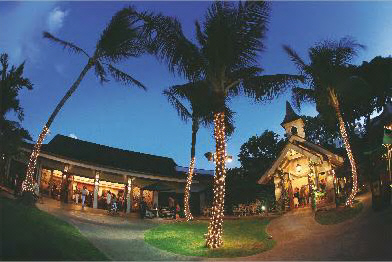
    The Willows Restaurant - Generations Magazine - February - March 2012Nestled within the heart of historic Mo‘ili‘ili in Honolulu, The Willows sits upon one acre of lush tropical gardens, abundant with native Hawaiian flowers, and bordered by cascading waterfalls. Guests can enjoy award-winning dining outdoors or within one of the many private rooms. Like the Shangri-La of myth, The Willows is an unexpected oasis amid the hustle and bustle of the city. First-time guests usually catch their breath as they walk through the doors, while those who return always feel welcomed and at home.
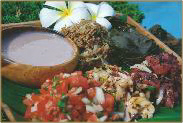
    The Willow’s award-winning buffet executive chef Miles Miyashiro masterfully combines traditional Hawaiian delicacies with Asian and American cuisine to satisfy the pickiest of palates. The menu is influenced by many different cultures, including Japanese, French, Thai, Italian, Hawaiian, and Korean. The Willows menu has been honored with many awards over the years, including Honolulu Advertiser’s “Best Buffet,” Honolulu Magazine’s “Best Place to Take Visitors,” Taste of Honolulu’s “Best Seafood,” and took 1st Place at HFM’s Culinary Competition, in addition to numerous other awards. They also have special holiday buffets featured throughout the year.

    Live Hawaiian music and dancing can be enjoyed every evening, Wednesday through Friday from 6:30 p.m. – 8:30 p.m., featuring some of Hawai‘i’s top entertainers, including many Na Hoku Hanohano Award winners.

    Weddings and Special Events

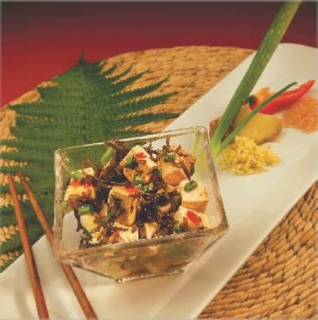
    The Willows Restaurant Meal - Generations Magazine - February - March 2012The Willows Chapel has been the venue for many isle weddings, and is a popular choice for wedding receptions and other celebrations for up to 150 people in private rooms, as well as restaurant buy-outs for larger private events. Contact Keri Endo, Catering & Special Events Director for information, (808) 952-9200 ext. 63.
     

    The Willows Restaurant

    • Located at 901 Hausten Street in Honolulu
    • Phone: (808) 952-9200, fax: (808) 952-0050.
    • Visit the website for entertaiment and menu details, willowshawaii.com.

    LUNCH BUFFET

    • Weekdays Monday - Friday, 11:00 a.m. –  2:00 p.m.
      • Adult $19.95 • Keiki (4-10) $9.95Kupuna (65+) & Military 10% Off
    • Saturday 10:00 a.m.- 2:30 p.m.
      • Adult $24.95 • Keiki (4-10) $12.50Kupuna (65+) & Military 10% Off
    • Sunday Champagne Brunch 10:00 a.m. - 2:30 p.m.
      • Adult $34.95 • Keiki (4-10) $17.50Kupuna (65+) & Military 10% Off

    DINNER BUFFET

    • Monday – Friday, 5:30 p.m. - 9:00 p.m. Saturday & Sunday, 5:00 p.m. - 9:00 p.m.
      • Adult $34.95 • Keiki (4-10) $17.50Kupuna (65+) & Military 10% Off

    E komo mai kakou! Nestled within the heart of historic Mo‘ili‘ili in Honolulu, The Willows sits upon one acre of lush tropical gardens, abundant with native Hawaiian flowers, and bordered by cascading waterfalls. Guests can enjoy award-winning dining outdoors or within one of the many private rooms. Like the Shangri-La of myth, The Willows is…

  • Celebrating Culture

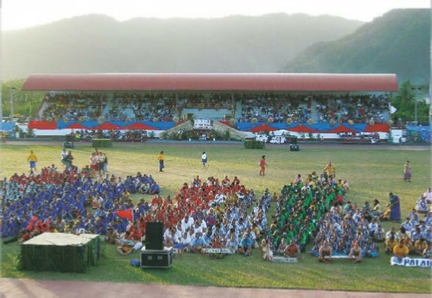
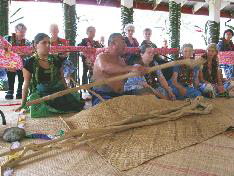
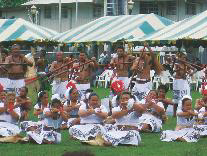
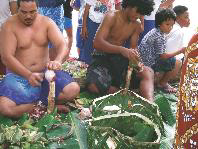
    Generations Magazine - Celebrating Culture - Image 01A special event occurs every four years called the Festival of Pacific Arts, where over 27 South Pacific nations gather to share their culture and develop friendships. The festival lasts for approximately two weeks and is filled with events from morning till night at different venues. There are over 2500 participants and many of the countries have competitions in advance to be sure they are represented by their best performers. There is no “competition” as the focus is on the celebrating and sharing of each other’s cultures. This year’s theme will be Culture in Harmony with Nature.
    Generations Magazine - Celebrating Culture - Image 02

    Generations Magazine - Celebrating Culture - Image 03

    Generations Magazine - Celebrating Culture - Image 04The festival is held in the summer, when school is out, as the local villages are responsible for the housing and feeding of participating delegations. This opportunity allows for sharing hospitality and cultural interactions between the locals and visiting countries.
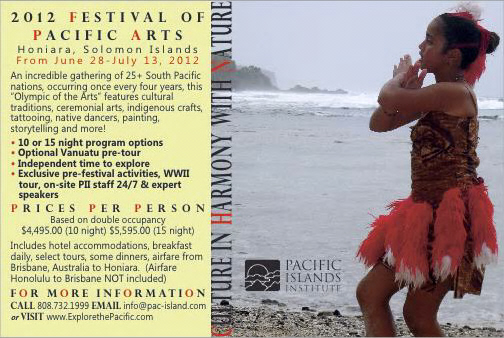
    Amy Taniguchi, a retired Hawai‘i schoolteacher, has been to four festivals in Samoa, New Caledonia, Palau and Western Samoa with Pacific Islands Institute who has been taking visitors to the festivals since 1992. This year’s program begins in Brisbane, Australia on June 28th. For more information, call 808-732-1999 or visit ExplorethePacific.com.

    Generations Magazine - Celebrating Culture - Image 05

    A special event occurs every four years called the Festival of Pacific Arts, where over 27 South Pacific nations gather to share their culture and develop friendships. The festival lasts for approximately two weeks and is filled with events from morning till night at different venues. There are over 2500 participants and many of the…

  • The Blessings of Having a Church Family!

    LIVING-LIFE-Blessings-Church-Family_image1My mother Sue (Sumiko) Higa died in July of 2010. She was 84 years old and for nearly half of her life she suffered with rheumatoid arthritis. Mom came to live with us in our Ma¯noa home for the last two years of her life.

    What was Mom’s greatest joy during the latter years of her life? It was going to church on Sunday. After her bath on Saturday afternoon my wife Judy would fix Mom’s hair up really pretty, and pick out a “nice outfit” for her to wear to church.

    On Sunday mornings, Mom would get up very early and Judy would dress her in her “nice outfit.” Then, at 7 a.m., I’d help her get into our car. Once she was seated in the car, I would pull down the car visor’s mirror above her so she could take one last glimpse at how she looked. I’d tell her that she looked real good! Once we arrived at church I would help my mother into her wheelchair and move her to her favorite spot at the back of the church. There she would chat with her friends and many would come to greet her and hug her. Mom was always smiling on Sundays.

    After the worship celebration Mom would be wheeled to the social hall to gather with her 30 or so friends for the Senior’s Class. There she “talked story” and had a grand time with all of her friends. Mom would always come home with gifts of cookies and candies from her friends. Sunday mornings were the highlight of my mother’s week.

    LIVING-LIFE-Blessings-Church-Family_image2What are the blessings of having a church family?

    • Friends and family may be distant but you can see your friends at church every week.
    • If you’re fortunate like my mother, you’ll come home with all kinds of gifts.
    • A good church family will provide support and prayers for you.
    • If you fall asleep during the Pastor’s sermon no one will judge you. But they may wake you if you start snoring.
    • It’s a lot better than watching TV or Korean soap operas all the time.
    • You will be encouraged and inspired by the spiritual lessons that you will learn.
    • You’ll have a Christmas party to go to (if you attend our church)! Make Sunday mornings a delightful time of your week. Find a good church and be blessed by having a church family.

    Blessings!,
    Pastor Russell Higa

    My mother Sue (Sumiko) Higa died in July of 2010. She was 84 years old and for nearly half of her life she suffered with rheumatoid arthritis. Mom came to live with us in our Ma¯noa home for the last two years of her life. What was Mom’s greatest joy during the latter years of…

  • 80 Years of Valuable Service

    The Hawai‘i Library for the Blind and Physically Handicapped (LBPH) is part of the Hawai‘i State Public Library System (HSPLS) and the Library of Congress, National Library Service for the Blind and Physically Handicapped (NLS).

    In 1931, the Trustees of the Library of Hawai‘i made a request through Gov. Judd to have the Library for the Blind and Physically Handicapped serve as a depository of Braille books produced under the national program. This was made possible by the signing of the Pratt-Smoot Act by President Herbert Hoover on March 3, 1931. In July 1931, Hawai‘i became one of the original 19 libraries established.

    LBPH provides free services to eligible residents in the State of Hawai‘i and U.S. territories and possessions in the Pacific area. Patrons must be unable to read or use regular print materials due to a visual or physical disability. Certification by a competent authority is required. Books, magazines and special equipment are made available for borrowing.

    LBPH provides books and magazines in audio, Braille and large type formats, as well as trans-cribing and radio reading services.

    The audio book program has seen many changes over the years, from long playing records to cassette tapes to digital technology. Patrons, both adults and children, have been able to enjoy their favorite books and magazines.

    Now, registered patrons can also borrow Digital Talking Book Machines and Digital Books. The smaller lightweight machine has improved digital sound quality and a rechargeable battery.

    Technology has also made it easier for patrons to enjoy the thousands of books available through NLS. Registered patrons can now download books through BARD (Braille and Audio Reading Download). Contact LBPH for more information.

    Large type books are also available to those who have a HSPLS library card. You can apply for a library card at LBPH or any public library.

    The Transcribing Services Section at LBPH produces materials not already available into accessible formats.

    The Radio Reading Service Hawai‘i program allows patrons on Oahu and Maui to listen to selected articles from the Honolulu Star-Advertiser, articles from local publications like Midweek, Longs ads, food ads from the local grocery stores and other programs of interest to our local com-munity. The library can provide patrons with a special radio receiver to enjoy the broadcast over a sub-channel of KHPR, Hawai‘i Public Radio.


    For more information and/or application form, contact the Hawai‘i Library for the Blind and Physically Handicapped:

    • Phone: 808-733-8444
 / Toll-free: 1-800-559-4096 (Neighbor Islands only)
    • Email: olbcirc@librarieshawaii.org
    • Library Hours: 
Mon., Wed., Thurs., Fri.: 8:30 a.m.– 4:30 p.m.
Tues.: 10 a.m.– 6 p.m.
    • Address: 
402 Kapahulu Ave., Honolulu, HI 96815

    The Hawai‘i Library for the Blind and Physically Handicapped (LBPH) is part of the Hawai‘i State Public Library System (HSPLS) and the Library of Congress, National Library Service for the Blind and Physically Handicapped (NLS). In 1931, the Trustees of the Library of Hawai‘i made a request through Gov. Judd to have the Library for…

  • Saving Family Stories for Generations

    What do you really know about your grandparents or great-grandparents? Did you know that if family stories aren’t documented, they are often lost within two generations?

    Old Photographs - Generations Magazine - October - November 2011 My interest in this field piqued while attending UH, Manoa in 1993 in pursuit of a degree in Gerontology. In a Sociology of Aging course, the professor lectured about the importance of storytelling throughout history. He talked about elders transferring valuable cultural and personal information from one generation to the next.

    He explained that 100 years ago, it was common to reside in the same town or live in a multi-generational home where personal and family stories were passed directly from generation to generation. Today, families are scattered across the globe.

    That same year, my 85-year-old father suffered a major heart attack. He survived bypass surgery and fortunately lived for another six years. Recalling my professor’s lecture, I bought a $60 video camera at a garage sale. On my father’s 88th birthday, I filmed an interview with him that has become a great treasure to my family. He passed away in 2000 at age 91.

    Today, it is easier than ever to turn family interviews, documents, photos and old film into an inspired, heart-felt movie. And, unlike a traditional photo album, digital movies can be safely stored and shared with family miles away. This is an effective way to pass along wisdom, ethical values, spiritual beliefs and important family stories.

    It doesn’t matter what form your archive material takes. Set up a video camera, or turn on a tape recorder and simply “talk story.” Encourage someone to journal or write his or her memoirs. It’s important to get started because … when our storytellers are gone, our history is lost.


    In 2005, Janette Sargent-Hamill created Windward Productions through which she presents “Documenting Life” workshops in Hawai‘i and California. She also has a new book titled, Your Family, Your Story – A Guide to Digital Storytelling. The book teaches readers valuable, step-by-step skills in capturing their own family history. The book is available at Amazon.com. For more information, visit www.windwardfilms.com.

    Your Family Your Story - Generations Magazine - October - November 2011

    What do you really know about your grandparents or great-grandparents? Did you know that if family stories aren’t documented, they are often lost within two generations? My interest in this field piqued while attending UH, Manoa in 1993 in pursuit of a degree in Gerontology. In a Sociology of Aging course, the professor lectured about…

  • My Travel Adventure in Tahiti: Snorkeling & Marine Life in French Polynesia

    Road Scholar Program - Generations Magazine - October - November 2011Hawai‘i is paradise but so are her Pacific sisters – the Islands of French Polynesia. Earlier this year, I drift snorkeled over coral reefs in the beautiful lagoon of Bora Bora, swam in shallow water with sting rays and black-tipped sharks, visited a black pearl farm and spotted spinner dolphins up close off the island of Moorea.

    I am a group leader for the Road Scholar Program (formerly known as Elderhostel), a not-for-program that offers adventures for lifelong learning. As a retired University of Hawai‘i marine biologist, traveling to Tahiti and sailing through French Polynesia was one of the highlight events of my life.

    Road Scholar Programs are designed for adults of retirement age. The program offers more than 7,000 educational tours in all 50 states and 150 countries. Alongside local and renowned experts, you can experience in-depth and behind-the-scenes learning opportunities, from cultural tours and study cruises to walking, biking and more.

    Road Scholar in Tahiti - Generations Magazine - October - November 2011For our program — Heart of French Polynesia — the first two days of the trip were spent getting acquainted with Tahiti. We made ourselves comfortable at our great hotel with a beautiful, sandy beach and a coral reef just offshore that was teeming with colorful tropical reef fish. A daylong bus tour took us for a drive through the city of Papeete, to a cascading waterfall, a visit to the Paul Gauguin Museum and a stop at a carefully restored historic temple called a marae. As part of the Road Scholar program, we had a private local guide, who shared Tahiti’s history, people and culture with us. We visited the local open market with many booths displaying the abundant tropical fruit, fresh reef fish, and various crafts and fabrics.

    Tahiti Market - Generations Magazine - October - November 2011Then it was time to explore the Pacific! We boarded the luxurious cruise ship Paul Gauguin, which is specially designed to enter the shallow lagoons of the Islands. The crew was attentive and gracious, and the dining service was outstanding. Complimentary wine and other beverages added to the enjoyment of a relaxed and comfortable atmosphere where fellow travelers shared the events of the day’s adventures. After dinner everyone retired to comfortable cabins with a view.

    Snorkeling in Tahiti - Generations Magazine - October - November 2011Our snorkeling excursions at each island stop began with a shuttle from the ship to the pier, where we transferred to a local dive boat that was either a catamaran or large outrigger canoe. The boats accommodated us well with large outboard motors to speed us along to our next dive site. Gratefully, they also featured canvas covers to protect us from the tropical sun while underway. The boat operators were good singers with ‘ukulele and lots of fun entertainment. The dive locations offered something for everyone. On drift snorkels we entered the lagoon in about 10 feet of aqua-clear water over a coral reef and then floated effortlessly down a slow current while we “soared” past schools of fish and colorful coral mounds. If you wished to linger in one area, swimming against the current allowed you to hover over the bottom. The boat remained close by if you wished to be picked up early. Snorkeling with stingrays and black-tipped sharks may sound dangerous, but the years of boat tours have conditioned the fish to calmly swim up and wait for a handout of fish food. They were waiting for our arrival! Snorkelers were invited to either wade in chest-deep water over a soft sandy bottom, swim out to observe the feeding or remain aboard to watch.

    Water Fish Farm - Generations Magazine - October - November 2011Road Scholar is for adults who love to learn for learning’s sake. Road Scholar provides a memorable learning experience in an informal and friendly environment. If you enjoy exploring new ideas and places, and meeting interesting people who share your interests and love of learning, then Road Scholar will be perfect for you. My fellow travelers ranged in age from 45 to 85 (average age for tours is typically mid-60s to mid-70s), and the excursions, although active, are not strenuous. If you enjoy the tropics and snorkeling, a trip to the Pacific may well be the highlight of your life, too. Hope to see you in Tahiti!

    This trip was arranged by Pacific Islands Institute, an educational travel company on O‘ahu, specializing in learning adventures in Hawai‘i and the Islands of Polynesia, Melanesia and Micronesia. Pacific Islands Institute operates Hawai‘i and South Pacific programs on behalf of Road Scholar. For more program information, visit www.ExplorethePacific.com or call 808-732-1999. To learn more about Road Scholar and travel geared toward seniors, visit www.RoadScholar.org and search for Paul Gauguin or call 1-800-454-5768.

    Tahiti Beach - Generations Magazine - October - November 2011

    Hawai‘i is paradise but so are her Pacific sisters – the Islands of French Polynesia. Earlier this year, I drift snorkeled over coral reefs in the beautiful lagoon of Bora Bora, swam in shallow water with sting rays and black-tipped sharks, visited a black pearl farm and spotted spinner dolphins up close off the island…

  • Itʻs Play Time

    The Department of Parks and Recreation Adult / Seniors Program strives to improve the quality of life for seniors 55 years and older in the community. Many of the city’s parks offer a range of activities for recreation, wellness and leisure time with friends and family. Class fees vary from site to site.

    The department also has 38 social clubs on O‘ahu. Clubs members plan out their own activities, which may include community service projects, excursions, guest speakers, crafts, games, luncheons, etc.

    To join the fun, locate a class or club near you. Please call: Makua Ali‘i Senior Center, 973-7258; or Randy Yasuhara, 768-3045.

    LIVING-LIFE-Its-Play-Time_image2Adult Water Aerobics

    The Adult Water Aerobics class at Waipahu District Park Swimming Pool will keep you active and fit. To participate in this class, please call Waipahu Swimming Pool Manager Sunny Leutu at 671-7911.

    Senior Golf Program

    Prepare to have a great day golfing in the Parks and Recreation’s Senior Golf Program with Jane Nakanishi and Michiko Hori. The club plays every other month at various municipal golf courses. For a great game of golf, please call Randy Yasuhara at 768-3045.

    LIVING-LIFE-Its-Play-Time_image1Senior Softball

    Improve your pitch with the help of umpire Bill Andrade, catcher Les Lunasco and batter Gerald Ching. The Parks and Recreation’s senior softball league plays Wednesday mornings at Patsy T. Mink Central O‘ahu Regional Park (CORP) softball fields. For league info, please call the Makua Ali‘i Senior Center at 973-7258.

    Zumba Gold

    Zumba Gold instructor Lynn Ramirez leads Sharon Akiyama, Mildred Tomita and Becky Nakasone through a fun and vigorous workout in Waipahu District Park’s Zumba Gold class. For more class information, please call Waipahu District Park Program Director Jo-Ann Yatogo at 675-7129.

    LIVING-LIFE-Its-Play-Time_image3

    The Department of Parks and Recreation Adult / Seniors Program strives to improve the quality of life for seniors 55 years and older in the community. Many of the city’s parks offer a range of activities for recreation, wellness and leisure time with friends and family. Class fees vary from site to site. The department also has…

  • Living at the Best Place … in the Best Years

    LIVING LIFE Living-at-the-best-place_image115 Craigside is Hawai‘i’s newest not-for-profit senior living community. It welcomed its first residents on March 4, 2011. It is the first continuing care retirement community in Hawai‘i geared to moderate-income seniors who believed that a retirement community with a full continuum of care was not possible until now.

    This brand new community features 30 studio and 140 one-bedroom apartments, offering independent living, assisted living services in one’s apartment, and an on-site 41-bed licensed skilled nursing and intermediate care center to support its residents. The community features a contemporary wellness and fitness center, an indoor heated pool, a convenience store, beauty salon, craft studio and meeting rooms, a multi-purpose room for guest lectures, music performances and spiritual observances, a library and computer center and more.

    LIVING LIFE Living-at-the-best-place_image215 Craigside also offers a number of attractive lifestyle features, including a small e-café/bistro with wireless communication and technology, and a private dining area for special occasions, complete with a quality menu selection of many types of cuisines to entice the palate.

    President and CEO, Emmet White, notes that “our new community welcomes small pets—so furry loved ones also undergo a pet ‘interview’ to assure their compatibility with the community.”

    LIVING LIFE Living-at-the-best-place_image3The development of the community brings life to the perception that 15 Craigside is a place where active and happy seniors want to spend the “best years” of their lives. “Imagine the possibilities!” says White with enthusiasm, “What would you be able to do if you had someone else cooking and cleaning and maintaining your home? We have seniors who engage in writing and painting, creating Websites, learning how to ‘Skype,’ volunteering and doing things that they never had time to do before. It is an exciting time providing the means for a very fulfilling life.”

    Suzie Schulberg, 15 Craigside’s Chief Operating Officer, has been with the Arcadia Family for more than 10 years and has assembled a team 
that is providing top-notch service to residents. She reports, “The life care guarantee, with a continuum of care, assures our residents assistance and care at all levels in a safe, secure and refreshing environment. The people who have decided to come to 15 Craigside have so much to look 
forward to and have so much to share … it’s a wonderful community.”

    If you are interested in visiting 15 Craigside, please call Maryanne Sullivan at 533-5437 to schedule a tour.


    15 Craigside is Hawai‘i’s newest not-for-profit senior living community. It welcomed its first residents on March 4, 2011. It is the first continuing care retirement community in Hawai‘i geared to moderate-income seniors who believed that a retirement community with a full continuum of care was not possible until now. This brand new community features 30…

  • Tips: Five Hints for Caregivers

    While some people receive care from paid professionals, more are relying on the unselfish assistance of families, friends, and neighbors. The stress, exhaustion and extreme emotions faced by caregivers can be overwhelming. Following are some hints for those facing this situation:

    1. Physical

    Place a high priority on taking care of yourself, as caregivers often neglect their own health. Keep all of your medical appointments. Learn to manage appointments and other obligations using an electronic or manual calendar.

    2. Emotional

    Schedule time for yourself. Even the most loving efforts to care for a family member can result in stress, frustration, anxiety, physical exhaustion, anger and depression. Don’t abandon the rest of your daily life, and don’t become a martyr. Ask for help.

    3. Financial

    Talk to independent financial experts. The financial burden on caregivers can range from temporary inconvenience to serious hardship. Experts will be able to evaluate the situation objectively and offer alternatives and advice.

    4. Family

    Many primary caregivers are also still raising children. Involve family members in caregiving, and lighten your workload by sharing responsibilities. Don’t underestimate children, as they can and will help.

    5. Personal Life

    Be sure to have one. Take advantage of respite services when you feel the need to recharge.

    While some people receive care from paid professionals, more are relying on the unselfish assistance of families, friends, and neighbors. The stress, exhaustion and extreme emotions faced by caregivers can be overwhelming. Following are some hints for those facing this situation: 1. Physical Place a high priority on taking care of yourself, as caregivers often…

  • Tips: Caregivers With Elderly on the Go

    LIVING LIFE Tips-Caregivers-With-Elderly_image1Moving and transferring the elderly is a challenge for many caregivers, especially those who lack formal training. But, the process can be made easier and safer by learning some simple tips.

    1. Educate yourself on how to move the elderly, especially those who are frail. Caregivers should receive training from a physical therapist before an elderly is discharged from a hospital or nursing home. Proper training can reduce injury and risk to both the elderly and the caregiver.

    2. Use equipment. Purchase a gait belt at a local medical supply store to help grip onto an elderly person and decrease the chance of injury. Other useful items include shower rails, grab bars and hospital beds.

    3. Wear proper clothing. The elderly and caregiver should wear covered shoes or non-slip socks. Slippers and high heels are discouraged.

    4. Communication is the key. Make sure the elderly does as much as he or she can to get from one place to another. This requires talking them through the process and keeping sentences specific and brief, especially for those with Alzheimer’s or dementia.

    5. Get rid of hazards. Pets, loose mats and color-coordinated items are dangerous to the elderly, who are prone to tripping over things, especially at night.

    6. Provide adequate lighting. By age 65, people require 60 percent more lighting to distinguish differences in tone. Caregivers can also mark edges of the stairs and add more contrast to areas in the house to make it safer.

    7. The elderly should not grab onto caregivers. Sometimes the elderly get scared and grab caregivers around the neck, which is dangerous. It’s best to offer a safer part of the body to hold onto, like the forearm.

    8. Do what’s best for yourself AND the elderly. Families have to make critical decisions about knowing when it’s becoming too difficult to care for someone. Caregivers should keep themselves healthy, have respite time and take care of their backs.

    9. It’s technique, not muscle. People tend to think that moving and transferring requires physical strength, but learning basic tricks is the key. A simple phrase to remember is, “nose over toes” to help caregivers remember that they need to get the elderly person’s body to go forward in order to get up.

    10. Be cautious…when helping an elderly person who has fallen. Most caregivers think they need to pick up someone immediately after a fall. But, it’s important to watch for red flags like confusion, dizziness, pain and limbs turned in abnormal ways. If it seems safe to move the elderly, pick them up from underneath the arms or they can crawl to a chair or couch that they can use to pull themselves up. For larger people, ask for help or call 911. Meanwhile, provide the elderly with a pillow and blanket. Gently roll them on their side if they’re in a position that could cause choking.


    DISCLAIMER

    Information provided by Ann Low, academic coordinator for clinical education at Kapi‘olani Community College. She works with the PTA program in the Health Sciences Department and also teaches a section of the KCC’s Family Caregiver Training Series.

    This series of caregiver tips is brought to you by the Kupuna Education Center at Kapi‘olani Community College. For more information, please call 734-9211.


    Moving and transferring the elderly is a challenge for many caregivers, especially those who lack formal training. But, the process can be made easier and safer by learning some simple tips. 1. Educate yourself on how to move the elderly, especially those who are frail. Caregivers should receive training from a physical therapist before an…

  • Kūpuna at Work

    LIVING LIFE Kupuna-at-Work_image1Last year, Neil Abercrombie proposed a vision for older adults that caused us to consider aging in a new way. He suggested that most adults over 60 are a tremendous economic and social asset. Elder care professionals, however, have been focused on the rapid growth of the aging population and the challenges that it poses to Hawai‘i’s resources to pay for more workers and services. For decades, there have been evaluation studies, financing proposals and legislative changes to promote new initiatives. Despite these efforts, we are still grappling. Where are we going? What is our statewide goal for long-term care? Do we wish to promote self-responsibility? Should we promote a state mandate to finance long-term care? Should we try to re-balance the system by emphasizing non-institutional care? Should we limit care for only the very needy?

    To address elder care, Hawai‘i will require more resources or it must find ways to reduce the demand for services. New resources could come from new taxes, private payments from insurance or other sources. From this perspective, aging is a growing liability. While long-term care of Hawai‘i’s frail older adults should not be ignored, our pessimistic and deficit-based perspective on aging as an economic drag requires a counter balance.

    Older adults are an asset. We need to shift our focus — a shift from sick-care to well-care. At the present time, there is a wave of active aging activities that highlight positive themes of well-aging. The World Health Organization’s Active Aging policy framework in 2002 was an important springboard for international support for this movement. Within the past decade, new terms such as positive aging, vital aging, Third Age, productive aging, successful aging and healthy aging have become commonly used. New journals, newsletters and numerous books on wellness and positive aging are also springing up. New academic opportunities are emerging as new centers conduct evidence-based research and implement innovative programs from an assets-based approach.

    Kapi‘olani Community College’s Kupuna Education Center will begin down this path in search for new ways to target active retirees. We want to put their strengths, assets and interest in contributing to work. Does this mean that our long-term care paraprofessional and family caregiver training will be terminated? Absolutely not. They will continue. However, our new direction will transform how we view gerontology from sick-care to well-care, from a deficit-focused training to an asset-based training center.

    We prefer to view growing older as part of life’s course. It’s a continuing of interrelationships of family members, of productive roles for all of us for each stage of our lives, of generational relations and intergenerational support. We envision education and training to unleash the power and potential of elders to continue being engaged and to help improve our communities. In keeping with the Governor’s New Day in Hawai‘i vision, Kapi‘olani Community College’s Kūpuna Education Center will involve training to care for our elders as well as training to prepare them to work for the betterment of Hawai‘i.

    For more information, please visit us online at www.kupunaeducation.com.

    Last year, Neil Abercrombie proposed a vision for older adults that caused us to consider aging in a new way. He suggested that most adults over 60 are a tremendous economic and social asset. Elder care professionals, however, have been focused on the rapid growth of the aging population and the challenges that it poses…

  • Shrimp Coleslaw with Southeast Asian Twist

    LIVING-LIFE-Shrimp-Coleslaw_image1While shrimp may be small in size, these protein-rich and low-carb crustaceans are huge in terms of nutritional value and health benefits.

    Shrimp Coleslaw:

    • 1 head Cabbage, shredded
    • 1 head Chinese/Napa cabbage, shredded
    • 2 whole Carrots, grated
    • 1 whole Red onion, halved and sliced thin
    • 1 cup Fresh mint, roughly chopped
    • 1 cup Fresh cilantro, roughly chopped
    • 1 cup Roasted peanuts, chopped
    • 1 lb. Salad shrimp

    Dressing:

    • 1 ½ cups Unsweetened coconut milk
    • 
½ cup Lite or fat-free sour cream
    • 2 Tbs. Lite mayo
    • 1 whole Lime juiced, or 3 Tbs.
    • 2 Tbs. Asian fish sauce
    • 3 Tbs. Rice vinegar
    • 
1 cup Green onion, sliced thin
    • Salt & fresh ground black pepper

    Dressing: In a mixing bowl, combine all dressing ingredients; whisk. Refrigerate for about an hour to thicken and let the flavors develop.

    Shrimp Coleslaw: In a large bowl, toss together cabbage through mint and top with shrimp. Add dressing, but a little at a time in order to not saturate your salad greens. Season with salt and fresh ground pepper, then sprinkle cilantro and chopped peanuts on top.

    Serves: 10 to 12


    While shrimp may be small in size, these protein-rich and low-carb crustaceans are huge in terms of nutritional value and health benefits. Shrimp Coleslaw: 1 head Cabbage, shredded 1 head Chinese/Napa cabbage, shredded 2 whole Carrots, grated 1 whole Red onion, halved and sliced thin 1 cup Fresh mint, roughly chopped 1 cup Fresh cilantro,…