Category: Health

  • Virtual Training: Think About It! Copy

    Seniors are less likely to attend community fitness classes and participate in face-to-face networking  due to social distancing mandates put in place for our safety during the pandemic.
    Enter virtual training!

    If asked about attending an online class before COVID-19, seniors’ likely response may have been “heck no.” Now, if they have an underlying medical condition which makes it risky to attend in-person classes — even with rigorous safety protocols in place — it may be the only way.

    COVID-19 has forced many seniors to become more tech savvy and open-minded to new ways of doing things. With someone to assist in the setup, more seniors are exploring and enjoying the benefits of working virtually with a professional trainer in their home.

    Les and Shirley were initially hesitant about having someone come to their home; but when offered a virtual exercise session, they agreed. Assisted by their daughter, they started with individual sessions because of the difference in their physical abilities, but quickly moved to working out together. They seem to enjoy ribbing each other when one of them is having difficulty perfecting their form. They even showed us their dance moves at the end of one session! Virtual training: Think about it!


    GYMGUYZ URBAN HONOLULU
    Debbie Kim Morikawa, Owner
    808-295-1163 | debbie.kim.morikawa@gymguyz.com
    www.gymguyz.com

    Seniors are less likely to attend community fitness classes and participate in face-to-face networking  due to social distancing mandates put in place for our safety during the pandemic. Enter virtual training!

  • Aging With Aloha: Caring for Your Eyes

    With aging comes new challenges; our eyesight is no exception. One in six Americans aged 65 and older has a vision impairment that cannot be corrected with glasses or contact lenses alone. It’s important to see your ophthalmologist every one to two years in order to check for cataracts, glaucoma, macular degeneration and diabetic retinopathy. Early detection and treatment are imperative to prevent vision loss.

    Normal aging of the eye actually does not lead to vision impairment, which is the result of eye disease and/or injury. Symptoms include loss of central and/or peripheral vision, blurred or hazy vision, or night blindness. Here are some tips:

    • Always wear protective eyewear/goggles when working on home and garden projects.
    • Exercise regularly and eat well in order to mitigate the risks of high blood pressure and diabetes.
    • Get enough sleep every night to ensure healing and lubrication.
    • Always wear sunglasses and/or a wide-brimmed hat when outside. Your sunglasses should be 100 percent ultraviolet (UV) blocking.
    • Women, especially, should adhere to their ophthalmologist’s recommendations and treatment plan, because they are at higher risk for cataracts and glaucoma.


    HAWAIIAN EYE CENTER
    606 Kilani Ave., Wahiawa, HI 96786
    808-621-8448 | www.hawaiianeye.com

    With aging comes new challenges; our eyesight is no exception. One in six Americans aged 65 and older has a vision impairment that cannot be corrected with glasses or contact lenses alone. It’s important to see your ophthalmologist every one to two years in order to check for cataracts, glaucoma, macular degeneration and diabetic retinopathy.…

  • Frontiers in Cardiovascular Health

    Over the past two  decades, successful therapeutic cardiovascular disease strategies have focused primarily on lowering bad cholesterol (LDL) with statins, and reducing the risk of the blood clots that cause heart attacks or strokes with “blood thinners” such as aspirin. Blood pressure medications are also widely used. Despite these interventions, a significant number of patients experience recurrent events or disease progression.

    New research using large clinical trials points strongly to the role of chronic inflammation as a culprit. The studies also show the need for treatments that provide multiple cardiovascular health benefits — optimization of total cholesterol, LDL, blood pressure, triglycerides and inflammation.

    New dietary supplements that support this broader cardiovascular inflammatory health approach are available. Dietary supplements that successfully target inflammatory health may also provide support for joint health, liver health, kidney health, metabolic health and cognitive health.

    Drugs being developed that address multiple cardiovascular health issues may offer further reduction of the risk of heart attacks, strokes and other major cardiovascular events. New drug treatments that result in the systemic reductions of inflammation may also have a positive impact on other chronic diseases caused by inflammation — including diabetes, arthritis, cancer and Alzheimer’s.


    CARDAX, INC.
    2800 Woodlawn Drive, Ste. 129, Honolulu, HI 96822
    800-618-3050 | zanthosyn@cardaxpharma.com
    www.zanthosyn.com

    Over the past two decades, successful therapeutic cardiovascular disease strategies have focused primarily on lowering bad cholesterol (LDL) with statins, and reducing the risk of the blood clots that cause heart attacks or strokes with “blood thinners” such as aspirin. Blood pressure medications are also widely used. Despite these interventions, a significant number of patients…

  • Practice Good Oral Hygiene Together

    Grandmother and granddaughter brushing teeth in the bathroom at home

    Grandparents play an important role in raising children, especially in Hawai‘i, with changing family patterns and dual-worker households. And while it’s acceptable for grandparents to treat their grandchildren to sweets, they are also expected to show them the importance of good oral health and a healthy diet.

    February is National Children’s Dental Health Month, when children are reminded to brush, floss and see their dentist at least twice a year. Grandparents and parents are also reminded to practice good oral hygiene with children to avoid tooth decay, gum disease and other oral health issues that could arise at any stage of life.

    Oral health directly impacts overall health. Be sure to establish a consistent routine of brushing for at least two minutes twice a day and flossing daily. This simple routine can prevent plaque and bacteria from infecting the teeth and gums. A healthy diet and limiting sugar will also help the family stay healthier longer. Drinking water regularly and after eating sugary foods helps flush out excess sugar that tends to linger inside the mouth and cause cavities.

    Instill good oral health habits and show the next generation that it’s possible to live well and smile more at any age.


    HAWAII DENTAL SERVICE
    Kahala Howser, Wellness & Events Manager
    808-521-1431 | khowser@hawaiidentalservice.com
    www.HawaiiDentalService.com

    Grandparents play an important role in raising children, especially in Hawai‘i, with changing family patterns and dual-worker households. And while it’s acceptable for grandparents to treat their grandchildren to sweets, they are also expected to show them the importance of good oral health and a healthy diet.

  • Poling for Better Posture, Balance & Health

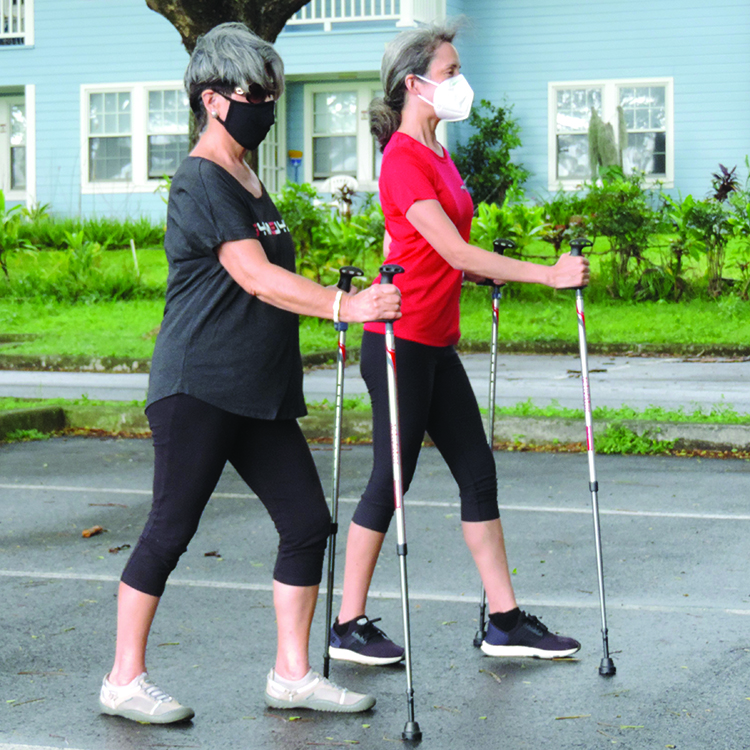
    Two-time stroke survivor June struggled with her balance. She felt unsteady, even when holding onto something. She was very worried about falling… until she discovered specialized walking poles. These poles provide greater stability for those who use them while they walk, and also improve balance and posture, increase upper-body and core strength, reduce the risk of falls, and allow faster walking speeds. June’s posture and mobility have improved since using them and she feels more confident in her physical abilities.

    Pole walking engages up to 90 percent of the body’s muscles and enables a greater range of joint mobility. Using specialized poles for walking or exercising can burn up to 20 to 46 percent more calories than regular walking, while providing more support. They’re ideal for people with Parkinson’s disease, hip or knee issues, or arthritis, or those who’ve had a stroke.

    Besides, walking is one of the best and easiest ways to get your recommended 150 minutes a week of moderate-intensity aerobic exercise. Imagine boosting this benefit by adding a tool that enhances strength and balance, reduces the risk of falls, and burns more calories.


    GYMGUYZ URBAN HONOLULU
    808-638-2525
    gymguyzurbanhonolulu@gymguyz.com
    www.gymguyz.com/urban-honolulu-hi

    Two-time stroke survivor June struggled with her balance. She felt unsteady, even when holding onto something. She was very worried about falling… until she discovered specialized walking poles.

  • In-Home Physical Therapy Made Easy

    Nowadays, in-home physical therapy is more important than ever. Seniors must find creative ways in their own home area to continue exercising for mobility and strength.

    Walking is still a popular and convenient way to exercise. To add intensity, you can walk briskly for one minute followed by one minute at a  regular pace, then repeat for 10 minutes or more.

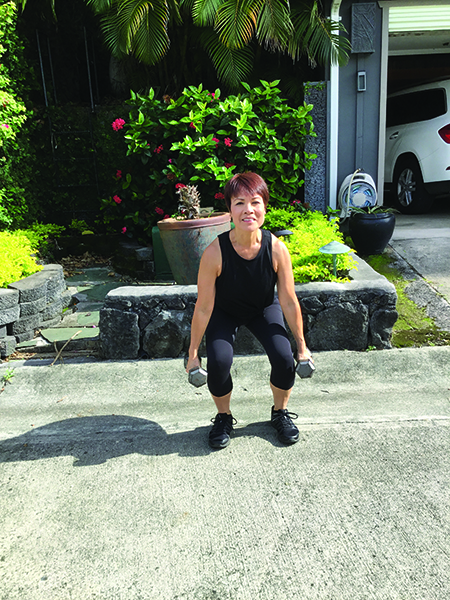
    Using a kitchen counter or back of a chair, you can do a number of standing leg exercises for 10 minutes each, repeated twice:

    • Squats. With your head forward, butt back and back straight, lower yourself until your thighs are horizontal to the floor; rise to a standing position.
    • Marching in place. Alternating legs, raise your knees to your waist, keeping your stomach tight.
    • Side kicks. Stomach tight and toes pointed, alternately lift one leg at a time to the side.
    • Heel-Toe Raises. With both feet together, raise them upward on your heel, then rock forward on the balls of your feet, raising your heels upward.

    For those who can’t walk or stand safely, chair exercises can be done by lifting your knees towards your chest; side kick with one leg extended horizontally and swung side to front; heel-toe raises by rocking your feet back and forth heel to toe.

    Don’t stop moving! Consult your physical therapist for specific exercises that fill your needs.

    Arm exercises will be the next topic.


    MAKAI MOBILE REHAB LLC
    808-783-9320 | jason@makaimobile.com
    www.makaimobile.com

    Nowadays, in-home physical therapy is more important than ever. Seniors must find creative ways in their own home area to continue exercising for mobility and strength. Walking is still a popular and convenient way to exercise. To add intensity, you can walk briskly for one minute followed by one minute at a  regular pace, then…

  • COVID-19 Testing & Virus Symptoms

    When should you get tested for COVID-19? Which of the three main types of tests for COVID-19 will you be given?

    Three main types of tests for the coronavirus

    1) Molecular Testing: This FDA-approved method tests for the virus’ DNA or genetic material. This type of testing is typically processed in a certified lab where it could take 24 to 48 hours or longer to get results. Although, none of the tests are 100 percent accurate, this one is preferred  or the best accuracy.
    2) Antigen Testing: This FDA-approved method is a rapid test that can produce results within 15 minutes. This test is very useful for screening due to its quick turnaround time. However, it is less accurate than molecular testing. A negative test result may need to be confirmed by a molecular test.
    3) Antibody Testing: This blood test result will reveal whether or not you have been infected by the coronavirus in the past. It may take weeks for antibodies to be detected in your blood after contracting the virus. This test is not used to diagnose coronavirus.

    When should you get a test?

    According to the Centers for Disease Control & Prevention (CDC), people with COVID-19 have exhibited a wide range of symptoms — ranging from mild to severe. Symptoms may appear two to 14 days after exposure to the virus. The following list includes some, but not all possible symptoms.

    • Fever or chills
    • Cough
    • Shortness of breath or difficulty breathing
    • Fatigue
    • Muscle or body aches
    • Headache
    • New loss of taste or smell
    • Sore throat
    • Congestion or runny nose
    • Nausea or vomiting
    • Diarrhea

    The CDC will continue to update this list of symptoms as it learns more about COVID-19.*

    Please be responsible; wear your mask and practice social distancing.


    OHANA PACIFIC MEDICAL
    Hawaii’s Premiere Telemedicine & Health Monitoring Program
    808-930-9858 | www.ohanapacificmedical.org
    Call to make an appointment or for more information about COVID-19 testing and receiving a test.
    * Source: Centers for Disease Control & Prevention (CDC)
    www.cdc.gov/coronavirus

    When should you get tested for COVID-19? Which of the three main types of tests for COVID-19 will you be given?

  • How to Avoid Age-Related Muscle Loss

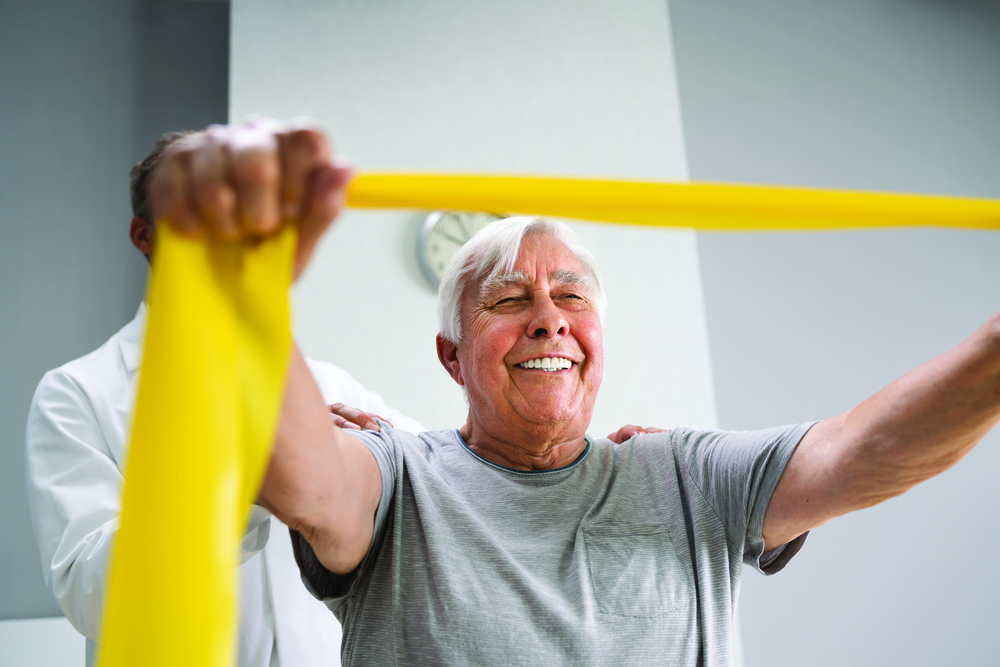
    Sarcopenia is age-related loss in muscle mass. Although muscle mass declines 1 to 2 percent per year after age 50, exercise can reduce this loss. Resistance training using bodyweight, machines or weights is the most effective way of building muscle. {Play}

    Sarcopenia makes exercising more difficult, which unfortunately, makes you want to exercise less, contributing even less stimulation of your muscles, leading to more muscle loss. But you can slow down this vicious cycle.

    So now we know that strength training is important. If you have access to some weights or bands, use them. If you don’t have weights, get creative! Water bottles, filled gallon jugs and even bottles of wine will do.

    Be careful not to overexert yourself. Steady breathing and good form are important.
    Be careful not to overexert yourself. Steady breathing and good form are important.

    How Many Reps are Best?

    More repetitions at lower weights? Or lower repetitions at higher weights? If you are an active person, you’ll want to aim to use a weight/resistance band that really challenges you at a maximum of 15 reps. The lower the reps to get to the point of muscle exhaustion, the better. So if you are just  beginning to exercise, start with the higher reps and a lower weight.

    Good: maximum of 15 reps, 2 to 4 sets
    Better: 8 to 12 reps, 2 to 4 sets
    Best: 6 to 10 reps, 2 to 4 sets

    Be conscious of your limits. Pain in your joints means stop.
    Be conscious of your limits. Pain in your joints means stop.

    Focus on doing exercises using multiple joints and the big muscles of your body.
    • Squats or chair squats
    • Lunges or deep walks
    • Dead lifts
    • Bent-over rows or pull-ins using bands
    • Lat pulls or pullups (use assistance if needed)

    As a bonus, resistance training also helps build bone density. Aim for two to three sessions a week for 30 to 60 minutes a day for best results. Just remember, some activity is better than none! And be sure to take it slow. Awareness and self-focus is key to exercising safely.


    FRAN PATOSKIE
    CPT, GFI, Certified Fascianation Method Practitioner
    808-349-5598 | franpatoskie@gmail.com

    Sarcopenia is age-related loss in muscle mass. Although muscle mass declines 1 to 2 percent per year after age 50, exercise can reduce this loss. Resistance training using bodyweight, machines or weights is the most effective way of building muscle. Sarcopenia makes exercising more difficult, which unfortunately, makes you want to exercise less, contributing even…

  • Lewy Body Dementia & Parkinson’s Disease

    Lewy body disease includes two types of dementia — Lewy body dementia (LBD) and Parkinson’s disease dementia (PDD). Parkinson’s starts with an abnormal accumulation of alpha synuclein protein that is found mainly at the tips of neurons in specialized structures called “presynaptic terminals” in different parts of the brain. LBD precedes a Parkinson’s diagnosis, while PDD develops after the changes of Parkinson’s have occurred. Currently, 1.4 million people in the US
    are coping with LBD. It’s is the third most common type of dementia after Alzheimer’s and vascular dementia.

    Unusual Features

    LBD exhibits many unusual features, such as variable levels of awareness and consciousness. Those with LBD display rapid shifts between orientation and confusion, alertness and drowsiness, and being attentive or unfocused. Changes in the processing of visual information are prominent, with visuospatial changes such as struggling with depth perception, location and the interrelationships with objects. There can be mistakes in decoding positional information, such as above or below, inside or outside, and left or right.

    Psychiatric Symptoms

    Compared to other types of dementia, those with LBD display a range of psychiatric symptoms that include simple or complex visual hallucinations. A simple visual hallucination might be seeing a kitten in the room. A complex visual hallucination could involve people, actions and purpose. Sometimes hallucinations are pleasant, warm or reassuring, while others are confusing, frightening or even terrifying.

    People with LBD can develop delusions (fixed beliefs that do not reflect reality), such as jealousy delusions that a spouse is unfaithful, or persecutory  delusions of being threatened or maltreated. These delusions are very real to the person with LBD, and can trigger a huge outpouring of emotions and misunderstandings. Agitation and anxiety can be triggered in those living with LBD, as well as their families and caregivers.

    Motor Symptoms

    These changes can simultaneously occur with the motor symptoms of Parkinson’s, such as slowness, tremors, and difficulties with posture and balance. There are also many non-motor symptoms of Parkinson’s, such as dizziness, fainting and falling due to uncontrolled changes in blood  pressure. People with LBD can also have severe difficulties with constipation, excessive drooling and abnormal temperature regulation.

    Meds, Research & Clinical Trials

    Medications to treat the symptoms of LBD may be less effective than with other types of dementia. Sometimes the medications have a paradoxical effect. Instead of helping to reduce hallucinations, the medications actually make the hallucinations worse.

    It is important to work closely with your medical team to find the best treatments for you. Your team could include neurologists, geriatrics specialists, psychiatrists and physical therapy experts who will help protect your comfort and safety.

    The Clinical Research Center at Hawaii Pacific Neuroscience (HPN) is running new clinical trials for dementia caused by Alzheimer’s, Parkinson’s and traumatic brain injury. Refer to the contact information below for more information.


    HAWAII PACIFIC NEUROSCIENCE
    2230 Liliha St., #104, Honolulu, HI 96817
    For an appointment, call or text: 808-261-4476
    Dedicated Research Hotline: 808-564-6141
    info@hawaiineuroscience.com
    www.HawaiiNeuroscience.com

    Lewy body disease includes two types of dementia — Lewy body dementia (LBD) and Parkinson’s disease dementia (PDD). Parkinson’s starts with an abnormal accumulation of alpha synuclein protein that is found mainly at the tips of neurons in specialized structures called “presynaptic terminals” in different parts of the brain. LBD precedes a Parkinson’s diagnosis, while…

  • Nutrition Facts Food Labels Explained

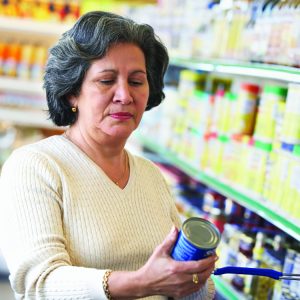
    Making healthy dietary choices can help you feel your best and stay active. It can also help you lower your risk of developing some health conditions that are common among older adults.

    The US Food and Drug Administration (FDA) has a tool to help you make informed food choices that can have positive effects on your health and wellness. It is called the Nutrition Facts label and you can find it on packaged foods and beverages.
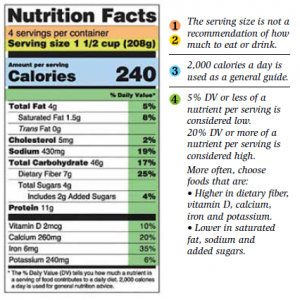
    Understanding the Nutrition Facts Label

    The following key terms are intended to make it easier for you to use the Nutrition Facts labels to make informed food choices.

    [1] Servings Per Container shows the total number of servings in the entire food package or container. One package of food may contain more than one serving. For example, if you eat or drink two servings, you are getting double the calories and double the nutrients that are listed on the label.

    [2] Serving Size is based on the amount of food that is usually eaten at one time. Serving size is not a recommendation of how much to eat. The nutrition information listed on the label is usually based on one serving of the food; however, some containers may also have nutrition information listed for the entire package.

    [3] Calories refers to the total number of calories in a serving of the food. To achieve or maintain a healthy body weight, balance the number of calories you eat and drink with the number of calories your body burns.

    The general guide for calorie consumption per day is 2,000. Your calorie needs may be higher or lower and vary depending on your age, sex, height, weight and physical activity level. Check your calorie needs at www.ChooseMyPlate.gov/MyPlatePlan.

    [4] %Daily Value (%DV) shows how much a nutrient in a serving of the food contributes to a total daily diet. The Daily Values are reference amounts (in grams, milligrams or micrograms) of nutrients to consume or not to exceed each day.

    Use the %DV to determine if a serving of the food is high or low in an individual nutrient. You can also use the %DV to compare food products (make sure the serving size is the same). For example, if you eat one serving of a food and it provides 10% DV of dietary fiber, then for that day, you have eaten 10% of your dietary fiber daily goal.

    As a general guide, 5% DV or less is considered low; 20% DV or more is considered high.

    Nutrients and Your Needs

    Nutrients are substances in your food that keep your body working well. Eating too much or too little of some nutrients may increase your risk of certain chronic conditions, such as heart disease and high blood pressure.

    Older adults have different nutritional needs than other age groups. The Nutrition Facts label can help you monitor some of the nutrients in your diet.

    Get More of These Nutrients: Dietary Fiber, Vitamin D, Calcium and Potassium

    Many older adults do not get the recommended amount of these nutrients. Compare and choose more foods in order to get more of these nutrients on most days.

    Dietary fiber is a type of carbohydrate that cannot be easily digested. It can speed up the movement of food and waste through the body, increasing the frequency of bowel movements. Diets higher in dietary fiber may reduce the risk of developing cardiovascular disease. The Daily Value for dietary fiber is 28 grams (g) per day.*

    Calcium is a mineral that is important for bone health. It also helps with muscle and nerve function, blood clotting and hormone secretion. Diets higher in calcium can reduce the risk of developing osteoporosis (weak and brittle bones). The Daily Value for calcium is 1,300 milligrams (mg) per day.*

    Vitamin D helps your body absorb calcium and is important for bone health. It also plays a role in blood pressure management, hormone production, and immune and nervous system function. Diets higher in vitamin D can reduce the risk of developing osteoporosis (weak and brittle bones). The Daily Value for vitamin D is 20 micrograms (mcg) per day.*

    Potassium is a mineral that helps with fluid balance and heart, muscle and nervous system function. The Daily Value for potassium is 4,700 mg per day.*
    Consume Less of These Nutrients: Saturated Fat, Sodium and Added Sugars

    Most older adults get too much of these nutrients. Compare and choose foods in order to consume less of these nutrients each day.

    Saturated fat is found in higher amounts in animal products. An exception is seafood, which is generally low in saturated fat. Unsaturated fats are found in higher amounts in plant-based oils (e.g., canola and olive oils), nuts, seeds and seafood. Diets in which unsaturated fats are eaten in place of saturated fats and within the recommended daily limits for calories are associated with a reduced risk of developing cardiovascular disease. The Daily Value for saturated fat is less than 20 g per day.*

    Sodium is a mineral commonly found in table salt and in many commercially processed, packaged and prepared foods. The body needs sodium in relatively small amounts. Sodium is important for fluid balance as well as muscle and nervous system function. Diets higher in sodium are associated with an increased risk of developing high blood pressure, which can raise the risk of heart attacks, heart failure, stroke, kidney disease and blindness. Since blood pressure often rises with age, limiting your sodium intake becomes even more important each year. The Daily Value for sodium is less than 2,300 mg per day.*

    Added sugars include sugars that are added during the processing of foods (such as sucrose or dextrose), foods packaged as sweeteners (such as table sugar), sugars from syrups and honey, and sugars from concentrated fruit or vegetable juices. Diets high in calories from added sugars can make it harder to meet nutrient needs while staying within calorie limits. The Daily Value for added sugars is less than 50 g per day.*

    Older adults should more often look for foods with a higher %DV of dietary fiber, vitamin D, calcium and potassium. Older adults should also look for foods with a lower %DV of saturated fat, sodium and added sugars more often. Talk to your healthcare provider about which nutrients you should track closely for your overall health.

    *Based on a 2,000-calorie daily diet.


    US FOOD AND DRUG ADMINISTRATION
    www.fda.gov/nutritioneducation
    1-800-SAFEFOOD (toll free):
    MTWF, 10a–4p, Th 12:30p–1:30p EST (- 6 hrs PST)
    Closed on federal holidays
    Visit www.ChooseMyPlate.gov for more information about making healthy food choices.

    Making healthy dietary choices can help you feel your best and stay active. It can also help you lower your risk of developing some health conditions that are common among older adults. The US Food and Drug Administration (FDA) has a tool to help you make informed food choices that can have positive effects on…

  • Dental Caregiving

    Early in my dental career, I was the dental advisor for elder care facilities in Honolulu. The most challenging tasks were demonstrations on dental care. Some patients were extraordinarily combative!

    The combative patient’s teeth are typically not clean — minimal toothbrushing is done. It can be a struggle! Occasionally, though, you may be able to use a proxy-brush (a small Christmas tree-shaped brush) to clean between their teeth. Sometimes, using a thin, wet cloth or gauze around your finger works well in place of a toothbrush.

    Teeth that are very loose should be removed. They may choke and/or aspirate them.

    If the person can still go to the dentist and has cavities, the amount of difficulty and risk while conducting the restorative treatment must be weighed against the amount of discomfort the patient is in. A product we call “Silver Diamond” (silver diamine fluoride) is easy to use and works well in arresting decay. It does turn the decayed area black and may require more than one application.

    If the person you are caring for is cooperative, then do whatever you can to remove the plaque and debris. I admire all of you who are caregivers. You all have hearts of gold.


    DR. PAUL K. TANAKA, DDS
    4747 Kilauea Ave., Ste. 113, Honolulu, HI 96816
    808-737-6229 | office@paultanakadds.com
    www.paultanakadds.com

    Early in my dental career, I was the dental advisor for elder care facilities in Honolulu. The most challenging tasks were demonstrations on dental care. Some patients were extraordinarily combative!

  • For Med Safety, Work With Your Pharmacist

    When medications are not properly administered, the result can be harmful — even fatal. Research indicates there is a vital need for people to manage their medications to avoid adverse drug reactions. This is especially true for our kūpuna.

    According to one study, adverse drug events accounted for 4.5 million visits to outpatient settings and emergency rooms nationally per year. Adults over 65 had the highest adverse drug events rate. The odds of these events increased in proportion to the number of medications taken. Public health officials are especially concerned about older adults who take five or more medications.

    Although Hawai‘i’s kūpuna generally use fewer prescription drugs compared to their counterparts across the nation, they still fill an average of 25.7 prescriptions per year.

    The Hawaii Pharmacists Association (HPhA) and the Honolulu Subarea Health Planning Council (HONSAC) have begun a public education program promoting patient safety in self-administered medications for our kūpuna through locally produced public service announcements that will air statewide. The three new PSAs remind kūpuna to “know” their medications, adhere to all medication guidelines and take advantage of any additional pharmaceutical services that provide healthcare benefits. The campaign empowers kūpuna to work with their pharmacists in preventing harm from self-administered medications.

    “The PSAs serve as a reminder that pharmacists are a resource whom kūpuna can rely on for medication management that must be carefully executed to avoid adverse drug events and other types of patient harm,” said HPhA President Dr. Janelle Siu.

    “For kūpuna, pharmacists are sometimes the most accessible healthcare practitioners, so we want to encourage the kūpuna to feel comfortable in asking their pharmacists questions about their prescriptions, over-the-counter medications, vaccinations or any other services the pharmacy can provide,” said Dr. Wes Sumida, who chairs HONSAC. “We want them to “Ask questions. Get the answers. Age wisely.”


    HAWAII PHARMACISTS ASSOCIATION (501(c) 6 nonprofit)
    PO Box 22954, Honolulu, HI 96823
    hawaiipharm@gmail.com | www.hipharm.org
    View the PSAs: youtu.be/6fv41EH8IdY,
    youtu.be/tdl3jasCStk, youtu.be/Uik7-4yQXAA

    When medications are not properly administered, the result can be harmful — even fatal. Research indicates there is a vital need for people to manage their medications to avoid adverse drug reactions. This is especially true for our kūpuna.