Category: Health

  • Can You Keep Your Teeth as You Age?

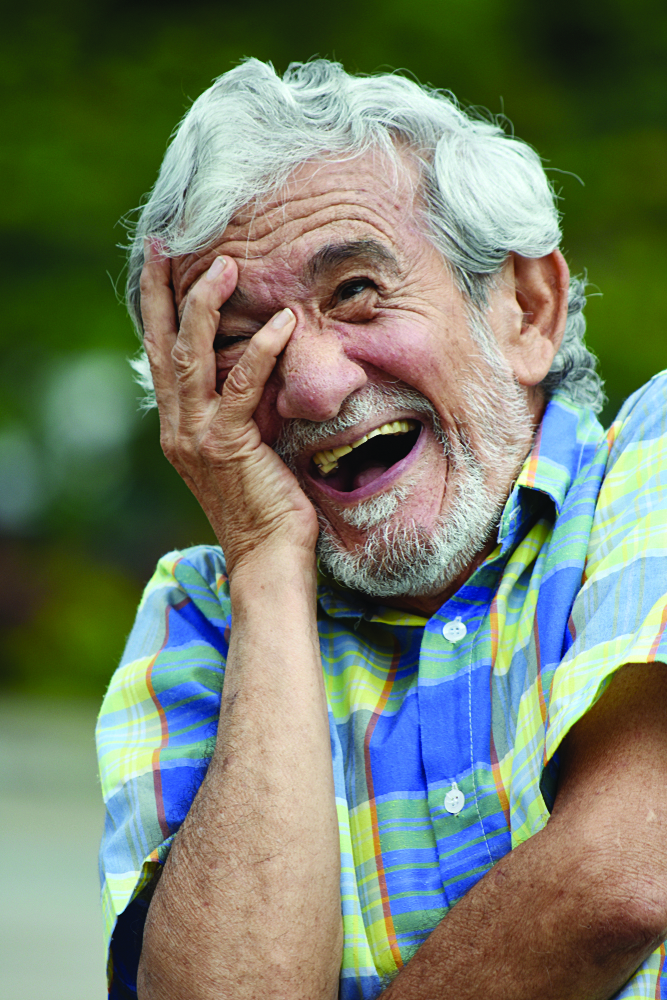
    Nearly one in five adults aged 65 or older has lost all of their teeth, impacting their quality of life. While some assume that tooth loss is an inevitable consequence of aging, proactive dental care can preserve both your teeth and overall health throughout your entire life.

    Maintaining good oral health is crucial for kūpuna, extending beyond mere aesthetics. When kūpuna experience tooth loss, it can hinder their ability to eat properly and obtain essential nutrition. In some cases, to avoid becoming a burden on their families, they might refrain from expressing hunger or discomfort. Additionally, seniors with medical conditions like diabetes are at a higher risk of developing gum diseases. They may also experience dry mouth due to taking certain medications.

    To ensure kūpuna maintain good oral and overall health, they must make it a habit to see their dentist at least twice a year, practice good oral hygiene and maintain a healthy diet. These preventive measures against tooth loss, gum disease and other issues will help seniors maintain their overall health, enjoy a higher quality of life and continue to lead active and fulfilling lives well into their golden years. So the answer to the question is: Yes, you can keep all your teeth as you age as long as you take the necessary preventive measures to live well and smile more.


    HAWAII DENTAL SERVICE (501(c) 4 nonprofit)
    Kahala Howser, Wellness & Events Manager
    khowser@hawaiidentalservice.com
    HawaiiDentalService.com
    Nearly one in five adults aged 65 or older has lost all of their teeth, impacting their quality of life. While some assume that tooth loss is an inevitable consequence of aging, proactive dental care can preserve both your teeth and overall health throughout your entire life. Maintaining good oral health is crucial for kūpuna,…

  • Overcautiousness Can Lead to Health Risks

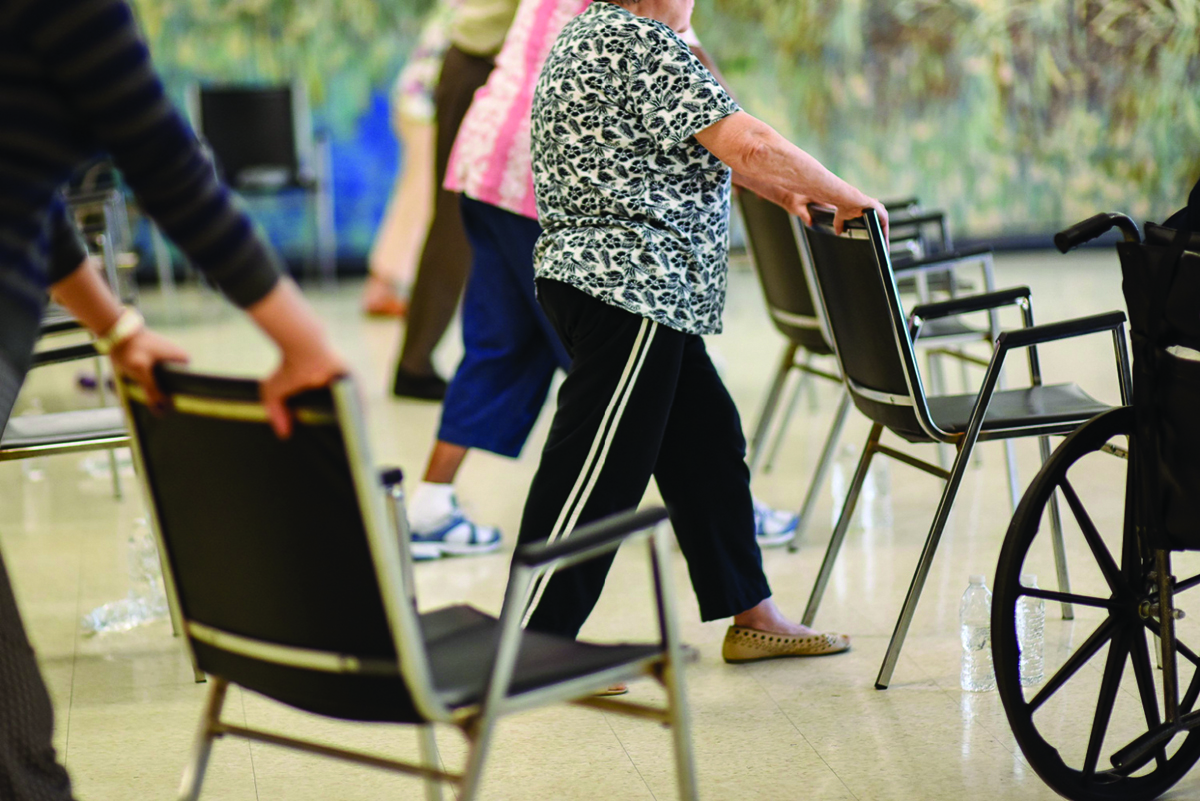
    Striving to ensure safety and fear of falls consistently top the list of concerns for kūpuna. Unfortunately, fear itself can become a risk factor, leading to anxiety,  hesitancy and overcautiousness. Being cautious is natural during activities that involve risk. However, being overly careful out of fear can result in moving less,  avoiding activities that require balance skills and reliance on external objects for stability.

    Everyone has witnessed the signs:

    • Shortened steps and/or increased shuffling
    • Stiffening of the trunk with no rotation or turning of the body
    • Becoming more robot-like when moving
    • Reaching for a chair or wall for stability
    • Choosing to sit instead of standing
    • Increased difficulty standing up after sitting

    As the pattern progresses, kūpuna become even more wary and immobile, resulting in a downward spiral, so using good judgment is critical. Balancing the pros and cons of being too cautious in each situation is imperative.

    Being sedentary leads to weakness and loss of range of motion and coordination. We all need to “use it or lose it,” and keep moving to maintain our muscle strength and balance. By being “safe,” good intentions may actually contribute to an increased risk for falls. Therefore risk assessments become critical in determining whether an activity is actually beneficial or dangerous.

    A home assessment and modifications are a good place to start in order to fall-proof your home. An activity assessment and modifications are also needed. When a loss of balance is observed during an activity, note whether the body is able to compensate adequately and get re-centered and stable again without falling.

    Although we tend to overreact when observing unsteadiness, having the ability to recover from a loss of balance is an important activity that requires coordination, core stability and strength. These skills must be retained.

    So the next time you feel anxious about the safety of someone doing an activity, carefully observe the person and conduct a risk assessment and assess if there is a modification that could be made to make it safer before eliminating the activity altogether. Every activity has inherent risks at every age. Just be aware that inactivity poses even greater health risks.


    GYMGUYZ Urban Honolulu
    Home Personal Training & Mobile Fitness
    808-638-2525
    gymguyzurbanhonolulu@gymguyz.com
    gymguyz.com

    Striving to ensure safety and fear of falls consistently top the list of concerns for kūpuna. Unfortunately, fear itself can become a risk factor, leading to anxiety,  hesitancy and overcautiousness. Being cautious is natural during activities that involve risk. However, being overly careful out of fear can result in moving less,  avoiding activities that require…

  • How to Make Your Smile Merry & Bright

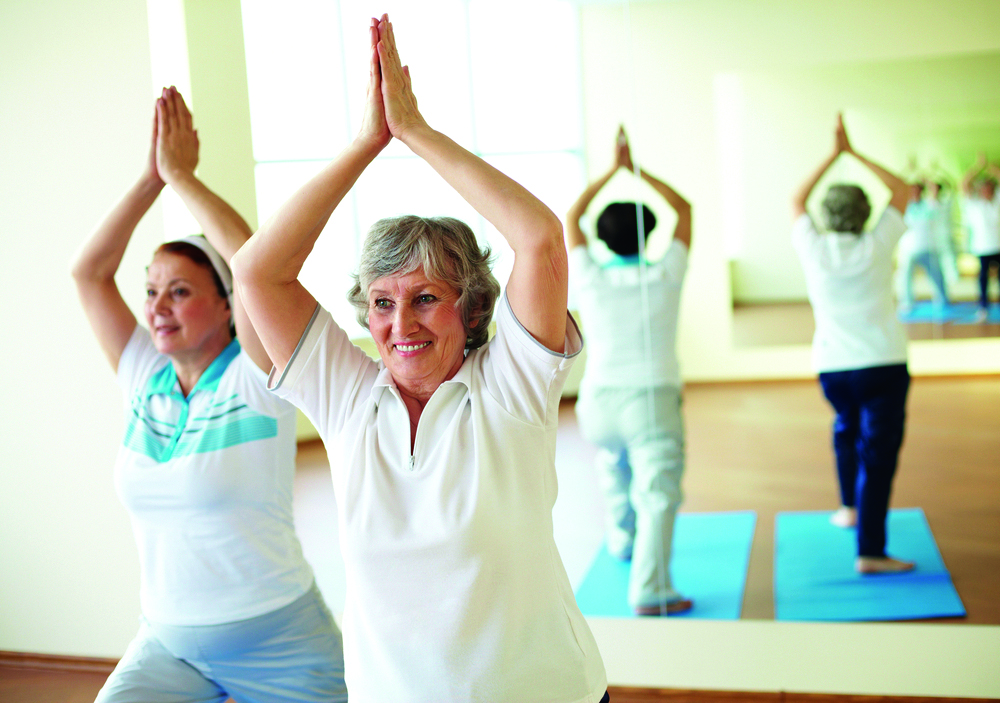
    Staying active and healthy during the holidays can be difficult with family gatherings and holiday sweets. While you try your best to avoid sugary treats, don’t forget to incorporate exercise into this cheerful season, because it could help you maintain a healthier smile!

    ✦ Exercise reduces inflammation and increases blood circulation throughout your body, including your gums and oral tissues, delivering more oxygen and nutrients.
    ✦ Exercise boosts your immune system and lowers your risk of diseases that affect your smile. Your body becomes stronger at fighting infections that can start in your mouth and spread to other parts of your body. Being active also lowers your risk of diabetes or heart disease, which are linked to gum disease and other oral health problems.
    ✦ Suffering from dry mouth due to medications? Exercise can help with increasing saliva production, helping to neutralize acids and protect tooth enamel. Drinking water after a workout keeps you hydrated and helps prevent dry mouth throughout the day.

    Visit your dentist at least twice a year, brush twice daily and floss daily to keep your smile merry and bright this holiday season.


    HAWAII DENTAL SERVICE (501(c) 4 nonprofit)
    Kahala Howser, Wellness & Events Manager
    khowser@hawaiidentalservice.com
    HawaiiDentalService.com
    Staying active and healthy during the holidays can be difficult with family gatherings and holiday sweets. While you try your best to avoid sugary treats, don’t forget to incorporate exercise into this cheerful season, because it could help you maintain a healthier smile!

  • How to Age Gracefully, Inside and Out

    My grandma once told me, “getting old is not for sissies!” As we get older, we may wonder how to age as well as possible. Here are some simple tips for aging gracefully as our bodies change.

    ✦ Avoid constipation. Eat a high fiber diet, fruits, and vegetables.
    ✦ Hydrate with at least 6–8 cups of water daily. Hydrating may also help flush the bladder and reduce urine infections.
    ✦ Stay active and exercise. Walk 15–20 minutes three or four times each week, stretch, or do physical therapy to help reduce aches and pains. Swimming or using a stationary bike is better for people with knee pain.
    ✦ Exercise your mind. Puzzles (jigsaw, crossword, or word searches), reading and interacting with others are great for brain health.
    ✦ Address vision and hearing problems to keep you interactive with your friends and family.
    ✦ Moisturize. As skin becomes dryer and thinner, use an unscented moisturizer and sunscreen daily.
    ✦ Be safe: Use a walker or cane when needed to avoid falling, know when to retire from driving, and when to accept help.
    ✦ Most of all, find ways to have fun. My grandma was “oshare” (stylish) her entire life, even blinging out her cane when she needed one!


    KUAKINI PRIMARY CARE CLINIC
    405 N. Kuakini St., #1009, Honolulu, HI 96817
    808-547-9105 | kuakini.org

    My grandma once told me, “getting old is not for sissies!” As we get older, we may wonder how to age as well as possible. Here are some simple tips for aging gracefully as our bodies change.

  • Mental Health Impacts Oral Health

    The connection between oral and total body health is well-known. For example, poor oral health increases your risk for heart disease, stroke, and other serious illnesses. Likewise, your dentist can identify conditions like diabetes, oral cancer, osteoporosis, anemia, HIV, eating disorders and more during your dental visits. So, what about the relationship between oral health and mental health?

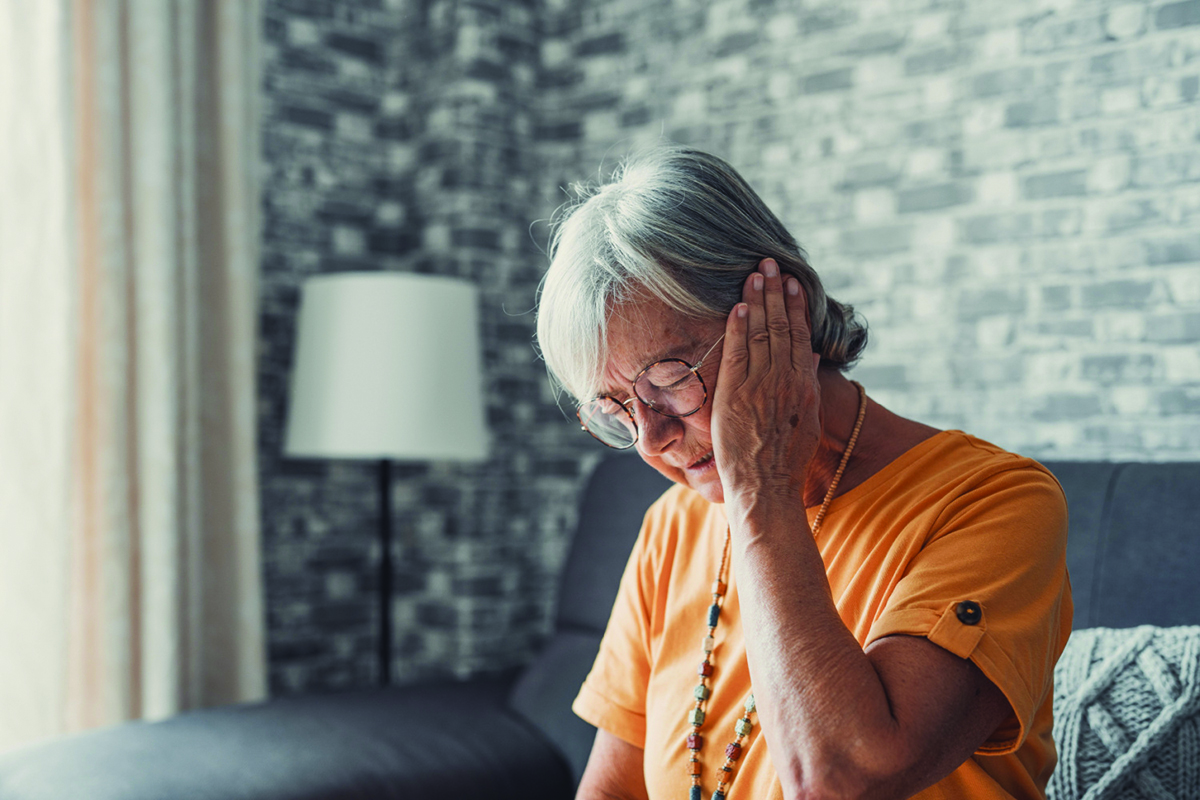
    Studies have found that people with mental disorders are less likely to practice good oral hygiene habits such as consistent, daily brushing or seeing a dentist regularly. This can lead to dental disease and other health problems. The connection between oral health and mental health is a two-way street. Here are a few ways bad dental health can exacerbate mental health problems:

    • Some dental problems affect speech, cause chronic bad breath, or encourage tooth loss, which can lead to anxiety in social settings. This can also lead to poor self-esteem and decreased desire to do enjoyable things.
    • Pain associated with certain dental diseases can negatively affect the quality of life.

    If you struggle with anxiety, depression, or other mental conditions, let your dentist know so any associated dental problems can be identified and addressed so you can live well and smile more.


    HAWAII DENTAL SERVICE (501(c) 4 nonprofit)
    Kahala Howser, Wellness & Events Manager
    808-521-1431 | khowser@hawaiidentalservice.com
    HawaiiDentalService.com
    The connection between oral and total body health is well-known. For example, poor oral health increases your risk for heart disease, stroke, and other serious illnesses. Likewise, your dentist can identify conditions like diabetes, oral cancer, osteoporosis, anemia, HIV, eating disorders and more during your dental visits. So, what about the relationship between oral health…

  • 10 Seconds to Prevent Falls

    Staying steady in your golden years may be simpler than you think. It’s not about speed or agility, but the art of balance. Just 10 seconds a day can transform your confidence in your own footing — and prevent potentially disastrous falls.

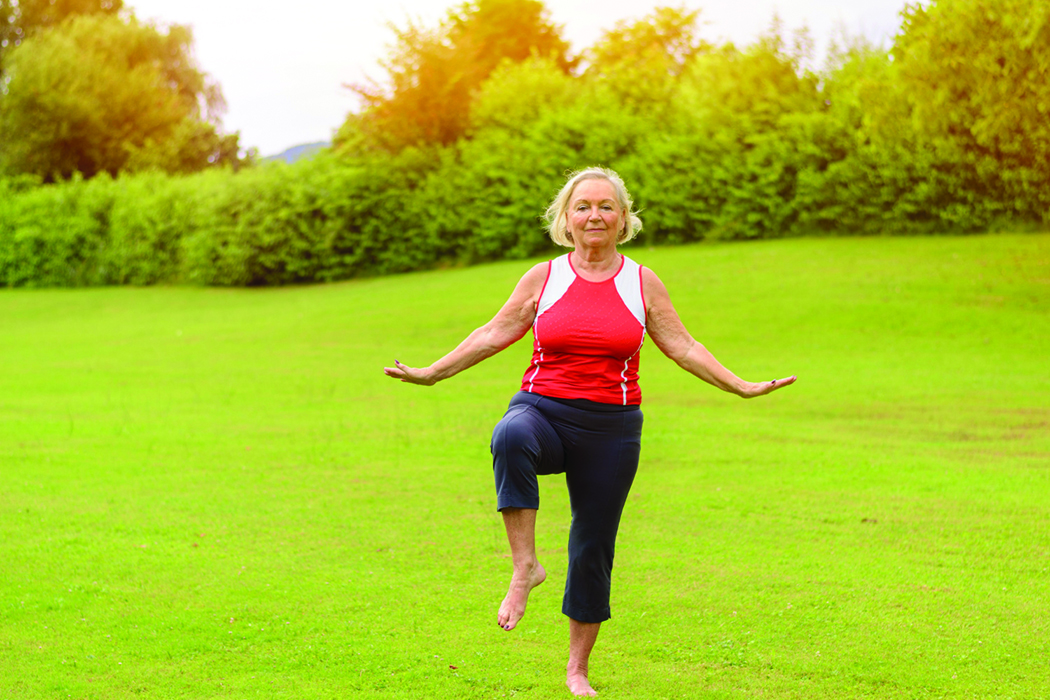
    One simple daily exercise can make the difference: standing and balancing on one foot.

    Before you begin, acknowledge your own physical abilities. This is true for anything you do. Your reflexes may not be as quick as they once were.

    Next, find a level, flat area: a built floor or ground outdoors. For safety’s sake, have a stable surface like a counter or railing next to you in case your loose your  balance. You may even use a chair. Do not use anything with wheels as they may potentially roll away.

    With or without assistance, raise one leg; take 2–3 breaths and balance for up to 10 seconds (don’t be concerned with form, nor how high you’ve raised your leg); change leg and repeat. One set is good. Or you may do it intermittently through the day. You can build on it. Practice makes permanent.

    Do not do this exercise after taking medication that could compromise your sense of balance. Carefully consider your own abilities. Be safe; be mindful; listen to your body.


    SILVER AND STRONGER COACHING PROGRAM. LLC
    4893 Kalanianaole Hwy., Honolulu, HI 96821
    808-366-8620 | silverandstronger@gmail.com
    silverandstronger.com
    YouTube: Tai Chi Fall Prevention with Clint Evans

    Staying steady in your golden years may be simpler than you think. It’s not about speed or agility, but the art of balance. Just 10 seconds a day can transform your confidence in your own footing — and prevent potentially disastrous falls.

  • Getting Off the Ground & Back Down

    We’re traditionally taught that to get someone off the floor, have them lean on a chair, get one leg up and push to straighten the knee until the other leg can plant the foot to have 2 legs to stand on. This requires a significant amount of compression force through the knee and very strong quad (front leg) muscles.

    I remember going through this method and always struggling when someone had knee pain or very weak legs. And then my mom taught me a different way.

    Mom’s technique to get up
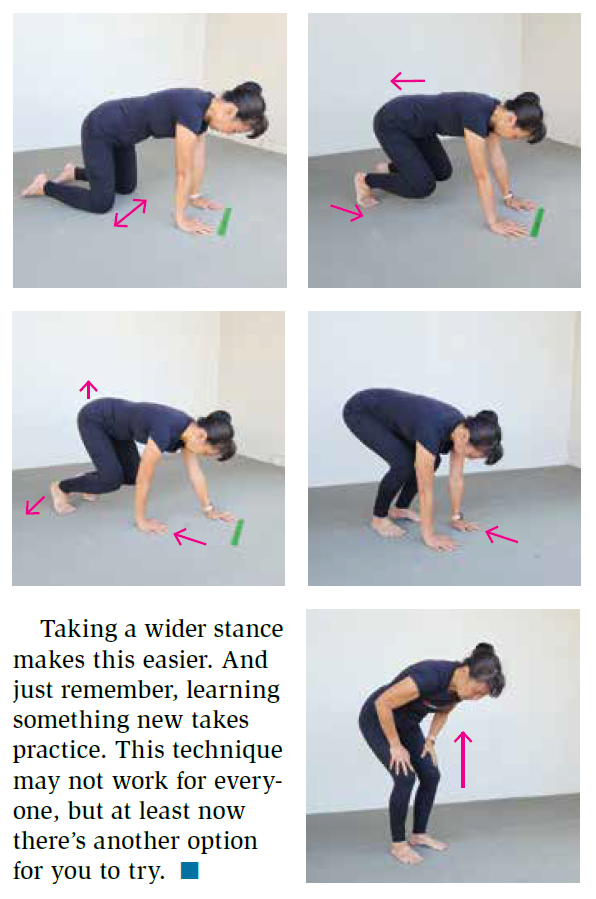
    1. Get on your hands and knees and separate your feet as much as you can.
    2. Tuck your toes to get onto your feet, then push yourself back until you’re on your tippy toes.
    3. Walk your hands towards your feet until your feet are flat on the ground.
    4. Lower yourself into a partial squat position, where you can place your hands on your knees.
    5. Get yourself centered and steady, then start walking your hands up your thighs until you are standing upright.

    Getting down to the ground
    1. Place your hands on your knees and push your butt backwards as if you’re going to sit in a chair.
    2. Steady yourself and slowly reach down to touch the ground.
    3. Walk your hands forward and slowly lower yourself down until your knees are low enough to get on all fours.


    GYMGUYZ Urban Honolulu
    Home Personal Training & Mobile Fitness
    808-638-2525
    gymguyzurbanhonolulu@gymguyz.com
    gymguyz.com

    We’re traditionally taught that to get someone off the floor, have them lean on a chair, get one leg up and push to straighten the knee until the other leg can plant the foot to have 2 legs to stand on. This requires a significant amount of compression force through the knee and very strong…

  • Summer Foods for Healthy Eyes

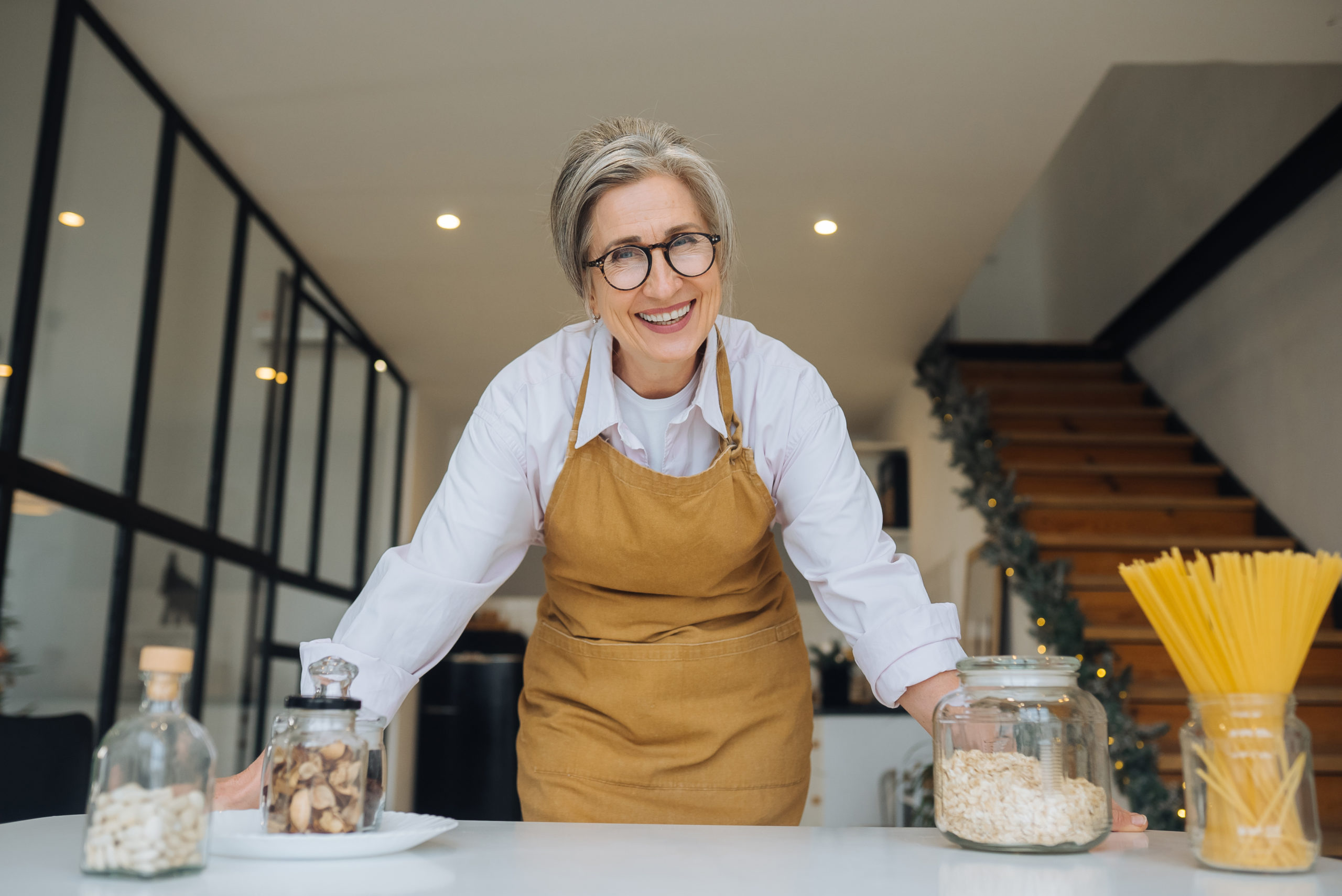
    Smiling middle aged mature grey haired woman looking at camera, happy old lady in glasses posing at home indoorSummer means tons of local produce is in season and readily available. A variety of nutrients and antioxidants can likewise be found in Hawai‘i’s abundance of crops and seafood, which help to improve eye health and decrease the risk of certain ocular diseases.

    Local eye doctors urge everyone residing in the state to take advantage of summer’s supply of fresh foods, looking out for these local ingredients to support strong eye health:

    Pineapple and lychee are great sources of vitamin C and packed with antioxidants
    Avocados provide loads of vitamin E
    Taro is packed with nutrients such as zinc, iron, potassium and vitamins A, C, E plus B6
    Mangoes, sweet potatoes and papaya are great sources for consuming beta-carotene
    • Local species of mushrooms and seaweed provide beta-glucans
    • Leafy, green vegetables such as watercress, taro greens and bok choy are rich in lutein and zeaxanthin
    • Omega-3 fatty acids are found in many varieties of local fish: tuna, opah, sablefish (also known as butterfish) and swordfish.


    HAWAIIAN EYE CENTER
    606 Kilani Ave., Wahiawa, HI 96786
    808-621-8448 | Hawaiianeye.com

    Summer means tons of local produce is in season and readily available. A variety of nutrients and antioxidants can likewise be found in Hawai‘i’s abundance of crops and seafood, which help to improve eye health and decrease the risk of certain ocular diseases. Local eye doctors urge everyone residing in the state to take advantage…

  • HBP: Know Your Numbers, Save Yourself

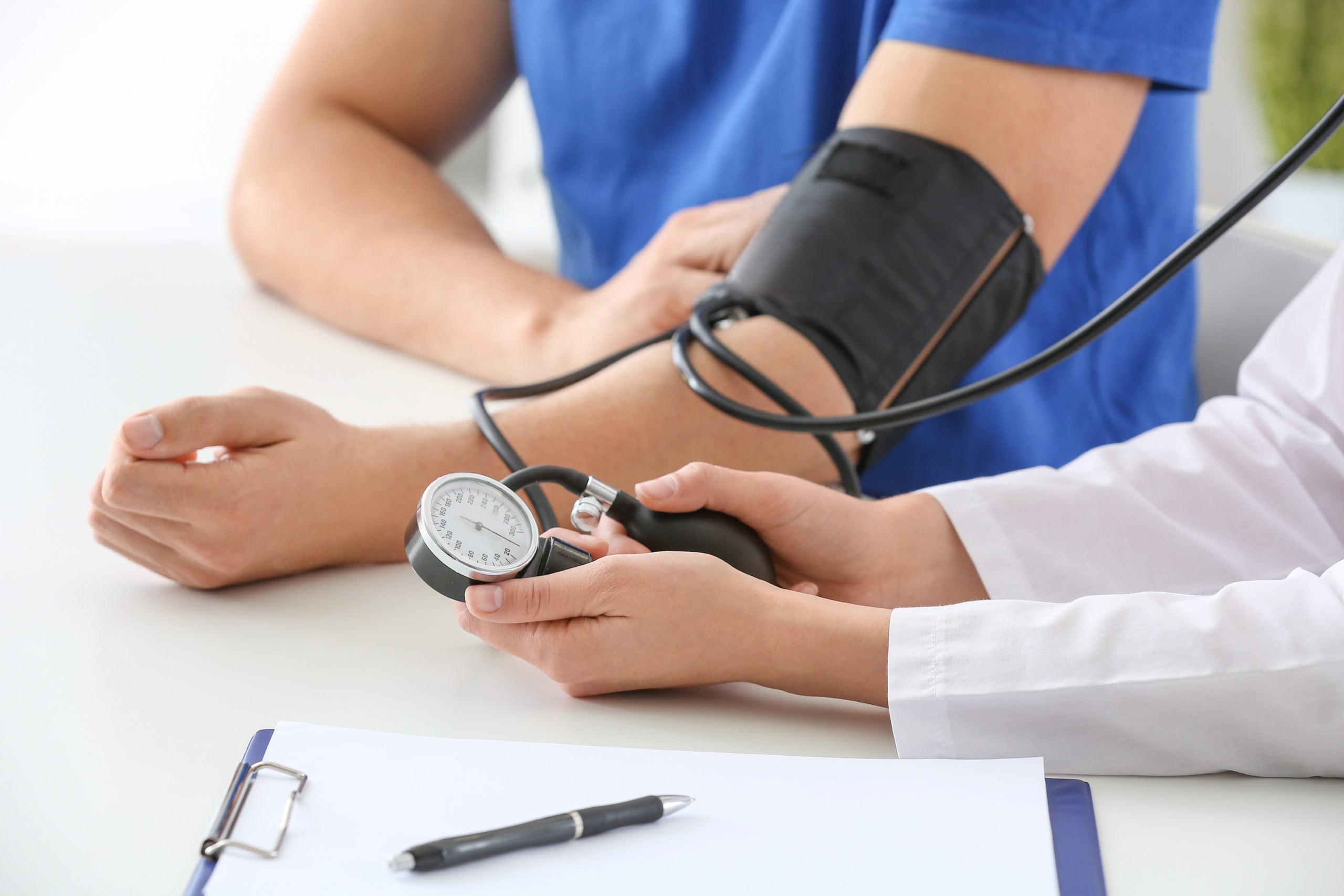
    Doctor measuring blood pressure of young man in clinicBlood pressure measures how hard the blood pushes against the walls of your arteries as it moves through your body. Measurements are taken when your heart beats and gain when it rests. Also known as hypertension, high blood pressure (HBP) can increase. Often described as a “silent killer,” HBP has no apparent symptoms. If left untreated, HBP increases your risk for heart disease — including heart failure or heart attack — as well as stroke, kidney problems and other threats.

    Coupled with family history, certain physical traits and lifestyle choices can put you at greater risk for HBP.

    While having high blood pressure is serious, there are many ways to manage it.

    Knowing your numbers and monitoring and controlling your blood pressure are essential. See your doctor at least yearly to check your blood pressure and determine if you need to take medicine, change your diet or monitor your blood pressure at home.

    It’s important to take medications exactly as prescribed and supply your doctor with a comprehensive list of all medicines, vitamins, herbal remedies and supplements you take.


    KAISER FOUNDATION HEALTH PLAN, INC.
    711 Kapiolani Blvd., Honolulu, HI 96813
    808-432-5915 (TTY 711) | kp.org
    To learn more about this and other topics, visit kp.org/health and kp.org/seniorhealth. This article contains health and wellness or prevention information.

    Blood pressure measures how hard the blood pushes against the walls of your arteries as it moves through your body. Measurements are taken when your heart beats and gain when it rests. Also known as hypertension, high blood pressure (HBP) can increase. Often described as a “silent killer,” HBP has no apparent symptoms.

  • Water: It Makes You Smile From Within

    Hydration is essential to staying fit and healthy, especially during warm summer months. As you venture outdoors to cool off, keep your flask filled with water. It’s the best beverage for your teeth and body. Water has many benefits; there’s no sugar or acids that can affect your oral and overall health.

    Did you know water can help improve your smile?

    • Water keeps your mouth cleaner and healthier than other drinks. Sip water between bites or after a meal to wash away sugars, acids and other bacteria that cause tooth decay or gingivitis.
    • Water helps you maintain a whiter smile. Sipping water after eating pigment-rich foods can prevent the formation of stains.
    • As you get older, some medical conditions and medications can cause dry mouth. Drinking water helps produce saliva to help defend your body against gum disease and tooth decay by washing away food particles and acid.

    Drinking water aids your digestive system, preventing constipation and abdominal discomfort. It helps you stay alert and focused, aiding in cognitive function. The H2O molecule also supports joint health as well as the appearance of the skin. To prioritize water as your main drink of choice, carry a water bottle with you.


    HAWAII DENTAL SERVICE (501(c) 4 nonprofit)
    Kahala Howser, Wellness & Events Manager
    808-521-1431 | khowser@hawaiidentalservice.com
    HawaiiDentalService.com
    Hydration is essential to staying fit and healthy, especially during warm summer months. As you venture outdoors to cool off, keep your flask filled with water. It’s the best beverage for your teeth and body. Water has many benefits; there’s no sugar or acids that can affect your oral and overall health.

  • How to Stop Your Gums From Receding

    If you’ve noticed your teeth are getting longer and your gums are getting shorter, perhaps it’s time to see a dentist.

    Gum recession can affect anyone, even those who brush twice a day and floss daily. Although it can’t be reversed, there are some things you can do to stop them from receding.

    Gum recession can be a form of gum disease in which the gum tissue pulls away from the teeth, revealing the tooth’s root. Also called “periodontal disease,” bacterial gum infections can destroy gum tissue and supporting bone that hold your teeth in place. Gum disease is the main cause of gum recession and can result from poor oral health, pre-existing medical conditions, dry mouth, aggressive brushing, smoking or the effects of age and even genetics.

    Gum disease makes you more prone to cavities and a higher risk of tooth loss. In addition to the visible signs of receding gums, other symptoms of gum disease are as follows:

    • bleeding after brushing or flossing
    • red and swollen gums
    • bad breath
    • pain at the gum line
    • loose teeth

    You can slow or even stop your gums from receding by first visiting your dentist for an exam and cleaning. Your dentist can identify problem areas and recommend certain treatments to stop gum disease from progressing.

    Ask your dentist which treatments are best for you. There are surgical and non-surgical treatments that may help. Healthy habits are essential to stopping gums from receding, like maintaining a balanced diet, eliminating tobacco use and improving your oral health routine at home.

    Remember, losing your teeth is not a foregone conclusion as you age — if your gums are healthy, it is still important to maintain good oral health through brushing twice a day, flossing daily and seeing your dentist at least twice a year so you can live well and smile more!


    HAWAII DENTAL SERVICE (501(c) 4 nonprofit)
    Kahala Howser, Wellness & Events Manager
    808-521-1431 | khowser@hawaiidentalservice.com
    HawaiiDentalService.com
    If you’ve noticed your teeth are getting longer and your gums are getting shorter, perhaps it’s time to see a dentist. Gum recession can affect anyone, even those who brush twice a day and floss daily. Although it can’t be reversed, there are some things you can do to stop them from receding.

  • Get Into a Groove & Do the Move

    We’ve all heard the saying, “If you don’t have your health, you don’t have anything.” And while exercise is always at the top of the list of what you can do to stay healthy, it’s so easy to run out of time and defer it to tomorrow.

    That’s why at this year’s Aging in Place Workshop organized by Generations Magazine, I spoke about simple things we can all do to stay healthy and functional as we age. Researchers are now telling us that even if we don’t spend 30 minutes on an exercise bike or walking five times a week, we can still improve our health with “exercise snacks,” short bursts of activity that add up to an amount that is beneficial to our health.

    Make it a NEAT day

    Another term that’s surfaced is “NEAT” or non-exercise activity thermogenesis. NEAT refers to everyday activities like yard work, housework, walking or even fidgeting. About 2½ hours of standing and light walking around the house per day is perfect. And if that seems too much, just remember to move every half hour. The latest studies have found that sitting for longer than 30 minutes without moving can increase mortality rates.

    Some examples of EXERCISE SNACKS:

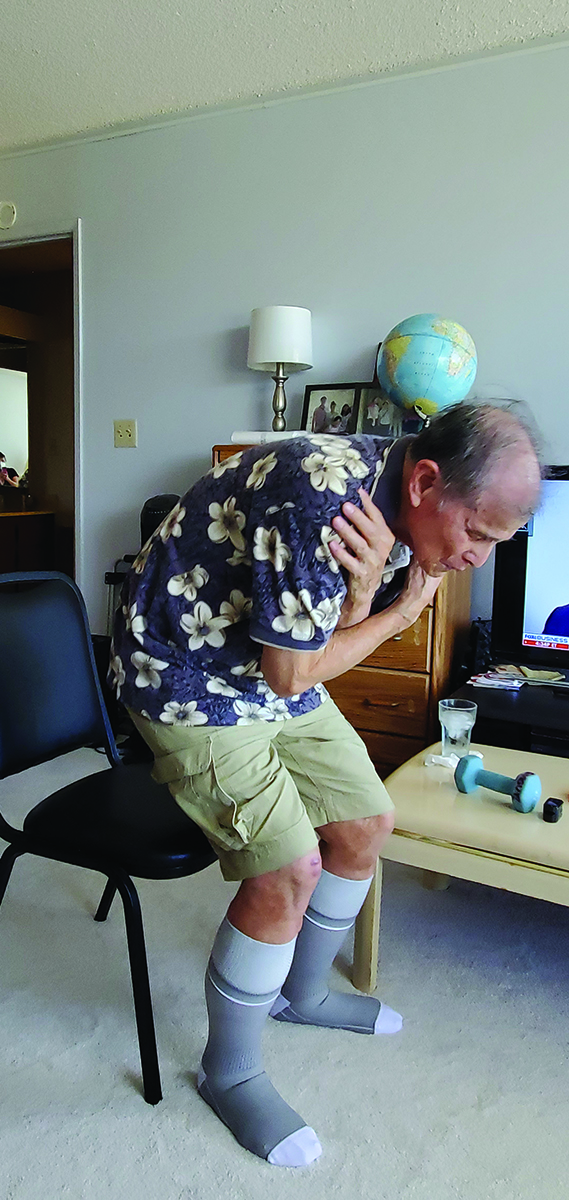
    CHAIR STANDS – go from sitting to standing at least five times whenever you go to sit down or stand up from a chair (without using your hands)

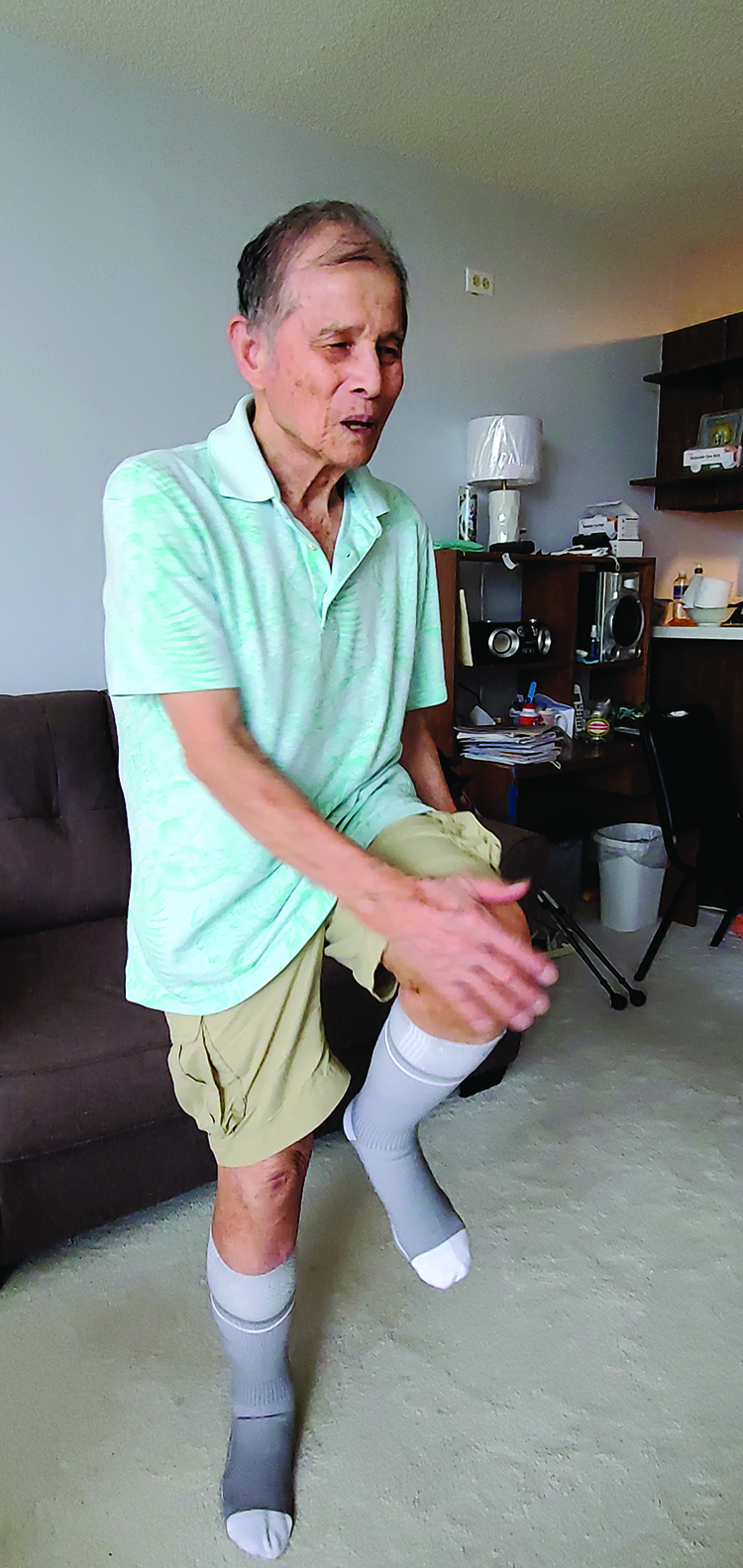
    HIGH KNEE TAPS – lift your leg until your thigh is parallel to the floor, then tap your knee with the palm of your opposite hand and continue marching (sustain through a commercial break)

    HEEL RAISES – while standing tall, raise your heels off the ground until you’re standing on the balls of your feet and repeat 10 times at the sink before and after you wash your hands

    SINGLE LEG STANDS – stand on one leg for 10 seconds whenever you’re near a counter (alternate, making sure you don’t lock the knee of your weight-bearing leg)

    And be sure to take advantage of NEAT. If you have stairs at home or places around your house to explore, take a few extra steps to get there.

    Most importantly, remember to MOVE!


    GYMGUYZ Urban Honolulu
    Home Personal Training & Mobile Fitness
    808-638-2525
    gymguyzurbanhonolulu@gymguyz.com
    www.gymguyz.com

    We’ve all heard the saying, “If you don’t have your health, you don’t have anything.” And while exercise is always at the top of the list of what you can do to stay healthy, it’s so easy to run out of time and defer it to tomorrow.