Category: Health

  • Can You Save Your Vision?

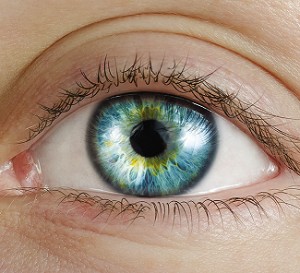
    My patients often ask: “Doctor, what can I do to save or preserve vision for myself and my family?”

    1Prevention: Wear sunglasses! Over time, sunlight damages the lens of the eye, causing cataracts. More Medicare dollars are spent for lens replacements than for any other kind of surgery. The average age for cataract surgery is 72. Sunglasses slow the development of cataracts, and that goes for kids, too. Prevention and treatment of visual problems in childhood results in improved vision throughout life. Don’t smoke. Smoking makes you four times more likely to develop cataracts. Exercise and a healthy diet are important, too.

    Early Detection: Get regular eye exams! We seniors may develop disorders like age-related macular degeneration (AMD) and loss of reading vision. Vitamins and minerals found in some foods and NIH-approved dietary supplements may help Dry (without bleeding) AMD to some degree.

    “Wet”(bleeding) AMD occurs in 15 percent of patients. Treatment calls for injections into the eye every four to six weeks — probably for life.

    People with diabetes suffer bleeding and swelling of the retina, inside the eye. Anyone may develop glaucoma, or “hard eyeball disease,” which is treated with eye drops and lasers. The earlier you seek treatment the better. Getting checkups can help save your vision.


    Hawaii Vision Clinic
    1330 Ala Moana Blvd., Suite “One Poolside,” Honolulu
    P 808-955-5951 | F 808-941-8646
    office.personnel@malcolmingeyemd.com
    www.malcolmingeyemd.com

    My patients often ask: “Doctor, what can I do to save or preserve vision for myself and my family?” Prevention: Wear sunglasses! Over time, sunlight damages the lens of the eye, causing cataracts. More Medicare dollars are spent for lens replacements than for any other kind of surgery. The average age for cataract surgery is…

  • Alzheimer’s Disease

    Alzheimer’s is a progressive illness that involves the destruction of brain cells. In its earliest stages, symptoms include a decrease in short-term memory and forgetfulness, often accompanied by a diminished ability to find words. Emotional and personality changes in the early stages maAlzheimer’s is a progressive illness that involves the destruction of brain cells. In its earliest stages, symptoms include a decrease in short-term memory and forgetfulness, often accompanied by a diminished ability to find words. Emotional and personality changes in the early stages may include depression, anger and paranoia. As the disease progresses, the memory loss becomes severe and may be accompanied by marked disturbances in behavior and emotion; the ability to reason is lost. In its final stages, a person is unable to perform most tasks and requires total assistance with feeding, bathing and basic hygiene.

    Twenty-six-thousand people have been diagnosed with Alzheimer’s in the state of Hawai‘i as of the year 2015. Alzheimer’s ranks as the sixth leading cause of death nationwide. Of the top 10 causes of death in America, it is the only one that cannot be prevented, cured or slowed. Almost two-thirds of Americans with Alzheimer’s disease are women. One in three seniors die with Alzheimer’s or another dementia. Payments for health care are estimated to reach $226 billion in 2015. If medical researchers cannot find a solution to the disease, Alzheimer’s is estimated to be the number one disease which will bankrupt the health care system.

    If you or a loved one has been diagnosed with Alzheimer’s or a related dementia, you are not alone. Go to www.alzheimernavigator.org to create a customized action plan and connect with local support services.


    Alzheimer’s Association Aloha Chapter
    24/7 Helpline: 1-800-272-3900
    Informtion and Virtual Library: www.alz.org

    Alzheimer’s is a progressive illness that involves the destruction of brain cells. In its earliest stages, symptoms include a decrease in short-term memory and forgetfulness, often accompanied by a diminished ability to find words. Emotional and personality changes in the early stages maAlzheimer’s is a progressive illness that involves the destruction of brain cells. In…

  • Meet Joan Packet at 94

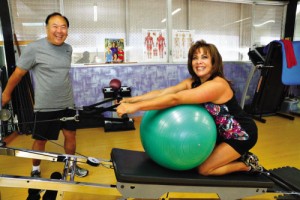
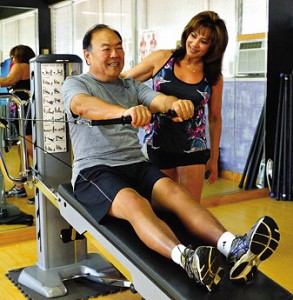
    She works on her health and fitness every day with Diane Cadinha.
    She works on her health and fitness every day with Diane Cadinha.

    Our friend Joanie Packer says she doesn’t worry about things she can’t do anything about — so she lives in the present, works at being as healthy as possible and tries to show appreciation to those around her.

    At 94, how is your life different than when you first retired?

    (left) Joan Packer at 49 yrs. and (right) at 94 yrs.
    (left) Joan Packer at 49 yrs. and (right) at 94 yrs.

    Joan: Back in Missouri, I used to rise at six a.m., spend my days teaching high school English and dream about a life of leisure when I could sleep late. But when I did retire, I was bored and depressed. In my 70s I moved from my farm to a condo in Waikiki. When I saw how physically fit and healthy everyone looked walking around Kapiolani park, I decided I wanted to be like that, too. Now, 28 years later, I exercise six days a week and I’m no longer bored and depressed.

    Six days a week sounds like a lot. What kind of exercise classes are you taking?

    Joan: It didn’t happen overnight. At age 77, I started an exercise plan. We began with tubing and light weights, and worked up to the stability ball and balance work to prevent falls. Strength training keeps my muscle mass and bone density, so I don’t get frail and weak. The better I feel, the more I want to try other classes like Pilates and Yoga. In class we all encourage each other.

    Believe me, I am inherently lazy and do not really relish working out. So going to classes and having a trainer to ride herd on me and hold me accountable is important. I figure my health and independence are worth the effort.

    What else you do to stay fit?

    Joan: I think walking is really important. On the days I don’t walk to class, I walk around the park, the zoo and sometimes up Diamond Head Road. That 40- to 60-minute trek never fails to make me feel better than when I started out. Socializing is also healthy and fun. Two days a week, my group does tai chi in Kapiolani Park.

    Besides exercise — do you have any other recommendations?

    Joan: Food! I gave up my starchy Midwestern farm fare for fruits, vegetables, fish and poultry, soups and lentils. Now I crave healthy foods. I also recommend a positive mental outlook — that makes life fulfilling at any age.


    Shaping Up Fitness Studios
    Mililani and Downtown: 250 Ward Ave., Suite 206
    808-221-3905 | shapingup@hawaii.rr.com
    www.shapingup808.com

    Our friend Joanie Packer says she doesn’t worry about things she can’t do anything about — so she lives in the present, works at being as healthy as possible and tries to show appreciation to those around her. At 94, how is your life different than when you first retired? Joan: Back in Missouri, I…

  • Metal-Free Biocompatible Restorations

    Conservative Restoration

    Dental toxicity can occur when materials placed in a patient’s mouth cause that person’s immune system to react and “reject” the restoration. Serum compatibility testing provides dentists with one way to help determine which materials will react in a test tube with a patient’s serum proteins. Today’s dental patients have the opportunity to select:

    • Highly aesthetic, tooth-colored fillings — created and placed during a single dental appointment, with no temporary crown.
    • Metal-free, bio-compatible materials for restorations that will not cause an allergic reaction with the body.
    CEREC Restoration
    CEREC Restoration

    The CEREC procedure was developed at Zurich University 25 years ago. The CEREC system uses restorative material and the conservative removal of dental enamel to restore the diseased tooth.

    In the past crowns were made for teeth requiring removal of a lot of tooth structure. With the new materials, the dentist can preserve precious tooth enamel and effectively restore the tooth. Enamel is the only tissue in the body that once removed, will not regenerate.


    Hawaii Center for Cosmetic & Laser Dentistry
    808-526-0670 | www.smilepower.net

    Dental toxicity can occur when materials placed in a patient’s mouth cause that person’s immune system to react and “reject” the restoration. Serum compatibility testing provides dentists with one way to help determine which materials will react in a test tube with a patient’s serum proteins. Today’s dental patients have the opportunity to select: Highly…

  • Total Knee Rehab and Recovery

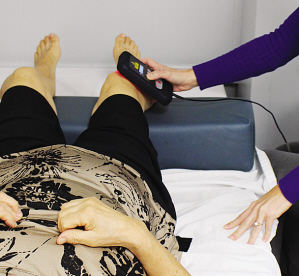
    1The knee is the most often replaced joint in the body. Usually, total knee replacement (TKR) surgery is performed when people have knee damage and pain caused by osteoarthritis, rheumatoid arthritis or alignment problems in the leg that make walking or performing daily activities difficult. Successful recovery requires a considerable investment of time and energy in rehabilitation following surgery. A strict timetable of exercise, rest and medication is crucial to heal muscles and tendons. Your physical therapist can speed up your return to normal activity and help make your new knee better than the old one! A rehab program tailored to your specific needs may include land or aquatic range of-motion and muscle-strengthening exercises, activity-specific training, and body awareness with balance training. You may also receive manual therapy and pain modalities to minimize swelling, as well as a custom home exercise program. Prepare for surgery by losing weight. Staying active, even beyond your home exercise program, will help hasten your recovery — but activities should never be done to the point where they cause more pain. Follow your physical therapist’s instructions and take care to protect your new knee and your general health. These are ways you can contribute to the success of your total knee replacement.


    Moon Physical Therapy,
    320 Ward Avenue, Suite 107, Honolulu, HI 9681
    Aquatic, Land-based and Manual Therapy and
    Cardiopulmonary Rehab Programs
    808-597-1005 | Moon Physical Therapy, www.moonpt.com

    The knee is the most often replaced joint in the body. Usually, total knee replacement (TKR) surgery is performed when people have knee damage and pain caused by osteoarthritis, rheumatoid arthritis or alignment problems in the leg that make walking or performing daily activities difficult. Successful recovery requires a considerable investment of time and energy…

  • Smile! Rejuvenate Your Life!

    Generations Magazine - Smile! Rejuvenate Your Life! - Image 01
    Before

    Nothing can start your day off better than seeing a beautiful, genuine smile in your mirror. Have you ever thought, “I don’t like my smile?” With today’s dental advancements you can significantly improve your smile.

    You may consider smile rejuvenation if you have any of the following:

    • crooked teeth
    • missing teeth
    • misaligned teeth
    • stained teeth
    • gapped teeth
    • uneven length teeth
    • gums that are too noticeable
    Generations Magazine - Smile! Rejuvenate Your Life! - Image 02
    After

    There are many ways to make your teeth straight, fill in gaps and improve their overall appearance. Orthodontics such as clear aligner therapy align teeth for health, function and beauty. Porcelain veneers can help to enhance your smile. You may have a tooth missing — a dental implant topped with a crown, may resolve that problem.

    Generations Magazine - Smile! Rejuvenate Your Life! - Image 03A person with a malocclusion or “bad bite,” prematurely wears down the teeth. Severe wear collapses the space between the chin and nose, creating a very aged facial appearance. Correcting the bite gives the patient an “instant face-lift”.

    Whether you want to change the shape, color or alignment of your teeth, consult a dentist who specializes in smile rejuvenation to discuss the best option for you.

    Nothing can start your day off better than seeing a beautiful, genuine smile in your mirror. Have you ever thought, “I don’t like my smile?” With today’s dental advancements you can significantly improve your smile. You may consider smile rejuvenation if you have any of the following: crooked teeth missing teeth misaligned teeth stained teeth…

  • High Intensity Training for Arthritic Relief

    According to the U.S. Centers for Disease Control and Prevention, approximately 33 percent of adults 65 and older suffer from osteoarthritis (OA). Mayo Clinic reports that OA is the most common form of arthritis, when protective cartilage wears down, creating “wear-and- tear” pain, discomfort and fatigue.

    Generations Magazine - High Intensity Training for Arthritic Relief - Image 01Aquatic therapy is an effective treatment for OA, giving patients improved mobility, reduced pain and greater flexibility. You might think exercise at a high intensity level would exacerbate the pain. Not so. A recent groundbreaking study published in The Journal of Strength and Conditioning Research, demonstrated the benefits of high-intensity interval training (HIIT) on an underwater treadmill. For six weeks, subjects with OA walked in water, against alternating high and low resistance. Training resulted in significantly less joint pain, improved balance, better mobility. Walking speed was nearly as fast as control subjects without arthritis. Aquatic exercise gave benefits and relief that individuals with OA would not be able to achieve on land.

    A growing body of clinical research proves aquatic therapy for osteoarthritis may be more effective than alternative land-based exercise.


    Moon Physical Therapy, LLC
    320 Ward Avenue, Ste. 107, Honolulu, HI 96814
    Aquatic, Land-based and Manual Therapy and
    Cardiopulmonary Rehab Programs
    808-597-1005 | www.moonpt.com
    According to the U.S. Centers for Disease Control and Prevention, approximately 33 percent of adults 65 and older suffer from osteoarthritis (OA). Mayo Clinic reports that OA is the most common form of arthritis, when protective cartilage wears down, creating “wear-and- tear” pain, discomfort and fatigue. Aquatic therapy is an effective treatment for OA, giving…

  • Round ‘em Up!

    Generations Magazine- Round ‘em Up! - Image 01
    O’ahu Seniors rehearse for an exhibition dance.

    Line Dancing — it’s not just country, or confined to local Honky Tonk. Heck! Seniors are line dancing to all their favorite tunes!

    A number of studies extoll the benefits of line dancing for seniors: low impact exercise that can improve cardio-vascular health, muscle tone and strength is one. I just learned that it also lowers risk of osteoporosis!

    Dancing also exercises our minds. Learning new dance steps, patterns and musical rhythms keep our brains and attention sharp — to ward off dementia. It also provides essential social benefits: meeting new people, sharing common interests. We see dancing seniors building new confidence and self-expression. Line dancing is a wonder drug for seniors! And FUN!

    Generations Magazine- Round ‘em Up! - Image 02
    West Maui Seniors have fun at Kaunoa Center.

    On O‘ahu, Palama Settlement offers a variety of line dance programs for the first-timers and intermediate level dancers. Kick up your heels with us at Ward Warehouse on Tuesday nights. Many County Department of Parks and Recreation senior clubs have open classes. Our annual Senior Line Dance Round-up is O‘ahu June 4 and 5.

    For more information about the Senior Line Dance Round-up or line dance classes and programs on all islands, call 808-228-0390 on O‘ahu, or email AlohaLinedancer@outlook.com.


    The counties of Honolulu and Maui present
    THE ANNUAL SENIOR LINE DANCE ROUND-UP
    hosted by the West Oahu Line Dancers and
    the Aloha Line Dancers Association
    June 4–5, 2015
    Ala Wai Golf Course Clubhouse, Waikiki
    2 days of workshops, dancing and exhibitions.
    Costs only $5 per person.


    Line Dancing — it’s not just country, or confined to local Honky Tonk. Heck! Seniors are line dancing to all their favorite tunes! A number of studies extoll the benefits of line dancing for seniors: low impact exercise that can improve cardio-vascular health, muscle tone and strength is one. I just learned that it also…

  • Hiking for Health, or Just For Pure Joy

    Generations Magazine - Hiking for Health or Just for Pure Joy - Image 01

    Hiking is a great activity for seniors! I’m 72 and really enjoy it. Several of my fellow hikers are in their upper 70’s and are still going strong. One, at 83, still hikes five miles on the beach several times a week.

    Some people hike mainly for exercise and walk vigorously hoping to work up a good sweat. Others prefer a more leisurely pace and stop often to take pictures, enjoying their commune with nature. While you can see much from your car as you drive along the highways, you can only see the finer details of nature while walking. And there are many sights not available from your car, such as hidden waterfalls, moss covered trees, and the colorful hills in the center of Haleakala Crater.

    You can choose from a wide variety of hikes ranging from easy to difficult. On the easy end of the scale are simple beach walks or strolls along scenic country roads. My favorite Maui hike, moderately strenuous, is the Pipiwai Trail within Haleakala National Park. It has a wonderful stretch of bamboo forest with three-inch thick stalks, 50 feet high. The 11 mile Haleakala Crater hike may be difficult, but well worth the effort. Scenery within the crater is wonderful and truly otherworldly. While 20-somethings may do this hike in four hours, I myself plan on at least eight hours.

    Generations Magazine - Hiking for Health or Just for Pure Joy - Image 02
    Bob Chang, Bev Brill, Ginny Kiick and Diana Douglas of Mauna Ala Hiking Club take a welcome rest in Haleakala Crater.

    There are several books that list hikes in Hawai‘i, but it is even better to find local groups to hike with that can provide guidance and companionship.

    You can join meetup.com on the internet to find hiking groups in your area. Sierra Club, www.sierraclubhawaii.com/groups.php, leads hikes on all four main islands. Contact the hike leader to make sure the hike is right for you.

    Never hike alone on isolated trails; if you slip and injure yourself, you could be in serious trouble. Wear proper shoes and clothing, hat and sunscreen. Bring a snack and lots of water. While cell phones won’t work in some areas, they can help you out of trouble in others.

    Hiking is a great activity for seniors! I’m 72 and really enjoy it. Several of my fellow hikers are in their upper 70’s and are still going strong. One, at 83, still hikes five miles on the beach several times a week. Some people hike mainly for exercise and walk vigorously hoping to work up…

  • Constipation in Seniors

    Constipation affects approximately 2 percent of the population in the US; the elderly are more commonly affected. Constipation refers to bowel movements that are infrequent or hard to pass. According to the National Institutes of Health (NIH), constipation is defined as having a bowel movement less than 3 times a week.

    Generations Magazine -Constipation in Seniors - Image 01Laxatives can help relieve constipation. Overuse of certain laxatives can lead to dependency and decreased bowel function. In general bulkforming laxatives, also referred to as fiber supplements, are the gentlest on the body and safest to use long term. However, seniors must remember to drink adequate amounts of water when taking fiber supplements like Metamucil.

    Seniors need to call their physicians immediately if they have sudden constipation with abdominal cramps and are unable to pass gas. It is important to seek help if seniors have blood in the stools, constipation lasting more than 2 weeks, require use of laxatives for several weeks, experience rectal pain, unexplained weight loss, or severe abdominal pain–these may be signs of a serious underlying medical condition.

    What causes constipation?

    • Not drinking enough liquids
    • Low-fiber diet
    • Lack of physical activity
    • Ignoring the urge to have a bowel movement
    • Stress
    • Travel
    • Medical conditions — affecting the gastrointestinal, endocrine, or nervous system
    • Medications — iron or calcium supplements, narcotics, antidepressants, anticonvulsants, and certain medications to lower blood pressure.

    Which tests may help diagnose the cause of constipation?

    Based on history and physical examination, a physician may order some of the following tests:

    • Blood tests including a complete blood count and basic metabolic profile
    • Colonoscopy
    • Proctosigmoidoscopy
    • Barium enema
    • Stool studies
    • X-rays of the abdomen
    • Anorectal manometry (pressure measurements of the anus and rectum)

    What are the complications of chronic constipation?

    • Hemorrhoids
    • Anal fissures
    • Fecal impaction
    • Bowel obstruction
    • Rectal prolapse

    How can seniors prevent constipation?

    • Drink at least 8 glasses of water each day
    • Eat lots of fiber
    • Exercise regularly
    • Do not ignore the urge to use the restroom
    • Eat foods that promote bowel movement: prunes, apples, papaya, banana and cabbage

    Constipation affects approximately 2 percent of the population in the US; the elderly are more commonly affected. Constipation refers to bowel movements that are infrequent or hard to pass. According to the National Institutes of Health (NIH), constipation is defined as having a bowel movement less than 3 times a week. Laxatives can help relieve…

  • Know Your Numbers

    You may have seen a report late last year explaining that Hawai‘i was the healthiest state in the nation. While good health is certainly good news, the story involved a summary of limited information, and did not reflect the current state of kidney disease in America.

    Unfortunately, incidence of the disease has more than doubled in the past decade and is projected to double again in the next 10 years. Here in Hawai‘i, the incidence of kidney disease is approximately 30 percent higher than the national average: 1 in 7 people have the disease — often without realizing it during the early stages.

    Chances are, unless you are already diagnosed with kidney disease, you do not “know your numbers” for healthy kidneys. Results from a simple blood test and urine analysis requested by your doctor will help you know if your numbers are good. One way to know your kidneys are healthy is to “know your numbers”— so ask your doctor. If you haven’t seen your doctor for a while, now is a good time to get a checkup. Ask your doctor about your glomerular filtration rate (GFR). Your GFR number tells you how much kidney function you have. As kidney disease worsens, kidney function declines and the GFR number decreases. Early detection can allow you to slow down or even stop the disease from worsening, by changing your lifestyle and following your doctor’s advice.

    Help us reverse the trends associated with kidney disease by helping yourself. “Know your numbers.”


    National Kidney Foundation of Hawaii
    808-589-5976 | jeff@kidneyhi.org
    For Planned Giving: www.kidneyhawaii.org
    Main: www.kidneyhi.org | www.kidney.org

    You may have seen a report late last year explaining that Hawai‘i was the healthiest state in the nation. While good health is certainly good news, the story involved a summary of limited information, and did not reflect the current state of kidney disease in America. Unfortunately, incidence of the disease has more than doubled…

  • All-On-4: The Modern Solution

    Generations Magazine- fm2015m-1Many patients today with missing teeth have opted for the All-on-4 treatment as a viable solution to permanently replace missing teeth.

    All-on-4 dental implants offer you many important advantages:

    • A cost effective solution. Your new replacement teeth require only four implants for each jaw. Reducing the number of implants means lowering the cost of tooth replacement.
      Reduced need for bone grafting. The special tilting of two of the implants ensures a secure and stable anchorage for the replaced arch, typically making bone grafting unnecessary.
    • Faster treatment and healing time. Your replacement arch can be attached to your implants immediately. There is no need to wait for healing time between surgery and tooth replacement. Prosthesis options. You can choose fixed (one with highest durability and chewing function, but cannot be removed) or removable (one you can remove for easy cleaning).
    • Scientifically proven and documented. All-on-4 is supported by good clinical outcomes in studies where four implants were proven to support a full replacement arch.
      If you feel that your dentures make chewing difficult and prevent you from enjoying the foods you love, you may want to explore the possibility of implants — in particular, an All-on-4, option.


    Hawaii Center for Cosmetic & Laser Dentistry
    808-526-0670 | www.smilepower.net

    Many patients today with missing teeth have opted for the All-on-4 treatment as a viable solution to permanently replace missing teeth. All-on-4 dental implants offer you many important advantages: A cost effective solution. Your new replacement teeth require only four implants for each jaw. Reducing the number of implants means lowering the cost of tooth…