Category: Health

  • Hospice and Palliative Care

    Generations Magazine- fm2015k-1

    Dame Cicely Saunders (founder of the first modern hospice in London in 1968) summed up the hospice philosophy best when she told her patients:“You matter to the last moment of your life, and we will do all we can, not only to help you die peacefully, but to live until you die.” Hospice care is a model for quality compassionate care for people facing a life-limiting illness. It is a team approach to expert medical care, pain management, and emotional and spiritual support tailored to the patient’s needs and wishes.

    Who is eligible for hospice care?

    When the goal of treatment begins to shift from cure to providing comfort, it may be time to consider hospice for persons facing terminal cancer: end-stage heart, lung, kidney or liver disease; severe dementia; severe Parkinson’s disease; or stroke. A physician must certify that the person is in the last stages of a terminal illness.

    Where is hospice care provided?

    Most hospice care is provided in a person’s own home. Hospitals, nursing homes, assisted living, care or foster homes are other possible settings.

    What services are covered under hospice care?

    • Nursing: pain and symptom management
    • Personal care/home health aide
    • Social services
    • Spiritual counseling
    • Volunteers
    • Respite care
    • Bereavement support

    Who pays for hospice?

    Medicare, Medicaid and all medical insurances offer hospice benefit. Durable medical equipment and medications related to the terminal diagnosis are covered. Little or no co-payment is required.

    What is palliative care?

    According to the World Health Organization (WHO), palliative care is an approach that improves the quality of life of patients and their families facing the problem associated with life-threatening illness, through the prevention and relief of suffering by means of early identification and assessment and treatment of pain and other problems, physical, psychosocial and spiritual.

    How is hospice different from palliative care?

    Palliative care is specialized care for persons with life-threatening illness, regardless of life expectancy. Hospice is a type of palliative care that occurs at the very end of a person’s life.

    What is supportive or concurrent care?

    “Supportive” or “concurrent” care is a type of palliative care that encompasses all the extra care provided in addition to regular medical care by a full team of physicians, nurses, social workers, chaplains, and aides who specialize in caring for people facing serious illness. This means that somebody with a serious illness can have all the benefits of comfort care and still receive life prolonging treatments.

    Who pays for Supportive or Concurrent Care?

    Hawaii Medical Service Association (HSMA) offers supportive care services for homebound members who have advanced cancer, advanced heart failure or emphysema. University Health Alliance (UHA) offers concurrent care services to persons with any serious illness. HSMA and UHA have partnered with local hospices to offer this innovative program.

    Dame Cicely Saunders (founder of the first modern hospice in London in 1968) summed up the hospice philosophy best when she told her patients:“You matter to the last moment of your life, and we will do all we can, not only to help you die peacefully, but to live until you die.” Hospice care is…

  • The Hawai’i Neurotrauma Registry

    We’ve had lots of positive feedback on our first article about the Hawai‘i Neurotrauma Registry. In the last two years, we’ve given out information on neurotrauma injuries (stroke, traumatic brain injury, spinal cord injury) at 60 events and presentations to approximately 6,500 people.

    There is a lot of information on patients with stroke, spinal cord injury or traumatic brain injury while they are in the hospital or rehabilitation facility.But what happens once they get home? What problems are they having? What kind of help do they need?

    The Hawai‘i Neurotrauma Registry wants to know so the Hawai‘i Department of Health, Developmental Disabilities Division can make appropriate plans and policies.

    We currently have 81 individuals with neurotrauma injuries who have registered. They took more people — especially from the Neighbor Islands — and younger people. The registry is voluntary and open to any resident of Hawai‘i, any age, who has had a neurotrauma injury at any point in his or her lifetime.

    You can fill out the confidential survey online at www.svy.mk/1qybSHZ.Call us (there’s a tollfree number for Neighbor Islands) to receive a copy by mail or to schedule assistance completing the survey. Email us with any questions, as well. With your help, the registry will be a success. Mahalo.


    University of Hawaii at Manoa
    John A. Burns School of Medicine, Pacific Basin RRTC
    677 Ala Moana, Suite 202, Honolulu, HI 96813
    808-692-1375/1372 | 1-866-447-9023
    HawaiiNT@hawaii.edu

    We’ve had lots of positive feedback on our first article about the Hawai‘i Neurotrauma Registry. In the last two years, we’ve given out information on neurotrauma injuries (stroke, traumatic brain injury, spinal cord injury) at 60 events and presentations to approximately 6,500 people. There is a lot of information on patients with stroke, spinal cord…

  • Taking the Pain Out of Physical Therapy

    gain

    The letters “p” and “t” for physical therapy should NOT be confused with “pain” and “torture.” Unfortunately, many people will share their horror stories of how painful their experiences were. The old-school approach of “no pain, no gain” has been scientifically disproven. Stretching a muscle until it hurts will not get good results. Pain is the body’s way of telling the brain that tissue damage is occurring. When you experience pain, your body’s protective mechanisms take over, often inhibiting the strength and mobility of the damaged area. Believing that suffering has to get worse before it can get better may even make your injury worse.

    Ironically, one of the goals of physical therapy is the reduction of pain. Many injuries and postsurgical conditions by their nature are painful, although appropriate physical therapy treatments should be designed to relieve those symptoms and improve function. So just remember, while temporary soreness can be a normal response to therapy sessions involving exercise and manual treatment, a correctly designed program should not make your injury or painful condition worse.


    Moon Physical Therapy, LLC
    320 Ward Avenue, Ste. 107, Honolulu, HI 96814
    Aquatic, Land-based and Manual Therapy and Cardiopulmonary Rehab Programs
    808-597-1005 | www.moonpt.com

    The letters “p” and “t” for physical therapy should NOT be confused with “pain” and “torture.” Unfortunately, many people will share their horror stories of how painful their experiences were. The old-school approach of “no pain, no gain” has been scientifically disproven. Stretching a muscle until it hurts will not get good results. Pain is…

  • What is Osteoarthritis?

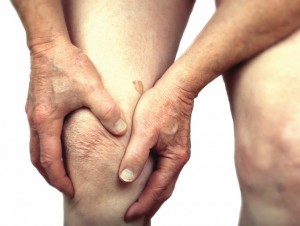
    Generations Magazine- fm2015l-1Osteoarthritis (OA) is one of the most common forms of arthritis. About 27 million people in America have osteoarthritis. It is a chronic condition in which the material that cushions the joints, called cartilage, breaks down. This causes the bones to rub against each other, causing stiffness, pain and loss of joint movement.

    Common risk factors include increasing age, obesity, previous joint injury, overuse of the joint, weak thigh muscles, and genetics.

    Osteoarthritis symptoms usually develop gradually. At first, there may be soreness or stiffness that seems more like a nuisance than a medical concern.

    Common symptoms include:

    • Sore or stiff joints — particularly the hips, knees, and lower back — after inactivity or overuse.
    • Stiffness after resting that goes away after movement.
    • Pain that is worse after activity or toward the end of the day.

    Osteoarthritis, or OA, may also affect the neck, small finger joints, the base of the thumb, ankle, and big toe. The pain may be moderate and come and go, without affecting the ability to perform daily tasks. Some people’s OA will never progress past this early stage. Others will have their OA get worse. The pain and stiffness of more severe osteoarthritis may make it difficult to walk, climb stairs, sleep, or perform other daily tasks.

    If you have symptoms of osteoarthritis, the doctor will ask questions about your medical history and perform a physical exam and, possibly, take X-rays to confirm the diagnosis.

    There is no cure for osteoarthritis, but there are medications to help relieve pain, when needed. The doctor may recommend physical therapy (PT) or occupational therapy (OT) to help improve strength and function. When pain is severe and frequent or mobility and daily activities become difficult, surgery may be considered.

    Staying physically active and maintaining a healthy weight are the keys to living well with osteoarthritis. Too little movement can lead to stiffness and weak joints. Losing one pound can take four pounds of pressure off your knee joints. Overall fitness improves health in many ways. Strong muscles protect joints. An OA management plan also involves eating a nutritious diet, managing stress and depression, and getting a good balance of rest and activity each day.\

    Generations Magazine- fm2015l-2


    Hawai‘i Pacific Health—Straub Clinic & Hospital
    808-22-3469
    www.hawaiipacifichealth.org/GetAGrip

    Osteoarthritis (OA) is one of the most common forms of arthritis. About 27 million people in America have osteoarthritis. It is a chronic condition in which the material that cushions the joints, called cartilage, breaks down. This causes the bones to rub against each other, causing stiffness, pain and loss of joint movement. Common risk…

  • What Is Ai Chi?

    If starting a new exercise routine is part of your self-improvement plan this year, you may want to consider Ai Chi.

    Ai (meaning “love”) Chi (“breath/essence/ being”) is a graceful form of aquatic exercise that involves a series of movements performed in a slow, focused manner using deep breathing and accompanied by relaxing music and low lighting. It combines Tai Chi and Qi Gong concepts of positioning and controlled motion, carried out while standing in shoulder-deep warm water. Ai Chi is an efficient program that:

    • Increases oxygen and caloric consumption through correct positioning in the water
    • Relaxes tension
    • Relieves stress
    • Improves mobility, strength and balance
    • Boosts mental alertness

    Suzanne Whitehead, a certified Ai Chi instructor since 2011, teaches one day a week at Moon Physical Therapy. She says the body is often thrown into a fight-or-flight response, which, over time, may become toxic to the body, mind and spirit. Combining correct breathing with the slow, soft movements of Ai Chi can restore the being to its full potential. Her clients’ comments include, “a soothing experience,” “mind and body relaxation,” and “a symphony for my body.”

    So try Ai Chi as part of your wellness program this New Year. Improve physical and mental health, and minimize the effects of stress.


    Moon Physical Therapy, LLC
    320 Ward Avenue, Suite 107, Honolulu, HI 96814
    Aquatic, Land-based and Manual Therapy and
    Cardiopulmonary Rehab Programs
    808-597-1005 | www.moonpt.com

    If starting a new exercise routine is part of your self-improvement plan this year, you may want to consider Ai Chi. Ai (meaning “love”) Chi (“breath/essence/ being”) is a graceful form of aquatic exercise that involves a series of movements performed in a slow, focused manner using deep breathing and accompanied by relaxing music and…

  • Gum Disease In Seniors

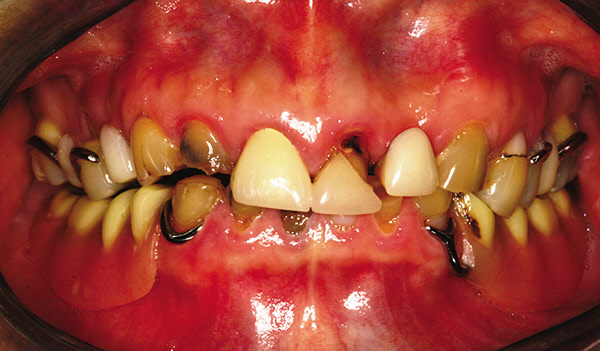
    Periodontitis is a serious gum disease that damages soft tissue and destroys the bone that supports the teeth. Periodontitis is the primary cause of tooth loss in seniors, often leading to a need for dentures. It also increases a person’s risk for heart attack or stroke. Many seniors may have gingivitis, which is a common and mild form of gum disease that causes irritation, redness and swelling of the gums.

    Generations Magazine - Gum Disease In Seniors - Image 01What causes periodontitis?

    Poor dental care leads to plaque and tartar buildup at the base of the teeth. Inflammation from this buildup causes an empty pocket to form between the gums and the teeth that fills with plaque and tartar. Soft tissue swelling traps the plaque in the pocket. Continued inflammation damages the tissues and bone surrounding the tooth. The plaque contains bacteria; hence, infection is likely. Infection only increases the rate of bone destruction.

    What are the symptoms?

    • Bad breath
    • Gums that bleed easily
    • Loose teeth
    • Swelling of the gums
    • What is the treatment?

    What is the treatment?

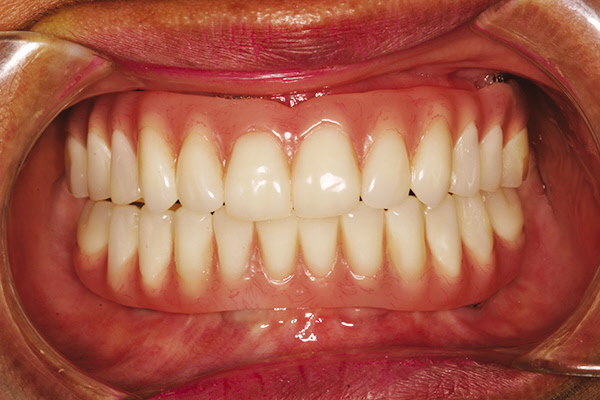
    Dental cleaning to remove plaque and tartar from teeth will remove pockets in the gums. This reduces inflammation. Sometimes surgery may be necessary to treat deep pockets in the gums and loose teeth may need to be supported. Severe periodontitis leads to tooth loss and extraction; often, seniors may need to use dentures.

    What is the best way to care for removable dentures?

    • Remove and rinse dentures after eating
    • Clean the mouth after removing dentures
    • Brush dentures daily
    • Soak dentures overnight
    • Rinse dentures before putting them back into the mouth

    Is periodontitis preventable?

    The good news is that periodontitis is preventable. Regular brushing, flossing and dental cleaning will reduce a person’s chance of developing periodontitis, and increase the chance of keeping his or her teeth for an entire lifetime.

    Periodontitis is a serious gum disease that damages soft tissue and destroys the bone that supports the teeth. Periodontitis is the primary cause of tooth loss in seniors, often leading to a need for dentures. It also increases a person’s risk for heart attack or stroke. Many seniors may have gingivitis, which is a common…

  • Sleep Well Tonight, Live Better Tomorrow

    Nearly 50 percent of Americans today suffer from the effects of disruptive snoring or sleep apnea.

    This very common condition causes you to stop breathing for 10 seconds or more, many times during the night. During these periods, your body compensates for lack of oxygen with a quickening pulse, by raising blood pressure and even waking you up. Untreated, it can lead to brain fog, irritability and serious health problems, including:

    • Stroke
    • Heart Attack
    • Diabetes
    • Obesity
    • Hypertension
    • Fibromyalgia
    • Acid Reflux
    • Loss of Libido
    • Impotence
    • Short-term Memory Loss

    Generations Magazine - Sleep Well Tonight, Live Better Tomorrow  - Image 01

    Generations Magazine - Sleep Well Tonight, Live Better Tomorrow  - Image 02

    Standard treatment is Continuous positive airway pressure (CPAP) machines, which keep the airway open with mild air pressure delivered through a face mask. Patients unable to tolerate (CPAP) now have the option of dental devices using Continuously Open Airway Therapy (COAT), that reposition the tongue and jaw to open the airway during sleep. Mandibular advancement devices (MAD) stabilize the jaw and give many patients relief.

    If you suffer from sleep apnea and are intolerant of CPAP, contact a qualified sleep apnea specialist. A dentist specializing in MAD can recommend and fit a dental device to help you sleep soundly, so you’ll wake up feeling refreshed every day.

    Nearly 50 percent of Americans today suffer from the effects of disruptive snoring or sleep apnea. This very common condition causes you to stop breathing for 10 seconds or more, many times during the night. During these periods, your body compensates for lack of oxygen with a quickening pulse, by raising blood pressure and even…

  • Steps To Emergency Preparedness

    Emergencies and disasters can strike quickly without warning. You are especially vulnerable if you live alone, are confined to your home or forced to evacuate. Physical limitations put you at risk. The likelihood of recovery from an emergency tomorrow often depends on planning and preparation done today. Practice these three steps: Get a Kit; Make a Plan; Be Informed.

    Disaster Supplies Kit Checklist

    You should have a kit packed and ready in one place before a disaster strikes.

    • Water — one gallon per person, per day (3 day supply for evacuation, 2 week supply for home)
    • Food — non-perishable items (3 day supply for evacuation, 2 week supply for home)
    • Can opener
    • Flashlight — do not use candles
    • Radio (battery-powered or hand crank)
    • Extra batteries
    • Cell phone with chargers
    • Multi-purpose tool
    • First aid kit
    • Medications (7 day supply) and medical items
    • Emergency blanket
    • Sanitation and personal hygiene items
    • Copies of personal documents, keep in a water proof container for quick and easy access
    • Family and emergency contact information
    • Extra cash
    • Extra set of keys
    • Pet or service animal supplies
    • Specialized items including extra wheelchair batteries, oxygen, catheters etc

    Make a Plan

    Planning ahead reduces anxiety. 85,000 Social Security check recipients lost mail service after Hurricane Katrina. Switching to electronic payments is one simple solution to protect you.

    Here are things to plan and prepare:

    • Create network of neighbors, friends, etc. for aid
    • Develop a family communication plan
    • Carry family contact information with you
    • Discuss needs and operation of heavy equipment
    • Post emergency numbers near all phones
    • Arrange someone outside to check on you
    • Ask for emergency plans from your homecare agency or case manager
    • Know your community response and evacuation plans and shelters
    • Plan for evacuation transportation
    • Prepare durable medical equipment (wheelchairs, walkers, etc.) for easy access

    Keep copies of vital family records and about emergency procedures close by. Store documents such as birth and marriage certificates, social security cards, passports, wills, deeds, and financial, insurance and immunizations records in a fire safe or safe deposit box.

    Be Informed

    Ask how local authorities will notify persons during a disaster and how the community will get information, whether through local radio, TV, or NOAA Weather Radio stations or channels.

    For more information, visit these useful websites:

    Emergencies and disasters can strike quickly without warning. You are especially vulnerable if you live alone, are confined to your home or forced to evacuate. Physical limitations put you at risk. The likelihood of recovery from an emergency tomorrow often depends on planning and preparation done today. Practice these three steps: Get a Kit; Make…

  • COPD Day, Nov. 19: Breathless But Thriving

    How does it feel to have Chronic Obstructive Pulmonary Disease (COPD)? Pinch your nose and breath through a coffee straw. 46,015 Hawai‘i adults with COPD have this feeling every day. An equal number suffer, undiagnosed. November 19, 2015 is World COPD Day. It’s to create awareness of all lung conditions that cause difficulty in breathing. COPD is the third leading cause of death and second top cause of disability in the United States, claiming one life every four minutes. 85–90 percent of cases start with smoking; others come from exposure to heavy secondhand tobacco or toxic work environments.

    The Hawai‘i COPD Coalition provides free lung health clinics, monthly support group meetings, annual September COPD Education Day, and lung health advocacy for patients, families and healthcare providers. A new online COPD Population Screener® helps you figure out if your breathing symptoms might be COPD. The COPD Assessment Test® helps COPD patients find ways to maintain an active life.

    Info on free monthly meetings with patients and caregivers guest speakers are available online: www.Hawaiicopd.org/events/support-groups/.

    Support Group Meetings:

    Pali Momi: 2nd Thursdays 2014, 9:30 am or 10 am for 90 minutes; 2nd Tuesdays 2015, 10 am – noon.

    Kaiser-Honolulu, 1010 Pensacola, Conf. Rm. 2E, 2nd Fridays, 10 am – noon.


    Hawai‘i COPD Coalition, contact Valerie Chang
    808-699-9839 | Valerie@Hawaiicopd.org
    www.Hawaiicopd.org

    How does it feel to have Chronic Obstructive Pulmonary Disease (COPD)? Pinch your nose and breath through a coffee straw. 46,015 Hawai‘i adults with COPD have this feeling every day. An equal number suffer, undiagnosed. November 19, 2015 is World COPD Day. It’s to create awareness of all lung conditions that cause difficulty in breathing.…

  • A Breath of Relief: Pulse Oximeters

    Patients getting used to supplemental oxygen for lung and heart problems sometimes worry whether they are getting enough. The only way to check oxygen “saturation” of the blood is with a blood test or by a new noninvasive technology called pulse oximetry.

    Pulse oximeters are now readily available in pharmacies and are advertised for as little as $20 on internet sites. They quickly and easily measure pulse and use different wavelengths of light to estimate the amount of oxygen in the blood (from 70 –100 percent saturation). Oximeters clip easily onto a finger and shine a red light through the fingertip. Sports enthusiasts, pilots, and patients with chronic lung disease such as COPD or pulmonary fibrosis use pulse oximeters. Patients using oxygen at home or during air travel also can use them to ensure that they are receiving enough oxygen.

    A saturation value above 90% is generally considered adequate. Studies show that about one-fourth of pulse oximeters in use are not accurate within 4 percent, so bring your pulse oximeter to your medical provider for a comparison before making any medical decisions regarding the accuracy of your readings, and talk with your provider about the use and limitations of these devices.

    For more information, videos of oximetry and reviews on pulse oximeters, check online:

    www.tinyurl.com/YoutubeOximetry

    www.tinyurl.com/TopTenOximeters

    www.tinyurl.com/HawaiiCOPD

    Patients getting used to supplemental oxygen for lung and heart problems sometimes worry whether they are getting enough. The only way to check oxygen “saturation” of the blood is with a blood test or by a new noninvasive technology called pulse oximetry. Pulse oximeters are now readily available in pharmacies and are advertised for as…

  • Water Works Wonders for Back Pain


    Generations Magazine- Water Works Wonders for Back Pain- Image 01
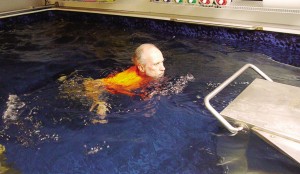
    Retired Chief Justice Ronald T. Y. Moon performing back stabilization exercises following a compression fracture to the Lumbar Spine.


    Many will experience some kind of lower back pain at some point in their lives. If a back injury has short-circuited your daily activities or regular workout routine, aqua therapy might be a good alternative during the healing period. Water exercises for back pain are diverse and should be tailored to the individual and specific condition.

    For a more effective workout:

    1. Choose a heated pool with multi depths: Warm water of 90 – 94 degrees assists in healing, relaxes spastic muscles, relieves pain and increases blood circulation. The more deeply immersed in water you are, the less you weigh. In chest-deep water, buoyancy decreases the amount of shock transmitted through your spine, in deep water there is no impact, therefore no shock to your body.
    2. Warm up: Water exercise should start with a warm up for 5 –10 minutes. One of the easiest warm ups is walking (forward, backward, sidestepping and marching).
      Water Resistance Exercises: The pool is a great place to work on low back and core strengthening. Standing hip and arm exercises, while maintaining proper spinal alignment, will help to improve low back stability. Deep-water exercises help to improve abdominal strength and overall endurance. Training tools are available, paddles, webbed gloves, dumbbells, noodles and flotation belts.
    3. Cool down: The cool down will assist your body in its repair process and help with post-exercise soreness. Static stretches holding for 20 – 30 seconds, with deep breathing will help to prevent increased low back pain and muscle tightness.
      __________________________________

    Moon Physical Therapy, LLC
    320 Ward Avenue, Suite 107, Honolulu, HI 96814
    Aquatic Therapy, Land-based Therapy and
    Cardiopulmonary Rehab Programs
    808-597-1005 | www.moonpt.com

              Many will experience some kind of lower back pain at some point in their lives. If a back injury has short-circuited your daily activities or regular workout routine, aqua therapy might be a good alternative during the healing period. Water exercises for back pain are diverse and should be tailored…

  • Cataracts

    Generations Magazine- Cataracts- Image 01


    Cataract is clouding of the lens in the eye that affects vision. It is extremely common among seniors. In a normal eye, light passes through the transparent lens to the retina. Once it reaches the retina, light is changed into nerve signals that are sent to the brain. The lens must be clear for the retina to receive a sharp image. If the lens is cloudy from a cataract, the image seen will be blurred.

    The risk for cataract increases as a person gets older. Diabetes also puts a person at increased risk for cataracts. Prolonged exposure to sunlight, smoking, and alcohol increases a person’s risk.

    What are the symptoms of cataract?

    • Cloudy or blurry vision
    • Colors seem faded
    • Glare
    • Poor night vision
    • Double vision

    Frequent prescription changes in eyeglasses or contact lenses

    How are cataracts detected?

    Cataract is detected through a comprehensive eye exam that includes:

    1. Visual acuity test. This eye chart test measures how well a person can see at various distances.
    2. Dilated eye exam. Eye care professionals use special magnifying lens to examine the retina and optic nerve for signs of damage and other eye problems.

    How are cataracts treated?

    The symptoms of early cataract may be improved with new eyeglasses, brighter lighting, antiglare sunglasses, or magnifying lenses. If these measures do not help, surgery is the only effective treatment. A cataract needs to be removed when vision loss interferes with everyday activities, such as driving, reading, or watching television. Surgery involves removing the cloudy lens and replacing it with an artificial lens. Cataract removal is one of the most common surgeries performed in the United States. It also is one of the safest and effective. In about 90% of cases, people who have had cataract surgery report better vision afterward.

    What can a person do to prevent cataracts?

    Wearing sunglasses and a hat with a brim to block ultraviolet sunlight may help to delay cataract. Stopping smoking is beneficial at any age. Good nutrition such as eating fruits and vegetables rich in antioxidants will help reduce the risk of age-related cataract. Seniors need to have a comprehensive dilated eye exam at least once every two years.

          Cataract is clouding of the lens in the eye that affects vision. It is extremely common among seniors. In a normal eye, light passes through the transparent lens to the retina. Once it reaches the retina, light is changed into nerve signals that are sent to the brain. The lens must be…