Category: Health

  • How You Can Reverse Aging and Disease

    At the end of the year, we realize that another year is going by, and chronologically, we’re a year older. Can we stop that clock and reverse our biological aging this coming new year? The answer is easily “yes” if we make a new year’s resolution to do so and stick to it. This article will get you started with the latest anti-aging tips; we’ll learn more in future issues. Here are three simple steps:

    1. EAT MORE TO WEIGH LESS.

    How You Can Reverse Aging and DiseaseYears ago, I pioneered a concept of eating more to lose weight. The effectiveness of this approach has withstood the test of time. Some of my patients report losing over 50 to 100 pounds over the years simply by using my food “Mass Index” table that shows which foods will help you to lose weight. This table can be found in most of my books, such as the Eat More, Weigh LessR Diet and my latest book. the “Peace Diet™.” For a sample of this table, go to www.askdrshintani.com and we’ll email it to you.

    2. EAT COLORFUL FOOD.

    How You Can Reverse Aging and DiseaseIn Japan, they say we should first “eat with our eyes.” In other words, food should be presented in a visually pleasing manner. This turns out to be great advice to help slow and reverse the aging process. The more colorful your food, the more anti-aging nutrients it is likely to contain. For example, green foods tend to have lutein and zeaxanthin, powerful antioxidant nutrients that prevent aging. Yellow and orange vegetables and fruit tend to have lot of carotenoids that help with vision, skin, heart and the immune system. Red vegetables tend to have lycopene, which can protect against some cancers — notably prostate cancer — and may also help to protect the brain. Blue and purple vegetables and fruit have anthocyanins, also known to help prevent memory loss. Purple-red vegetables and fruit such as grapes and blueberries have resveratrol in them that can protect the heart. In future articles, I’ll cover these nutrients in detail and explain what foods are rich in these and other anti-aging nutrients.

    3. ADOPT AN ANTI-CANCER LIFESTYLE.

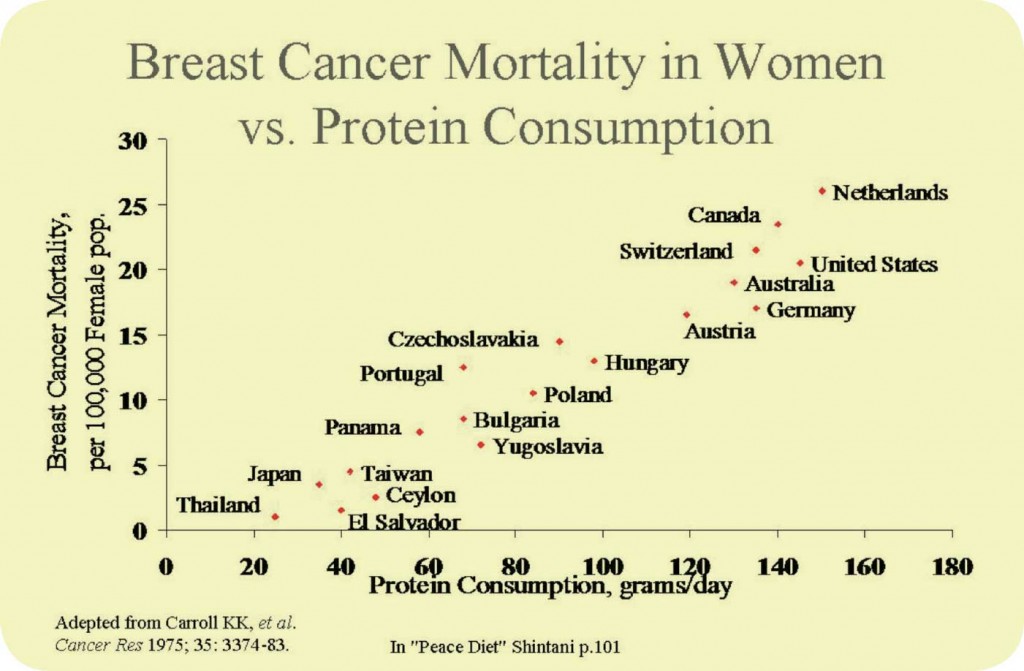
    How You Can Reverse Aging and DiseaseCancer is now close to becoming the No. 1 cause of death in the U.S. It seems like we see more cases of cancer than ever before. In addition to smoking and alcohol consumption, diet and lifestyle factors may play as great or greater roles in causing cancer. Recently, the World Health Organization (WHO) came out with a statement that processed meats increase the risk of cancer. So avoiding processed meats would be a good health habit, in addition to eating colorful food.

    To start off the new year, make a resolution to get younger. You can start out by “losing weight by eating more” using my food “Mass Index” table. Then start reversing age and disease by eating more colorful foods and developing anti-cancer lifestyle habits. Call for more information.


    WELLNESS CENTER
    COMPLIMENTARY & ALTERNATIVE MEDICINE
    600 Queen St., Ste. C2, Honolulu HI 96813
    808-628-8784 | www.askshintani.com

    At the end of the year, we realize that another year is going by, and chronologically, we’re a year older. Can we stop that clock and reverse our biological aging this coming new year? The answer is easily “yes” if we make a new year’s resolution to do so and stick to it. This article…

  • Innovative Dropless Cataract Surgery

    Innovative Dropless Cataract SurgeryDropless Cataract Surgery is a new option for cataract patients that reduces the need for eye drops after surgery.

    Traditionally, after patients undergo cataract surgery they must adhere to a strict three- to four-week schedule that includes several types of drops. These drops are critical because they reduce risk of inflammation and infection.

    Complications arise when cataract patients miss a scheduled dose, are physically unable to instill the drops, or have to rely on the availability of a caregiver to administer the drops. Some patients cannot afford expensive prescribed drops.

    During Dropless Cataract Surgery, a sterile mixture of antibiotic and anti-inflammatory medication is deposited in the back of the eye (the vitreous). These drugs help fight infection and inflammation during the entire recovery period. Post surgical complications are properly controlled without patients and caregivers following a strict eye-drop schedule.

    Dropless Cataract Surgery represents a watershed for ophthalmology in Hawai‘i. The introduction of this important treatment option helps us reach the ultimate goal for our patients—better vision with a reduced risk of complications and a convenient and positive patient experience.


    Jenkins Eye Care
    615 Pi‘ikoi St. Suite 205, Honolulu, Hawai‘i 96814
    808-591-9911 | www.jenkinseyecare.com
    Twitter, Facebook & YouTube: Jenkinseyecare

    Dropless Cataract Surgery is a new option for cataract patients that reduces the need for eye drops after surgery. Traditionally, after patients undergo cataract surgery they must adhere to a strict three- to four-week schedule that includes several types of drops. These drops are critical because they reduce risk of inflammation and infection. Complications arise…

  • Laser Therapy for Treating Sleep Apnea

    Laser Therapy for Treating Sleep ApneaSleep apnea is a breathing disorder with frequent awakenings and breathing disruptions of 10 seconds or longer, that occur when the patient’s airway becomes blocked.

    Sleep apnea lowers blood-oxygen levels, puts a strain on the heart, and is associated with high blood pressure, headaches, depression and daytime sleepiness. If left untreated, severe and fatal health problems can occur, such as stroke, heart attack, diabetes, obesity and hypertension.

    What is NightLase®

    Fotona’s NightLase therapy is a non-invasive, laser treatment to improve sleep. NightLase reduces sleep apnea and decreases snoring by application of gentle, laser-induced heat to contract collagen and tighten oral mucosa tissue. Fotona’s patented Er:YAG laser modality optimizes the length of laser pulses, allowing the heat to safely penetrate tissue. A course of NightLase consists of three treatments over a six-week period. Results of treatment last up to a year, and the therapy can be repeated.

    Patients find NightLase to be a highly comfortable and satisfying alternative to devices worn during sleep or chemical treatments. It’s a gentle and easy way to regain a good night’s rest. For further information, visit www.fotona.com/en/treatments/1627/nightlase.


    Hawaii Center for Cosmetic & Laser Dentistry
    1520 Liliha Street, #703, Honolulu HI 96817
    808-526-0670 | www.nightlasehawaii.com

    Sleep apnea is a breathing disorder with frequent awakenings and breathing disruptions of 10 seconds or longer, that occur when the patient’s airway becomes blocked. Sleep apnea lowers blood-oxygen levels, puts a strain on the heart, and is associated with high blood pressure, headaches, depression and daytime sleepiness. If left untreated, severe and fatal health…

  • Cold Laser Therapy for Pain

    Cold Laser Therapy for PainPain affects more Americans than diabetes, heart disease and cancer combined. The American Academy of Pain Management estimates that more than 100 million Americans suffer from chronic pain. Patients often explore multiple options for relief, but pain medication continues to be the mainstay of chronic pain management in the U.S.

    Forty years of research supports the efficacy of cold laser therapy or low-level laser therapy (LLLT). It is a proven analgesic, anti-inflammatory and effective healing regimen. There are many modalities for pain management, but cold laser is unique because it not only reduces pain, but also stimulates healing in tissues, like bone, cartilage, muscle and spinal discs.

    Under the care of a medical professional, LLLT is considered safe. It offers a non-invasive option to acupuncture and surgery. There is no prolonged recovery time, it is painless and FDA cleared. It is not addictive and eliminates the complications of long-term drug treatment.

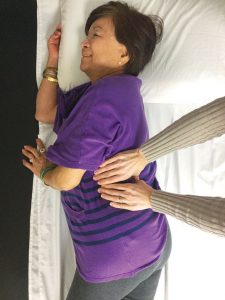
    Each session only takes 10 to 20 minutes, and it may take a series of treatments before you experience results. LLLT can provide pain relief or pain reduction, especially for patients seeking a treatment without the use of surgery or drugs. Used alone or in combination with other therapeutic tools, cold laser is changing the way physical therapists improve patients’ quality of life.


    Moon Physical Therapy, LLC
    320 Ward Avenue, Suite 107, Honolulu, HI 96814
    Aquatic, Land-based and Manual Therapy and
    Cardiopulmonary Rehab Programs
    808-597-1005 | www.moonpt.com

    Pain affects more Americans than diabetes, heart disease and cancer combined. The American Academy of Pain Management estimates that more than 100 million Americans suffer from chronic pain. Patients often explore multiple options for relief, but pain medication continues to be the mainstay of chronic pain management in the U.S. Forty years of research supports…

  • Exercise Can Restore Health!

    Exercise Can Restore Health!When Wendell Murakawa retired from the Hawai‘i Department of Public Safety, he planned to “you know, take it easy, relax, hang out with my friends, drink, eat and enjoy life.” Then his doctor told him he had type 2 diabetes. “I knew I was overweight and began to watch my diet,” said Wendell. “But I noticed if you don’t exercise, the sugar number doesn’t go down — no matter what you eat.”

    I first met Wendell two years ago at my fitness seminar at the Generations Magazine/KHON2 Aging in Place Workshop. My 94-year-old client, who had never exercised until she was 77, inspired him. Wendell thought, “Okay, I’m 66 — there is hope for me.” He was in bad shape; on medications for high blood pressure, high cholesterol, gout, irregular heartbeat and now, diabetes.

    He told me, “Diane I want to learn to live a healthy lifestyle, free from pain and medications. I don’t want to be dependent on my family.”

    But Wendell had no idea what a healthy lifestyle was. Little by little, he adopted all new habits — drinking more water and less alcohol; eating more fruits and vegetables. When he wasn’t reporting to me for weight, balance and flexibility training, he walked and stretched for an hour.

    Exercise Can Restore Health!Because Wendell had never exercised, learning proper form, and how to breathe and stretch properly were a challenge. There were times he wanted to quit and I would have to remind him why he came to me in the first place — to get healthy.

    Wendell began to see results working out with me three days a week and continues to move forward on his journey towards a healthy lifestyle. I am so proud of him!

    Last month, his doctor took him off his diabetes medicine. At this year’s Aging in Place Workshop, Wendell told his story in his own words: “Diane showed me the way back to health. She pushed me and gave me the confidence to succeed. I had no idea how sick I was or how healthy I could be. All my friends are amazed—including me! One of them thought I had a facelift!”

    Now Wendell is the one inspiring others! This is why I love my job!


    Shaping Up Fitness Studio
    Mililani and Downtown: 250 Ward Ave., Ste. 206
    808-221-3905 | shapingup@hawaii.rr.com
    www.shapingup808.com

    When Wendell Murakawa retired from the Hawai‘i Department of Public Safety, he planned to “you know, take it easy, relax, hang out with my friends, drink, eat and enjoy life.” Then his doctor told him he had type 2 diabetes. “I knew I was overweight and began to watch my diet,” said Wendell. “But I…

  • Healthy Brain Food

    If diet can affect our chances of getting diabetes and heart disease, what about Alzheimer’s disease? Medical studies indicate that we may lower our risk of Alzheimer’s disease simply by getting better nutrition. During the course of this dementia, half of the brain cells may die off. Certain foods can be protective and help us keep our brain cells alive. Alzheimer’s may start years before diagnosis, so it is never too early to use risk-reduction methods.

    How can we protect our brains?

    A diet high in antioxidant fruits, beans, nuts and vegetables can protect our brain cells. In the “Nurses’ Health Study,” researchers found that dementia was delayed an average of two years with just a cup of berries daily. Nearly 93 percent Americans lack vitamin E in their diet. Just a handful of walnuts and sunflower seeds daily can supply enough vitamin E to keep brain cells alive. Enzymes that protect our brain cells from destruction depend on four minerals: copper, zinc, manganese and selenium. Since we may not eat these minerals every day, supplements are available to supply them. Vitamin C found in fruits and vegetables is necessary to protect our brain cells. Many Americans do not even get the daily minimum 75 milligrams of vitamin C. In our current Hawaii Dementia Prevention Trial, patients receive 800 milligrams of the ascorbated form of vitamin C every day.

    Getting blood to the brain

    Our brains need good blood circulation to keep memory sharp. Arteries in the brain can become clogged up like heart arteries. Tiny pieces of plaque may break off and block blood supply to a section of the brain, causing mini-strokes, and leading to eventual memory problems. Limiting intake of saturated fat can keep our brain arteries clean and reduce high cholesterol associated with formation of Alzheimer’s plaques in the brain. Animal fat is the chief dietary source of saturated fats. In our clinical trial on nutrition and dementia, patients get very small amounts of cheese, beef, pork and butter. By contrast, fish are low in saturated fat.

    What to do?

    Diet is a powerful tool in building good health. Please consider eating more whole, fresh fruits and vegetables, along with some nuts, beans and whole grains. For one-on-one nutritional counseling, memory evaluations or to participate in dementia clinical trials, please contact Hawaii Pacific Neuroscience Center.

    Healthy food choices …

    decrease the risk and progression of dementia.

    Protecting your brain cells with diet can be

    easy, cheap and delicious:

    • A cup of berries daily

    • A cup of cooked green vegetables daily

    • A handful of nuts or seeds daily

    • Less animal fats from cheese and meat

    • Brain and body food supplements:

    – Folate and vitamin B12 –

    – Zinc, copper, manganese and selenium –

    – Ascorbated vitamin C –

    – Vitamin E –

    (as gamma and alpha tocopherol)


    Hawaii Center for Healthy Aging & Memory
    Hawaii Pacific Neuroscience Center —
    Honolulu & Windward
    808-261-4476 | www.HawaiiNeuroscience.com

    If diet can affect our chances of getting diabetes and heart disease, what about Alzheimer’s disease? Medical studies indicate that we may lower our risk of Alzheimer’s disease simply by getting better nutrition. During the course of this dementia, half of the brain cells may die off. Certain foods can be protective and help us…

  • How Can We Be Better Patients?

    1Being diagnosed with a “chronic” disease like arthritis or diabetes often comes as a shock. Changes sneak up on our bodies or slowly weaken our ability to do our chores or enjoy pastimes. We don’t want to hear that our “little problem” is the first sign of a terrible disease.

    But doctors all agree that treatments work better when diseases are diagnosed early. So why do we put off going to the doctor? That’s easy. The body has the ability to heal on its own, and we rely on it. Home remedies often do the trick. Aches and pains often go away. But quirky things that don’t go away should be checked out by your doctor.

    Chronic diseases like diabetes and arthritis are usually not life-threatening when they first appear, so we must live with them a long time. Early diagnosis helps reduce damage to internal organs. If you are diagnosed with diabetes, being a good patient is a much bigger job — controlling diet and exercise every day, so your blood and urine “numbers” come out good.

    Arthritis is another chronic disease. Again, being a good patient is difficult. Overusing our joints and wearing down the cartilage between our joint bones causes osteoarthritis. Bones don’t like rubbing together and the resulting inflammation is very painful. Yet, to be a good patient, you must gently exercise the joint every day. It doesn’t make sense, but sitting around until the joint gets stiff just makes things worse. A little painful exercise in the morning decreases pain all day.

    Rheumatoid arthritis asks even more of patients who just want relief from pain and fatigue. Doctors know that can only happen if they can get the disease into remission. So being a good patient requires patience, trust and doing exactly what the doctor prescribes, even though you are still tired and in pain.

    One great way to be a good patient is to learn as much as you can. Ask your doctor or clinic for educational materials and beware of expensive “supplements” that claim to cure everything. Remember, informed patients are good patients.

    For more information on arthritis, visit: www.arthritis.org/hawaii; to educate yourself about diabetes visit: www.diabetes.org.

    Being diagnosed with a “chronic” disease like arthritis or diabetes often comes as a shock. Changes sneak up on our bodies or slowly weaken our ability to do our chores or enjoy pastimes. We don’t want to hear that our “little problem” is the first sign of a terrible disease. But doctors all agree that…

  • Loose Teeth May Damage Your Health

    1If your teeth are tight, you can floss and brush bacteria away. Loose teeth trap bacteria, allowing infection to flow into the blood stream, affect other organs and compromise overall health.

    Reasons for Loose Teeth

    Gum disease: The No. 1 reason people lose their teeth is not age, but periodontal disease. Bacteria on the roots of your teeth may cause the gum to swell, turn red and bleed. If left untreated, the bone will corrode and the tooth loosens. Often, gum disease causes no pain.

    Trauma: Getting hit in the mouth can loosen teeth. If a dentist can stabilize the teeth, they will tighten up again. However, if the top and bottom teeth are not connecting properly and the bite is off, the teeth may loosen more.

    Partial dentures: Denture wires that don’t fit properly may cause teeth to loosen or shift, resulting in a bad bite and more problems.

    Symptoms and Treatment

    Bad breath
    Red, inflamed gums
    Bleeding gums on brushing or flossing
    Front teeth beginning to separate, leaving spaces that were not there before
    Looseness of any or all teeth
    For health reasons alone, pick up the phone and call your favorite dentist.


    Hawaii Center for Cosmetic & Laser Dentistry
    808-526-0670 | www.smilepower.net

    If your teeth are tight, you can floss and brush bacteria away. Loose teeth trap bacteria, allowing infection to flow into the blood stream, affect other organs and compromise overall health. Reasons for Loose Teeth Gum disease: The No. 1 reason people lose their teeth is not age, but periodontal disease. Bacteria on the roots…

  • Are You Golf-Ready?

    Golf is a popular sports activity. Unlike most sports, it can be played throughout the golden years, if you can avoid injury and stay in shape. The American Physical Therapy Association says that older golfers often forget that while their passion for the game remains high, their bodies have aged. As we age, we lose flexibility, muscle mass and strength. Because the golf swing’s extreme bending and twisting movements are not natural for the body, senior golfers are at a greater risk of injury. Correct body mechanics on and off the course (lifting golf bags, etc.) play a larger role in preventing injuries. Warm-up exercises before starting a game are essential to prevent injury, and continuing with these exercises during the game will help muscles recover faster and maintain muscular balance. Keeping yourself in shape with year-round conditioning, balance, strength, endurance and flexibility training ensures an injury-free game.

    Essential Warm-Up Exercises to Prevent Injury

    Wrist Stretches: Increase flexibility. Start with one arm held outward horizontally, elbows straight, palms down. Use your other hand to bend your wrist downward. Hold it for 20–30 seconds. Then turn palms upward and repeat. Do 2–3 sets.

    12

    3

    Trunk Rotation:

    Increases trunk ROM. Stand in the golf posture. Place your club behind your neck, on your shoulders and grasp each end. Rotate your upper body back and through in a slow and controlled motion, simulating a golf swing. Feel a stretch at the trunk region. Repeat 10 times.

    4

    Anterior Shoulder Stretch:

    Increases range of motion (ROM). Standing, hold your golf club behind your back with palms outward. Raise the club upwards until a stretch is felt in the front of your shoulders and chest. Hold 20–30 seconds. Do 2–3 sets.

    Trunk
    5

    Extension: Increases trunk ROM and prepares muscles for your golf swing (reduces back injury.) Stand holding your golf club with both hands (palms outward), rest your club on the small of your back. Bend backwards slowly. Hold for 2 seconds and return. Repeat 5–10 times.

    6

    Hamstring and Groin Stretches:

    Improves ROM at the hips and groin, allowing for better movement during the golf swing. Starting with one side, stand in front of a bench holding the golf club as a cane to maintain balance. Place your heel on the bench seat with the standing leg straight. Keeping hips facing forward, point your toes back toward you, hold 20–30 seconds. Next, rotate your body toward the club side and feel a groin stretch. Hold 20–30 seconds. Alternate position and repeat 2–3 times.

    7


    Moon Physical Therapy, LLC

    320 Ward Avenue, Suite 107, Honolulu, HI 96814

    Aquatic, Land-based and Manual Therapy 

    Golf is a popular sports activity. Unlike most sports, it can be played throughout the golden years, if you can avoid injury and stay in shape. The American Physical Therapy Association says that older golfers often forget that while their passion for the game remains high, their bodies have aged. As we age, we lose…

  • Transition to Care at Home

    Straub Hospital

    “The case manager was excellent in preparing us for the care that my mother needed. She went beyond the call of duty.”

    “I want you to know how grateful we are and how wonderfully helpful, supportive and resourceful your social worker has been — above and beyond, and a tribute to you and the hospital.”

    These notes of mahalo come from patients and family members who are thankful for quality care they received during what can be a very complex situation hospital discharge and preparing for the tasks of at-home care.

    Hospitals throughout Hawai‘i follow strict guidelines set forth by the Centers for Medicare & Medicaid Services and The Joint Commission, for training caregivers with the goal of ensuring the patient’s safety and well being.

    Last year, Consumer Reports Magazine rated Straub Clinic and Hospital as the safest hospital in Hawai‘i. Specifically noted were a low medical mortality, avoidance of infections and the state’s lowest surgical mortality rate.

    Developing a culture of safety requires constant communication among physicians, nurses and everyone involved in the patient’s treatment team. From the moment a patient enters the hospital, a nurse assesses the patient’s support system, residence and daily activities. A hospital case manager also determines any special transition needs, based on individual diagnosis and recovery.

    If a patient is incapable of or uncomfortable with administering their own necessary at-home care, the case manager will ask if a family member, friend or neighbor would be willing and available to serve as a caregiver.

    If none are identified, the case manager will discuss home care visits or short-term placement in a nursing or rehab facility. The patient’s short-term and long-term options are evaluated based on finances, insurance coverage, available community resources and patient/family preference. Then, appropriate services are arranged to coordinate with the patient’s expected date of discharge.

    At-home care support also includes classes and hands-on medication training set up around the patient and caregiver’s schedule. Written instructions and printed educational materials also are provided for patients and caregivers.

    2Communication continues with a review of all at-home arrangements at the time of discharge, and calls to both patient and caregiver within 48 hours, to answer any questions or concerns and make sure they both understand the importance of critical appointments and medications.

    By communicating and working with patients’ and caregivers’ educational needs from admission through recuperation, we are able to better provide a safe environment for the patient, both at the hospital and at home.


    Straub Clinic & Hospital
    808-522-4000 | info@straubhealth.org
    straubhealth.org

    “The case manager was excellent in preparing us for the care that my mother needed. She went beyond the call of duty.” “I want you to know how grateful we are and how wonderfully helpful, supportive and resourceful your social worker has been — above and beyond, and a tribute to you and the hospital.”…

  • Prescriptions or Addiction?

    The pharmaceutical abuser looks like you or me … They start running out of their meds. So now, they start going to the doc to get more and more…the doc cuts them off. Then they start visiting the ER, making up injuries … Now they become our problem as law enforcement.”— Keith Kamita, State of Hawai‘i Public Safety Division Narcotics Enforcement from a documentary film that focuses public attention on prescription drug addiction and polypharmacy in the senior population.

    Since last year, prescription drug abuse was responsible for more than 475,000 emergency room visits and 32,329 deaths across America. Over the past 15 years in Hawai‘i, reported fatal drug overdoses in persons 60 and over increased nearly 400 percent; a large portion of these fatalities involved prescription drug abuse.

    For seniors, a critical factor is “polypharmacy,” taking several medications simultaneously and drinking alcohol. Currently, about half of people over 65 take five or more medications per week. About 12 percent take 10 or more.

    Combining alcohol with some agents for hypertension, type 2 diabetes and anxiety — drugs that are all metabolized in the liver — can be deadly. Patients and their doctors have to consider how drugs interact and how they will be taken.

    Alan Johnson, CEO of Hina Mauka, Hawai‘i’s largest drug and alcohol treatment center, reports that this year, 16 percent of the center’s 1,500 adult patients are over 50. This increase mirrors a 35 percent increase in fatal drug poisonings among seniors. He added, “… they’re taking pain medication. The family doesn’t know what to do. Now [grandpa] has this huge addiction and he’s becoming manipulative, he’s in denial, he can’t be managed … That’s very difficult to treat when you’re at that age.” Johnson emphasizes that the longer anyone takes powerful painkillers and anti-anxiety medications, the more they need to get relief. So what are the possible solutions? Most addiction specialists agree that physicians need more training to spot addictive patterns of misuse, abuse and dependency, as well as underlying behavioral issues. Doctors then need to refer patients to therapeutic psychologists who can help them cope with underlying issues.

    Through greater public awareness we may be able to get help for patients who become addicted, reduce the number of fatalities due to drug poisoning, now our number one cause of accidental death in America.

    For a copy of Unprescribed — Prescription for Addiction (58-minute film), call: 808-599-6403 or email: studio@filmworkspacific.com.

    “It is estimated that 2.1 million Americans are addicted to opioid pain killers which reflects the wide spread availability of these drugs. Heroin abuse in our country affects more than half a million Americans, and is driven by individuals switching from prescription opioids to heroin because it is cheaper and easier to access.”

    — Nora D.Volkow, M.D., Director, National Institute for Drug Abuse, NIH

    The pharmaceutical abuser looks like you or me … They start running out of their meds. So now, they start going to the doc to get more and more…the doc cuts them off. Then they start visiting the ER, making up injuries … Now they become our problem as law enforcement.”— Keith Kamita, State of…

  • Safe Use of Medications for the Elderly

    1With a growing older adult population and increasing number of prescriptions available, the potential for medication safety problems is expanding. As people age, they may be prescribed more than one medication. This increases the risk for drug interactions and side effects. Age-related changes in the kidneys, liver and central nervous system also put seniors at increased risk for medication side effects.

    According to the Centers for Disease Control and Prevention (CDC), adverse drug events result in over 700,000 visits to hospital emergency rooms each year. Many adverse drug events can be prevented. All persons taking warfarin, blood thinners, insulin or oral diabetes medications are at high risk for hospitalizations.

    The wise use of medications can greatly benefit older adults by reducing unnecessary hospitalizations, preventing premature death, as well as maintaining independence.

    Are over-the-counter medications safe?

    Nonprescription medications are convenient and many of these products can temporarily relieve minor conditions such as headaches, cold symptoms and indigestion. However; each year, seniors are hospitalized from problems related to nonprescription medications. Seniors need to check with their doctor first if it is OK to take a nonprescription medication.

    What factors put seniors at high risk for medication problems?

    • Living alone
    • Taking three or more medications
    • Memory problems
    • Prescriptions from multiple doctors
    • Filling prescriptions at multiple pharmacies

    What safety tips are recommended for good medication management?

    • Carry a list of medications at all times
    • Bring all medications in a bag to every doctor visit
    • Inform the doctor of over-the-counter medications
    • Ask questions about the side effects
    • Avoid alcohol
    • Do not share medications with friends or family
    • Read prescription labels and follow directions
    • Report problems to the doctor
    • Use a pillbox to hold medication for the week
    • Dispose of medications that are expired or unwanted

    For more information on properly disposing your unwanted drugs, call the State Narcotics Enforcement Division at 808-837-8470 and ask about the Hawai‘i Medication Take-Back Program. This program takes place about four times a year in various communities. Check online at www.dea.gov for a list of take-back locations. Also, you may read about it more in Generations Magazine’s 2014 April/May issue.

    With a growing older adult population and increasing number of prescriptions available, the potential for medication safety problems is expanding. As people age, they may be prescribed more than one medication. This increases the risk for drug interactions and side effects. Age-related changes in the kidneys, liver and central nervous system also put seniors at…