Category: Health

  • Beating Cancer

    I grew up with a father who had colon cancer, so I have always been interested in reasons why some people survive cancer beyond all odds. There are patients with stage IV prostate cancer, breast cancer, ovarian cancer and pancreatic cancer who have survived and live much longer than expected. Some live out their full lives, apparently beating cancer, as my father did.

    So what is it that makes the difference between those who survive stage IV cancer and those who don’t? No one knows for sure, but I can share with you what seem to be common factors in these cases. Probably the most important one is that they all made major diet and lifestyle changes. There are several reasons these choices make a difference in the course of the disease.

    Insulin Control

    In my last column, I described why it is important to limit processed carbohydrates and proteins to control insulin, and to limit dairy and meat because of insulin-like growth factor (IGF-1). Limiting insulin and IGF-1 can help slow tumor growth and is associated with a reduced risk of various cancers.

    Inflammation Control

    Another important factor in controlling cancer is controlling inflammation and pain. Diet can have a profound effect on the control of inflammation. As I explain in Chapter VI of the Peace Diet, eating can affect your blood, causing it to act as if you were taking aspirin or ibuprofen — without actually having to take the medication.

    This is important because inflammation has a lot to do with the growth of tumors and cancers. Inflammation is most commonly associated with pain and swelling of tissues, as it is in injuries — a bruise or cut — or in chronic conditions, such as arthritis and autoimmune disease.

    The inflammatory process induces the production of biochemicals in the blood, such as Tumor Necrosis Factor alpha (TNF a) and Nuclear Factor kappa beta (TNF kB), that aid in the repair process, but which also induce tumor growth. Inflammation causes vascular endothelial growth factor to create new vessels to bring blood in and out of the area to accelerate healing, but it also can create vessels that feed a growing cancer.

    To help control inflammation, limit the intake of omega 6 fat, especially arachidonic acid, which is the main precursor to micro-hormones — prostaglandins — that cause inflammation.

    Consuming less chicken, egg yolks, beef and sausage may be one of the reasons why people in countries where these foods are not heavily consumed have the lowest rates of cancer.

    For a more complete list of these foods, read the Peace Diet (www.peacediet.org).


    WELLNESS CENTER Complimentary & Alternative Medicine
    600 Queen St., Ste. C2, Honolulu HI 96813

    808-628-8784  |  www.drshintani.com

    Beating Cancer by Terry Shintani, MD, JD, MPH from the June-May 2016 issue of Generations Magazine, Hawai‘i’s Resource for Life

  • Lumbar Stenosis Misdiagnosis

    Generations Magazine - Lumbar Stenosis_image1Degenerative lumbar spinal stenosis (DLSS) is a leading cause of pain, disability and loss of independence in older adults. This chronic, age-related degenerative narrowing of the spinal canal commonly leads to compression of the nerves in the lower back. DLSS is often diagnosed incorrectly because even though it originates in the spine, symptoms may not include back pain. Patients can experience numbness or tingling, cramps and weakness in the lower limbs with or without pain. Symptoms worsen while upright, inhibiting the ability to walk and stand; sitting and bending forward alleviate symptoms.

    Sometimes, DLSS symptoms can be effectively managed with nonoperative options:
    • Pain relief medications
    • Epidural injections
    • Activity modification Sit in a recliner instead of a straight chair; use a recumbent bicycle rather than walk; lean forward on a grocery cart while shopping.
    • Physical therapy Aquatic or land-based exercises to stabilize the spine, lumbar traction and manual therapy.

    Although DLSS is a natural result of aging and we don’t know how to prevent it, its impact on your life can be reduced and its progression slowed by maintaining proper posture and a healthy weight, using supportive chairs and mattresses and, exercising regularly.


    Moon Physical Therapy, LLC, 
320 Ward Avenue, Suite 107, Honolulu, HI 96814
    Aquatic, Land-based and Manual Therapy and 
Cardiopulmonary Rehab Programs
    808-597-1005  |  www.moonpt.com

    Lumbar Stenosis Misdiagnosis by Julie Moon, Physical Therapist from the June-May 2016 issue of Generations Magazine, Hawai‘i’s Resource for Life

  • Controlling Cancer

    I grew up with cancer in my family. When I was six months old, my father was diagnosed with colon cancer and had the left side of his colon removed. In 1951, he had a permanent colostomy placed so that he could have bowel movements through the side of his abdomen. In those days, my father was the only person I can recall surviving cancer. He lived another 40 years.

    Growing up, I always wondered why there was no cure for cancer. This is why I became a doctor and why I serve as associate chair of the Department of Complementary and Alternative Medicine at the University of Hawaii School of Medicine.

    Cancer is the second leading cause of death in the U.S. and soon will be first. Through my medical training, I kept looking for alternatives to surgery, chemotherapy and radiation — standard treatments offered to cancer patients. Though sometimes needed to remove and shrink tumors, these approaches are harsh and can cause debilitation and even death. I always thought there should be other ways to deal with cancer.

    Now, we are finding additional treatments that are not so toxic: hormone therapy, immunotherapy, nutritional therapy and dietary supplements. Right now the University of Hawaii Department of Complementary and Alternative Medicine is seeking funding to do cancer research on fermented Noni and the Ganoderma mushroom.

    Look at this graph that compares protein con-
sumption and death from breast cancer. It should be obvious that nutrition plays a pivotal role in cancer. Similar graphs show the relationship between dietary fats and colon, prostate and breast cancer mortality. The China Study by Dr. T. Colin Campbell suggests that dairy products promote the growth of cancer. Another shows that insulin and IGF-1 (insulin-like growth factor) also promote the growth of cancerous cells. Further research finds that eating processed carbohydrates raises insulin and animal products raise IGF-1.

    Generations Magazine - April-May 2016 - Controlling Cancer - image 01
    Several U.S. doctors are applying these concepts in a dietary approach to help control cancer. I explain this modality in Chapter VIII of the Peace Diet book at www.peacediet.org. Basically, cancer responds to a balance between your immune system and factors that promote cancer growth. Whether you receive conventional therapy or not, it makes sense to tip the balance toward a healthy immune system and away from tumors or disease by adopting a healthy diet and lifestyle.


    WELLNESS CENTER Complimentary & Alternative Medicine
    600 Queen St., Ste. C2, Honolulu HI 96813

    808-628-8784  |  www.drshintani.com

    I grew up with cancer in my family. When I was six months old, my father was diagnosed with colon cancer and had the left side of his colon removed. In 1951, he had a permanent colostomy placed so that he could have bowel movements through the side of his abdomen. In those days, my…

  • Ask Your Pharmacist

    Generations Magazine - April-May 2016 - Ask Your Pharmacist - image 01According to the American Society of Consultant Pharmacists, people 60 – 69 years old take nearly 14 prescriptions per year, and those 80 – 84 take an average of 18. While medications do help improve the quality of life for seniors, so do pharmacists. A pharmacist can help you understand when and how to take your medicines, what side effects you might expect and what interactions may occur between drugs. A pharmacist can answer your questions privately in the pharmacy or over the telephone:

    Ask if there are lower cost brand name products or generic equivalents.

    Your pharmacist should offer assistance to lower out-of-pocket expenses.

    Ask questions you have about your medications.

    Ask for a list of medications on file with the pharmacy to discuss with your doctor.

    Ask for written information about your medicines — is it available in large type or your native language?

    Many pharmacists keep track of customer medications on their computer. Buy your medicines at one store so your pharmacist can make sure all your prescription drugs, over the counter medicines and dietary supplements, won’t interact harmfully with one another.

    Find a pharmacist who cheerfully participates in your healthcare and has the answers.


    BYRON N.YOSHINO, PHARM.D.
    3375 Koapaka Street, Suite G320, Honolulu, HI 96819

    808-836-0223  |  www.PharmacareHawaii.com

    According to the American Society of Consultant Pharmacists, people 60 – 69 years old take nearly 14 prescriptions per year, and those 80 – 84 take an average of 18. While medications do help improve the quality of life for seniors, so do pharmacists. A pharmacist can help you understand when and how to take your medicines, what side…

  • Aquatic Therapy for Rheumatoid Arthritis

    Generations Magazine - April-May 2016 - Aquatic Therapy for Rheumatoid Arthritis - image 01Many confuse rheumatoid arthritis (RA) with osteoarthritis (OA), which stems from different causes and demands a separate therapeutic program. Unlike OA, RA is an autoimmune disorder that affects any age. Onset and loss of mobility may appear almost overnight.

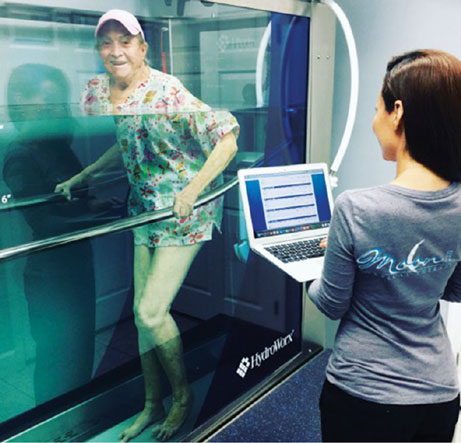
    Sanchia Roberts awoke one morning in 1999 unable to move due to crippling pain. Since then, RA has affected almost all her joints, and her ability to walk independently. Fortunately, Sanchia discovered the benefits of aquatic therapy. “The warm water relieves my pain. My balance, flexibility, strength and confidence improved so much that now I can walk in my house without help and get up from a chair with greater ease.” She surprised herself the other day, “I spilled something on the floor and I was able to pick it up!”

    Patients with RA often get caught in a cycle of pain, fatigue and demotivation, leading to inactivity, which increases pain. Aquatic therapy helps break this cycle by reducing the load on joints, allowing patients to increase muscle strength and achieve aerobic conditioning. Aquatic therapy altered the way Sanchia lives her life with RA — for the better.


    MOON PHYSICAL THERAPY, LLC
    320 Ward Avenue, Suite 107, Honolulu, HI 96814

    Aquatic, Land-based and Manual Therapy and 
Cardiopulmonary Rehab Programs
    808-597-1005  |  www.moonpt.com

    Many confuse rheumatoid arthritis (RA) with osteoarthritis (OA), which stems from different causes and demands a separate therapeutic program. Unlike OA, RA is an autoimmune disorder that affects any age. Onset and loss of mobility may appear almost overnight. Sanchia Roberts awoke one morning in 1999 unable to move due to crippling pain. Since then,…

  • Signs of Hearing Loss

    Generations Magazine - April-May 2016 - Signs Of Hearing Loss - image 01Hearing loss is so gradual that many are not aware their hearing has deteriorated, due to medical conditions, ear infections, ear infections, illness, traumatic injury or prolonged exposure to noise. Hearing loss is not like listening with the volume turned down. Instead, you may notice that certain spoken sounds, like “sh,” “th,” and “f” are more difficult to hear. That’s why people often say they can hear, but can’t understand what is being said.

    If you suspect you may be experiencing hearing loss, consider these questions:

    • Do you often ask others to repeat themselves?
    • Do others ask you to turn down the TV/radio?
    • Is it more difficult to understand conversation when there is background noise?
    • Do people seem to mumble all the time?
    • Do you have difficulty following group conversations?
    • Do you find it difficult to identify from which direction sounds are coming?

    If you answered yes to any of these questions, you may have hearing loss. It is important to talk to an audiologist, who can determine the type and degree of hearing loss and methods to improve your hearing. Don’t wait until you fail to hear that truck backing up!


    HEARING CENTER OF HAWAII
    Dr. Howard Tamashiro, Audiologist
Honolulu and Pearlridge Offices
    808-597-1207   |  www.hearingcenterofhawaii.com

    Hearing loss is so gradual that many are not aware their hearing has deteriorated, due to medical conditions, ear infections, ear infections, illness, traumatic injury or prolonged exposure to noise. Hearing loss is not like listening with the volume turned down. Instead, you may notice that certain spoken sounds, like “sh,” “th,” and “f” are…

  • Noni and Nitrates

    Generations Magazine - April-May 2016 - Noni And Nitrates - image 01Every health food store has products containing Noni, also called Indian mulberry. It grows throughout Southeast Asia, Australia and the Pacific Islands. Hawaiians used noni to heal a variety of health problems, like wrapping noni leaves around sore joints to relieve pain. The ancestors took it by mouth for colic, and urinary problems, digestive problems and also high blood pressure.

    Recently, scientists have taken a close look at noni. The fruit contains potassium, like bananas and potatoes. However, scientists think noni heals us with abundant nitrates and nitrites, much more than found green leafy vegetables. How nitrates affect the body is the focus of ongoing clinical research, but it seems that when we ingest high concentrations of nitrates and nitrites, they activate our bodies to create nitric oxide (NO). NO and nitrogen salts may be beneficial for urinary tract infections, lowering blood pressure and fighting skin infections.

    How our ancestors figured this out is hard to tell, but now science is rediscovering noni just the way Fleming found blue mold and penicillin.

    The best way to tap the healing benefits of noni is to take dried noni powder in capsules. It’s a lot more pleasant than fresh noni fruit. Be sure to ask your doctor before taking supplements or over-the-counter drugs, in case they interact with your current medications or cause troublesome side effects. Be smart, and stay informed, and always look to nature for health.


    KYANI INDEPENDENT CONSULTANT
    808-216-4450  |  tmasudacpa@gmail.com  |  
tamilynmasuda.kyani.net

    Every health food store has products containing Noni, also called Indian mulberry. It grows throughout Southeast Asia, Australia and the Pacific Islands. Hawaiians used noni to heal a variety of health problems, like wrapping noni leaves around sore joints to relieve pain. The ancestors took it by mouth for colic, and urinary problems, digestive problems…

  • Why Drink More Water?

    Generations Magazine - April-May 2016 - Why Drink More Water - image 01
    … because it puts a smile on your face, and a more positive outlook on life.

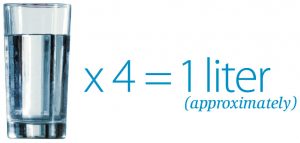
    It is amazing that normal activities of the human body result in a loss of two to three quarts of water daily. This water needs to be replenished to maintain an optimum health profile. Just a two percent drop in body water can trigger fuzzy short-term memory, trouble with basic math and reading skills and difficulty staying focused.

    The more we age, the less we feel thirsty, and the less water we drink. Confusion between hunger and thirst may cause us to eat instead of drink. To maintain health in our elder years, it is very important to build good habits that keep our bodies properly hydrated — drinking the right amount of ionized water will keep our bodies healthy.

    How do we lose water?

    We lose the most water through urination. Healthy kidneys filter our blood and excrete by-products as liquid urine. Diuretic medications cause the body to purge more fluid. If you have kidney disease or take “water pills,” your doctor will give you special instructions on how much water you may drink every day.

    Warm weather in Hawai‘i causes us to perspire and lose water. Some chronic disease conditions also cause us to sweat more.

    Dry, climate-controlled environments dehydrate skin, nasal passages and mouths. Every time we breathe out, our lungs lose moisture.

    A smaller but important source of dehydration comes with the use of laxatives and other remedies for constipation. Increasing fiber for regularity and to keep our gut healthy requires increasing water intake at the same time. When we have bouts of diarrhea it is very important to drink water to replace lost fluid.

    A properly hydrated body can maintain proper blood and tissue composition. Joints are lubricated, body temperature is regulated and lungs and airway are moistened for proper breathing. Over time, inadequate hydration or dehydration may lead to arthritic conditions, sore muscles, labored breathing and increased body temperatures.

    Symptoms of dehydration:

    Confusion
    Chronic fatigue and lethargy
    Drowsiness
    Labored Speech
    Chronic pain
    Dry Mouth
    Sunken Eyeballs
    Passing only small amounts of dark, deep yellow odorous urine

    Other Complaints with dehydration:

    Loss of muscle tone
    Excess weight gain
    Slowing of the metabolism
    Organ failure
    Arthritis
    Dry skin
    Migraines
    Vertigo
    Hypertension
    Digestive complications
    Persistent constipation

    Seniors may get dehydrated without knowing it, and experience chronic physical and mental problems that could be easily corrected by drinking adequate amounts of the right kind of water. Unless your doctor has asked you to restrict your water intake, drink two to three quarts of ionized water every day — it takes a little practice, so start now. Here’s to your health!


    Enagic USA INDEPENDENT DISTRIBUTOR
    Alan Matsushima, Health and Wellness Consultant

    808-384-7354  |  trader_808@yahoo.com

    It is amazing that normal activities of the human body result in a loss of two to three quarts of water daily. This water needs to be replenished to maintain an optimum health profile. Just a two percent drop in body water can trigger fuzzy short-term memory, trouble with basic math and reading skills and…

  • Water Does Matter

    There are many common misunderstandings about water, H20, the second most important resource our bodies need to function properly. Here are some common questions and misconceptions:

    Generations Magazine -Water Does Matter - Image 01Some say water is water.

    Most of us think that bottled, purified water is better for us to drink because it has gone through a filtration process. We prefer it over water that comes out of the tap. There is another kind of water, so different from bottled and tap water, and the only similarity is that it looks like just regular water. It is called “ionized” water. Ionization is the process whereby water passes over electrically charged medical-grade metal plates and undergoes a transformation. Single-source or tap water molecules separate into two kinds of water, alkaline and acidic water, each with negative and positive electrical charges. The pH (acid or alkaline properties) change, and the water molecules are restructured for more efficient absorption by the body.

    What makes water good to drink?

    From a health and wellness standpoint, the best water to drink is water that can hydrate you on a cellular level, to neutralize free radicals and alkalize your body. Ionized water has these special capabilities.

    What’s the importance of optimum water pH?

    The pH or “power” of hydrogen is a measurement of the acidity or basicity of a liquid. The optimum pH of circulating human body fluids should be about 7.365, which is slightly alkaline. Most people are slightly acidic due to lifestyle conditions. A chronic acidic state results in a compromised health profile, often followed by sickness and pain.

    Why is ionized water the best water to drink?

    A major cause of most illnesses and a state of compromised health can be traced to a body that is hyperacidic and dehydrated. Ionized water is the best water to drink because it is the most effective and efficient liquid to alkalize and rehydrate the body.

    How does ionized water work within the body?

    When you consume ionized water, the negatively charged, ionized, alkaline restructured water will rapidly move through your organs into your cellular level while it is neutralizing free radicals and hydrating the body.

    What are the beneficial effects of drinking ionized water?

    Some people will experience increased positive energy levels, easier elimination of body wastes and reduced pain from inflammation-type ailments (arthritis, gout, acid reflux). People also report improved skin tone (”shiny” or “rosy”) and overall body toning.

    Does ionized water cure illness?

    Ionized water does not cure anything. However, when a state of balance is attained, the body is better able to cure itself. The medical term is “homeostasis.” Consuming ionized water is one of the most effective ways to reach this natural state of balance in the body


    ENAGIC USA INDEPENDENT DISTRIBUTOR Alan Matsushima, Health and Wellness Consultant 808-384-7354 | trader_808@yahoo.com

    There are many common misunderstandings about water, H20, the second most important resource our bodies need to function properly. Here are some common questions and misconceptions: Some say water is water. Most of us think that bottled, purified water is better for us to drink because it has gone through a filtration process. We prefer…

  • Three Ways to Prevent Alzheimer’s

    Living longer is an important goal — but not if we can’t remember our friends, loved ones and even who we are. Long life is one of the reasons why Alzheimer’s disease (AD) can be so devastating. Here are three important things you can do to prevent Alzheimer’s disease:

    VITAMIN D

    This nutrient has long been known to be important for healthy bones, but scientists now believe that vitamin D may be extremely important in maintaining brain health. In a study published this year in the Archives of Internal Medicine, researchers observed over 1,600 seniors for six years. Participants who were only mildly deficient in vitamin D were 53 percent more likely to develop dementia. Those who were severely deficient were 125 percent more likely to develop dementia. While this was just a correlational study, there are other benefits to vitamin D that make it a good idea to consider optimizing your blood level of vitamin D.

    The recommended blood level of vitamin D, or 25-OH-D3, is up around 50 nanograms/milliliter (ng/ml). You do have to be careful not to go too high, so your physician should monitor your blood periodically.

    REDUCE YOUR NEED FOR STATINS

    Controlling cholesterol is also very important in preventing AD. I think we all are aware that high cholesterol can lead to heart attacks and strokes. What most people don’t know is that memory loss can be a result of mini strokes. Memory loss can also result from the slow decline in brain circulation due to cholesterol causing a narrowing of arteries. So it is important to keep cholesterol under control to prevent mini strokes and reduced blood flow to the brain.

    What surprises most people, however, is that very popular “statin” drugs taken to lower cholesterol may also cause memory loss. Statins work by blocking the production of cholesterol.
    Unfortunately, statins also block the enzyme that makes coenzyme Q10 (CoQ10) which is required for energy. Because the brain requires this energy to function, it is not surprising that statins can contribute to memory loss. This statin side effect is why it is so important to lower your cholesterol through diet and to reduce your need for statin drugs.

    TRY GREEN TEA

    One of the hallmarks of AD is the presence of “amyloid plaques” in brain tissue. These plaques disrupt the connections between nerve cells in the brain. As a result, mental function declines. Several studies suggest that green tea may be helpful in preventing the formation of these plaques. Research published in the “Proceedings of the National Academy of Sciences” by Chinese scientist Mi Hee Lim and her team shows that one of the compounds in green tea is a powerful flavonoid known as Epigallocatechin gallate (EGCG). It binds to beta-amyloid protein and prevents it from forming plaques. So consider drinking green tea as a possible way to ward off AD.


    WELLNESS CENTER Complimentary and Alternative Medicine 600 Queen St., Ste. C2, Honolulu HI 96813 808-628-8784 | www.askdrshintani.com

    Living longer is an important goal — but not if we can’t remember our friends, loved ones and even who we are. Long life is one of the reasons why Alzheimer’s disease (AD) can be so devastating. Here are three important things you can do to prevent Alzheimer’s disease: VITAMIN D This nutrient has long…

  • The Benefits of Walking: Happiness & Health

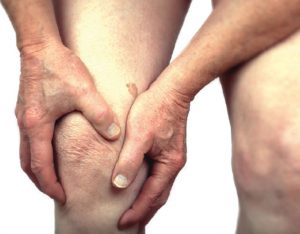
    Walking, a simple exercise that is good for nearly everyone, is one of the best forms of exercise for people
    with arthritis. Walking strengthens your heart, helps your lungs work more efficiently and helps maintain joint flexibility. For people with arthritis, joint flexibility and muscle strengthening are important because joints may become limited in mobility and muscles weaken with inactivity. Walking can help you gain all the added benefits of exercise, including weight loss and stress control. It is also an easily accessible exercise and doesn’t require gym membership, expensive equipment or special skills.

    Walking is one of the safest forms of exercise, as it puts less stress on the body than most other forms of aerobic exercise. Walking is considered a light intensity activity that builds stamina and boosts cardiovascular fitness. Many people who begin a walking program report feeling happier, more in shape, a renewed sense of energy and a reduced feeling of pain.

    Walking has many other benefits for your mind, body and spirit. You can walk with friends or family members, walk with your pet or start a walking program, such as the Arthritis Foundation’s Walk With Ease, at your workplace. You can listen to music or an audio book while walking, plan your walk routes around different neighborhood parks or sites, or participate in a fundraising walk.

    When you start walking, make sure you warm up and cool down for a few minutes before and after your walk. It is always good to include some gentle stretches to get your muscles moving. Walk at your own pace — one that is comfortable for you. It is also important to stay hydrated. You may want to bring a bottle of water or a sports drink with you.

    As always, before starting any exercise plan, it is suggested that you talk to your doctor or health professional
    to determine the best level of intensity and length of time for your walks. Make sure that you have the appropriate shoes for walking — shoes should have flexible soles, good arch support and cushions inside. Wear loose and comfortable clothing that keeps you cool while you walk. Always remember to walk in a safe area; let others know your route and when you plan to return, and carry your cell phone in case of any emergency.

    The Arthritis Foundation’s Walk With Ease Program is designed for people with arthritis. For more information on this or other programs, please visit www. arthritis.org/hawaii or call 808-596-2900


    ARTHRITIS FOUNDATION 2752 Woodlawn Drive, Honolulu, HI 96822 808-596-2900 | info@arthritis.org/hawaii www.arthritis.org/hawaii Information in this article is from the Arthritis Foundation’s Walk With Ease, Walking and Arthritis, and Exercise and Arthritis.

    Walking, a simple exercise that is good for nearly everyone, is one of the best forms of exercise for people with arthritis. Walking strengthens your heart, helps your lungs work more efficiently and helps maintain joint flexibility. For people with arthritis, joint flexibility and muscle strengthening are important because joints may become limited in mobility…

  • Older Adults Adapting to Limb Loss

    Older Adults Adapting to Limb LossStatistics show that a majority of U.S. patients who require an amputation are age 65 and older. Amputation will likely intensify feelings of dependency, depression and helplessness: I’m too old now to learn to live without a limb. Who cares anyway? Who knows how many years I have to live?

    Limb loss is a serious challenge, and the more flexible and open-minded you are, the more quickly your body will heal and your lifestyle will adjust.

    A positive outlook and hard work can improve one’ recovery. Take 71-year-old Paula Harris, who was struck in a crosswalk by a truck and lost part of her right foot.

    “I have always been self-sufficient and it definitely took the wind out of my sails at first,”she said. “Anxiety and thinking I’ never walk again started to go away as soon as I began physical therapy. I found a PT who listened to all I was dealing with. Her encouragement and coaching kept my eye on the prize of walking again.”

    Paula’s sense of purpose motivated her to stay active and mobile. She looked beyond her age and pushed herself to higher levels of rehabilitation —driving, dancing and golf. If you are aging with limb loss, a new amputee or a caregiver, I hope Paula’s story will inspire you.


    Moon Physical Therapy, LLC
    320 Ward Avenue, Suite 107, Honolulu, HI 96814
    Aquatic, Land-based and Manual Therapy and
    Cardiopulmonary Rehab Programs
    808-597-1005 | www.moonpt.com

    Statistics show that a majority of U.S. patients who require an amputation are age 65 and older. Amputation will likely intensify feelings of dependency, depression and helplessness: I’m too old now to learn to live without a limb. Who cares anyway? Who knows how many years I have to live? Limb loss is a serious…