Category: Health

  • Neuroplasticity: Key to Stroke Recovery

    Many people who suffer from a stroke lose hope and resign themselves to their “new normal.” But it doesn’t have to be this way. Here are some important recovery ideas:

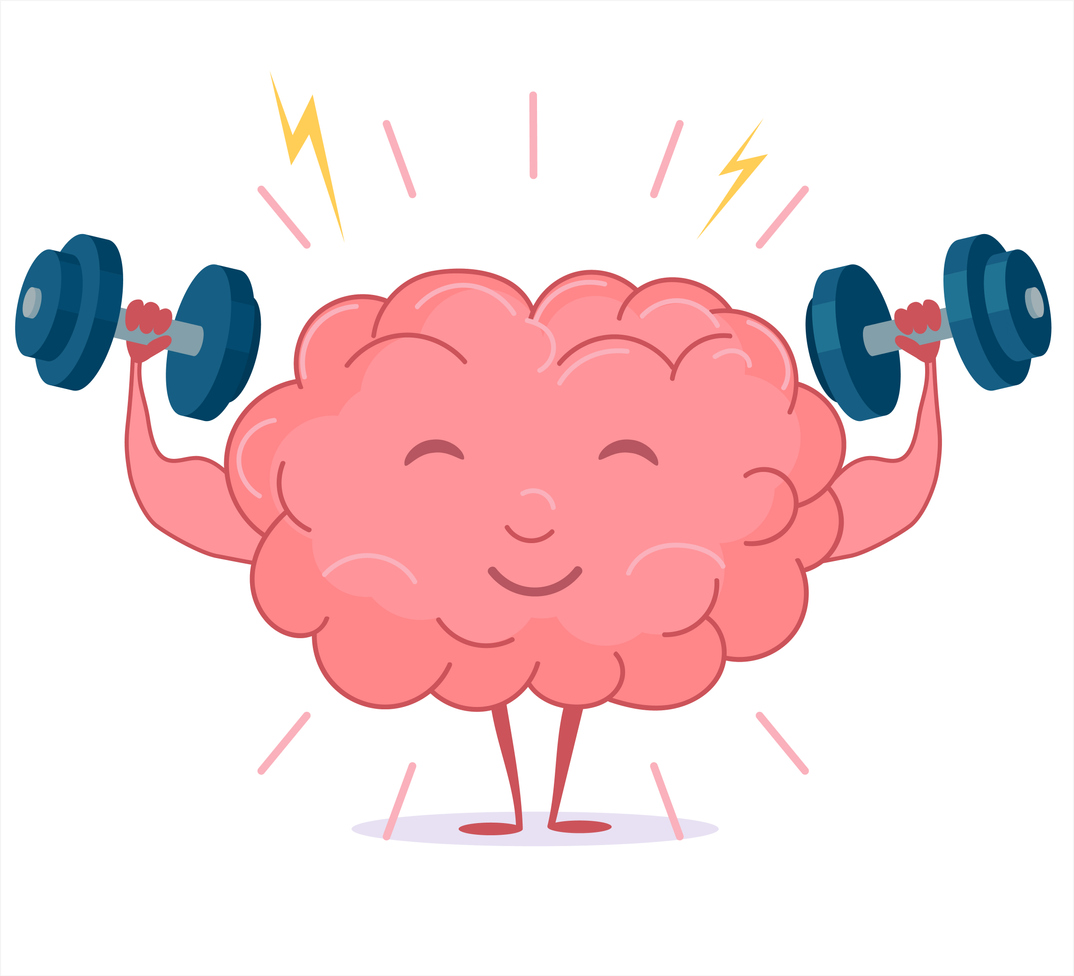
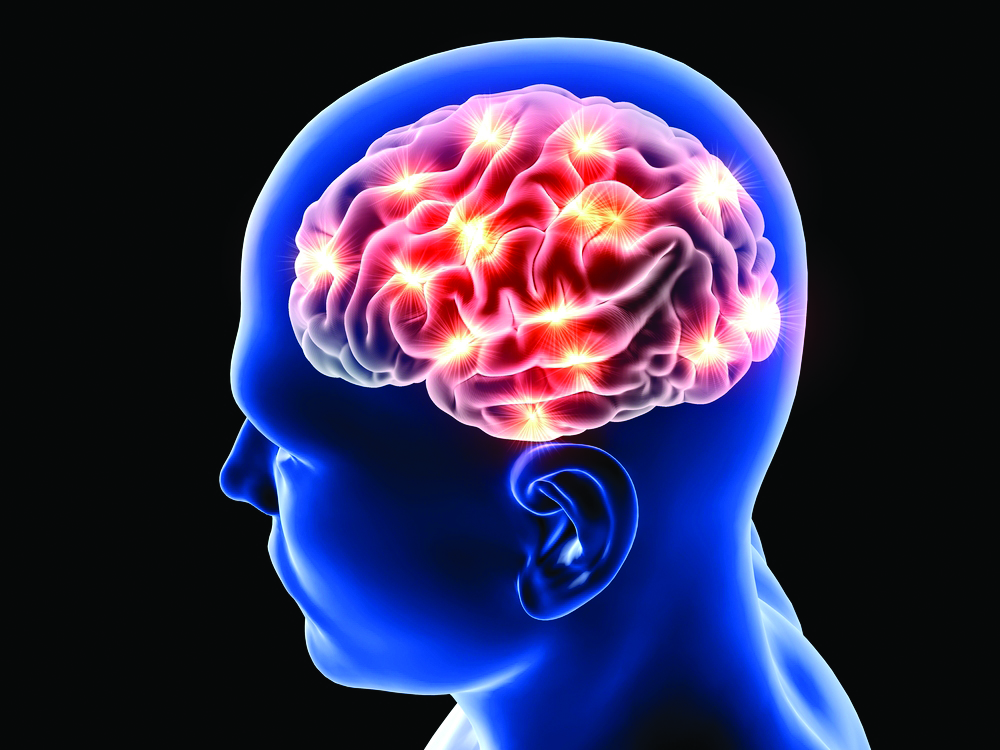
    Heal the brain, heal the body. When the brain is deprived of oxygen-rich blood during a stroke, it leads to brain damage. Although this damage cannot be reversed, it is possible to train other parts of the brain to take over specific tasks. This process is called neuroplasticity. Neuroplasticity allows healthy parts of the brain to pick up the slack, thus helping to regain lost functions, such as movement and speech.

    Repetition helps activate neuroplasticity. In order to recover from a stroke, your brain needs a lot of repetition of exercises to successfully rewire itself and heal. The more repetitions performed, the more functions, such as your mobility, will improve. But this doesn’t just apply to exercise. You can also regain most abilities (language and memory)
    by practicing these skills.

    Stimulate key areas of the brain. Alternative therapies such as acupuncture can stimulate key areas of the brain, helping to improve mobility and sensory issues. It can also help with fine motor skills, swallowing, balance, speech and vision.

    Believe in recovery. Our biggest obstacle is ourselves. Remember that recovery only stops when we stop believing in recovery!


    NEEDLES OF HOPE
    1314 S. King St., Ste. 1050, Honolulu, HI 96814
    808-450-2527 | kathy@needlesofhope.com
    www.needlesofhope.com

    Many people who suffer from a stroke lose hope and resign themselves to their “new normal.” But it doesn’t have to be this way. Here are some important recovery ideas. Heal the brain, heal the body. When the brain is deprived of oxygen-rich blood during a stroke, it leads to brain damage. Although this damage…

  • The Power of One-Minute Exercises

    Is more exercise on your list this  year? Was it on last year and the previous years’ as well? Don’t feel bad — exercise holds the No. 1 spot in U.S. surveys as a resolution to be made and broken.

    So how can you make this year’s intention a success? All you need is one minute each hour to move your body or practice deep breathing. Studies have shown that by being mindful of your movement and breathing for one minute every hour, your focus and concentration will also improve. Smiling helps, too.

    Set your alarm on your phone to ring throughout the day, and when it does, set a timer and then move. You don’t need special equipment. Just spend that time observing your body. You can do slow neck rolls or shake your hands, or march. It doesn’t have to be difficult exercise — any movement, when done mindfully and with intention can be very beneficial to your body and your brain. Even tapping your body all over for one minute can get the blood flowing and boost your endorphins to make you feel good. Ten “1-minutes” a day is recommended to improve circulation and help you sleep better.


    BODY & BRAIN YOGA/TAI CHI
    Honolulu 808-596-9642 | Aiea 808-486-9642
    Kaimuki 808-738-5522
    Manoa Energy Healing Center 808-691-9642
    www.bnbenergyhealing.com
    www.bodynbrain.com | www.bodynbrain.com/manoa

    Is more exercise on your list this  year? Was it on last year and the previous years’ as well? Don’t feel bad — exercise holds the No. 1 spot in U.S. surveys as a resolution to be made and broken. So how can you make this year’s intention a success?

  • Pneumonia: No. 1 Cause of Death

    Community-acquired pneumonia (CAP) is one of the most common types of conditions primary care providers encounter in the United States. It is also the most common infectious cause of death. CAP accounts for nearly 4.5 million doctor visits annually and is the second most common cause of hospitalizations.

    Risk factors for contracting CAP include:

    • Older age: risk increases as you grow older, especially for those 65 years and older
    • Chronic respiratory disease: higher risk patients include those who smoke or have smoked, have COPD, bronchiectasis, asthma or other illnesses
    • Chronic diseases such as diabetes, congestive heart failure or stroke
    • Other immuno-compromising conditions, such as asplenia and HIV

    How can you protect yourself from community acquired pneumonia?

    Get vaccinated! The pneumococcal vaccination can help prevent this illness. The vaccine should be routine for those 65 and older. Generally, the vaccine is not recommended for healthy adults younger than 65—unless they are immuno-compromised. Check with your primary care provider to ensure your vaccination is up to date.

    What types of vaccine do you need?

    The following information will help you prepare to speak with your doctor. Pneumovax PPSV23 vaccine is recommended for adults 65 and older. It is typically administered every 10 years for patients who do not have any significant immuno-compromising conditions. The Pneumovax vaccine generally protects you against more than 50 percent of the causes of pneumococcal disease. Streptococcus pneumoniae, the leading bacterial cause of pneumonia worldwide, is part of Pneumovax PPSV23’s immunity.

    The Prevnar PCV13 vaccine contains protection from 13 other types of pneumonia-causing bacteria. Currently, medical guidelines have been updated to include this additional vaccine for those 65 and over on a case-by-case basis only, because the incidence of pneumonia caused by these bacteria is actually very low.

    Consult your doctor about these vaccines.


    HOUSE CALL MEDICAL PRACTICE LLC
    808-726-5062 | Housecallmed@gmail.com
    www.housecallmedhawaii.com
    The medical information in this article does not replace advice from your doctor or other professional healthcare provider.

    Community-acquired pneumonia (CAP) is one of the most common types of conditions primary care providers encounter in the United States. It is also the most common infectious cause of death. CAP accounts for nearly 4.5 million doctor visits annually and is the second most common cause of hospitalizations.

  • Smooth Out Those Hard Knots!

    Chronological age does not always reflect the biological age of a person. One way to look and feel much younger than your driver’s license reveals is to stay mentally, socially and physically active.

    Functional mobility keeps seniors strong, active and independent for as long as possible. Functional fitness is the physical capacity to perform normal everyday activities safely and independently without undue fatigue. But 43 percent of people over 65 have functional limitations due to inactivity.

    The good news is that early detection of physical weakness and appropriate changes in physical activity habits can reverse the path toward disability. Immobility is preventable and reversible through proper physical activity and exercise levels.

    Lack of physical activity can lead to dry, tight, hard fascia, which can cause chronic pain. Fascia is the connective tissue in our bodies. Keeping fascia in good condition requires consistent movement, which can help facilitate the healthy flow of lymphatic fluids throughout the body, keeping the body free of inflammation and pain by providing hydration of the tissues.

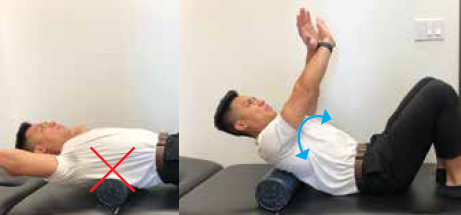
    Self-myofascial release (MFR) using a hard cylindrical roller is one method of training the fascia. When we put pressure on our tissues, old inflammatory wastes are purged and fresh, new fluid flows in when the pressure is released. This hydrates the fascia, making it more pliable and resilient to injury.

    Smooth out those hard knots, returning the fascia to its normal fluid and adaptable self with myofascial release.


    FRAN PATOSKIE
    Certified Trainer and Fascianation Method Practitioner
    808-349-5598 | franpatoskie@gmail.com

    Fascianator class locations:

    Wainani Wellness Center
    1144 10th Ave., Ste. 302, Honolulu, HI 96816
    Wednesdays at 5pm

    The Pacific Club
    1451 Queen Emma St., Honolulu, HI 96813
    Mondays at 1:30pm

    Honolulu Christian Church (faith-based class)
    2207 Oahu Ave., Honolulu, HI 96822
    Mondays and Thursdays at 5:15pm

    Chronological age does not always reflect the biological age of a person. One way to look and feel much younger than your driver’s license reveals is to stay mentally, socially and physically active. Functional mobility keeps seniors strong, active and independent for as long as possible.

  • Are You Golf-Ready?

    Golf is a popular sports activity. Unlike most sports, it can be played throughout the golden years, if you can stay in shape and avoid injury. The American Physical Therapy Association says that older golfers often forget that while their passion for the game remains high, their bodies have aged. As we age, we lose flexibility, muscle mass and strength. Because the golf swing’s extreme bending and twisting movements are not natural for the body, senior golfers are at a greater risk of injury. Correct body mechanics on or off the course (lifting golf bags, etc.) play a larger role in preventing injuries. Warm-up exercises before starting a game are essential to prevent injury and continuing with these exercises during the game will help muscles recover faster and maintain muscular balance. Keeping yourself in shape with year-round conditioning, balance, strength, endurance and flexibility training ensures an injury-free game. Try these stretches:

    Anterior Shoulder Stretch:
    Increases range of motion (ROM). Standing, hold your golf club behind your back with palms outward. Raise the club upwards until a stretch is felt in the front of your shoulders and chest. Hold 20 to 30 seconds. Do 2 to 3 sets.


    Trunk Extension:
    Increases trunk ROM and prepares muscles for your golf swing (reduces back injury.) Stand holding your golf club with both hands (palms outward), resting the club on the small of your back. Bend backwards slowly. Hold for 2 seconds and return. Repeat 5 to 10 times.


    Trunk Rotation:
    Stand in the golf posture with your club behind your neck on your shoulders and grasp each end. Slowly and with control, rotate your upper body back, simulating a golf swing. Stretch the trunk region. Repeat 10 times.


    Wrist Stretches:
    Increase flexibility. Start with one arm held outward horizontally, elbows straight, palm down. Use your other hand to bend your wrist downward. Hold it for 20 to 30 seconds. Then turn your palm upward and repeat. Do 2 to 3 sets per wrist.


    Moon Physical Therapy LLC
    Aquatic, Land-based and Manual Therapy and Cardiopulmonary Rehab Programs
    320 Ward Avenue, Ste. 107, Honolulu
    808-597-1005 | www.moonpt.com

    Golf is a popular sports activity. Unlike most sports, it can be played throughout the golden years, if you can stay in shape and avoid injury. The American Physical Therapy Association says that older golfers often forget that while their passion for the game remains high, their bodies have aged. As we age, we lose…

  • Make the Most of Your Doctor Visit

    Most people only visit the doctor a few times a year, so it’s important to make the most of your appointment. The more information you share with your physician, the better he or she can take care of you.

    1. Bring a list to your appointment
    Before you go to the doctor, make a list of questions and complaints. Put the important questions and complaints at the top of the list. Talking with your doctor can help identify and address any potential issues, allowing you to get better quickly.

    2. Write down the answers
    During the visit, take notes. Your doctor is experienced in discussing complex medical topics and explaining them to make them easy to understand. So, do not be shy! Be sure to ask questions if you do not understand something.

    3. Follow through
    Keep your notes from the doctor’s visit and follow through. Write down any changes you see. Bring your updates to your next appointment. This can help your doctor determine what is working the next time you talk.

    Your doctor’s goal is to provide you with the care you deserve at every visit. You are a key part of your health and wellness. It is important to work as a team to achieve your optimal health.


    MDX HAWAI‘I
    500 Ala Moana Blvd., Ste. 2200, Honolulu, HI 96813-4993
    808-522-7500 | www.mdxhawaii.com
    Care coordination for Medicare Advantage Plans: Humana HMO, Humana PPO, and UnitedHealthcare AARP Medicare Advantage PPO on O‘ahu, Maui and Kaua‘i.

    Most people only visit the doctor a few times a year, so it’s important to make the most of your appointment. The more information you share with your physician, the better he or she can take care of you.

  • Vaping: The New Lung Killer

    Everyone knows that secondhand cigarette smoke is a lung irritant. When the vaping craze started in 2015, I watched family members switch from tobacco cigarettes to a fancy little device called a MOD. It was thought then that vaping wouldn’t affect other people.

    But working in healthcare for over 20 years and having a grandmother who passed away from pneumonia, I thought about the patients in an ICU suffering from serious cases of pneumonia due to water in their lungs. It occured to me that if vaping is a water-based vapor and is inhaled directly into your lungs, how could it be safer?

    We now know that vaping kills. And it can kill faster than tobacco. These battery-powered MODs can also malfunction. To date, there have been about 316 MOD explosions, 219 of them resulting in death or personal injury. Exploding MODs are known to knock out teeth — in some cases, the entire jaw. Vaping has also caused serious lung problems. Teens have have been reported as needing ventilators to help them breathe. According to the CDC, at least 1,479 lung injury cases and 33 deaths have been attributed to vaping as of Oct. 15, 2019.

    The problem is serious. If you or someone you know vapes or smokes, share these statistics with them and help save a life.


    ISLANDS SKILLED NURSING & REHABILITATION
    205 Alexander St., Honolulu, HI 96826
    Kelika Ishtol, Director of Community Relations 808-284-0003
    kishol@islandsnr.com
    www.islandsnr.com

    We now know that vaping kills. And it can kill faster than tobacco.

  • How to Choose the Right Assistive Device

    If you have developed a fear of falling as you have aged, you may want to consider using an assistive device . A physical therapist can test and fit you with the proper type — or you may be able to decide what is best for you by reading these tips and recognizing signs:

    You may need a cane if you grab walls, furniture and counters looking for more support as you walk. If you already use a cane and still reach for support, it may be time for a four-wheel walker.

    Four-wheel walkers provide more support and mobility. The seat allows for breaks from longer tasks, such as marketing. However, those who use increased arm pressure on the walker for support will experience difficulty controlling it.

    If you are still feeling unstable and have a fear of falling, a front-wheel walker may be what you need. These walkers are lighter and have only two wheels, providing more control. Adding tennis balls, skis or sliders to the walker’s back legs can alter the speed and smoothness of the walker to accommodate various surfaces.


    MAKAI MOBILE REHAB LLC (In-Home Physical Therapy)
    Jason Dacumos PT, MPT President/Owner
    808-783-9320 | jason@makaimobile.com
    www.makaimobile.com

    If you have developed a fear of falling as you have aged, you may want to consider using an assistive device . A physical therapist can test and fit you with the proper type — or you may be able to decide what is best for you by reading these tips and recognizing signs:

  • Wellness Means Training Your Body & Brain

    Tai chi is a great way to incorporate strength, movement and breathing, aligning your mind, body and spirit while helping the body heal itself. Through a balanced mix of exercise and ancient Eastern medicinal philosophy, tai chi and qigong training can help seniors improve fitness and gain deeper insight to mastering the mind and emotions, which can help lower blood pressure and create meaningful longevity.

    Most pain is caused when energy gets blocked, creating inflammation. When energy flows again, pain decreases. Tai chi offers natural stretching and controlled slow movement to open meridian channels throughout the body, allowing energy to flow and improving blood circulation to the heart and brain.

    Qigong is another gentle healing practice very similar to tai chi that emphasizes meditation and energy accumulation for self-healing. It helps to move energy to the chakras (energy centers in the body) that release energy for the brain and organs. Both practices can improve mental and physical health.

    Check out group classes to enjoy the company of other health-conscious seniors.


    BODY & BRAIN YOGA/TAI CHI
    Honolulu 808-596-9642
    Aiea 808-486-9642
    Kaimuki 808-738-5522
    Manoa Energy Healing Center 808-691-9642
    www.bnbenergyhealing.com
    www.bodynbrain.com

    Tai chi is a great way to incorporate strength, movement and breathing, aligning your mind, body and spirit while helping the body heal itself.

  • Alternative Strategies for Sleep Apnea

    About 50 to 70 million people in the U.S. are chronic sleep apnea sufferers; more than 85 percent of them are undiagnosed.

    The Mayo Clinic defines sleep apnea as a potentially serious sleep disorder in which breathing repeatedly stops and starts. Sleep apnea sufferers may snore loudly and feel tired, even after a full night’s sleep.

    There are two main types of sleep apnea:  Obstructive Sleep Apnea (OSA) commonly occurs when an airway collapses when you sleep; Central Sleep Apnea (CSA) occurs when your brain doesn’t send the proper signals to the muscles that control breathing. A person with OSA may  experience shallow breathing and possible pauses in breath. Breathing interruptions can last anywhere from a few seconds to over a minute and occur up to 30 times an hour. These disturbances can cause extreme fatigue the following day.

    Signs of Sleep Apnea
    •  Has anyone noticed that you gasp for air or even stop breathing while you are sleeping?
    • Do you often wake up “unrefreshed?”
    • Are you excessively sleepy during the day?
    • Has your energy and motivation decreased?
    • Do you find it difficult to concentrate?
    • Do you have high blood pressure?
    • Have you suffered a stroke or heart attack?
    • Do you have type 2 diabetes?

    Serious Risks to Your Health
    •  High blood pressure, heart disease, stroke, depression and greater risk of dying from cancer.
    •  60 to 65 percent of diabetic patients have OSA.
    •  83 percent of those on blood pressure meds have sleep apnea.
    •  A person with untreated sleep apnea is seven times more likely to be involved in a vehicle accident.

    What Are the Treatment Options?
    • CPAP machine is the No. 1 treatment choice.
    • Oral appliance made by a dentist.
    • Various types of surgery.

    How Does an Oral Appliance Work?
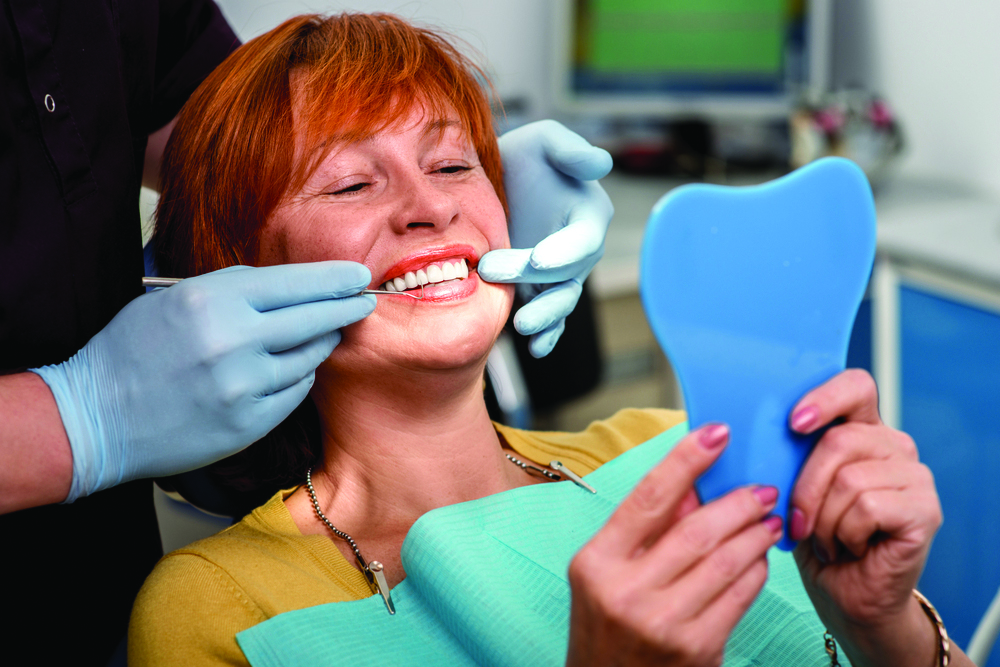
    An oral appliance keeps the lower jaw in a for- ward position, bringing the back of the tongue forward and opening up the airway. It is recommended for patients with mild or moderate sleep apnea and those who cannot tolerate a CPAP (Continuous Positive Airway Pressure) machine. Severe sleep  apnea is usually treated with a CPAP or surgery.

    For more information on CPAP alternatives, see your dentist or primary care physician.


    LANCE I. TERAMOTO, DDS, DASBA
    4747 Kilauea Ave., Ste. 101, Honolulu, HI 96816
    Free consultations: 808-737-9882
    www.smilesofaloha.com

    About 50 to 70 million people in the U.S. are chronic sleep apnea sufferers; more than 85 percent of them are undiagnosed. The Mayo Clinic defines sleep apnea as a potentially serious sleep disorder in which breathing repeatedly stops and starts. Sleep apnea sufferers may snore loudly and feel tired, even after a full night’s…

  • Tips for Healthy Knees

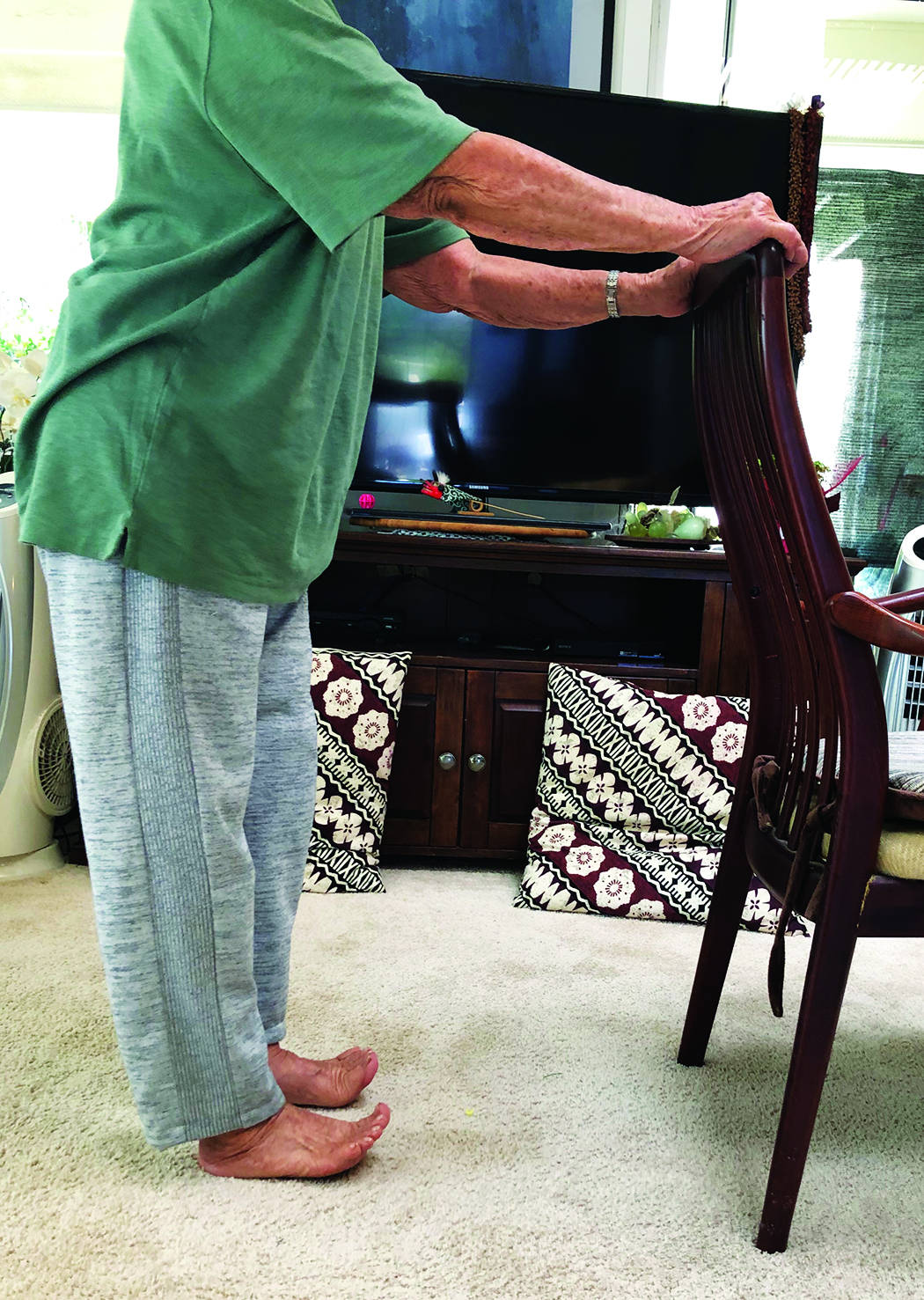
    The majority of patients who come into my office do not realize they lock or hyper-extend their knees while standing or walking. They often do this out of habit or because of weakness. Generally, locking your knees transfers stress from supporting muscles to the knee joint, compressing it. The result is decreased mobility and blood flow and increased friction that can lead to pain or wearing away of the joint. While standing, you should be able to contract your quads so that your kneecaps lift. If you can’t see your kneecaps lifting, you are probably locking.

    Proper strengthening is essential. Strengthening of the quads and hamstrings used to be recommended. We now know that strengthening the muscles surrounding the hip and correcting foot alignment will reduce stress on the knee joint. The following exercise will target the entire leg to maximize knee function:

    ◆ Wrap a resistance band around your thighs and align your feet under your hips. Push your toes down like you’re gripping the floor to create an arch under your foot. Bend your knees slightly and push them out against the band, hold up to 30 seconds and relax. Repeat 10 times.


    MOON PHYSICAL THERAPY, LLC
    320 Ward Ave., Ste. 107, Honolulu, HI 96814
    95-1057 Ainamakua Drive, F-11, Mililani, HI 96789
    808-597-1005 | www.moonpt.com

    The majority of patients who come into my office do not realize they lock or hyper-extend their knees while standing or walking. They often do this out of habit or because of weakness. Generally, locking your knees transfers stress from supporting muscles to the knee joint, compressing it. The result is decreased mobility and blood…

  • The Benefits of Neuro-Acupuncture

    Ancients 3,000 years ago implicitly understood how stimulating acupuncture points with very thin needles could affect both our central and peripheral nervous systems. The central nervous system is made up of our brain and spinal cord, while the peripheral nervous system is the system of nerves outside the brain and spinal cord.

    For low back pain, for example, a needle is inserted into the area and a signal is sent through the nervous system to the brain, where natural painkillers are released. Some of these are 10 to 200 times stronger than morphine!

    Chinese needling has now joined forces with neuroscience, creating neuro-acupuncture, also known as scalp acupuncture, because specific areas of the scalp are needled to stimulate the underlying brain cells.

    By stimulating areas on the scalp that are associated with motor, sensory or other functional impairment, brain cells are induced to make new connections. Surrounding neurons are also recruited to rewire circuitry and restore lost abilities. Making new connections is important for persons recovering from a stroke or who suffer from tremors or neuropathy.


    NEEDLES OF HOPE
    1314 S. King St., Ste. 1050, Honolulu, HI 96814
    808-450-2527 | kathy@needlesofhope.com
    www.needlesofhope.com

    Ancients 3,000 years ago implicitly understood how stimulating acupuncture points with very thin needles could affect both our central and peripheral nervous systems. The central nervous system is made up of our brain and spinal cord, while the peripheral nervous system is the system of nerves outside the brain and spinal cord.