Category: Health

  • Staying Healthy During Flu Season

    With so many different virus strains circulating, a flu shot is not the only defense for staying healthy. Preventative measures are the key to keeping illness at bay and avoiding giving the unwanted gift that keeps on giving. By being proactive and having a plan, you can raise the odds of staying flu-free.

    Aside from sanitary best practices, such as washing your hands often, eating lots of fruits and vegetables, getting adequate rest and managing stress levels , exercise should be a part of your wellness plan. Among the obvious benefits of increased strength, energy and stamina, staying active on a regular basis helps with gut health, an important component of a robust immune system. Most people understand the concept, yet few will put it into action if exercise is not already part of their daily routine. Finding time throughout the day to stretch or do squats, even if it’s only in one-minute intervals, will boost your immunity.

    Beyond taking care of the physical body, emotional health is important, too. Fear can have adverse effects on the immune system. Be mindful of what information you are feeding your brain and how it makes you feel. Avoiding news and conversations that incite fear can be one of the most important things you can do. Positive emotions combined with self-care can help you thrive.


    BODY & BRAIN ENERGY HEALING CENTER MĀNOA
    2851 E Manoa Road #1-207, Honolulu, HI 96822
    808-691-9642 | www.bnbenergyhealing.com/manoa

    With so many different virus strains circulating, a flu shot is not the only defense for staying healthy. Preventative measures are the key to keeping illness at bay and avoiding giving the unwanted gift that keeps on giving. By being proactive and having a plan, you can raise the odds of staying flu-free.

  • How to Protect Yourself Against Coronavirus

    Persons over 55 with chronic diseases can die from the flu and COVID-19, the disease caused by the coronavirus. These diseases enter your lungs through your eyes, nose or mouth. Most people pick up viruses left on surfaces by infected persons. Flu bugs can live on surfaces, clothing and towels for up to two weeks! Since we touch our faces up to 90 times a day, breaking that habit will help keep us healthy.

    Stay clear of surfaces that other people have touched and their rubbish, as well as clothing sick people have worn. Wash your hands before putting on glasses, touching your hair, scratching your nose or mouth, or eating.

    Hand Washing

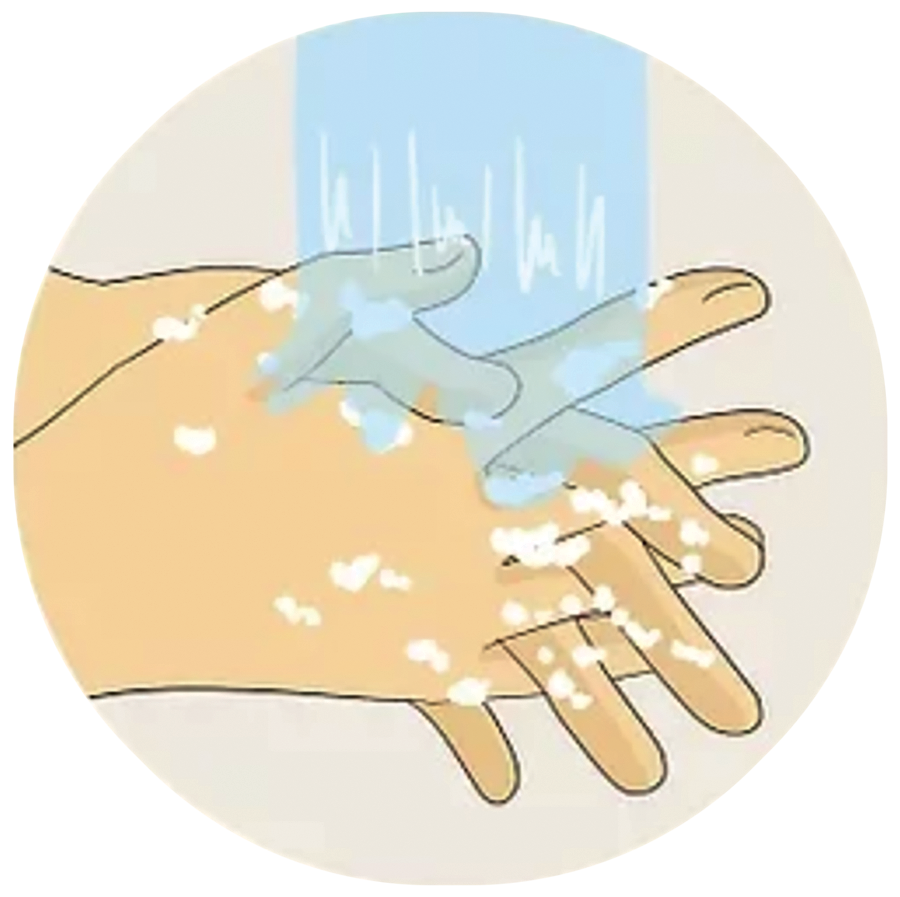
    Good hygiene is the best defense against viruses. Visit www.cdc.gov and read “When and How to Wash Your Hands.” Soap, water and friction cleanse your hands. Even hand sanitizer requires the friction of rubbing the hands together to lift off the oils that viruses stick to.

    Rub your wet, soapy hands together front and back — get under the nails. Continue 20 seconds — the time it takes to sing a full version of Happy Birthday. Rinse well and dry hands with a paper towel before turning off the faucet with the towel. Keep the towel to open the restroom door. Consider all faucets, doors and flush handles contaminated.

    Gloves

    Wearing gloves at the doctor’s office, and while shopping and running errands will protect your hands, but the greatest advantage may be that gloves remind you not to touch your face.

    Paper Masks

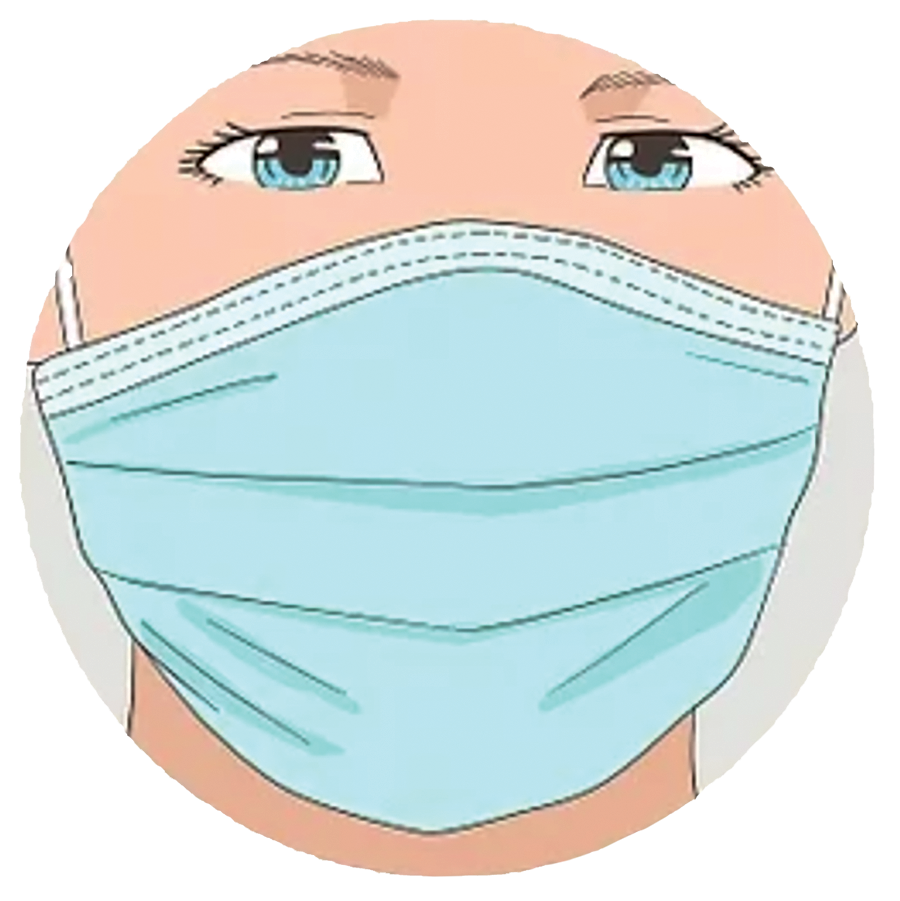
    Paper masks do not protect healthy people from viruses — in fact, they can carry them to their faces as they apply or adjust the mask. Masks are for symptomatic and sick people. Since droplets from an uncovered sneeze can travel up to 30 feet, always cover sneezes and coughs with the tight crook of your elbow. And of course, always wash your hands after blowing your nose!

    Symptoms

    COVID-19 causes a temperature and cough — not cold symptoms. If you have these symptoms, isolate yourself and call your doctor promptly.


    Get up-to-date information online:
    STATE OF HAWAI‘I DEPARTMENT OF HEATH WEBSITE
    www.health.hawaii.gov

    Persons over 55 with chronic diseases can die from the flu and COVID-19, the disease caused by the coronavirus. These diseases enter your lungs through your eyes, nose or mouth. Most people pick up viruses left on surfaces by infected persons. Flu bugs can live on surfaces, clothing and towels for up to two weeks!…

  • Hydrating Helps Prevent Falls

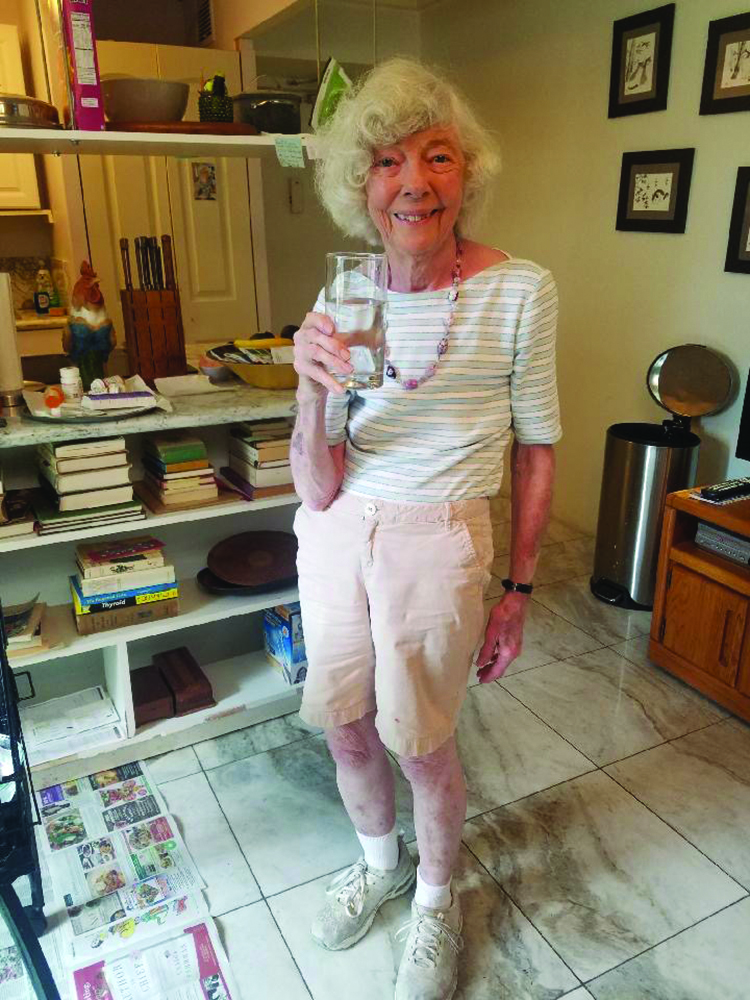
    It is part of our practice to ensure our patients drink ample water during a physical therapy session. The fact that water counts for 95 percent of the brain, 82 percent of blood and 73 percent of muscle tissue explains how important it is to be hydrated.  Dehydration can pose serious health problems for older adults, especially with Hawai‘i’s hot, humid weather. Dehydration  symptoms that increase fall risk are dizziness, weakness, fatigue, confusion and low blood pressure.

    Blood pressure can drop so low with dehydration that a condition called “orthostatic hypotension” can occur. As a person rises from lying down or sitting, blood rushes out of the brain, causing dizziness, faintness and weakness. This can result in a collapse or fall. Drinking more fluid would increase blood volume and help prevent a drop in blood pressure, thus reducing the risk of falling.

    If you feel dizzy or light-headed when changing positions from prone to sitting or standing, we recommend waiting roughly 20 seconds before moving to allow more blood circulation and for the dizziness to subside. If you still feel light-headed, lie back down immediately. If you commonly experience this type of dizziness, drinking more fluids may be your solution.

    Drinking plenty of fluids and eating foods with high water content every day is a great way to keep your body properly hydrated to prevent possible falls and injuries.


    MAKAI MOBILE REHAB LLC (In-Home Physical Therapy)
    Yunsim Suehisa, PT, DPT Physical Therapist
    808-277-4073 | ysuehisapt@gmail.com
    www.makaimobile.com

    It is part of our practice to ensure our patients drink ample water during a physical therapy session. The fact that water counts for 95 percent of the brain, 82 percent of blood and 73 percent of muscle tissue explains how important it is to be hydrated.  Dehydration can pose serious health problems for older…

  • Colon Cancer Testing

    More than 50,000 Americans die each year from colorectal cancer. The heartbreaking thing is that most of these deaths could have — and should have — been prevented.

    Screening is the No.1 way you can reduce your risk of colon cancer. If found early, colon cancer is one of the most treatable forms of the disease.

    Know Your Options

    From colonoscopies to at-home stool tests, there is an option for everyone to get screened. The only questions are what method to use, when to get screened and how often.

    There are several different ways to be screened for colon cancer, including laboratory tests on your stool, simple procedures and imaging tests. It’s important to discuss with your doctor which screening option is best for you given your medical condition and preferences.

    The U.S. Preventive Services Task Force (USPSTF) recommends colon cancer screenings starting at age 50 through age 74. According to the USPTSF, your stool should be tested every one to three years. You should also have a direct visualization of your colon through a simple procedure every three to 10 years.

    Advocate for your health! Do not put it off. Talk to your doctor about getting checked.


    MDX HAWAI‘I
    500 Ala Moana Blvd., Ste. 2200, Honolulu, HI 96813-4993
    808-522-7500 | www.mdxhawaii.com
    MDX Hawai‘i has over 34 years of experience serving the people of Hawai‘i. Our physician network represents over 630 primary care physicians, and 2,200 specialists, hospitals and ancillary providers. MDX Hawai‘i contracts with Humana HMO, Humana PPO, and AARP/UnitedHealthcare PPO Medicare Advantage Plans.

    More than 50,000 Americans die each year from colorectal cancer. The heartbreaking thing is that most of these deaths could have — and should have — been prevented. Screening is the No.1 way you can reduce your risk of colon cancer. If found early, colon cancer is one of the most treatable forms of the…

  • Proper Use of a Foam Roller

    The popularity of the foam roller has been growing so steadily in the world of fitness that it is often used as a cure-all for many different conditions. It is a great tool for increasing mobility of the spine and soft tissue if used correctly. If it’s not used the right way, you could be doing more harm than good.

    If you are rolling your lumbar spine (lower back), stop! Although the thoracic spine (middle back) is supported by the strong rib cage, the lumbar spine is not, which makes it more unstable. Forcing the lower back into more extension may cause more issues, increasing pain and sometimes causing stress fractures. But targeting the thoracic area and the region between your shoulder blades will improve mobility and overall posture.

    You will block the thoracic spine with your shoulder blades if you clasp your hands behind your head, so expose the spine by reaching out, crossing your wrists and rounding the shoulders. Relax your abs, drop your butt and sink into the foam roller. Gently roll the tight spot, rocking side to side. Slowly bring your arms back over your head to get a great stretch.


    MOON PHYSICAL THERAPY, LLC
    320 Ward Ave., Ste. 107, Honolulu, HI 96814
    95-1057 Ainamakua Drive, F-11, Mililani, HI 96789
    808-597-1005 | www.moonpt.com

    The popularity of the foam roller has been growing so steadily in the world of fitness that it is often used as a cure-all for many different conditions. It is a great tool for increasing mobility of the spine and soft tissue if used correctly. If it’s not used the right way, you could be…

  • Brain Exercises

    There are many ways of honing your mental sharpness and helping your brain stay healthy. You could work on jigsaw puzzles, listen or play music, learn a new language, use your non-dominant hand or even socialize.

    Doctors often use specific neurological exams to assess the integrity of the central nervous system. One could take these same neurological exams and use them to exercise or to rehabilitate specific areas of the brain.Brains training cute graphic of brain lifting weights. Ha Ha!

    Here are three brain exercises to try:

    ◆ Index finger-thumb tapping: examines motor function. One hand at a time, tap the index finger on the thumb as fast and as big as possible, separating the digits as wide as possible before tapping. This will help exercise the motor area.

    ◆ Finger-to-nose test: assesses coordination. Extend your arms straight out to your sides and then touch the tip of your nose with the tip of your index finger. Alternate hands. This exercise can help with cerebellar deficiencies— balance issues or essential tremors.

    ◆ Rapid alternating movements exam: helps with cerebellar issues. One hand at a time, rapidly and repeatedly flip your hand from the palm-up to the palm-down position.

    If you find doing these exercises difficult, more reason to do them. The more you do them, the more neuro-pathways can be reinforced, helping your brain (and body) to stay healthy


    NEEDLES OF HOPE
    1314 S. King St., Ste. 1050, Honolulu, HI 96814
    808-450-2527 | kathy@needlesofhope.com
    www.needlesofhope.com

    There are many ways of honing your mental sharpness and helping your brain stay healthy. You could work on jigsaw puzzles, listen or play music, learn a new language, use your non-dominant hand or even socialize. Doctors often use specific neurological exams to assess the integrity of the central nervous system. One could take these…

  • Inflammation: ‘The Secret Killer’

    Acute inflammation is vital to good health for healing wounds or fighting infection. In contrast, low-grade, ongoing “chronic inflammation” is the underlying driver of many chronic diseases.

    Triggers of chronic inflammation include:
    • Low-grade viral and bacterial infections
    • Pollutants
    • Smoking
    • Belly fat
    • Diet high in processed foods
    • Frequent bouts of stress and anger.

    Free radicals generated by these processes trigger inflammation, which can worsen the stiffening of arteries and promote plaque accumulation. In rheumatoid arthritis, the immune system produces inflammation that wears down the joints.

    Inflammation is also a focus of research in the formation of Alzheimer’s disease. Stress-related hormones — namely cortisol — can further instigate inflammation and exacerbate some of these chronic conditions. Inflammation may also be associated with depression.

    Inflammation can be measured through a blood test called “hsCRP” (high sensitivity C-Reactive Protein). You can manage your inflammatory health through better diet and exercise, as well as pharmacological and nutraceutical treatments. However, not all nutraceuticals and supplements are created equal. When buying any type of supplement, read the label to determine purity (contamination by external elements), bioavailability (greater blood and tissue levels) and cost per dose. Be sure to add all supplements to your list of medications that you provide to your primary care physician and contact them immediately with any adverse reactions. For emergencies, do not hesitate to call 911.


    CARDAX
    2800 Woodlawn Dr., Ste. 129, Honolulu, HI 96822
    800-618-3050 | zanthosyn@cardaxpharma.com
    www.zanthosyn.com/

    As Time Magazine put it in its 2004 cover story, “Inflammation is the body’s first defense against infection, but when it goes awry, it can lead to heart attacks, colon cancer, Alzheimer’s and a host of other diseases.” Understanding and managing inflammation is key to health and longevity.

  • Are Dental Implants an Option for You?

    {Play}The field of dental implants is one of the fastest growing areas in dentistry. In 2019, over 3 million implants were placed in the United States and that number is predicted to grow in 2020.

    Dental implants are very popular due to the high success rate of the procedure (over 90 percent) and the results of these implants are very beneficial.

    In the past, removable full or partial dentures,and/or cemented bridges were the only options available to replace missing teeth. In most dental offices today, single or multiple implant options are available. The function, comfort and longevity of dental implants now make them the superior choice for replacing missing teeth.

    Although the financial investment for dental implants is higher than dentures and bridges, the end result is longer lasting comfort. There are some dental insurance plans that partially cover implant procedures.

    If you have any questions about dental implant procedures or if you wonder if implants are an option for you, consult with your dentist.


    PAUL K. TANAKA, DDS
    4747 Kilauea Ave., Ste. 113, Honolulu, HI 96816
    808-737-6229 | office@paultanakadds.com
    www.paultanakadds.com
    Dr. Tanaka was the first dentist to perform Navigational Dental Implant Surgery in Hawai‘i with the use of X-Guide.

    The field of dental implants is one of the fastest growing areas in dentistry. In 2019, over 3 million implants were placed in the United States and that number is predicted to grow in 2020. Dental implants are very popular due to the high success rate of the procedure (over 90 percent) and the results…

  • Ahchoo! It’s Cold & Flu Season!

    Hawai‘i may not have snowy winters, but we still experience a seasonal increase in cold and flu infections. Here are some tips to help you and your loved ones survive the season.

    1. Wash your hands. Hand washing is the best, most effective way to prevent the spread of cold viruses. Good hygiene can go a long way in keeping you healthy.

    2. Get a flu shot. Most cold symptoms are due to the common cold virus, but any infection makes your immune system more vulnerable to the influenza virus, which can be devastating for the elderly and those with chronic diseases.

    3. Stay home from work. This is not just to help expedite your recovery — it’s to keep those around you safe from germs. The same goes for your children. One day at home for an ill child can prevent many sick days for the rest of the class.

    4. Avoid unnecessary antibiotics. Most colds are viral infections. Antibiotics are only effective against bacterial infections. Most cold sufferers will recover within 14 days, regardless of whether or not they take antibiotics, but one in eight patients will experience adverse effects from antibiotics. Remarkably, the best elixir for reducing your cold and cough symptoms is honey!

    5. Talk to your doctor. Always call or visit your doctor if you experience persistent or worsening symptoms. It’s our job to help you out!


    KUAKINI PRIMARY CARE CLINIC
    405 North Kuakini St., Ste. 1009, Honolulu, HI 96817
    808-547-9105 | www.kuakini.org

    Hawai‘i may not have snowy winters, but we still experience a seasonal increase in cold and flu infections. Here are some tips to help you and your loved ones survive the season.

  • Smile Through Retirement

    Portrait of Asian Senior Couple laughing at the park. Happy Elderly with positive feeling at outdoor. Retirement.

    {Play}A healthy smile should last well into your retirement years. Many believe it’s natural for teeth to deteriorate as they age, but it’s possible to maintain healthy teeth and gums for life. Consider these tips to keep your smile healthy:

    Protect Your Smile: Protect your smile (and body) from infectious diseases and ailments by brushing twice a day, flossing daily and visiting your dentist regularly. A simple dental visit can identify signs of any systemic diseases or future oral health issues that may arise in your retirement years. Find a dental plan that fits within your budget and includes preventive care to ensure your exams and cleanings are covered.

    Keep Your Dentist Informed: Inform your dentist about medications you are taking and conditions you are experiencing. In some cases, certain medical conditions can impact your oral health. Your dentist can detect signs of infection and increase the frequency of cleanings throughout the year.

    Maintain Healthy Habits: Good nutrition has a direct impact on oral health. Maintain a balanced diet full of fibrous vegetables, lean protein and fruit. Limit the intake of sugary foods and drinks.

    Good oral health habits and visits to the dentist ensure a sparkling smile, and better overall health and quality of life. Live well, smile more.


    HAWAII DENTAL SERVICE
    Kahala Howser, Wellness & Events Manager
    808-521-1431 | khowser@hawaiidentalservice.com
    www.HawaiiDentalService.com

    A healthy smile should last well into your retirement years. Many believe it’s natural for teeth to deteriorate as they age, but it’s possible to maintain healthy teeth and gums for life. Consider these tips to keep your smile healthy…

  • The Month for All Things of the Heart

    {Play}February, the month that includes Valentine’s Day, is also American Heart Month, reminding us to take care of our hearts.

    What is heart disease?

    “Heart disease” refers to several types of heart conditions. The most common type is coronary artery disease, which can cause a heart attack. Smoking, eating an unhealthy diet and not getting enough exercise increase your risk for heart disease. High cholesterol, high blood pressure or diabetes are other conditions that can put you at and even higher risk. Ask your doctor about preventing or treating these medical conditions.

    What steps can you take to reduce your risk of having heart disease?

    To help prevent or reduce the risk of heart disease, you should:

    • Eat a heart-healthy diet
    • Get active
    • Stay at a healthy weight
    • Quit smoking and stay away from secondhand smoke
    • Control blood pressure and cholesterol
    • Drink alcohol only in moderation
    • Manage stress


    MDX HAWAI‘I
    500 Ala Moana Blvd., Ste. 2200, Honolulu, HI 96813-4993
    808-522-7500 | www.mdxhawaii.com
    MDX Hawai‘i has over 34 years of experience serving the people of Hawai‘i. Our physician network represents over 630 primary care physicians, and 2,200 specialists, hospitals and ancillary providers. MDX Hawai‘i contracts with Humana HMO, Humana PPO, and AARP/UnitedHealthcare PPO Medicare Advantage Plans.

    February, the month that includes Valentine’s Day, is also American Heart Month, reminding us to take care of our hearts. “Heart disease” refers to several types of heart conditions. The most common type is coronary artery disease, which can cause a heart attack.

  • Prevent Yourself From Falling Backward

    {Play}One method of prevention is to strengthen muscles that pull forward when a posterior fall starts to occur. We are primarily talking about muscles in the front of the ankles, hip flexors and abdominals. Here are some exercises you can do to strengthen these pertinent muscles:

    TOE RAISES. In a standing position (sitting is OK if you have a fall risk), lift your toes and feet and feel the muscles in the front of your ankles engage. Do up to 3 sets of 10 reps for each feet (You may do both simultaneously).


    STRAIGHT LEG RAISES. Lie on your back with one knee bent. With the other leg kept straight, lift it up and down with your thigh and stomach tight, keeping your back flat. Do up to 3 sets of 10 reps per leg.


    ABDOMINAL CRUNCHES. Lie on your back with your hands behind your head or crossed over your chest. Tuck your chin in and lift up just your head and shoulder blades. Do up to 3 sets of 10 reps.


    If you continue to fall backward or have difficulty doing these exercises, it’s important that you consult with your primary care doctor or physical therapist.


    MAKAI MOBILE REHAB LLC (In-Home Physical Therapy)
    Jason Dacumos PT, MPT President/Owner
    808-783-9320 | jason@makaimobile.com
    www.makaimobile.com

    One of the most common causes of injuries in the elderly is due to falling backward. This type of fall can lead to serious injuries to the hips, spine, head, arm and/or wrists, depending on how someone lands. Ultimately, the best way to avoid serious injury is to prevent the fall from ever happening.