Category: Giving Care

  • Creating Smooth Transitions for Seniors

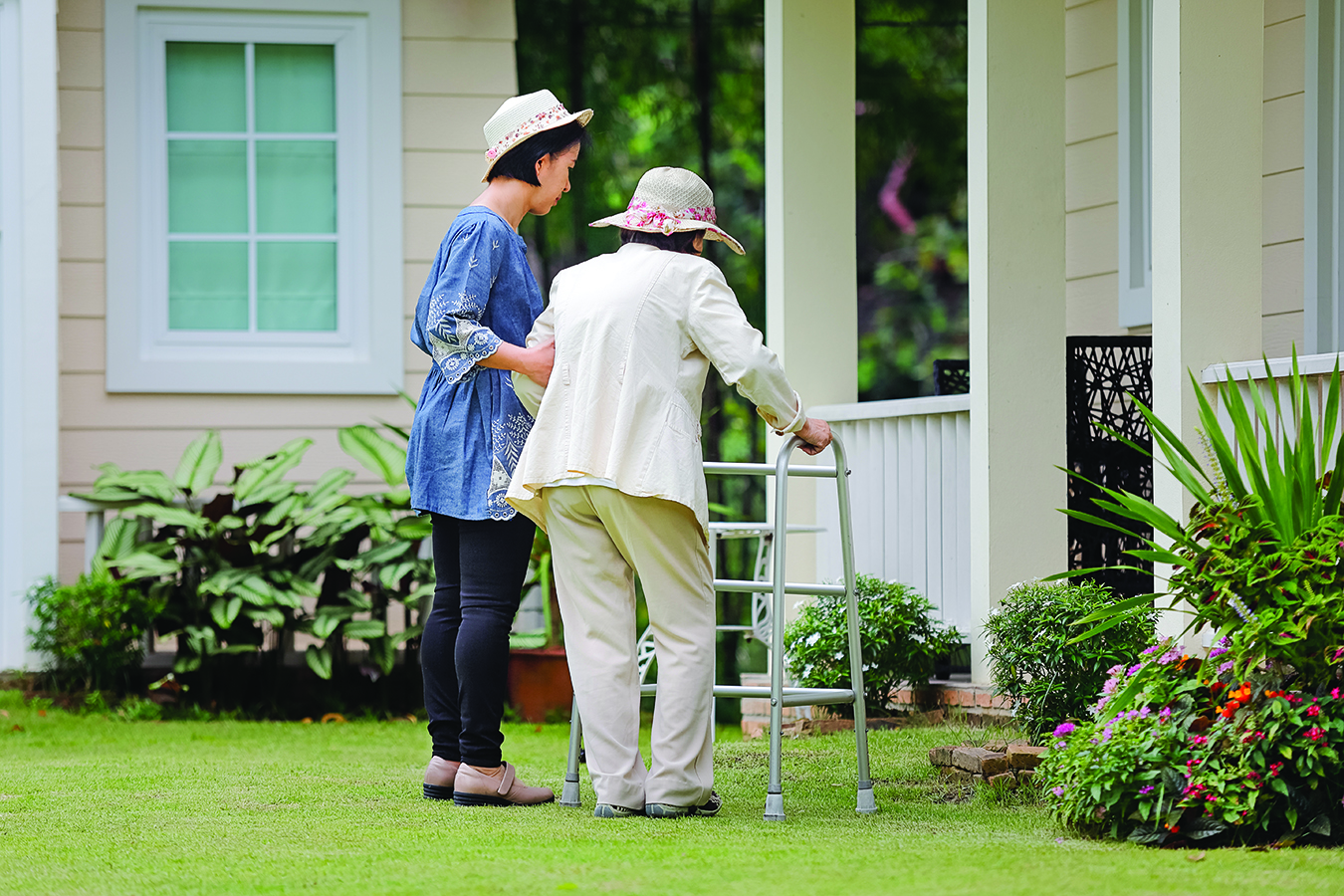
    Transitioning from living at home to a community that offers independent living, assisted living or skilled nursing care can be challenging for both seniors and their families.

    Kūpuna may need special care, but may be hesitant to make the big move because they prefer the familiarity of their own home. Many Hawai‘i families also struggle with the change. They may believe it their obligation to take care of their parents at home — even though they may not have the necessary skills or temperament to provide appropriate, quality care.

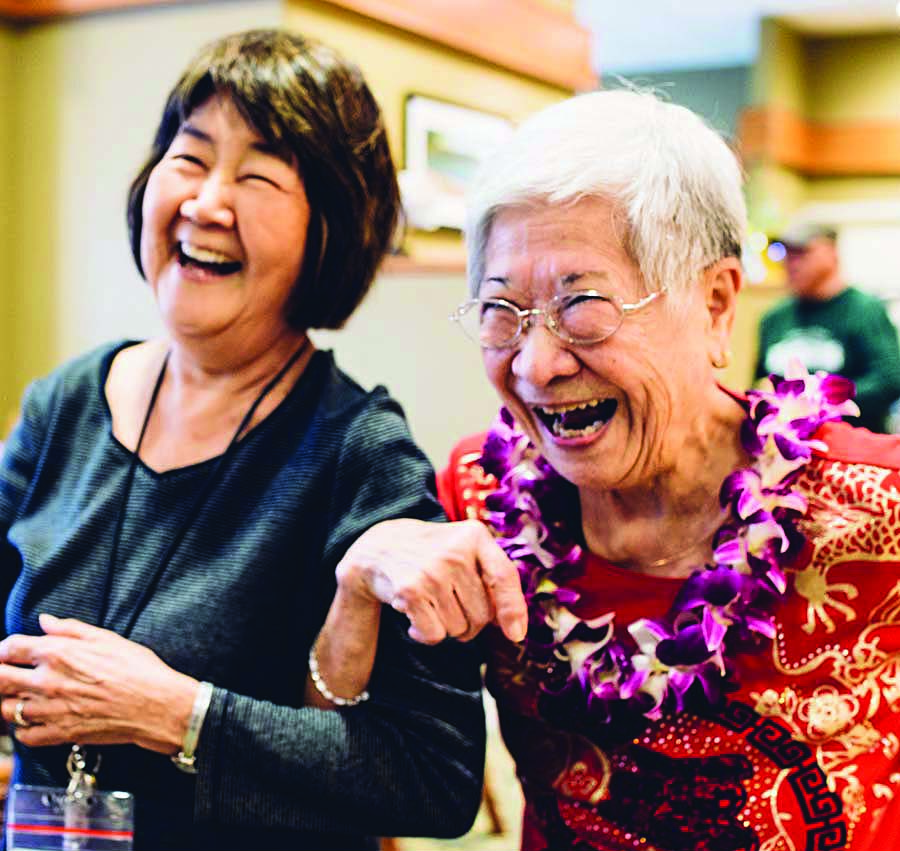
    A care community plays a key role in making seniors feel welcome. This is especially important in order to help reduce confusion for seniors who have some form of dementia. Helping seniors assimilate into a new setting and adjust to new friends may take time. It may also be difficult for family members, but they soon find they are no longer stressed from 24/7 caregiver duties and can enjoy being with their elder parents again.

    When deciding on a community for your loved one, ask other families about their experiences. With the current pandemic, it’s also important to ask about the community’s visitation policies so you can be assured you can stay in touch with your loved one.


    KALĀKAUA GARDENS
    1723 Kalakaua Ave., Honolulu, HI 96826
    808-518-2273 | info@kalakauagardens.com
    www.kalakauagardens.com

    Transitioning from living at home to a community that offers independent living, assisted living or skilled nursing care can be challenging for both seniors and their families. Kūpuna may need special care, but may be hesitant to make the big move because they prefer the familiarity of their own home. Many Hawai‘i families also struggle…

  • Our Highest Purpose: Serving Our Kūpuna

    The senior living industry also has frontline workers who have come face to face with the pandemic. Working to protect our kūpuna has been challenging, to say the very least. All staff at community living facilities are frontline workers and they must work together to mitigate the effects of COVID-19. They cannot give up and must find strength to do what is right; protecting our residents and each other.

    I witnessed our team’s hardships and gained an understanding of my staffs’ perspective by being there for them the best way I could. As a team, we worked alongside each other since our first confirmed COVID case. Our common goal was to see this to the end and for that I am eternally grateful to them. We each experienced a wide range of emotions: fear, anxiety, frustration, hope and compassion. When we face difficult times, we must remember  that challenges are not sent to destroy us. They are sent to strengthen us. We must keep up the good fight, and together, we will survive; we will persevere.

    We had faith and that faith grew stronger because we knew that we would overcome. Acknowledging and appreciating the perspective of my staff brought another level of compassion and empathy that I now have for them. “Everything in our lives is to serve our highest and best purpose, always.”


    ROSELANI PLACE (501(c) 3 nonprofit)
    88 South Papa Ave., Kahului, Maui, HI 96732
    808-871-7720 | Toll Free: 800-554-9853
    info@roselaniplace.com | www.roselaniplace.com

    The senior living industry also has frontline workers who have come face to face with the pandemic. Working to protect our kūpuna has been challenging, to say the very least. All staff at community living facilities are frontline workers and they must work together to mitigate the effects of COVID-19.

  • Does Medicare Cover Long-Term Care?

    More seniors and families looking into long-term care solutions have found that the cost can be quite shocking. In the early stages of planning for long-term care, there are two questions that must be considered. First, what long-term care options are available? Second, how will I pay?

    The first step is assessing long-term care options. Long-term care options include nursing homes, private duty home care, assisted living communities, adult day care and residential care home placement.

    The misunderstanding comes when individuals assume that Medicare will cover the cost of long-term care. While it is true that Medicare covers skilled nursing or rehabilitative services for a short period, seniors need to prepare to cover all long-term care costs out-of-pocket. Medicaid can assist in paying for a portion of care. However, financial and level-of-care requirements need to be met in order to be eligible.

    Doing the groundwork financially for long-term care is just as crucial as planning for other aspects of senior life. Successful planning leads to more options and less stress if long-term care becomes necessary in the future.


    CAREGIVER’S HEART HAWAII
    91-1121 Keaunui Dr., Ste. 108, PMB 193, Ewa Beach
    808-425-5101 | kuunani@caregivershearthawaii.com
    www.caregivershearthawaii.com

    More seniors and families looking into long-term care solutions have found that the cost can be quite shocking. In the early stages of planning for long-term care, there are two questions that must be considered. First, what long-term care options are available? Second, how will I pay?

  • Empowering Family Caregivers

    They were overwhelmed and unprepared. Many were the designated caregiver by default — no other family member was willing to help.

    As a nonprofit organization, St. Francis Healthcare System fills this community need by offering information resources and educational sessions for caregivers at no cost or for a nominal fee. Even during the pandemic, we provided caregivers access to virtual caregiving training sessions.

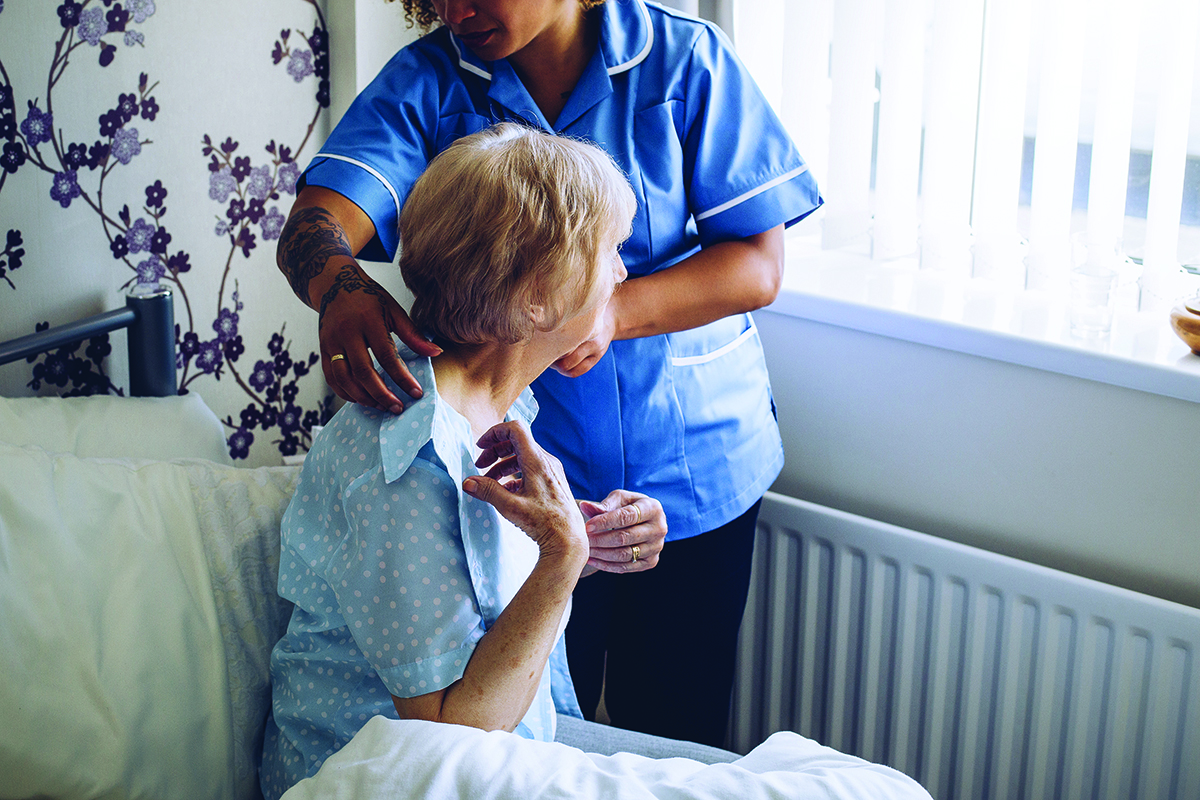
    We offer practical information: how to safely give your aging loved one a bath without injuring yourself or your loved one, how to plan for long-term care, how to manage caregiver stress and many other topics. Most importantly, we make sure these sessions are not sales presentations that may make participants feel uncomfortable.

    Caregiving can be challenging, even for the most patient person. Equipping family caregivers gives them more control over their lives and allows them to provide quality care that retains the dignity of their elderly loved ones.


    ST. FRANCIS HEALTHCARE SYSTEM (501(c) 3 nonprofit)
    2228 Liliha St., Honolulu, HI 96817
    808-547-6500 | info@stfrancishawaii.org
    www.stfrancishawaii.org

    When speaking with family caregivers, I often hear a common phrase: “I wish I had known…” They confide there is so much they didn’t know when they started their caregiving journey and had to muddle through on their own. These caregivers didn’t know where to begin, where to turn or even what to ask.

  • Caregiving Tips for the Holidays

    Holidays are a time of fellowship and unity with family and friends. Yet, the holidays can be difficult for families when a loved one is diagnosed with Alzheimer’s or dementia. Caregivers may feel  overwhelmed with balancing care and managing holiday traditions. A person living with Alzheimer’s or dementia may feel that something is missing but may not be able to express their feelings. In addition to the common stressors that arise during the holidays, the challenges of COVID-19 add layers of complexity. The pandemic has interrupted the overall connectedness of families and friends and has magnified the sense of overwhelm and isolation that many caregivers face, especially during the holidays.

    Keeping with physical distancing and public health recommendations, here are some tips to consider to minimize stress and maximize joyful time together:

     Make sure that everyone understands your caregiving situation and has realistic expectations about what you can and cannot do. Give yourself permission to do only what you can.
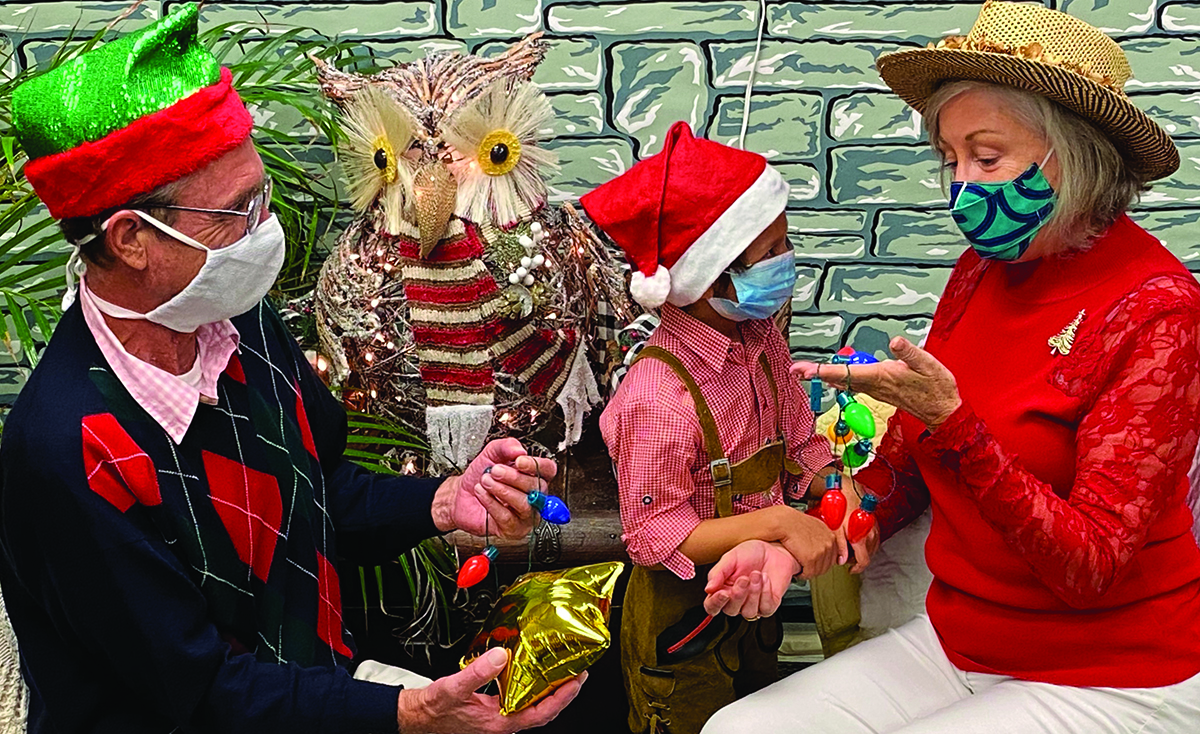
     Involve the person in safe, manageable holiday preparation activities. Ask him or her to help you prepare food, wrap packages or decorate or set the table. (Avoid using artificial fruits and vegetables as decorations because a person living with dementia might confuse them with real food. Blinking lights may also confuse the person.)
     Maintain the person’s normal routine as much as possible so that holiday preparations don’t become disruptive or confusing. Taking on too many tasks can wear on both of you.
     Build on traditions and memories. These may look and feel a little different this year, but you may also experiment with new traditions that might be less stressful or a better fit with your caregiving responsibilities.
     Provide people with suggestions for useful and enjoyable gifts for your loved one, such as an identification bracelet or membership in a wandering response service (contact the Alzheimer’s Association 24/7 Helpline at 800-272-3900 for more information). Or, suggest comfortable, easy-to-remove clothing; favorite music; photo albums of family and friends; or favorite treats.
     Advise people not to give dangerous tools or instruments, utensils, challenging board games, complicated electronic equipment or pets as gifts.
     Involve the person in gift-giving, depending on his or her abilities and preferences. For example, someone who enjoys baking can help make cookies and pack them in holiday tins. Or you may want to buy a gift the person can wrap.
     Suggest a gift certificate or something that will help make things easier, like housecleaning; lawn, handyman or laundry services; gift cards; or even respite services (when it is deemed safe).
     Prepare for post-holiday letdown. Arrange in-home care so you can rest, enjoy a movie or have lunch with a friend.
     Prepare for some downtime. A short nap or some quiet time in a room away from activity can provide a nice break for someone with Alzheimer’s. Often, a short nap is all that is needed to enable them to rejoin the festivities.
     Don’t forget to give yourself time to relax. If you are the primary caregiver, you need to take time to tend to your own emotional health so you can enjoy the holidays with your loved one. For more information and holiday tips, contact Tonya Tullis at 808-518-6651 or email her at tshammondtullis@alz.org.


    ALZHEIMER’S ASSOCIATION (501(c) 3 nonprofit)
    Online Community: www.alzconnected.org
    Online Education: www.training.alz.org
    Support Groups & Programs: www.alz.org/hawaii
    24/7 HELPLINE: 800-272-3900
    Hawai‘i Office: 808-591-2771

    Holidays are a time of fellowship and unity with family and friends. Yet, the holidays can be difficult for families when a loved one is diagnosed with Alzheimer’s or dementia. Caregivers may feel  overwhelmed with balancing care and managing holiday traditions.

  • One of the Best Decisions I Ever Made

    My wife, May, was diagnosed with breast cancer in 2005 at age 39. In 2015, after being diagnosed with pancreatic cancer, she underwent a Whipple procedure, whereby some of her pancreas, small intestine, stomach and other parts were removed.

    We moved to Hilo from Rhode Island, and designed and built our house, a project that began in 2014. After laying out the initial floor plan, May added a sunroom. That was her room — by hers, I mean that was the room she expected her hospital bed to be put into. She knew she was destined for an untimely — and probably unpleasant — death, and she wanted to be able to see the sun and feel the breeze while it happened. If she had to die, it was clear May desperately wanted to do it at home. We moved into our house on Thanksgiving week in 2017.

    For nearly two months, I helped her walk, eat, drink, medicate, bathe and desperately try to sleep. I wish I knew about hospice early in my wife’s disease progression. You always think — “I don’t need any help, I can handle this.” I didn’t want to admit it, but the fatigue and overwhelm swiftly brought me to my knees.

    I finally made the call. May began receiving weekly visits at our home from a hospice nurse. The night of Jan. 22, May woke more than 10 times. I finally admitted to myself that I could no longer go on. When May got up, I told her that I thought it was time to switch to hospice inpatient care. She  immediately agreed — I realized later that she had arrived at that conclusion independently, and she had been waiting for me to arrive at that decision, too. May was essentially free from pain and nausea, and she stayed that way for the next 13 days. I was able to be with her, but also, finally, mercifully, able to get some sleep, too.

    In October, for our 20th wedding anniversary, we had been snorkeling off Maui. Less than four months later, on Feb. 3, 2019 — a Sunday — May fell asleep for the last time. She finally left me just before 1am Wednesday while I slept on the sofa in her room.

    I have few regrets. However, I wish with all my heart that we had moved her into hospice’s inpatient care earlier than we did. Yes, I was capable of caring for her, but she needed the professional care, facilities and specialized medication only hospice could provide. The people and the facility were magnificent. Hospice care was created to eliminate “terminal suffering.” I wish I understood that sooner. The peaceful look on May’s face as she slipped away confirmed that hospice was indeed, the best decision I ever made.


    HAWAI‘I CARE CHOICES (formerly Hospice of Hilo)
    1011 Wai‘nuenue Ave., Hilo, HI 96720
    Lani Weigert, Community Relations Manager
    808-969-1733 | 808-283-3777
    www.hawaiicarechoices.org

    My wife, May, was diagnosed with breast cancer in 2005 at age 39. In 2015, after being diagnosed with pancreatic cancer, she underwent a Whipple procedure, whereby some of her pancreas, small intestine, stomach and other parts were removed.

  • Safe Family Activities for the Holidays

    Amid all the COVID-19 restrictions, there is a bright spot — the opportunity for families to celebrate the holidays together by engaging creatively in a way that’s enjoyable and safe for everyone.

    While younger members of the family are on the go and ready to run around the house, seniors (especially those with dementia) will prefer quieter, more structured activities. Family members with Alzheimer’s or dementia will not be able to tolerate crowds or loud noises that can lead to irritation and challenging behaviors. Therefore, it’s important to separate the two, so everyone has a good time. Here are some examples of things to do that seniors will enjoy:

    • Playing simple card and board games
    • Decorating stockings for members of the family
    • Crafts, like making a quilt or a holiday wreath
    • Baking holiday cookies together
    • Having a gift wrap party
    • Writing holiday cards together
    • Decorating the house together
    • Watching old movies with snacks on-hand
    • Listening to favorite music
    • Scrapbooking of family past activities

    Quilting is a good example of an activity that will get everyone involved. Seniors can assist with the selection of sentimental or personal fabrics. Sewing can be done by hand or machine. Suitable machines are available for under $100 these days. Once completed, the handcrafted quilt can be finished into a blanket or framed, becoming a personalized keepsake that will be treasured for many generations. This year’s holiday season will be challenging and some seniors may be missing the normal festivities with visitors from outside the household. Planned, tranquil activities and staggered extended family visits can make the holidays safer and more comfortable. Avoid large crowds at Grandma’s house this year by planning ahead and making sure everyone gets a chance to see her. The desire to be together can be accomplished in a different way if families work together and set up time slots. Here are some ideas on how to celebrate with Grandma during the holidays without spending the entire day with her.

    • Use an iPad and Zoom or FaceTime while singing a holiday song.
    • Create holiday cards using photos of the kids and drop them off at her home — but try to keep the visit short.
    • Instead of cooking at your senior’s home, make a festive meal or dessert ahead of time and if the weather is good, set up the table outside.
    • Create a sign-up log for extended family ahead of time in order to avoid a crowded home.
    • Dress up the doorway or entry and have friends and family drop gifts outside the home with a note of holiday cheer and well wishes.

    As with anyone coming in from outside the household, make sure you ask the questions needed to ensure your senior is safe over the holidays. Being together can be a wonderful experience — as long as families are responsible and creative with their holiday plans.


    ATTENTION PLUS CARE HOME HEALTHCARE
    Accredited by The Joint Commission
    1580 Makaloa St., Ste. 1060, Honolulu, HI 96814
    808-739-2811 | www.attentionplus.com
    AGING IN HAWAII EDUCATIONAL OUTREACH PROGRAM
    by Attention Plus Care — a program providing resources for seniors and their families, covering  different aging topics each month. For class information and upcoming topics, call 808-440-9356.

    Amid all the COVID-19 restrictions, there is a bright spot — the opportunity for families to celebrate the holidays together by engaging creatively in a way that’s enjoyable and safe for everyone. While younger members of the family are on the go and ready to run around the house, seniors (especially those with dementia) will…

  • Managing Complex Care at Home

    An increasing number of family caregivers are performing more complex medical care for their family members at home. According to Home Alone Revisited: Family Caregivers Providing Complex Care, a report prepared jointly by AARP and the United Hospital Fund, there is an increase in the number of family caregivers performing tasks that would, in the past, have been provided under the direct supervision of a medical professional. The report concludes that “… it is presumed that every home is a potential hospital and every service the person needs is provided by an unpaid family member…”

    Advanced home care ranges from managing complex medication routines, injections, tube feedings, peritoneal dialysis, wound care, incontinence care and using specialized medical equipment. When families are faced with bringing their loved one home from the hospital after a devastating health event, they are expected to learn and perform these kinds of tasks in addition to providing basic care.

    The reasons why family caregivers might feel obligated to take on this additional care include:

    ■ It allows them to feel like they are fully contributing to their loved one’s care.
    ■ A promise is made not to put their loved one in a nursing facility.
    ■ There was no other choice given at the time of discharge and insurance doesn’t cover the kind of care needed.

    Imagine providing complicated wound care for a loved one with the teaching provided to you on the day of discharge. Would you feel prepared to manage it all when you are alone at home? Would you have concerns about making a mistake and causing your loved one pain or even more complications? How can family caregivers make sure they are ready and have the support after discharge? Here are some findings that came out of the AARP report which you may want to consider:

    ■ Demand to be part of the care planning process and discharge meetings. This will ensure the discharge team understands your ability to manage the kind of care expected.
    ■ Ask the planning team what kind of support you will have at home in case you have questions or find yourself unsure of the procedures.
    ■ Ask for the instructions in writing.
    ■ Do not allow the team to assume you can manage the tasks at hand. Advise them that you are anxious about doing the care and ask for a referral for in-home support resources.

    When considering home care support, family members should make sure the provider is licensed to provide more complex care. Also, oversight by a licensed medical professional such as a registered nurse, will give family caregivers additional reassurance that care tasks are performed safely and with enough hands-on practice to prevent another hospitalization. With an increasing number of families facing this type of situation, there is a growing need for periodic — and sometimes ongoing — home care support.


    ATTENTION PLUS CARE HOME HEALTHCARE
    Accredited by The Joint Commission
    1580 Makaloa St., Ste. 1060, Honolulu, HI 96814
    808-739-2811 | www.attentionplus.com
    AGING IN HAWAII EDUCATIONAL OUTREACH PROGRAM
    by Attention Plus Care — a program providing resources for seniors and their families, covering different aging topics each month. For class information and upcoming topics, call 808-440-9356.

    An increasing number of family caregivers are performing more complex medical care for their family members at home. According to Home Alone Revisited: Family Caregivers Providing Complex Care, a report prepared jointly by AARP and the United Hospital Fund, there is an increase in the number of family caregivers performing tasks that would, in the…

  • Dementia Patients, Caregivers & COVID-19

    {Play}The disruption can cause them greater confusion and increased stress, which may prompt abnormal behaviors, such as acting out.

    The best thing family caregivers can do while keeping their loved one home during the pandemic is to establish new routines. Make a daily schedule that incorporates consistency in activities. This new routine will soon become the new norm.

    One normal routine seniors with dementia and their families have grown to depend upon is adult day care, which provides respite for families and activities, exercise and an opportunity for socializing for the senior. All of these have been proven to help slow the progression of dementia. But because many centers closed during the pandemic, families have reported noticeable cognitive decline in their loved ones.

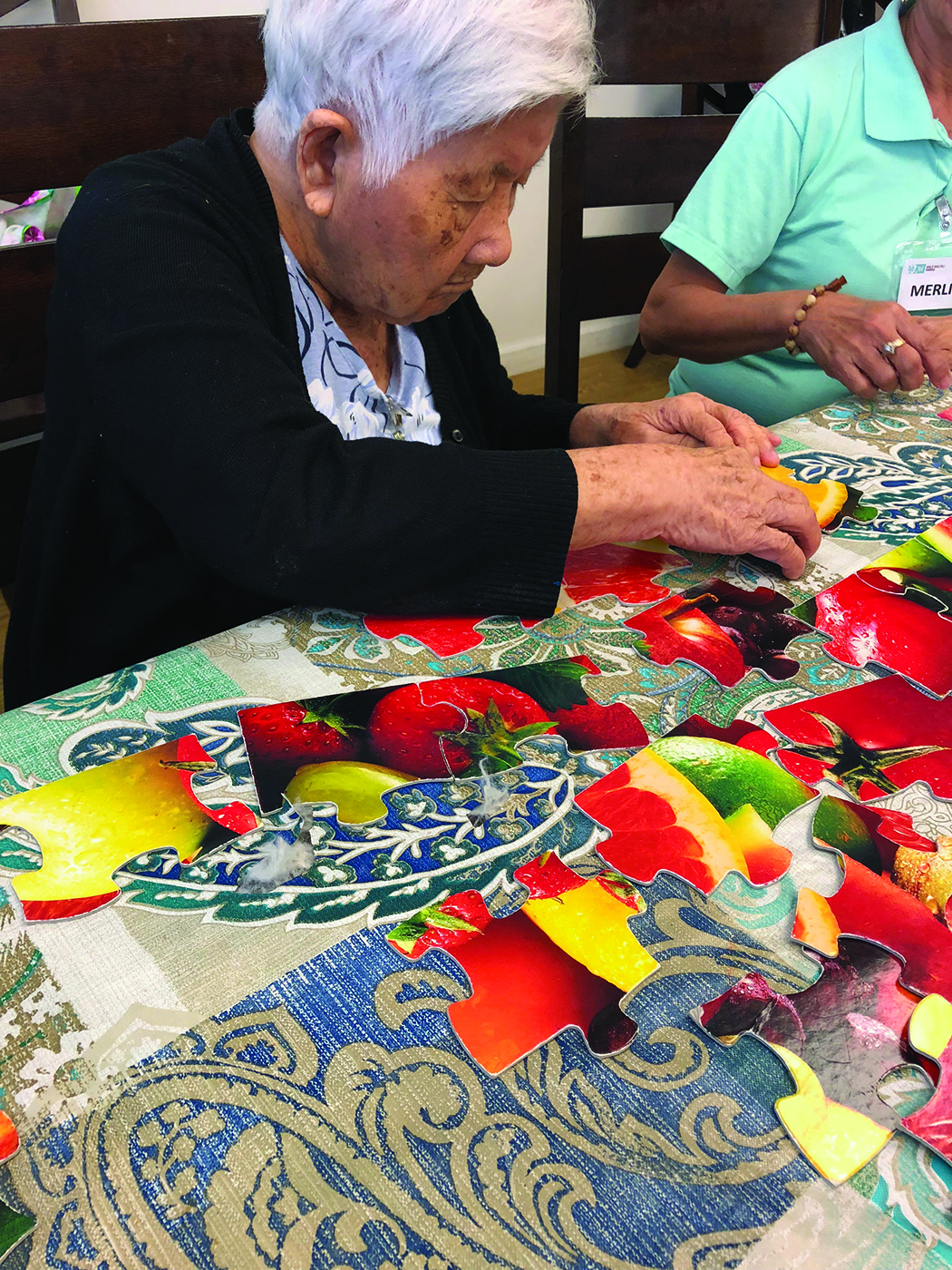
    Family caregivers can help by scheduling simple daily exercises and engaging them in activities, such as puzzles, singing, or arts and crafts. To help them socialize, set up FaceTime or Zoom meetings with friends and family.

    Other challenges and disruptions for seniors with dementia are the safety measures needed to prevent the spread of the virus. Seniors with dementia may not understand why they need to wear a mask and will refuse to do so willingly. They may not fathom the importance of thorough handwashing and must be assisted. They may not grasp the necessity of socially distancing from their loved ones.

    And the general public may not understand these aspects of dementia when they see a senior without a mask and not social distancing. Signage that explains why some seniors aren’t wearing masks might be helpful. To increase the public’s awareness, more emphasis on how dementia patients are affected by the pandemic could be discussed in statewide town hall meetings and televised press conferences.

    The state’s COVID-19 press conferences encourage everyone to wear masks to curtail the spread of the disease. Due to health problems, some people are not able to wear them — this includes some dementia patients.

    Health and safety come first, but tolerance and understanding are more important than ever.


    HALE HAU‘OLI HAWAI‘I
    98-1247 Kaahumanu St., Ste. 207, Aiea, HI 96701
    808-798-8706 | kwyatt01@aol.com
    www.halehauolihawaii.org

    The COVID-19 pandemic has affected everyone in some way. But our most vulnerable population, our senior citizens — especially those with dementia — are being particularly challenged. Our normal routines have been altered during the pandemic. This can be devastating for dementia patients, who thrive on the consistency of a regular routine.

  • The Medicalization of Family Caregiving

    Healthcare systems are changing, with radical implications for family caregiving. Cost-saving reductions in hospital stays ensure that patients are discharged “quicker and sicker.” Management of complex chronic care thus moves to the home, and responsibility for that care shifts from medical professionals to family caregivers. US family members have always provided the bulk of long-term care for older adults (around 80 percent). Now, in addition to assistance with activities of daily living (ADL) (e.g., bathing, grooming) and instrumental activities of daily living (IADL) (e.g., cooking, housekeeping), caregiving involves complex medical/nursing (M/N) tasks. Approximately 60 percent of family caregivers provide M/N care, which includes assistance with complex medication regimens, mobility devices, special diets, wound care, medical equipment (such as ventilators, oxygen tanks, suctioning tubes), catheters, IV fluids or meds, injections, blood glucose monitoring, tube feedings, home dialysis and ostomy care. Of those providing M/N care, approximately 35 percent perform three to four M/N tasks; 26 percent perform five or more.

    M/N caregivers are stressed. They worry they will make a mistake or hurt their care receiver. M/N tasks are emotionally difficult, especially pain management. Demands of providing special diets and incontinence care are constant and unending. Considerable skill is required to master complex procedures, recognize complications and side effects, and know when to seek additional help. Most claim they learned M/N tasks on their own. Peer support is rare. Although mandated in most states, caregiving instruction at hospital discharge is typically limited by time constraints to the most complicated tasks (tube feeding, suctioning, managing IVs), with less attention to more constant and anxiety-provoking demands, such as incontinence care or special diets.

    Decisions regarding severity of need and allocation of services should consider M/N tasks, in addition to ADL and IADL.

    A number of resources are available to reinforce initial M/N training:

    M/N Caregiving Instructional Videos and Resource Guides
    Home Alone Alliance™
    Videos on incontinence care, specialty diets, etc.
    www.aarp.org/nolongeralone
    Supporting Family Caregivers: No Longer Alone Videos on wound care, injections, etc.
    https://journals.lww.com/ajnonline/pages/collectiondetails.aspx?TopicalCollectionId=38

    Reports:

    Caregiving in the United States 2020 by AARP, National Alliance for Caregiving
    https://doi.org/10.26419/ppi.00103.001
    Home Alone Revisited: Family Caregivers Providing Complex Care by Reinhard, S.C. et al. (2019), AARP
    https://www.aarp.org/ppi/info-2018/homealone-family-caregivers-providing-complexchronic-care.html


    CENTER ON AGING — University of Hawai‘i at Mānoa
    2430 Campus Road, Gartley Hall, 201B, Honolulu, 96822
    808-956-5001 | map3@hawaii.edu
    www.hawaii.edu/aging

    Healthcare systems are changing, with radical implications for family caregiving. Cost-saving reductions in hospital stays ensure that patients are discharged “quicker and sicker.” Management of complex chronic care thus moves to the home, and responsibility for that care shifts from medical professionals to family caregivers.

  • Caregiving During COVID-19

    As overwhelming as it may be, we have the responsibility to guide our loved ones through this difficult time. Here are a few tips to help our care partners continue to provide care, compassion and find time for self-restoration.

    Ask your primary care physician for a telehealth appointment

    Telehealth is a visit with your doctor or specialist powered by digital technologies. It allows us to experience the physician visit without the travel and unnecessary exposure. In today’s society, it is difficult and somewhat scary to book appointments in person and get a PLWD to and from the doctor’s office. As a resident care manager caring for six ku¯ puna, I’ve found that telehealth appointments are easily accessible while allowing our ku¯ puna to stay in the comfort of their home. We spoke directly to the doctor within 15 minutes and were able to have all our questions answered.

    Learn how to use video call apps

    FaceTime, Skype, Zoom, GoToMeeting and any video call app will suffice for video calls. At this time, care homes are following strict CDC guidelines by decreasing visitations. Our residents and families are very understanding of these changes but also find it frustrating to be distant from each other. In lieu of regular in-person visits, we transitioned to scheduling Zoom meetings. All you’d need is a smartphone or laptop computer to allow you to have interaction with your loved one. Video calls, letters and phone calls are crucial to keeping our residents happy and fulfilled.

    Make time to care for yourself

    Everyone knows that you need to put your mask on before a child’s in a distressed airplane. The same concept applies to caregiving. Burnout will happen if you don’t take precautions. Find a relief care partner for a few hours and take a break. Go somewhere that helps relieve your stress. Go for a drive, read a book, listen to music, enjoy a cardio workout or go for a walk. Taking breaks is vital in order to give sufficient quality care to our loved ones.


    KINA‘OLE ESTATE
    Adult Residential Care Homes
    808-233-4455 | beth@kinaoleohana.com
    www.kinaoleestate.com

    The COVID-19 pandemic has all of us dealing with additional stressors in life, and many of us may find that our abilities to deal with conflict and issues are short-fused. People living with dementia (PLWD) rely on their care partners to provide assistance with activities of daily living with kindness and compassion. PLWD also require…

  • Dementia & the Power of Music

    Music is often the background of many of our memories. We grow up hearing it on the radio, on TV and in concerts. We sang in school and at special events. We often associate certain songs with our relationships, happy memories, sad memories, growing up and different seasons of life. Because of its constant presence in our lives, music is deeply woven into our memories, and can offer hope and helpful tools to those whose memories are fading.

    When a person has dementia, different parts of the brain deteriorate along with his or her ability to engage in daily life. Memories become more difficult to access, but according to a 2009 study by Petr Janata at UC Davis, memories attached to music are housed in the areas of the brain that deteriorate at a later stage in dementia. This offers hope to be able to connect with those living with dementia for a longer time. At some point, we may not be able to ask the person, “Do you remember when?” But by playing a favorite song, we might be able to elicit a response.

    Those in later stages of Alzheimer’s may sing along with parts of their favorite song. Others may open their eyes and look around after the music is turned on. One man was brought to tears after singing God Bless America, saying, “It reminds me of my Navy days.” In another case, a woman spends most of the day waving her hands to the beat of the music and is often in a better mood.

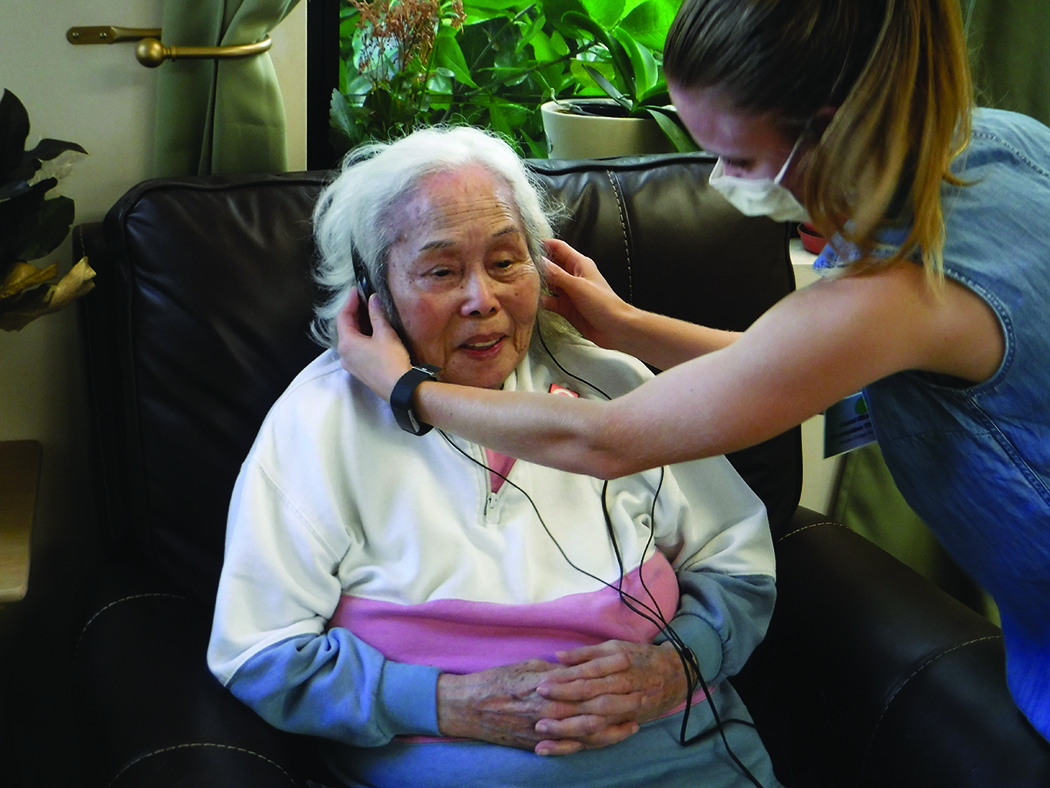
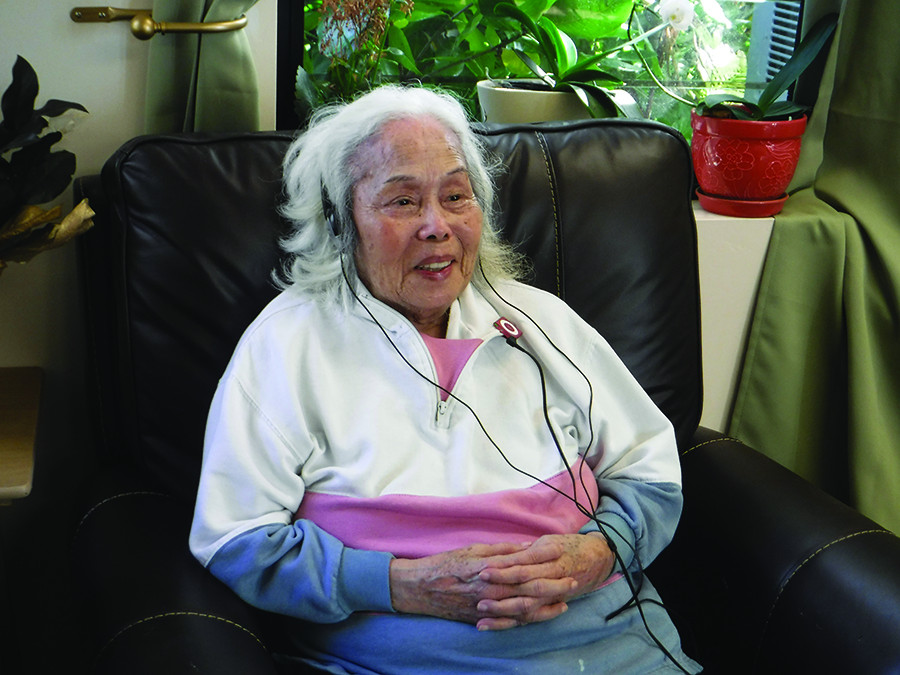
    Often, those with dementia can exhibit challenging behaviors. This is usually a response to something being “off” in their world. Listening to a familiar song that will evoke happy memories or emotions can reduce the fear that comes with confusion about where they are and what is happening. A 2017 study showed that facilities utilizing the Music and Memory program, which  provides personalized music on iPod shuffles to nursing home residents, showed a decrease in antipsychotic and anti-anxiety medication use when compared with facilities that did not utilize Music and Memory.

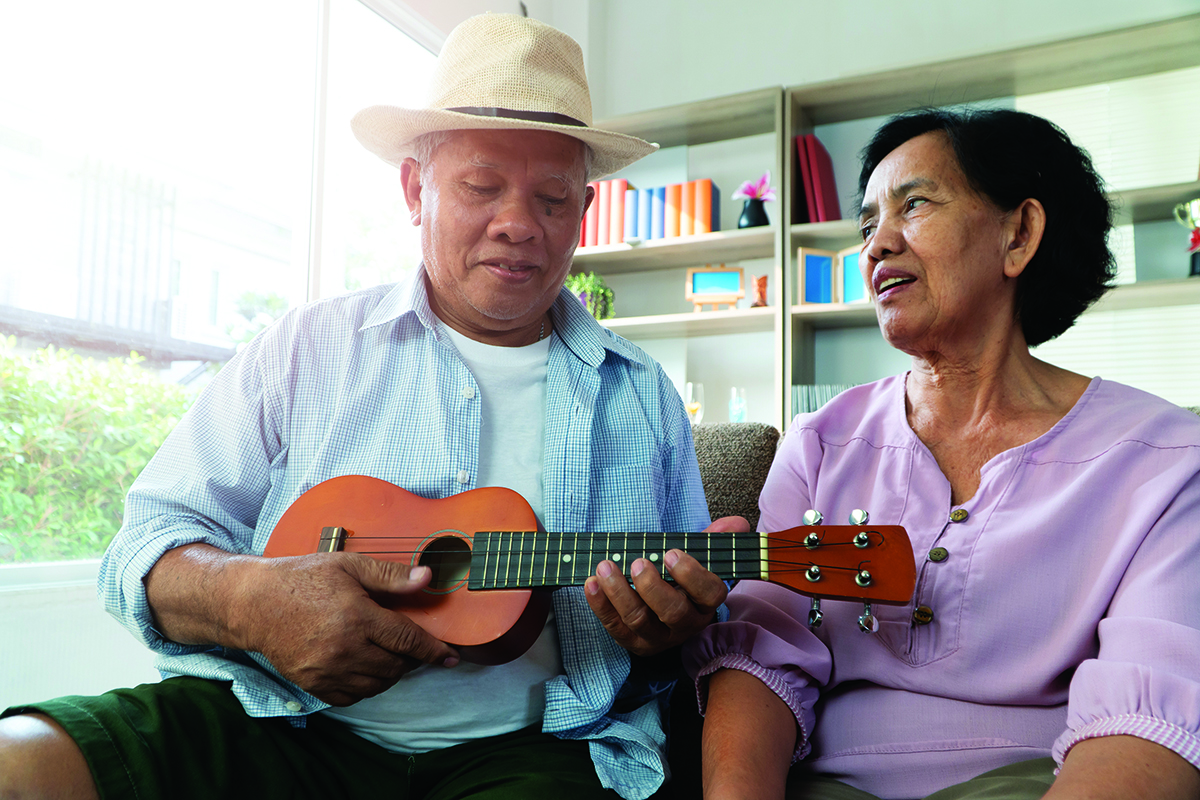
    So how do caregivers use music to enhance their loved one’s life? The first step is to determine what songs will be familiar and memorable. For the music to be effective, it must be something that person would enjoy listening to. Unknown tunes offer less benefit because they do not have  memories and emotions tied to them. Singing, playing music during bathing, dancing along to a beloved song and tapping along to the beat are all great ways to engage someone with dementia.

    Music can benefit both the caregiver and the individual with dementia by helping him or her to “remember” for longer, elevate mood, and provide familiarity and comfort in a world that is becoming more unfamiliar. Best of all, the caregiver can easily access all kinds of music.


    MANOA COTTAGE KAIMUKI
    748 Olokele Ave., Honolulu, HI 96816
    808-426-7850 | c.hickman@mckaimuki.com
    www.manoacottage.com

    Music is often the background of many of our memories. We grow up hearing it on the radio, on TV and in concerts. We sang in school and at special events. We often associate certain songs with our relationships, happy memories, sad memories, growing up and different seasons of life. Because of its constant presence…