Category: Giving Care

  • The Realities of Caregiving

    Caregiving has been part of mankind’s existence from the beginning. We’ve all had caregivers — usually known as Mom and Dad. Many of us have been caregivers of our own children. And as needs changed, parents adjusted their caregiving duties. That is the very first reality of caregiving…

    ■ Caregiving changes with time. For caregivers of aging parents, it may be a gradual shift from picking up the groceries to checking medications and then to providing help with physical needs. For some, their entry into caregiving is more dramatic as the result of a fall or illness. Caregiving tasks change from that point and often become increasingly complex and difficult.
    ■ Caregiving is physically demanding. As caregivers, we fill a critical role in the lives of those for whom we care. Our ability to provide compassionate and effective care is linked directly to our own physical, spiritual and emotional health.
    ■ Caregiving requires support. While we are caregiving, accessing the experience, knowledge and understanding other caregivers can offer makes our journey a little easier. Being part of a support group or having a close connection with another caregiver is essential. Understanding and making use of community resources can make caregiving a little easier, as well.
    ■ Every aspect of caregiving has challenges. All kinds of emotions can arise, from anger to love. It forces us to face our own mortality but also allows us an opportunity to undertake the highest level of good that humankind can offer — caring for someone else.
    ■ Caregiving can be rewarding. As difficult as caregiving can be, if approached in a healthy and realistic manner, it can also be very rewarding.
    ■ Caregiving has an end. This is one reality that is missed by almost every caregiver. It is a reality that we try to avoid, put off, hide from and deny, but the truth is most caregiving has an end — and that end is death. We must be careful to not become so focused on preserving life that we lose sight of quality-of-life.

    The Caregiver Foundation would like to serve as your resource for information about becoming a caregiver for a loved one. Our online How-To series provides some of the information you may also receive in our various workshops. If you are a new caregiver, we encourage you to attend one of our workshops or caregiving training classes and join a Caregiver Support Group to learn from and communicate with other caregivers.


    THE CAREGIVER FOUNDATION (501(c) 3 nonprofit)
    926 3rd St., Pearl City, HI 96782
    808-625-3782 | info@thecaregiverfoundation.org
    thecaregiverfoundation.org
    Caregiving has been part of mankind’s existence from the beginning. We’ve all had caregivers — usually known as Mom and Dad. Many of us have been caregivers of our own children. And as needs changed, parents adjusted their caregiving duties. That is the very first reality of caregiving… ■ Caregiving changes with time. For caregivers…

  • Care & Self-Care Holiday Gifts

    Gearing up for the holidays often means thinking about gifts. Giving them and receiving them! Caregivers in general are givers. Most give of their time; many, of their own resources; and some give their entire personal purpose as they care for another. The Caregiver Foundation (TCF) works to support caregivers, kūpuna, and disabled adults. From managing finances, serving as conservator, acting as trust administrators, to providing complete care management and even end-of-life and estate distribution services, the overriding goal of TCF is to make life better.

    This holiday season, we wish for you and yours awareness that drives understanding. Understanding that results in compassion and compassion that spurs active support.

    Here are a few ideas for the holidays
    ✽ For sideline caregivers: Offer the gift of thanks to the main care provider and visit your loved one more often.
    ✽ For the care receiver: Give your caregiver the gift of recognition — a hand-written note or a drawing.
    ✽ For the primary caregiver: Give yourself a gift of support. Join a virtual or in-person support group.
    ✽ For everyone else: Notice the caregiving around you. Give the gift of awareness (and let that gift motivate you to find ways to support others).


    THE CAREGIVER FOUNDATION (501(c) 3 nonprofit)
    926 3rd St., Pearl City, HI 96782
    808-625-3782 | info@thecaregiverfoundation.org
    thecaregiverfoundation.org
    Gearing up for the holidays often means thinking about gifts. Giving them and receiving them! Caregivers in general are givers. Most give of their time; many, of their own resources; and some give their entire personal purpose as they care for another. The Caregiver Foundation (TCF) works to support caregivers, kūpuna, and disabled adults.

  • Dementia Care in Times of Crisis

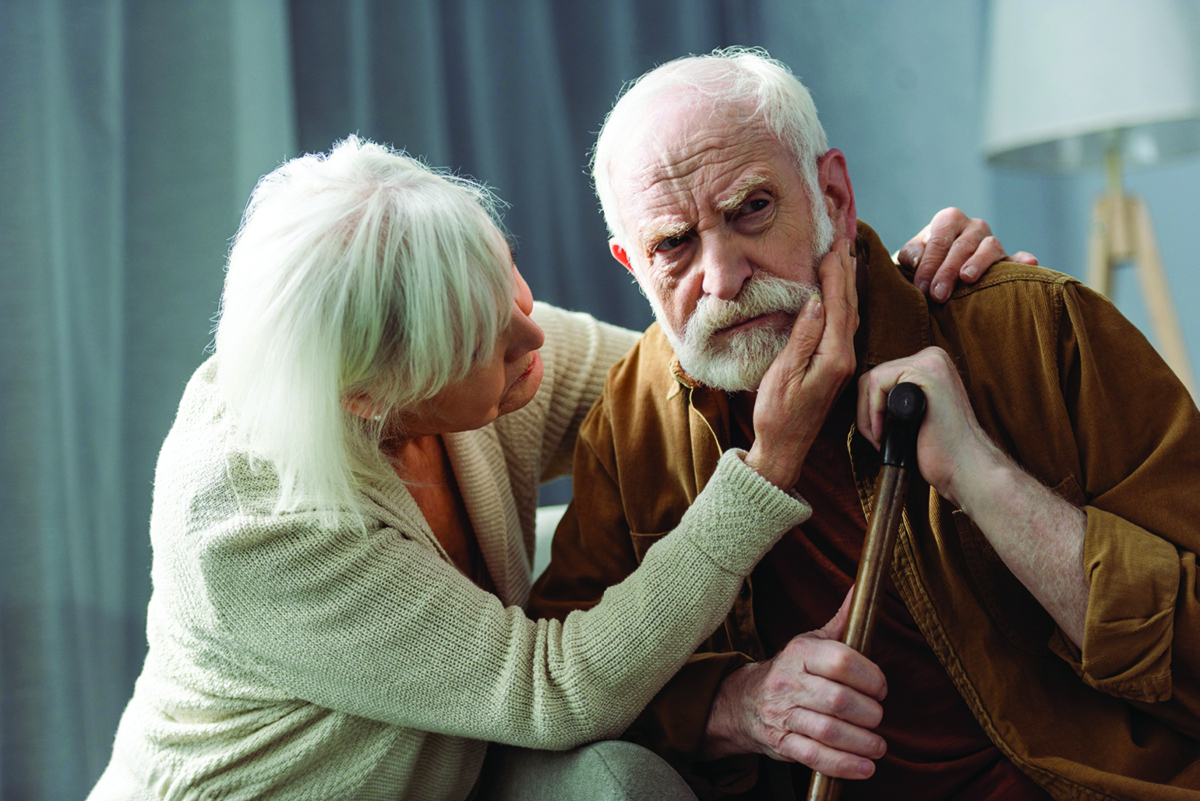
    Caregiving for your loved one with dementia, especially during a crisis, can present special challenges. Those with dementia often do not do well with changes in their routine, making it difficult to care for them when the unexpected happens. Below are some ways you can minimize fear and confusion in a crisis:

    ✦ It is important to remain calm for both your and your loved one’s sake. Distress and chaos can add to an already stressful time. Try to incorporate as much of what is familiar to your loved one during this time. Pick up on cues your loved one may be overwhelmed, such as fidgeting and pacing.
    ✦ Stay vigilant and aware of your surroundings as they may be confusing for your loved one. Never leave them alone, as a crisis can cause them to wander and become agitated. Try to stay in a group as much as possible and share with others if you are caring for someone with dementia. This may allow you to have better control and extra pairs of eyes on your loved one.
    ✦ It is likely your loved one will become agitated as a crisis is happening. Speak to them in a calm, low-pitched tone. Limit loud noises as this may increase your loved one’s agitation and anxiety. Redirect their attention by going on walks and doing simple tasks.
    ✦ Try as much as possible to maintain their sleep schedule, medication schedule, if needed, and their regular daily activities to try and provide what is most routine for them. Extra assistance may be needed during times of crisis.
    ✦ Keep things easy for your loved one to understand. Avoid elaborate, detailed explanations and use simple concrete terms.
    ✦ Constantly reassure your loved one they are safe and in the right place, even though they are in a different environment.

    Most importantly, you must take care of yourself. Talk with others, if necessary, and share your thoughts and feelings, stay hydrated, and rest as much as possible. Pack important things such as
    medications, bottled water, weather-appropriate clothing, a cell phone charger, and a portable oxygen tank, if in use, ahead of time. Being adequately prepared for a crisis situation helps you provide a calm, less anxiety-ridden experience for your loved one with dementia.


    Support for Alzheimer’s disease or a related dementia:
    24/7 Helpline 800-272-3900 | 808-591-2771
    alohainfo@alz.org | alz.org/Hawaii
    Walk to End Alzheimer’s: alz.org/aloha

    Caregiving for your loved one with dementia, especially during a crisis, can present special challenges. Those with dementia often do not do well with changes in their routine, making it difficult to care for them when the unexpected happens.

  • Game On!

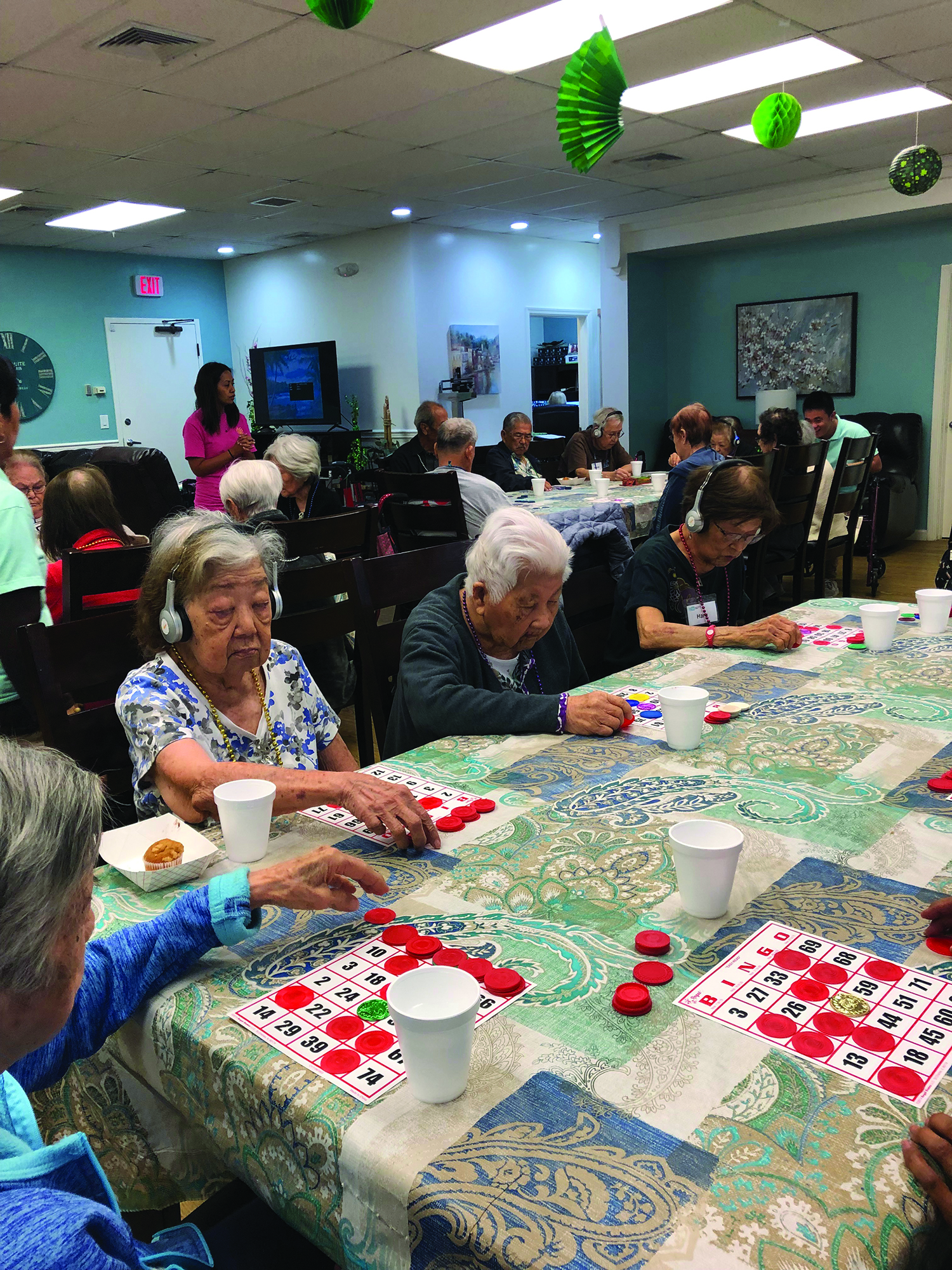
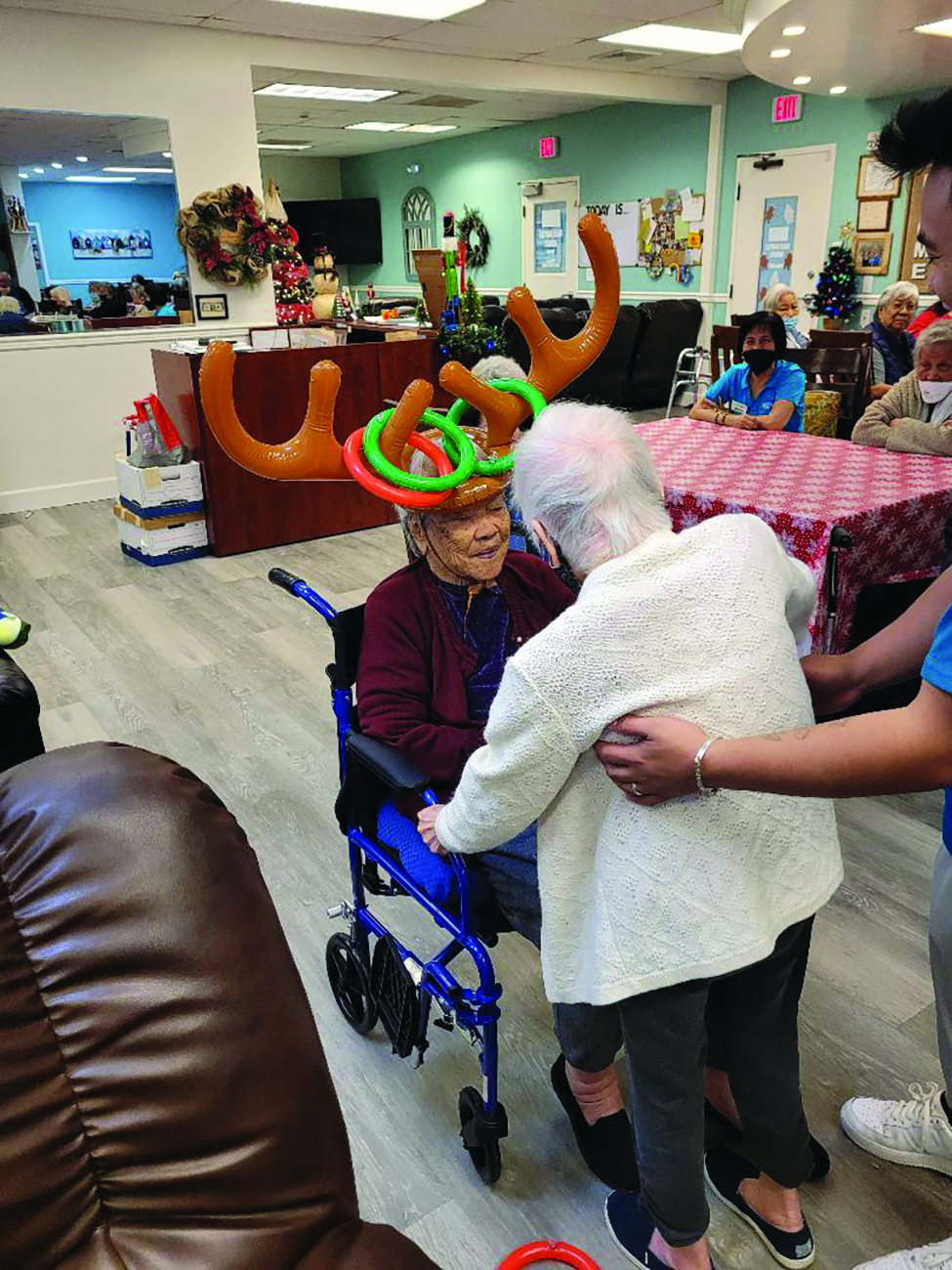
    Since this issue is focused on the Sports world, I thought it would be fun to show the “sporting events” that are held in adult day care centers!

    Adult day care center are important to persons living with dementia or disabilities, or for any senior who is living alone and needs to stay active. It is proven that keeping active, both mentally and physically, helps slow the progression of dementia. During the pandemic, many ku¯puna weren’t able to follow their “routine” of being social, exercising, being mentally stimulated, and having fun while apart from their caregivers. This, of course, was not the fault of family caregivers, who were also impacted by the shut-downs. Many noticed a severe decline in the physical and cognitive abilities of the loved ones they cared for, because of the lack of activities and socialization with their peers.

    “Sports” activities like batting (with balloons and swim noodles), Fishing, Corn Hole and Chair Hula are simple but fun ways to exercise, both physically and mentally, and make for a better quality of life as we age. And an Antler Ring Toss is a lot of fun at Christmas!


    HALE HAU‘OLI HAWAI‘I (501(c) 3 nonprofit)
    98-1247 Kaahumanu St., Ste. 207, Aiea, HI 96701
    808-292-4665 | kwyatt01@aol.com
    halehauolihawaii.org

    Since this issue is focused on the Sports world, I thought it would be fun to show the “sporting events” that are held in adult day care centers!

  • Dana is a Joy!

    DANA (pronounced Donna) is a Sanskrit word that is defined as selfless giving of time and energy; providing compassion and care without the desire for recognition or expression of appreciation. Dana is not someone’s name, or an acronym. Dana is an expression of love, compassion, faith, and caring.

    Project Dana began 34 years ago at Moiliili Hongwanji Mission, guided by the vision of two forward-thinking women, Shimeji Kanazawa and Rose Nakamura. Together they created an interfaith, volunteer caregivers program and called it Project Dana (the name was given by Dr. Ruth Tabrah, a well-known Buddhist scholar). Their program would consist of compassionate and trained volunteers offering social support to elders in the community.

    Examples of social supportive services offered by these dedicated volunteers are: friendly visits, respite, grocery shopping assistance, and transportation to essential visits such as doctor’s,  therapy, or dental appointments. Some sites on Maui and the Island of Hawai‘i offer senior activity days, when the elder is dropped off to enjoy the day while socializing, and breaking up the  isolation experienced while home alone.

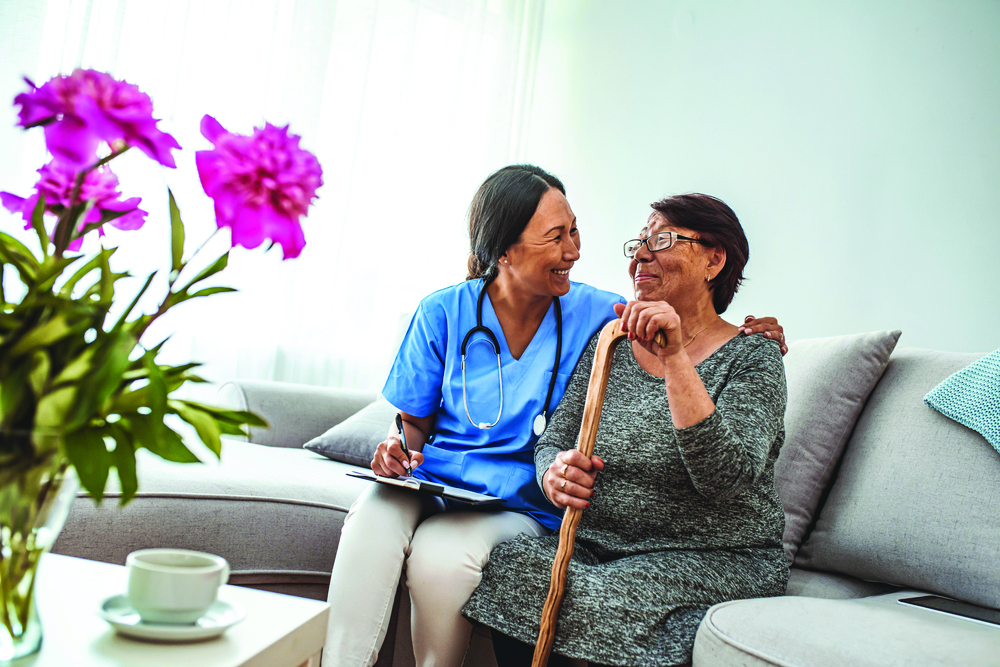
    Friendly doctor examining health of patient at home. Happy smiling nurse consulting disabled patient about treatment. Nurse caring about elder handicap woman at home.The sites of Project Dana are led by dedicated site leaders, many of whom have been in that role for 20 years. Project Dana also offers programs to address specific community needs, coordinated by excellent, well trained, highly educated and knowledgeable people. The coordinators have many years of experience in their areas of expertise.

    Caring for the Caregiver

    This program focuses on services to family caregivers and soon-to-be caregivers. These services include public presentations, support groups, counseling and training. The goal of the program is to help alleviate the stress that comes with continuous caregiving responsibilities.

    Fall Prevention Assessment Program

    The goals of this program are to: increase awareness of fall prevention, create a safe home environment, enable elders to continue independently at home, assist in establishing quality of life for elders, and identify any potential injury risk factors.

    The expressions of appreciation below are priceless words that make Dana a Joy!

    Giving and Receiving

    “Mr. K’s impact on my elderly mother goes far beyond the tasks of bringing groceries, as important as that is. He listened to my mother and made her feel known and valued. Without his help and the support of Project Dana, she would have been unable to live in her own home during those last difficult years.”
    ~Grateful daughter of an elder

    “Being a Project Dana volunteer, I have discovered that those of us who “help” ultimately become recipients of invaluable life lessons. Thank you, Project Dana, for the opportunity to serve and learn.”
    ~Anonymous Project Dana volunteer


    PROJECT DANA (501(c) 3 nonprofit)
    902 University Ave., Honolulu, HI 96826
    808-945-3736 | info@projectdana.org
    projectdana.org

    DANA (pronounced Donna) is a Sanskrit word that is defined as selfless giving of time and energy; providing compassion and care without the desire for recognition or expression of appreciation. Dana is not someone’s name, or an acronym. Dana is an expression of love, compassion, faith, and caring.

  • Insights from a Dementia Nurse

    Caring for anyone with memory loss is difficult. Patients with memory loss can be fearful. Unsure of what’s happening around them. Imagine, after all, forgetting the faces of your loved ones. Driving and suddenly realize you can’t recall your destination.

    I’ve spent seven years working as a nurse caring for patients suffering from memory loss. It isn’t easy work. It requires me to empathize with patients, to help soothe their fears when I can. Along the way, I’ve realized their caregivers also need my attention.

    Patients are not the only ones impacted when they are diagnosed with dementia. Their caregivers are affected just as much. They will be there to care for the patient when the patient forgets those closest to them — including the caregiver themselves.

    When evaluating a patient for memory loss, the patient’s primary caregiver or family will discuss their concerns with the doctor. The patient may be misplacing belongings, forgetting names, faces and locations of places they know well —like the grocery store.

    The patient also comes in for an evaluation. At times, depending on the severity of their memory loss, the patient sits in silence. Sometimes they are unsure of what is happening or why they are visiting the doctor’s office. Patients may be unable to answer the clinical questions required to assess for dementia because they simply cannot remember what was said just a few minutes ago.

    Many patients suffering from dementia are fearful. They may be fearful when they are left alone. As a nurse, the best thing I can do is remind them of where they are, what’s being done.

    Caregivers sometimes cry and become frustrated expressing their concerns. They are not physically losing their family member, but almost feel as if they are. The strain of having to care for their loved one, make sure the environment is safe for them and frequently having to remind them of reality can be exhausting.

    It is essential to educate a patient’s caregiver about how the patient feels, about how the patient is experiencing the world around them. Encouraging the caregiver to get help when they experience burnout is vital.

    This small step can ensure a better, more positive experience for both the caregiver and person experiencing memory loss. It’s a win-win situation for both.

    No one should have to deal with Alzheimer’s or dementia alone. The Alzheimer’s Association – Hawaii provides resources to support both unpaid family caregivers and professional caregivers.


    Support for Alzheimer’s disease or a related dementia:
    24/7 Helpline 800-272-3900 | 808-591-2771
    alz.org/Hawaii

    Caring for anyone with memory loss is difficult. Patients with memory loss can be fearful. Unsure of what’s happening around them. Imagine, after all, forgetting the faces of your loved ones. Driving and suddenly realize you can’t recall your destination.

  • A Care Home Can Be the Right Choice

    Moving to a care home can be a life-changing decision, one that is often fraught with emotional and practical considerations. As our loved ones age, their care needs change, and it’s crucial to evaluate the key factors in making this decision.

    First, consider the individual’s physical and mental health. Do they struggle with daily tasks, such as bathing, preparing meals or getting dressed? Are you worried about falling, mobility issues or memory problems? If the answer is yes, a care home might be an appropriate option.

    Benefits of a care home include around-the-clock trained staff monitoring safety and well-being. Social interaction is also vital, as loneliness affects seniors’ health. Care homes foster community through group activities, promoting emotional and social well-being.

    Financial factors can’t be overlooked either. It’s important to weigh the costs of in-home care versus a care home and determine which option is more feasible in the long run. Care homes can often be more cost-effective, providing all-inclusive care and eliminating the need for multiple service providers.

    Lastly, it’s crucial to involve the individual in the decision-making process, ensuring their preferences and concerns are heard. Open communication can help alleviate anxiety and make the transition to a care home smoother for everyone involved.


    NURSING HOME PARTNERS
    828 Ailuna street Honolulu, HI 96821
    808-468-9112 | Info@Nursinghomepartners.com
    nursinghomepartners.com

    Moving to a care home can be a life-changing decision, one that is often fraught with emotional and practical considerations. As our loved ones age, their care needs change, and it’s crucial to evaluate the key factors in making this decision.

  • Give Yourself Credit For Caregiving

    Stayin’ Alive: the Bee Gees’ message remains important for those of us involved in caregiving. Too often we allow our own health and wellbeing to decline while we try to keep our loved ones safe and content. Here are a few easy to do things that can help keep you — the caregiver — alive… Whether you’re a brother or whether you’re a mother!

    • Smile every day. Find one thing, no matter how ordinary, to spark a grin.
    • Watch out for signs of stress and depression. You might not recognize them, so consider asking your doctor.
    • Eat better — no junk food! Ask a family member to bring a balanced meal once a week. Drink lots of water.
    • Find a way to exercise. A good walk is great. If that won’t work try a homebound exercise like “chair” Tai Chi!
    • Don’t overload daily to-do lists. Be realistic and set limits. Some things won’t get done. It’s OK. Prioritize.
    • Let others help with household chores. Accept that things might not be perfect and spotless. It really is OK.
    • Join a Caregiver Support Group. You don’t have to pretend here. You can tell it like it is.
    • Give yourself credit. The care you give makes a difference.


    THE CAREGIVER FOUNDATION (501(c) 3 nonprofit)
    926 3rd St., Pearl City, HI 96782
    808-625-3782 | info@thecaregiverfoundation.org
    thecaregiverfoundation.org
    Stayin’ Alive: the Bee Gees’ message remains important for those of us involved in caregiving. Too often we allow our own health and wellbeing to decline while we try to keep our loved ones safe and content. Here are a few easy to do things that can help keep you — the caregiver — alive……

  • Adult Day Cares: A Social Hub for Seniors

    Adding some sparkle to your social life can be a challenge at any age, especially in life’s later decades. For many, adult day care is a low-stress foray into an activity-filled social life.

    Adult day care centers are key providers of long-term care services. They provide activities, health monitoring, socialization and assistance with daily activities. These programs allow individuals to continue to live in their homes and to receive needed care in a supportive, professionally staffed, community-based setting. Adult day care also benefits family caregivers, enabling them to remain in the workforce or take needed respite. Educational programs and support groups are also tailored to caregivers.

    These programs provide cost-effective care while supporting individual autonomy, allowing individuals to age in place. This enhances quality of life for seniors and family caregivers. Adult day care centers are not often recognized for the important role they play in addressing the needs of the senior population in the state.

    Operating during daytime hours, centers like Hale Hau’oli Hawai‘i offer a safe and supportive environment. Older adults are afforded an opportunity to get out of the house and be mentally and socially engaged. Seniors who can no longer structure their own daily activities, those who are isolated and desire companionship, those who can’t be safely left at home alone — perhaps someone who lives with a caregiver who also works outside the home — may particularly benefit.

    Centers typically offer various packages to meet the unique needs of each individual. Costs can vary depending on factors including the hours a person wants to attend, whether it’s a weekday or weekend and types of assistance required.

    The services provided by the center can also affect prices, such as medical monitoring, personal care assistance or transportation services. Some centers may offer different pricing tiers based on these or other considerations, so it is essential to query different facilities to learn the options.


    HALE HAU‘OLI HAWAII (501(c) 3 nonprofit)
    98-1247 Kaahumanu St., Ste. 207, Aiea, HI 96701
    808-292-4665 | kwyatt01@aol.com
    halehauolihawaii.org

    Adding some sparkle to your social life can be a challenge at any age, especially in life’s later decades. For many, adult day care is a low-stress foray into an activity-filled social life. Adult day care centers are key providers of long-term care services. They provide activities, health monitoring, socialization and assistance with daily activities.

  • A Calling to Gerontology

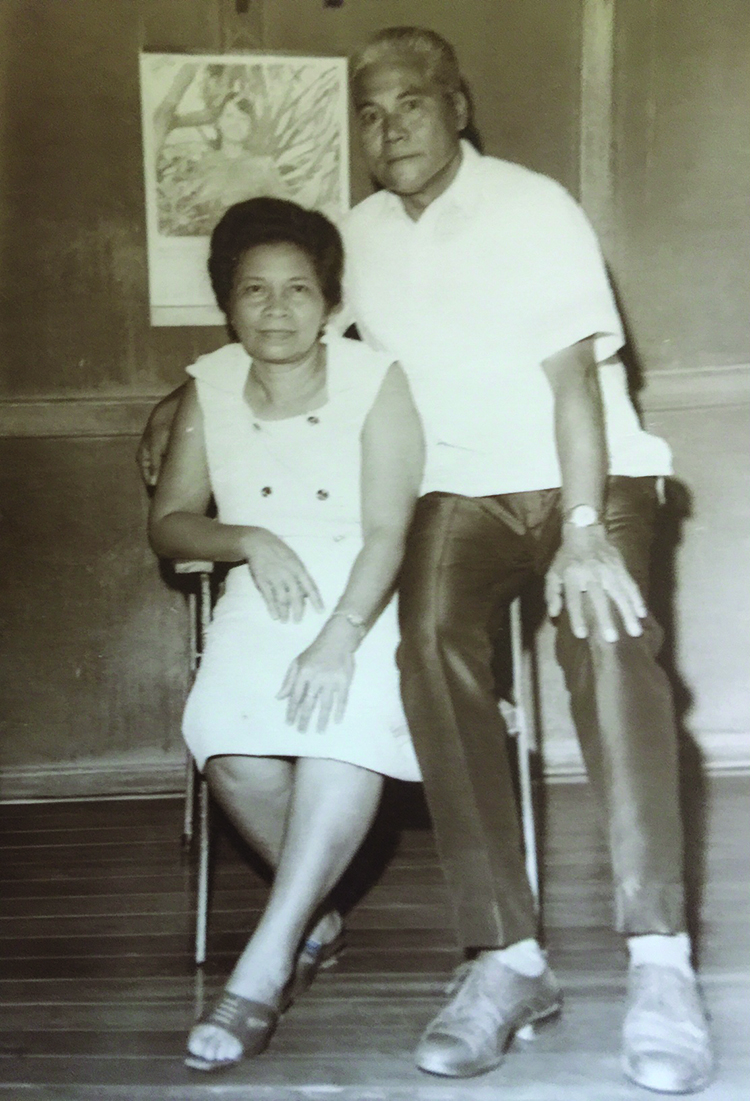
    I hold dear the life lessons my Lolo (grandpa) and Lola (grandma) taught me.
    I hold dear the life lessons my Lolo (grandpa) and Lola (grandma) taught me.

    There are many reasons why working with seniors became my passion. One was to prepare myself to care for my loved ones as they age. We will all eventually encounter the challenges of caregiving. What better way to prepare than by choosing gerontology as a career?

    To keep continuously employed, I embraced working with members of an aging society. My parents’ generation — the baby boomers — will account for an estimated 61 million by 2030, so there will always be those who need care.

    However, the main reason I chose gerontology as my college degree was because of the love I have for my grandparents. Although I learned a lot about them through their letters, pictures and phone calls from the Philippines, I’ll never forget meeting Leonardo and Eriberta in person for the first time when they finally moved to America.

    Every day, I hold dear the life lessons they taught me. The unconditional love they showed me sparked my desire to choose a career to care for other members of this older and wiser generation. I honor my grandparents today by continuing to learn, and by putting what they taught me about love and kindness into practice by providing superior care to seniors, enabling them to maintain a comfortable lifestyle with dignity.


    ROSELANI PLACE (501(c) 3 nonprofit)
    88 South Papa Ave., Kahului, Maui, HI 96732
    808-871-7720 | Toll Free: 800-554-9853
    info@roselaniplace.com | roselaniplace.com

    There are many reasons why working with seniors became my passion. One was to prepare myself to care for my loved ones as they age. We will all eventually encounter the challenges of caregiving. What better way to prepare than by choosing gerontology as a career?

  • Caregiver Compatibility is Key

    As we age, our loss of independence can lead to reluctance to both accept or ask for help. Often, finding a caregiver who is compatible with you or your loved one and their particular personality traits can help them transition to receiving care.

    You want to be sure that whoever you work with asks the right questions about you or your loved one in order to determine a good personality match.

    Will we be working with someone who is quiet and shy, or talkative and extroverted?
    Are they more routine oriented or laid back?
    Would they prefer going out for walks or sitting indoors and playing a board game?

    Matching seniors to caregivers with whom they best connect will improve the quality of their life and ensure they receive the care they need to keep them thriving.

    Everyone is different and likes to be treated differently. So when researching home care services, inquire about customized care plans to ensure that you or your loved one will receive the specialized and tailored care that will meet their individual needs now, and into the future.


    ALTRES Home Care
    967 Kapiolani Blvd., Honolulu, HI
    808-591-4930
    homecare@altres.com | altreshomecare.com

    As we age, our loss of independence can lead to reluctance to both accept or ask for help. Often, finding a caregiver who is compatible with you or your loved one and their particular personality traits can help them transition to receiving care.

  • Houselessness: How Can You Help?

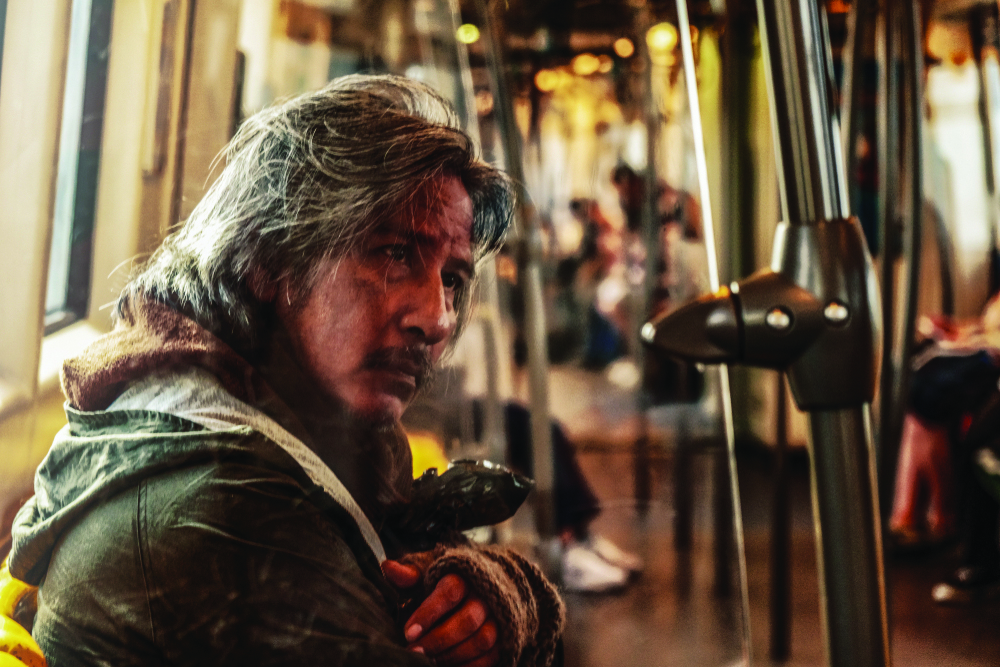
    blurred image through window of old man with gray hair on train

    When you see a gray-haired person clinging to the few possessions they have and wandering the streets, it is because they are trying to find shelter, a safe place to sleep and something to eat.

    Among Hawai‘i’s houseless population, there are aging persons unable to live in safe and healthy environments. Regardless of the particular circumstances that got them in this situation, aging and houselessness are not compatible — it is simply not an acceptable state of being for any senior. So when you see an older person who is in need, consider the status of their welfare with compassion and without judgement:

    • Is this person lost due to dementia?
    • Do they have an untreated medical condition?
    • Are they approachable?
    • If so, what can I do to help?

    Supporting organizations that provide resources to houseless persons is a great way to help. Specialists at Aloha United Way 211, Hawai‘i’s only statewide helpline, connect those in need to resources and emergency assistance. Depending on location and need, they are trained to find resources that people in need can utilize right away.

    Call 2-1-1 or 877-275-6569 and ask how you can make a difference.


    THE CAREGIVER FOUNDATION (501(c) 3 nonprofit)
    926 3rd St., Pearl City, HI 96782
    808-625-3782 | info@thecaregiverfoundation.org
    thecaregiverfoundation.org

    When you see a gray-haired person clinging to the few possessions they have and wandering the streets, it is because they are trying to find shelter, a safe place to sleep and something to eat. Among Hawai‘i’s houseless population, there are aging persons unable to live in safe and healthy environments.