Category: Giving Care

  • Adult Day Cares: A Social Hub for Seniors

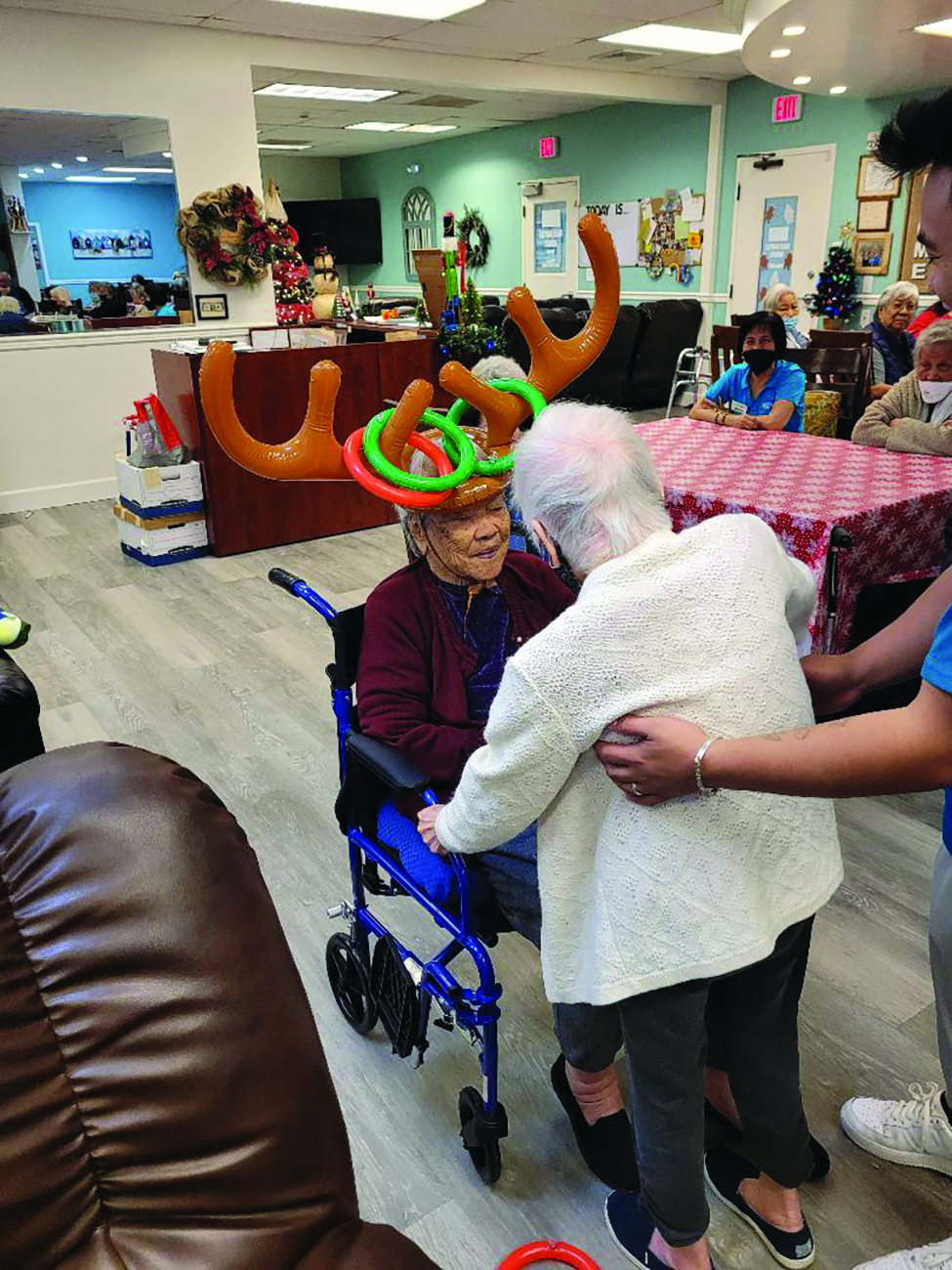
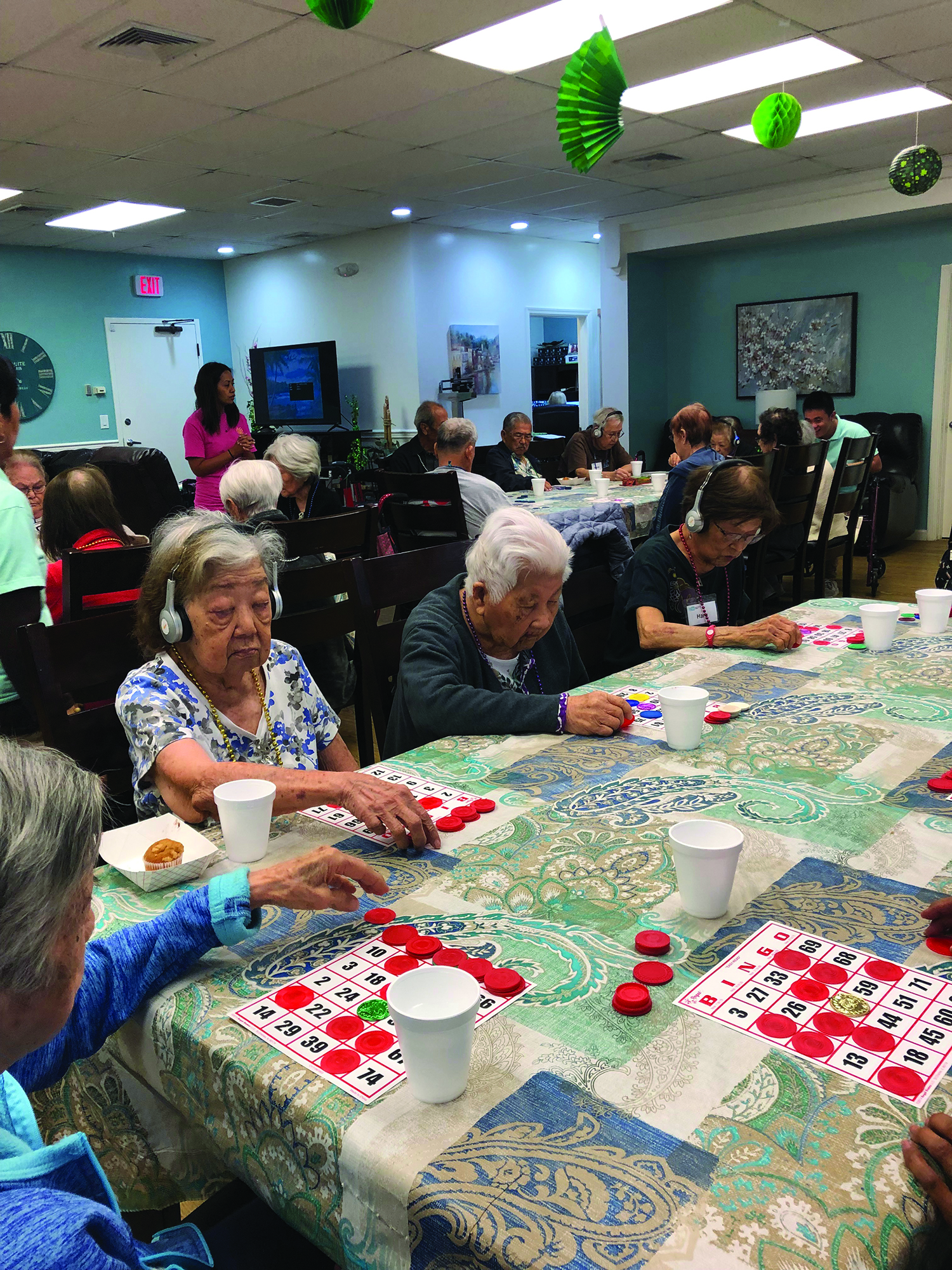
    Adding some sparkle to your social life can be a challenge at any age, especially in life’s later decades. For many, adult day care is a low-stress foray into an activity-filled social life.

    Adult day care centers are key providers of long-term care services. They provide activities, health monitoring, socialization and assistance with daily activities. These programs allow individuals to continue to live in their homes and to receive needed care in a supportive, professionally staffed, community-based setting. Adult day care also benefits family caregivers, enabling them to remain in the workforce or take needed respite. Educational programs and support groups are also tailored to caregivers.

    These programs provide cost-effective care while supporting individual autonomy, allowing individuals to age in place. This enhances quality of life for seniors and family caregivers. Adult day care centers are not often recognized for the important role they play in addressing the needs of the senior population in the state.

    Operating during daytime hours, centers like Hale Hau’oli Hawai‘i offer a safe and supportive environment. Older adults are afforded an opportunity to get out of the house and be mentally and socially engaged. Seniors who can no longer structure their own daily activities, those who are isolated and desire companionship, those who can’t be safely left at home alone — perhaps someone who lives with a caregiver who also works outside the home — may particularly benefit.

    Centers typically offer various packages to meet the unique needs of each individual. Costs can vary depending on factors including the hours a person wants to attend, whether it’s a weekday or weekend and types of assistance required.

    The services provided by the center can also affect prices, such as medical monitoring, personal care assistance or transportation services. Some centers may offer different pricing tiers based on these or other considerations, so it is essential to query different facilities to learn the options.


    HALE HAU‘OLI HAWAII (501(c) 3 nonprofit)
    98-1247 Kaahumanu St., Ste. 207, Aiea, HI 96701
    808-292-4665 | kwyatt01@aol.com
    halehauolihawaii.org

    Adding some sparkle to your social life can be a challenge at any age, especially in life’s later decades. For many, adult day care is a low-stress foray into an activity-filled social life. Adult day care centers are key providers of long-term care services. They provide activities, health monitoring, socialization and assistance with daily activities.

  • A Calling to Gerontology

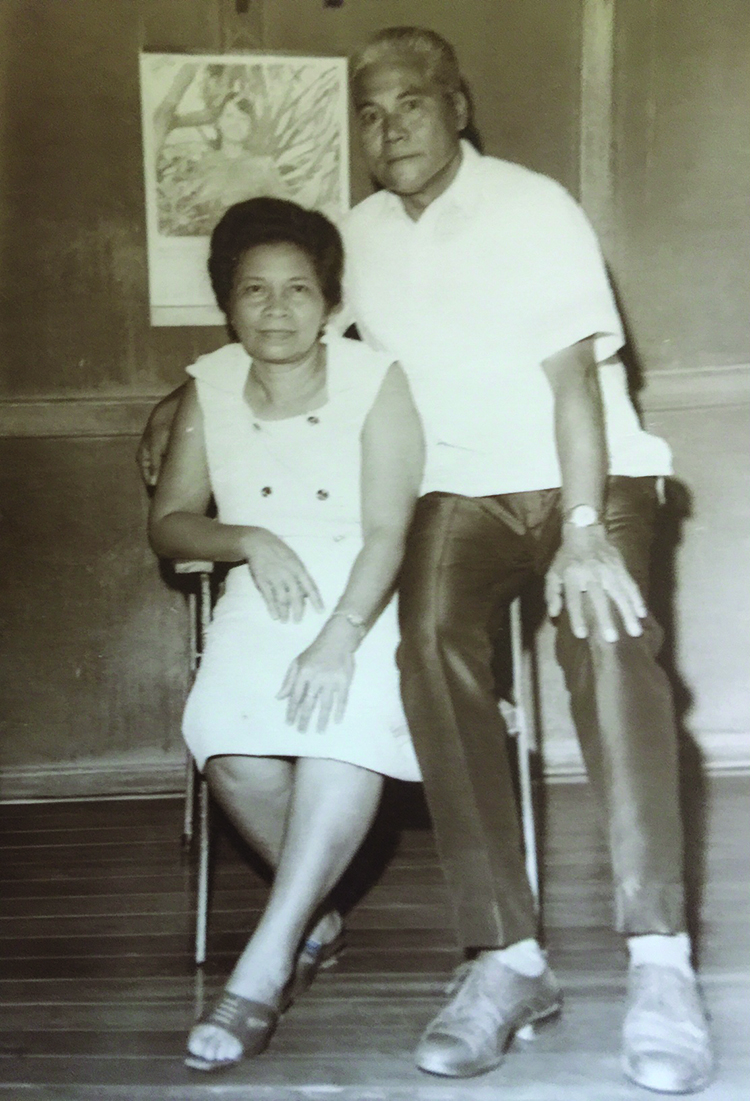
    I hold dear the life lessons my Lolo (grandpa) and Lola (grandma) taught me.
    I hold dear the life lessons my Lolo (grandpa) and Lola (grandma) taught me.

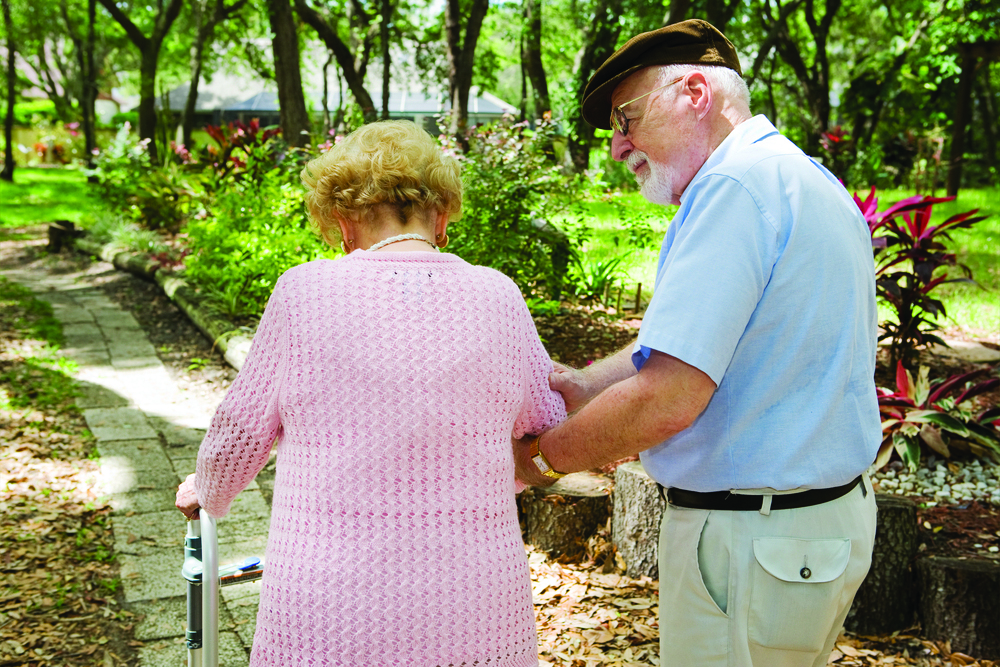
    There are many reasons why working with seniors became my passion. One was to prepare myself to care for my loved ones as they age. We will all eventually encounter the challenges of caregiving. What better way to prepare than by choosing gerontology as a career?

    To keep continuously employed, I embraced working with members of an aging society. My parents’ generation — the baby boomers — will account for an estimated 61 million by 2030, so there will always be those who need care.

    However, the main reason I chose gerontology as my college degree was because of the love I have for my grandparents. Although I learned a lot about them through their letters, pictures and phone calls from the Philippines, I’ll never forget meeting Leonardo and Eriberta in person for the first time when they finally moved to America.

    Every day, I hold dear the life lessons they taught me. The unconditional love they showed me sparked my desire to choose a career to care for other members of this older and wiser generation. I honor my grandparents today by continuing to learn, and by putting what they taught me about love and kindness into practice by providing superior care to seniors, enabling them to maintain a comfortable lifestyle with dignity.


    ROSELANI PLACE (501(c) 3 nonprofit)
    88 South Papa Ave., Kahului, Maui, HI 96732
    808-871-7720 | Toll Free: 800-554-9853
    info@roselaniplace.com | roselaniplace.com

    There are many reasons why working with seniors became my passion. One was to prepare myself to care for my loved ones as they age. We will all eventually encounter the challenges of caregiving. What better way to prepare than by choosing gerontology as a career?

  • Caregiver Compatibility is Key

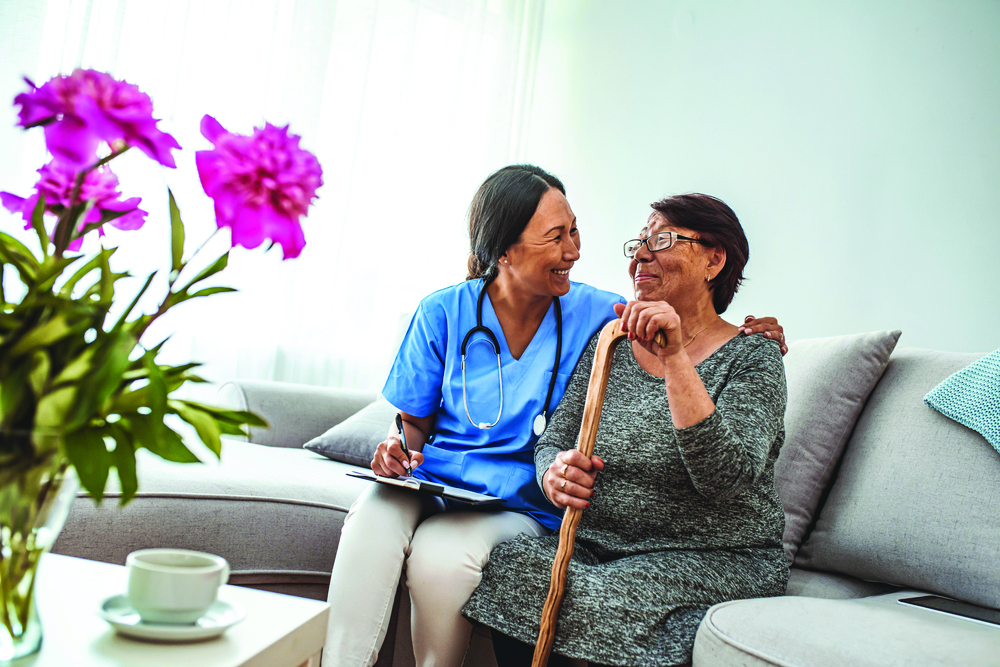
    As we age, our loss of independence can lead to reluctance to both accept or ask for help. Often, finding a caregiver who is compatible with you or your loved one and their particular personality traits can help them transition to receiving care.

    You want to be sure that whoever you work with asks the right questions about you or your loved one in order to determine a good personality match.

    Will we be working with someone who is quiet and shy, or talkative and extroverted?
    Are they more routine oriented or laid back?
    Would they prefer going out for walks or sitting indoors and playing a board game?

    Matching seniors to caregivers with whom they best connect will improve the quality of their life and ensure they receive the care they need to keep them thriving.

    Everyone is different and likes to be treated differently. So when researching home care services, inquire about customized care plans to ensure that you or your loved one will receive the specialized and tailored care that will meet their individual needs now, and into the future.


    ALTRES Home Care
    967 Kapiolani Blvd., Honolulu, HI
    808-591-4930
    homecare@altres.com | altreshomecare.com

    As we age, our loss of independence can lead to reluctance to both accept or ask for help. Often, finding a caregiver who is compatible with you or your loved one and their particular personality traits can help them transition to receiving care.

  • Houselessness: How Can You Help?

    blurred image through window of old man with gray hair on train

    When you see a gray-haired person clinging to the few possessions they have and wandering the streets, it is because they are trying to find shelter, a safe place to sleep and something to eat.

    Among Hawai‘i’s houseless population, there are aging persons unable to live in safe and healthy environments. Regardless of the particular circumstances that got them in this situation, aging and houselessness are not compatible — it is simply not an acceptable state of being for any senior. So when you see an older person who is in need, consider the status of their welfare with compassion and without judgement:

    • Is this person lost due to dementia?
    • Do they have an untreated medical condition?
    • Are they approachable?
    • If so, what can I do to help?

    Supporting organizations that provide resources to houseless persons is a great way to help. Specialists at Aloha United Way 211, Hawai‘i’s only statewide helpline, connect those in need to resources and emergency assistance. Depending on location and need, they are trained to find resources that people in need can utilize right away.

    Call 2-1-1 or 877-275-6569 and ask how you can make a difference.


    THE CAREGIVER FOUNDATION (501(c) 3 nonprofit)
    926 3rd St., Pearl City, HI 96782
    808-625-3782 | info@thecaregiverfoundation.org
    thecaregiverfoundation.org

    When you see a gray-haired person clinging to the few possessions they have and wandering the streets, it is because they are trying to find shelter, a safe place to sleep and something to eat. Among Hawai‘i’s houseless population, there are aging persons unable to live in safe and healthy environments.

  • Helping Seniors With Technology

    Technology is ever-advancing these days, with information on new devices everywhere. For early adopters, this is seen as helpful and even normal. However, for some seniors, adapting to new devices can be challenging due to physical limitations. Vision loss is one of the more common problems experienced, as is age-related macular degeneration (AMD) that typically affects older adults.

    Millions of Americans every year are affected by AMD, which destroys central vision, leaving only the peripheral vision. Those affected may no longer be able to see the faces of their family members, drive a car or read a newspaper. Using a mobile device can have the same results. Nearly one in every three adults over the age of 75 is currently affected by AMD. According to Dr. Chris Knobbe, clinical associate professor emeritus at the University of Texas Southwestern Medical Center, “AMD is an epidemic — worldwide. Globally, one in every 11 persons over the age of 50 has some degree of AMD.”

    The good news is technology is improving for those with vision loss like AMD. Currently, there are many tools which can help individuals to read their devices, from simple magnifiers and brighter reading lights, to more sophisticated screen readers and applications. The accommodation of selecting larger fonts and web page sizes has also been available across media to make information more legible. These visual aids have helped those with vision impairments to maximize their usable vision, and make better use of devices and technology. The use of voice command devices has also become more mainstream and should be considered for those with vision impairments. Amazon has ECHO, a home voice command device, and Samsung has a smart TV that also listens to voice commands.

    Bridging these gaps between seniors and technology can also be a challenge for caregivers sometimes, given the limitations that vision loss can have on using devices. But once these hurdles are cleared, research shows that adults older than 65 using smart phones or other electronic devices are more likely to become daily internet users.
    Caregivers can help by doing a few simple things:

    • Avoid complex devices with distracting features.
    • Use technology that accommodates physical limitations.
    • Choose devices relevant to user needs and values.
    • Encourage technology that is socially rewarding.
    • Be their technical support.

    Once on the internet, seniors using devices with social media apps such as Facebook, Instagram and Twitter are more in touch and engaged with others. Forrester Research also showed in its “Digital Seniors” report that 60% of all US seniors are online, and of those, roughly half are also using Facebook. “Many people have the misunderstanding that seniors are averse to technology. I don’t find that true at all,” said RN Kari Foster. “It’s the simpler things — like arthritis or forgetting their glasses on their head — that gets in the way.”


    ATTENTION PLUS CARE HOME HEALTHCARE
    Accredited by The Joint Commission
    1580 Makaloa St., Ste. 1060, Honolulu HI 96814
    808-739-2811 | attentionplus.com
    AGING IN HAWAII EDUCATIONAL OUTREACH PROGRAM
    by Attention Plus Care — a program providing resources for seniors and their families, covering different aging topics each month. For class information and upcoming topics, call 808-440-9356.

    Technology is ever-advancing these days, with information on new devices everywhere. For early adopters, this is seen as helpful and even normal. However, for some seniors, adapting to new devices can be challenging due to physical limitations. Vision loss is one of the more common problems experienced, as is age-related macular degeneration (AMD) that typically…

  • Self-Renewal Tips for Caregivers

    Caregivers are some of the most selfless people you will find, constantly putting the needs of others before their own. In Hawai‘i, over 65,000 people are family  caregivers for almost 30,000 loved ones living with Alzheimer’s or another dementia. In my seven years of experience working with family caregivers, I’ve seen caregivers who make many sacrifices, sometimes neglecting their own health and often postponing vacations for years. If this is you, it’s time to focus on self-renewal.

    Go back in time

    What types of things did you like to do when ou had more free time? What did you enjoy in your youth? Make a list of three things that you absolutely love and turn these things into activities. For example, acknowledge your love for dogs, then plan an activity that engages a favorite furry friend. If you love music, make plans to see your favorite performer in concert.

    It is important not to get stuck in feelings of guilt for taking this needed time away from caregiving. Schedule activities from your “absolutely love” list into your calendar ambitiously this year.

    Branch out to avoid burnout

    Isolation and caregiving go hand in hand. When people are getting close to burnout level, they may distance themselves from friends, family and social activities. But the best thing you can do for the person you are caring for is stay physically and emotionally strong.

    Burnout stems from the decrease in self-care. It entails more than maintaining physical health; emotional support is an important part of self-care. Have you ever considered meeting fellow caregivers and talking story? Support groups offer comfort and reassurance, and can be a great source of practical advice. The  Alzheimer’s Association Hawai‘i Chapter offers free support groups for family caregivers every month. The groups are filled with wisdom, tears and even humor. To find a caregiver support group in your neighborhood call the Alzheimer’s Association 24/7 Helpline at 800-272-3900.

    Examine your coping strategies

    Make a list of the positive things you do to relieve stress. Turn those into activities and add them to your coping list. Do what is realistic for everyday life.

    Restore your energy

    This year, focus on ways to recharge yourself, even if that means simply starting with two minutes a day just for you to breathe. Give yourself more energy by giving yourself more time.

    What do you need to feel healthier or stronger? Eat well and exercise regularly to increase energy levels. Slow it down. Multitasking is part of the caregiving cycle, but try to limit multitasking in order to be more mindful. Consider building a relaxing sleep routine and finding ways to clear your mind before bedtime.

    Talk to someone

    If you are waking up tired each morning, it may be time to talk to someone. Caregiver depression has been called a silent health crisis. Between 40 and 60 percent of caregivers experience depression. This can happen to anyone who puts their own physical and emotional needs on the back burner for an extended amount of time.

    Depression affects individuals in different ways and at different times. For example, some may experience depression right after a loved one has been diagnosed with Alzheimer’s, while others may experience it as the disease progresses. There is no shame in depression. For more information, visit www.alz.org/help-support.

    For the caregivers reading this, know that you are invaluable, so promise to focus on your own vitality. Seek what will support your spirit and strengthen hope. Make 2023 your year.


    Support for Alzheimer’s disease or a related dementia:
    24/7 Helpline 800-272-3900 | 808-591-2771
    www.alz.org/Hawaii
    www.alz.org/help-support/i-have-alz/younger-onset
    Walk to End Alzheimer’s donations: act.alz.org/aloha

    Caregivers are some of the most selfless people you will find, constantly putting the needs of others before their own. In Hawai‘i, over 65,000 people are family  caregivers for almost 30,000 loved ones living with Alzheimer’s or another dementia. In my seven years of experience working with family caregivers, I’ve seen caregivers who make many…

  • Benefit of Live Music in Nursing Homes

    a hawaiian band performs for a hula show at waikikiMuch more than just a time-filler, live music holds therapeutic benefits for nursing home residents. According to a 2016 study, live music has been shown to reduce cortisol levels in the body, allowing for a stronger immune system, reduction in depression, better memory and many other benefits. It’s no wonder that nursing homes schedule in a healthy dose of live music!

    Music also has the power to unlock positive emotions and memories. And attending performances with others creates a space for building relationships. The low physical and cognitive requirements allow for a range of abilities to enjoy this shared experience.

    Even those in a later stage of dementia can benefit from this sensory stimulation. Hearing music that evokes memories can help a resident reflect on their life and feel a stronger sense of meaning, as well as make them feel connected to the community outside of the nursing home walls. This in turn can contribute to a stronger sense of self and a positive outlook. Additionally, the musical performances are a diversion from the day-to-day activities, keeping life interesting and providing fresh experiences for our kūpuna.


    MANOA COTTAGE KAIMUKI
    748 Olokele Ave., Honolulu, HI 96816
    808-800-4089 | info@manoacottage.com
    www.manoacottage.com

    Much more than just a time-filler, live music holds therapeutic benefits for nursing home residents. According to a 2016 study, live music has been shown to reduce cortisol levels in the body, allowing for a stronger immune system, reduction in depression, better memory and many other benefits. It’s no wonder that nursing homes schedule in…

  • The Gift of Caring for Others

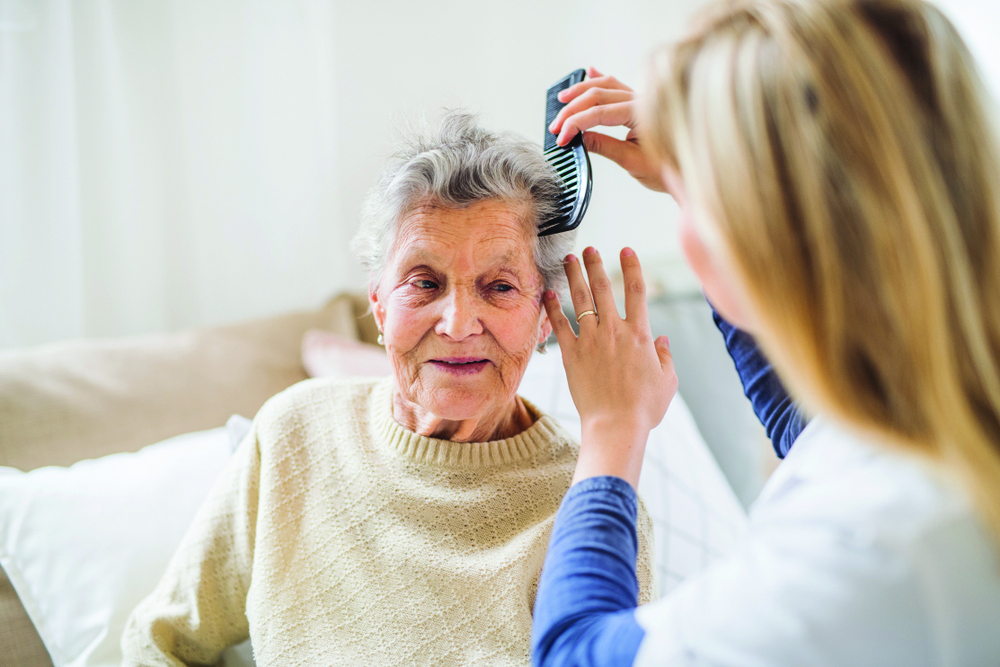
    Those of us in the home healthcare business have the opportunity to witness and share amazing stories of families in need each and every day. These stories come from the connections and meaningful moments between care providers and those they care for.

    By allowing an agency caregiver into a home in crisis, family members are often able to learn new caregiving methods and skills. But as hired caregivers become part of the family, they in turn have the opportunity to learn from their clients — how to live, and sometimes, how to love.

    Home healthcare supervisors and schedulers working behind the scenes enable these situations to become daily experiences. Hearing about the successes, the accomplishments, the new diagnosis and the struggles our families go through allows us to share in these moments, giving the professional caregiver the gift of experience and emotional growth.

    Watching others go through life-changing events becomes an event in our own lives. By listening and understanding, we can share in these deep moments of  exchange.

    Providing care to families and their loved ones also enables us to acknowledge the gift of giving of ourselves. We are frequently filled with concerns about our families:

    Will she survive this bout of pneumonia?
    How will he make it home after his hip surgery?
    Is she getting enough to eat?
    How can we make a difference?

    Some caregivers break down and cry when a client must move into another situation that may be more suitable for their care needs.

    “My best self comes out when I realize how everything from subtle influences to helping educate family members can end up saving their lives in some way,” said Margie Esprecion, RN. “Catching the signs and symptoms of an illness, or convincing a 90-year-old to visit their doctor, or noticing the need for an emergency intervention makes me feel like I made a difference.”

    We have seen caregivers recognized by family members and clients as angels. The gratitude shown by the family encourages caregivers to keep learning and providing the best care they are capable of. They write words of appreciation — “compassionate, thoughtful, considerate, intuitive, attentive, comforting, respectful” — bringing us joy and satisfaction, recognizing our efforts, and supporting and encouraging the client-caregiver relationship, and acknowledging our purpose:

    To provide nurturing moments for the one who cares and the one who needs the care.

    Sometimes we must just pause and appreciate everyone who has taught us how to become better human beings.

    This is the gift of caring for others.


    ATTENTION PLUS CARE HOME HEALTHCARE
    Accredited by The Joint Commission
    1580 Makaloa St., Ste. 1060, Honolulu HI 96814
    808-739-2811 | www.attentionplus.com
    AGING IN HAWAII EDUCATIONAL OUTREACH PROGRAM by Attention Plus Care — a program providing resources for seniors and their families, covering different aging topics each month. For class information and upcoming topics, call 808-440-9356.

    Those of us in the home healthcare business have the opportunity to witness and share amazing stories of families in need each and every day. These stories come from the connections and meaningful moments between care providers and those they care for.

  • The Best Type of In-Home Care for You

    It is important that seniors and their families understand their choices when it comes to in-home care, so they can decide what will best fit their needs.

    For some folks, traditional time-based in-home care services are the best option, while others will find task-based in-home assistance to be less intrusive, more affordable and an effective way to continue to live well at home independently.

    Responses to the following questions can help determine the type of care that best suits the needs of a senior and their family.

    • How independent is the senior? Do they need constant supervision or do they have signs of dementia?
    • Has the senior recently been discharged from the hospital or does he or she need temporary help with the activities of daily living?
    • What other assistance is available? Are there family members and friends who are also able to provide support?
    • What are their objectives and health goals?
    • What is their budget for in-home care?

    Task-Based Assistance

    This type of assistance works best for seniors who are independent, but would like help with:

    • General housekeeping and laundry
    • Meal preparation
    • Medication reminders
    • Exercise and range of motion routines
    • Transportation to doctor appointments or errands
    • Bathing or toileting assistance
    • Other personal care assistance

    Time-Based Services

    This type of care is based on services provided for seniors who want to stay at home but need longer visits or more direct, hands-on care to assist with activities of daily living.

    Task- & Time-Based Services

    Healthcare services that offer a full range of care services can design a care plan that suits a senior’s individual needs by offering both time-based and task-based care.

    A combination of time- and task-based services can also be tailored for a senior who has a unique combination of care needs.


    VIVIA by Ho‘okele Home Care
    820 Mililani St., Ste. 711, Honolulu, HI 96813
    O‘ahu: 808-784-3049 | Maui: 808-784-3094
    info@viviacares.com | www.viviacares.com

    It is important that seniors and their families understand their choices when it comes to in-home care, so they can decide what will best fit their needs. For some folks, traditional time-based in-home care services are the best option, while others will find task-based in-home assistance to be less intrusive, more affordable and an effective…

  • The Gift of Holiday Presence

    Every year at this time, The Caregiver Foundation witnesses and acknowledge the “extras” caregivers provide for individuals who would otherwise not benefit from any holiday spirit.

    Cleo, a caregiver for a 100-year-old bed-ridden client with dementia, brought in a dazzling Christmas tree. Lights danced in our client’s eyes; a smile in remembrance of holidays past softened her face.

    Myra worked with one of our traumatic brain injury clients. Festive clothing, special jewelry and even sparkly makeup helped this client feel ready for celebrating the holidays.

    Another caregiver sang carols and held a lonely hand. Although the client wasn’t able to respond, those gifts surely made a difference.

    Gift giving does not have to be expensive, tiresome or obligatory. The gift of time does not require quantity — just focused attention during the minutes shared. The gift of a smile costs nothing, but can reconnect the humanity often lost in caregiving. A shared treat, movie or outing — simple things that are sidelined by life and caregiving — are gifts to be given, received and enjoyed immediately. Whatever you chose to share with a person needing care, remember that the greatest gift you can give is your presence.


    THE CAREGIVER FOUNDATION (501(c) 3 nonprofit)
    926 3rd St., Pearl City, HI 96782
    808-625-3782 | info@thecaregiverfoundation.org
    thecaregiverfoundation.org

    Every year at this time, The Caregiver Foundation witnesses and acknowledge the “extras” caregivers provide for individuals who would otherwise not benefit from any holiday spirit. Cleo, a caregiver for a 100-year-old bed-ridden client with dementia, brought in a dazzling Christmas tree. Lights danced in our client’s eyes; a smile in remembrance of holidays past…

  • A Caregiver’s Mantra

    Many professional caregivers have deeply rooted memories that inspired them to pursue a career in a field — such as assisted living. My first experience with  dementia, caregiving and compassion involved my own grandparents, my Lolo and Lola.

    At age 11, I witnessed how lovingly my grandfather cared for and protected my grandmother, who was forgetting things. When someone made an unkind remark toward my Lola regarding her dementia, my Lolo responded very admirably. With few words, he simply excused us from the room.

    “Why are some people so mean?” I asked my Lolo. He said that when I run across people in the world who aren’t nice, I should forgive them and be nice to them anyway.

    “Be kind to unkind people. They need it the most. It’s the right thing to do.”

    Although it was a difficult concept for me to grasp at the time, today, these simple, timeless sentiments serve as my touchstone as I navigate the daily challenges of caregiving.

    Show kindness in the face of adversity. Show compassion and understanding without judgement. “It’s the right thing to do.”

    “Not throwing stones is the first step in treating others with compassion. The second step is to try to catch the stones thrown by others.”
    — Dale G. Renlund


    ROSELANI PLACE (501(c) 3 nonprofit)
    88 South Papa Ave., Kahului, Maui, HI 96732
    808-871-7720 | Toll Free: 800-554-9853
    info@roselaniplace.com | roselaniplace.com

    Many professional caregivers have deeply rooted memories that inspired them to pursue a career in a field — such as assisted living. My first experience with  dementia, caregiving and compassion involved my own grandparents, my Lolo and Lola.

  • Gardening & People With Dementia

    According to a 2021 research review on the impact of gardening in dementia treatment, exposure gardening activities has shown many benefits for the dementia population. Some of these benefits include reduction in depression and aggressive behaviors, an increase in engagement, improved mood and an increased sense of purpose.

    Studies have shown that the act of being in nature reduces the levels of cortisol and saliva amylase — both biomarkers for stress in the body — further supporting gardening’s positive impact on health.

    And though it can’t cure dementia or reverse the effects of aging, gardening is an activity that provides tangible results. Plants grow and fruits can be harvested.

    Tasks can be completed, and a sense of accomplishment  often comes with time spent weeding or seeing a flower bloom. For many kūpuna it has the added benefit of bringing back memories of past gardens tended.

    Gardening activities can include simple tasks like watering and weeding to simply wandering through the pastoral setting and enjoying peaceful moments. Though more
    research needs to be done on its effect, the consensus is that the life of a kupuna can continue to blossom through gardening.


    MANOA COTTAGE KAIMUKI
    748 Olokele Ave., Honolulu, HI 96816
    808-800-4089 | info@manoacottage.com
    manoacottage.com

    According to a 2021 research review on the impact of gardening in dementia treatment, exposure gardening activities has shown many benefits for the dementia population. Some of these benefits include reduction in depression and aggressive behaviors, an increase in engagement, improved mood and an increased sense of purpose.