
by Eileen Phillips, RN, Attention Plus Care GIVING CARE
Most seniors I meet say they prefer to age in place and live at home for as long as they can. Who wouldn’t want that, right? But living out your life safely at home may require a bit of help and experience. Home healthcare is particularly suited here; clients can manage their care with medical professionals to help make safer and more informed decisions.
Nursing supervisors specializing in home healthcare partner with individuals and family members to ensure that safety and quality care are achieved in the home as a primary goal. “When families need care for an aging loved one, regardless of the level of care, the discussions usually involve getting individuals from here to there and everywhere in between safely. A nursing supervisor can review your medications and care management, fall risks and other factors impacting a client’s ability to safely do their daily activities,” said Marjorie Gentilella, a Honolulu home healthcare nurse.
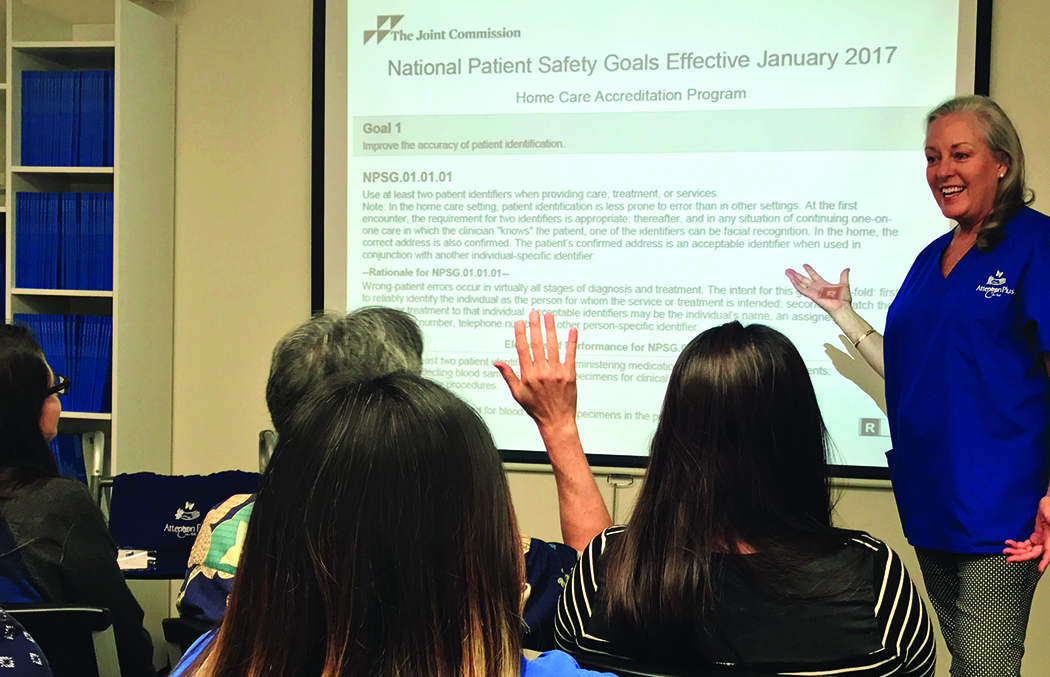 “Families want to know their loved one is being cared for in their home with safety as a top priority, and that providers have a solid track record in mitigating safety risks and hazards,” added Marjorie.
An overarching goal in providing home healthcare is to help individuals regain or maintain independence, and be as self-sufficient as possible, and to slow the advance of health-related problems so individuals may continue to live at home safely.
The Joint Commission, the standards-setting and accrediting body in healthcare, is considered the gold standard in accomplishing and evidencing these ideals. A home healthcare agency that is Joint Commission accredited uses National Patient Safety Goals set by the commission as a higher standard for safety and client care.
As with major hospitals in Hawai‘i, Joint Commission-accredited home healthcare agencies must establish and meet National Patient Safety Goals on an annual basis. To verify that these safety goals are established and met, trained medical professionals conduct on-site surveys of the agency on safety, including how well staff:
- Provides a safe environment for your loved one
- Educates you about the risks and options for your diagnosis and treatment
- Protects your rights as a patient, including your privacy rights
- Evaluates your condition, before, during and after diagnosis and treatment
- Protects you against infections and ways to control infection
- Plans for emergency situations
Individuals and families are almost always overwhelmed with the task of searching for and choosing a home healthcare agency for a loved one. But knowing an agency is Joint Commission accredited and committed to safety and quality can make the task easier. An agency held to National Patient Safety Goals is required to evidence, and continuously improve upon safety and quality care for all clients. And this means better care outcomes for our beloved kupuna.
ATTENTION PLUS CARE
Accredited by The Joint Commission
1580 Makaloa St., Ste. 1060, Honolulu HI 96814
808-739-2811 | www.attentionplus.com
AGING IN HAWAII EDUCATIONAL OUTREACH PROGRAM
by Attention Plus Care — a program to provide resources for seniors and their families, instructed by a registered nurse, who covers a different aging process each month. For class information on Parkinson’s disease and upcoming topics, call 808-440-9356.

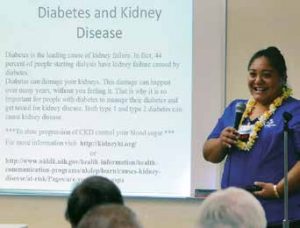 “For many people, kidney damage may be temporary and occur quickly due to changes in kidney function from illness, injury or taking medications,” said Marissa Ramos, a Honolulu home healthcare nurse. “If not treated properly, kidney damage can become a chronic condition, often without one knowing — especially if it is related to other underlying conditions, such as diabetes or high blood pressure. Regular health screenings and tests are key in detecting risks for kidney disease. We see and often care for clients with multiple health issues, such as diabetes, uncontrolled high blood pressure or congestive heart failure. We focus on early detection, education and proper care, which can slow the progression of kidney disease and help avoid kidney failure.”

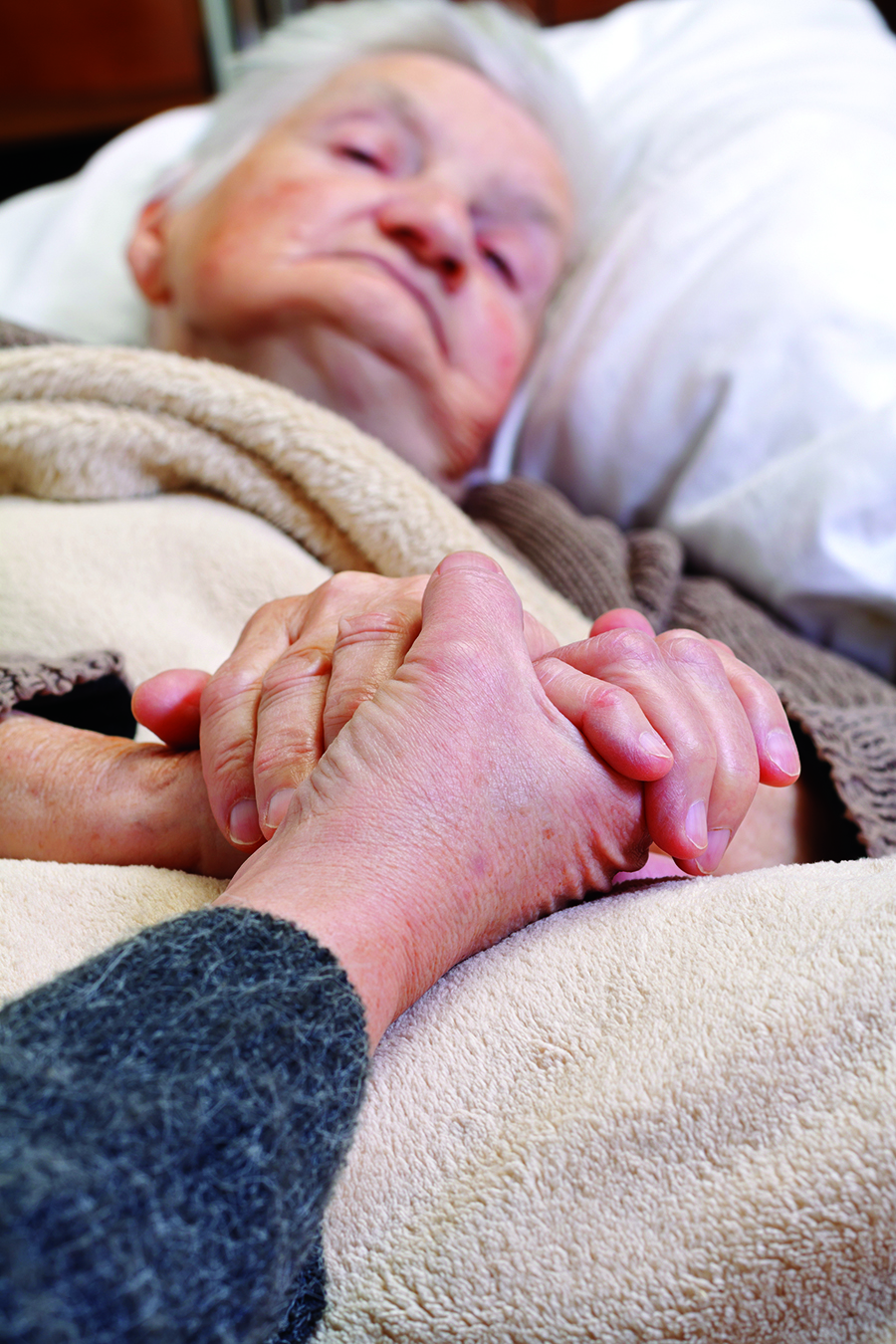 Ten thousand people die each year in Hawai‘i. For some terminally ill, the medical care they receive is insufficient to ease their pain, loss of autonomy or feelings of indignity as they begin the dying process.
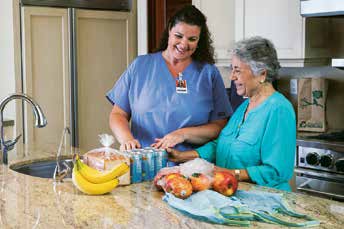 The in-home care business is one of the fastest and largest growing industries nationwide, and the demand for services will continue to grow into the foreseeable future. In fact, over the next 15 years, the entire baby boomer generation will pass the age of 65; consequently, when that occurs, there will be nearly 84 million seniors living in America—nearly onefifth of our national population.
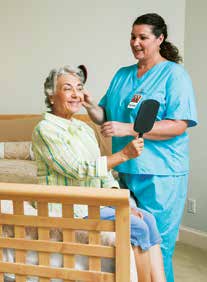 The success of the increased growth of in-home care services brings its own set of challenges, such as the recent shortage of nurses, physicians, support staff and other practitioners.
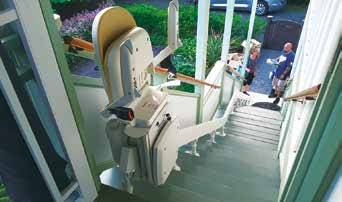 Do you know someone who has fallen and experienced detrimental effects on their physical health, confidence and emotional state? A “stairlift” is a viable solution for those who want to stay in their homes and it provides peace of mind for the family.
 Every year, 60,000 Americans are diagnosed with Parkinson’s disease (PD). Of those, many will rely on their families for support.
 I’ve been a volunteer caregiver for about 25 years now and know well that it is undoubtedly the most difficult and underappreciated job on the planet. However, in caring for my own father, I found that it is also a privilege and a sacred trust, sharing the most meaningful moments of your loved one’s life. But amid the cleaning, meal planning and cooking, and arranging medications and doctor visits, exhaustion can consume you, making time pass by without you being able to fully appreciate precious final years — possibly even days.
 As our loved ones grow older, they often want to live at home for as long as possible.