Category: Column

  • New Rules for the New Game of WORK

    Our changing workplace dynamic at this stage of life requires a new set of rules to help us navigate our careers.

    ■ The first rule of the “new game:” To remain financially secure, most of us (over 50 percent) will need to continue to work — in some capacity — much later than in past generations.

    ■ So-called “entitlements” and social systems set up to ensure cradle-to-grave support are rapidly becoming obsolete in all countries and nations. People who count on these entitlements are going to be in for an unpleasant surprise.

    ■ Organizations will never again hire full-time “office workers” to solve short-term problems. They will keep very few people who do not serve their immediate needs because the world is in play. Technology and innovation are not birthrights. Work that can be done somewhere else by someone else will be!

    ■ “Work” is to the 21st century what “jobs” were to the 20th. Many people will do more than one thing and serve several clients or customers at any given time. Portfolio careers, so long predicted, are now a fact, along with highly specialized
    careers that support marketplace needs.

    ■ There is opportunity awaiting those who plan and act, because change will continue to be fast and discontinuous, meaning that frequent upgrading of competencies, reinvention and innovation are, now and forever, part of the new rules of the game. Careers that served millions once-upon-a-time in the not-so-distant past may now be obsolete or so materially changed that they bear little resemblance to once-familiar careers.

    ■ Those who model their career planning after our strategic business (yes, your career is your business) model, will succeed while many others will live hand-to-mouth in an economy that favors the consistently prepared. We will present this business planning model in our next article.

    ■ “Why am I here and has my life mattered?” This question arises in virtually everyone’s life. You will matter in ways never previously imagined in younger lifetimes.

    Remember, those who ask this question at mid-career have the time to create the meaningful lives they long for and deserve. Those who don’t, won’t!


    NEW WORKFORCE HAWAII
    Carleen MacKay
    916-316-0143 | carleenmackayhi@gmail.com
    www.linkedin.com/in/carleenmackay

    Our changing workplace dynamic at this stage of life requires a new set of rules to help us navigate our careers. The first rule of the “new game:” To remain financially secure, most of us (over 50 percent) will need to continue to work — in some capacity — much later than in past generations.

  • Morning Habits Bring All-Day Joy

    Have you ever observed how you wake up? Are you quick to rise or slow to get moving? Do you wake up happy or with a sense of dread, or is your mind already dealing with problems?

    If feeling better is important to you, consider starting your day more deliberately. When you first wake up, smile! Smiling has positive chemical effects in the brain, including the release of dopamine, endorphins and serotonin, the happy hormones that help lower stress, anxiety and can aid in lowering heart rate and blood pressure.

    Make a positive declaration that feels good to you, and if possible, say it aloud and express it with your body. It can be a simple thing like, “I am healthy!” or “I feel bright!” Try different phrases until you find one that resonates with you. Then, take a moment to thank your body and brain for keeping you alive while you slept. Your internal systems worked hard detoxing, purging, processing and rebuilding, all without any work or thought on your part. When you take that moment to appreciate your body’s functions, you might even start to feel your body responding to your attention.

    The first time you do this, it may feel strange, but after a week, you will feel the difference!


    KAIMUKI BODY & BRAIN
    3569 Harding Ave., #B, Honolulu, HI 96816
    808-738-5522 | www.bodynbrain.com/kaimuki

    Have you ever observed how you wake up? Are you quick to rise or slow to get moving? Do you wake up happy or with a sense of dread, or is your mind already dealing with problems? If feeling better is important to you, consider starting your day more deliberately.

  • Nine Coping Skills For Managing Stress

    Stress is a part of life. And our ability to manage stress is part of the resilience needed to live a well-balanced life. Our ability to cope with stress determines the quality of our life. How we handle stress defines who we are.

    Here are nine very practical coping skills strategies to help us cope with our stressors:

    The 9 Coping Skills

    1. Deal with your feelings. Feelings tell us what we need to do. To deal with them, we must name them, realize it’s ok to feel them, express them in a safe way, then decide what to do to feel better.

    2. Adjust your attitude. What we tell ourselves about the situation will determine how we feel about it. Looking at the good side of things (having a positive attitude) can help us feel better.

    3. Discover your choices. In every situation, there are things that can and cannot change. We help ourselves when we choose something that can be changed. Your attitude can always be changed.

    4. Accept imperfection. Everyone makes mistakes. We can help ourselves feel better by adjusting our attitude and assessing our choices.

    5. Give yourself a break. When you become physically and/or emotionally tired, get your energy back and make yourself feel better by relaxing and taking a break from what you are doing.

    6. Take things one step at a time. When you have too much to do, you can feel overwhelmed. Feel better by slowing down, prioritizing and taking things one step at a time.

    7. Treat yourself kindly. The stress caused by being angry, frustrated or pushing yourself too hard can make you feel worse. Feel better by using patience and gentle affirmations.

    8. Plan ahead. When we have a lot to do or think about, planning ahead can help prevent problems before they arise. Planning ahead helps us to have enough time, energy & tools to complete the task.

    9. Ask for help. When no matter how hard we try or how many coping skills we use, we still can’t solve our problem, it’s time to ask for help.

    Which of these nine coping skills do you frequently use? Which are hard for you? Which are easier? You will benefit by practicing all nine, with an emphasis on the harder ones.

    Practicing them during routine situations will help make them a part of your daily navigation, so when things become rough, you’re more comfortable finding your way.


    RICK TABOR
    GM Community Development Director
    808-285-5936 | Rick@Generations808.com

    Stress is a part of life. And our ability to manage stress is part of the resilience needed to live a well-balanced life. Our ability to cope with stress determines the quality of our life. How we handle stress defines who we are. Here are nine very practical coping skills strategies to help us cope…

  • Vaccination – A Lesson from the Past

    The scientific study of disease management and infection control has certainly come a long way. Effective vaccines exist for many diseases, including polio and measles. A more tolerable vaccine for smallpox has also been developed.

    Some early vaccines were discovered by accident. The word “vaccination” has a Latin origin in which “vacca” means “cow.” Dr. Edward Jenner noticed that cowpox (much less severe than smallpox) caused milkmaids at the time to be immune to smallpox, which was much more deadly. This finding lead him to use the cowpox material in the vaccine.

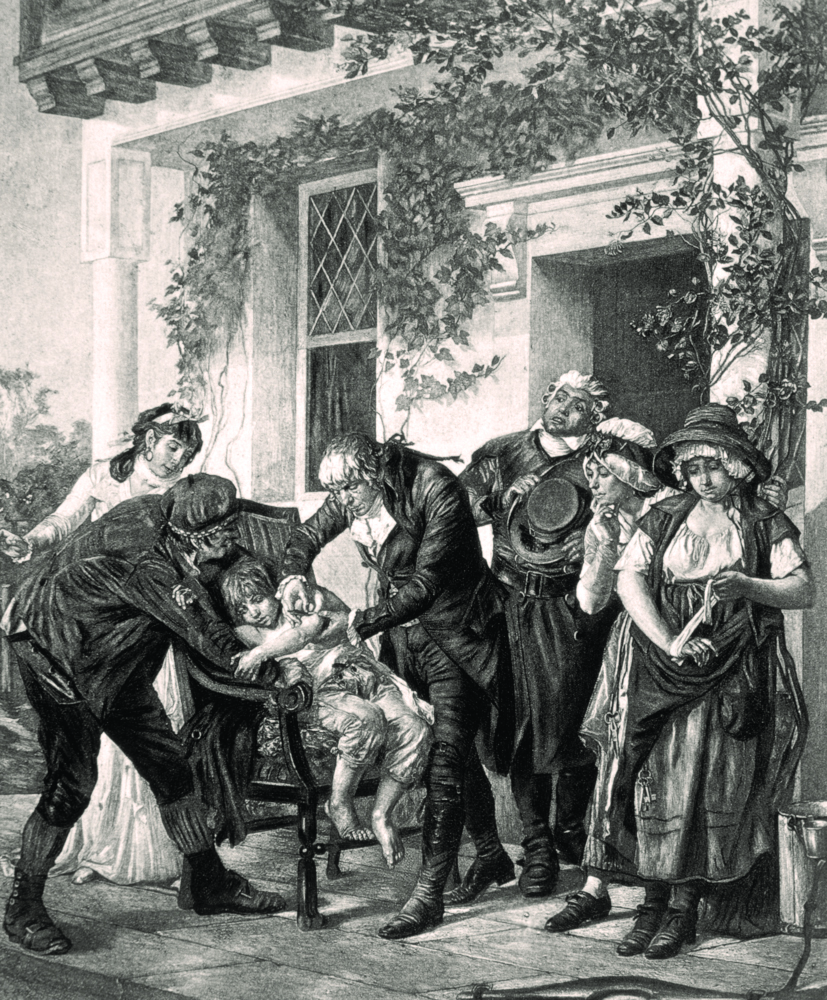
    In 1796, Dr. Edward Jenner, a pioneer of vaccination, inoculated 8-year-old James Phipps with cowpox vaccine to provide immunity against the much more deadly smallpox virus.
    In 1796, Dr. Edward Jenner, a pioneer of vaccination, inoculated 8-year-old James Phipps with cowpox vaccine to provide immunity against the much more deadly smallpox virus.

    Thomas Jefferson was an advocate for getting vaccinated and responded to Dr. Jenner’s report with this remark: “Having been among the early converts, in this part of the globe, to its efficacy, I took an early part in recommending it [the vaccine] to my countrymen.” In those days, this statement could have great power to convince the American public to roll up their sleeves. Vaccines have virtually eradicated some of these horrible diseases that caused daily restrictions and great loss of life.

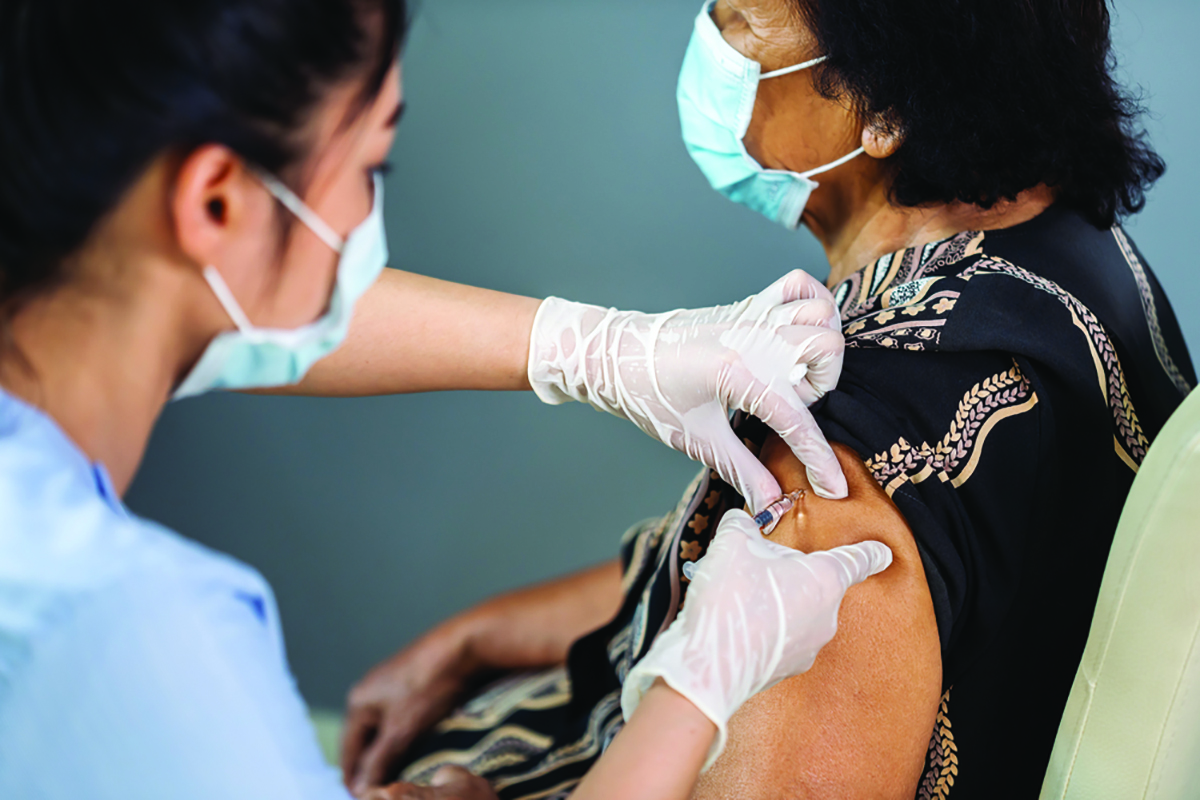
    It makes good sense for our kūpuna to get the vaccine as soon as possible. With everything we know about the history of vaccine development, there should be acceptance and cooperation from our kūpuna. The option of contracting the virus is less appealing than getting the shot (or series of shots). Talking to your loved ones now can help prepare them to accept the vaccine. Set a date and make the appointments. If it helps to have medical professionals discuss this with them, since trust lies within that relationship, then connect them with their healthcare provider.

    The eradication of diseases has been accomplished before. The trust of the population is required before this can happen. First, we must hear that the vaccine has been proven safe by a stringent approval process. Douglas Kriner, a professor of government at Cornell University, said, “The rollout of the vaccine and the public health effort to communicate to people the importance of doing this, that it’s safe and effective and trying to encourage people to vaccinate, should really be left to the public health professionals.”

    Since over 31 million people follow anti-vaccine groups on Facebook, it is apparent that we have a challenge in order to get at least 80 percent of the population vaccinated, which is what it will take to end COVID-19.


    ATTENTION PLUS CARE HOME HEALTHCARE
    Accredited by The Joint Commission
    1580 Makaloa St., Ste. 1060, Honolulu, HI 96814
    808-739-2811 | www.attentionplus.com
    AGING IN HAWAII EDUCATIONAL OUTREACH PROGRAM
    by Attention Plus Care — a program providing resources for seniors and their families, covering different aging topics each month. For class information and upcoming topics, call 808-440-9356.

    When the vaccine for COVID-19 is finally available, the decision to get inoculated will depend on where trust lies. When the doctor recommends a vaccine, will folks get it? The term “inoculation” was used as early as the year 1000 AD, when Chinese doctors were trying to eradicate smallpox. Their method involved grinding up smallpox…

  • A 91-Year-Old Advocate of Healthy Living

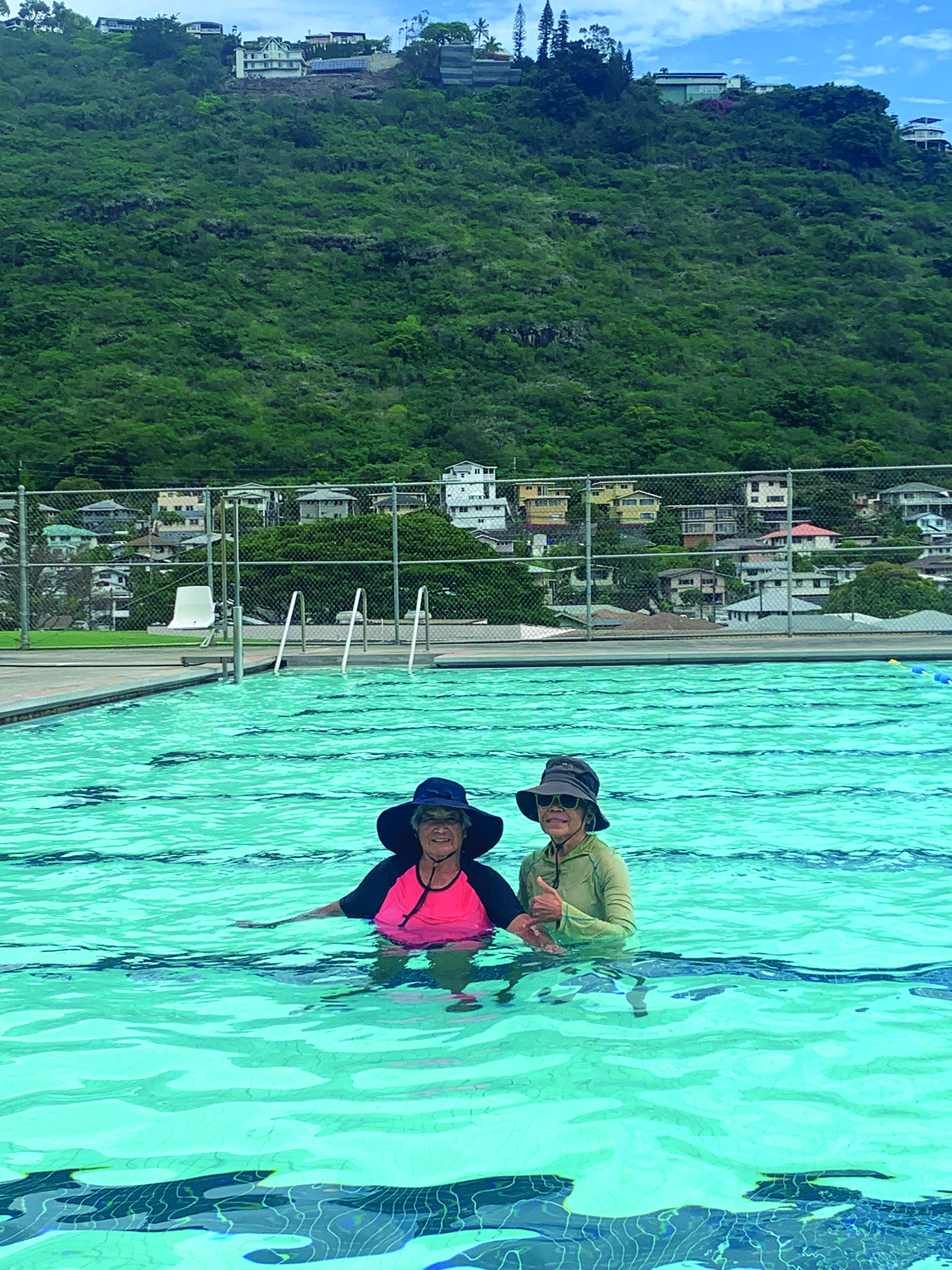
    Toyoko and her daughter, Jo Ann, go swimming together nearly every day.
    Toyoko and her daughter, Jo Ann, go swimming together nearly every day.

    Hawai‘i is fortunate to have many people living well into their 90s and even 100s. Toyoko Nishiki, a 91-year-old woman, is one of the most active we have met.

    Her parents were plantation workers in Lahaina. She was the sixth of 10 children — three boys and seven girls. After high school, Toyoko worked as a live-in nanny in Nu‘uanu while putting herself through the Honolulu Community College’s cafeteria management program. She secured a job at the Richards Street YWCA in Laniākea.

    As a recreational break from the daily monotony of her food service employment, Toyoko would often walk from Old Waialae Road, down Kapahulu Avenue, for a brief swim at Kaimana Beach before catching the bus to work. This early affect for swimming would eventually become a lifelong practice.
    When she began to suffer debilitating backaches, she borrowed a page from JFK and found that regular swimming eased and eventually completely alleviated her back pain.

    Life-changing events occur in everyone’s world. For Toyoko, it was when her husband passed away suddenly from a heart attack at age 49. That was when Toyoko decided to become an advocate of healthy living. She became conscious of not only physical exercise but aware of proper nutrition. Toyoko believes in maintaining the fitness of mind (reading, word searches and puzzles), body (exercise, the physicality of gardening, proper nutrition) and spirit (gardening, the aesthetics of nature, communing with friends and relatives — since COVID-19, via phone and Zoom — and attending online church services).

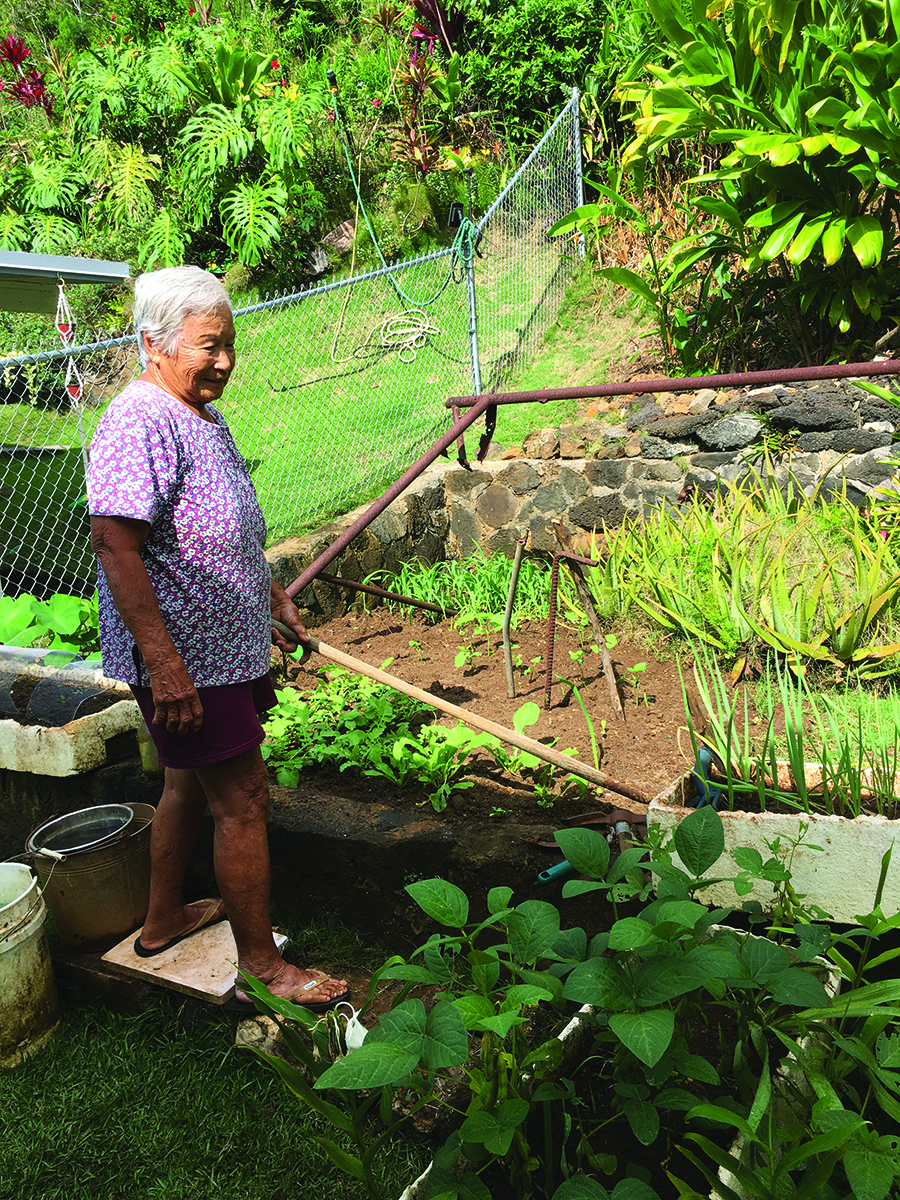
    Toyoko’s garden is another favorite spot for exercise and the appreciation of nature.
    Toyoko’s garden is another favorite spot for exercise and the appreciation of nature.

    Her daughter, Jo Ann Nishiki, remembers that her mother has always enjoyed working out, going back to when Toyoko went to the Punahou Fitness and Spa, where she met good friends until it closed. Before the pandemic spread to O‘ahu, she was going to 24-Hour Fitness in Pearl City. Using their machines and the jacuzzi, attending classes and swimming laps were all part of her routine.

    If a friend couldn’t take her to the gym, Toyoko would catch the bus to and from Palolo/Pearl City. This is what you call “dedication.”

    Daughter Jo Ann has joined her mother, driving them both to swimming. In the beginning, it took some coaxing to get Jo Ann in the water, but now they are inseparable. When COVID restrictions closed city pools, mother and daughter switched to Ala Moana Beach for their daily swim. As Hawai‘i once again began welcoming visitors, they returned to reopened city pools. The pool uses CDC protocols, so swimming is just an hour long — just enough to work up an appetite for dinner!

    With a routine that would challenge much younger folks, this 91-year-old keeps on going.

    Hawai‘i is fortunate to have many people living well into their 90s and even 100s. Toyoko Nishiki, a 91-year-old woman, is one of the most active we have met.

  • Your Body, Your BFF

    Your body is always talking to you, and you, maybe without realizing it, are often talking to your body. For the most part, you usually respond to your body when you are hungry, sleepy or itchy… Sometimes you might get angry at it for not looking how you wish it would, or complain about the pain it’s holding. But how often do you communicate good feelings to your body?

    From the time you were formed, your body has been supporting you and keeping you alive until this very moment. It is an intelligent system that functions separately from our awareness. It really is amazing how much work our bodies constantly do without thanks or any recognition from us. If you think about your body as your oldest friend, what kind of friend have you been?

    So how can you be a better friend? Start by accepting your body in whatever condition it is in and find a way to unconditionally love and appreciate it for all it does all day, every day, to keep you alive.

    Thank your organs, your muscles,  limbs, cells, etc., throughout the day — even the parts that hurt! Smile for no reason. Do these things as a daily  practice and you’ll be surprised how much better your body starts to feel when it is consciously supported by you, its best friend for life!


    KAIMUKI BODY & BRAIN
    3569 Harding Ave., #B, Honolulu, HI 96816
    808-738-5522 | www.bodynbrain.com/kaimuki

    Your body is always talking to you, and you, maybe without realizing it, are often talking to your body. For the most part, you usually respond to your body when you are hungry, sleepy or itchy… Sometimes you might get angry at it for not looking how you wish it would, or complain about the…

  • Help! I Can’t Find My Credit Card!

    Becoming a victim of credit card fraud is likely to happen to us all. We may lose our credit card (or debit card) and the finder may make unauthorized purchases. Or somehow, an online fraudster obtained our credit card information and has made unauthorized online purchases.

    So what do you do when that happens?

    Report it to law enforcement and provide the officer with the following information:

    • Credit card number.
    • Type of card (Mastercard, VISA, Discover, etc.).
    • Name on card.
    • Any credit card statements, emails and/or notifications of the fraudulent transaction(s).
    • And get police report number to provide to the credit card company.

    Contact the credit card company to report the fraudulent transaction(s) and request a stop-payment. Provide them with the same information listed above that you provided to law enforcement along with the police report number.

    Also, change the PIN number. If you access the credit card company’s website to monitor and/ or make payments for the stolen/lost credit card, change the password for that account.

    If the credit card company offers to cancel the stolen/lost card and issue a new one, you will need to get the new credit card number to those who receive automatic, scheduled or subscription payments (such as Netflix, PayPal, eBay).

    If fraud is related to online transactions, contact the online vendors that you patronize with that card (such as eBay, Amazon, etc.) and check to see if any fraudulent transactions have occurred. You may want to delete the link to the stolen/lost credit card for those online vendors.

    Finally, notify one or all of the three credit bureaus: Equifax, Experian and TransUnion. Ask for a credit report and place a security alert.

    Prevention Tips:

    • Carry only what you use often.
    • Monitor your statements regularly.
    • Sign up for suspicious credit card activity notices.
    • Keep receipts: printed or digitally saved.
    • Deal with reputable companies and/or ones with security measures that can be verified.
    • Ensure the URL starts with “https://.”
    • Only give out your credit card number or personal information to those you can verify as trusted and legitimate.


    Contact me with questions about online security. Christopher Duque | aikea808@gmail.com

    Becoming a victim of credit card fraud is likely to happen to us all. We may lose our credit card (or debit card) and the finder may make unauthorized purchases. Or somehow, an online fraudster obtained our credit card information and has made unauthorized online purchases. So what do you do when that happens?

  • Mental Health During COVID-19

    As a mental health professional for 45 years, I am increasingly concerned about the welfare of our most vulnerable populations since the onset of the COVID-19 pandemic. Since it began in February, approximately 54 percent of older adults surveyed reported increased loneliness, and associated depression and anxiety. Prolonged periods of isolation correlate with a loss of independence, contributing to an increase in mental and physical health issues.

    In Hawai’i, mental health is the most common cause of disability. Prior to the pandemic, 3.2 percent of Hawai‘i’s adult population lived with serious mental health conditions, such as major depression, generalized anxiety, bipolar disorder or schizophrenia, according to government statistics.

    The Substance Abuse and Mental Health Services Administration reports that 68.2 percent of Hawai’i adults living with mental illness do not receive
    any type of treatment. And untreated mental health issues such as depression have been linked to premature death from those stress-related conditions — even suicide. Prior to the pandemic, statistics from the National Council on Aging state that those 85 years and older have the highest suicide rate of any age group — over four times higher than the nation’s overall rate. Issues related to isolation during the pandemic may have increased that statistic.

    During this time of increased isolation, the absence of a regular routine and a lack of purpose can add to seniors’ frustrations, sometimes leading to depression and associated signs, such as lack of appetite, irritability, mood swings, isolating themselves, crying, increased sleep or restlessness and
    feelings of hopelessness.

    But There is Hope

    It’s more important now — more than ever — to try to help our seniors feel valued and needed.

    It is essential that families and caregivers understand that while there are identifiable factors that promoted a person’s depression, the condition itself is not simply a “condition of aging.” But the stigma of mental health continues to be a roadblock for those who avoid asking for help. Affordability and lack of access to care can present additional obstacles for many who could benefit from mental health support.

    It is also important to remember that depression is treatable in over 90 percent of those affected. Improving a person’s mental health condition will enhance their overall quality of life and well-being. Balanced mental health allows healthy family involvement and interpersonal relationships, and the ability to contribute to family, community or society — even during a pandemic — following safe, social distancing guidelines.

    Mental disorders are best diagnosed and managed by professionals such as psychiatrists, psychologists, mental health professionals and social workers. If you have a loved one who is exhibiting signs of diminishing mental health, seek out professional help. Specialized support groups for caregivers and seniors alike can also be helpful.


    MENTAL HEALTH RESOURCES
    If you have private health insurance, contact your primary care physician for a mental health support referral. (Most insurance coverages require a medical doctor referral.)

    Mental Health America of Hawai‘i:
    808-521-1846 | www.mentalhealthhawaii.org
    National Alliance on Mental Health, Hawai‘i:
    808-591-1297 | www.namihawaii.org
    Crisis Line of Hawaii / Hawai’i Cares: (24/7 helpline)
    808-832-3100 (O‘ahu) or toll-free at 1-800-753-6879
    National Suicide Prevention Lifeline: (24/7 helpline)
    800-273-8255 | www.suicidepreventionlifeline.org
    Alzheimer’s Association — Hawai‘i: (24/7 helpline)
    800-272-3900 | www.alz.org/hawaii
    Aloha United Way: (free 24/7 helpline for referral and information on health and human services)
    Dial 2-1-1 | www.auw.org/211-information-referral-service
    State of Hawai‘i Dept. of Health–Adult Mental Health Div.:
    808-586-4686 | bit.ly/HawaiiGovAdultMentalHealth

    As a mental health professional for 45 years, I am increasingly concerned about the welfare of our most vulnerable populations since the onset of the COVID-19 pandemic. Since it began in February, approximately 54 percent of older adults surveyed reported increased loneliness, and associated depression and anxiety.

  • ‘Last Will’ for Your Digital & Online Assets

    What happens when you pass away or there’s an emergency that leaves you incapacitated, and family members need to access your mobile devices, computers, emails and social media accounts? Have you documented this important information?

    Here are some tips:
    • List all the devices you own and include your username and password for each.
    • For all online accounts, including email, banking, shopping and social media, list the email address you used, and your username, password and the answers to your “secret” questions.
    • Write it all down in a hardcopy document or notebook. Or you can also create a text file and burn it to CD or DVD. I don’t recommend storing the document on a USB thumbdrive. Those devices are not designed for archival purposes.
    • Keep the document, notebook or device in a safe place, such as a safety deposit box, and inform your family members about the document.
    • Another option is having a trusted family member, friend or your attorney hold it for you.
    • Write up instructions as to what you want done with your digital assets. Do you want them to be deleted or cancelled? Do you want someone to take over your account? Whatever you decide, document it in writing.

    As accounts are added and deleted, and passwords change, keep updating your document.


    Contact me with questions about online security.
    Christopher Duque | aikea808@gmail.com

    What happens when you pass away or there’s an emergency that leaves you incapacitated, and family members need to access your mobile devices, computers, emails and social media accounts? Have you documented this important information? Here are some tips:

  • Aging Gracefully With Your Body

    As we get older, more than a few seniors have seen their body change into a shape they had hoped it never would. I was hoping mine would actually shrink, but of course that didn’t happen. After working a high stress job, gaining 25 pounds and losing lots of sleep, I decided to get off that roller coaster. I’m now semi-retired.

    Fortunately for me, I am rarely sick and do not take any medication. So, I’m healthy despite weighing more than I should. I play pickleball every day, ride my bike to the beach and walk to get my daily 10,000 steps whenever possible. Did any of that weight come off? Down a few one day, up a few the next — an everyday cycle of hopefulness and disappointment. I then realized that I needed to change not only what I was eating but also my perspective about my body!

    If you are experiencing similar frustrations as I had, my advice to you is first to continue enjoying your favorite foods and beverages, but start out by making small changes. According to the USDA Choose My Plate website (www.choosemyplate.gov/browse-by-audience/view-all-audiences/adults), the following are things you can do to help retain (or get back to) the healthy weight you want and the shape you once had.

    • Add flavor to foods with spices and herbs instead of salt and look for low-sodium packaged foods.
    • Add sliced fruits and vegetable (pre-sliced, if slicing/chopping is a challenge) to your meals and snacks.
    • Ask your doctor for other options if your medications affect your appetite.
    • Drink three cups of fat-free or low-fat milk throughout the day. Or try small amounts of yogurt, buttermilk, hard cheese or lactose-free foods. Drink water instead of sugary drinks.
    • Consume foods fortified with vitamin B12, such as fortified cereals.

    According to the website, the second best thing you can do for yourself is to be active in whatever way you physically can. Just starting with baby steps will help your bones, your flexibility — and your mind. But please consult your doctor before beginning any kind of physical activity you are not used to… except the baby steps. Simply taking a walk outside while enjoying good weather or just around the house is a start.

    And, lastly, the world we grew up in (and still, somewhat, the same today) was all about your body image. You were either too thin, too fat, too big-boned or too muscular, etc. It’s been my experience that if you’ve had a good life and have friends and family who love you, it really doesn’t matter what shape you have now. Embrace your body; it got you where you are today. Make those small adjustments (food and baby steps) to extend the joyfulness in your life, because that is what is most important, not your shape!


    Here are some other pages at ChooseMyPlate.gov:
    https://www.choosemyplate.gov/eathealthy/budget
    https://www.choosemyplate.gov/coronavirus

    As we get older, more than a few seniors have seen their body change into a shape they had hoped it never would. I was hoping mine would actually shrink, but of course that didn’t happen. After working a high stress job, gaining 25 pounds and losing lots of sleep, I decided to get off…

  • Turn Inward for Your Best Year Yet

    As you look back on 2020, take a moment and ask yourself some important questions:

    “How much of my focus was spent being affected by news, events, personal problems and situations around me? How did that make me feel?” And most importantly, “Do I want to spend the next year feeling the same way or do I want to feel better?”

    If you want to thrive in the New Year, start by making a choice. If you said yes to the last question, make a decision, be willing to look at your life objectively and accept change. If you say things like, “I’ll try,” “I want to,” or “I’ll do it someday,” your habits will slow you down or keep you stuck. Decide. Declare it. Write it down. Feel it. Your body and brain have to be in agreement. Otherwise overthinking and default behaviors take over.

    Start by noticing your emotions and observing your thoughts. Ask yourself if you want to feel that way. If the answer is no, the easiest way to shift your focus is to do something physical like clap your hands. This puts you in the driver’s seat of your emotions. Then, affirm goodness by turning your focus to gratitude. Immerse yourself in that feeling for as long as you can.

    Daily practice will help you make 2021 your best year yet.


    KAIMUKI BODY & BRAIN
    3569 Harding Ave., #B, Honolulu, HI 96816
    808-738-5522 | www.bodynbrain.com/kaimuki

    As you look back on 2020, take a moment and ask yourself some important questions: “How much of my focus was spent being affected by news, events, personal problems and situations around me? How did that make me feel?” And most importantly, “Do I want to spend the next year feeling the same way or…

  • Social Isolation in the ‘New Normal’

    Social isolation and loneliness are toxic to everyone’s health, but especially older adults. Given COVID-19 mandates to limit face-to-face contact for the foreseeable future, these feelings are certain to increase, accompanied by threats to health and well-being.

    Uncertainty surrounding the “new normal” may cast doubt on the efficacy of past solutions to isolation. Consider the notion of “third place,” neither home nor workplace, but a congenial public gathering spot, the guiding principle of Starbucks, the coffee giant. The COVID- 19-related constraints of social distancing and limited seating capacity now challenge the very concept of neighborhood coffee shops or hang outs.(1) Changing customer behavior has forced the iconic company to reconfigure its physical spaces and its entire style of product delivery. Four-hundred stores closed in North America alone; carryout and pickup only locations, such as Starbucks Now stores in China, are rapidly proliferating.

    The concept of “third place” has served as a guiding principle for older adult services, such as senior centers and Memory Cafes. Ibasho Cafés, initiated in Japan, represent an empowering type of “third place.” Ibasho’s older participants run the site, choosing activities that reflect their priorities and address community needs, such as community gardening. Engaged as community resources (rather than service recipients) by participating in meaningful roles within the site reduces likelihood of social isolation. Ibasho sites are successful in Asia and may represent a future solution to social isolation for older adults in the Hawaiian Islands.

    Just as major businesses are responding to pandemic-induced changes in customers’ behaviors and choices, older adult services may also need to adapt to the “new normal” of a pandemic-transformed world, supplementing face-to-face interactions with safer virtual online encounters.

    Online communities for older adults have provided peer-based sources of information and support for years.(2) Traditional daycare centers and senior centers will no doubt continue to offer much-needed post-lockdown supports. Online communities, especially Ibasho-type sites that empower older adults to contribute solutions to the issues of the day, may offer a welcome complement to traditional service provision.


    CENTER ON AGING — University of Hawai‘i at Mānoa
    2430 Campus Road, Gartley Hall, 201B, Honolulu, 96822
    808-956-5001 | map3@hawaii.edu
    www.hawaii.edu/aging
    1 Frommer, D. (2020). Rethinking the Starbucks “third place,” https://newconsumer.com/2020/06/starbucksreopening-pickup-third-place/.
    2 Perkinson, MA. (2002). Cyberspace ethnography: Group processes in an online community of  dementia caregivers, www.researchgate.net/publication/258937226_Cyberspace_ethnography_Group_processes_in_an_online_community_of_dementia_caregivers

    Social isolation and loneliness are toxic to everyone’s health, but especially older adults. Given COVID-19 mandates to limit face-to-face contact for the foreseeable future, these feelings are certain to increase, accompanied by threats to health and well-being.