
Starting Oct. 1, cryptocurrency kiosk/ATMs that accept deposits will no longer be allowed in Hawai‘i as a new consumer protection law takes effect.
Hawai‘i is now the 35th state to enact a law to protect consumers from losing money in scams involving cryptocurrency kiosk/ATMs and is the first state to ban kiosks that accept deposits. By November, there may be more than 35 states with new laws. Four other states have completely banned these machines. Other states have imposed transaction limits, mandated refunds for fraud, increased warning signs, required printed receipts and passed other consumer safeguards.
“The use of cryptocurrency kiosks in scams was increasing exponentially in Hawai‘i and across the nation,” says Keali‘i Lopez, AARP Hawai‘i state director. “Last year, the FBI said Hawai’i consumers reported losing $3.85 million through fraud involving cryptocurrency kioks. That’s nearly four times the amount reported lost in 2024. That’s why AARP fought hard to pass Act 224. We’re grateful to our advocacy volunteers and others who shared fraud stories, testified, called and sent letters and emails to help pass the law. We’re also thankful to lawmakers who acted decisively to protect consumers.”
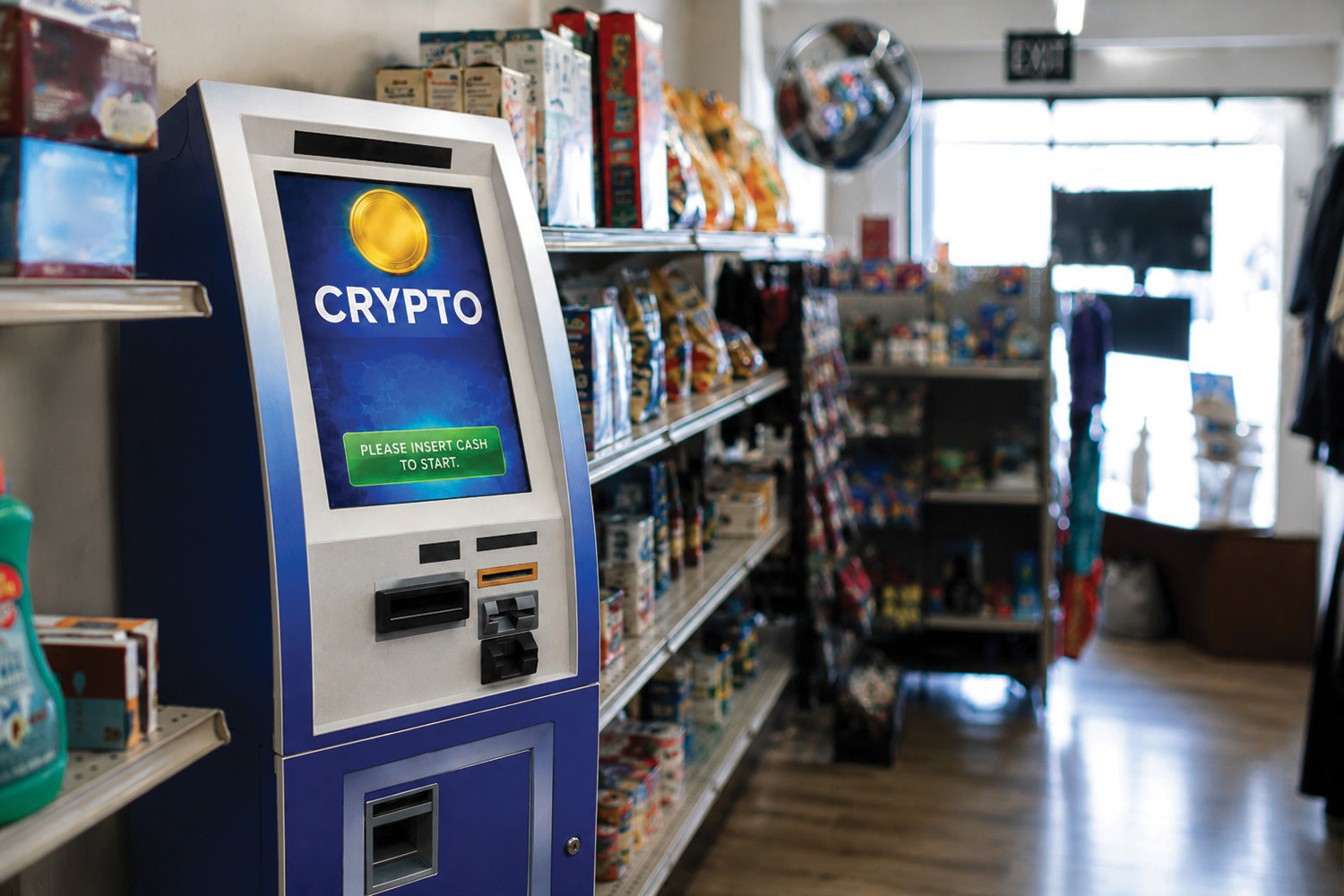
The FBI said kūpuna were especially vulnerable to cryptocurrency kiosk/ATM fraud and accounted for the majority of the losses. The machines look like bank ATMs and could be found in grocery stores, convenience stores, pharmacies, gas stations and other locations.
“Fraudsters use cryptocurrency kiosks like a getaway car in a bank robbery,” Keali‘i continues. “They convince consumers through romance scams, by posing as an IRS agent or other official, or through a technology scam, to take money out of their banks and deposit it in the cryptocurrency kiosk. And once the money is put into a scammer’s cryptocurrency wallet, it is gone.”
AARP HAWAI‘I (nonprofit)
1001 Bishop St., Ste. 625, Honolulu, HI 96813
866-295-7282 | hiaarp@aarp.org
aarp.org/hi | facebook.com/aarphawaii

Leave a Reply