
For many of Hawai‘i’s kūpuna, navigating life after retirement is a journey of kūlia, striving forward to find comfort and support as daily needs change. Whether it’s considering a move, seeking more kōkua at home or planning ahead, the search for the right living arrangement can feel confusing. Choices differ in the type of support offered, how daily life is structured and what level of independence they allow.
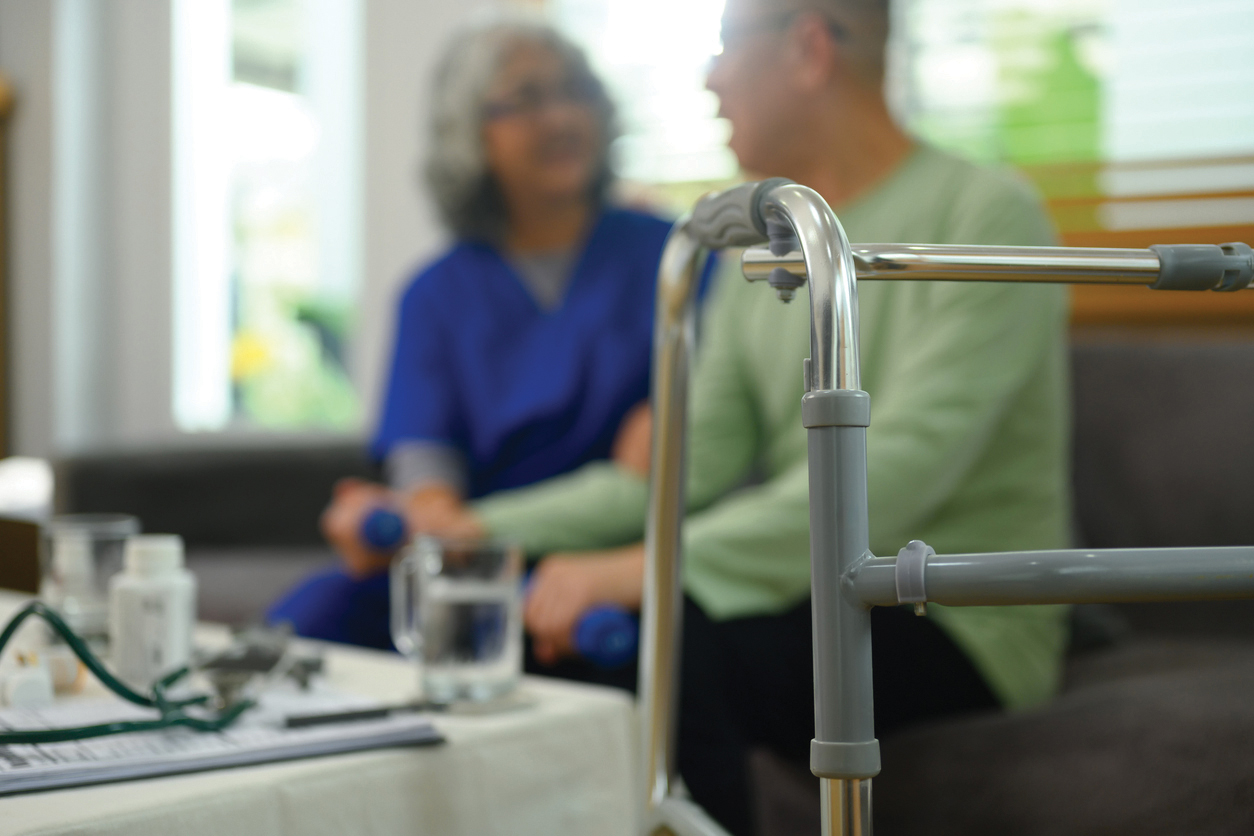
According to the State of Hawai‘i Department of Business, Economic Development & Tourism (DBEDT), about 22.6% of Hawai‘i’s residents are age 65 or older, compared with roughly 19% nationally. DBEDT’s most recent projections estimate that by 2030, kūpuna will make up about 24% of the state’s population, continuing a trend that is outpacing the rest of the country. With Hawai‘i’s kūpuna population growing faster than the national
average, retirement living across the islands is shifting in real time. This demographic change means more ‘ohana are reaching these decisions sooner and with greater complexity as they look for options that align with their needs, values and the way they want to live in the years ahead.
■ Kōkua at Home: Aging in Place
For many kūpuna, remaining at home with added kōkua is one of the most familiar and preferred options. Costs in Hawai‘i vary widely depending on the level of help needed. Part-time assistance — around seven hours per week — may cost under $1,000 a month. Homemaker services and home health aides in Honolulu typically range from $50 to $100 per hour, depending on certification level, location and the services provided.
For kūpuna who qualify financially, Hawai‘i’s Med-QUEST program can cover home health services, homemaker support and personal care. As of 2026, the income limit is $1,530 per month for individuals, with a one-time $2,000 asset limit. Med-QUEST uses a share-of-cost model, meaning some applicants whose income exceeds the limit may still qualify by spending down on care expenses. Many ‘ohana combine Med-QUEST coverage with private-pay support.

Beyond financial support, intentional home modifications can help kūpuna age in place safely and comfortably. Simple changes like improved lighting, removing tripping hazards and decluttering make a significant difference in daily safety. For those who need additional support, grab bars and rails in bathrooms and hallways provide stability, while chair lifts and stair lifts allow kūpuna to navigate their homes with greater independence.
According to the 2024 Healthcare Association of Hawai‘i Workforce Report, Hawai‘i has a 30% vacancy rate for home health aides, a gap that makes early planning for caregiver support even more important for kūpuna and their ‘ohana.
■ Independent Living Communities
Independent living communities are designed for active, self-sufficient kūpuna who want to be part of a community but don’t require daily assistance. Residents live in their own apartments or homes within a setting that typically offers group dining, social activities, fitness programs, transportation services and emergency response systems. Unlike assisted living, there’s no staff support for personal care or medications — kūpuna manage their own daily routines.
According to Hawai‘i senior living providers, independent living in Hawai‘i costs range from around $3,500 to $10,000 or more per month, depending on unit size and location.
Medicaid and Medicare do not cover the cost of living in independent living communities, so most residents pay out of pocket, often using retirement savings, home sale proceeds or reverse mortgages. Hawai‘i also has income-based senior housing communities designed for active kūpuna on fixed incomes.
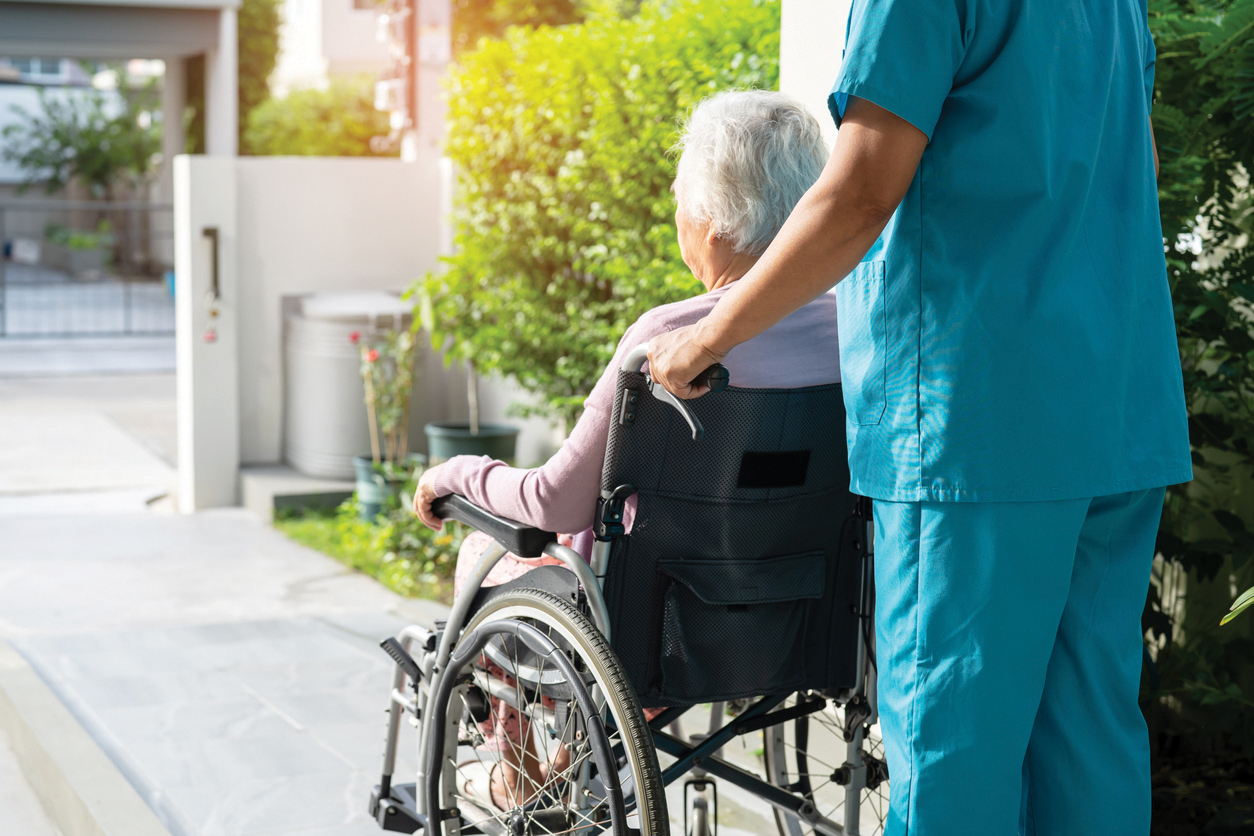
Standard independent living communities typically do not require entrance fees, though some may request a deposit. While visiting independent living communities, asking what activities and services are included, and being clear about your budget can help your ‘ohana find an option that fits their needs.
■ Assisted Living & Residential Care: Support with Daily Living
Assisted living facilities and residential care homes provide support for kūpuna who can no longer manage daily activities independently at home. Both settings offer meals, medication management, help with bathing and dressing, housekeeping and 24/7 staff availability. The main difference is size: Assisted living facilities are larger communities with more amenities and social activities, while residential care homes (ARCHs) are smaller, home-like settings that typically house four to eight residents. In Hawai‘i, assisted living averages $9,340 to $11,311 per month, though actual costs range from $5,900 to $12,200 depending on unit size (studios to shared units) and location. Residential care home pricing varies based on the level of care provided.
Before moving in, understand what’s included and what isn’t. Most facilities require a refundable deposit before admission; entrance fees vary. Some communities, particularly continuing care retirement communities (CCRCs), require substantial non-refundable entrance fees upfront. Some facilities also review income and assets before admitting residents. Many ‘ohana pay out of pocket, use long-term care insurance or combine resources to cover costs. Speak with a financial advisor and ask questions about included services and additional charges.
■ Dementia Care: When Specialized Support is Needed
Memory care facilities provide specialized support for kūpuna with Alzheimer’s disease or other forms of dementia. Unlike standard assisted living, memory care involves a secure environment, staff trained in dementia care and 24-hour supervision. These settings are designed for kūpuna who can no longer safely live independently or in regular assisted living — those who may wander, become confused about safety or need constant monitoring. According to the Alzheimer’s Association, more than 35,000 kūpuna in Hawai‘i are currently living with dementia.

In Honolulu, monthly costs range from $9,000 to $12,000 or more; costs may differ on other islands. This includes room, board, meals, activities tailored to dementia and 24/7 care.
Understanding What Works for Your Family
What works for one kūpuna may not work for another — and what feels right today may shift as needs change. ‘Ohana approach these decisions in different ways, shaped by values and finances.
Many ‘ohana begin by exploring what matters most to their kūpuna — independence, community, proximity to family or the familiarity of home. Others look first at costs, available benefits or the types of care each setting provides. Facility visits, financial planning tools and conversations with providers can help ‘ohana understand their options. Local resources, including Hawai‘i’s Area Agencies on Aging, provide information about programs, benefits and support services available statewide.
As Hawai‘i’s kūpuna population continues to grow, understanding the range of housing and care options becomes increasingly important. Clear information — about costs, services, eligibility and the realities of each setting — allows ‘ohana to make decisions that reflect their needs, values and aloha for the years ahead.

Leave a Reply