
Unfortunately, peer exclusion at care facilities can happen to some lower-functioning seniors. It often stems from stigma, fear and misconceptions by higher-functioning residents. As a result, some lower-functioning residents will forego even meals in public if they feel unwelcome or that they can’t keep up.
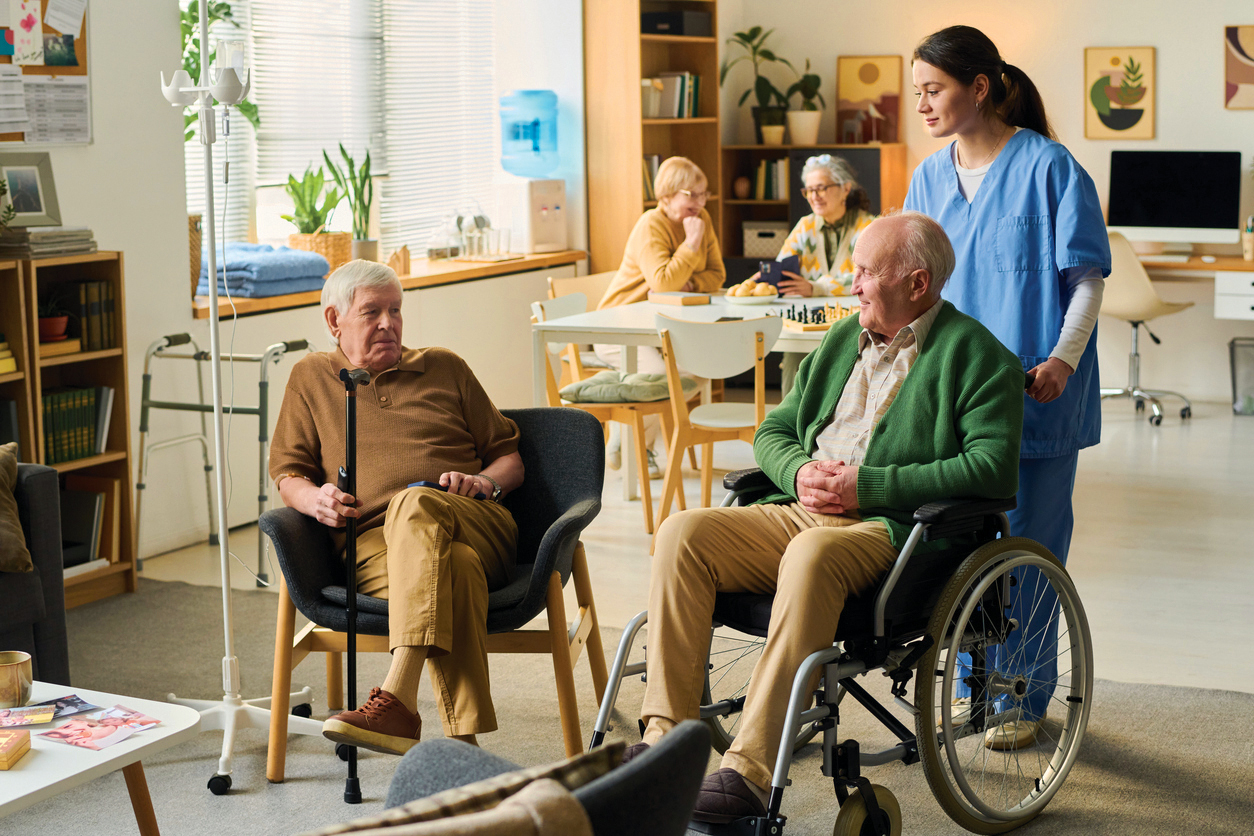
Generally, it’s better for seniors to feel like a big fish in a small pond rather than a small fish in a big pond. So, to help prevent peer exclusion, first choose an appropriately-sized care setting that matches physical and cognitive abilities.
Larger facilities generally cater to residents who can still ambulate, socialize, converse, feed themselves and conduct their own activities of daily living (ADLs). Smaller facilities with more caregivers per resident can accommodate lowerability residents who need assistance with ADLs and/or those who may get confused at times.
Next, caregiver support and group activities are the best opportunities to bridge a gap between seniors with differing abilities and cognitive conditions. Caregivers and activity aides can facilitate inclusive interactions and provide well-designed group activities that level the playing field, so residents can still enjoy each other’s company without focusing on that ability gap.
KUPUNA CARE PAIR
2383 Beckwith St., Honolulu, HI 96822
808-850-0550 | hello@kupunacarepair.com
Kupunacarepair.com

Leave a Reply