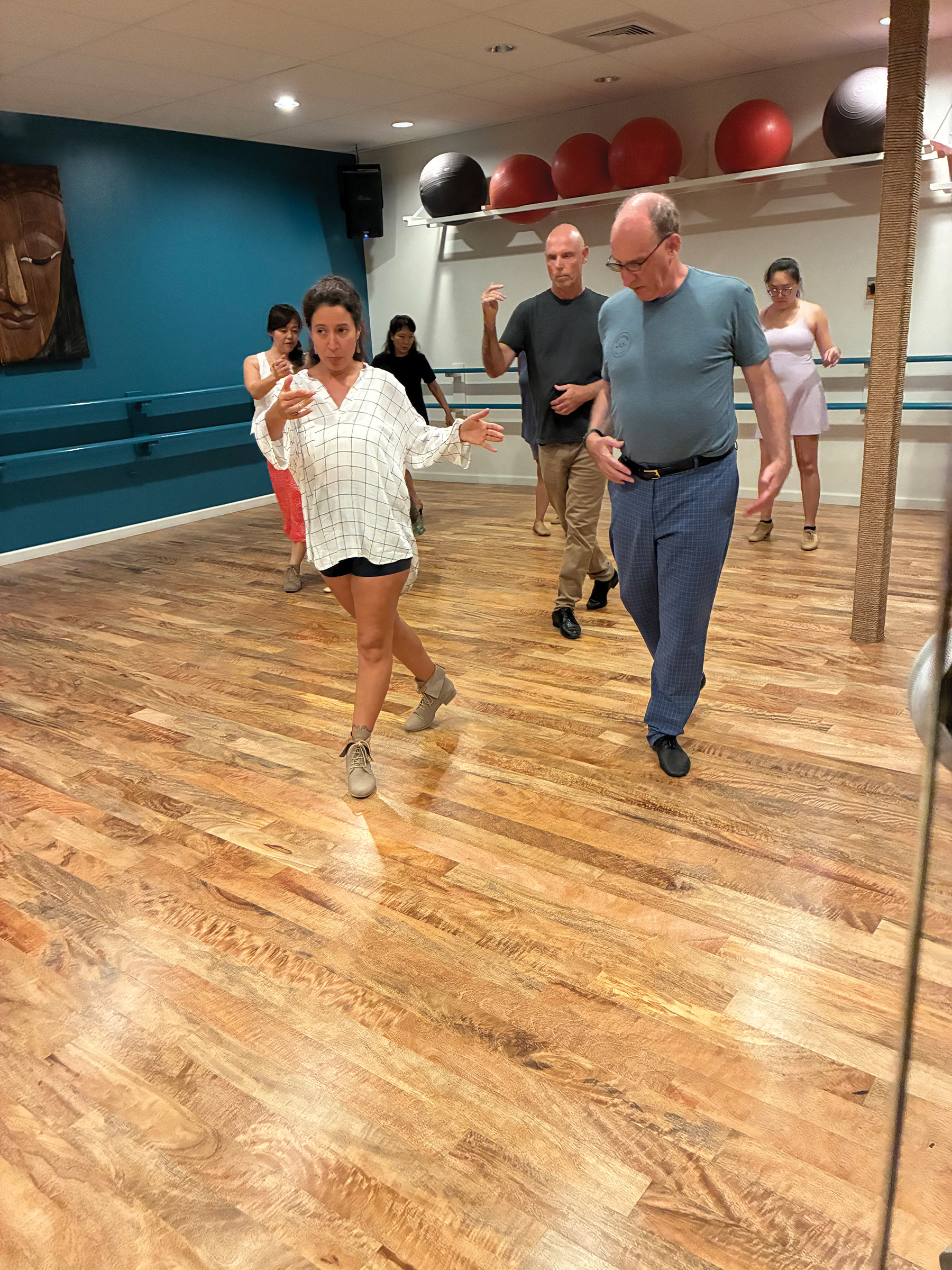
The tango is a very deep human experience with a very long history. In the late 19th century, immigrants in Argentina listened to its haunting music and created a unique, intimate dance, eventually called the “tango.” Born from a unique blend of African, European and indigenous cultures in the working-class neighborhoods of Buenos Aires, modern tango is the result of an unbroken chain rooted in prehistoric times.
Tango is a social dance. The essence of the tango is finding connection with your partner, while communicating through movement. A good dance leader listens to his partner. If the leader is communicating effectively, he will adjust his movements for the pleasure of his partner.
“Tango is more than dancing and spiritually deeper than the dance itself,” says Josefina Stellato, tango maestro at Still & Moving Center at 1024 Queen St. in Honolulu. From early childhood, Josefina had a desire to be a tango dancer. She was born in Tandil, Argentina, where she learned the dance as a child. She moved to Buenos Aires at age 17 to study tango with renowned teachers. She attended a variety of tango schools for about 22 years and danced in musical stage productions.
Josefina began teaching tango in Honolulu two years ago at the invitation of one of the top instructors in Honolulu. She has also taught in California, New York City, Boston and Washington, D.C. She says she would enjoy instructing students in Hawai‘i schools and in Japan.
“Tango is a beautiful dance,” she says. “It is a deep art. By embracing your partner, you communicate with even a first-time partner, not with words, but with your movements. Tango is a conversation conducted through movement — communication of mutual feelings and trust, and stylized movement to show you care for another person.”
“When you dance tango, you meet people and friendships blossom,” she says. “Tango is also beneficial for elders. It teaches you balance — one of the many benefits of dancing tango. In tango, your partner is embracing you. It is rare you would fall. If you can stand, you can dance the tango.”
Also, tango is broad in scope. It is ageless. Josefina’s thoughts about tango are deep and profound. She says, “In my private time, I think of the important things of tango. For example, if the communication from the leader to his partner is done well, the partner will relax, trust the leader’s movements and the commitment to the dance deepens. The heart, mind and soul are in the present. The joy of tango is to attain peace of mind, calmness of your emotions and serenity through the dance movements of tango.”
“While dancing, I am in another mental state,” she says. The art of mindful movement, a moving meditation, a grounded exercise in awareness, presence, connection and creative expression… Yes, tango can be surprisingly Zen-like. At its best, it demands the same qualities as meditation: presence, awareness, acceptance and letting go. Time disappears — the outside world falls away…
The tango is a very deep human experience with a very long history. In the late 19th century, immigrants in Argentina listened to its haunting music and created a unique, intimate dance, eventually called the “tango.” Born from a unique blend of African, European and indigenous cultures in the working-class neighborhoods of Buenos Aires, modern…
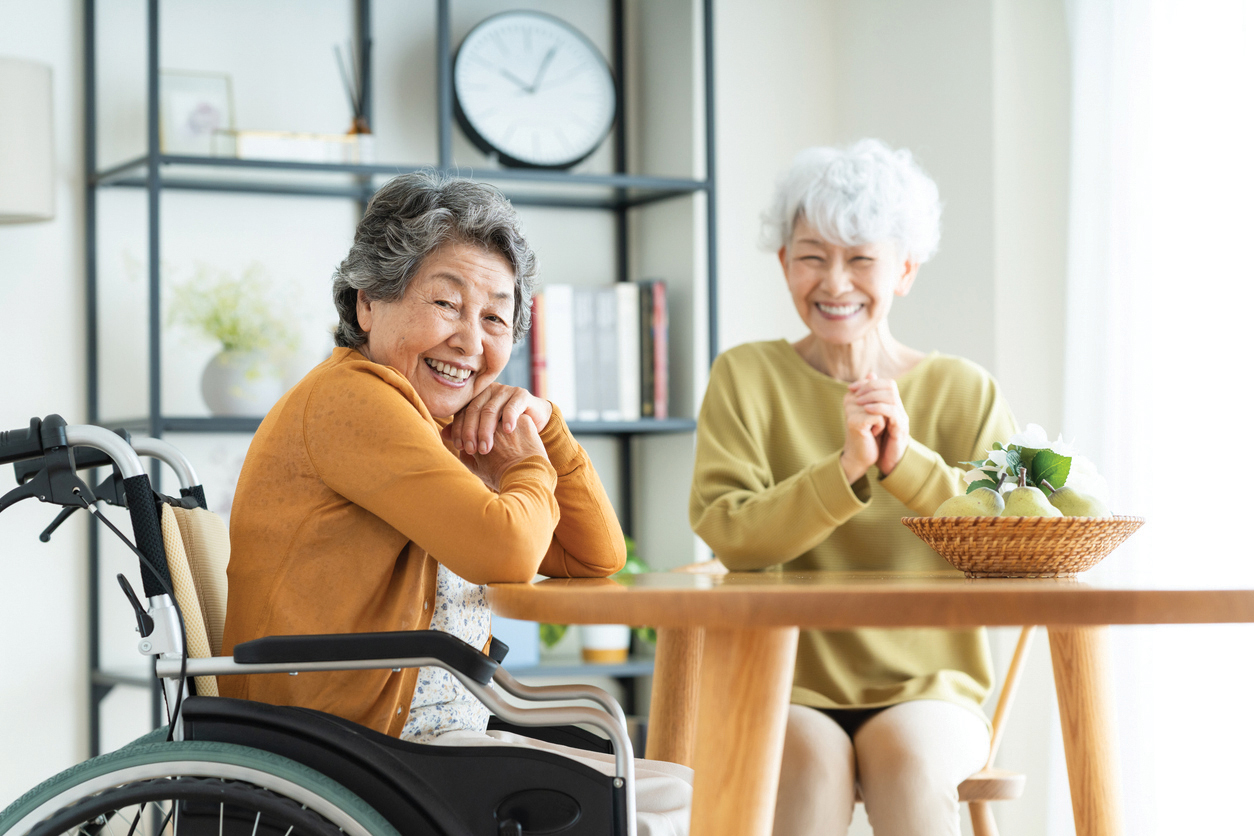
For many of Hawai‘i’s kūpuna, navigating life after retirement is a journey of kūlia, striving forward to find comfort and support as daily needs change. Whether it’s considering a move, seeking more kōkua at home or planning ahead, the search for the right living arrangement can feel confusing. Choices differ in the type of support offered, how daily life is structured and what level of independence they allow.
According to the State of Hawai‘i Department of Business, Economic Development & Tourism (DBEDT), about 22.6% of Hawai‘i’s residents are age 65 or older, compared with roughly 19% nationally. DBEDT’s most recent projections estimate that by 2030, kūpuna will make up about 24% of the state’s population, continuing a trend that is outpacing the rest of the country. With Hawai‘i’s kūpuna population growing faster than the national average, retirement living across the islands is shifting in real time. This demographic change means more ‘ohana are reaching these decisions sooner and with greater complexity as they look for options that align with their needs, values and the way they want to live in the years ahead.
■ Kōkua at Home: Aging in Place
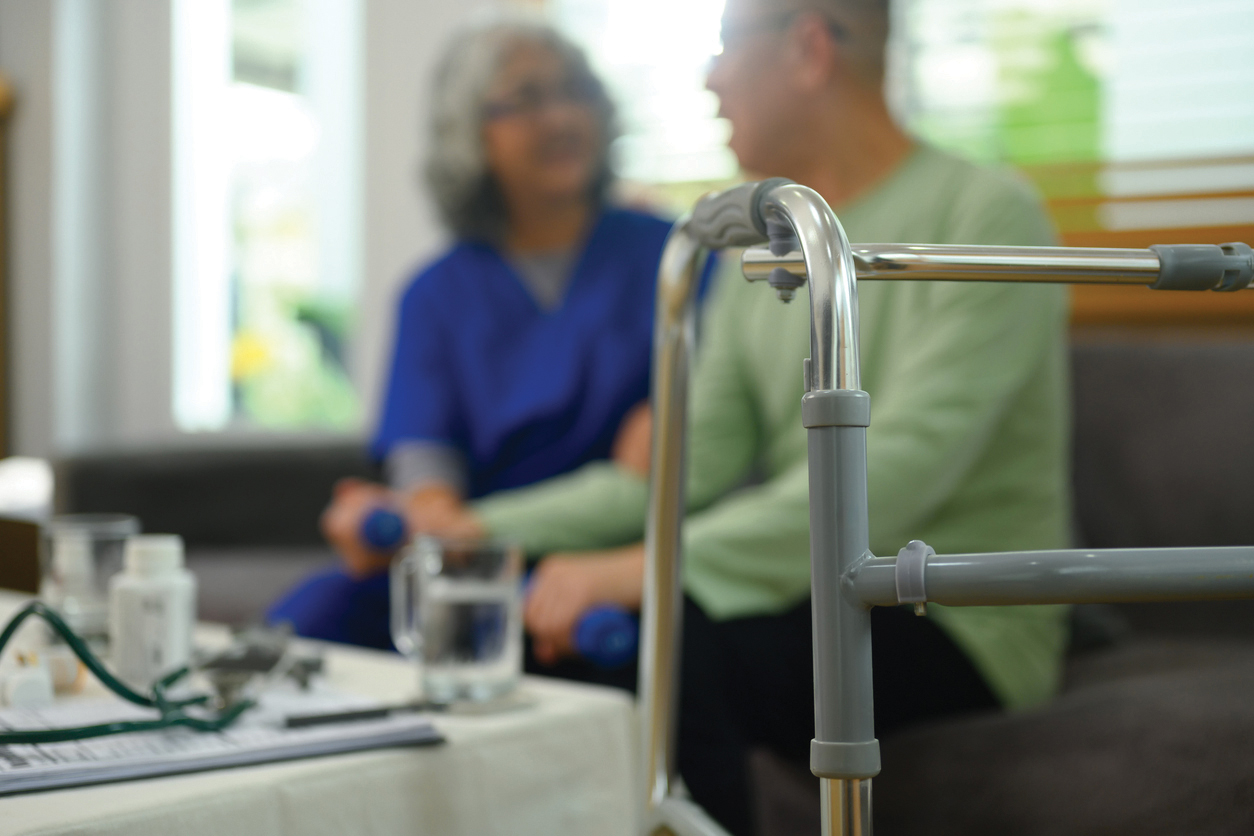
For many kūpuna, remaining at home with added kōkua is one of the most familiar and preferred options. Costs in Hawai‘i vary widely depending on the level of help needed. Part-time assistance — around seven hours per week — may cost under $1,000 a month. Homemaker services and home health aides in Honolulu typically range from $50 to $100 per hour, depending on certification level, location and the services provided.
For kūpuna who qualify financially, Hawai‘i’s Med-QUEST program can cover home health services, homemaker support and personal care. As of 2026, the income limit is $1,530 per month for individuals, with a one-time $2,000 asset limit. Med-QUEST uses a share-of-cost model, meaning some applicants whose income exceeds the limit may still qualify by spending down on care expenses. Many ‘ohana combine Med-QUEST coverage with private-pay support.
Beyond financial support, intentional home modifications can help kūpuna age in place safely and comfortably. Simple changes like improved lighting, removing tripping hazards and decluttering make a significant difference in daily safety. For those who need additional support, grab bars and rails in bathrooms and hallways provide stability, while chair lifts and stair lifts allow kūpuna to navigate their homes with greater independence.
According to the 2024 Healthcare Association of Hawai‘i Workforce Report, Hawai‘i has a 30% vacancy rate for home health aides, a gap that makes early planning for caregiver support even more important for kūpuna and their ‘ohana.
■ Independent Living Communities
Independent living communities are designed for active, self-sufficient kūpuna who want to be part of a community but don’t require daily assistance. Residents live in their own apartments or homes within a setting that typically offers group dining, social activities, fitness programs, transportation services and emergency response systems. Unlike assisted living, there’s no staff support for personal care or medications — kūpuna manage their own daily routines.
According to Hawai‘i senior living providers, independent living in Hawai‘i costs range from around $3,500 to $10,000 or more per month, depending on unit size and location.
Medicaid and Medicare do not cover the cost of living in independent living communities, so most residents pay out of pocket, often using retirement savings, home sale proceeds or reverse mortgages. Hawai‘i also has income-based senior housing communities designed for active kūpuna on fixed incomes.
Standard independent living communities typically do not require entrance fees, though some may request a deposit. While visiting independent living communities, asking what activities and services are included, and being clear about your budget can help your ‘ohana find an option that fits their needs.
■ Assisted Living & Residential Care: Support with Daily Living
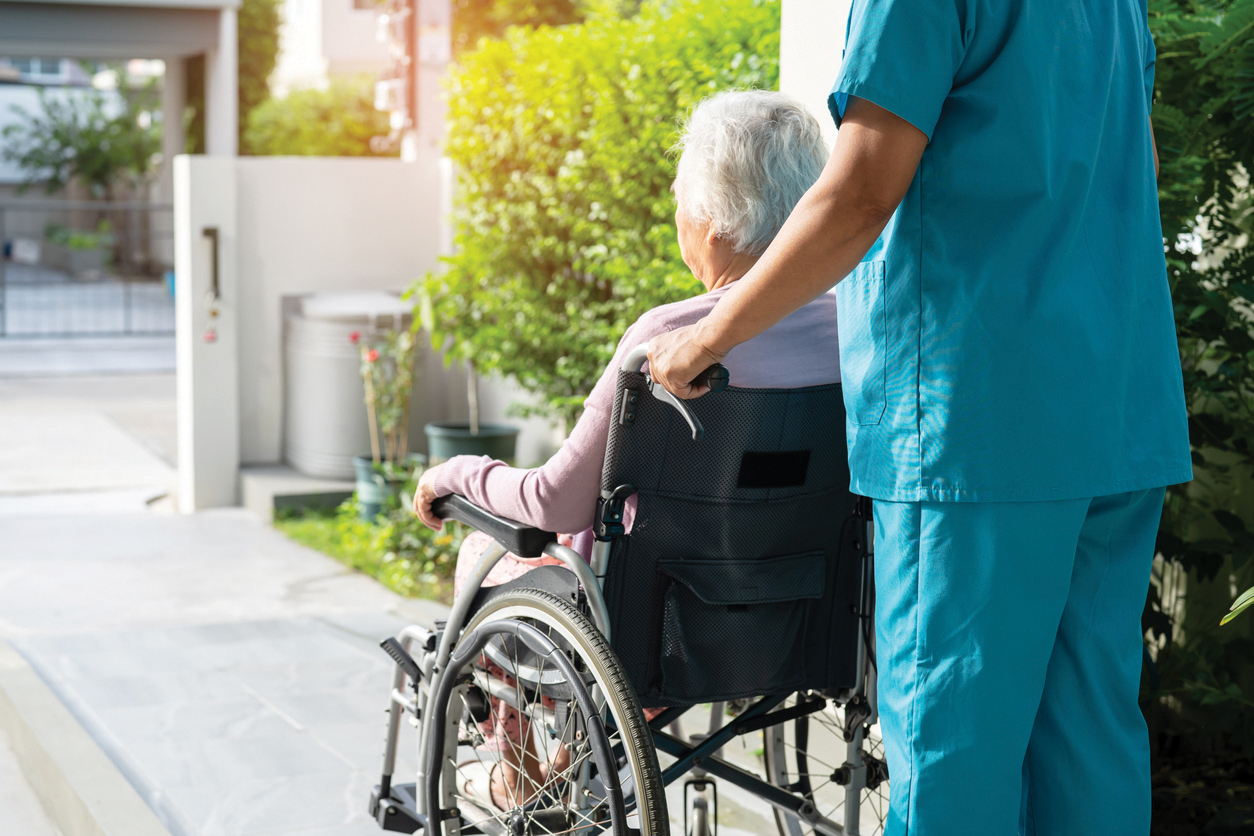
Assisted living facilities and residential care homes provide support for kūpuna who can no longer manage daily activities independently at home. Both settings offer meals, medication management, help with bathing and dressing, housekeeping and 24/7 staff availability. The main difference is size: Assisted living facilities are larger communities with more amenities and social activities, while residential care homes (ARCHs) are smaller, home-like settings that typically house four to eight residents. In Hawai‘i, assisted living averages $9,340 to $11,311 per month, though actual costs range from $5,900 to $12,200 depending on unit size (studios to shared units) and location. Residential care home pricing varies based on the level of care provided.
Before moving in, understand what’s included and what isn’t. Most facilities require a refundable deposit before admission; entrance fees vary. Some communities, particularly continuing care retirement communities (CCRCs), require substantial non-refundable entrance fees upfront. Some facilities also review income and assets before admitting residents. Many ‘ohana pay out of pocket, use long-term care insurance or combine resources to cover costs. Speak with a financial advisor and ask questions about included services and additional charges.
■ Dementia Care: When Specialized Support is Needed
Memory care facilities provide specialized support for kūpuna with Alzheimer’s disease or other forms of dementia. Unlike standard assisted living, memory care involves a secure environment, staff trained in dementia care and 24-hour supervision. These settings are designed for kūpuna who can no longer safely live independently or in regular assisted living — those who may wander, become confused about safety or need constant monitoring. According to the Alzheimer’s Association, more than 35,000 kūpuna in Hawai‘i are currently living with dementia.
In Honolulu, monthly costs range from $9,000 to $12,000 or more; costs may differ on other islands. This includes room, board, meals, activities tailored to dementia and 24/7 care.
Understanding What Works for Your Family
What works for one kūpuna may not work for another — and what feels right today may shift as needs change. ‘Ohana approach these decisions in different ways, shaped by values and finances.
Many ‘ohana begin by exploring what matters most to their kūpuna — independence, community, proximity to family or the familiarity of home. Others look first at costs, available benefits or the types of care each setting provides. Facility visits, financial planning tools and conversations with providers can help ‘ohana understand their options. Local resources, including Hawai‘i’s Area Agencies on Aging, provide information about programs, benefits and support services available statewide.
As Hawai‘i’s kūpuna population continues to grow, understanding the range of housing and care options becomes increasingly important. Clear information — about costs, services, eligibility and the realities of each setting — allows ‘ohana to make decisions that reflect their needs, values and aloha for the years ahead.
For many of Hawai‘i’s kūpuna, navigating life after retirement is a journey of kūlia, striving forward to find comfort and support as daily needs change. Whether it’s considering a move, seeking more kōkua at home or planning ahead, the search for the right living arrangement can feel confusing. Choices differ in the type of support…
Starting Oct. 1, cryptocurrency kiosk/ATMs that accept deposits will no longer be allowed in Hawai‘i as a new consumer protection law takes effect.
Hawai‘i is now the 35th state to enact a law to protect consumers from losing money in scams involving cryptocurrency kiosk/ATMs and is the first state to ban kiosks that accept deposits. By November, there may be more than 35 states with new laws. Four other states have completely banned these machines. Other states have imposed transaction limits, mandated refunds for fraud, increased warning signs, required printed receipts and passed other consumer safeguards.
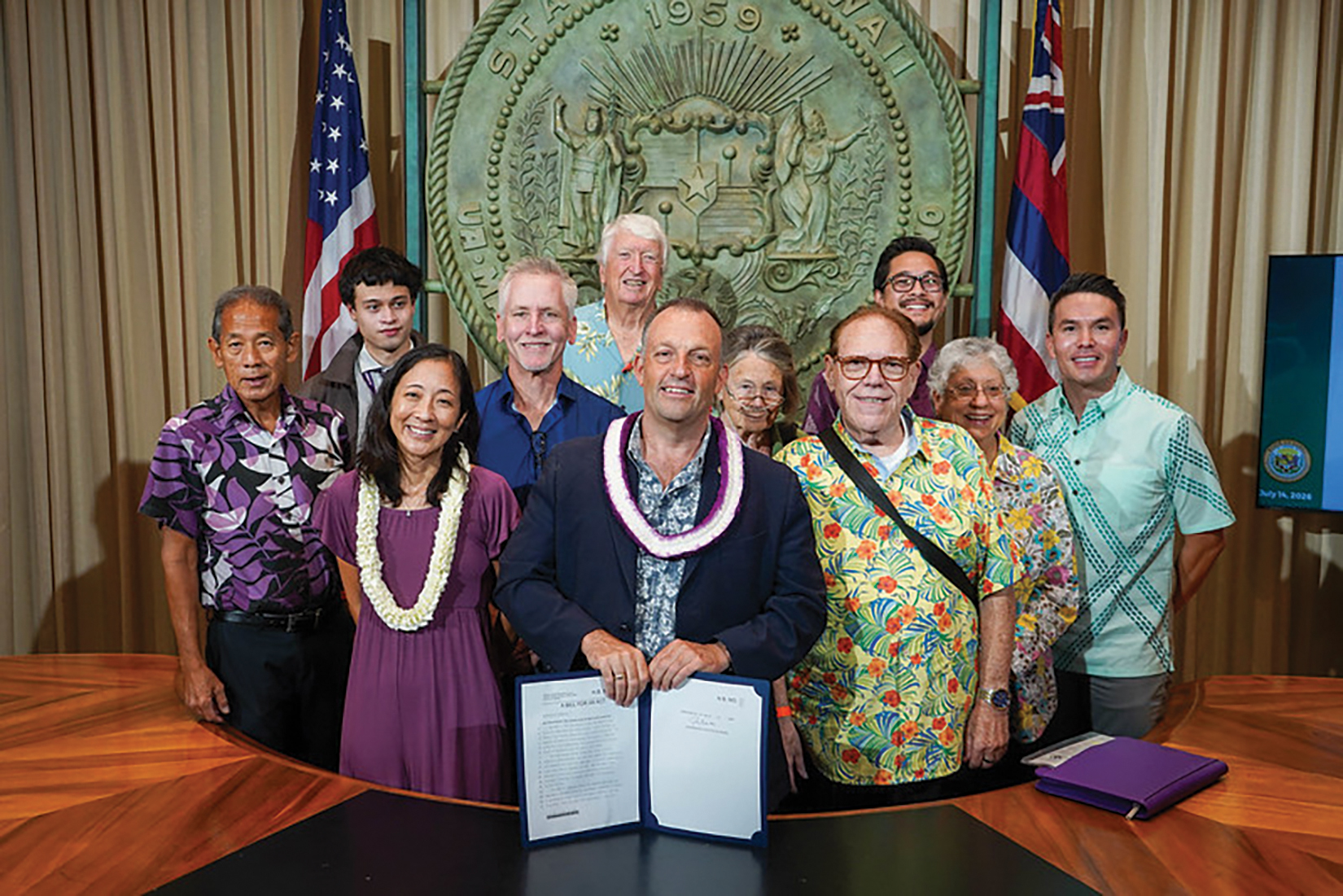
“The use of cryptocurrency kiosks in scams was increasing exponentially in Hawai‘i and across the nation,” says Keali‘i Lopez, AARP Hawai‘i state director. “Last year, the FBI said Hawai’i consumers reported losing $3.85 million through fraud involving cryptocurrency kioks. That’s nearly four times the amount reported lost in 2024. That’s why AARP fought hard to pass Act 224. We’re grateful to our advocacy volunteers and others who shared fraud stories, testified, called and sent letters and emails to help pass the law. We’re also thankful to lawmakers who acted decisively to protect consumers.”
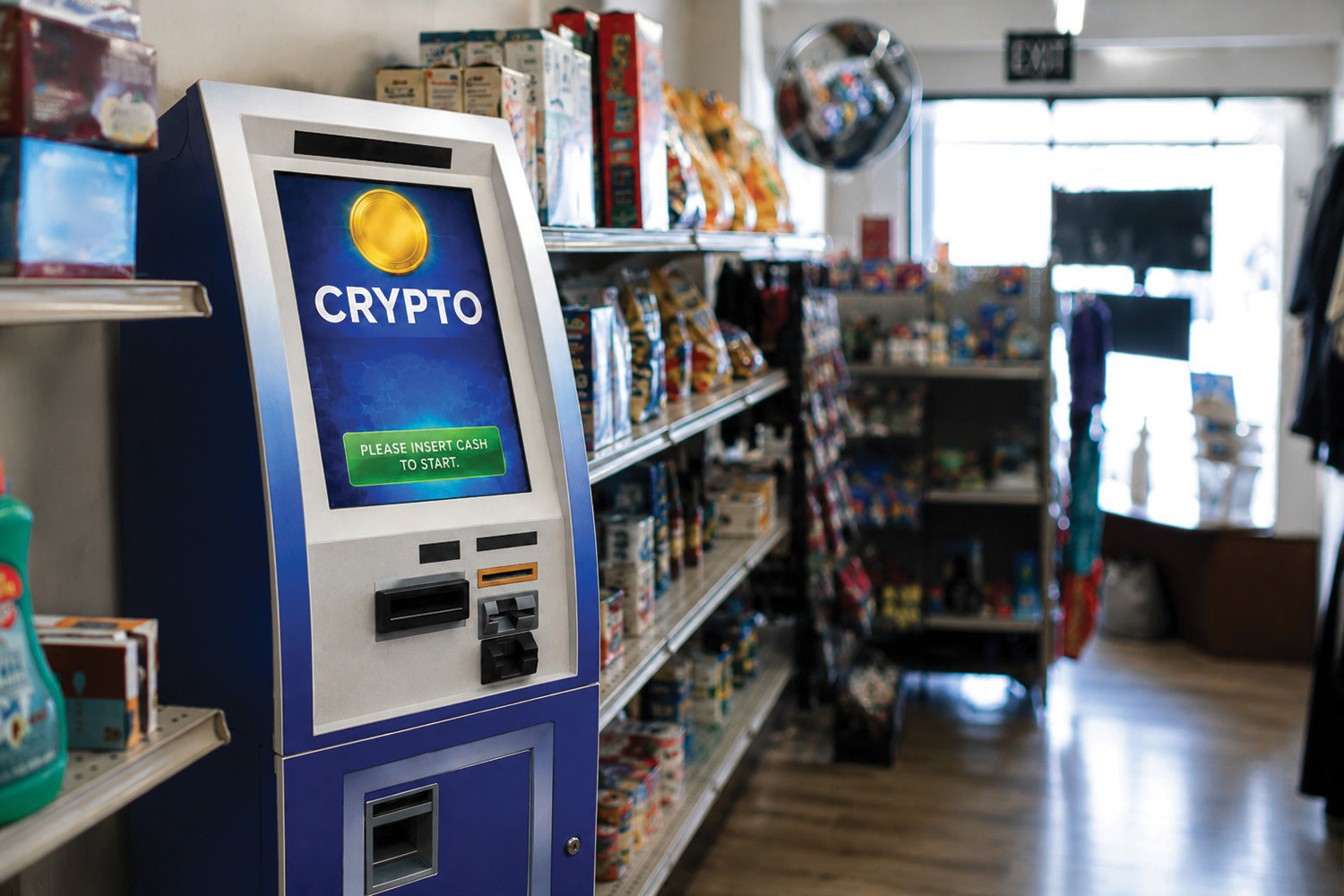
The FBI said kūpuna were especially vulnerable to cryptocurrency kiosk/ATM fraud and accounted for the majority of the losses. The machines look like bank ATMs and could be found in grocery stores, convenience stores, pharmacies, gas stations and other locations.
“Fraudsters use cryptocurrency kiosks like a getaway car in a bank robbery,” Keali‘i continues. “They convince consumers through romance scams, by posing as an IRS agent or other official, or through a technology scam, to take money out of their banks and deposit it in the cryptocurrency kiosk. And once the money is put into a scammer’s cryptocurrency wallet, it is gone.”
Starting Oct. 1, cryptocurrency kiosk/ATMs that accept deposits will no longer be allowed in Hawai‘i as a new consumer protection law takes effect. Hawai‘i is now the 35th state to enact a law to protect consumers from losing money in scams involving cryptocurrency kiosk/ATMs and is the first state to ban kiosks that accept deposits.…
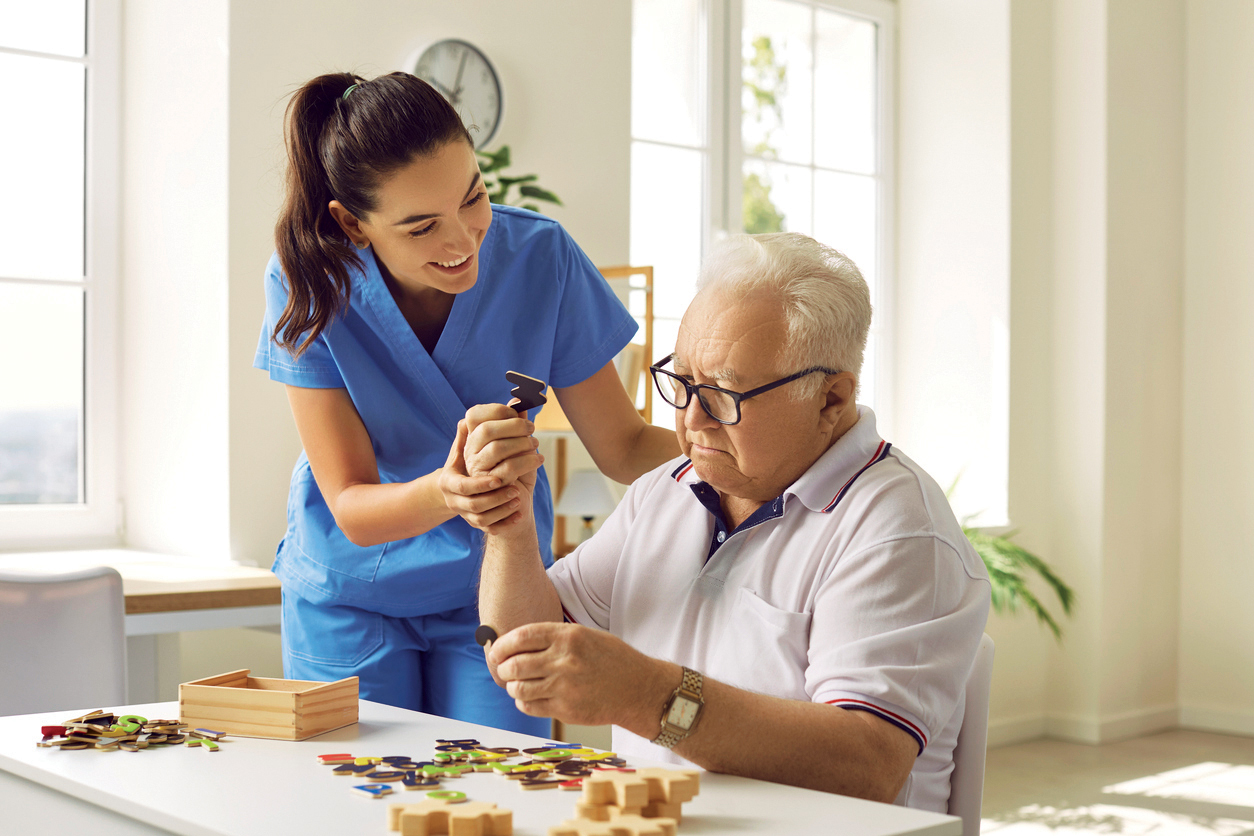
For families across Hawai‘i facing the uncertainty of memory concerns, help is on the way — and it carries a name rooted in our local values. The HĀNAI Memory Network, an acronym for Hawai‘i’s Assistance for the Navigation of Alzheimer’s Intervention, was signed into law in 2026 as Act 245, capping off this past session’s advocacy efforts by the Alzheimer’s Association and its community partners.
Hānai speaks to a cultural tradition of caring for others as ‘ohana, extending support beyond blood ties — and that spirit shapes the program itself. Rather than leaving families to piece together care on their own, HĀNAI weaves clinical and nonclinical services into one coordinated system. Call it a “no wrong door” approach: Wherever someone enters, they’re met with guidance toward diagnosis, treatment and ongoing support that honors both dignity and culture.
Two core pillars will carry the work forward:
Dementia Care Specialists will offer cognitive screening, assessment and referrals directly in their communities.
Memory Clinics, established in partnership with a health system in each county, will provide clinical diagnosis, care planning and access to emerging treatments — including therapies that clear amyloid plaque and slow disease progression.
With the law now in place, the Executive Office on Aging is collecting public input and preparing to release a Request for Proposal this fall. If momentum holds, families should see HĀNAI up and running by mid-to-late 2027, giving Hawai‘i families a trusted place to turn for care.
If you have any questions about the HĀNAI Memory Network, please contact the Alzheimer’s Association – Hawai‘i.
For families across Hawai‘i facing the uncertainty of memory concerns, help is on the way — and it carries a name rooted in our local values. The HĀNAI Memory Network, an acronym for Hawai‘i’s Assistance for the Navigation of Alzheimer’s Intervention, was signed into law in 2026 as Act 245, capping off this past session’s…