

When memory changes, familiar routines can begin to feel confusing or unsettling. A once confident parent may repeat questions, struggle with transitions or feel anxious in new settings. For families, these moments often bring concern and a deep desire to preserve a loved one’s dignity and sense of self.
In Hawai‘i, an estimated 62,000 unpaid caregivers provide more than 111 million hours of support each year, care valued at nearly $2.8 billion. These figures reflect both the scope of memory loss and the growing need for compassionate, relationship-centered support.
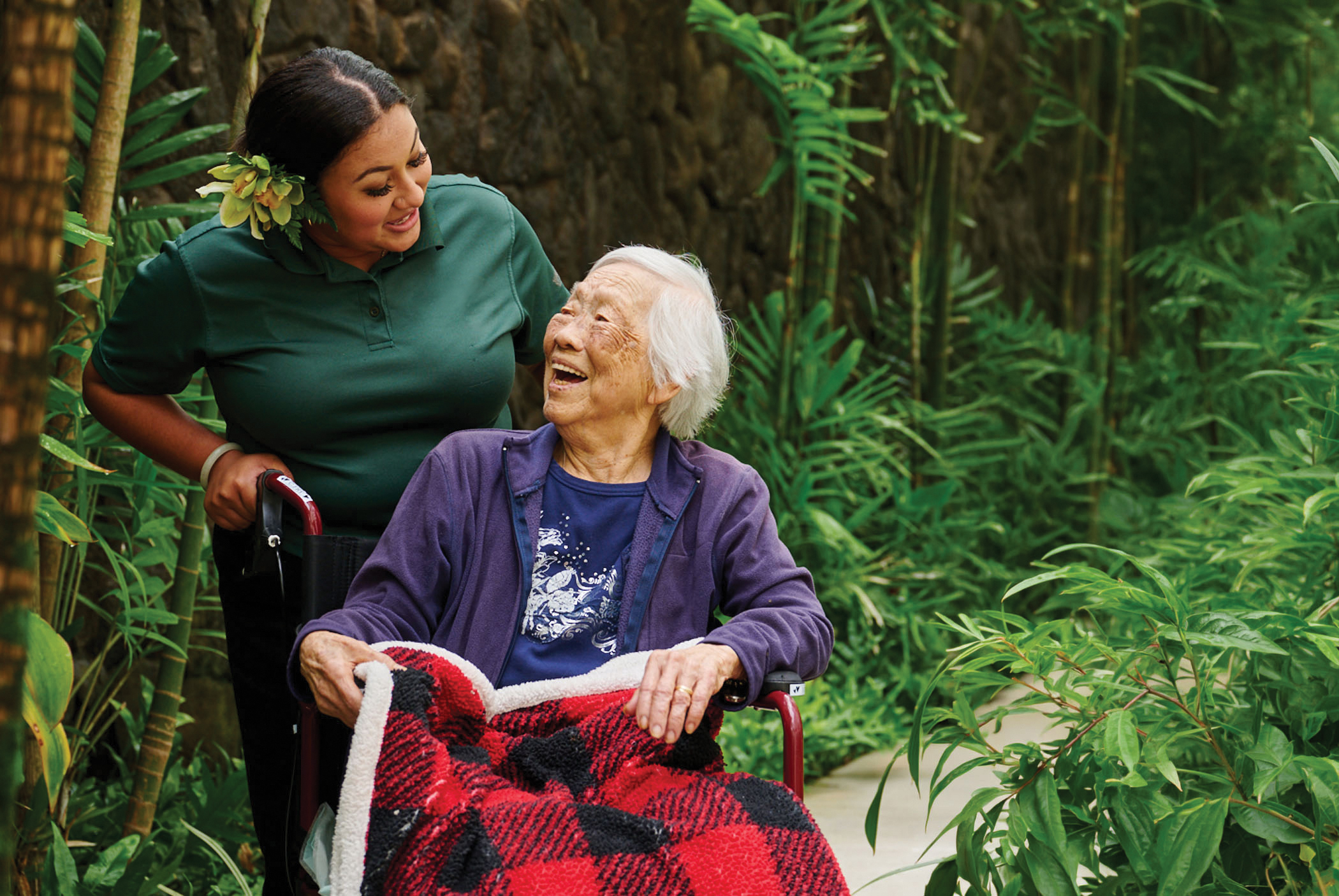
In response, memory care has evolved beyond task-based routines. One widely respected philosophy is the Best Friends™ Approach, co-created by dementia care expert David Troxel. This model emphasizes empathy, patience and intentional connection, encouraging caregivers to relate to individuals living with memory loss as they would a trusted friend.
Understanding a person’s life story is central to this approach. Knowing personal history, preferences and lifelong habits helps caregivers create familiar routines and meaningful moments. Even as memory changes, the need for connection remains. Relationship-centered care ensures that identity, spirit and dignity stay at the heart of daily life.
THE PLAZA ASSISTED LIVING
808-809-9834 | info@plazaassistedliving.com
plazaassistedliving.com
Leave a Reply