Category: Date

  • Navigating Your First Year in Retirement

    Like most Americans, you’ve probably spent years working to achieve the retirement of your dreams. Then there comes a point when this career milestone changes from a distant goal to an imminent reality.

    You can make your first year away from work more rewarding and less stressful when you take the time to anticipate  potential challenges and prepare for how you will handle this important life change.

    Your state of mind

    In your first weeks as a new retiree, it’s normal to feel both excitement and trepidation. You’re eager for more time to connect with friends and family, and to do the activities you love. Stepping away from your career can also reduce your stress level and free you from the burden of having competing priorities.

    However, saying goodbye to your workplace, business associates, day-to-day responsibilities and regular paycheck may trigger anxiety and sadness. This is especially true for those who have really enjoyed their professional status and fulfilling career.

    If your spouse or significant other is already at home, either as a homemaker or the first retiree, recognize that your new lifestyle may cause similar emotions for this person. Imagine your reaction if he or she were retiring to your “office.” The change would mean a departure from your schedule and habits, even if it does mean more time together.

    For those experiencing mixed feelings, it’s helpful to acknowledge them, both to yourself and a partner or trusted friend. Remind yourself why you chose to retire and remember all that you accomplished to reach this point.

    Your purpose

    With your calendar clear of work obligations, it’s important to identify a few ways to fill your time. To start, keep the promises you’ve made to yourself, your spouse or others about what your retirement will include.

    For example, if you’ve promised distant relatives that you’ll reconnect some time in the future, then organize a reunion.

    Or set a date to fulfill your dream of visiting France’s wine country or find an instructor who can teach you to play the piano. Alternatively, you may decide to pursue an encore career, part-time job or an opportunity to open your own business.

    With all your new possibilities, it’s important to avoid overcommitting yourself. Give yourself some breathing room in each day and ease into volunteer organizations or activities. Now that you have the freedom to do so, be sure that you’re choosing to spend your time in ways that are the most gratifying to you.

    Relaxed senior couple on beach with blue sky background , Retirement travel holiday healthy lifestyle conceptYour finances

    Adjusting your mindset from building your nest egg to spending it can be challenging. To make your initiation to retiree life easier, create a plan for how you will pay yourself in retirement. Start by tallying your income sources before determining which ones you’ll tap into first.

    Next, estimate your cash flow for year one. Planning this in advance can help ease worries and reduce your risk of  overspending. As a benchmark, have enough cash to cover three years of potential unexpected expenses.

    Once you’re in retirement, enjoy your newfound freedom, but make sure to monitor your cash reserves regularly to gauge your spending and make adjustments as you find necessary.

    If you’re uneasy or need reassurance that your income and cash flow plans are sufficient, meet with a financial advisor. Together you can look at the impact of taxes, evaluate your portfolio diversification and prepare for the legacy you’d like to leave your community and family.

    Becoming a retiree means both enjoying and enduring a lot of change. Although you can’t prepare for every challenge and opportunity you might face in your first year, planning for what you can control allows you to move into this new life stage with confidence.


    MICHAEL W. K. YEE, CFP,® CFS,® CLTC, CRPC®
    1585 Kapiolani Blvd., Ste. 1100, Honolulu, HI 96814
    808-952-1222, ext. 1240 | michael.w.yee@ampf.com | www.ameripriseadvisors.com/michael.w.yee
    Michael W. K. Yee, CFP®, CFS®, CLTC, CRPC ®, is a Private Wealth Advisor, Certified Financial Planner ™ practitioner with Ameriprise Financial Services, LLC in Honolulu, HI. He specializes in fee-based financial planning and asset management strategies and has been in practice for 37 years. Investment advisory products and services are made available through Ameriprise Financial Services, LLC, a registered investment adviser. Investment products are not insured by the FDIC, NCUA or any federal agency, are not deposits or obligations of, or guaranteed by any financial institution, and involve investment risks including possible loss of principal and fluctuation in value. Ameriprise Financial Services, LLC. Member FINRA and SIPC. ©2021 Ameriprise Financial, Inc. All rights reserved.


    Like most Americans, you’ve probably spent years working to achieve the retirement of your dreams. Then there comes a point when this career milestone changes from a distant goal to an imminent reality. You can make your first year away from work more rewarding and less stressful when you take the time to anticipate  potential…

  • Good News for Seniors Taking Insulin

    If you or someone you know is a Medicare beneficiary and is also prescribed insulin, the new Insulin Senior Savings Program is worth looking into.

    This program is offered through certain Medicare Advantage Prescription Drug Plans and also through stand-alone Medicare Part D Prescription Drug Plans. It is designed to cap the price of many insulins at just $35 a month for a 30-day supply for every month of 2022.

    The purpose is to encourage members to stay on their medicine all year by offering a much lower, more consistent cost. Basically, it means the price of the insulin will not be affected by the deductible stage, the initial coverage stage or the coverage gap, also known as the “donut hole.”

    Medicare estimates that the Insulin Senior Savings Program will save members close to $500 a year. The surprising thing is that this benefit is an included part of quite a few Medicare Advantage Plans offered in Hawai‘i this year, even some with $0 monthly premiums.

    For more information, beneficiaries should reach out to a Medicare specialist.


    THE MEDICARE GEEK
    1221 Victoria St., #3103, Honolulu, HI 96814
    808-724-4993 | robin@themedicaregeek.com
    www.themedicaregeek.com

    If you or someone you know is a Medicare beneficiary and is also prescribed insulin, the new Insulin Senior Savings Program is worth looking into.

  • Social Security FAQs

    Smiling Vietnamese florists checking bills and sales receipts and keeping bookkeeping neatYou may need Social Security when you  least expect it and we’re here to make sure our information is always accessible to you.

    Whether you’re planning for your retirement years in advance or thinking about applying today, you probably have questions.

    Our Frequently Asked Questions at www.faq.ssa.gov has answers to your questions about our programs and services. We feature our most-asked questions at the top of the page to quickly help you find answers to the most common questions, such as:

    • What should I do if I receive a call from someone claiming to be a Social Security employee?
    • How do I change or correct my name on my Social Security number card?
    • How can I get a Social Security Statement that shows a record of my earnings and an estimate of my future benefits?
    • How do I apply for a new or replacement Social Security card?

    You can also browse by topics, such as disability, Social Security payments, retirement and Medicare. We also have a publications library at www.ssa.gov/pubs with information on many topics. And we provide each publication in text, audio and downloadable formats.


    Social Security seal800-772-1213 (TTY 800-325-0778) M–F, 8:30am–3:30pm
    SSA Office Locator: www.socialsecurity.gov
    Advance Designation FAQ: www.ssa.gov/faq (Other Topics)
    Representative Payees Information: blog.ssa.gov

    You may need Social Security when you  least expect it and we’re here to make sure our information is always accessible to you. Whether you’re planning for your retirement years in advance or thinking about applying today, you probably have questions.

  • Continue Vigilance While Protecting Kūpuna

    Kūpuna are the most vulnerable to online  scams due to social isolation during the pandemic. We must stay vigilant, as  scammers use more sophisticated ways to steal your personal identity, shame you of your self-worth and steal your life’s legacy. Here are some important tips to avoid becoming a victim:

    PREVENTION

    • Medicare will never call you needing confirmation to pay for medical products or services. Just hang up and call SMP Hawaii.
    • Scammers send urgent emails or text messages meant to make you panic: “Act now! Click here!” Stop and look at the fine print. Take time to think clearly before doing anything.
    • Never click on a link in a text or email, even it’s from someone you know. Scammers can “spoof” or disguise their calls, texts or emails as being from a known and trusted source.

    DETECTION

    Find billing errors and abuse by diligently checking to verify your medical statements and bills:
    • Keep accurate records of doctor visits, lab tests and surgical equipment, etc.
    • Organize and file copies of medical bills received and payments made.
    • Review your Medicare Summary Notice or Explanation of Benefits from your health plan for accuracy, and look for suspicious charges for services that you did not receive.

    REPORTING

    What to do if you mistakenly provided your Medicare number or other personal health information to a possible scammer, including:

    • a caller offering a Medicare-approved knee brace, (genetic) testing or other service.
    • at a fair booth or stand as an enticement to receive free services or a special gift.
    • in response to an ad offering money and/or exclusive benefits.

    Call Senior Medicare Patrol Hawaii or visit www.smphawaii.org to report the instances above or to schedule counseling, request a group presentation, or to volunteer to stay informed and safe. In June, SMP Hawaii will celebrate 25 years of helping kūpuna, their families and caregivers.


    SENIOR MEDICARE PATROL (SMP) HAWAII
    Department of Health — Executive Office on Aging
    250 S. Hotel St., Ste. 406, Honolulu, HI 96813
    808-586-7281 | Toll Free: 1-800-296-9422
    info@smphawaii.org | www.smphawaii.org
    This project was supported in part by grant number 90MPPG0053 from the US
    Administration for Community Living (ACL), Department of Health and Human
    Services, Washington, DC, 20201. Grantees undertaking projects under government
    sponsorship are encouraged to express freely their findings and conclusions. Points
    of view or opinions do not, therefore, necessarily represent official ACL policy.

    Kūpuna are the most vulnerable to online  scams due to social isolation during the pandemic. We must stay vigilant, as  scammers use more sophisticated ways to steal your personal identity, shame you of your self-worth and steal your life’s legacy. Here are some important tips to avoid becoming a victim…

  • Montessori Method of Dementia Care

    Meaningful, familiar and ability-matching activities for those with dementia is the goal of the Montessori method of dementia care. Long-term memories can be unlocked through engaging in familiar tasks.

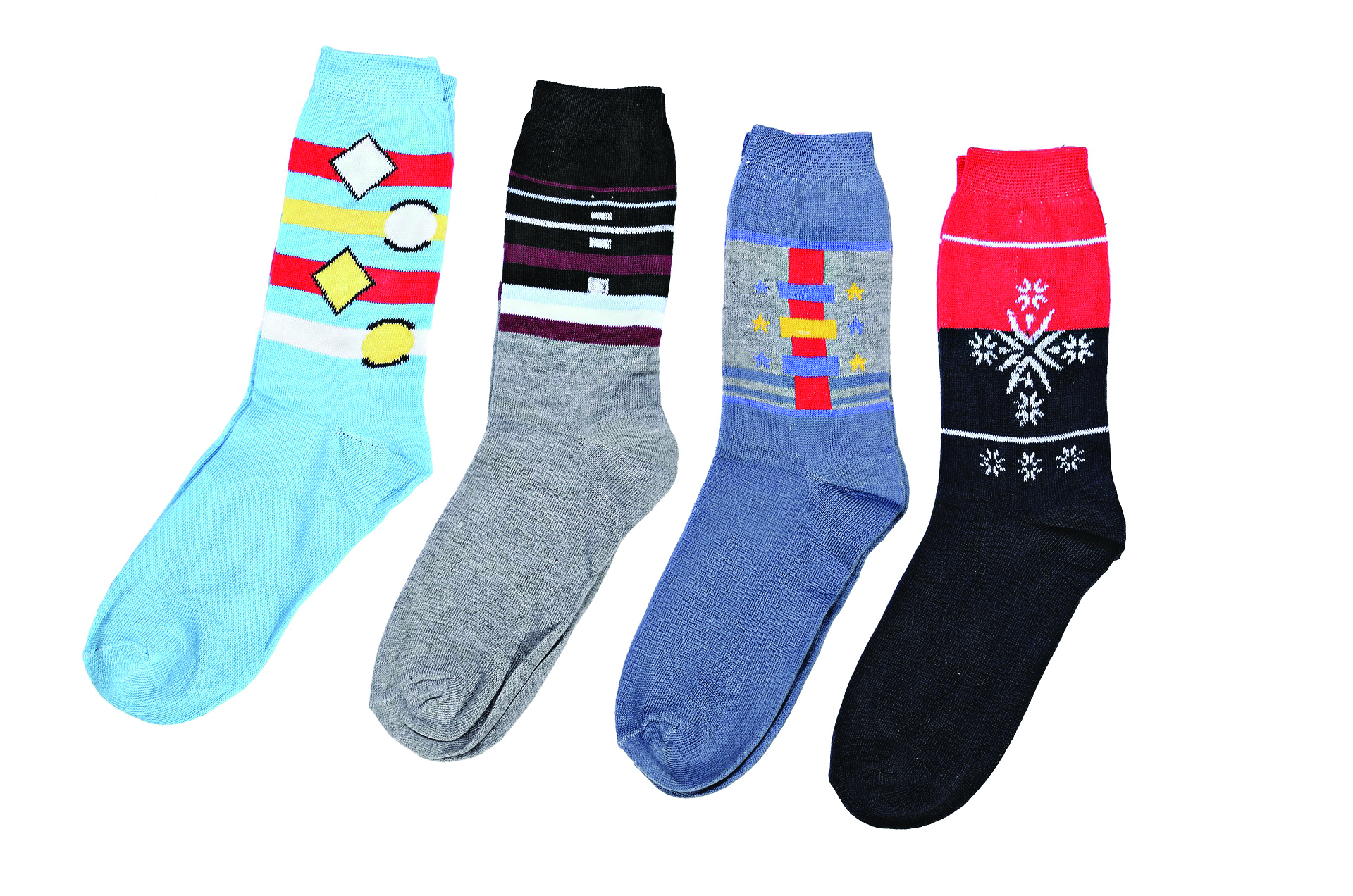
    Matching up socks can engage the senses and provide a sense of accomplishment for those with dementia
    Matching up socks can engage the senses and provide a sense of accomplishment for those with dementia

    Using this as a form of activity in a care setting involves providing easy tasks broken down into simple steps that can spark interest and have successful outcomes. Matching and folding a basket of brightly colored socks is a good example. Their textures and colors engage the senses, while finishing the task unassisted provides a sense of accomplishment. Memories of caring for a home and a sense of independence can resurface.

    Facility design is key to the success of this method: Setting up simple activities in inviting ways draws the individual in without forcing him or her to participate can evoke feelings of empowerment. This is different than a regularly scheduled activity program as tasks are done at the individual’s leisure. Garden stations, writing cards and basic cooking projects all have the potential to unlock memories and positive emotions. This method has been shown to reduce anxiety and provide comfort to kūpuna, bringing joy and meaning to a day.


    MANOA COTTAGE KAIMUKI
    748 Olokele Ave., Honolulu, HI 96816
    808-800-4089 | info@manoacottage.com
    www.manoacottage.com

    Meaningful, familiar and ability-matching activities for those with dementia is the goal of the Montessori method of dementia care. Long-term memories can be unlocked through engaging in familiar tasks.

  • Guardianship vs. Conservatorship

    While there have been terrible examples of guardianship abuse cases in the news, there are also thousands of individuals who are benefiting from ethical, well-disciplined guardians.

    In Hawai‘i, the word “guardian” refers to guardian of the person. The word “conservator” is used when referring to the conservator of the property.

    The guardian focuses on helping to make medical, educational and person-related decisions for someone who either is not able to understand or make decisions for themselves. The conservator manages income and financial considerations. Both are appointed by a court of law.

    While specific training is not required in Hawai‘i, it is important to consider the character and qualifications of the guardian nominee.

    View other resources of guardians and qualifications:

    – National Guardianship Association (www.guardianship.org)
    – Center for Guardianship Certification (www.guardianshipcert.org)

    The Caregiver Foundation provides administrative services to guardians who are seeking to execute thei {Play}r duties properly. The executive director of The Caregiver Foundation will, in some cases, act as a court-appointed guardian.


    THE CAREGIVER FOUNDATION (501(c) 3 nonprofit)
    926 3rd St., Pearl City, HI 96782
    808-625-3782 | info@thecaregiverfoundation.org
    www.thecaregiverfoundation.org

    While there have been terrible examples of guardianship abuse cases in the news, there are also thousands of individuals who are benefiting from ethical, well-disciplined guardians.

  • Making Wise Choices for Our Kūpuna

    We all need help at some point in our lives — and this is true especially for our aging loved ones. However, it can be overwhelming to choose among the variety of help that our kūpuna can utilize as they progress into aging.

    Here are two tips to help guide us in choosing the best option for our loved ones.

    1. Assess Loved Ones’ Needs

    We should critically evaluate the needs of our loved ones. Whether the best option is to put them in a care home or have caregivers come to them, we have to objectively see to it that their needs are met.

    You can list all the activities that they might need help with, as well as the time of day that they usually perform them. This will allow you to see what could be delegated and what could still be done by members of your ‘ohana.

    2. Put Your Feet in Their Shoes

    Many families bring their loved ones into assisted facilities and care homes for their own piece of mind. Some prefer the flexibility of living with them while outsourcing caregiving services to agencies. Whichever you chose, make sure their comfort, happiness and satisfaction are the priority.


    MALAMA NUI HOME CARE LLC
    45-955 Kamehameha Hwy., Ste. 202, Kaneohe, HI 96744
    808-439-4058
    www.malamanui.com

    We all need help at some point in our lives — and this is true especially for our aging loved ones. However, it can be overwhelming to choose among the variety of help that our kūpuna can utilize as they progress into aging.

  • The Benefits of Aging at Home

    The many benefits offered by aging at home cannot be overlooked when deciding whether to consider at-home care for kūpuna. Here are some of the most valuable:

    Familiarity & Comfort

    Living at home keeps kūpuna in an environment that is familiar and comforting. Remaining at home helps decrease confusion and distress that some people tend to experience as they age. Staying at home enables kūpuna to continue their daily routine, see neighbors and be surrounded by their personal items, along with the memories associated with them.

    Independence

    A loss of independence can have serious emotional effects on kūpuna and can be difficult to accept. Most kūpuna will eventually need assistance with everyday tasks; however, staying at home helps maintain a sense of independence and provides them the freedom to maintain normal activities and routine.

    Health

    Kūpuna who age at home are less susceptible to colds and viruses, as contact with others can be limited to a small care team.

    Overall, the mental and physical health benefits of aging at home can improve quality of life for our kūpuna.


    ALTRES HOME CARE
    808-591-4930 | homecare@altres.com
    www.altreshomecare.com

    The many benefits offered by aging at home cannot be overlooked when deciding whether to consider at-home care for kūpuna. Here are some of the most valuable…

  • Check for Signs of Oral Cancer

    April is Oral Cancer Awareness  Month and it’s the time of year to remind seniors and loved ones to visit the dentist. Did you know a routine visit to the dentist also includes a screening for oral cancer? While they look for signs of decay (cavities) and gum disease, they’re looking for typical warning signs of cancer in the mouth.

    Female dentist talking to smiling senior patient at dental clinicPossible signs of oral cancer are white or red patches in the mouth; persistent sores, ulcers, or irritation in the mouth  cavity; difficulty in chewing, swallowing, moving the jaw or tongue; numbness in the tongue, a sore throat that does not go away; a constant toothache or pain in the jaw; or an earache. If you come across any of these signs, give your dentist a call right away. An early diagnosis can make a huge difference. Even if you don’t see any of the warning signs, you should still see your dentist twice a year for exams and routine cleanings, whether you have dentures or not.

    Every day, 132 people in the US will be newly diagnosed with oral cancer caused by lifestyle conditions, poor dental care and oral hygiene, age, poor nutrition, exposure to UV light, genetics and other medical conditions. Smoking and chewing tobacco can also contribute to oral cancer.

    See your dentist, brush twice a day and floss daily to prevent oral cancer. Find a dentist at www.HawaiiDentalService.com/FindADentist.


    HAWAII DENTAL SERVICE (501(c) 4 nonprofit)
    Kahala Howser, Wellness & Events Manager
    808-521-1431 | khowser@hawaiidentalservice.com
    www.HawaiiDentalService.com

    April is Oral Cancer Awareness  Month and it’s the time of year to remind seniors and loved ones to visit the dentist. Did you know a routine visit to the dentist also includes a screening for oral cancer? While they look for signs of decay (cavities) and gum disease, they’re looking for typical warning signs…

  • The Best Defense Against Glaucoma

    Although glaucoma is a leading cause of irreversible blindness, the most common presentation of glaucoma often has no noticeable symptoms in its early stages. When glaucoma develops, vision loss progresses so gradually that the people affected are often unaware of it until their sight has already been compromised. Due to the lack of symptoms in most cases of glaucoma, the American Academy of Ophthalmology advises the public that the best defense against developing glaucoma-related blindness is to maintain routine, comprehensive eye exams.

    “Like many illnesses that progress slowly over time, the best preventative measure against developing vision loss from glaucoma is by early detection of symptoms, only possible by having regular eye exams,” says Dr. Steven Rhee of Hawaiian Eye of Hawaiian Eye Center. “When glaucoma is in its early stages, most vision loss is preventable with early detection and medical intervention.”

    Open-angle glaucoma, in which the drainage angle for eye fluid remains open, is the most common presentation, with gradual onset of symptoms without pain. Less common types of glaucoma include closed-angle glaucoma and normal-tension glaucoma, which can come on gradually or suddenly. The sudden presentation may involve severe eye pain, blurred vision and other bodily symptoms.

    Those most at risk of developing glaucoma include those…

    • aged 40 and older.
    • who are siblings of people diagnosed with glaucoma or have a family history of glaucoma.
    • who are of African and Hispanic descent in older age groups.
    • diagnosed with diabetes or high blood pressure.
    • who have had an eye injury or eye surgery.

    Most known risk factors of glaucoma are not preventable and the optic nerve is unable to regenerate after any damage has occurred. However, glaucoma can be controlled with an early diagnosis and treatment to slow down or stop further damage. Treatment ranges from topical medications to laser surgery, which helps lower the eye’s internal pressure.

    People of older age groups or with a family history of glaucoma should have a comprehensive dilated eye exam every two to three years from an eye care professional to check for glaucoma and other eye diseases. People at higher risk of developing glaucoma should get eye exams annually, including those 40 and over or with other known risk factors.


    HAWAIIAN EYE CENTER
    Steven Rhee, DO, Medical Director and Cornea Specialist
    Wahiawa 808-621-8448 | Waipahu 808-678-0622
    www.hawaiianeye.com

    Although glaucoma is a leading cause of irreversible blindness, the most common presentation of glaucoma often has no noticeable symptoms in its early stages. When glaucoma develops, vision loss progresses so gradually that the people affected are often unaware of it until their sight has already been compromised.

  • Recognizing Substance Abuse in Older Adults

    Close-up image of unrecognizable senior woman holding pills and glass of water, medicine and recovery treatment, copy space. Photo of a elderly woman taking daily medicine. Healthcare concept.When people think about substance abuse and addiction, they often imagine young adults. While it’s true teenagers are at a higher risk for substance abuse as a group, research done on the elderly population is lacking. Despite the lack of research, it’s widely believed that substance abuse and addiction in the elderly is a hidden epidemic.

    While no one wants to even imagine that their parents or grandparents may have problems with substance abuse or addiction (especially if they have no history), it’s essential to keep an eye out for these challenges. This article aims to help explain the importance of the issue, how to recognize the signs of use and abuse of different substances, and how to help.

    Substance Abuse & Addiction Defined

    There are many terms used to describe the use of drugs or alcohol. The shortest description is: “Substance abuse is a coping mechanism developed in response to triggers, while addiction is a disease involving chemical dependency.”

    Those living with substance abuse generally have more control over the situation, often drinking or using drugs to deal with stress. They sometimes experience minimal disruption to their lives, but this should still be taken seriously because substance use or abuse of any level can exacerbate health problems — especially for seniors.

    Those who are addicted to substances tend to have their lives overtaken by their conditions. They usually have a chemical need for alcohol or drugs and very little ability to stop themselves from partaking. It affects their daily lives and relationships are often damaged.

    Substance Abuse Disorder is a Health Crisis

    There’s a common misconception that older adults don’t experience substance use disorder (SUD). However, a study revealed that nearly one million people over 65 were living with SUD.

    As people age, their need for pain relief is likely to increase. But because opioids are highly addictive, they risk abuse of or addiction to the drugs.

    Substances Commonly Abused by the Elderly

    ALCOHOL: Alcohol is the most commonly abused substance. Alcohol abuse can be hard to recognize, leading many to call it a “hidden epidemic.” Part of the challenge is that signs of alcohol abuse are very similar to signs of aging. Nonetheless, here are some signs of alcohol abuse disorder:
    • Frequent injuries
    • Increased tolerance for other medications
    • An overabundance of empty liquor bottles
    • Displaying signs of cognitive impairment (e.g., forgetfulness, unsteadiness, confusion, memory loss, etc.)
    • Slurred speech
    • Symptoms of depression or anxiety
    • Unpredictable mood swings
    OPIOIDS: Synthetic opioids, such as oxycodone (Percocet and OxyContin), hydrocodone (Vicodin), codeine, morphine and fentanyl, are commonly prescribed for severe or chronic pain. With an estimated 65 percent of older adults suffering from pain and 30 percent reporting chronic pain, many could be prescribed opioids — which are highly addictive. Signs of opioid addiction:
    • Hiding prescriptions
    • Running out of opioid medications quickly
    • Showing withdrawal symptoms (e.g., nausea, vomiting)
    • Signs of cognitive impairment
    • Using multiple pharmacies to fill prescriptions
    BENZODIAZEPINES (BENZOS): Benzodiazepines, such as diazepam (Valium), lorazepam (Ativan), alprazolam  (Xanax) and midazolam (Versed), are psychoactive relaxers that are commonly prescribed for people experiencing depression, anxiety, insomnia, muscle spasms or seizures (benzos are no longer recommended for treating insomnia in older adults because of the risk of Alzheimer’s). Signs of potential abuse include:
    • Decreased attention span
    • Drowsiness
    • Memory loss
    • Profuse sweating
    • Running into objects or walls frequently (difficulty with spatial reasoning)
    • Slurred speech

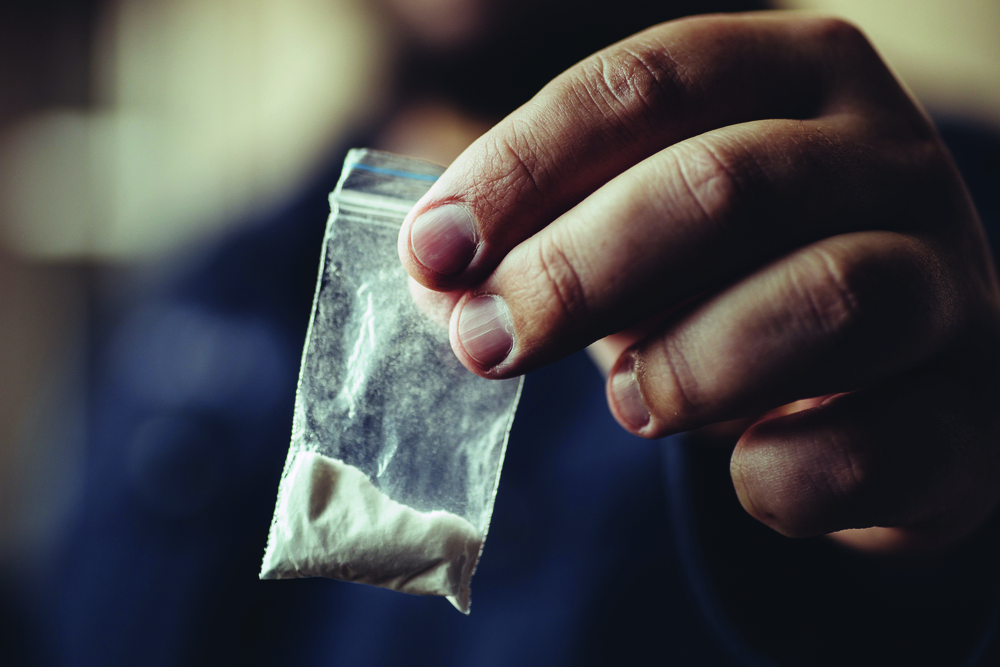
    Man hand holds plastic packet or bag with cocaine or another drugs, drug abuse and danger addiction concept, selective focus, tonedCOCAINE: It may seem odd that cocaine is on a list of substances commonly abused by seniors. But aging baby boomers are changing the landscape of drug use — cocaine wasn’t a widely used in previous generations at the same age. Cocaine is popular because it makes many people feel great — at least for a little while. They may have increased self-confidence, euphoria and desire to be social — all things older adults may miss from their youth. With no prescriptions allowed — the only way users can get cocaine is through dealers. Some signs your loved one could be addicted to cocaine include:
    • Dilated pupils
    • Excess energy and over-excitement
    • Experiencing paranoia
    • Little appetite
    • Not sleeping
    • Runny or red nose and sniffling often
    MARIJUANA: Marijuana can be either smoked or ingested by being mixed with foods (edibles). Medical marijuana is commonly prescribed to older adults because it’s believed to help treat Alzheimer’s, cancer, glaucoma and pain, among other things that frequently affect this population. For states where it’s legal to sell and purchase, you can walk into a cannabis shop or dispensary. For states where the drug is illegal, regular users would likely purchase from a dealer. Some signs your loved one might have a marijuana dependency include:
    • Consistently bloodshot eyes
    • Decrease in coordination
    • Lethargy and lack of motivation
    • Loss of memory
    • Using it every day or multiple times a day, especially if their doctors have recommended a lower frequency
    HEROIN: People addicted to prescription opioids are often at risk of turning to heroin, especially if it gets too difficult to procure prescriptions. The drug can ease their pain the same way the opioids did. Heroin is usually acquired through a dealer. Signs of heroin use include:
    • Constricted pupils
    • Sleepiness while on it; inability to sleep when it wears off
    • Slowed thoughts or movements
    • Visible injection marks on their skin, often called “track marks”
    • Pain, chills, vomiting, itchiness and nervousness when the heroin wears off

    How to Help

    Acknowledging there is a problem can be the first step to helping a loved one overcome addiction. Both caregivers and medical professionals can have important roles in getting assistance to someone suffering from SUD.
    Addiction Center: www.addictioncenter.com. Information on SUD and addiction, rehabilitation centers and other treatment options.
    National Institute on Drug Abuse: www.drugabuse.gov. Government resource provides answers to nearly every question you may have.
    Opioid Treatment Program Directory: dpt2.samhsa.gov/treatment. This directory helps you find opioid treatment in your state.
    RehabNet: https://rehabnet.com. Specifically designed for seniors living with drug and alcohol abuse or addiction. It provides a 24/7 hotline.
    SAMHSA National Helpline: www.samhsa.gov/find-help/national-helpline. This 24/7, confidential hotline is available to people living with or who care about someone with a substance use disorder. They can provide referrals to local assistance and send publications.


    Find the full article at www.premiernursingacademy.org.

    When people think about substance abuse and addiction, they often imagine young adults. While it’s true teenagers are at a higher risk for substance abuse as a group, research done on the elderly population is lacking. Despite the lack of research, it’s widely believed that substance abuse and addiction in the elderly is a hidden…

  • The Art & Science of COVID-19 Prevention

    It has long been established that consistently wearing a proper-fitting mask over your nose and mouth is critical in preventing the spread of COVID-19. In January, nearly two years into the pandemic, the Centers for Disease Control and Prevention (CDC) updated its mask recommendations, because as the SARS-CoV-2 coronavirus changes and mutates, producing a bounty of variants, we must adapt. The virus will continue to circulate and mutate as long as there are people to infect, so masks will likely remain a part of our lives for some time.

    Proper Fit is Essential

    Masks are made to contain droplets and particles you breathe, cough or sneeze out. They {Play} mostly protect others. If they fit closely to the face, they can also provide some protection from particles spread by others.

    Respirators fitting closely on the face to protect you by filtering out particles so that you don’t breathe them in. They can also contain droplets and particles you breathe, cough, or sneeze out so you do not spread them to others.

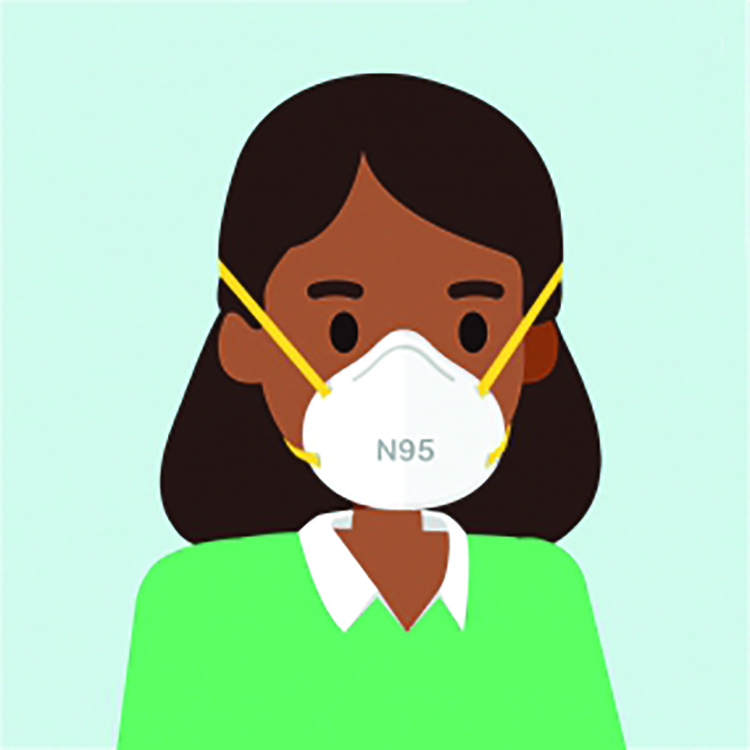
    While all masks and respirators provide some level of protection, properly fitting respirators provide the highest level of protection. N95s, KN95s and surgical-style masks, (when they are legitimate and fit properly) are more protective than cloth ones.

    Assuming the mask fits well and its filtration has been rigorously tested, these types of masks are some of the most protective face coverings you can buy.

    Whichever you chose, fit, comfort and consistent use are important to provide good protection.

    • Make sure your mask fits snugly against your face.
    • Pick a mask with layers to keep your respiratory droplets in and others’ out.
    • Choose a mask with a nose wire and bend it over your nose to fit it close to your face.
    • Use a mask fitter or brace over a disposable or cloth mask.
    • Check for gaps by cupping your hands around the outside edges of the mask.
    • Make sure no air is flowing from the area near your eyes or from the sides of the mask.
    • If the mask has a good fit, you will feel warm air come through the front of the mask and may be able to see the mask material move in and out with each breath.
    • If you use a cloth mask, make sure it has multiple layers of fabric, or wear a disposable mask underneath the cloth mask. The cloth mask should push the edges of the disposable mask against your face.
    • Knot the ear loops of a three-ply face mask where they join the edge and fold and tuck the unneeded material under the edges (instruction video: https://youtu.be/GzTAZDsNBe0.)

    The Genuine Article

    The New York Times’ “Wirecutter” features a selection of masks they consider to be the best options. They tested 39 models and confirmed the filtration claims of their favorites with government agencies or their own lab testing performed in collaboration with Colorado State University.

    Their picks have been confirmed to block at least 95 percent of 0.1-micron particles when worn with a secure seal, with good fit, feel and value. They vetted the sellers and manufacturers to confirm that you’re getting the genuine article.

    Go to www.nytimes.com/wirecutter/reviews/where-to-buy-n95-kn95-masks-online/#ourfavorite-respirator-masks to find legitimate N95, KN95 and surgical masks from trusted retailers. For reusable options, visit www.nytimes.com/wirecutter/reviews/best-cloth-face-masks.

    Read “12 Signs You Have a Fake N95, KN95, or KF94 Mask” at www.nytimes.com/wirecutter/blog/12-signs-you-have-a-fake-n95-kn95-orkf94-mask to ensure your mask’s legitimacy.

    How to Reuse Disposable Masks

    You may find that these disposable respirator masks cost $1 to $3 apiece. The cost can add up and used masks in our landfills can pile up. Fortunately, for most people and in most situations, you don’t need to dispose of your mask after each use or each day.

    Masks work the same way on any variant — by trapping virus-containing particles in their layers. But don’t try to save money or your local landfill by trying to wash or disinfect a mask, which can render it ineffective. You can have a steady supply of reusable masks by marking paper bags with the days of the week written on them. When you take off a used mask, put it in the appropriate bag, touching only the elastics. Then wash your hands. Store the bags by a sunny window to hasten decontamination.

    The coronavirus has an expected survival time of about 72 hours, so waiting seven days should be enough time for the mask to become clear of virus contaminants.

    When Should You Throw It Away?

    According to the CDC, a mask should still be wearable if its elastic bands continue to create a secure fit and the material looks clean and provides good airflow.

    However, consider where you’ve worn the mask and for how long. Someone who wears a mask in close quarters with others every day, for example, may need to throw it out sooner than someone who wears theirs to the grocery store every once a week.

    Whatever the circumstances, switch to a fresh mask if yours is dirty, thinning, damaged or hard to breathe through, or if it no longer maintains a good seal. Throw the mask away if you think you have been exposed to a virus load, such as, if you may have interacted with a person who has tested positive for COVID-19.

    For more information, go to the CDC website: www.cdc.gov/coronavirus/2019-ncov/preventgetting-sick/about-face-coverings.html.

    It has long been established that consistently wearing a proper-fitting mask over your nose and mouth is critical in preventing the spread of COVID-19. In January, nearly two years into the pandemic, the Centers for Disease Control and Prevention (CDC) updated its mask recommendations, because as the SARS-CoV-2 coronavirus changes and mutates, producing a bounty…