Category: Date

  • Legal: Make It Personal

    In planning our estate, we often spend much of our energy on deciding how to distribute the home and the cash, and we often overlook the personal items. In my practice, I see families distributing large sums of money and real estate rather smoothly. Then, when it comes to personal property, family conflict arises. From an outsider’s perspective, it can seem somewhat ridiculous - fights over a couch, a ceramic pot or a blanket.

    However, once memories and emotion are added to the picture – such as the family sitting on the couch enjoying each other’s company watching a movie or playing music together; or that we had made that ceramic pot in school and had given it to our parents; or that our grandmother, while in the hospital just prior to her passing, had painstakingly hand-quilted the blanket – they can carry great sentimental value.

    Psychologist Steven Hendlin, in his book, Overcoming the Inheritance Taboo, writes that because the personal property holds the memories of our loved ones who have passed away, we want to hold onto these items. Often, Hendlin says, it is the fear of forgetting our loved one that drives the desire for a particular object. And, the consequence may be huge - many family members risk their relationship with another family member over an object that often possesses no financial value. Parents would not wish to see their children fighting over personal objects.

    Knowing that conflict can easily surface over personal assets, what can we do? The State of Hawai‘i allows us to write down our wishes in a separate writing, often referred to as a Personal Property Memorandum. You simply make a list of your personal items, designate the beneficiary, and sign and date it.

    After you prepare the memorandum, talk to your family about the list. The family discussion can help provide clarity and reduce the chance of any misunderstanding.

    And, finally, these family heirlooms that connect us to our loved ones often come with a story. One priceless gift we can give to our children, our siblings and to our children, is to relay the story about the heirloom, preferably in writing.

    When my mother passed away, my brothers and I put all of the personal items onto a table with the hope of taking turns telling a story about each of the items. Sadly, very few stories were told. We didn’t know the reason why my mother or father kept a particular personal item, or even whether it came from upstate New York where my mother is from, or from Hawai‘i, where my father is from. My office provides what we call “My Heartfelt Will” to our clients to write down these stories, so we don’t risk losing them.

    So, when making your estate plan, remember to pay attention to the personal property as doing so can reduce confusion and conflict, promote family harmony, and preserve family history.


    For information contact Stephen B. Yim, Attorney at Law at (808) 524-0251, stephenyimestateplanning.com.

    In planning our estate, we often spend much of our energy on deciding how to distribute the home and the cash, and we often overlook the personal items. In my practice, I see families distributing large sums of money and real estate rather smoothly. Then, when it comes to personal property, family conflict arises. From…

  • Be An Aware Consumer – Avoid Being Scammed

    It’s no secret that con-artists go where the money is. That means that schemers and scammers target citizens who are retired or who are about to retire who have been accumulating money through their retirement plans, real-estate and their personal bank accounts.

    The truth is that we are all at risk. Nevertheless, you can help protect your family and friends by knowing how scammers work and by reporting fraudulent investment sales pitches and other scams to the authorities. The key is to recognize these offers that sound too good to be true. Con-artists are very adept at coaxing and altering their pitches to the profiles of their victims. They often ask casual questions about hobbies, health, family and political beliefs. Once they identify a way in, they will overwhelm you them with various tactics in an attempt to defraud them of money. The two most common tactics are:

    The get rich quick tactic: This tactic tries to persuade you that with “this investment” you will obtain something you want but cannot have. For example, a scammer might guarantee you that a business opportunity will produce a monthly income of $4,000 guaranteed!

    The credibility tactic: This tactic tries to attain credibility by claiming to belong to a respected group or having a certain experience or special connection.

    Claims of endorsement or affiliation: The scammer may claim to be endorsed by a state or federal agency, or the Better Business Bureau, agencies that do not endorse private companies.

    A couple of things you can do to prevent becoming a victim of these types of frauds are to take control and ask questions. Remember that any legal investment agent must have specific types of licensing. Your Better Business Bureau has Business Reviews on thousands of businesses which contain licensing and complaint information. Verify any information that is given you with another source and practice saying “No” and “I am not interested”.

    Hawai‘i’s BBB works to help prevent fraudulent, deceptive and unfair business practices in the marketplace and to provide information to help consumers spot, stop, and avoid scams.

    Better Business Bureau - Generations Magazine - April-May 2013

    It’s no secret that con-artists go where the money is. That means that schemers and scammers target citizens who are retired or who are about to retire who have been accumulating money through their retirement plans, real-estate and their personal bank accounts. The truth is that we are all at risk. Nevertheless, you can help…

  • Financial: Time For You To Refinance?

    According to research done by Freddie Mac, the average rate on a 30-year mortgage in the U.S. dropped below 4% for the first time ever in 2011. Rates on shorter-term, 15-year mortgages are even lower.

    For some, this creates a great opportunity to refinance the mortgage. But it’s not the right decision for everyone. Here are four questions to consider:

    1. How much equity do you have?

    Refinancing may be a priority for homeowners with disadvantageous loan terms or who owe more on their home than it is worth. But these situations can make it difficult to qualify for refinancing. Consult with your mortgage company about whether a different financing package can be structured for your home.

    If you do have equity in your home, it’s possible to structure a payment that may be dramatically lower than your current monthly mortgage. If the amount of equity is not much different than the current value, the payment will be closer to what you already have, but would likely be an improvement due to the recent decline in interest rates.

    2. Why do you want to refinance?

    Locking in a historically low rate can be appealing, but if you are within a few years of paying off your mortgage, it may not make sense for you to re-start with another 15- or 30-year mortgage.

    3. Are you in a position to refinance?

    If you have run into credit problems, refinancing may not be as easy as it used to be. Households need to have a sufficient credit score — usually 700 or higher — to qualify for a conventional mortgage.

    Employment status could be another factor. A number of Americans, some involuntarily, have recently left the workforce and started their own business. If you don’t have an established record of income, it might be difficult to obtain a new mortgage. Ask your mortgage company whether it’s worthwhile for you to pursue the mortgage application process.

    4. Determine the terms that suit your needs

    The final question is whether to opt for a 15-year or 30-year mortgage. An adjustable-rate mortgage is also an option, but since the terms of those loans are subject to change.

    If your primary goal is the lowest possible payment, a 30-year loan makes sense. If your focus is to reduce debt and accumulate wealth, a shorter-term loan may be better; the total interest paid on a 15-year loan will be significantly lower than with a 30-year mortgage. While monthly payments will be higher, a 15-year loan offers more long-term advantages for these homeowners since the financial obligation of a mortgage will no longer exist after 15 years, allowing you to concentrate on retirement or education savings.

    If you decide to refinance, be sure to compare costs of different lenders. The breakeven point on the cost of the loan (the number of years you need to keep the mortgage before the costs of obtaining a new loan are overcome) is a critical measure of whether refinancing is a worthwhile move for you.


    For more information, please contact Michael W. Yee at (808) 952-1240Advisor is licensed/registered to do business with U.S. residents only in the states of Hawaii. Brokerage, investment and financial advisory services are made available through Ameriprise Financial Services, Inc. Member FINRA and SIPC. Some products and services may not be available in all jurisdictions or to all clients.© 2010 Ameriprise Financial, Inc. All rights reserved.

    According to research done by Freddie Mac, the average rate on a 30-year mortgage in the U.S. dropped below 4% for the first time ever in 2011. Rates on shorter-term, 15-year mortgages are even lower. For some, this creates a great opportunity to refinance the mortgage. But it’s not the right decision for everyone. Here…

  • Acupressure Weight Loss Program

    For Appetite Balancing, Eating Disorders, Food Cravings and Relieving Constipation

    Accupressure Weight Loss - Generations Magazine - February - March 2012The Acupressure Weight Loss and body image program provides an easy daily routine to balance your metabolism, appetite, and body’s energy system. Dieting alone is not enough. By actually working on your body - through gentle stretches, deep breathing, and self-massage on the acupressure points - you can transform your metabolism, eating imbalances, and cravings.

    How does it Work? I produced the Acupressure Weight Loss Audio Program that guides you to gently stretch and move your body, which stimulates acupressure weight loss points. The program consists of 12 weight loss techniques, which activate the most important parts of your body for balancing your appetite, digestion, and elimination. This weight loss and body image program offers an effective approach to losing weight using three natural modalities:

    • Deep Breathing Exercises relax and calm you, gathering healing energy for reducing stress and improving your digestion.
    • Movement Stretches stimulate circulation in your abdominal area, regulating your appetite.
    • Self-Acupressure on key digestive points, increase your body’s awareness, decrease your food cravings, and balance your appetite through self-massage.

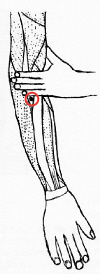
    Acupressure Weight Loss Points: One of these twelve techniques, for instance, presses an acupressure point in your lower abdomen, three finger widths below your belly button, to increase the strength and function of your intestines. This point (CV 6) alone can enable you to lose weight by stimulating your body’s energy to eliminate properly. This routine includes massaging key ear points for eating disorders.

    By practicing this routine twice daily, you’ll have less stress, better appetite balance, and a greater sense of wellness.

    Weight Loss Ear Points are illustrated in this e-audio program. Dieting alone is not enough as an effective weight-loss program. Focusing on a specific diet with less calories and more fiber is excellent for temporarily losing weight, but does not get at the causes of food addictions, obsessions, yearnings and carvings. People can lose weight on low-calorie diets, but they tend to gain it back.

    The Role of Stress: Being under stress worsens eating disorders. This audio program reduces stress and is easy to practice. In less than a half-hour, practicing once or twice a day, these twelve weight loss techniques can transform your metabolism, appetite, and change your eating disorders.

    How Acupressure Weight Loss Works: The postures, movements, and stretches in this program activate specific acupressure points to release the flow of healing energy through the Stomach and Spleen Meridians. This energy flow balances your appetite, digestive system, and compulsive urges to eat.

    Acupressure Therapy is also effective for healing your body’s self-image and restoring trust in its awareness. The nature of giving yourself acupressure enables you to be more in touch with your body, and the messages it’s sending you. Acupressure points release tension, stress, and energy blockages, which cultivates greater awareness and a profound, natural wisdom for developing a natural intuition about when and what to eat.

    For more information, self-healing books, CDs and DVDS, visit www.Acupressure.com

    For Appetite Balancing, Eating Disorders, Food Cravings and Relieving Constipation The Acupressure Weight Loss and body image program provides an easy daily routine to balance your metabolism, appetite, and body’s energy system. Dieting alone is not enough. By actually working on your body - through gentle stretches, deep breathing, and self-massage on the acupressure points - you can transform…

  • AARP: Hawai`i’s Not Ready for Care Needs

    In 2008, the state Legislature established the Long-Term Care Commission to assess Hawai‘i’s system of care for the elderly and recommend improvements. Nearly four years later, the Commission is ready to share its findings with lawmakers - and the report is not encouraging.

    Describing the state’s long-term care system as “broken,” the Commission concludes that neither the state nor most of its residents are prepared to deal with the high cost and complexity of care. The report says that lack of public awareness and fragmented state oversight of programs and providers make for an increasingly dangerous combination as Hawai‘i ages.

    “Hawai‘i’s people have not put aside sufficient savings to deal with the risks of aging, and that’s something that could come back to haunt all of us,” said Long-Term Care Commission Chair Stuart Ho, who also serves as State President of AARP Hawai‘i. “Most of our residents are both unaware of and unprepared for the looming financial costs associated with long-term care. The problem is compounded by state government’s fragmented management of the current system, which leaves families confused about the services available to them.”

    The Commission finds that most residents - and state government itself - are unprepared to cope with the increased demand for long-term care services. As the need for services increases, many families are shocked to learn that Hawai‘i nursing home costs are among the highest in the country and are already at full capacity.

    Meanwhile, Hawai‘i is home to one of the fastest aging populations in the United States. Between 2007 and 2030, the number of residents age 85 and older will increase by almost two thirds (from 29,000 to about 48,000). As our population ages, the Commission says that either government will need to spend substantially more for long-term care or other sources of funding will have to be found.

    The Commission report, ready for delivery to the Legislature in January, includes eight recommendations for consideration. Three are listed below.

    • Launching a long-term care public awareness campaign
    • Establishing a mandatory public insurance program
    • Consolidating state departments responsible for long-term care into a single agency for greater efficiency and coordination

    To read the report and the complete list of recommendations, visit the University of Hawai‘i Public Policy Center online at publicpolicycenter.hawaii.edu/ltcc.

    In 2008, the state Legislature established the Long-Term Care Commission to assess Hawai‘i’s system of care for the elderly and recommend improvements. Nearly four years later, the Commission is ready to share its findings with lawmakers - and the report is not encouraging. Describing the state’s long-term care system as “broken,” the Commission concludes that neither the…

  • Message from the Editor – February / March 2012

    This month’s cover story is one that I have been anticipating for months as we bring to you Dr. Terry Shintani’s story. I met Dr. Shintani a few years ago while attending one of his famous seminars on eating healthy. My anticipation has been personal as I am constantly trying to find ways to live a healthier life with my eating habits and I wanted to pass his knowledge on to you, our readers.

    So thank you Dr. Shintani for educating me on healthier eating habits. I recommend everyone to attend his workshops as knowledge is powerful and he definitely is one of the foremost doctors on this topic — not only in Hawai‘i but nationally. A big “Mahalo” also goes out to Frank Santana from “Down to Earth” All Vegetarian Organic & Natural food stores. I learned about various organic fruits and vegetables that I will be changing my own buying habits.

    And on this issue, I am sharing my page with a noteworthy senior from Moanalua HS who’s interest is also shared by many — the secret in longevity—which this issue is about. Well done Fevelyn, and thank you to our young participants.

    Live Well in 2012!

    Generations Magazine - Percy Portrait - Blue Shirt
    Percy Ihara, Editor/Publisher

    This month’s cover story is one that I have been anticipating for months as we bring to you Dr. Terry Shintani’s story. I met Dr. Shintani a few years ago while attending one of his famous seminars on eating healthy. My anticipation has been personal as I am constantly trying to find ways to live…

  • The Willows Restaurant

    E komo mai kakou!

    The Willows Restaurant - Generations Magazine - February - March 2012Nestled within the heart of historic Mo‘ili‘ili in Honolulu, The Willows sits upon one acre of lush tropical gardens, abundant with native Hawaiian flowers, and bordered by cascading waterfalls. Guests can enjoy award-winning dining outdoors or within one of the many private rooms. Like the Shangri-La of myth, The Willows is an unexpected oasis amid the hustle and bustle of the city. First-time guests usually catch their breath as they walk through the doors, while those who return always feel welcomed and at home.

    The Willow’s award-winning buffet executive chef Miles Miyashiro masterfully combines traditional Hawaiian delicacies with Asian and American cuisine to satisfy the pickiest of palates. The menu is influenced by many different cultures, including Japanese, French, Thai, Italian, Hawaiian, and Korean. The Willows menu has been honored with many awards over the years, including Honolulu Advertiser’s “Best Buffet,” Honolulu Magazine’s “Best Place to Take Visitors,” Taste of Honolulu’s “Best Seafood,” and took 1st Place at HFM’s Culinary Competition, in addition to numerous other awards. They also have special holiday buffets featured throughout the year.

    Live Hawaiian music and dancing can be enjoyed every evening, Wednesday through Friday from 6:30 p.m. – 8:30 p.m., featuring some of Hawai‘i’s top entertainers, including many Na Hoku Hanohano Award winners.

    Weddings and Special Events

    The Willows Restaurant Meal - Generations Magazine - February - March 2012The Willows Chapel has been the venue for many isle weddings, and is a popular choice for wedding receptions and other celebrations for up to 150 people in private rooms, as well as restaurant buy-outs for larger private events. Contact Keri Endo, Catering & Special Events Director for information, (808) 952-9200 ext. 63.


    The Willows Restaurant

    • Located at 901 Hausten Street in Honolulu
    • Phone: (808) 952-9200, fax: (808) 952-0050.
    • Visit the website for entertaiment and menu details, willowshawaii.com.

    LUNCH BUFFET

    • Weekdays Monday - Friday, 11:00 a.m. –  2:00 p.m.
      • Adult $19.95 • Keiki (4-10) $9.95Kupuna (65+) & Military 10% Off
    • Saturday 10:00 a.m.- 2:30 p.m.
      • Adult $24.95 • Keiki (4-10) $12.50Kupuna (65+) & Military 10% Off
    • Sunday Champagne Brunch 10:00 a.m. - 2:30 p.m.
      • Adult $34.95 • Keiki (4-10) $17.50Kupuna (65+) & Military 10% Off

    DINNER BUFFET

    • Monday – Friday, 5:30 p.m. - 9:00 p.m. Saturday & Sunday, 5:00 p.m. - 9:00 p.m.
      • Adult $34.95 • Keiki (4-10) $17.50Kupuna (65+) & Military 10% Off

    E komo mai kakou! Nestled within the heart of historic Mo‘ili‘ili in Honolulu, The Willows sits upon one acre of lush tropical gardens, abundant with native Hawaiian flowers, and bordered by cascading waterfalls. Guests can enjoy award-winning dining outdoors or within one of the many private rooms. Like the Shangri-La of myth, The Willows is…

  • Celebrating Culture

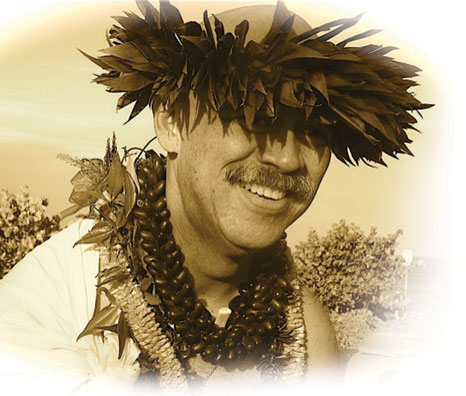
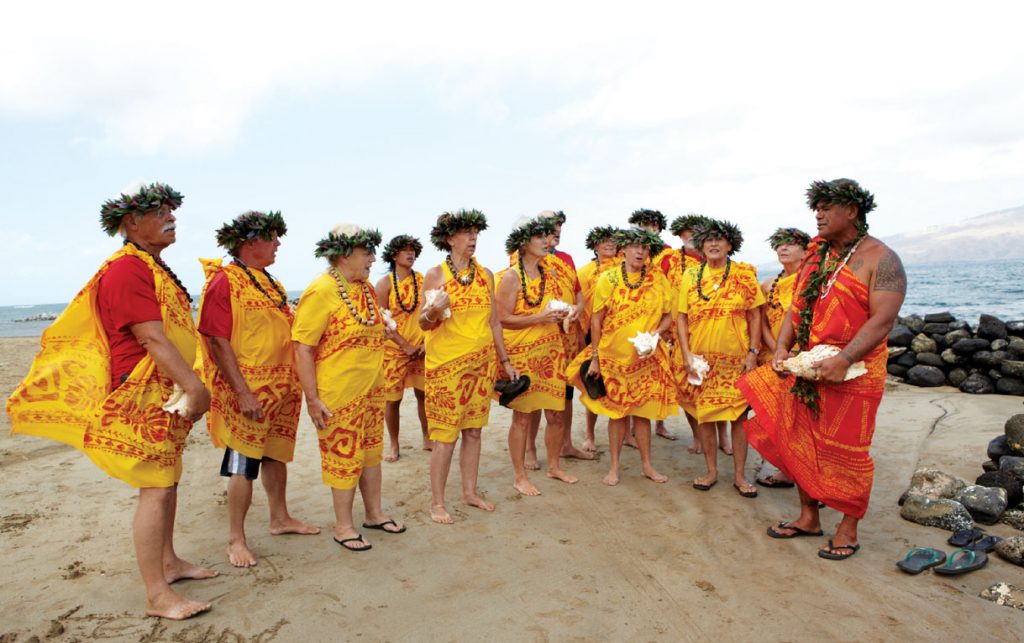
    Generations Magazine - Celebrating Culture - Image 01A special event occurs every four years called the Festival of Pacific Arts, where over 27 South Pacific nations gather to share their culture and develop friendships. The festival lasts for approximately two weeks and is filled with events from morning till night at different venues. There are over 2500 participants and many of the countries have competitions in advance to be sure they are represented by their best performers. There is no “competition” as the focus is on the celebrating and sharing of each other’s cultures. This year’s theme will be Culture in Harmony with Nature.

    Generations Magazine - Celebrating Culture - Image 02

    Generations Magazine - Celebrating Culture - Image 03

    Generations Magazine - Celebrating Culture - Image 04The festival is held in the summer, when school is out, as the local villages are responsible for the housing and feeding of participating delegations. This opportunity allows for sharing hospitality and cultural interactions between the locals and visiting countries.

    Amy Taniguchi, a retired Hawai‘i schoolteacher, has been to four festivals in Samoa, New Caledonia, Palau and Western Samoa with Pacific Islands Institute who has been taking visitors to the festivals since 1992. This year’s program begins in Brisbane, Australia on June 28th. For more information, call 808-732-1999 or visit ExplorethePacific.com.

    Generations Magazine - Celebrating Culture - Image 05

    A special event occurs every four years called the Festival of Pacific Arts, where over 27 South Pacific nations gather to share their culture and develop friendships. The festival lasts for approximately two weeks and is filled with events from morning till night at different venues. There are over 2500 participants and many of the…

  • Social Security: A Valentine Tip

    Valentine’s Day is upon us, making this a popular time of year for proclamations of love. Such displays of affection can be as simple and sweet as a heart with a “be mine” message, or as life altering as a vow before the altar.

    If you happen to be a newlywed who is head over heels in love, you may not be focused on things such as taxes or Social Security, but you should be. If you plan to exchange your maiden name for a married name - including hyphenated names such as Smith-Jones - be sure you let Social Security know.

    Telling us about your name change shortly after your marriage will help us keep track of your earnings and will ensure that you and your family get the Social Security retirement, disability and survivors coverage you’re entitled to. Also, if the Internal Revenue Service and Social Security records do not show the same name and Social Security number, your federal income tax refund could be delayed.

    If you choose to use your maiden name consistently throughout your working years, you do not need to contact us. However, if you decide to change your name at a later time, you should let us know so that we can update your Social Security record and send you a Social Security card with your new name.

    There’s no need to pay someone else to mail in the information for you. Changing your name with Social Security is a quick, easy and free:

    • Visit www.socialsecurity.gov/ssnumber
    • Read about the required documents
    • Click on Fill Out and Print an application (Form SS-5)
    • Or, call 1-800-772-1213 to obtain the form

    We will need the completed application along with a marriage certificate or divorce decree verifying your old and new names. If you were born outside the United States, you also need proof of your U.S. citizenship or proof that you are lawfully living in the U.S. You can bring or mail these documents to us.

    You may be focused on the one you love, and we don’t blame you. But if you like us (we hope you do), please visit our homepage (socialsecurity.gov) and click on the Facebook icon to Like us on Facebook. You can follow us on Twitter, too. We share information daily that can help you and all your Valentines.

    Happy Valentine’s Day from Social Security.

    Valentine’s Day is upon us, making this a popular time of year for proclamations of love. Such displays of affection can be as simple and sweet as a heart with a “be mine” message, or as life altering as a vow before the altar. If you happen to be a newlywed who is head over…

  • Lanakila: March For Meals Campaign

    Lanakila March for Meals - Generations Magazine - February - March 2012On March 1, 2012, hundreds of concerned citizens will join Lanakila Meals on Wheels in the March for Meals to raise awareness of the need to fund the Kupuna Care Program and combat senior hunger. Marchers from around the island, including seniors, elected officials, and Kupuna Care service participants, will gather at the State Capitol Rotunda at 10 a.m.

    March for Meals is an annual national campaign, held in March of every year, and designed to increase public awareness for local senior nutrition programs. The campaign takes place in the month of March because it was during this month that the law was enacted that included Senior Nutrition Programs in the Older Americans Act.

    Kupuna Care is a state-funded, county administered program that provides basic services to frail older adults who can’t live at home without assistance. Services include home-delivered meals, personal care, help with chores and transportation assistance. These services provide an important safety net that can help low and middle-income adults avoid going into poverty and being forced into more costly care settings.

    The public is encouraged to attend. For information, please visit lanakilapacific.org or call 531-0555.

    On March 1, 2012, hundreds of concerned citizens will join Lanakila Meals on Wheels in the March for Meals to raise awareness of the need to fund the Kupuna Care Program and combat senior hunger. Marchers from around the island, including seniors, elected officials, and Kupuna Care service participants, will gather at the State Capitol…

  • Walk Wise Hawai`i Keeps Seniors Safe

    Walk Wise Hawai‘i (WWH) is celebrating its ninth year of bringing important safety tips to Hawai‘i’s senior pedestrians. This statewide pedestrian safety campaign, led by the State Dept. of Transportation and championed by Walk Wise Hawai‘i’s Lance Rae, is revving up 2012 with expanded community outreach programs.

    The rate of pedestrian fatalities among Hawai‘i’s elderly has steady declined thanks in large part to WWH’s expanded programming. Last year, nearly 7,000 seniors took the Pedestrians Pledged to “walk wise,” which is to always look left-right-left before crossing and make eye contact with drivers when crossing.

    This coming August, WWH will celebrate its Third Annual Pedestrian Safety Month. This month-long campaign is recognized by Lt. Gov. Brian Schatz as “the only statewide pedestrian safety month in the nation.” Look for more information on the Pedestrian Safety Month this summer to learn about how to be both a safe pedestrian and driver.

    Throughout the year, WWH’s Speakers Bureau reach out to seniors through the Honolulu Police Dept.’s Aloha No Na Kupuna program on O‘ahu and with Neighbor Island police departments. If you have senior citizens in your community, you can contact WWH to schedule a guest speaker who can share information about pedestrian safety and provide safe road-crossing tips. The WWH Speakers Bureau provides reflective lights to carry during the early morning and evening hours and yellow tote bags to all seniors who take the WWH Pedestrian Pledge.

    This year, WWH invites all Generations Magazine readers and their families to take the Walk Wise Hawai‘i Pedestrian Pledge and make walking safe in Hawai‘i.

    For more information on Walk Wise Hawai‘i, please contact Lance Rae at 535-9099.

    Walk Wise Hawaii

    Walk Wise Hawai‘i (WWH) is celebrating its ninth year of bringing important safety tips to Hawai‘i’s senior pedestrians. This statewide pedestrian safety campaign, led by the State Dept. of Transportation and championed by Walk Wise Hawai‘i’s Lance Rae, is revving up 2012 with expanded community outreach programs. The rate of pedestrian fatalities among Hawai‘i’s elderly…

  • Financial: Uplifting Choices

    Getting Your Plan in Order

    Perhaps you’ve asked yourself questions like, “How can I plan? We just sold our home and bought a retirement condo. Our older child just moved across the country and our younger child will be getting married later this year. With so much change, how can we make plans?”

    Life Changes Quickly

    In each of our lives, change comes very quickly. You are going to face new circumstances every year. Yet planning exists to prepare for life - and to give your family members better lives. It is essential to create goals that help your family live better in the midst of new circumstances. Even if you or your family is going through major changes, there are several basic steps that will help you succeed in your plans.

    Set Goals

    Step one for a successful life is to have goals. It has been said, “If you don’t know where you’re going, you’re not likely to get there.” This is very true about goals for your family and for your estate. Think about goal-setting as though you are purchasing a birthday gift for a family member in a clothing store. A clothing store might have 20 or 30 different sizes. One size does not fit all in the area of clothing and it also doesn’t work for your family and estate plan.

    How do you find the “right size?” Just like clothing for a family member must fit properly, in your planning for family, it’s important to decide the right time and amounts for an inheritance to be most beneficial for your children, grandchildren, nephews and nieces. Your other goals may include the age for heirs to receive property and reducing costs and estate taxes.

    What Do You Own?

    Can you write down a list of all the property you own? I once represented a married couple who estimated that they owned about $500,000 worth of property. However, when we went through their assets carefully it turned out they owned more than twice that amount and were millionaires. It’s not uncommon for people to “forget” or undervalue some of their assets.

    Understanding your property starts with listing all of your assets – your savings account, certificates of deposit, home, IRA, 401(k) and personal assets, among others.

    Children, Grandchildren, Nephews and Nieces

    Your plan to benefit family during your lifetime or through your estate will vary greatly depending upon the ages and circumstances of your children and their needs. For parents with minor children, a key decision is to select a guardian. Minor children also need to have property held in trust, so there is appropriate investment and expenditure of those funds. For adult children, it’s important to think through the right time, right amount and right type of inheritance. Many families find that a trust that pays income for a number of years to adult children is also a very helpful method to provide added security for them. Some families get energized when they find that they can leave a legacy of significance to their community, while at the same time making sure to provide for their family needs.

    A Convenient Way to Plan

    Would you like to have a convenient way to think through some of these issues before you consult with your financial advisor or attorney? A free tool is available at kidney.giftlegacy.com where you can plan your will, consider whether a trust is right for your family, and request a free wills guide from the National Kidney Foundation of Hawai‘i. The secure web site lets you gather your information and ideas together, read general information about planning, and even prepare for a meeting with your advisors. Why not take a look at kidney.giftlegacy.com today? It just may help you answer the question, “How can I plan?”


    For consultation call 589-5976. Be sure to register for a free eNewsletter and check out the wealth of information at www.kidneyhawaii.org.

    Getting Your Plan in Order Perhaps you’ve asked yourself questions like, “How can I plan? We just sold our home and bought a retirement condo. Our older child just moved across the country and our younger child will be getting married later this year. With so much change, how can we make plans?” Life Changes…