Category: Date

  • Your Mind & Body: Sleepless Seniors

    Insomnia is defined as having trouble falling or staying asleep. Insomnia affects 1 in 3 adults every year in the United States. Fifty percent of people over 65 years have various sleeping disorders. It can be transient, acute or chronic. Acute insomnia is brought on by situations such as stress at work, family pressures or a traumatic event. Chronic insomnia lasts for a month or longer and is the symptom or side effect of some other problem. Individuals with insomnia and short sleep duration are at increased risk for developing a number of health issues, including diabetes and hypertension.

    Insomnia - Generations Magazine - June - July 2012Adults need 7½ to 8 hours of sleep each night. As we age our need for sleep decreases slightly to 6½ to 7 hours at night. Normal aging includes a general trend toward more time in bed but the same or less time asleep. Older people tend to go to sleep earlier in the evening and wake up for the day earlier in the morning. Compared with young adults, the elderly tend to have delayed sleep onset, fragmented sleep, early morning awakening and decreased time in deepest stages of sleep.

    Causes of insomnia:

    • Changes in sleep patterns because of different work hours or travel
    • Acute stress, such as hospitalization or illness of a relative
    • Behavior-related problems, such as anxiety or depression
    • Medical problems, such as sleep apnea or hyperthyroidism
    • Use of alcohol or caffeine
    • Medicines, such as those used to treat heart problems and cancer
    • Pain, shortness of breath and other discomfort

    How is insomnia diagnosed?

    The health care provider will take an interview, perform a physical exam and take a blood sample for laboratory tests. A person may be asked to keep a sleep diary. The provider may order a sleep study that involves sleeping overnight in a sleep center.

    How is it treated?

    Avoid daily use of sleep medications as they can become addictive. Cognitive behavioral therapy encourages good sleep habits and uses several methods to relieve sleep anxiety. Techniques such as relaxation exercises sleep, restriction therapy and reconditioning may be useful.

    Chronic insomnia involves treatment of the underlying disorder. For example, if insomnia is caused by depression, the medicine used to treat depression should help insomnia. In some situations, a medication may be prescribed to aid sleep. Ambien (zolpidem), Sonata (zaleplon), Lunesta (eszopiclone) are some of the newer drugs on the market replacing benzodiazepines as sleeping pills. Herbal supplements such as Melatonin, L-tryptophan or Valerian tea are also used to treat insomnia.

    What lifestyle changes are recommended?

    Good sleep habits include:

    • Stick to a schedule of sleeping time and waking time
    • Get regular exercise
    • Avoid or limit caffeine or alcohol, especially after lunch
    • Stop smoking
    • Drink less liquids after dinner to avoid going to the toilet at night
    • Don’t eat a heavy meal late in the day
    • Finds way to relax before the bedtime, such as reading, warm bath, massage
    • Avoid or limit naps during the day
    • Do not read or watch television in bed

    Minimize sleep interruption by closing the bedroom door to avoid noise and keeping the bedroom temperature comfortable
    __________________________________________________

    Dr. Ritabelle Fernandes, MD, MPH, FACP is Clinical Associate Professor at the Geriatric Medicine Department of the John A. Burns School of Medicine, University of Hawai‘i. She is board certified in Geriatric medicine, Hospice and Palliative Medicine, Internal Medicine and Home Care. She is a practicing physician at the Kokua Kalihi Valley and Kalihi-Palama Health Center.

    Insomnia is defined as having trouble falling or staying asleep. Insomnia affects 1 in 3 adults every year in the United States. Fifty percent of people over 65 years have various sleeping disorders. It can be transient, acute or chronic. Acute insomnia is brought on by situations such as stress at work, family pressures or…

  • Genealogy is for Generations

    Why is a hobby that revolves around dead people so popular?

    Genealogy is derived from the Greek word genea, “generation” and “knowledge.” It is the study of families and the tracing of their lineages and history.

    Oftentimes, family histories are passed down in the desire to preserve the past for future generations.

    Hobbyist genealogists try to understand not just where and when people lived, but also their lifestyles, biographies and motivations. This often requires - or leads to – knowledge of antiquated laws, political boundaries, migration trends and socioeconomic or religious conditions.

    Generations come and go. Who will know them? Who will keep track? Oftentimes, the sense of responsibility falls on the “senior generation,” as they hold most of the information, photos and papers. However, regardless of your age or generation, getting involved in your family genealogy and watching your tree grow with new an old faces can take you to unexpected places.

    Genealogy - Generations Magazine - June - July 2012Genealogy and You

    Who do you think you are? Your lineage? Do you want to know?

    Apparently Americans do want to know who they are. Millions tune in each week to watch the T.V shows, Who Do You Think You Are? and Finding Your Roots. Shows that deal with investigating the genealogy of celebrities.

    These shows, each in their own compelling way, take a different celebrity on a journey into his or her family history. Viewers are taken on an emotional, personal and often mysterious quest as these celebrities discover their ancestors - many of whom had to overcome huge obstacles while struggling for freedom and opportunity.

    Why is a hobby that revolves around dead people so popular? Genealogy has become the fastest growing hobby in North America. It has even surpassed scrap booking and gardening in popularity. According to Kim Farah, spokesperson for the Family History Library (LDS), it is because genealogy touches on a fundamental need. “It’s universal; it crosses all faiths and cultures. The benefits of knowing our heritage, of the sacrifices others have made for us, give us a sense of responsibility and self-esteem.”

    Genealogy has also taken a giant scientific step forward. DNA can now to be organized into haplogroups that give insight into the broader scopes of racial makeup and ancestral migration patterns.

    Most people know little of their ancestry. So, who were they – our unknown ancestors? Will we find pirates, smugglers, criminals? Perhaps we’ll discover we are descendents of queens, kings and noblemen? We each have our own stories: the black sheep, the Civil War hero, the ancestors who fled to the United States, or the lost family fortune. Now is the time to get out your faded pictures, start asking your oldest relations about what they know, and discover your own family history.

    Local Genealogical Society

    Honolulu County Genealogical Society meets on the second Saturday of each month. You may find more information online at www.honolulu-countygenealogicalsociety.blogspot.com. Or at www.rootsweb.ancestry.com/~hihcgs.

    Other resources are www.ancestry.comwww.rootsweb.ancestry.com, and .

    Why is a hobby that revolves around dead people so popular? Genealogy is derived from the Greek word genea, “generation” and “knowledge.” It is the study of families and the tracing of their lineages and history. Oftentimes, family histories are passed down in the desire to preserve the past for future generations. Hobbyist genealogists try…

  • Time for Thanks!

    Join in on healthy, summer events

    Every once in a while an opportunity comes along to say, Thank you. We never grow too old to express our thanks, and we should graciously receive thanks from others. In truth, being thankful should be woven into the fabric of life. This is true for individuals and it is true for community organizations, such as the National Kidney Foundation of Hawai‘i (NKFH).

    This summer, with a weeklong series of free concerts, fairs and events, the NKFH would like to thank the community for its year-round support in the fight against kidney disease.

    The signature event occurs in late June when NKFH hosts the XVI International Congress on Nutrition and Metabolism in Renal Disease and First World Renal Nutrition Week, from June 26 – 30, 2012. The congress is a biannual gathering of doctors, nutritionists and medical researchers in renal disease and nutrition from around the world.


    Sixth Annual Peace on Earth Concert

    Hawai‘i Theatre – June 27, 6:45 p.m.

    Free admission; open to public

    This concert event, with Al Waterson as emcee, will feature some of Hawai‘i’s best performing artists from a variety of music genres. Among the performing artists is Ginai performing with Pierre Grill, the Thursday Night Jazz Band, the a cappella choral group known as the Samoan Gospel Heralds, Haw’n Boy Mike Ka‘awa and his band, and The Carmen Haugen Quartet.


    National Kidney Foundation of Hawai‘i Health and Craft Fair

    Hilton Hawaiian Village Hotel, Tapa Lounge – June 28, 10 a.m.– 2 p.m.

    Free admission; open to public

    The National Kidney Foundation of Hawai‘i Health and Craft Fair has two components, separately staged. The first component of the event is a craft fair featuring Hawaiian crafts made by local artisans.

    The second component is a health fair that will offer various health screenings sponsored by WE, a “hui for health” program that provides health screenings throughout Hawai‘i in conjunction with other healthcare organizations. Screenings include spirometry, glucose, kidney, hepatitis and hearing tests. While anyone can contract kidney disease, people with high blood pressure and diabetes, as well as certain ethnic groups such as Filipinos, Native Hawaiians, Japanese and others of Asian background are most at risk. A free screening can lead to early detection and treatment.


    Quilted Memories Tour

    Hilton Hawaiian Village Hotel, Tapa Lounge – June 26–  30

    Free admission; open to public

    The Quilted Memories Tour will be on display throughout the week in the Tapa Ballroom area. This tour features quilts made by families of organ donors. Each 7 x 7-inch square fabric swatch includes a “life vignette” that portrays a part of a donor’s life. Once the swatches are sewn together into a quilt, it is a powerful testimony of the ultimate gift of life. The Quilted Memories Tour is an outgrowth of the bereavement support group of the Hawai‘i Donor Family Council and is supported by the NKFH.

    If you are a medical professional and want to attend the XVI International Congress on Nutrition and Metabolism in Renal Disease, or if you would like to attend the gala and silent auction on Friday evening, June 29, please contact jeff@kidneyhi.org.


    National Kidney Foundation of Hawai‘i

    589-5976 | www.kidneyhawaii.org

    Join in on healthy, summer events Every once in a while an opportunity comes along to say, Thank you. We never grow too old to express our thanks, and we should graciously receive thanks from others. In truth, being thankful should be woven into the fabric of life. This is true for individuals and it…

  • June – July 2012

    June – July 2012

    WANT THIS ISSUE?

    Download your own personal copy of this issue in PDF format. Click the button below:

    DOWNLOAD IT NOW

    Kimokeo Kapahulehua: A Modern Hawaiian

  • April – May 2012

    April – May 2012

    WANT THIS ISSUE?

    Download your own personal copy of this issue in PDF format. Click the button below:

    DOWNLOAD IT NOW

    Les Murakami: The Heart of a Warrior Through & Through

  • People’s Open Market

    Founded in 1973, the People’s Open Market (POM) was formed to accomplish three goals:

    1. Provide the opportunity to purchase fresh agricultural and aquacultural products and other food items at low cost.
    2. Support the economic viability of diversified agriculture and aquaculture in Hawai‘i by providing market sites for local farmers, fishermen or their representatives to sell their surplus and off-grade produce.
    3. Provide focal point areas for residents to socialize.

    More than 1 million people shop at the 25 market sites each year. Each market operates once a week and lasts about one hour. Prices are usually 35% lower than retail stores. The POM staff closely regulates the markets. The staff conducts weekly price surveys at various stores to determine a recommended price for the POM vendors to follow. Vendors may sell below, but not over, the recommended prices. The staff also supervises the arrival and departure of the POM vendors to ensure safety for both vendor and consumer. Each vendor is monitored to ensure that they comply with all city, state and federal government rules and regulations, ordinances and laws affecting their participation in the POM.

    TYPES OF PRODUCE

    At the POM, you will find many kinds of ethnic fruits, vegetables and other food items that are not ordinarily available in grocery stores. Depending on the ethnic make-up of the neighborhood, you’ll find a variety of foods associated with the different ethnic groups. Fresh ocean and pond fish, as well as farmed shrimps and prawns, are available—many sold live. In addition, a variety of Hawai‘i-grown flowers, such as ginger, orchids and anthuriums are for sale.

    HISTORY OF THE OPEN MARKETS

    The beginning of the open markets is attributed to Mrs. Joyce Fasi. After hearing concerns of women in a discussion group regarding the high cost living in Honolulu and in particular the high cost of food, she relayed these thoughts to her husband, then Mayor Frank F. Fasi. Hence, the People’s Open Market was started to assist farmers with selling their “off-grade,” “ungraded” and surplus produce while lowering food costs for the citizens of Honolulu.

    The first People’s Open Market (POM) was started at the Banyan Court Mall location in Kalihi in November, 1973. People in other communities began requesting their own POMs. Soon, a caravan of POM farmer/vendors was traveling to various sites to help the public purchase low-cost food items.

    The city requires all vendors to be authorized to accept food stamps to help those who are on fixed incomes.

    SHOPPING TIPS

    The People’s Open Market (POM) vendors are bound by a set of rules and regulations, which ensure that the POM operates smoothly and fairly for vendors and as well as customers. It is the vendors’ responsibility to see that their customers follow the rules and regulations. They are subject to citations and disciplinary action, including dismissal from the program for failure to comply with the rules and regulations.

    Please cooperate with the POM vendors. Here are some of the POM shopping tips:

    Plan ahead! There will be times that the market will start or end a little earlier or later than officially scheduled (5–10 minutes) due to certain conditions such as traffic, road conditions, school, weather, etc.

    Things to keep in mind:

    • Do NOT bag or ask vendor to reserve items before the start of the market (sound of an air Horn)!
    • Do NOT cut in lines that vendors have formed!
    • Do NOT shoplift!
    • Do NOT squeeze or mistreat fruits and vegetables (papayas, tomatoes, etc.)!
    • Do NOT bring animals (except seeing eye/working dogs)!
    • Do NOT litter!
    • Do NOT ride bicycles through the shopping area. Park on the sides of the POM.
    • Do NOT park illegally, double park or block driveways!
    • Park in marked stalls ONLY!
    • Bring your own shopping bags, packages and cartons!
    • Be careful when the POM vendors’ trucks and P vans are entering or leaving a POM site!
    • Be considerate of other shoppers!
    • Bring small bills and coins!

    Market Scheduled Areas

    • Mondays: Honolulu City Area
    • Tuesday: Leeward-Central Area
    • Wednesday: Honolulu City Area
    • Thursdays: Windward Area
    • Fridays: Leeward Area
    • Saturdays: Kalihi-Hawaii Kai Area
    • Sundays: Leeward Area

    People’s Open Market

    M : Manoa Valley District Park
    2721 Kaaipu Avenue, 6:45a.m. – 7:45a.m.

    M : Makiki District Park
    1527 Keeaumoku Street, 8:30a.m. – 9:30a.m.

    M : Mother Waldron Park
    525 Coral Street, 10:15a.m. – 11:00a.m.

    M : City Hall Parking Lot Deck
    Alapai and Beretania Streets, 11:45a.m. – 2:30p.m.

    T : Waiau District Park
    Komo Mai Drive, 6:30a.m. – 7:30a.m.

    T : Waipahu District Park
    94-230 Paiwa Street, 8:15a.m. – 9:15a.m.

    T : Wahiawa District Park
    N. Cane St. & California Ave., 10:00a.m. – 11:00a.m.

    T : Mililani District Park
    94-1150 Lanikuhana Avenue, 11:45a.m. – 12:30p.m.

    W : Palolo Valley District Park
    2007 Palolo Avenue, 6:30a.m. – 7:30a.m.

    W : Old Stadium Park
    2237 South King Street, 8:15a.m. – 9:15a.m.

    W : Queen Kapiolani Park
    Monsarrat and Paki Streets, 10:00a.m. – 11:00a.m.

    R : Waimanalo Beach Park
    41-741 Kalanianaole Hwy., 7:15a.m. – 8:15a.m.

    R : Kailua District Park
    21 South Kainalu Drive, 9:00a.m. – 10:00a.m.

    R : Kaneohe District Park
    45-660 Keaahala Road, 10:45a.m. – 11:45a.m.

    R : Halawa District Park
    99-795 Iwaiwa Street, 7:00a.m. – 8:00a.m.

    F : Ewa Beach Community Park
    91-955 North Road, 9:00a.m. – 10:00a.m.

    F : Pokai Bay Beach Park
    85-037 Pokai Bay Road, 11:00a.m. – 11:45a.m.

    S : Banyan Court Mall
    800 North King Street, 6:15a.m. – 7:30a.m.

    S : Kaumualii Street
    700 Kalihi Street, 8:15a.m. – 9:30a.m.

    S : Kalihi Valley District Park
    1911 Kam IV Road, 10:00a.m. – 10:45a.m.

    S : Salt Lake Municipal Lot
    5337 Likini Street, 11:15a.m. – 12 Noon

    S : Hawaii Kai Park-n-Ride
    300 Keahole Street, 1:00p.m. – 2:00p.m.

    Su : Kapolei Community Park
    91-1049 Kamaaha Loop, 7:00a.m. – 8:30a.m.

    Su : Royal Kunia Park-n-Ride
    Kupuna Lp./Kupuohi St., 9:30a.m. – 11:00a.m.

    Su : Waikele Community Park
    94-870 Lumiaina Street, 11:30a.m. – 12:30p.m.

    Founded in 1973, the People’s Open Market (POM) was formed to accomplish three goals: Provide the opportunity to purchase fresh agricultural and aquacultural products and other food items at low cost. Support the economic viability of diversified agriculture and aquaculture in Hawai‘i by providing market sites for local farmers, fishermen or their representatives to sell…

  • Legal: Transfer Tax Ideas for 2012

    This year, many of us will be focusing on two things - the shrinking federal estate and gift tax “coupon” and the radical jump in transfer tax rates. The “coupon” is the amount that the Internal Revenue Code allows you to give away without having to pay gift taxes during your lifetime or estate taxes after you are gone. “Transfer taxes” include gift taxes, estate taxes and taxes on generation-skipping transfers. A generation-skipping transfer is a transfer by or gift or at death to someone who is two or more generations younger than the transferor.

    The Code grants each one of us a $5.12 million coupon for gifts made, or people who die, in 2012. In other words, the first $5.12 million given away this year can pass tax free. As of January 1, 2013, however, the Code says that the coupon shrinks to $1 million. At the same time, the federal transfer tax rate goes from 35% to 55%. Clearly, we are scheduled for a huge tax increase. The only thing that will avert it is an act of Congress by the end of the year.

    If you have an estate worth more than $1 million and you are not fond of paying taxes, you should consider some gifting strategies for 2012 - preferably strategies that will put you in no worse position whether the scheduled tax increase kicks in or not. Here are some ideas.

    Name a charity as beneficiary of your IRA. The bad thing about traditional IRAs is that if you die owning them, your beneficiaries may have to pay both income and estate taxes on anything they receive from your accounts. To avoid this double taxation, you can name one or more charities to receive some or all of your retirement plan benefits, and that way you can save some taxes and send money where you think it will help the most.

    Make annual exclusion gifts. The Code allows each of us to make tax-free gifts of up to $13,000 worth of assets, per transferee, per year. Thus, you can give each of your children, grandchildren, or other beneficiaries $13,000 worth of assets each and every year without even having to let the IRS know about those gifts. It is not hard to imagine how a coordinated gifting program could reduce or eliminate estate taxes for even fairly substantial estates. Every tax-free gift reduces the amount that will be subject to estate tax later on.

    Make qualified transfers. Another form of tax-free gift is the “qualified transfer.” This is where you pay school tuition or medical expenses on behalf of a child, grandchild or other loved one. As long as you pay the tuition directly to the school, or pay the medical bill directly to the provider, these gifts are completely ignored for gift tax purposes – and you can make them on top of your annual exclusion gifts.

    This article just scratches the surface of planning possibilities for 2012, so you should talk with your trusted advisors soon if you think it makes sense to give away some of your wealth during your lifetime.


    For more information about Scott and his law firm, Est8Planning Counsel LLLC, visit www.est8planning.com.

    This year, many of us will be focusing on two things - the shrinking federal estate and gift tax “coupon” and the radical jump in transfer tax rates. The “coupon” is the amount that the Internal Revenue Code allows you to give away without having to pay gift taxes during your lifetime or estate taxes after you…

  • How Much Are You Worth?

    In a society that glamorizes youth and beauty, it is easy for us to feel less valued as we age. As my hairline recedes, my wrinkles deepen, and my strength diminishes, am I still valuable? Are you still valuable? How much are you worth?

    Let me answer that question using a real life example. Do you like this picture on the right? Would you love to see this picture hanging in your living room? Ninety-nine percent of the people who see it don’t like it. It was painted in 1905 by then 24-year-old Pablo Picasso. The picture didn’t sell until 1950. A wealthy New York publisher “Jock” Whitney bought it for $30,000 to add to his massive art collection.

    Whitney died in 1982, followed by his wife’s death in 1998. At her estate’s liquidation, this painting sold at auction in May 2004 for $110 million dollars, which at that time was the highest priced painting ever sold in art history! Was it worth $110 million dollars? Think about it. What could you do with $110 million dollars? Was that 39” x 13” piece of canvas worth $110 million dollars? Absolutely! The way you determine worth is by what someone is willing to pay for it.

    Now, back to the question how much are you worth? Here’s the root of much of our problems, because we often don’t know how to answer that question. Throughout our lives we’ve been told our worth lies within our performance in a job that we hold or the income we produce. Our value comes from our performance. So what happens when we stop performing? We often feel devalued.

    The Bible teaches that we have all strayed away from God. So God sent His son Jesus to pay for our sins on the Cross. So how much did God pay to redeem you? He paid far more than $110 million dollars. He paid an immeasurable price. God paid for you with the life of His son.

    So how much are you worth? God says that you are of infinite value. So don’t listen to what our society (or the mirror) says about you. The truth is you are a precious, priceless, masterpiece created by God. And you can take that to the bank!

    In a society that glamorizes youth and beauty, it is easy for us to feel less valued as we age. As my hairline recedes, my wrinkles deepen, and my strength diminishes, am I still valuable? Are you still valuable? How much are you worth? Let me answer that question using a real life example. Do…

  • Medicare: Frequently Asked Questions

    Here are some of the most common questions that we at the Sage PLUS Program (Hawai‘i SHIP) hear from individuals. If you have a general question, you can e-mail it to us at help@hawaiiship.org and we will address a couple of questions each Generations publication. For personalized help call 1-888-875-9229. AND if you really want to learn all about Medicare and also would like to help your community, become a Sage PLUS Volunteer. We have several exciting experiences waiting for you.

    TEN MOST COMMON QUESTIONS:

    Is Medicare only for people over 65 years old?

    Medicare is for mostly for individuals over 65 years of age, but also for individuals with certain disabilities or those who have received Social Security Disability Income for 25 months. In Hawai‘i we have individuals with Medicare from ages 18 to 100+ years old.

    What’s the best Medicare Health Plan in Hawai‘i?

    The best plan is the plan that your providers will work with and covers the medication that you take. Medicare Health plans are very individual and you need to make sure you do your homework before you change plans. Understanding what your plan covers and what providers work with the plan will help you make the best use of your plan.

    Does Medicare pay for long-term care?

    Medicare pays for “skilled nursing” care on a limited basis. They do not pay for custodial or intermediate care.

    What is the difference between Medicare and Medicaid?

    Medicare is our federal health insurance and is available to those 65 years and older and to individuals with certain disabilities.

    Medicaid is Hawai‘i’s medical assistance program. It is a needs based program and individual qualify depending on gross income and assets.

    What is a “Medigap” policy?

    Medigap policies are also called “Medicare supplements”. These plans pay second after Medicare, are sold by private companies and the benefits are regulated by the government, but premiums are not.

    Does Medicare pay for dental?

    Original/Traditional Medicare does not pay for dental care. Some Medicare health plans have some coverage or a dental rider(additional insurance) that can be purchased.

    Do physicians have to take Medicare patients?

    Providers do not have to take Medicare, but if they take you as a client by law they must bill Medicare. If they have “opted” out of the Medicare program, they must provide you with that information and then you will be responsible for all charges.

    Is there a penalty if I don’t take Medicare Part D-drug coverage?

    If you do not sign up when you are first eligible and you don’t have drug coverage as good as Medicare’s, then you could face a one percent penalty for each month that you don’t have coverage. But more important is that if something happens and you need that drug coverage, you may have to wait until the annual enrollment period. (October 15-December 7 of each year).

    What is Medicare Part C?

    Medicare Part C are Medicare contracted health Plans also known as Medicare Advantage plans. Private companies contract with Medicare to provide all your A & B benefits (hospital coverage, physician services, labs and X-Rays etc). Many of our Medicare Advantage plans also include drug coverage. These plans help you limit your out of pocket expenses, provide additional benefits not covered by Medicare and help with provider access.

    Here are some of the most common questions that we at the Sage PLUS Program (Hawai‘i SHIP) hear from individuals. If you have a general question, you can e-mail it to us at help@hawaiiship.org and we will address a couple of questions each Generations publication. For personalized help call 1-888-875-9229. AND if you really want…

  • Tofu Poke’

    Tofu Poke - Generations Magazine - February - March 2012I love my vegetarian friends and family (my daughter eats NO meat). This can get challenging at times, but there are some vegetarian dishes that are so good even the carnivorous type will take a bite or two. On friends and family gatherings, try serving poke’ that everyone can cheer about!

    Ingredients

    • 1 lb extra firm tofu, cut into ½” cubes
    • 1 cup fresh ogo seaweed, rough chopped
    • ¼ cup sweet white onion, diced
    • 1” piece of fresh ginger, finely minced or grated
    • 1 Hawaiian chili pepper, seeded and minced
    • 2 tablespoons toasted sesame oil
    • 1 teaspoon shoyu
    • ½ teaspoon salt (Kosher salt works best)
    • Fresh ground pepper to taste

    Directions

    Combine all ingredients in a bowl and toss to combine. Either serve immediately or store in the refrigerator until ready to serve.

    • Serves: 4 – 6 as an appetizer
    • Time: 15 minutes

    I love my vegetarian friends and family (my daughter eats NO meat). This can get challenging at times, but there are some vegetarian dishes that are so good even the carnivorous type will take a bite or two. On friends and family gatherings, try serving poke’ that everyone can cheer about! Ingredients 1 lb extra…

  • Kupuna Education Center

    The Elderhood Project airs Thursday at 5:30am and at 5:00pm
    There is an old Beatles song that includes the lyrics…”Will you still need me, will you still feed me, when I’m 64.” The obvious answer is -“I want to, but how do I do that?” Not the need me part, the feed me part. By feed, I don’t just mean nutritionally. I mean emotionally, spiritually, mentally and physically.

    Fortunately, there is an organization that can help answer those questions.

    Several weeks ago, I spent some time with the folks at the Kupuna Education Center at Kapiolani Community College. Tony Hathaway helps run the program and counts in large part on Eme Kim. Kim specializes in senior counseling, and she has gathered a staff of specialists to conduct classes once every month or so. The class is designated for operators and workers at adult care homes and adult foster homes, but all are welcome. She often has a class of a hundred or more.

    The large group breaks into smaller groups, and they all address different issues that face adult day care operators. One group may talk about depression, another about guilt or denial or nutrition. For each topic, she chooses a specialist from her cadre to help direct the group discussions. At the end of the session, a representative from the group is selected to make a presentation to the entire class on the group’s findings. Kim says it’s amazing the concepts they come up with when many minds work toward the same goal.

    The Kupuna Education Center’s role in the community will become more important as our community ages. There are more than 1200 adult care homes on Oahu alone, and that number will grow - has to grow - in the coming years.

    One other thing I learned - the people involved in the Kupuna Education Center are dedicated, compassionate individuals with a single goal in mind - to provide the best care available using the best practices. And the research continues. That’s good news for all of us, because as another Beatles lyric goes from that classic tune…”You’ll be older, too.” Contact

    The Elderhood Project airs Thursday at 5:30am and at 5:00pm There is an old Beatles song that includes the lyrics…”Will you still need me, will you still feed me, when I’m 64.” The obvious answer is -“I want to, but how do I do that?” Not the need me part, the feed me part. By feed,…

  • Your Mind & Body

    Signs of Stroke

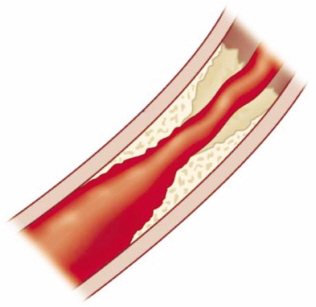
    Signs of Stroke - Generations Magazine - February - March 2012Each year in the United States, there are more than 700,000 strokes. Stroke is the third leading cause of death in the country. A stroke is a medical emergency. It occurs when the blood supply to part of the brain is reduced or interrupted. Nearly three-quarters of all strokes occur in people over the age of 65. It is the leading cause of long-term disabilities. African Americans have a higher death rate from stroke compared to any other ethnic group in the US.

    Warning Signs of Stroke

    • Sudden weakness or numbness of face, arm, or leg
    • Sudden confusion, difficulty understanding or speaking
    • Sudden trouble seeing in one or both eyes
    • Sudden difficulty walking, balance loss, or coordination
    • Act fast, call 9-1-1

    What is a mini stroke?

    Transient Ischemic Attack (TIA) is known as a mini stroke in which the signs and symptoms of stroke resolve within 24 hours. It happens when the blood flow to a part of the brain is temporarily reduced often by a blood clot, after a short time the blood flows again and the symptoms go away. A mini stroke is a warning sign, it means that a person is likely to have a stroke in the future.

    How is stroke diagnosed?

    The first test after a stroke is typically a CT scan of the brain. This test will help the doctor diagnose whether the stroke is ischemic (caused by a blot clot) or hemorrhagic (caused by a bleed). MRI may also be done to find out the amount of damage to the brain and help predict recovery. CT or MRI angiograms take a closer look at the circulation in the brain.

    How is stroke treated?

    Thrombolytic (clot-buster) drugs help reestablish blood flow to the brain by dissolving the clots, which are blocking the flow. To be effective,  should be given as quickly as possible in the recommended 4.5 hour window. Aspirin or antiplatelet medication may be prescribed. Treatment of blood pressure, cholesterol and diabetes is important.

    What is stroke rehabilitation?

    Most persons are disabled following a stroke. The types and degrees of disability that follow a stroke depend upon which area of the brain is damaged and how much is damaged. Recovery depends on rehabilitation with physical, occupational, and speech therapy. Rehabilitation helps stroke survivors relearn skills that are lost when part of the brain is damaged.

    Is stroke preventable?

    Studies show that 80% of stroke is preventable. It is important to control personal risk factors. Good control of blood pressure, cholesterol and diabetes reduce the likelihood of getting a stroke. Eating right and exercise will also reduce a person’s risk. Eat five servings of fruits and vegetables daily. Quit smoking and drink alcohol in moderation.

    Signs of Stroke Each year in the United States, there are more than 700,000 strokes. Stroke is the third leading cause of death in the country. A stroke is a medical emergency. It occurs when the blood supply to part of the brain is reduced or interrupted. Nearly three-quarters of all strokes occur in people…