Sweets can be irresistible. We can easily succumb to scoops of ice cream, indulging in chocolates or falling for delectable cookies.
There’s a simple recipe that will help maintain your healthy smile. The key ingredient is limiting the time sugary confections interact with your teeth. Sugar feeds bacteria that create erosive acids on your enamel, leading to tooth decay.
So how can you have a dazzling smile and eat your cake, too? Here are some morsels of advice:
• Make smart sweet choices. Avoid hard candies that take a long time to dissolve or sticky candies that can cling to your teeth. Extended time in your mouth increases tooth decay risk. Even sugar-free candies can produce high levels of acids that may damage your teeth.
• Rinse your mouth with water.Water dilutes the acid that bacteria produce in your mouth after eating sweets.
• Don’t end your meal with sweets. After finishing your meal, drink a cup of water and brush your teeth to deter yourself from reaching for dessert.
Always return to the basics of good oral hygiene. Floss your teeth to remove harmful bacteria between your teeth, brush twice daily with a fluoride toothpaste and visit a dentist regularly to maintain a strong, cavity-free smile!
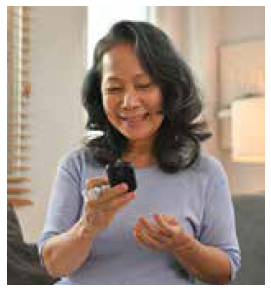
In the US, a staggering 34.2 million grapple with diabetes, marking a critical public health concern, particularly for older adults. This chronic condition impacting blood sugar levels significantly threatens seniors’ eye health. Elevated blood sugar can damage delicate retinal blood vessels, leading to diabetic retinopathy—a condition that, if left untreated, can result in vision impairment and possible blindness.
Beyond the retina, seniors with diabetes often face vision fluctuations due to the impact on the eye’s lens, causing temporary blurriness or focusing difficulties, adding an extra layer of challenge to daily activities. Diabetes also heightens the risk of other ocular complications that commonly develop as we age, including cataracts and glaucoma, further exacerbating visual challenges.
Regular eye examinations are not merely recommended but are a critical aspect of comprehensive healthcare for seniors with diabetes or prediabetes. Early detection through these exams enables timely management, potentially preventing or minimizing the progression of debilitating eye conditions brought on by the condition. Prioritizing proper diabetes management and proactive eye care measures becomes paramount for preserving the well-being and independence of seniors, ensuring a fulfilling life with optimal health and vision.
In the US, a staggering 34.2 million grapple with diabetes, marking a critical public health concern, particularly for older adults. This chronic condition impacting blood sugar levels significantly threatens seniors’ eye health. Elevated blood sugar can damage delicate retinal blood vessels, leading to diabetic retinopathy—a condition that, if left untreated, can result in vision impairment…
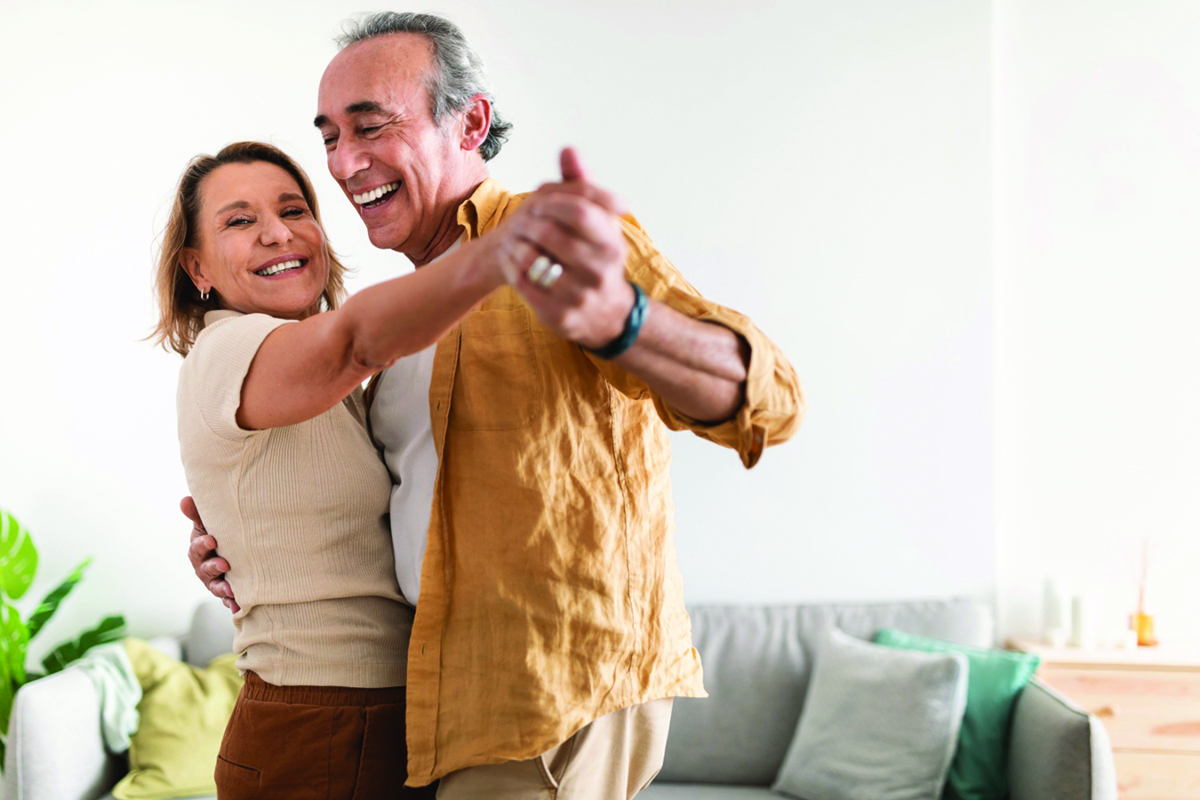
Just like it’s important to maintain your physical health by adopting an in-home exercise regime, it is important to maintain your mental health by engaging in challenging activities that promote cognitive function. Changes in cognitive function are a natural part of aging. With time, your brain loses agility and can deteriorate further if you don’t take steps to maintain it. The changes are complex and varied. But aging doesn’t have to mean an inevitable decline as individual factors like genetics, health and lifestyle come into play.
According to the Alzheimer’s Association, Alzheimer’s is the most common cause of dementia and accounts for 60 to 80% of dementia cases. Cases will almost double every 20 years. Due to the disease’s progressive nature, dementia symptoms gradually worsen over several years. Early signs of Alzheimer’s can include a decline in processing speed, working memory and long-term memory.
Although there is no cure, there are many activities that may help reduce the risk and support cognitive health in older adults. While they should not be seen as sole preventative measures, research has demonstrated that several lifestyle modifications and even participating in games and activities may lower your risk of cognitive decline to help keep your brain as healthy as possible as you age. Research has shown that activities that provide social engagement are the best in terms of boosting cognitive function.
Variety is Key
Taking proactive steps like maintaining a physically active lifestyle and engaging socially with others can significantly influence your cognitive well-being throughout life and may prevent the onset of symptoms of Alzheimer’s, according to the Alzheimer’s Association. Whether you are trying to retain or increase cognitive function, it is also important to remember that variety is key. Engaging in an interactive and diverse range of activities is vital to challenging different areas of the brain. Finding activities you enjoy and can stick with also allows you to form and maintain healthier and sustainable habits.
“To keep your mind active, it is important to seek out stimulating activities that expose your mind to new topics,” says Ivy. “When these activities include loved ones—friends, grandchildren, neighbors and other community members—there’s the added benefit of social engagement, which is associated with reduced rates of disability and mortality, and may also reduce the risk for depression.”
Activities and Apps
The following offer fun and engaging ways for families and grandchildren to train their brains together with their grandparents:
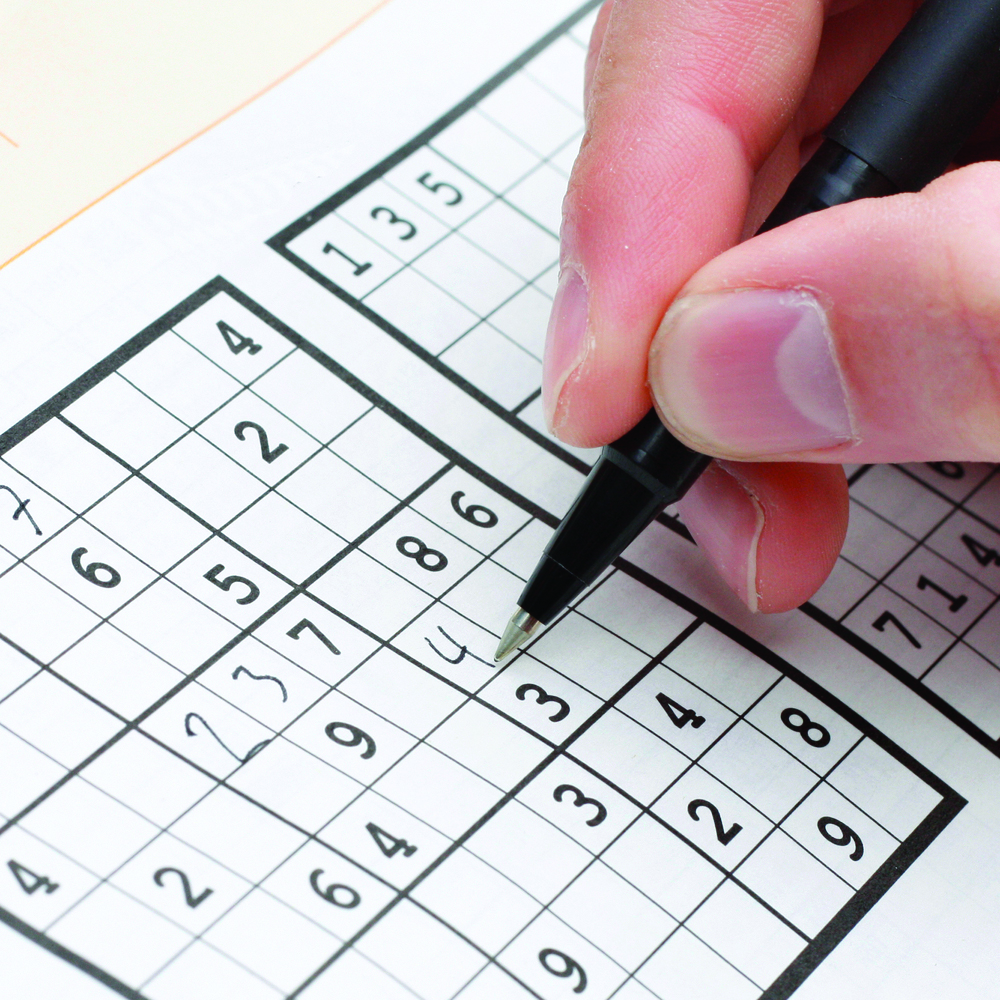
A person solving a sudoku puzzle
WORDLE is a word puzzle that gives players six tries to guess a five letter word. Each guess gives you color coded clues: green for correct letters in the right spot, yellow for correct ones in the wrong spot, and gray for ones not in the word at all. You use this feedback to strategize your next guesses. There’s a secret word each day, so everyone around the world is trying to guess the same one! Wordle is recommended for ages 14 and up, but statistically, older adults are the best Wordle players, with an average win percentage of 81%.
Wordle promotes working memory, logic and reasoning, vocabulary building and concentration— all things that help increase cognitive function. The Wordle Together function enables you to play with friends and family. There are different versions of Wordle available online and in app stores, all of which are free; many players prefer The New York Times Wordle.
SUDOKU is a brainteaser played on a grid. The goal is to fill the squares with numbers 1 through 9, ensuring no row, column or subgrid contains a duplicate number. It requires logical deduction.
Regular Sudoku practice can benefit your cognitive function because it strengthens working memory by keeping track of potential placements, and improves logic and reasoning as you analyze the grid and make deductions.
Usdoku lets multiple players play sudoku on the same board with their own devices simultaneously. Once you select the difficulty level, you take turns making moves on the grid. Sudoku and Usdoku challenge your brain and keep your cognitive skills sharp. Find free Sudoku and Usdoku online or purchase the puzzle books on Amazon or at your local bookstore.
LIFE STORY INTERVIEW KIT is a 150-question card deck created to help capture and preserve your stories or those of your loved ones. The conversation-based card game’s questions/prompts are categorized by early life, midlife, and later life and reflection, sparking recollections of past experiences. It is a fun way to preserve memories, spend quality time with your loved ones, deepen your connection with them, and learn new things about them. Although maintaining brain fitness through challenging activities is important, activities that prompt human connection and interaction are best—no matter the age.
The Life Story Interview Kit and similar card kits can be purchased on Amazon. Downloadable apps are also available, some of which are free.
LUMOSITY is a popular, free brain training app designed to target and improve various cognitive skills. It offers a variety of games and activities that challenge memory, attention span, processing speed, flexibility and problem-solving.
Lumosity promotes cognitive function in several ways. By regularly performing these targeted exercises, you can strengthen your working memory, improve your ability to focus and filter out distractions, and enhance your mental agility by tackling the game’ challenges.
Non-apps
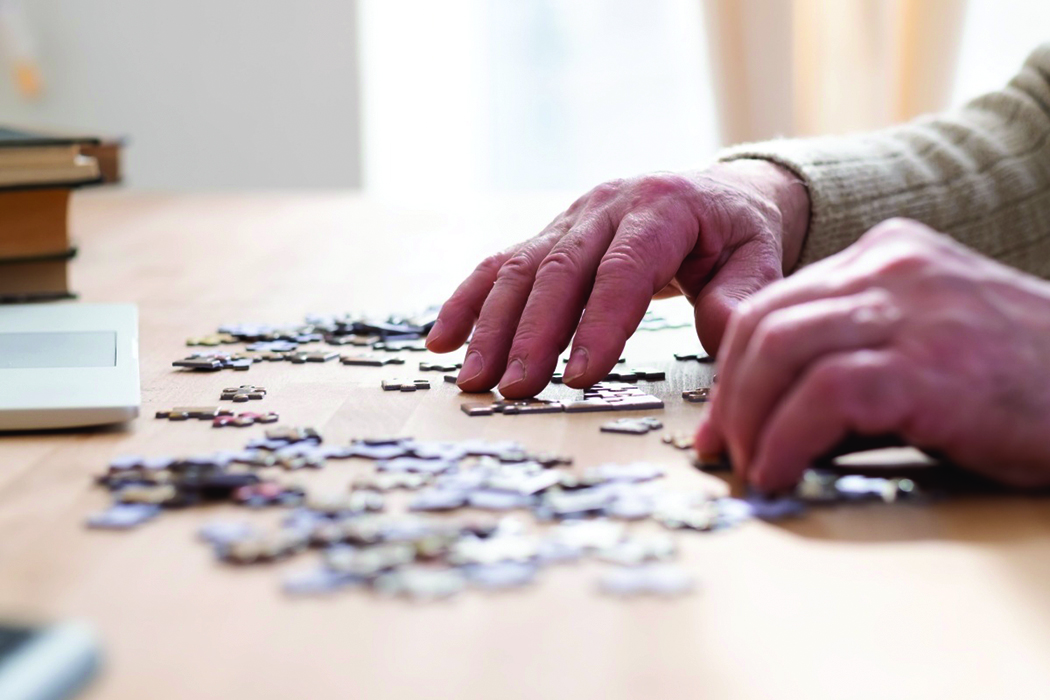
Legos, puzzles, board games and word searches are also activities younger children and grandparents who don’t have or want access to electronic devices can participate in together.
Whatever game, activity or app you choose to enhance cognitive health, remember that “Remaining socially active supports brain health and may possibly delay the onset of dementia,” says Ivy.
Just like it’s important to maintain your physical health by adopting an in-home exercise regime, it is important to maintain your mental health by engaging in challenging activities that promote cognitive function. Changes in cognitive function are a natural part of aging. With time, your brain loses agility and can deteriorate further if you don’t…
Frances H. Kakugawa, a Hawai‘i Island native, began writing poetry a half-century ago, then stopped for some years to work for the public school system. But when she became the primary caregiver for her mother, she found that writing poetry helped ease her stress.
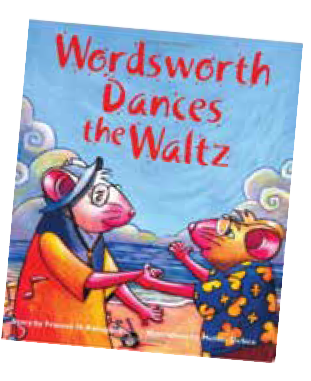
Her multiple award-winning 2007 children’s book, Wordsworth Dances the Waltz, is dedicated to her mother, who was afflicted with Alzheimer’s disease. It is about families living with elders impacted by dementia. In this book, children are introduced to the concept that as grandparents age, they may behave differently and sometimes forget things.
The book illustrates aspects of dementia and how the disease affects the entire family through Wordsworth, a Hawaiian mouse, who remembers a time when he and Grandma danced around the room. But now, Wordsworth must walk softly as not to disturb her.
Because Wordsworth loves poetry, he finds comfort in writing verses that express his confusion over his grandma’s changing behaviors, and by recalling memories of more vibrant days. His poems also help his family understand that Grandma is still his loving grandparent and an important part of the family.
If you are looking for an excellent tool to ease fears and explain changes in an elder loved one’s behavior, this book may be helpful.
The book is illustrated by Melissa DeSica and available through Amazon. Call your nearest bookstore to purchase a copy locally. For children 9 and older.
Frances H. Kakugawa, a Hawai‘i Island native, began writing poetry a half-century ago, then stopped for some years to work for the public school system. But when she became the primary caregiver for her mother, she found that writing poetry helped ease her stress.
If your pet is healthy, is pet insurance still necessary? The American Veterinary Association suggests pet insurance to defray costs, which can be around $250 for a simple treatment to over $8,000 if the condition is more serious. The over 85 million pet households in the US spend a whopping $75 billion on pet care annually.
During the summer months, one of the biggest dangers for dogs is heat. They don’t sweat like humans and can suffer from heatstroke. Signs to look for are fatigue and loss of appetite. In addition, seeds found in grassy areas during the summer can cause skin problems, such as hives or rashes. If your pet can’t stop scratching, the area can become tender and an infection can set in, making matters worse, so it’s important to keep ticks and fleas under control, too.
A recent PetMD article notes that a new medication for canines with osteoarthritis is available. Without insurance, a course of treatment can cost around $100 monthly.
So do your homework regarding your particular furry or feathered friend. Closely review insurance coverage details for limitations and exclusions.
Always check with your veterinarian about insurance options in order to provide a financial safety net for your beloved family member.
If your pet is healthy, is pet insurance still necessary? The American Veterinary Association suggests pet insurance to defray costs, which can be around $250 for a simple treatment to over $8,000 if the condition is more serious. The over 85 million pet households in the US spend a whopping $75 billion on pet care…
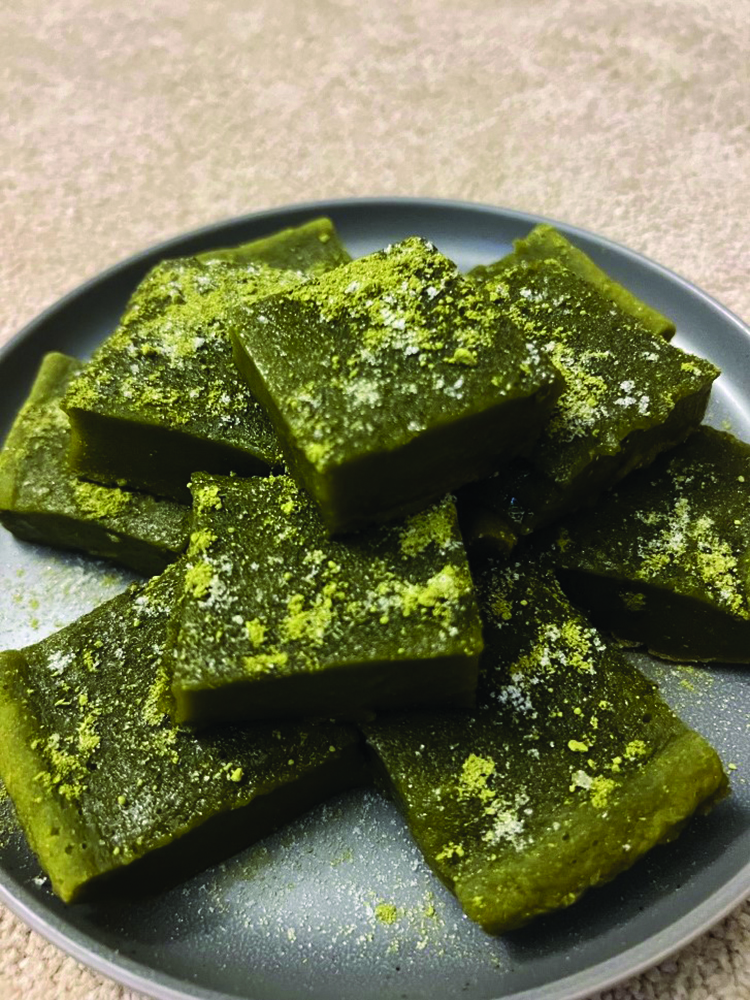
Matcha is a powdered green tea that is rich in antioxidant compounds due to its special cultivation method. Traditionally, the tea bushes are covered with bamboo mats to shade the leaves from direct sunlight, therefore producing higher amounts of amino acids, chlorophyll and theanine. Matcha is known for its vibrant color and unique, bitter taste. Matcha is low-calorie and fat-free. Compared to other green teas, matcha is relatively high in caffeine.
Consumption of matcha green tea is regarded as an effective dietary intervention to promote cognitive function. Studies also suggest that it has cardioprotective effects. Matcha green tea may also aid in lowering blood glucose levels.
Try this matcha mochi recipe:
Ingredients:
1 box (16 oz.) mochiko flour
2 cups white granulated sugar
1 tsp baking powder
4 Tbsp matcha powder (ceremonial grade)
1 can (12 oz.) coconut milk
1 tsp pure vanilla extract
2 cups water
Directions
1) Preheat a conventional oven to 350 degrees.
2) Thoroughly coat a 9-by-13-inch pan with avocado oil spray or just line the pan with parchment paper instead.
3) In a mixing bowl, add the mochiko flour, sugar, baking powder and matcha powder, then blend well.
4) In another mixing bowl, whisk the coconut milk, vanilla extract and water together.
5) In the dry ingredients bowl, make a gaping hole in the middle of the ingredients. Pour the liquid ingredients in the hole, then incorporate everything together with a spoon spatula. Whisk well until smooth, then pour the batter into the well-greased pan.
6) Cover securely with foil.
7) Bake for one hour.
8) When done, a toothpick inserted into the mochi should exit dry with few to no crumbs.
9) Let mochi cool completely.
Optional: Sprinkle the mochi lightly with matcha powder for enhanced matcha flavor. Cut with a plastic knife when ready to serve. (Yield: 24 squares)
Do you have a favorite recipe and story to share? For consideration in the next issue, include a photo and mail them to Generations Recipe, PO Box 4213, Honolulu, HI 96812, or email them to Cynthia@generations808.com.
Matcha is a powdered green tea that is rich in antioxidant compounds due to its special cultivation method. Traditionally, the tea bushes are covered with bamboo mats to shade the leaves from direct sunlight, therefore producing higher amounts of amino acids, chlorophyll and theanine. Matcha is known for its vibrant color and unique, bitter taste.…
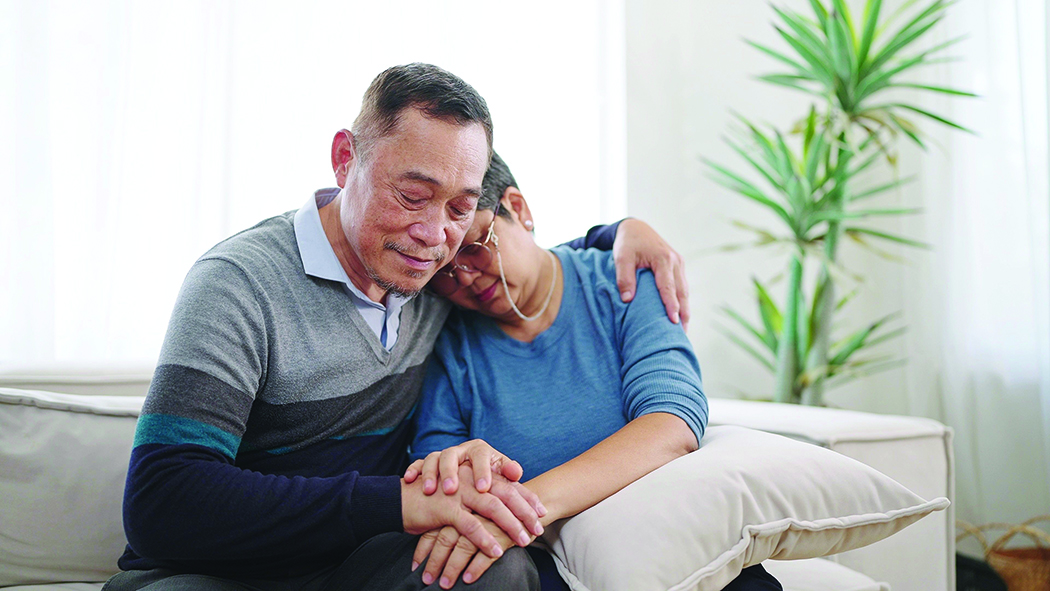
As a society, we have faced much grief over the last few years. When in the mode of navigating care for ourselves or others, we often run into misconceptions about what we should or shouldn’t do.
Often, the confusing part is actually clarifying the differences between empathy and sympathy. An online search reveals that “Empathy involves feeling what someone else feels, while sympathy doesn’t. Sympathy, instead, involves understanding someone else’s emotions, but from your own perspective.” Both are beautiful and healing for different reasons.
But there is a raw beauty in empathy. It’s not about us trying to relate from our own lens, but rather, by stepping into the space or fear with the other person, hearing where they are coming from and connecting to that.
When stepping into other’s grief or brokenness, it’s tempting to try to be optimistic and uplifting, and to start problem-solving. But what most of us need in times of sadness or grief is to feel heard, feel love and feel we are not alone. The gift of connection is healing.
Check out professor, author and podcast host Brené Brown’s “Empathy vs Sympathy and the Power of Connection” on YouTube.
As a society, we have faced much grief over the last few years. When in the mode of navigating care for ourselves or others, we often run into misconceptions about what we should or shouldn’t do.
Most customers read online reviews before purchasing a product or service. But when was the last time you wrote one? Remember, when you write a review, you are helping others and yourself.
Expressing your gratitude for good experiences or sharing constructive feedback about less-than-stellar experiences both contribute to a company’s online reputation. Writing an authentic and constructive review about a brand’s products or services educates other consumers and alerts the business about any issues with your purchase.
Don’t use reviews for revenge. Instead, focus on productive ways to address shortcomings. Complaint processes like those used at the Better Business Bureau encourage positive change.
Where Should You Write a Review?
BBB reviews go through a verification process. Businesses are always encouraged to respond, which helps paint a more balanced picture. When you read or write a BBB review, know that it’s hosted on a platform committed to authenticity and responsiveness.
Your voice matters, so share your experiences and help others by contributing to a better shopping environment for everyone.
Most customers read online reviews before purchasing a product or service. But when was the last time you wrote one? Remember, when you write a review, you are helping others and yourself.
It has been nearly a year since wildfires fueled by powerful winds from Hurricane Dora destroyed the town of Lahaina and parts of Kula. The wildfire that killed at least 101 people is the deadliest in the US in more than a century, and the most lethal natural disaster to occur in Hawai‘i since statehood in 1959.
The Lahaina fire has caused extensive damage and significant financial losses. The fire affected 2,719 structures in the area—86% of them residential, leaving thousands displaced. The estimated cost to rebuild Lahaina is $5.52 billion.
It makes sense that studies, assessments, evaluations, action plans, advisory committees, and planning boards mindful of history and culture will all be required to tackle the complex, monumental task of reconstructing an entire town.
But what can one person do that would have a positive impact in the aftermath of such devastation? Plenty. There are still many opportunities to lend a hand or open your pocketbook to those in need and help with the expiation of this disaster and the mitigation of future occurrences. Mālama Kula
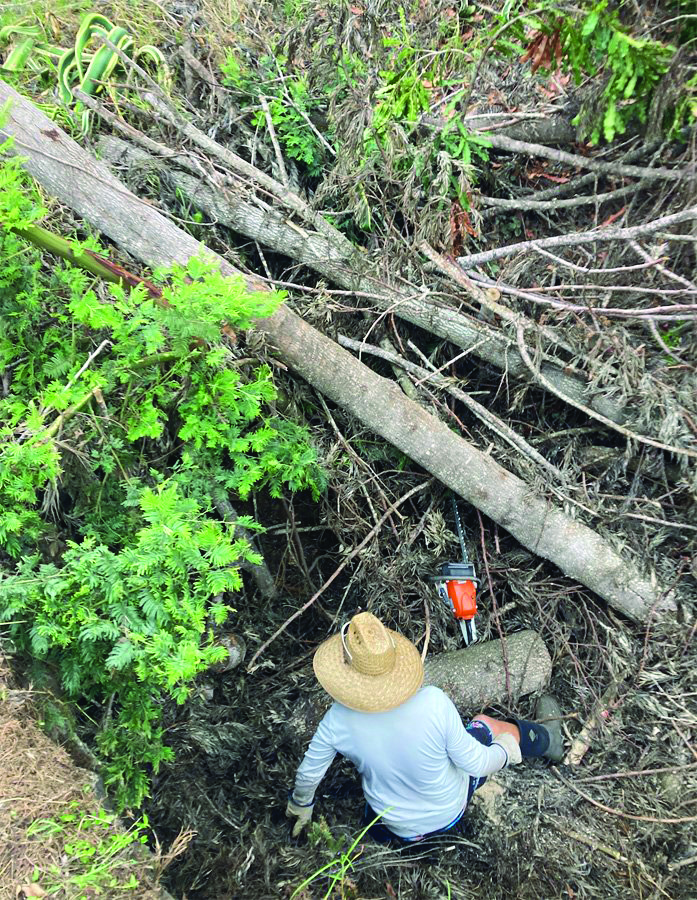
In Kula, Kyle Ellison, who nearly lost his own home to the Upcountry fire, has emerged as a changemaker in his community. A big eucalyptus tree was blown down and fell on some power lines, which started a fire in the gulch near his home. While much of the focus has understandably been on Lahaina, sparks from the August fires were still flaring in Kula months later. Despite his own plight, or maybe because of it, he continues his battle on the front lines.
Kyle founded Mālama Kula, an action-oriented, results-driven nonprofit organization, in order to provide disaster relief in response to the Kula fire, but he also aims to address many other challenges facing his community.
Based in Kula, Mālama Kula helps provide programs, funding and services for community cleanup, and disaster relief and mitigation.
“From day one of the Kula fire, our team had boots on the ground and rallied to help serve our neighbors,” says Kyle. “People donated whatever they had and rose up to help at a time when the community needed them most. During the Kula fire, we all became firefighters.”
Twenty Kula homes were lost, Kyle says. In the days that followed, Kula residents rallied and gathered by the hundreds, helping to save properties and homes, and coming to the aid of neighbors, family and strangers dealing with what was left… and what was lost.
“The Kula community is not going to wait until the next time we hear the crackling of burning trees 200 yards behind our houses to suddenly start thinking it’s time to do something,” says Kyle. “We need to make the changes now and take action to prevent what is threatening us. That is my mission and commitment. We’re not going to wait around for studies or a grant or the government. Instead, we will get up, put our boots on and go out and fix the problem ourselves. That has really been the silver lining in all of this—that the community has really banded together to fix our own problems and take care of ourselves.”
Thanks to the ensuing Kona storms, the fires were finally doused, but the heavy rains brought their own set of problems. Without proper vegetation and watersheds, the rains caused landslides, rockslides and erosion hazards, with debris-tainted runoff flowing into gulches and eventually into the ocean via Kealia Pond and Ma‘alaea Bay.
“We are scattering wood chips from the downed trees on the burn zones to mitigate erosion and help the soil retain moisture,” says Kyle. “We also are working with the Kula Community Watershed Alliance to replant with native vegetation before invasive species can reestablish themselves. We’re turning back the hands of time by planting things that will create a thriving native watershed and keep moisture in the ground.”
They are also working to establish an Upcountry green waste facility, clearing fire fuel from gulches and pushing for better infrastructure.
Kyle has created tools, solutions and a structure for success. So roll up your sleeves and get out your wallet—there is still much we all can do.
“Show up with a chainsaw or your checkbook. Either means we are going to get work done.” Get updates on workdays via email or Instagram.
MĀLAMA KULA (nonprofit)
A program of Ka ‘Ike Mau Loa O Ke Kai Hohonu
PO Box 1134, Kula, HI 96790 MalamaKula.org | malamakula@gmail.com
instagram.com/malamakula
It has been nearly a year since wildfires fueled by powerful winds from Hurricane Dora destroyed the town of Lahaina and parts of Kula. The wildfire that killed at least 101 people is the deadliest in the US in more than a century, and the most lethal natural disaster to occur in Hawai‘i since statehood…
My mother and father lived to 92 and 94, respectively, and as the years passed, it was sometimes difficult to choose gifts for them, so I had to be creative. For Mother’s Day and Father’s Day, I want to share some special gift ideas for seniors like my parents.
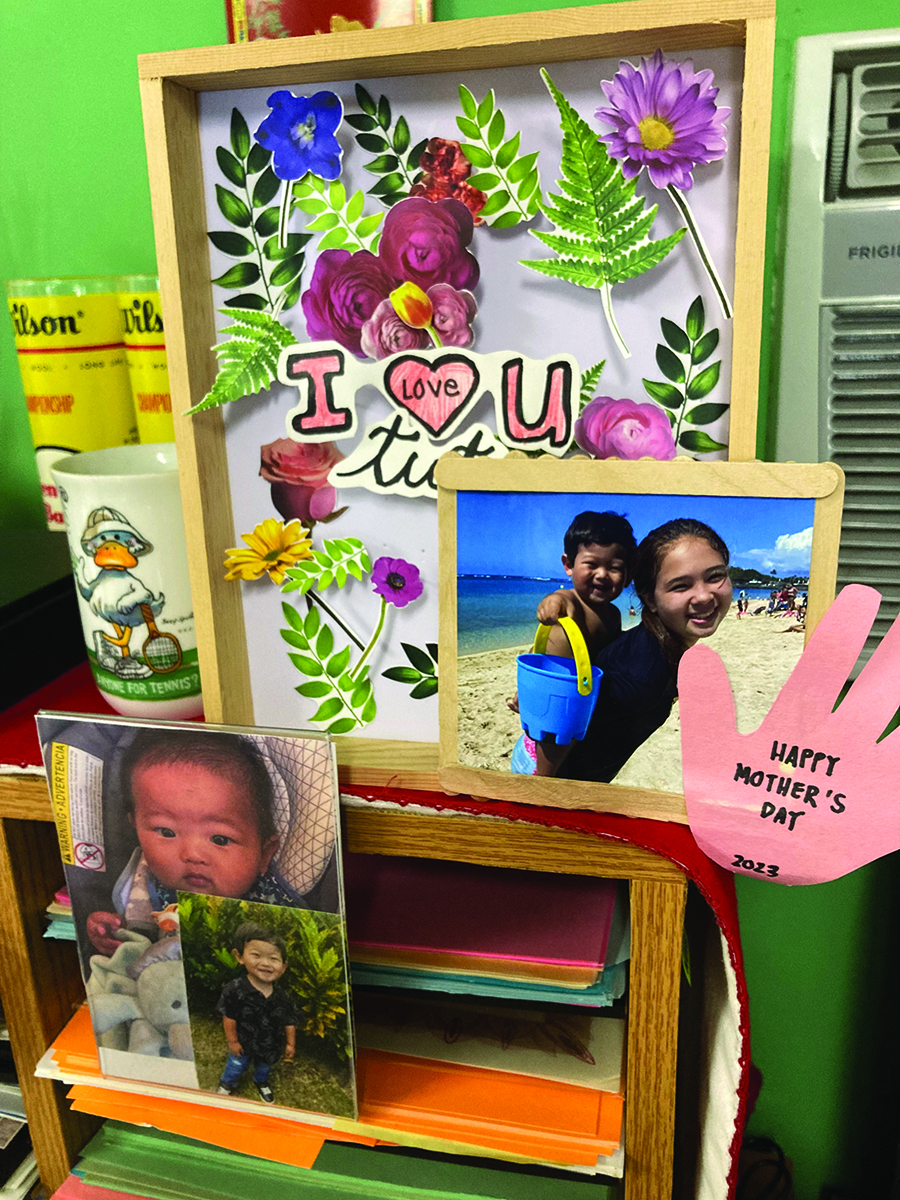
Our smart phones are capable of storing thousands of photos, but scrolling through the memories brings us only fleeting satisfaction. How about a printed photo of the grandchildren in a special frame, on a mug, a key chain or even a blanket? Handmade cards with pictures could be placed on a table, shelf or dresser; many of mine are in my home office and I look at them often.
I have heard that digital photo frames are also a great way to share multiple photos and videos, which can be loaded and updated remotely. This is a perfect gift for parents who are far away.
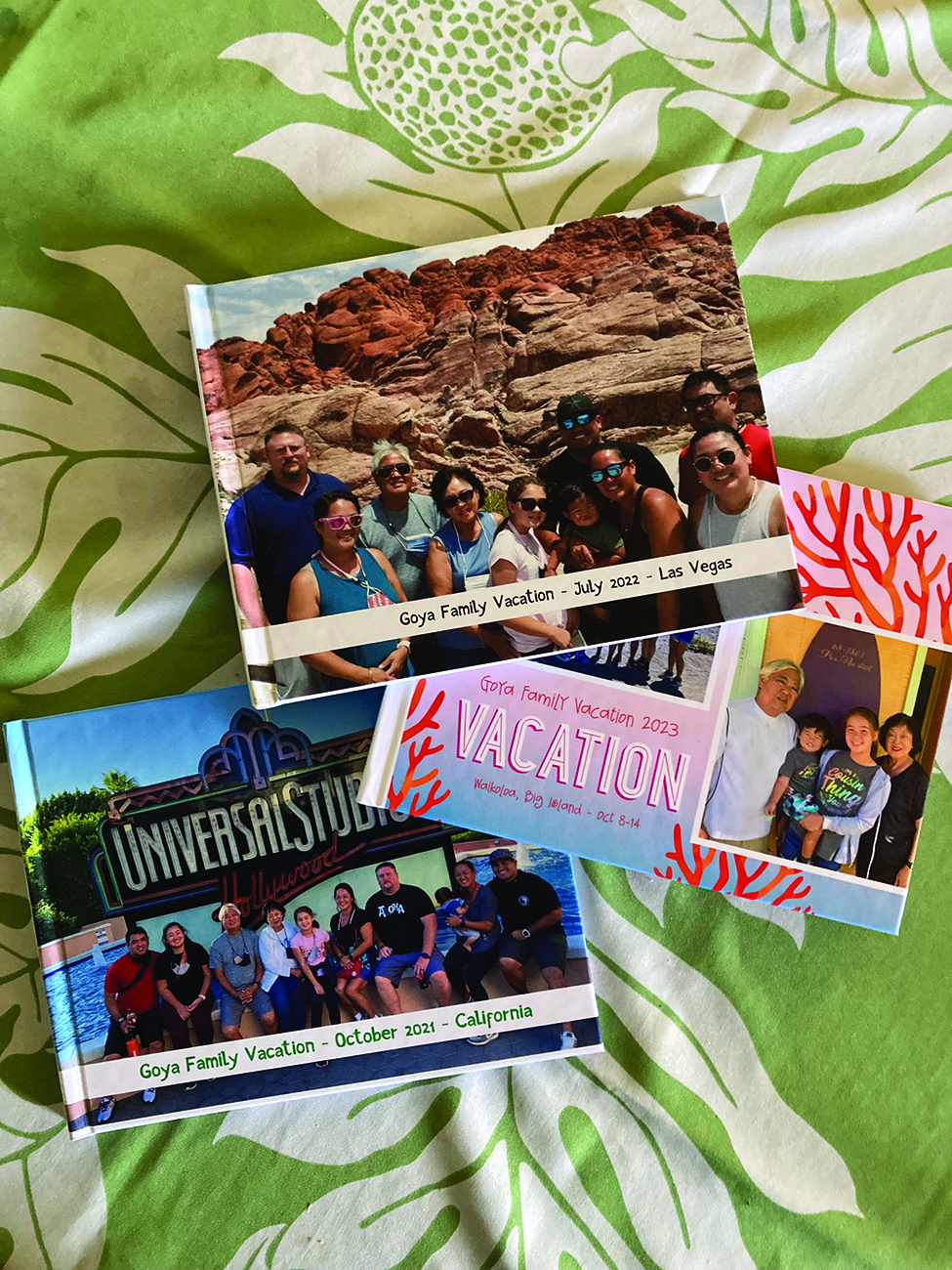
Some of the best gifts I have received are professionally bounded books of photos of our family vacations, given to me by my daughter. Everyone in our family enjoys reminiscing about the good times we had as they pore over these books filled with photos, funny captions, stories and very precious memories.
If you have a story you’d like to share or know of someone celebrating their centenarian year, contact Sherry Goya at 808-722-8487 or email sgoyallc@aol.com.
My mother and father lived to 92 and 94, respectively, and as the years passed, it was sometimes difficult to choose gifts for them, so I had to be creative. For Mother’s Day and Father’s Day, I want to share some special gift ideas for seniors like my parents.
A fireproof safe may not be 100% effective, as evidenced during Maui’s wildfires last year. In parts of Lahaina, the heat was so intense that safes were found melted.
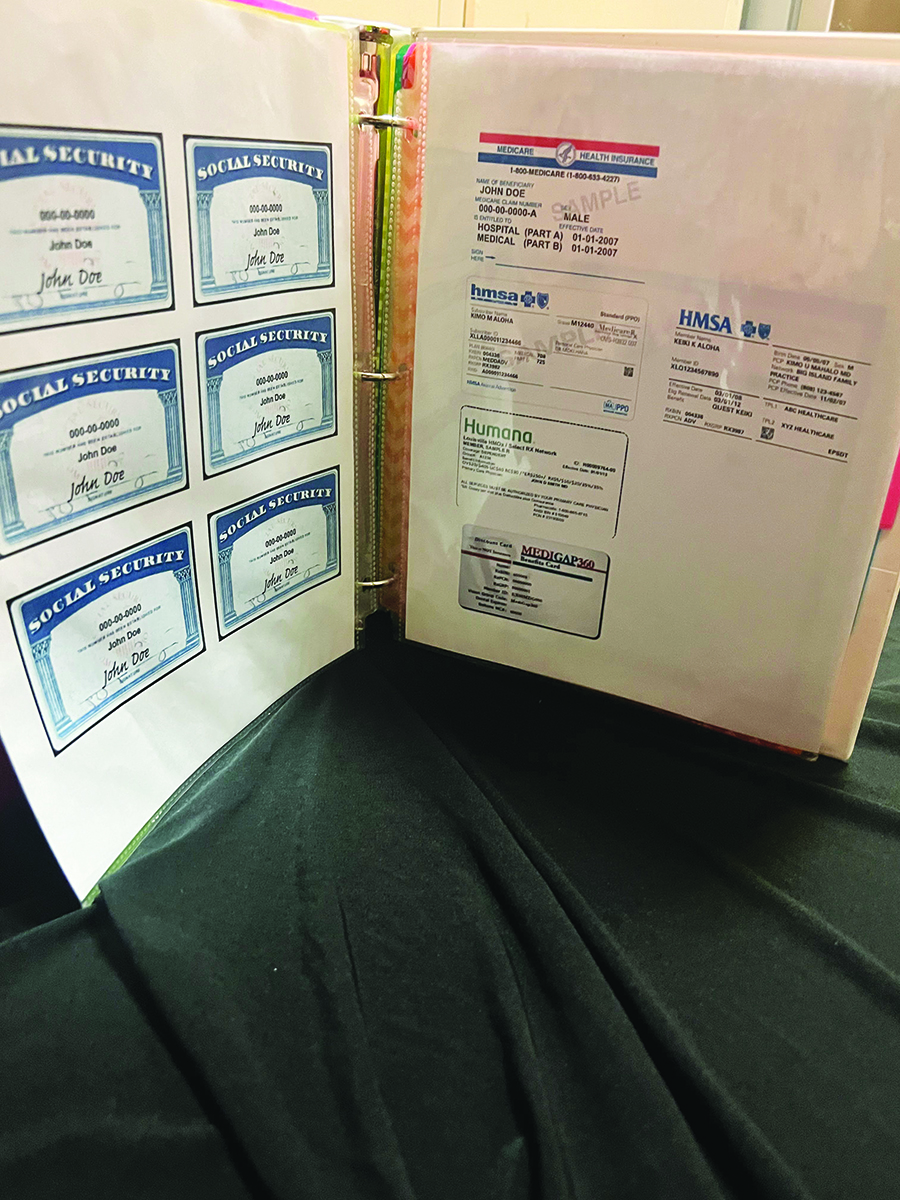
The Moloka‘i Public Health Nursing staff worked with the Kupuna Care Program and the community to create the Book of Life or Nā Palapala Ko‘iko‘i, a portable organizational binder for important documents. The binders, sheet protectors and cardholders were distributed to 200 senior families during a senior baseball tournament on Maui just before the fire. But families who weren’t prepared lost everything, including vital documents.
Families can better expedite services for their kūpuna who have all their important documents in one place. Therefore, the Moloka‘i Public Health Nursing staff encourages the public to use the Nā Palapala Ko‘iko‘i binder, or an accordion folder or a bag to hold important documents that is kept in an easily accessible location.
It is highly recommended that everyone start a similar portable binder in which to keep important documents. Documents can include but are not limited to legal, tax, medical and insurance records. This grab-and-go binder could be invaluable in lessening the stress during an emergency that forces you to flee from your home quickly.
DEPARTMENT OF HEALTH
Moloka‘i Public Health Nursing
P.O. Box 2007, Kaunakakai, HI 96748 808-553-7882 | F: 808-553-7888
A fireproof safe may not be 100% effective, as evidenced during Maui’s wildfires last year. In parts of Lahaina, the heat was so intense that safes were found melted.
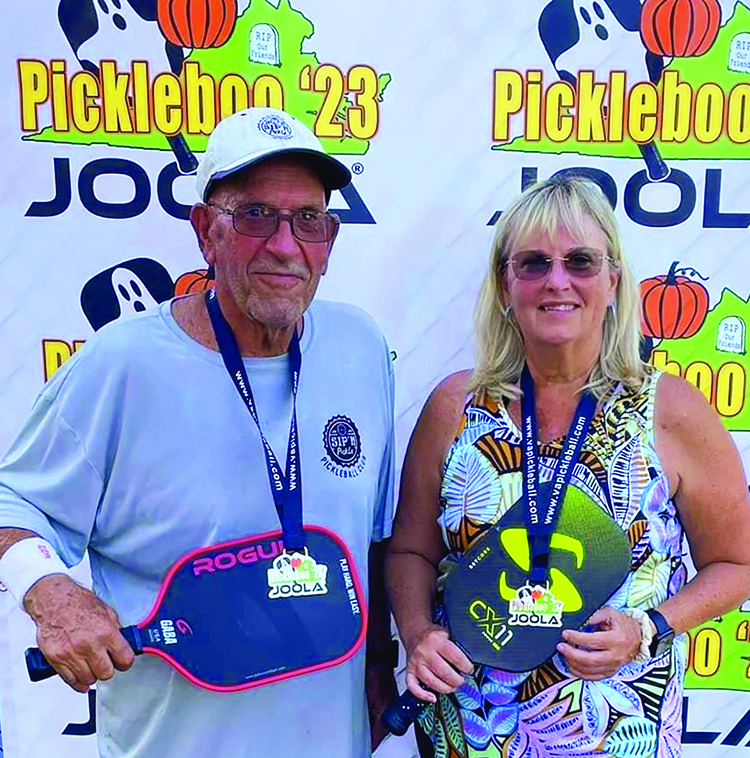
Rick and I winning silver medals in the sanctioned 2023 Pickleboo Pickleball Tournament in Richmond, VA
Having previously worked as content coordinator for Generations Magazine from 2020 to 2021, I returned when my daughter-in-law, Cynthia Arnold, took ownership.
I believe Cynthia’s vision, compassion and connections will make the magazine an even more valuable resource for Hawai‘i’s current and future generations of kūpuna. I was also excited to again work with many familiar Partners and the talented team of professionals creating the magazine.
My background includes 28 years as CEO of statewide professional nonprofit organizations— 10 of those with my association management company. I have a Bachelor of Science degree in Marketing from Virginia Commonwealth University and earned the Certified Association Executive designation from the American Society of Association Executives. I have served as president of state and national associations.
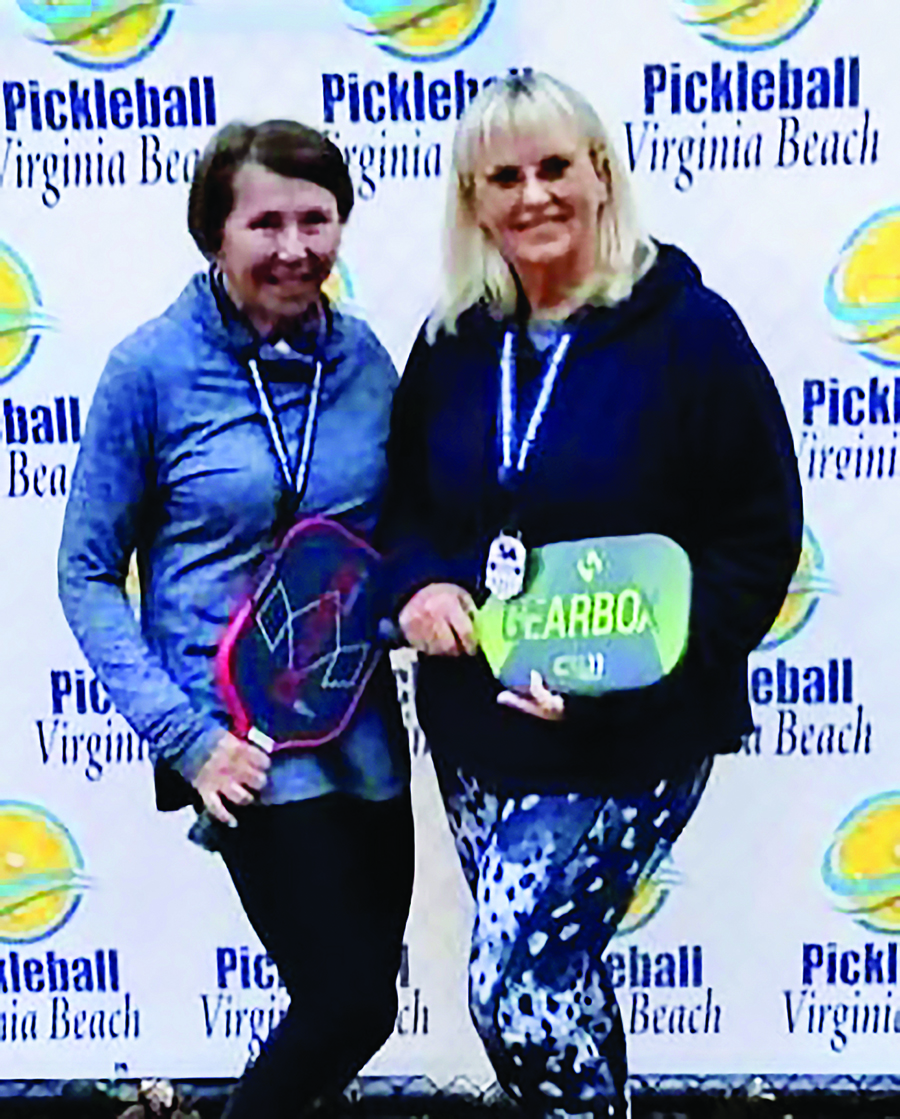
Cathy and I winning bronze in 2023 tournament, playing against 30 to 50 year olds!
Retired in 2020, I reside in Virginia Beach, Va., and enjoy the beautiful views of the Chesapeake Bay from my condo while watching cruise ships pass by. I love pickleball and play almost every day. I will visit Hawai‘i twice this year to meet Generations’ Partners at the popular Aging in Place Workshop in August, and attend the Partner breakfast in December.
My son, Trey Arnold, and daughter-in-law Cynthia are the proud parents of 13-year-old Alexis. My daughter Christy lives in Chesterfield, Va., with daughters Emma, a senior at James Madison University, and Penelope, a high school junior.
Having previously worked as content coordinator for Generations Magazine from 2020 to 2021, I returned when my daughter-in-law, Cynthia Arnold, took ownership.

 Sweets can be irresistible. We can easily succumb to scoops of ice cream, indulging in chocolates or falling for delectable cookies.