by Pastor Russ Higa
On a frosty winter’s morning, my fellow seminarian, Cal Chinen, picked me up in his old beige Volvo. We drove across the Columbia River from Portland, Oregon, to Washougal, a small town at the foothills of the Cascade Mountains in Washington State. We were responding to a senior citizen’s request to do some yard-work. We drove deep into the snow-covered forest and finally arrived at her cabin.
Busily, we chopped branches and started a bon- fire to burn the brush. As we worked, we saw bunny rabbits hopping across the snow and a deer checking us out to see what we were doing. For a local boy who had never seen snow, it was surreal — a winter wonderland.
After three hours of labor, the woman of the house called us in for lunch. The warmth from the fireplace felt amazing after being in the freezing cold. As I enjoyed the soup and sandwich, I admired the cabin’s beautiful woodwork.
The woman told us about her husband, who, in his younger years, built this cabin for her. Now in their sunset years, they were enjoying life in the cozy cabin built with his own hands. On the beam above the kitchen counter, her husband had lovingly carved the words “Grow old with me. The best is yet to be!” Although it has been 39 years since I sat in that cabin, I still remember the woman’s glowing face as she spoke of her hus-band and spending their golden years together.
Yes, our later years can be a time of great blessing, but as we know all too well, it can be a time of loss. The loss of productivity, health, well-being, independence, and sadly, the loss of cherished loved ones. But all is not lost. Many have found comfort and peace of mind through spiritual nourishment. Developing supportive relationships in a spiritual fellowship can do wonders for the soul. A woman in her later years began attend-ing our church just a few months after losing her husband. Every Sunday, she tells me how blessed she feels being part of a loving church family. So, in your sunset years, consider developing the spiritual dimensions of your life. You will be glad you did. “The best is yet to be!”
STREAMS OF LIFE FELLOWSHIP
Manoa District Park
2721 Ka‘aipu Ave, Honolulu HI 96822
808-554-4513 | www.streamsoflife.org
Services: Sundays, 10 am
Alternative site: Manoa Elementary School Cafeteria 3155 Manoa Rd., Honolulu, HI 96822


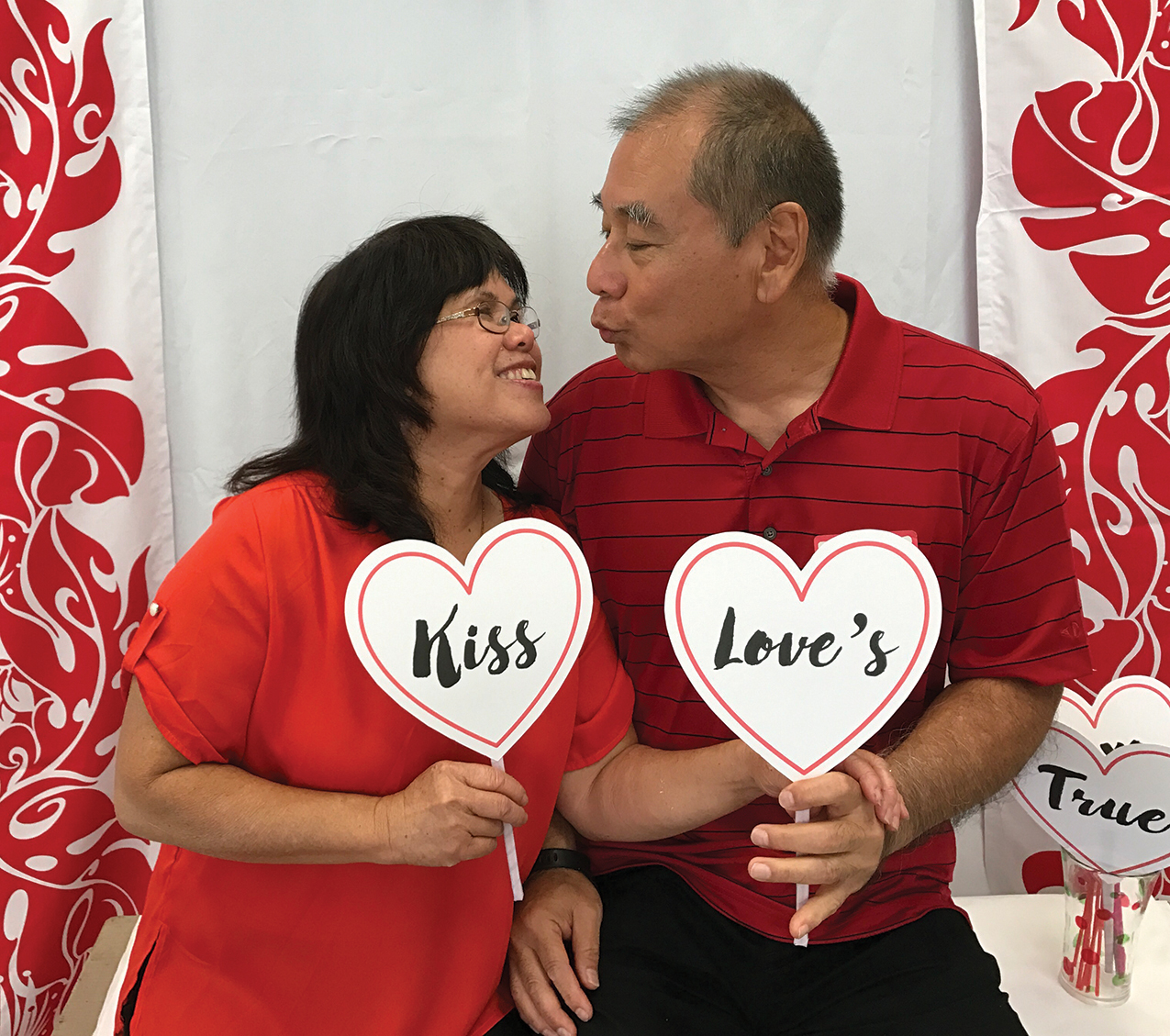
As the years roll by, it is not always easy to keep perspective on the people who mean the most to us. Sometimes we forget to show the appreciation they are due.
As seniors, we often see our diminishing strength; our frailty. God wants us to see our beauty. So the next time you look into the mirror, don’t focus on your wrinkles, sags and bags.
National bestseller Disrupt Aging: A Bold New Path to Living Your Best Life at Every Age by AARP CEO Jo Ann Jenkins is a book for anyone who wants to live a life of possibility, connection and growth.

According Harvard Medical School, the need for dentures in later life used to be a foregone conclusion. But today, three-quarters of the over-65 population retain at least some of their teeth. Although older people still suffer higher rates of gum disease, dental decay and tooth loss, they can still do a lot to keep their mouth looking and feeling younger than its years.
3. Dentures, of which there are generally two types: A partial denture will replace some missing teeth, supported by remaining teeth. A complete or full denture is used when the teeth on one arch or both arches are missing.
What can seniors do to retain healthy teeth?
A water flosser, such as a Waterpik, is also a great device that seniors can use if the task becomes too difficult.
The virtual weightlessness of being in water reduces stress on joints, bones and muscles. Water resistance provides the strength training needed to decrease blood sugar levels. Aquatic exercise burns calories more efficiently. A 30-minute walk on land burns 135 calories compared to 264 calories walking in water.
Our kidneys make up an important system in our bodies. They are responsible for many vital functions, such as removing wastes from our blood, controlling blood pressure and keeping our bones strong, for example. Such an important organ system deserves our best care and effort so we can keep it functioning well for our entire lives. Unfortunately, however, over 31 million people — nearly 10 percent of the population of the United States — are estimated to suffer from kidney disease and the number is increasing. Risk factors include being over 60 years old and having diabetes, high cholesterol and heart disease. The current treatments for chronic kidney disease (CKD) and kidney failure consist of medications to control symptoms, dialysis, and in some cases, surgery or transplantation. While these procedures can save and prolong lives, they are invasive and can cause severe side effects.
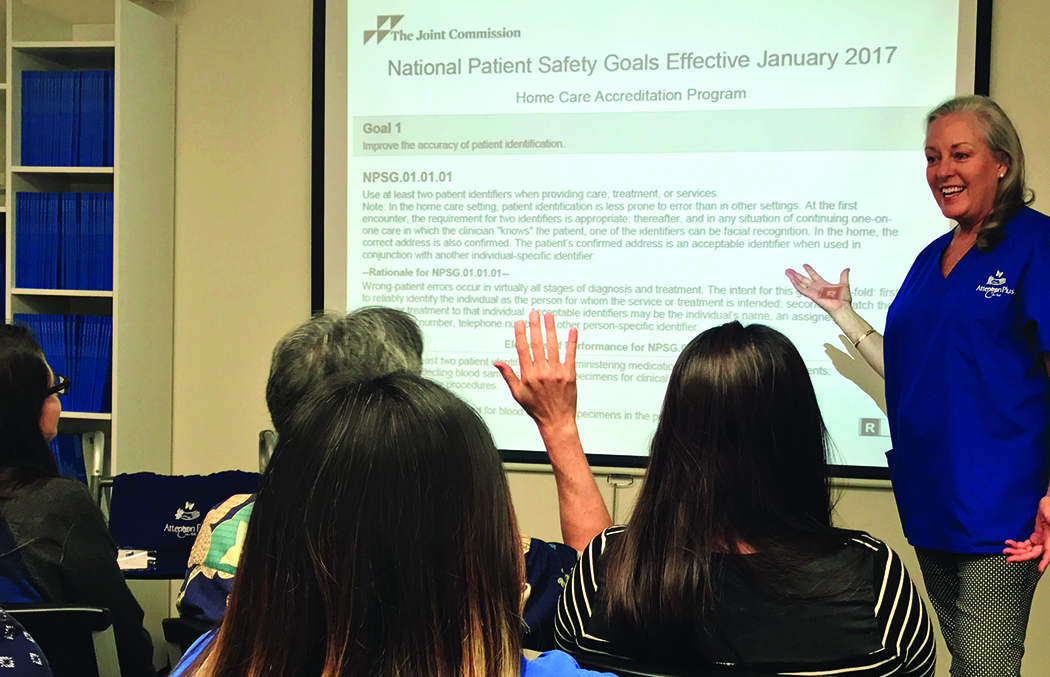
“For many people, kidney damage may be temporary and occur quickly due to changes in kidney function from illness, injury or taking medications,” said Marissa Ramos, a Honolulu home healthcare nurse. “If not treated properly, kidney damage can become a chronic condition, often without one knowing — especially if it is related to other underlying conditions, such as diabetes or high blood pressure. Regular health screenings and tests are key in detecting risks for kidney disease. We see and often care for clients with multiple health issues, such as diabetes, uncontrolled high blood pressure or congestive heart failure. We focus on early detection, education and proper care, which can slow the progression of kidney disease and help avoid kidney failure.”
I’ve noticed that many people approach estate planning from the outside in, rather from the insideout. For example, many people want to “avoid probate” or “minimize tax” as a primary goal — good goals, for sure. If we stop there, we miss the opportunity to explore the deeper meaning underlying these goals, such as ensuring that we provide our loved ones as much as we can with assets to supplement their lives, and provide each of them the opportunity to grow, and develop and enjoy the most meaningful life possible.