Category: Date

  • Medicare Q&A

    Q

    I didn’t enroll in Medicare Part B back when my Part A started a few years ago. Can I enroll now?

    A

    It depends. The general enrollment period for Medicare Part B, medical insurance, begins January 1 and runs through March 31. Keep in mind that, although there is no monthly premium for Medicare Part A, there will be a premium for your Medicare Part B. And in most cases, that premium goes up each 12-month period you were eligible for it and elected not to enroll. If you are covered by a group healthcare plan based on your employment or the employment of a spouse, you may qualify for a special enrollment. For more information, please read our “Medicare” booklet, or talk to your personnel office before you decide.

    Q

    What can I do if my Medicare prescription drug plan says it won’t pay for a drug that my doctor prescribed for me?

    A

    If your Medicare prescription drug plan decides that it won’t pay for a prescription drug, it must tell you in writing why the drug isn’t covered in a letter called a “Notice of Denial of Medicare Prescription Drug Coverage.” Read the notice carefully because it will explain how to ask for an appeal. Your prescribing doctor can ask your Medicare drug plan for an expedited redetermination (first level appeal) for you, if the doctor tells the plan that waiting for a standard appeal decision may seriously harm your health.


    To find out more about Medicare, visit online at:
    www.medicare.gov  |  www.socialsecurity.gov/medicare

    For visits and appointments at your nearest SSA office,
    call from 7am–5pm, Mon–Fri:
    1-800-772-1213 (toll free)
    or visit
    www.socialsecurity.gov

    Medicare booklet:
    https://www.ssa.gov/pubs/EN-05-10043.pdf

    The general enrollment period for Medicare Part B, medical insurance, begins January 1 and runs through March 31. Keep in mind that, although there is no monthly premium for Medicare Part A, there will be a premium for your Medicare Part B. And in most cases, that premium goes up each 12-month period you were…

  • Medicare Has Made Some Changes!

    In 2019, a new Medicare Advantage Open Enrollment Period, from January 1 to March 31, will begin and is expected to run annually. If you’re enrolled in a Medicare Advantage Plan, you’ll have the opportunity to switch to another Medicare Advantage Plan or to Original Medicare Parts A and B. You can also sign up for a standalone Medicare Part D Prescription Drug Plan (if you are covered by Original Medicare), or drop your Medicare Part D Prescription Drug Plan altogether. If you are happy with the plan you have, and your plan renews, you do not have to take any action and your existing plan will continue.

    OPEN ENROLLMENT January 1- March 31, 2019
    OPEN ENROLLMENT January 1- March 31, 2019

    For those qualifying at age 65 or due to a disability, you may have a different enrollment period. Best to call Medicare to get information about your specific situation. There is no “one size fits all” with Medicare.

    Get more information:

    • Visit www.medicare.gov
    • Call Medicare at
      1-800-Medicare, 24/7 daily
    • Contact your local State Health Insurance
      Program (SHIP) for unbiased advice.

    MEDICARE MOMENT WITH MARTHA
    A radio program with Martha Khlopin
    KHNR-690AM: Sundays 9:30am–10am

    808-230-3379 | getmartha@aol.com

    In 2019, a new Medicare Advantage Open Enrollment Period, from January 1 to March 31, will begin and is expected to run annually. If you’re enrolled in a Medicare Advantage Plan, you’ll have the opportunity to switch to another Medicare Advantage Plan or to Original Medicare Parts A and B.

  • Before the Finish Line: Medicare & Fitness

    Although improved fitness plays a significant role in improving overall health and reducing your risk for disease, Medicare usually does not cover exercise classes or the services of a personal trainer. However, when medically necessary, Medicare Part B may cover occupational and physical therapy, which could include some exercise and fitness training. This coverage only applies if your physician specifically prescribes the therapy.

    Medicare Part B helps pay for physical and occupational therapy deemed medically necessary by your doctor. He or she must prescribe and regularly review the therapy, which must be provided by a Medicare-certified therapist on an outpatient basis. There may be limits or a cap on the total amount of therapy services you can receive without additional approval from Medicare.

    Medicare Advantage (MA) plans (also known as Medicare Part C) must offer at least the same coverage as Original Medicare. They may also offer extra benefits, including exercise program coverage. MA plans are not required to offer that benefit, so first research plans at https://www.medicare.gov/find-a-plan or call the Hawaii SHIP Program on 1-888-875-9229.

    Most important is to work with your partner physician to improve your physical lifestyle and get ready for that big race!


    Kaiser Permanente Hawaii

    www.kpinhawaii.org  |  1-866-973-4588 (toll free)

    Kaiser Permanente Hawaii is an HMO plan with a Medicare contract but does not represent Medicare in any way.

    Although improved fitness plays a significant role in improving overall health and reducing your risk for disease, Medicare usually does not cover exercise classes or the services of a personal trainer. However, when medically necessary, Medicare Part B may cover occupational and physical therapy, which could include some exercise and fitness training.

  • Prevent Falls at Home with Free Assessment

    Falling isn’t fun for anyone, but as we get older falling can have serious, life-changing effects. These injuries can require skilled nursing care — or worse, falls can be fatal.

    Prevention help is free

    The good news is that falling can often be prevented. Since 60 percent of falls occur at home, making sure you are as safe as possible there is a top priority. You can get a fall prevention assessment for free from the highly experienced volunteers at Project Dana.

    In the past year, more than 100 seniors and their caregivers took advantage of Project Dana’s fall prevention services led by Mike Hirano. Mike has been doing home safety assessments for 11 years and knows this proactive approach can help maintain health and independence. However, Mike says, “Some people don’t think it will happen to them or some don’t want to admit they’ve fallen to their caregivers.” The reality is, as Mike explains, “You can be perfectly healthy, but one bad fall can put you flat on your back in bed. It’s difficult for a caregiver to take care of someone in that situation.”

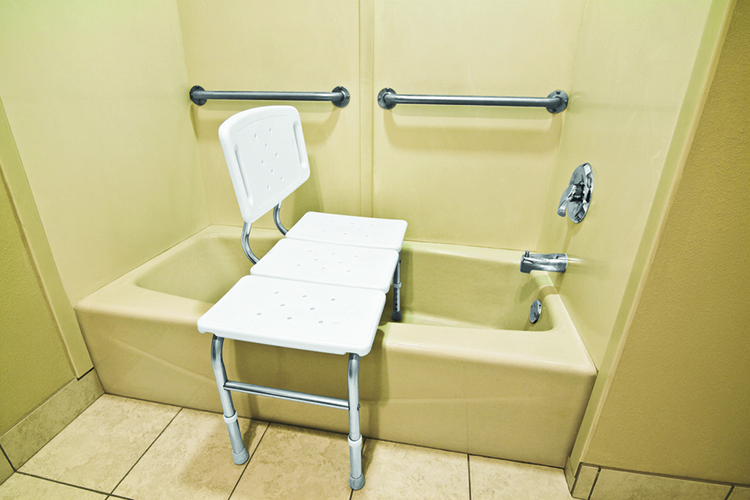
    Bars and handrails
    Bars and handrails
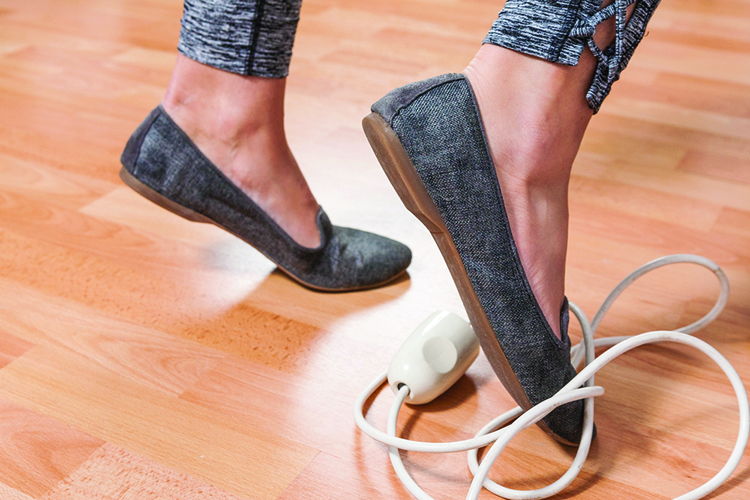
    Clear the clutter
    Clear the clutter
    Manager medications
    Manage Medications

    Assessments cover high-risk issues

    According to the Hawai‘i State Department of Health, the risk of falling can be decreased with regular exercise, eye exams, medication reviews, and making one’s home safer.

    The Project Dana assessment includes education about how these areas affect fall risk. For example, over-the-counter medications can interact with prescription medications. This can cause someone to become dizzy or drowsy and lose balance. Mike and his team emphasize discussing any new medication or vitamin supplement with a pharmacist or physician.

    The assessment also includes walking through the house to identify issues. Mike says, “Some things we see everywhere, like loose area carpets by a door or in the bathroom. Unless you have one with non-slip backing, you can slip or trip over it.”

    There is a special focus on areas where people spend most of their time and the pathways between those areas. Homes with a lot of clutter are especially high-risk environments.

    “We give them information and if they think it’s serious enough, hopefully they do something about it,” says Mike. “It’s good if caregivers are there, so they can help accomplish the tasks.”


    PROJECT DANA

    2720 Nakookoo St., Honolulu HI 96826
    808-945-3736  |  info@projectdana.org

    Office hrs:  Monday–Friday, 8 am–5 pm

    Project Dana has affiliates on O‘ahu, Big Island, Maui and Kaua‘i. Please call for details.

    Falling isn’t fun for anyone, but as we get older falling can have serious, life-changing effects. These injuries can require skilled nursing care — or worse, falls can be fatal. The good news is that falling can often be prevented.

  • Preparing for the Unexpected

    An unexpected life-changing situation can happen in an instant. One minute you’re at a friend’s home, getting ready to enjoy watching UH football, then you slip and fall, and feel excruciating pain. Hours later, on a trip to the emergency room, you learn that you fractured your hip or, even worse, your spine.

    The sudden changes in your life can include loss of income from missing work, high medical bills, and costs for prescription painkillers. You may also need a caregiver to help with simple things like meal prep, dressing, driving to medical appointments and picking up your medications, potentially impacting the lives of family and friends who want to help you.

    Be prepared!

    ✤ Talk to your family and closest support system before the unexpected happens.

    ✤ Research home care costs.

    ✤ Consider purchasing short-term disability insurance to offset income loss.

    ✤ If you have temporary disability insurance (TDI) through your employer, ask how much you would qualify for.

    ✤ Brainstorm options that can help offset your living expenses, even with TDI.

    Don’t delay! Unexpectedly making your support system “instant caregivers” without having a plan in place can be very stressful for everyone.  n


    CARE CENTER OF HONOLULU
    1900 Bachelot Street, Honolulu HI 96817

    808-531-5302  |  www.ccoh.us

    An unexpected life-changing situation can happen in an instant. One minute you’re at a friend’s home, getting ready to enjoy watching UH football, then you slip and fall, and feel excruciating pain. Hours later, on a trip to the emergency room, you learn that you fractured your hip or, even worse, your spine.

  • It is Okay to Ask : ‘How Are You Doing?’

    When was the last time someone asked how you, the caregiver, are doing? I’m rarely asked that question and I’m wondering if it’s just me.

    Almost everyone who knows my husband always asks, “How’s Gar doing?” I keep it short because the real answers aren’t what many really want to hear. I sometimes want to say, “he’s disappearing from me more and more each day.” That I miss our old life together. That his everyday skills are getting more difficult to do and I spend much of my time re-doing things he has tried to do. I don’t know why I want to tell the truth. Maybe it’s because each day can be a challenge and because I seem to be able to “handle” things myself, daily life LOOKS the same each day but in fact it is not. Maybe I want to say that I could use some help but I’m not sure what they could do to help. Maybe I just want to be on someone’s radar.

    Please don’t misunderstand me. I don’t want to sound ungrateful when they ask how he is doing. I’m pleased that he is in their thoughts and that they are concerned about him. I am also not seeking out unnecessary attention.

    “We are doing double duty by trying to care for them and ourselves, think for them and ourselves, prepare for them and ourselves.”
    “We are doing double duty by trying to care for them and ourselves, think for them and ourselves, prepare for them and ourselves.”

    I have a few wonderful friends who do ask how I’m doing. One in fact texts me if she hasn’t seen me or talked to me in a while and I love getting that text. I want to be visible as an individual and not solely as a caregiver. Don’t get me wrong — I don’t want to give up my job as caregiver but I also don’t want to morph into an abstraction of myself.

    As caregivers we reap the benefits of being of service, in a very personal way sometimes, to those that we love. But as the disease/disorders/illnesses rob our loved ones of the spontaneity, intimacy, and active partnership we once had, it also robs us as the caregivers. Our world changes differently than those that we are caring for. We are doing double duty by trying to care for them and ourselves, think for them and ourselves, prepare for them and ourselves. It may look seamless to others but for caregivers it can be grace under fire. It takes a lot out of you and can age you faster than the person who you are caring for.

    So here’s my plea: if you know a caregiver don’t assume that they would ask if they needed help. Send the Bite Squad over with a fresh meal, pool resources from friends to gift a massage, take the person receiving care to the movies or a park for the afternoon, flowers are also nice as well as cards and texts. We just want to be visible and on your radar.

    “We are doing double duty by trying to care for them and ourselves, think for them and ourselves, prepare for them and ourselves.”


    PAC HUI

    www.pachuihawaii.com

    As caregivers we reap the benefits of being of service, in a very personal way sometimes, to those that we love. But as the disease/disorders/illnesses rob our loved ones of the spontaneity, intimacy, and active partnership we once had, it also robs us as the caregivers. Our world changes differently than those that we are…

  • About Transitional Care

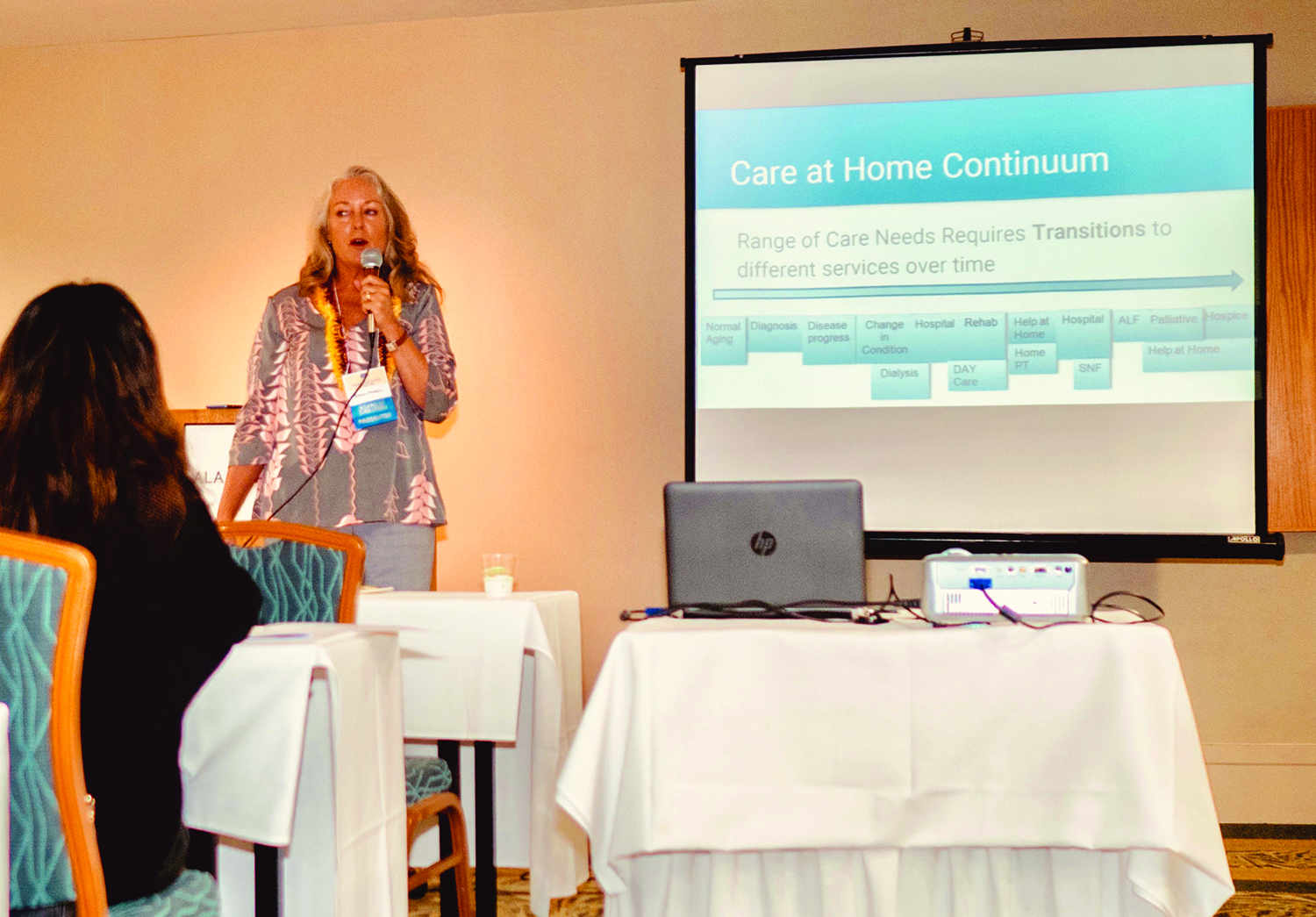
    Today, more seniors are receiving care in their homes for medical conditions. Many receive it following a hospitalization or discharge from a rehabilitation center and have complex needs. Seniors who require them may have difficulties adjusting to their care and can benefit from transitional care during this period.

    Falling through the cracks

    Transitional care calls for a range of actions to avoid “gaps,” especially for older adults who are more vulnerable, in care. Seniors cared for by multiple providers, located across different settings, can often have more serious care needs and health risks. Examples can include movement to or from a hospitalization, rehabilitation or skilled nursing facility, care home, assisted living facility, doctor’s office, or an individual’s home. During these moves, a loss of information, educational or language barriers, poor communication, or not having a reliable point of contact, are some of the ways individuals can fall through the cracks trying to maintain their care.

    “It’s more common now to see seniors discharged from one care setting to another, with more severe or chronic conditions that have a cumulative effect on their health. This makes the timeliness of care even more vital for them,” says Kari Wheeling, RN.

    “To avoid care gaps from happening, greater attention is needed on the details involved as seniors move through different care settings. The focus on coordination and continuity of health care between providers becomes even more critical, to avoid relapses or re admissions,” adds Wheeling.
    The important role of family caregivers

    As family caregivers are likely in the most important role for seniors after a serious illness, more interaction is needed with whomever is the decision-maker about treatment plans and the details that go with them. More family caregivers are getting directly involved in this way with hospitalization or rehabilitation logistics, out of necessity, and should ask providers questions to learn more about transitional care and the different roles involved on their case.

    Having the right knowledge helps

    Family care planners should also screen and ensure caregivers have the right knowledge, skills and resources needed to safely care for someone, and know what to do when their care setting changes. They should know what information about an individual’s care is transferred between care settings, how it’s exchanged, and what level of accountability is needed from everyone’s actions involved in this process.

    With the heightened awareness and attention going into transitional care for seniors, family caregivers may also be more stressed as a result, and have difficulty with the decisions and choices needing to be made. Discharge planners, nurses and social workers can work with family members and caregivers to help support their loved ones and be better ready for the next steps.

    Development Specialist Sebastian Adam adds, “Transitional care is like teaching others how to hand off a spoon of water between 10 people and not lose a single drop. Good hand-offs matter. Our senior is that water.”


    ATTENTION PLUS CARE HOME HEALTHCARE
    Accredited by The Joint Commission

    1580 Makaloa St., Ste. 1060, Honolulu HI 96814
    808-739-2811  |  www.attentionplus.com

    AGING IN HAWAII EDUCATIONAL OUTREACH PROGRAM by Attention Plus Care — a program to provide resources for seniors and their families, instructed by a registered nurse, who covers a different aging topic each month. For more information on Transitional Care and free
    community workshops on Aging in Hawai‘i hosted by
    Attention Plus Care, call 808-440-9356.

    Today, more seniors are receiving care in their homes for medical conditions. Many receive it following a hospitalization or discharge from a rehabilitation center and have complex needs. Seniors who require them may have difficulties adjusting to their care and can benefit from transitional care during this period.

  • Which Shoe is Right for You?

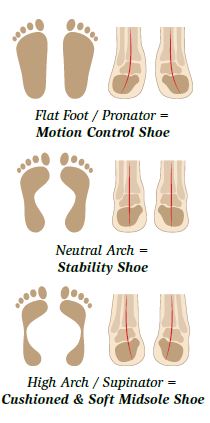
    Appropriate footwear is key to preventing injuries. So, knowing your foot type is crucial when choosing walking or running shoes. To find your best shoe type, stand in front of a mirror in bare feet and shift your weight, observing your inner arch.

    Flat Foot: A low or no arch, causing you to overpronate (excessive inward foot rolling). Choose a motion controlled shoe with maximum arch support and minimal cushioning.

    Neutral Arch: An even amount of contact of the outer and inner half of the foot. Look for a stability shoe, which provides minimal to moderate arch support and cushioning.

    High Arch: Only the outer edge of your foot contacts the floor. Your tendency to go into extreme supination (excessive outward rolling) makes a good cushioned shoe with soft mid-sole the best choice.


    MOON PHYSICAL THERAPY, LLC

    320 Ward Ave., Ste. 107, Honolulu
    95-1057 Ainamakua Dr. F-11, Mililani
    808-597-1005 | www.moonpt.com

    Appropriate footwear is key to preventing injuries. So, knowing your foot type is crucial when choosing walking or running shoes. To find your best shoe type, stand in front of a mirror in bare feet and shift your weight, observing your inner arch.

  • PAIN: Talk Like a Doc

    When speaking with your doctor about pain, be ready to answer a few important questions. To make the best of your visit, and have time for your own questions, note down the following:

    • Where is your pain? This is easiest to answer but don’t forget to tell your doctor if the pain moves to other areas.
    • Describe your pain. Is it sharp, dull, aching, burning, stabbing, throbbing or heaviness?
    • How long have you had the pain? Is it acute (<3 months) or chronic (>3 months)?
    • How bad is the pain? Doctors will usually ask on a scale from 0-10. This helps both quantify and track your pain over time. Do your best to judge this appropriately: 1 is a paper cut and 10 is “please shoot me now.”
    • What makes the pain better or worse? Include the time of day, sleep, activity, body position, medicines you are taking, stress or
      even meals.
    • Previous treatments? Make a list of medications with dosages and how long you used that medicine. List of therapies (physical therapy, chiropractor, steroid injections etc.) with number of visits, if they helped or not and for how long.

    TIP: Writing down at the end of each day when a pain occurred or how a therapy worked is the most accurate way to share with your doctor. Go prepared!


    NOVEL MEDICAL SOLUTIONS
    support@novelmedicalsolutions.com
    808-528-1111 | www.novelmedicalsolutions.com

    When speaking with your doctor about pain, be ready to answer a few important questions. To make the best of your visit, and have time for your own questions, note down the following…

  • The Fascial Self-care Revolution

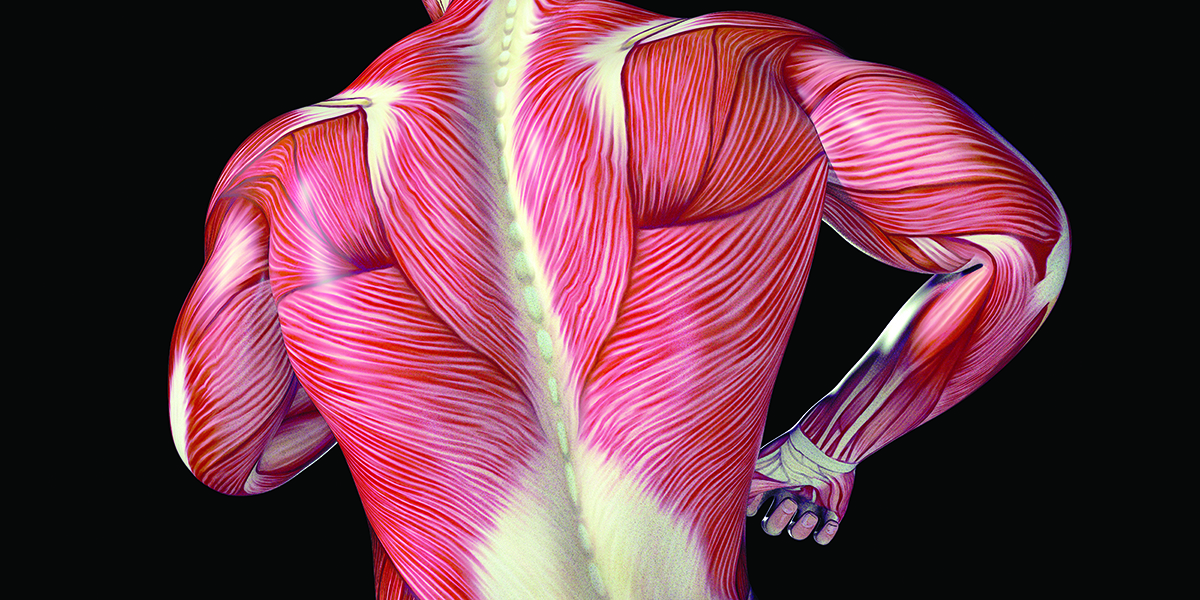
    Fascia is the collagenous soft connective tissue that binds all of your body’s other structures. Defined as the largest organ system of the body in 2012 by the Federative Committee on Anatomic Terminology, it is now the most studied tissue in human movement science. Here is what current research is learning about this amazing tissue that, like the mesh on a garden hose, needs to withstand pressure from the inside  (by exerting pressure itself) and also stay flexible.

    The fascia:

    • holds four gallons of water in the average person
    • can exert up to 2000 pounds of tensile pressure per square inch on pain-sensitive structures — the equivalent of being 4613 feet under water
    • is the root cause of neuropathy (numbness of an unknown nature)
    • does not appear on X-rays, MRIs or CT scans. This might explain why you have numbness and tingling and the physicians don’t know why.
    • is made of collagen and water. If you do not drink at least half your bodyweight in ounces per day, your fascia may be suffering!
    • can prevent effective drainage of cellular waste products known to cause inflammation and ultimately cancer
    • can cause mechanical deformations in your bones and muscles that lead to poor mechanics resulting in musculoskeletal injuries

    Many medical conditions appear to be related to the health or otherwise of your fascia. For example, when you have tight fascia around your muscles, it applies excess tension to the structures within your muscles — arteries, veins, nerves, lymphatic vessels and things we call free nerve endings. It is this fascial tension, studies suggest, that may be the root cause of dozens and dozens of idiopathic (of unknown or uncertain cause) pathologies: vertigo, idiopathic cough, tinnitus, tennis elbow, golfers elbow, irritable bowel syndrome, frequent urination, patellofemoral tracking issues, hammer toes, peripheral neuropathy, and loss of grip strength.

    Achilles tendon rupture, plantar fasciitis, bone spur formations, trigger finger, carpal tunnel, golfer’s elbow, tennis elbow, frozen shoulder, sciatica, bulging discs, and degenerative disc disease may be the result of the fascia’s creation of mechanical deformations in your bones and muscles.

    The good news is that your fascia will respond to the stimulus you apply to it, whether you are 50 years old or 90! Fascia-based techniques for relieving pain, reducing inflammation, and regaining mobility and ease of motion have proven to be effective for many people, including seniors.


    THE FASCIANATOR

    808-227-6221   |  www.thefascianator.com

    Fascia is the collagenous soft connective tissue that binds all of your body’s other structures. Defined as the largest organ system of the body in 2012 by the Federative Committee on Anatomic Terminology, it is now the most studied tissue in human movement science. Here is what current research is learning about this amazing tissue…

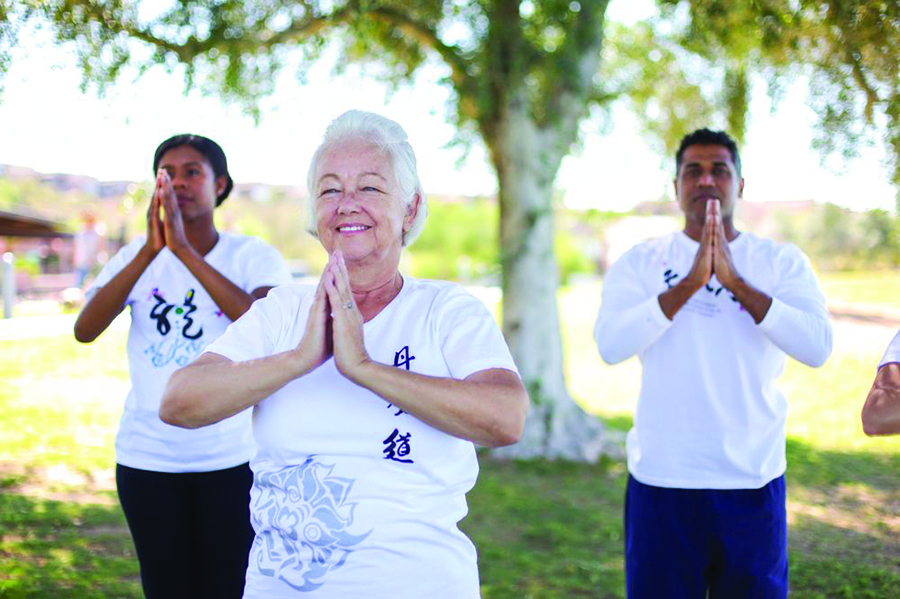
  • Yoga: The ‘Ki’ to Mastership of Your Life

    Our daily lives are filled with so many distractions that it’s easy to feel scattered and stressed. When you are chronically stressed it becomes harder to function properly, increasing your stress even more and often inviting disease. To help manage their stress, many people have turned to yoga and mind-body training because its healthy effects on body and mind are now widely recognized.

    To manage your body’s energy, you have to know how to feel it. Learning how to feel and focus on your energy, known as ki, chi, qi, or prana in Asia, will enable you to clear your mind and calm your emotions. It will help you concentrate more deeply by quieting all of the thoughts in your head that distract you.

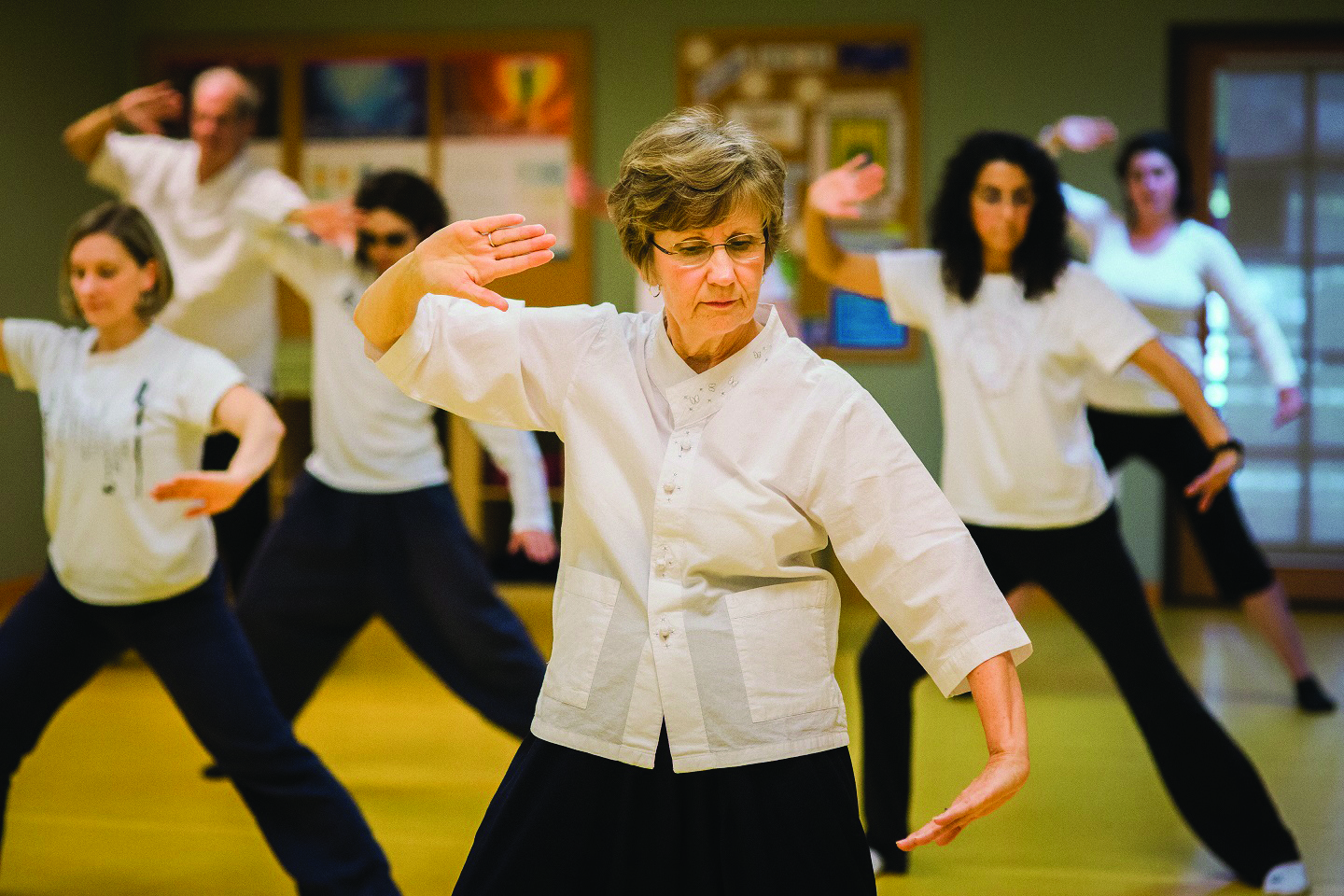
    One option for learning how to do this is the integrated mind-body training method, which combines deep stretching exercises, meditative breathing techniques, joint rotation, held postures, body tapping, vibration exercises and energy awareness training. Its objective is to help practitioners achieve their highest level of personal potential.

    They learn to use their ki for the purpose of personal self-development, and how to communicate with their bodies through energy. The body’s energy circulation is stimulated, activating its innate natural healing power. Through consistent practice, practitioners can lead themselves back to optimum health. Essentially, they regain true mastership over their bodies through the medium of energy.

    Three characteristics of mind-body training

    The mastery and use of energy: As one’s sense of energy gradually develops, formerly blocked energy channels open up, promoting circulation of energy throughout the body. Once able to control and command energy, practitioners experience natural healing in their bodies while gaining control of emotions and habits.

    Enhancing the body-brain connection:
    The brain is not simply an organ but is the center of the whole human body and its energy system. Through programs like Body & Brain, practitioners can learn to utilize their brain fully toward the creation of a better life for themselves and those around them.

    Self-managed, holistic health care: By learning techniques for improving emotional patterns, physical condition, quality of social interaction, communication skills, and correcting unhealthy habits, practitioners can become masters of their own lives.

    If you want to live a better life and gain flexibility and balance of body and mind, you should look into the various programs and benefits of yoga, especially mind-body training. It is easy and simple enough for anyone to learn — male or female, young or old — yet can be enjoyed by even the most advanced practitioner.


    BODY & BRAIN

    401 Kamakee St. #317, Honolulu |  808-596-9642
    99-080 Kauhale St. #C21, Aiea  |  808-486-9642
    3569 Harding Ave. #B, Kaimuki  |  808-738-5522
    2851 E Manoa Rd Ste 1-207, Manoa  |  808-691-9642
    www.bodynbrain.com

    Our daily lives are filled with so many distractions that it’s easy to feel scattered and stressed. When you are chronically stressed it becomes harder to function properly, increasing your stress even more and often inviting disease. To help manage their stress, many people have turned to yoga and mind-body training because its healthy effects…

  • ‘Life Stories’: A Spotlight on Our Kūpuna

    With the holidays and the spirit of the season upon us, our energies turn toward the festivities with our friends and families. What better opportunity for us to shine the spotlight on our kūpuna than by tapping into their vast knowledge of life, wisdom and memories? A fun way to do this is through a day of “Life Stories,” where all the generations get together and share their fondest memories.

    Using photographs that each person brings to the gathering, you can create a collage to be displayed on your wall and enjoyed throughout the coming year. Being the center of this activity can give your kūpuna a sense of renewed purpose and of belonging. It may also enable those with dementia or Alzheimer’s to speak more cohesively as they become engaged in sharing their memories and experiences.

    Family and friends will have a fun, touching and enlightening time as the collage is pieced together. You can create your own “Life Stories” collage with just a few simple items: photos, card stock or poster board, glue sticks, markers, scissors (child-safe ones), and lots of smiles!

    May the joy of the holidays bring an extra special touch to your “Life Stories.”


    REGENERATIVE LIVING

    808-295-5585  |  info@regenliv.com
    www.regenliv.com

    With the holidays and the spirit of the season upon us, our energies turn toward the festivities with our friends and families. What better opportunity for us to shine the spotlight on our kūpuna than by tapping into their vast knowledge of life, wisdom and memories? A fun way to do this is through a…