Category: June – July 2018

  • Skip Costly Equipment: Use the Mighty Can

    Not everyone has spare cash to spend on expensive physical therapy equipment to use at home, so why not learn how to utilize household items to get the same results? Specialized equipment, although beneficial if used correctly, is not necessary to live a life without pain. Creativity can often duplicate or at least mimic the results of expensive therapy equipment.

    For example, proper squatting while holding onto the kitchen sink or a door frame is more effective than almost all exercise equipment. Similarly, rather than dumbbells or machines, cans or exercise bands are excellent replacements. Not only does the right exercise determine the level of benefit, but the technique of each exercise is equally important to achieve immediate alleviation.

    Just like with car maintenance, the body will not work correctly if not kept healthy. Even if only one cog is out of place it causes a chain reaction of inefficiency and problems. That is because, with any injury, the body will naturally compensate, causing unconscious bad habits that result in aches and pains that do not go away. Any bad habit will take hard work to fix, so that’s why motivation is the key to physical therapy. A little bit of hard work is well worth it to prevent suffering.

    Since nothing needs to be purchased for successful physical therapy, the universal factor among successful individuals is the motivation to put in hard work.


    PRIME PHYSICAL THERAPY
    600 Queen St. C-2, Honolulu HI 96813
    808-286-0194 | www.primepthawaii.com

    Not everyone has spare cash to spend on expensive physical therapy equipment to use at home, so why not learn how to utilize household items to get the same results?

  • Stepping Down Pain Free

    Knee pain while descending stairs is often due to the force on your kneecap (patella), which studies show is 3.5 X your body weight. If you weigh 140lbs, the force on your patella can be as much as 490lbs! That is a lot of stress on your knee, and the pain will be magnified if you have weak muscles or degeneration of the cartilage in the joint.

    Strengthening the hip and knee, specifically the larger gluteal and quadricep muscles, will help absorb the force that travels through the knee. Stretching tight muscles at the side and back of the thigh, as well as the calf, can help prevent tracking problems of the patella.

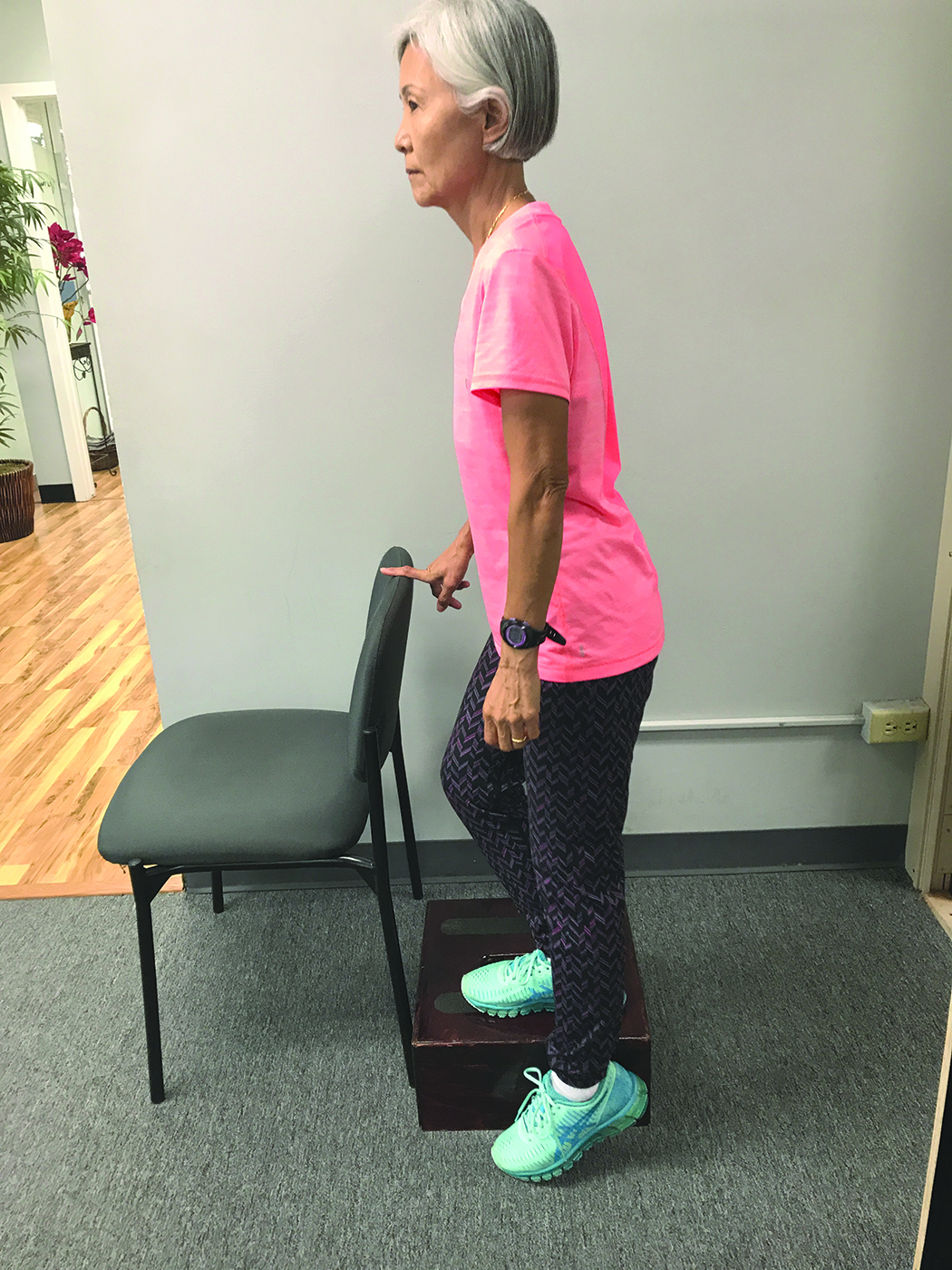
    This exercise will help reduce pain when going down stairs, as it uses the proper mechanics to build the correct muscles. Begin by standing tall on a step or platform sideways, holding onto a stable object.

    1. Slowly lower one leg over the outer edge and squat down, touching your toe to the ground.
    2. Keep upright, knee aligned over your first and second toe.
    3. Sit your bottom back when squatting, with more weight on the heel of the bent leg. Return to standing tall.

    Moon Physical Therapy, LLC
    320 Ward Ave., Ste. 107, Honolulu HI 96814

    Aquatic, Land-based and Manual Therapy and
    Cardiopulmonary Rehab Programs

    808-597-1005 | www.moonpt.com
    Like me on Facebook: Moon Physical Therapy, LLC

    Knee pain while descending stairs is often due to the force on your kneecap (patella), which studies show is 3.5 X your body weight. If you weigh 140lbs, the force on your patella can be as much as 490lbs! That is a lot of stress on your knee, and the pain will be magnified if…

  • New Guidelines for High Blood Pressure

    Let us start with this little fact: almost half of all adults in the United States are affected by hypertension. Recently published revised guidelines for the detection of high blood pressure mean that 46 percent of all Americans 18 years and older are now considered to have hypertension (otherwise known as high blood pressure). This is a staggering statistic, equating to about 103 million adults in the United States.

    What are the new guidelines?

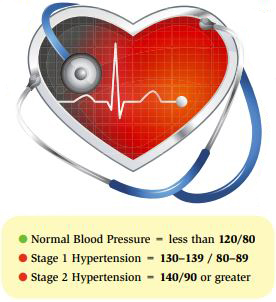
    The new guidelines from the American College of Cardiology and the American Heart Association define hypertension as blood pressure readings greater than or equal to 130/80. Prior to this change, the standard definition of hypertension was anything equal to or greater than 140/90. With these new, stricter guidelines millions more adults are now considered hypertensive.

    What is hypertension?

    Imagine your heart as a pump. The heart pumps blood to the rest of the body through pipes called arteries, which — like rubber tubes — can expand and contract. The pressure of blood filling the arteries is what we measure and call blood pressure. If the force of this pressure in the pipes or arteries is too high, that is what we call hypertension or high blood pressure. With the new guidelines, anything equal to or greater than 130/80 is now considered hypertension.

    In a perfect world, the top number should be less than 120. This is called the systolic pressure and it is the pressure measured when the blood is filling the artery and it expands. The bottom number is called the diastolic pressure and, optimally, this number should be less than 80. It is the pressure of the artery when the heart is at rest — in other words, when the heart is not pumping blood.

    Why are these numbers important?

    Your doctor and healthcare providers measure these numbers regularly because hypertension is known as the “silent killer.” Unlike when you have a visible injury, cold or cut, you may not realize anything is wrong unless you get checked regularly by your primary care provider. As the blood pressure in your body increases and stays elevated over time, your risk for complications such as a stroke or heart attack increase significantly.

    If you want to avoid any complications from this chronic epidemic, please talk with your healthcare provider and see him or her regularly to help prevent, manage and treat hypertension.


    HOUSE CALL MEDICAL PRACTICE LLC

    808-726-5062 | Housecallmed@gmail.com
    www.housecallmedhawaii.com

    Let us start with this little fact: almost half of all adults in the United States are affected by hypertension. Recently published revised guidelines for the detection of high blood pressure mean that 46 percent of all Americans 18 years and older are now considered to have hypertension (otherwise known as high blood pressure).

  • Biking for Seniors

    As we age, exercise becomes more and more important — not only for our bodies, but for our minds as well. But fitness doesn’t always have to happen from inside the local gym. You can get on a path to a fit and healthy lifestyle by incorporating cycling into your daily routine. Instead of driving the short distance to the store or park, try biking there instead! This can sometimes be quicker and more convenient for you — and certainly better for your body, your wallet, and the planet.

    It’s important to start small, but for most people getting back on the bicycle is really just like riding a bike — you never forget! Bicycling reminds us of the freedom of our childhood, where we could expand and explore our world all from two wheels. Bicycles can be used for the same thing in our older years! Look for a bicycle with a step-through frame and upright seating position for comfort and stability. And don’t forget your helmet! Start on multi-use bike paths, which are physically separated from motorized traffic, or quiet residential roads. Consider joining up with a group of friends to ride or meet new friends at an organized group ride in your area!

    If you haven’t been on the saddle for years (or decades), or never learned how to ride a bicycle, the Hawaii Bicycling League (HBL) offers free Adult Learn to Ride workshops that can get you rolling safely, at any age (bikes, helmets, and friendly instructors all are provided)!

    HBL is a local non-profit founded in 1975, with the mission to enable more people to ride bicycles for health, recreation, and transportation, through advocacy, education, and events.

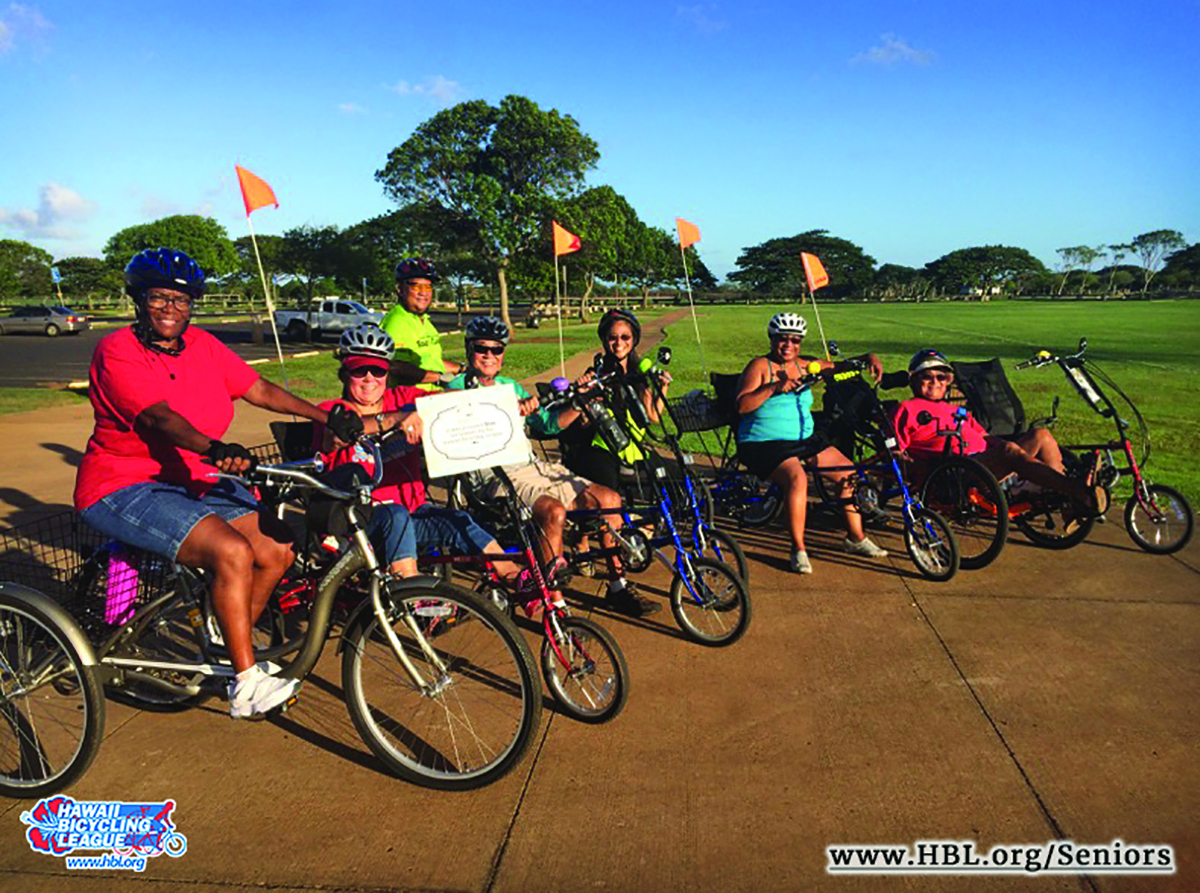
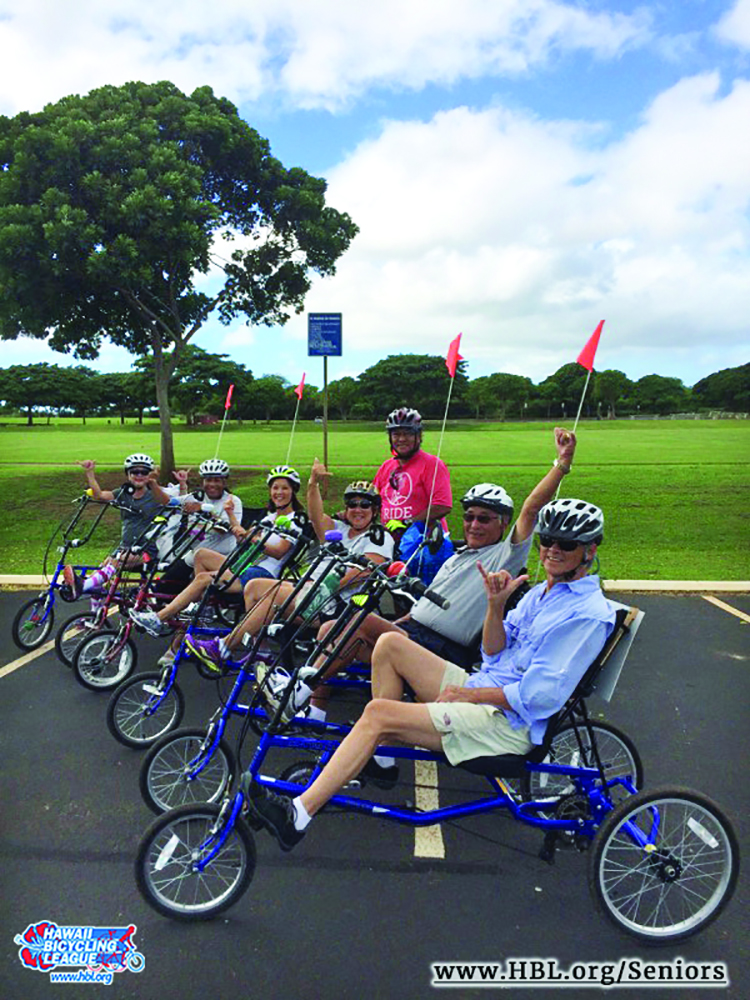
    If a two-wheeled ride isn’t your cup of tea, check out HBL’s Senior Cycling Program! Kupuna 50 years of age (and up) get to rediscover their youth with HBL’s recumbent tricycles on Oahu’s car-free bike paths. The adult three-wheelers are great for those that have poor balance or bad joints, or those that don’t know how to bike. Senior Rides are scheduled five times a month at the Pearl Harbor Bike Path and Magic Island multi-use paths and are for all levels of riders. Recumbent trikes, along with all the bells and whistles, are provided free of charge through this fun program designed to get you outdoors and healthy!

    However you decide to get your roll on, the Hawaii Bicycling League has you covered. Whether you are an adult looking to learn how to ride a bike for the first time or are someone ready to regain comfort and confidence with cycling on the roads of Hawai‘i, HBL will get you there.


    HAWAII BICYCLING LEAGUE
    3442 Waialae Ave., Suite 1, Honolulu HI 96816

    808-735-5756 bicycle@hbl.org www.hbl.org

    As we age, exercise becomes more and more important — not only for our bodies, but for our minds as well. But fitness doesn’t always have to happen from inside the local gym. You can get on a path to a fit and healthy lifestyle by incorporating cycling into your daily routine.

  • Yoga Just for Kūpuna

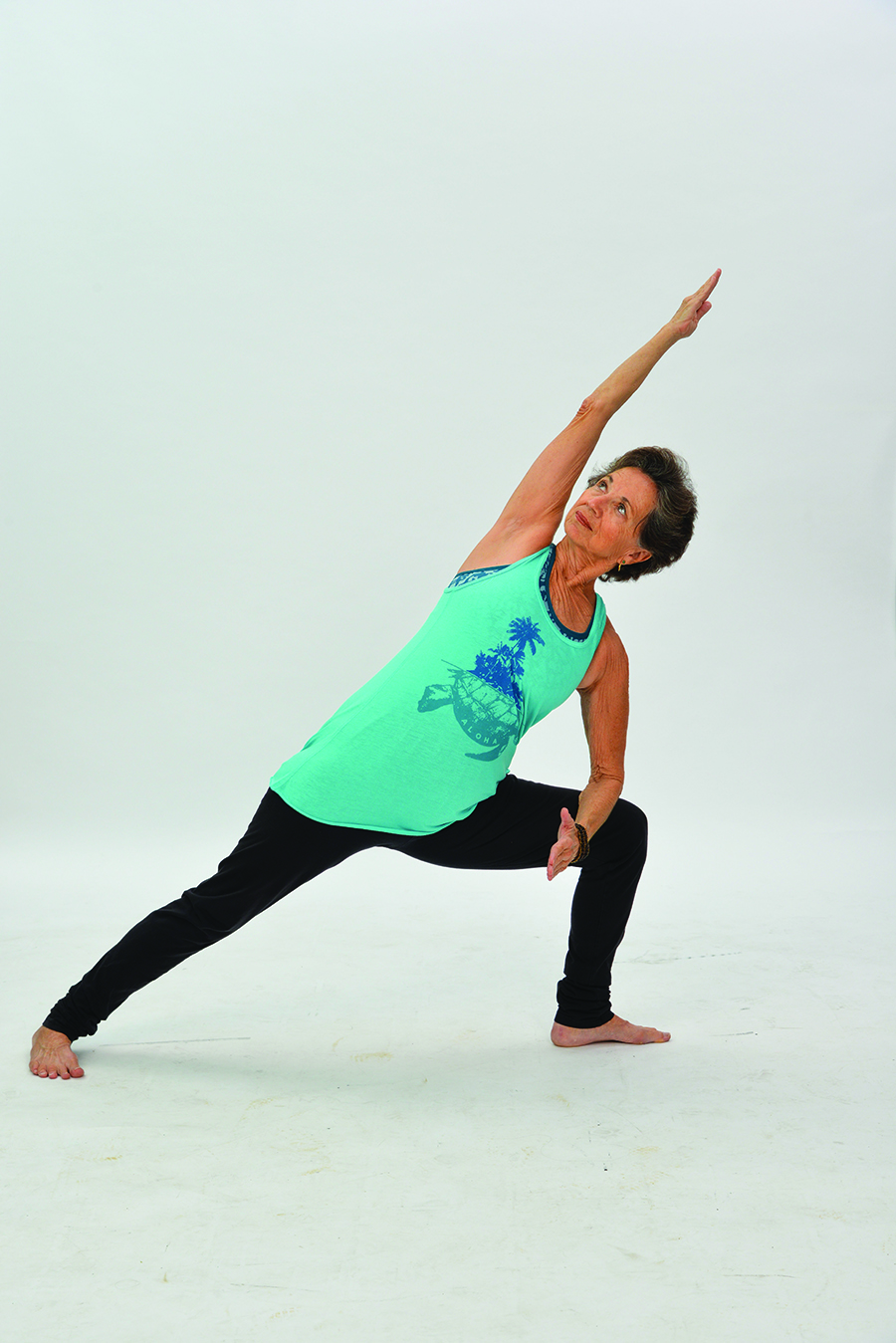
    At the YMCA of Honolulu, our programs and services are tailored to meet all ages, abilities and goals — and so are our yoga classes! All health and fitness facility Y Branches offer a range of yoga classes for kūpuna, from ones that will bring on a light sweat to others that will give you a soothing stretch while seated on a chair.

    As a sanctuary for those getting stronger and doing their best to keep healthy, we at the YMCA encourage our seniors to explore yoga, as it:

    • Strengthens bones and protects joints
    • Builds balance and flexibility
    • Sharpens the mind and improves mood
    • Minimizes hypertension
    • Improves the respiratory system
    • Encourages calm and mindfulness

    When practiced with our experienced yoga instructors on a regular basis, you can be sure you’ll enjoy many of these benefits!

    Feeling unsure about trying it out? We understand. Here are a few tips that will help you enjoy your first senior yoga class at the Y!

    • Talk to our yoga instructor before class. Let them know if it’s your first time (or your first few times) and what conditions you may be challenged with that could make you feel dizzy or cause pain. Ask them any questions you may have about the class.
    • Talk to your fellow students. We have a large kūpuna population who enjoy working out at each of our Y’s and who love yoga! Most of these members regularly attend their classes and are eager to meet and help you! You can also ask them how yoga has helped them in their lives — to encourage you to keep coming!
    • Use a wall, use the props. When you go to a yoga class, there will be yoga props available, such as blocks, straps, and pads for your knees. Use everything you can to feel comfortable and make the class manageable — especially during your first few times. For standing and balancing poses, use a wall to prop yourself up to ensure you feel stable while trying the poses out.

    YMCA of Honolulu

    www.ymcahonolulu.org/

    Contact your closest Y Branch for membership, discount opportunities and other activity schedules and information.


    SENIOR YOGA CLASSES

    Kaimuki-Waialae: 808-737-5544

    Hatha Yoga                             M / 2:15 pm
    Senior Stretch Yoga                W / 10:30 am

    Kalihi: 808-848-2494

    Gentle Yoga                            M, W, F / 12:10 pm
    Tu, Th / 10:15am
    Yin/Yang Yoga                        Tu, Th / 4:30 pm
    with Back Care

    Leeward: 808-671-6495

    Gentle Yoga                            M / 8 am
    Stretch & Relax                       Tu, Th / 8 am
    M / 7:30 pm
    Iyengar base Yoga                  W / 8 am

    Mililani: 808-625-1040

    Senior Yoga                             M, W / 7 am
    Hatha Yoga                              W / 9:45 am
    F / 10 am
    Su / 9:05 am
    Chair Yoga                              Tu / 12:15 pm
    F / 11:15 am
    Stretch and Relax                   M, W / 5:30 pm
    Hatha Yoga                             M / 6:45 pm
    Yin Yoga                                  F / 6:45 pm

    Nu‘uanu: 808-536-3556

    Gentle Yoga                            Tu / 10 am
    Hatha Yoga                             Th / 10:05 am

    Windward: 808-261-0808

    Sunrise Stretch                        M, F / 6:30 am
    W / 6:15 am
    Sunrise Yoga                           Tu, Th / 6:30 am
    Gentle Yoga                             M, F / 11:30 am
    Senior Chair Stretch                Tu / 11:45 am
    Basic Yoga                               W / 12:15 pm
    Hatha Yoga                              Sa / 9:15 am

    At the YMCA of Honolulu, our programs and services are tailored to meet all ages, abilities and goals — and so are our yoga classes! All health and fitness facility Y Branches offer a range of yoga classes for kūpuna, from ones that will bring on a light sweat to others that will give you a soothing…

  • Pride, Quality of Life and Independence

    The Americans with Disabilities Act (ADA) is for the physically challenged and disabled community. The elevator industry, with the help of the government and educators in civil law, has been addressing ADA issues over the years. Elevator and lift manufacturers have many solutions to meet and exceed the ADA requirements.

    Today, here in Hawai‘i, there is a continued effort to address the ADA conditions that affect our elderly and disabled community. The work to provide those communities with the freedom to live independently and safely, while making their lives easier, relies on multiple solutions.

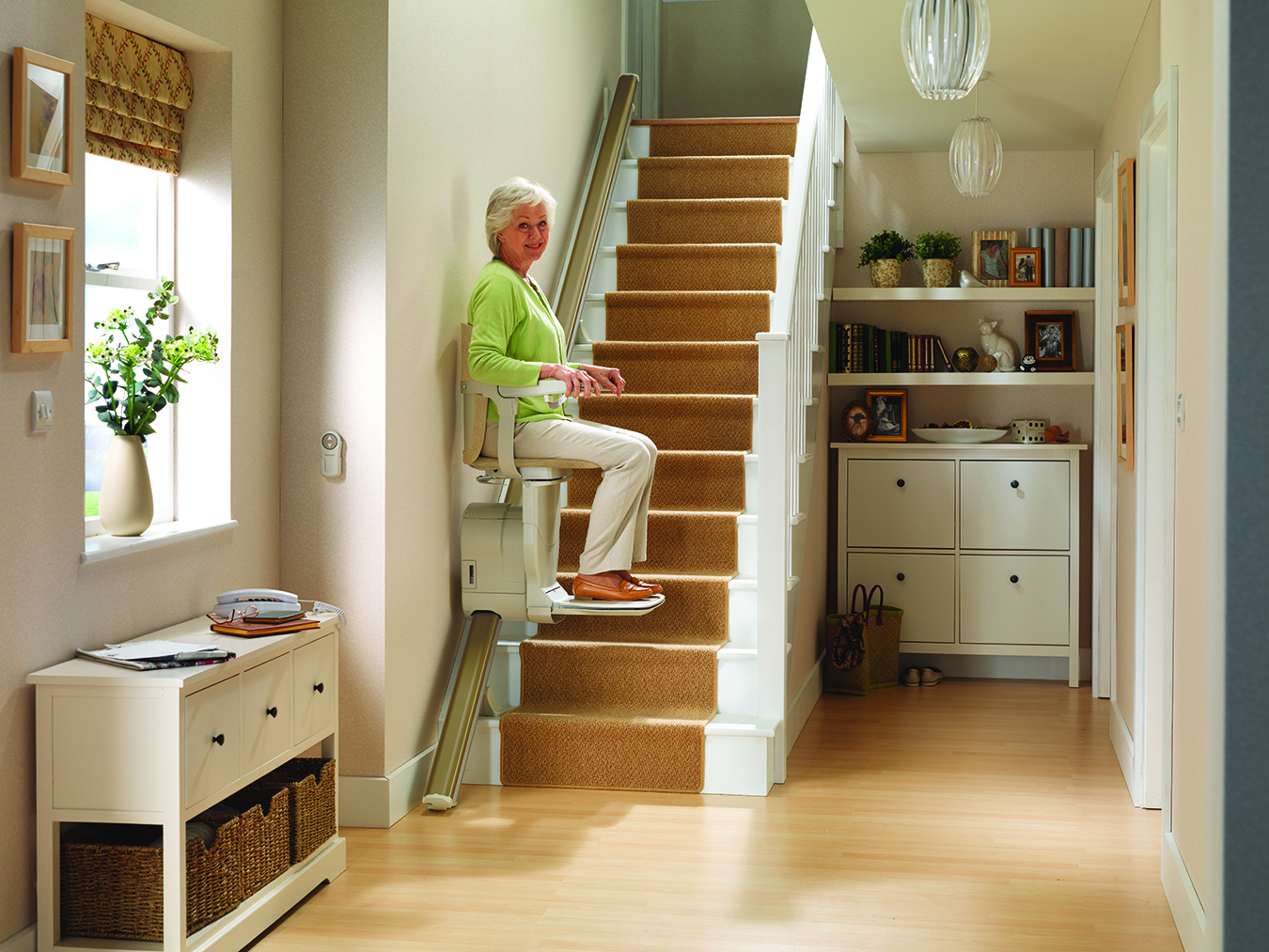
    One example of these different kinds of solutions is a residential chair lift. This provides the senior community, and those who are physically challenged, the ability to have the mobility and access to parts of their home they may not have seen in years, or the ability to leave their home safely and with ease. In some instances, a chair lift can also provide an extra pair of helping hands, such as carrying the laundry or even groceries up and down the stairs.

    This provides them with a higher quality of life while maintaining their pride and independence.


    ACCESS LIFTS HAWAII
    1525 Young St., Honolulu HI 96826

    808-955-4387 www.accessliftshawaii.com

    The Americans with Disabilities Act (ADA) is for the physically challenged and disabled community. The elevator industry, with the help of the government and educators in civil law, has been addressing ADA issues over the years. Elevator and lift manufacturers have many solutions to meet and exceed the ADA requirements.

  • Hurricane Prep for Seniors: A Step Further

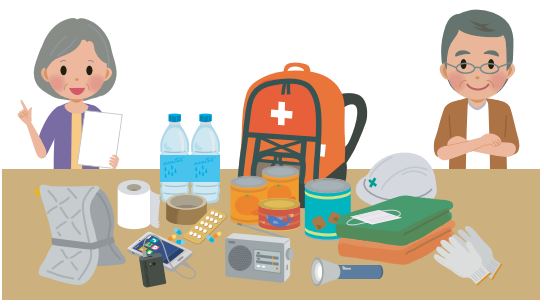
    Many seniors, especially those who live alone, might not realize that there are items they should have in their hurricane emergency kit other than Spam, baked beans and Vienna sausage. June marks the beginning of the six-month-long hurricane season and reminders about being prepared are all over the media.

    The messages always emphasize the need for the basics:

    ◆ drinking water

    ◆ non-perishable food

    ◆ toiletries, batteries

    ◆ your prescription medicines

    But those things may not be enough to meet seniors’ needs.

    Officials with the Federal Emergency Management Agency say to remember four things:

    1. How will you receive alerts and warnings?
    2. What is your shelter plan?
    3. What’s your evacuation route?
    4. And what is your family communication plan?

    These four FEMA questions bring to mind specific steps you might not have thought of:

    ▲ NOAA weather alerts. In addition to a portable AM/FM radio, consider getting one that picks up NOAA weather alerts.

    ▲ FEMA app. Install the FEMA app on your smartphone and acquaint yourself with its navigation. Additionally, make sure emergency alerts are enabled on your phone.

    ▲ Phone text. Know how to text on your phone. Even if the voice network goes out, texting may still be an option because it requires less bandwidth and transmits more easily. But that won’t matter if you don’t know how to text!

    ▲ Support network. Make a list of your support network — people who can help you out in the event of an emergency. Does someone have an extra key to your home?

    ▲ Hard copy list of contacts. Have your most important contact names and numbers written on real paper and stored in plastic zip-lock bags. Remember — when the power goes out, your phone won’t last long and when it dies, so does any chance of reaching your contacts.

    ▲ Medical alternatives. If you have medical issues that require regular doctor’s visits, find out what your doctor’s plan is should his office become inaccessible. Where’s the nearest alternative?

    ▲ Prescription drug supply. For required regular doses of prescription drugs like insulin shots, consult with your doctor for an extra supply.

    ▲ Pet emergency kit. Prepare an emergency kit just for your pet, including food, bedding and treats. But have you thought to include drinking water? Your pet will get thirsty, too.

    ▲ Inventory valuable possessions. Make sure you have a complete and up-to-date inventory of your home and your valuable possessions for insurance purposes. Photograph as much as you can for documentation and store the photos or digital output (for example, USB stick or DVD)  in your zip-lock bag.

    ▲ Automatic Deposit. If you aren’t doing it already, have your benefit checks–pensions, social security, etc.— deposited directly into your bank account. If you have to relocate, your monthly check may have no idea where you’ve gone.

    ▲ Cash. Got some cash and coins? There’s always a possibility ATMs won’t be working.

    Hawai‘i has had its share of disastrous hurricanes and evacuations, but it’s been over 15 years since the last one and it’s important to remember that the threat is always looming.

    One very useful website to help you plan for any emergency is www.ready.gov/make-a-plan There, you will find downloadable documents that will guide you each step of the way as you prepare a plan for your own particular situation.

    For further information, go to the websites of FEMA, the American Red Cross, NOAA, and Hawai‘i state and local Civil Defense. Links to these agencies and their respective emergency preparedness information are available below with additional ones on our website, www.Generations808.com. Click on Emergency Preparedness.

    Federal Emergency Management Agency
    800-621-3362  |  www.fema.gov

    American Red Cross of Hawaii
    808-734-2101  |  www.redcross.org/local/hawaii

    National Hurricane Center (NOAA)
    Hurricane Preparedness
    www.nhc.noaa.gov/prepare/ready.php

    Hawaii Emergency Management Agency
    808-733-4300 www.dod.hawaii.gov/hiema/

    County of Hawai‘i Civil Defense Agency
    808-935-0031 www.hawaiicounty.gov/civil-defense/

    Maui Emergency Management Agency
    808-270-7285  |  www.bit.ly/MauiCountyEmergency

    C&C of Honolulu Dept. of Emergency Management
    808-723-8960  |  www.honolulu.gov/dem

    County of Kaua‘i Emergency Management Agency
    808-241-1800 www.kauai.gov/KEMA

    National Weather Service Forecast HI (NOAA)
    808-973-5286  |  www.prh.noaa.gov/hnl/

    NOAA watches, warnings and advisories
    County of Hawai‘i: 808-935-8555
    County of Maui: 866-944-5025
    City and County of Honolulu: 808-973-4380
    County of Kaua‘i: 808-245-6001

    Many seniors, especially those who live alone, might not realize that there are items they should have in their hurricane emergency kit other than Spam, baked beans and Vienna sausage. June marks the beginning of the six-month-long hurricane season and reminders about being prepared are all over the media.

  • Beware of ‘Spoofing’

    Telephone scams have been around for years, even before the birth of the internet, and they are just as dangerous as their online counterparts. Because modern telephone networks use digital technology, it is easy for cybercriminals to manipulate what appears in the Caller ID to trick you into thinking you are receiving a call from a trusted source. This tactic is called “spoofing.”

    Listen for these red flags:

    ◆ A sense of urgency. The caller wants you to act immediately or something bad will happen.

    ◆ The caller advises payments be made using gift cards or prepaid debit card.

    ◆ You are asked to download and install programs onto your computer to fix the “problems” the caller claims your computer has.

    Some Safety tips:

    ◆ Do not provide any personal or bank information to the caller or confirm any information.

    ◆ Do not respond to any voice messages to contact a telephone number the caller provided without checking first by calling the customer service number on the company or government website.

    ◆ Do not download any programs the caller says you need, or confirm your computer’s type.

    You can find more tips on these websites:

    www.bit.ly/HawaiianElectric_FraudProtection

    www.bit.ly/Microsoft_AvoidPhoneScams

    www.bit.ly/IRS_SpamReporting


    THE DEPARTMENT OF THE PROSECUTING ATTORNEY
    1060 Richards St., Honolulu HI 96813

    808-768-7400  |  Office hrs: Mon – Fri, 7:45 am – 4:30 pm
    www.honoluluprosecutor.org/contact-us/

    Telephone scams have been around for years, even before the birth of the internet, and they are just as dangerous as their online counterparts. Because modern telephone networks use digital technology, it is easy for cybercriminals to manipulate what appears in the Caller ID to trick you into thinking you are receiving a call from…

  • Commonsense Election Modernizations

    At Common Cause Hawaii, we believe that the more people who participate in civic engagement, the more representative our democracy. Participation can come in the form of service, or testifying on an important issue, but the most important way to get involved is through voting. As the state with the lowest voter turnout, we need to make our elections more accessible, convenient, and secure so that specific needs are given more attention by public officials; needs like producing more affordable housing, securing better healthcare options for kūpuna, and investing in high quality education to benefit our keiki.

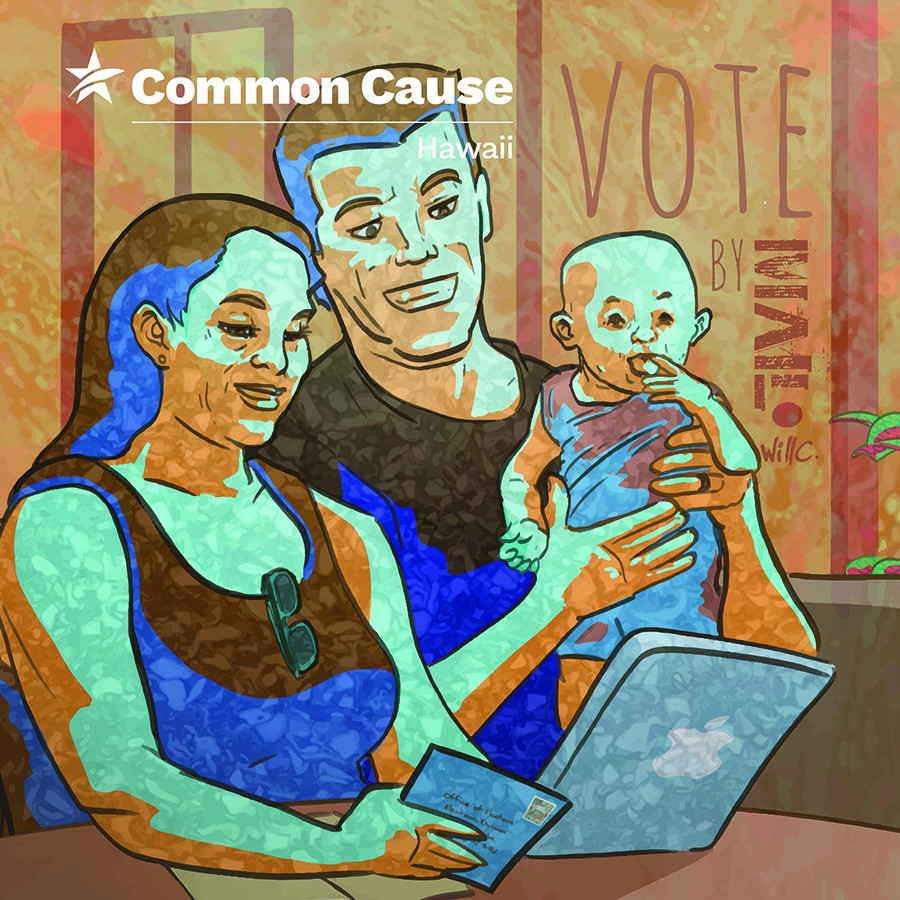
    Two commonsense election modernizations that could add such an element of convenience are Automatic Voter Registration and Vote by Mail. One is a small technical change to update our opt-in system to an opt-out one, and the other a logical expansion of absentee voting which allows people to vote in the privacy of their own home if they wish. Together these practices can cut out the cost of provisional ballots, sending ballots to the wrong addresses, and allow voters ample time to fully vet candidates and the issues by offering the ballot to voters in advance of Election Day. Both fit into voters’ routines without altering long-standing traditions like voting in person.

    Automatic Voter Registration registers eligible citizens to vote anytime they sign up for or renew their driver’s license or state ID unless they opt out. Under Vote by Mail, these same eligible voters receive a ballot at their current address.

    With Vote by Mail, Hawai‘i will take steps to increase turnout, improve voter education, and combat fraud. More than half of those who voted in the 2014 and 2016 elections in Hawai‘i did so via absentee ballot, with more votes cast before Election Day proving we are already familiar with both the efficiencies and required precautions of this method. In Oregon where they now vote entirely by mail, election officials have found no indication of increased fraud or undue influence.

    Hawai‘i deserves a balanced democracy and constituencies that represent our true demographics to include those who are home bound, voters from rural areas, as well as voters of varying incomes and diverse ethnic backgrounds. Hawai‘i has been a leader in voting reform with the implementation of online voter registration and more recently, same day voter registration. We should maintain this momentum and continue to reduce barriers to voting so we can engage all eligible citizens in the political process. Your vote is one of the most direct ways to build a better Hawai‘i for the generations to come.


    COMMON CAUSE HAWAII

    808-275-6275  |  hawaii@commoncause.org
    www.commoncause.org/states/hawaii/

    At Common Cause Hawaii, we believe that the more people who participate in civic engagement, the more representative our democracy. Participation can come in the form of service, or testifying on an important issue, but the most important way to get involved is through voting.

  • Singing Seniors — Project Giving Back

    Giving back. That’s the theme and the name of a special — and talented — seniors group who entertain other seniors as a way of giving enjoyment back to their community.

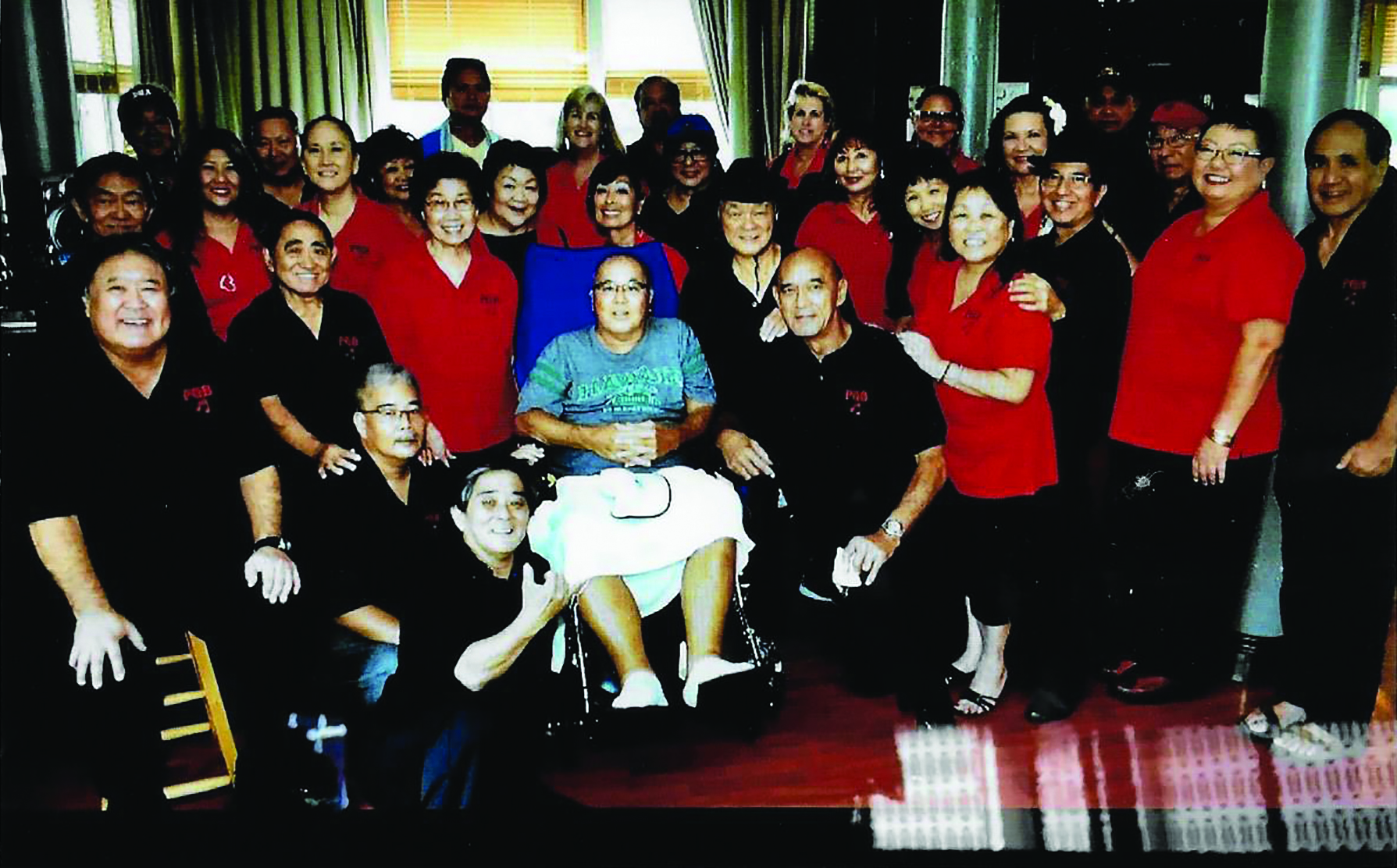
    Project Giving Back is a group of 36 singers, ranging in age from 60 to 87, who are now in their 8th year of performing. Wayne Uejo is the founder and administrator of the group, overseeing the singers and coordinating the concert schedule at venues across O‘ahu.

    Performances include hit songs from the ’50s through the ’80s, with some Hawaiian and Japanese tunes included in the mix. Uejo says the audiences love everything, but especially those old tunes that really bring back happy memories from a time when life was fun and simple. “Sukiyaki” by Kyu Sakamoto, and the Village People’s “Y.M.C.A.” are audience favorites.

    Project Giving Back is currently not accepting new singers, but Uejo strongly encourages other like-minded individuals from O‘ahu or the Neighbor Islands to start their own group. He says there is always a need to give back to the senior community.

    If you are interested in having Project Giving Back perform at your location for any occasion, contact Wayne Uejo.

    PROJECT GIVING BACK
    2018 HONOLULU PERFORMANCES
    Saturdays at 9am

    THE PLAZA
    1280 Moanalualani Place

    June 9
    July 14
    August 11
    September 8
    October 6
    November 3
    December 1

    KUAKINI AUDITORIUM
    347 N Kuakini St.

    June 23
    July 28
    August 18
    September 22
    October 20
    November 17
    December 8

    LEAHI HOSPITAL
    3675 Kilauea Ave.

    August 25
    November 24

    Seniors giving back to seniors. It’s a fun and rewarding way to spend that free time.


    PROJECT GIVING BACK
    Wayne Uejo, PGB Administrator
    808-277-2792 | uejow001@gmail.com

    Giving back. That’s the theme and the name of a special — and talented — seniors group who entertain other seniors as a way of giving enjoyment back to their community. Project Giving Back is a group of 36 singers, ranging in age from 60 to 87, who are now in their 8th year of…

  • Beyond the Spotlight, Our Volunteers Shine

    It’s hard to believe 22 years have passed since the renovated Hawaii Theatre Center reopened its doors to the public following a decade-long effort by community volunteers to raise $32 million and save the historic structure from the developer’s wrecking ball. Today, volunteerism is still the lifeblood of the Hawaii Theatre Center. The complex encompasses not only the historic Hawaii Theatre building, but also the McLean Block building, the historically significant Pantheon Saloon building and the Austin Block building. HTC also stewards Dr. Sun Yat-sen Memorial Park adjacent to the theatre.

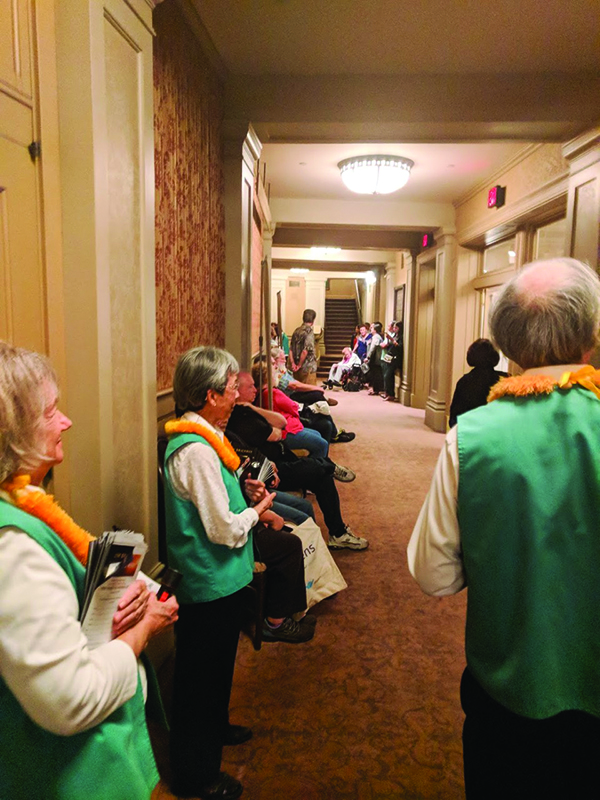
    Having nearly an entire block of Chinatown to maintain and manage is a challenge not for the faint of heart. First and foremost, our volunteers are critical in ensuring the theatre is staffed with helpful and smiling ushers who not only assist in welcoming patrons to the theatre, but also are trained to assist in any emergencies or evacuations we may be faced with.

    Volunteers who are part of our Hawaii Theatre Docent program provide historical tours of the facility, during which guests are treated to a mini-concert on the 1922 Robert Morton pipe organ in the Weinberg Auditorium. Though we currently only have enough docents for monthly, or bi-monthly tours, we hope to recruit additional volunteers for expanded reach into the community.

    Another very active volunteer group is our HTC Stars group. This group of community-minded philanthropists help in supporting our fundraising events, HTC membership recruitment at our shows and other work needed by our Membership Services staff.

    One of the areas of focus for the coming year will be facilities repair and maintenance. Our hope is to form a group of tradespeople with a little time on their hands to help with minor carpentry, painting, landscaping, and generally completing odd jobs around the facility. Our list of deferred maintenance items is too long to list here, but for an active group of seniors who take pride in their handiwork and would like to remain active by helping to maintain and improve the condition of the entire Hawaii Theatre Center campus, this is a golden opportunity!

    For more information on any of our volunteer opportunities, please call to schedule a visit. Amy Bennett, our Director of Donor Services, would appreciate hearing from you at 808-791-1301, or you can email amybennett@hawaiitheatre.com to set up a time for you to visit! E Komo Mai! Join us in preserving our community’s last remaining historic theatre—“The Pride of the Pacific”.


    HAWAII THEATRE CENTER
    1130 Bethel St., Honolulu HI 96813
    808-528-5535 | www.hawaiitheatre.com

    It’s hard to believe 22 years have passed since the renovated Hawaii Theatre Center reopened its doors to the public following a decade-long effort by community volunteers to raise $32 million and save the historic structure from the developer’s wrecking ball. Today, volunteerism is still the lifeblood of the Hawaii Theatre Center.

  • Is It Time for Medicare?

    Were you a high school senior in 1972, singing Alice Cooper’s classic hit, “School’s Out” (for Summer)? Then you may be turning 65 soon and wondering if you need Medicare insurance. Figuring it out on your own may leave you clicking through a lot of scam websites and staring at a mountain of brochures and flyers that arrived in the mail. Medicare was created in 1965 to provide security and peace of mind, not cause you to lose your mind, patience or your money.

    These tips will help you keep your cool:

    ◆ Call Social Security at 1-800-772-1213 or visit their website at www.ssa.gov, at least three months before your 65th birthday to ask them to determine your Medicare eligibility and enrollment dates.

    ◆ Contact the employee benefits specialist for your own or a spouse’s current or former employer to see if you qualify for retiree medical insurance benefits.

    ◆ Check with Medicare at 1-800-633-4227 or www.medicare.gov to learn about Medicare premiums, late enrollment penalties and Medicare insurance options available in your county.

    The peace of mind that comes with understanding how Medicare works will have you humming a different tune: “Summertime” (and the Living is Easy)!


    MEDICARE MOMENT WITH MARTHA
    A radio program with Martha Khlopin
    KHNR-690AM:
    Sat., 2 pm–2:30 pm, Sun., 9:30 am–10 am

    808-230-3379 | getmartha@aol.com

    Were you a high school senior in 1972, singing Alice Cooper’s classic hit, “School’s Out” (for Summer)? Then you may be turning 65 soon and wondering if you need Medicare insurance. Figuring it out on your own may leave you clicking through a lot of scam websites and staring at a mountain of brochures and…