Category: June – July 2016

  • Message from the Editor

    This issue takes a broad look at “legacy.” What we leave to our families and our extended community can take many shapes. Sometimes, we know how our actions or gifts help others. Other times, the good we do goes without recognition, but in either case, our hope rests with the generations to come. Enjoy learning about how our contributing authors look at legacy.

    Summer graduations and wedding celebrations mark important family milestones. As elders, we may be seated up front or have our plate brought to us instead of standing in the buffet line. Perhaps we help with food preparation or keep track of grandchildren during the bustling event. Whatever the role, celebrate your family and be thankful for a joyous opportunity for all generations to mingle. Create good memories, laugh heartily, stay out of direct sun, use mosquito repellent and drink water to stay hydrated.

    We look forward to seeing our Generations family of readers, contributing experts, advertisers and partners at our Generations Magazine’s Aging in Place Workshop in the Ala Moana Hotel Conference Center on Saturday, Aug. 20, from 8:30 am to 2:30 pm. This event celebrates our 10th year! Mark your calendars for a full day of learning from top experts. Bring a friend who needs to know more about aging well.

    One of the few annual events for seniors living in Leeward O‘ahu is the Senior Health & Fitness Fair at the Hawaii Okinawan Center in Waipi‘o on June 17 from 9 am to 1pm. Admission is free, and workshops will be full of valuable information.

    Another reason for gathering is to honor our departed loved ones. In April, Generations Magazine Feature Photographer Brian Suda lost his mother, Tokiko Suda. She lived a full 98 years at home. Brian and his wife, Pamela Cunningham, cared for Tokiko many years and helped her meet the challenges of dementia at the end of her life. Brian and Pamela are grateful for the friends, professionals, agencies and organizations that kindly assisted Tokiko, and helped them honor her.
     

    Generations Magazine - Editors Note - Katherine Portrait

    Every Day is Brand New!
    Katherine Kama‘ema‘e Smith, Associate Editor


    Message from the Editor by Katherine Kama‘ema‘e Smith from the June-May 2016 issue of Generations Magazine, Hawai‘i’s Resource for Life

  • Expanding End-of-Life Options

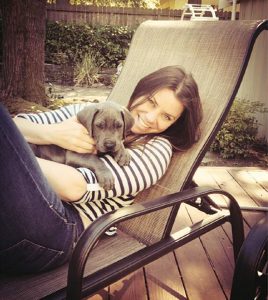
    You may remember Brittany Maynard, the young woman diagnosed with a terminal brain tumor, who moved her family to Oregon to take advantage of the state’s Death with Dignity law. Her story galvanized a movement and was greatly responsible for getting California’s new End-of-Life Option law passed. One young woman telling her story — plainly relaying her sadness and brave resolve — inspired others to take a stand.

    Generations Magazine - ExpandingEnd_image1
    Brittany Maynard died at 30 yrs. old.

    Medical aid in dying (also known as Death with Dignity) is an end-of-life care option that most people in Hawai‘i support. In a 2011 QMark study, more than 75 percent of Hawai‘i voters surveyed believe that a terminally ill adult should have the choice to request and receive medication from their doctor to bring about a peaceful death. Throughout our state Compassion & Choices is working to make more end-of-life care options available, including hospice care, pain management, palliative care, the ability to refuse unwanted medical treatment, and 
medical aid in dying.

    Thanks to Brittany, more people feel free to speak their minds. Perhaps you have a story to share. Do you support death with dignity? What would it mean to you to have access to all end-of-life options? Compassion and Choices wants to hear from you.


    COMPASSION & CHOICES HAWAII

    4348 Waialae Ave., Unit 927, Honolulu, HI 96816
    1-800-247-7421  |  hawaii@compassionandchoices.org
    www.compassionandchoices.org/Hawaii

    Expanding End-of-Life Options by Mary Steiner, Campaign Manager, Compassion & Choices Hawai‘i

  • Punahou: Celebrating 175 Years of Service

    Generations Magazine - Punahou Celebrating_image1
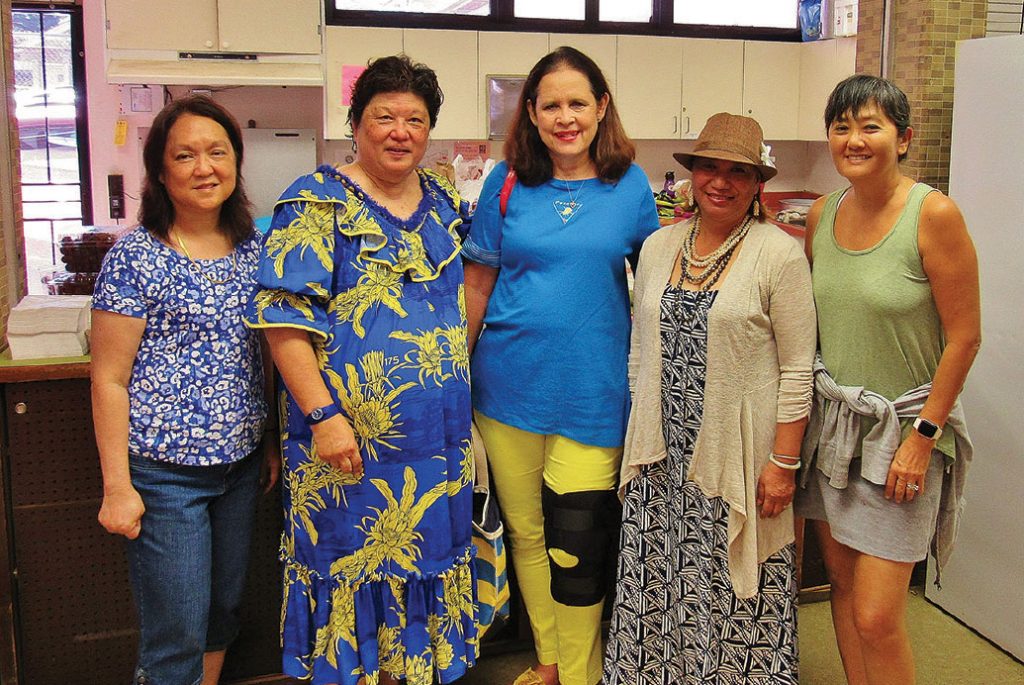
    L–R: Pauline Chang Chin, Gaye Miyasaki, 
Lynne Gartley Meyer, Renee Ahuna Cabrinha and 
Lisa Yamaguchi Bowden.


    For Punahou School’s 175th anniversary, administrators challenged alumni, teachers, students and their families to collectively perform 175 acts of community service. The Class of 1974 decided to sponsor a Kūpuna Health Seminar at Lanakila Multipurpose Senor Center. Generations Magazine, Percy Ihara helped contact educational speakers and exhibitors, such as expert Nutritionist Dr. Shintani, and Tai Chi Instructor Tommy Amina from Nu‘uanu YMCA. Class of 1974 alumni prepared and served a healthy lunch to all participants.

    Since 1841, Punahou School has earned a tradition for excellent scholarship and community service. The Luke Center for Public Service teaches students social; they create their own service projects and work with Aloha United Way. Congratulations to the Class of 1974 and all Punahou alumni serving our community!


    PUNAHOU SCHOOL,
1601 Punahou St., Honolulu, HI 96822
    808-944-5711  |  advancement@punahou.edu
www.punhou.edu

    Punahou: Celebrating 175 Years of Service by Gaye Miyasaki, Punahou Class of 1974 from the June-May 2016 issue of Generations Magazine, Hawai‘i’s Resource for Life

  • SilverSneakers Fitness® Benefits Body & Mind

    Generations Magazine - Silver Sneakers_image2

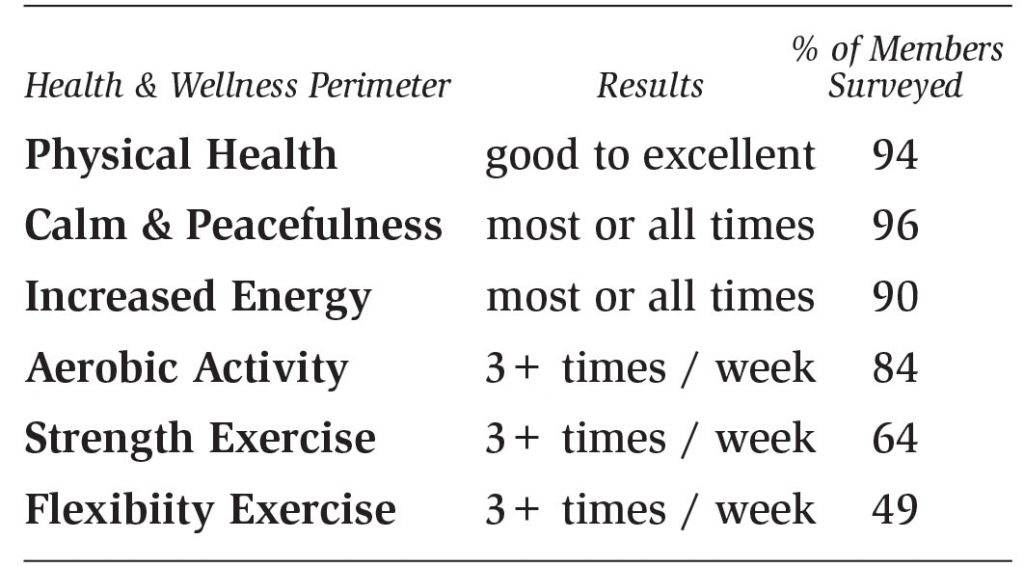
    Every year, SilverSneakers Fitness® conducts a national participation survey of its members. It documents the activity level, fitness 
attitudes and health outcomes of more than 27,000 persons aged 65 and older across 50 states. Results show an active generation of older adults turning to fitness to achieve high levels of energy and mental balance. Here are the survey results:

    Generations - Silver Sneakers_image1

    Healthways SilverSneakers Fitness, a paid service available to more than 13 million eligible members nationwide, is covered by some Medicare plans. SilverSneakers Fitness offers specialized group exercise classes at 23 fitness and wellness facilities on O‘ahu, and members also have access to standard gym amenities and the SilverSneakers FLEX™ network that includes classes and activities at parks, recreation centers and local venues. To find out if your Medicare plan covers SilverSneakers fees and to find a location near you, call 1-866-666-7956 or visit www.SilverSneakers.com/tools.

    SilverSneakers Fitness® Benefits Body & Mind by Generations Magazine Staff from the June-May 2016 issue of Generations Magazine, Hawai‘i’s Resource for Life

  • Memories Still Flow

    Generations Magazine - MemoriesStillFlow_image1
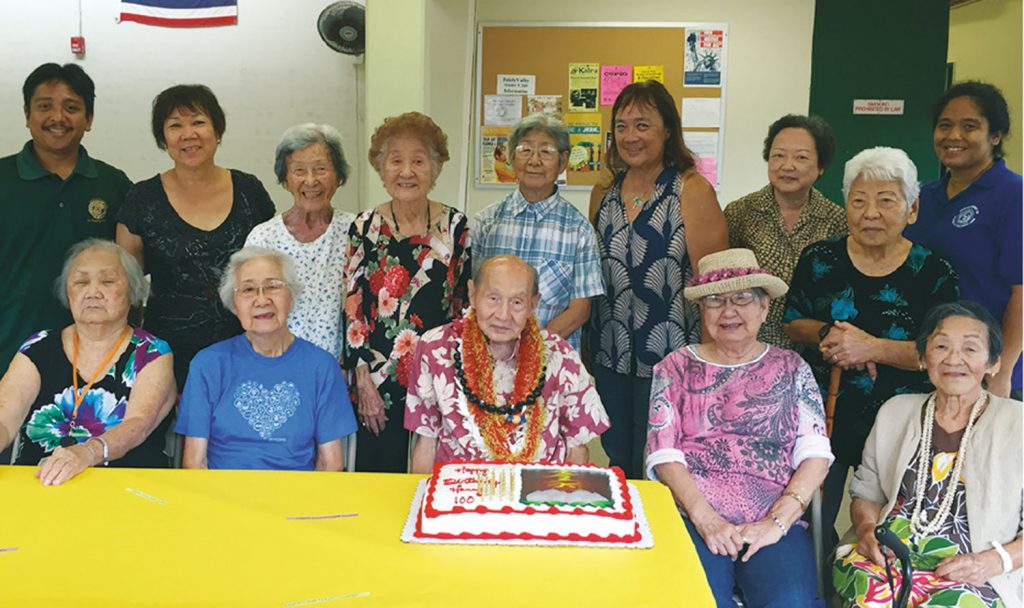
    Harry Hoo celebrates at the Pālolo Senior Club.


    Harry Hoo (he says, pronounced “who”) has a very strong lineage of family members living long and healthy lives. His mother passed away at 98, but his brother still lives in Hong Kong at 101. In celebration of Harry’s 100th birthday, the Pa¯lolo Senior Club had a party at its Tuesday meeting, with Chinese food and birthday cake, courtesy of his family.

    Harry tells me that his grandparents came to Hawai‘i to work on the plantations. His father was born in Hawai‘i, but went to China to find a wife and start a family. Harry was born March 6, 1916, and after high school, he came to Hawai‘i and attended night school. Although he doesn’t remember when he started his many jobs, Harry told me he worked for the Army. After that, he joined the Navy at Pearl Harbor. Because he had a driver’s license, he was able to work in transportation department. After he married and had two children, he worked other jobs and retired in 1981 as a parking supervisor at The Queen’s Medical Center.

    As Harry tells me about his two children and two grandchildren, his memory astounds me. He remembers where they graduated from college, all the positions they have held and what they are doing today. He is very proud of his family and also appreciates the care he receives from his son-in-law.

    Memories Still Flow by Sherry Goya from the June-May 2016 issue of Generations Magazine, Hawai‘i’s Resource for Life

  • Making A Difference for Retirees in Hawai‘i

    Generations Magazine - Making A Difference_image1
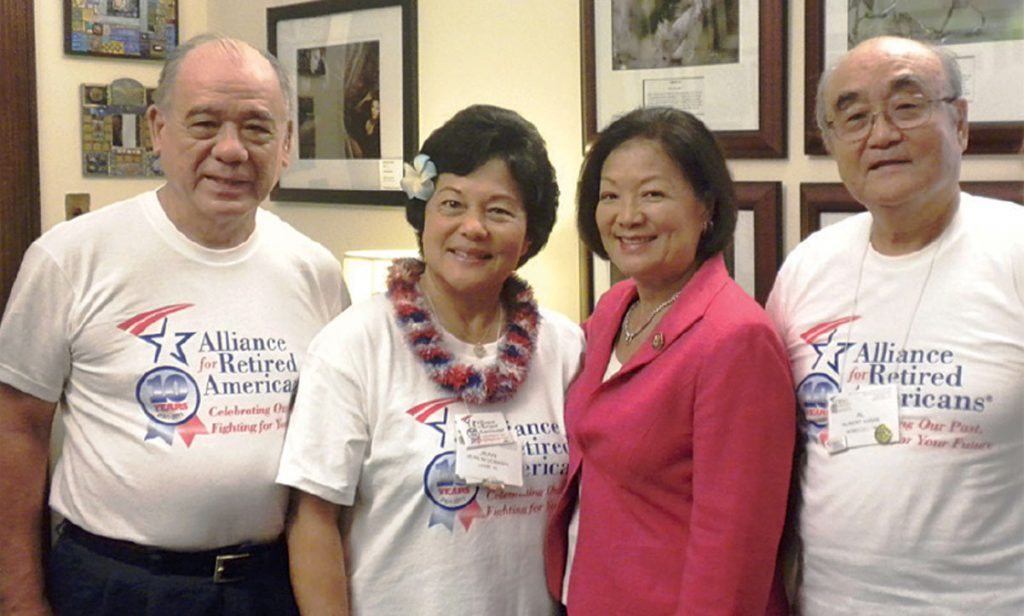
    L–R: Justin Wong, Jean Dobashi, 
Senator Maizie Hirono, Al Hamai.


    The Hawaii Alliance for Retired Americans (HARA) is our state affiliate of the Alliance for Retired Americans (ARA), which serves as a national umbrella organization for advocacy organizations interested in working together on aging, retirees and community issues.

    Founded in 2001, HARA is comprised of eight affiliate organizations in Hawai‘i totaling more than 21,000 members, including AFT Retirees, HGEA Retirees, HSTA-Retired, Hawaii Family Caregiver Coalition, ILWU Retirees, Kokua Council, Machinist Union Retirees and UPW Retirees.

    HARA works with the Legislative Kupuna Caucus and other senior/aging advocacy organizations to support legislative measures and to provide public input on issues that affect seniors. Some important examples are the Kupuna Care Program (state funds to enable the elderly and people with disabilities to remain at home) and a state-administered long-term care program. We also endorse measures to reduce the cost of prescription drugs, create permanent absentee registration and voting, and develop one-stop Aging and Disability Resource Centers (ADRC). HARA urges support for family caregivers, affordable housing and assistance for the homeless. Besides our biennial conventions, HARA members get together with the Kokua Council to meet with members of the Hawai‘i State Legislature every May. The recent legislative session was very productive because we are in an election cycle.

    HARA is part of ARA, a national grassroots movement for seniors/retirees, in which we join with 49 other independent state organizations. Our four million members work together to make our voices heard in shaping federal laws, policies, politics and institutions that affect our lives. The national ARA mission is to ensure social and economic justice and full civil rights for all citizens, so they may enjoy lives of dignity, personal and family fulfillment and security. The 2016 Legislative Session was evaluated in late May at a Legislative Review sponsored by HARA and Kokua Council.

    For more information or to get involved helping other retirees, visit www.retiredamericans.org. Those who join ARA online automatically become members of HARA. Annual dues are $10. If you belong to a group of retirees who would like to align with HARA, contact President Justin Wong.

    HARA officers serving Hawai‘i retirees include President Wong, Vice President Elmer Yuen, Secretary Carol Noland, Treasurer Phyllis Hiramatsu and Past President Al Hamai.


    HAWAI‘I ALLIANCE OF RETIRED AMERICANS, 
1953 S. Beretania St. Suite 5c, Honolulu, HI 96826
    Justin Wong, President
  |  808-395-9717  |  wongj060@hawaii.rr.com
  |  www.retiredamericans.org

    Making A Difference for Retirees in Hawai‘i by Justin Wong, President of Hawaii Alliance for Retired Americans from the June-May 2016 issue of Generations Magazine, Hawai‘i’s Resource for Life

  • Preventing & Resolving Family Conflicts

    Caregiving is an act of love. Balancing the needs and safety of a kūpuna with his or her desire to be as independent as possible requires a sensitive conversation with the senior and the entire family. When talking is avoided or discussions break down, conflicts may erupt and the role of the caregiver can become overwhelmingly painful.

    Generations Magazine - Preventing Resolving_image1
    To help families engage in difficult exchanges regarding the needs, desires, care and support of an elderly family member, the Mediation Center of the Pacific created the Kūpuna Pono Program (KPP). Through KPP, mediation and conferencing help families talk through issues to reach an agreement that supports the elder family member.

    Family conferences are facilitated discussions that bring together the kūpuna and the entire family in order to talk about his or her needs and develop a plan to meet them. The conference begins with an assessment of the family’s strengths, and the desires and values of the kūpuna. Then, the current and future needs of the elder person are discussed, including what resources are available to support his or her needs and who will assist in their coordination.

    With two impartial facilitators guiding the discussion, family members talk about medication management, safety, living arrangements, meal preparation, personal assistance, finances, end-of-life plans and more. Then, the action steps and plans that are agreed upon during the conference are incorporated into a plan that is provided to every family member. The plan serves as a guide to help the family support their elder member and share in caregiving responsibilities.

    If conflicts have already erupted between family members, the mediation process helps them talk about the specific issues at the heart of the dispute. Working in private and joint sessions with the family members who are in conflict, two impartial mediators help them understand each other’s perspectives and negotiate solutions.

    Caregiving can be stressful, leading to conflicts that may tear a family apart at a time when their unification is most needed. The Kūpuna Pono Program helps restore harmony among them. Visit the mediation center online for more information.


    THE MEDIATION CENTER OF THE PACIFIC, Inc.
245 N. Kukui Street, Suite 206, Honolulu, HI 96817
    Monday – Friday, 8:30 – 4pm
  |  808-521-6767  |  Fax: 808-538-1454
  |  www.mediatehawaii.org

    Preventing & Resolving Family Conflicts by Tracey S. Wiltgen, Executive Director, The Mediation Center of the Pacific from the June-May 2016 issue of Generations Magazine, Hawai‘i’s Resource for Life

  • Sentimental Journals

    In 1945, Doris Day sang, “Gonna take a sentimental journey. Gonna set my heart at ease. Gonna make a sentimental journey, to renew old memories.” This popular song became an unofficial homecoming greeting for returning veterans at end of WWII. Couples probably slow-danced and swayed to it, cheek-to-cheek. Elders sing it today, recalling exactly where they were at the end of the war.

    Generations Magazine - SentimentalJournals_image1
    Do you know the songs your parents sang; their first kiss; snacks they loved to eat? Did their dreams come true or pass by? Have you heard their “pearls of wisdom” or “pet peeves?” Is it too late to ask?

    Legendary Wisdoms journals are the perfect way to drill deep into your elders’ memories and discover their bucket list, how they tick and their “forgitaboutits.” Visit www.annettepang.com and download a complimentary copy of Legendary Wisdoms, and help fill the pages with your elders’ memories for you and your family to savor for generations to come.

    Journaling is an excellent way to spark lively conversations and harvest stories your kūpuna have locked inside. The pages progress from trivia to introspection of precious memories. As a loved one, you can help by listening or by writing down their thoughts and memories; you will share amazing revelations, giggles, laughter, tears and enjoy closer connections. Don’t miss a richly rewarding and priceless “word and time” gift. Take a sentimental journey to renew memories with your loved one before it’s too late.


    LIFE COACH VILLAGE, LLC
    Annette Pang is a relationship coach for family caregivers and their elders.
    808-372-3478  |  www.annettepang.com

    Sentimental Journals by Annette Pang, Relationship Life Coach from the June-May 2016 issue of Generations Magazine, Hawai‘i’s Resource for Life

  • Elks Care, Elks Share

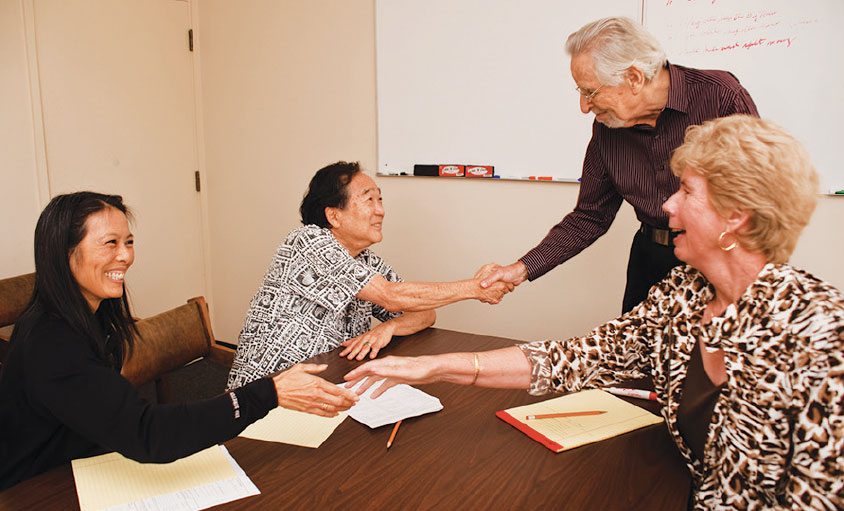
    Generations Magazine - Elks Care_image1That’s how members of the 115-year-old Honolulu Lodge 616 of the Benevolent and Protective Order of Elks describe charitable work. Lodge members helped the community from the beginning, raising funds for charities through minstrel shows, baseball games, carnivals, circuses, dances, rodeos and boxing matches. From 1946, Ladies of the Elks, and after 1962, the Emblem Club, raised money with fashion shows, bingo and rummage sales.
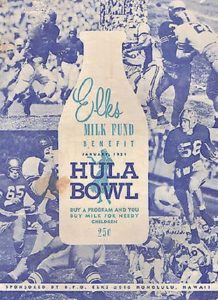
    Generations Magazine - Elks Care_image2From the 1930s, Elks funded lunchtime milk for schools. In the 1950s, Elks funding came from managing the Hula Bowl; “Termite Palace” football games featured milking competitions and Milk Queen contests. In 1951, Honolulu Rapid Transit and Art Rutledge’s striking Teamsters provided Hula Bowl busing. Members have also distributed Thanksgiving food baskets, children’s Christmas gifts, and hosted Kalihi Orphanage outings at Hanauma Bay and Christmas parties at children’s hospitals. They entertained students and teachers from Waimano and Diamond Head schools. A successful 1949 community toy-and-book drive filled donation barrels with Christmas gifts for children in hospitals and orphanages.
    Call or go online for more information.


    HONOLULU ELKS LODGE 616
, 2933 Kalākaua Ave., Honolulu, HI 96815
    808-923-5722  |  Elks616@hawaiintel.net 
 |  www.elkslodge616.org

    Elks Care, Elks Share by Anita Manning, Honolulu Elks Lodge 616 Historian from the June-May 2016 issue of Generations Magazine, Hawai‘i’s Resource for Life

  • Inflammation & Aging: Fluid Problems

    Generations Magazine - Inflammation_image1 According to doctors and research groups from Mayo Clinic, Harvard Medical School, Centers for Disease Control and the University of Michigan Medical School, signs of aging and chronic disease have one thing in common—inflammation. A recent Time Magazine article also points to inflammation as the root cause of “old-age” aches, pains, fatigue and aging skin.
    Merriam-Webster.com defines inflammation as “a local response to cellular injury that is marked by… redness, heat, pain, swelling, and often, loss of function and that serves as a mechanism initiating the elimination of noxious agents and of damaged tissue.” It is a natural reaction related to our immune response that helps us heal. When we get an infection, we want inflammation to kill bacteria and viruses.

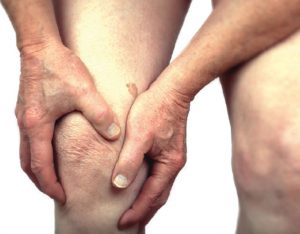
    Generations Magazine - Inflammation_image2Broad symptoms like arthritic joints and sore muscles are easy to relate to, but inflammation can occurs in the cells of the heart, arteries, nerves, kidneys, pancreas, stomach, lungs and liver if stressed or attacked by disease.
    Today, scientists are studying the natural response of inflammation in individual cells. Why does inflammation sometimes fight infection and heal wounds — but run out of control with allergies and chronic diseases like arthritis? Why does our immune system use inflammation to kill off some “bugs,” but let some cancer cells sneak by and grow into tumors?

    Generations Magazine - Inflammation_image3All cells are bathed in some kind of fluid: lymph, blood plasma, saliva, urine or spinal fluid. Our bodies are 60 percent water. Heart and brain tissue are 73 percent water; lungs, 83; blood and lymph, over 90. Now, researchers are looking at how pathways of enzymes, and interacting proteins and gases move in and out of our cells, flowing from one fluid system to another. Maintaining normal amounts of water in your body allows complex pathways of intercellular reactions to function normally.
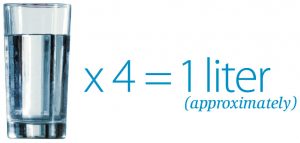
    Science may not yet know all answers to aging and chronic diseases, but one thing is certain—maintaining proper hydration is critical to good health. And now we know that water is important at a cellular level, too. Besides excercise, reduced stress and a low-fat, fiber-rich, whole-food diet, water is essential for digestion, regularity, and maintaining a healthy heart, blood system and brain.

    Dr. Hiomi Shinya, author of The Enzyme Factor, developer of modern colonoscopy and director of the endoscopy center at Beth Israel Medical Center in New York City, puts his patients on vegetarian diets and ionized alkaline water to reverse all kinds of colonic disease. From his vast experience, he concludes that diet and drinking large amounts of pure, ionized water are important to staying healthy and keeping the body hydrated.

    Generations Magazine - Inflammation_image4While scientists are finding cures for chronic diseases that all seniors face, the least we can do is to stay well hydrated. Drinking 2 to 3 liters (1 liter=1.06 quarts) of water every day takes some discipline; before starting, ask your doctor if you can tolerate increased fluid intake. If you can, you may find that some of your aches and pains were just a result of being “a quart or two low.”


    ENAGIC USA Independent Distributor
    Alan Matsushima, Health and Wellness Consultant
  |  808-384-7354  |  trader_808@yahoo.com

    Inflammation & Aging: Fluid Problems by Alan Matsushima, Kangen ENAGIC USA from the June-May 2016 issue of Generations Magazine, Hawai‘i’s Resource for Life

  • Paying Yourself in Retirement

    The most important part of your retirement plan is the monthly income you set aside for essential and lifestyle expenses. More retirees — especially those who don’t have a pension — will have to rely on a combination of income sources. Here are some tips to consider as you design your plan.

    Create a plan

    A recent Ameriprise Financial study found that more than half of the country’s pre-retirees feel overwhelmed and anxious about their impending retirement, and worry that they will run out of money. However, pre-retirees with a retirement income plan are more likely to feel confident about their financial future. You, too, can take action to help lessen fears about the unknown.

    Project your expenses

    Cut yourself a “reality check” that covers your monthly bills. Tally your expected retirement expenses. Next, consider extras in your retirement lifestyle, including travel, visiting grandkids, starting a small business and community charity work. Expenses after retirement are personalized and may vary over time; make sure your budget supports your goals.

    Make a list and check it twice

    Will you have multiple potential sources of income available in retirement? List all your assets and income streams, such as Social Security, stocks, bonds, Certificates of Deposit (CDs) or annuity income. Round up your IRAs or 401(k)s and potentially consolidate accounts if it makes sense.

    Understand the impact of taxes

    Once you hit retirement, taxes may impact you differently. To avoid surprises, ensure that taxes are a part of your retirement income plan. To avoid tax penalties, calculate Required Minimum Distributions (RMDs) — the minimum amount of money you must withdraw from your retirement accounts each year after age 70½. Talk to your tax advisor about RMDs and other strategies to help minimize your retirement tax bill.

    Give yourself flexibility

    Ensure you have a diversified, balanced portfolio to weather unexpected events that may occur in retirement. Gear some investments for generating stable income — those less likely to change in value–and others for easy conversion to emergency cash. For maximum flexibility, identify the assets that you plan to draw down first.

    Time is on your side

    The sooner you start thinking about how to pay yourself in retirement, the better off you’ll be. Tackle tasks one at a time and allow yourself the luxury of being able to carefully think through your retirement goals and financial scenarios.

    Work with a professional

    Consult a financial professional with experience creating reliable, lasting income strategies in retirement.


    MICHAEL W. K. YEE, CFP
    
1585 Kapiolani Blvd., Ste. 1100, Honolulu
    808-952-1222 ext. 1240  |  michael.w.yee@ampf.com

    Michael W. K. Yee, CFP®, CFS®, CLTC, CRPC®, is a Financial Advisor, Certified Financial Planner ™ practitioner with Ameriprise Financial Services, Inc. in Honolulu, Hawai‘i, with Na Ho’okele Financial Advisory Team, a financial advisory practice of Ameriprise Financial Services, Inc. He offers fee-based financial planning and asset management strategies and has been in practice for 29 years.

    The Pay Yourself in Retirement study was created by Ameriprise Financial utilizing survey responses from 1,305 Americans ages 55 to 75 with investable assets of at least $100,000. The online survey was commissioned by Ameriprise Financial, Inc., and conducted by Artemis Strategy Group from November 16–22, 2015.
    Investment advisory products and services are made available through Ameriprise Financial Services, Inc., a registered investment adviser.
    Ameriprise Financial Services, Inc. Member FINRA and SIPC

    © 2016 Ameriprise Financial, Inc. All rights reserved. File #1438828

    Paying Yourself in Retirement by Michael W. K. Yee, Financial Advisor and Certified Financial Planner from the June-May 2016 issue of Generations Magazine, Hawai‘i’s Resource for Life

  • Will You Leave a Legacy?

    Generations Magazine -0WillYouLeave_image1Giving is a tradition in Hawai‘i, extending as far back as the original ancestors and including the many people and cultures that have since arrived on our shores. Chances are, you or someone you know has been a beneficiary of the generosity of others; chances are you also have given to people and causes that are important to you. And because of giving, our community thrives, lives are made better and a sense of ‘ohana is nurtured.

    A legacy is a special form of giving, usually created as part of the estate planning process when wills and trusts are used. A legacy can also be beneficiary designations for retirement plans, life insurance and similar financial tools. A legacy is a way of leaving a footprint on your world for the betterment of those who will follow.

    Examples of famous legacies in Hawai‘i include the Kapi‘olani Medical Center for Women and Children, founded by Queen Kapi‘olani, and the Honolulu Museum of Art, founded by Anna Rice Cooke.

    The mission of the National Kidney Foundation of Hawaii is to fight chronic kidney disease in Hawai‘i through many innovative programs and services. The foundation is pleased to join with the Hawai‘i Community Foundation to encourage all of us to make our own legacies. Find more information at www.hawaiicommunityfoundation.org or www.kidneyhi.org and select the “Gift Planning” button.


    National Kidney Foundation of Hawaii
    808-589-5976  |  jeff@kidneyhi.org
    
For Planned Giving: www.kidneyhawaii.org
  |  Main: www.kidneyhi.org  |  www.kidney.org

    Will You Leave a Legacy by Jeffrey B. Sisemoore, JD, National Kidney Foundation of Hawaii from the June-May 2016 issue of Generations Magazine, Hawai‘i’s Resource for Life