
Some of the most helpful nonprofits for seniors are small operations that cannot afford to advertise. We will be helping them by getting their message to you. Read below to learn how the volunteers and coordinators in these noteworthy organizations may help you and your family.
PATIENT NAVIGATION PROGRAM
 The nonprofit Pacific Cancer Foundation offers programs and support groups in Maui County. Its Patient Navigation Program plays an important role in connecting patients to their healthcare providers, including transportation, coordinating services and meeting their non-clinical needs.
“When someone is first diagnosed with cancer, they go to the navigator,” said Nancy La Joy, PCF’s executive director. “The navigator helps him or her with anything needed along the journey.”
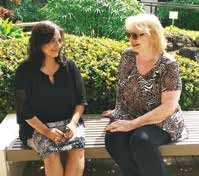
Shari Osajima, a highly trained certified patient navigator, helps patients and their loved ones find resources and services.
“What I enjoy most is meeting the patients and their family,” said Shari, “initially getting to know them and working with them to address some of their issues. Part of my job is to teach them and guide them to be advocates for themselves.”
One of the greatest challenges for patients in Maui County is interisland transportation. PCF flies medical professionals and staff to Maui from O‘ahu. Local community agencies provide transportation to and from appointments on-island.
Call PCF to learn more about the about the foundations and its Patient Navigation Program.
At Maui Memorial Medical Center, the PCF Navigation Office is located near the Radiation Oncology Department.
PACIFIC CANCER FOUNDATION
95 Mahalani St., Ste. 8, Wailuku, Maui HI 96793
808-242-7661
navigator@pacificcancerfoundation.org
www.pacificcancerfoundation.org
EMPOWERING WOMEN
 Na Wahine Ho‘omana, a women’s resource center on Maui, offers education on health and wellness, support groups and guidance.
Na Wahine Ho‘omana offers a holistic and nutrition workshop, self-defense and self-empowerment programs, and more to women of all ages.
A weekly Women Will Support Group is held on Tuesdays and Thursdays, from 5:50 to 6:30 pm in Ki¯hei, where woman share experiences and help each other stand up for themselves. The turnout for the support groups is usually small (one to eight attendees) with a total of 32 women registered. Their ages range from 28 to 70.
“It’s hard to say why that elderly women attend the group,” said Na Wahine Ho‘omana President Donna Stockwell. “It may be due to declining health, an increased feeling of vulnerability or a loss of power that some experience as they age.
“It’s natural stuff; it’s the aging process,” Donna said about women’s concerns.
Na Wahine Ho‘omana was formed in 2014 by women wanting to make a difference in the lives of South Maui women and their families.
The nonprofit, 100 percent volunteer-based organization would like to find a permanent home “where it is open and where people can just come by to be safe,” said Donna. “We are striving to be that all-inclusive clearing house of resources that’s connected and bridged with different agencies.”
NA WAHINE HO‘OMANA
Trinity by-the-Sea, 100 Kulanihakoi St., Ki¯hei, Maui
Donna Stockwell, President
808-280-3118 | donnastockwell@nawahinehoomana.org
www.nawahinehoomana.org
 As our loved ones grow older, they often want to live at home for as long as possible.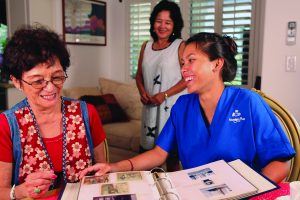
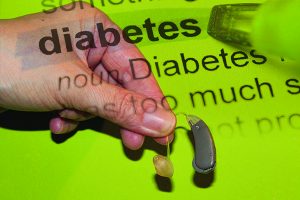 Studies show hearing loss is about twice as common in adults with diabetes than those who do not have the disease, mainly due to poor circulation. Elevated blood sugar levels can damage blood vessels, thereby reducing blood flow to certain areas. The lack of blood flow causes damage to the structures of the inner ear, which are highly vascularized and do not have a backup blood supply. Hearing loss could be the result of permanent damage to the blood vessels in the inner ear.
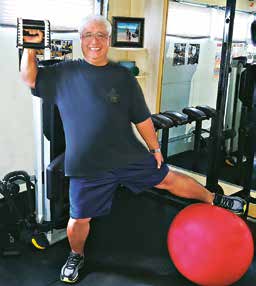 In 2012, at age 62, George Crowder retired from his profession as a regional fire prevention chief.
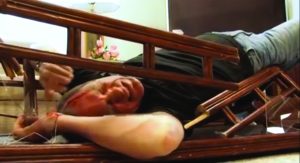
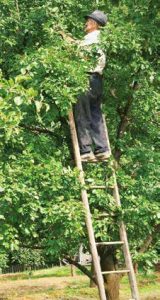 1. Falls from ladders and trees: Each fruit harvesting season, the number of serious fall injuries spikes at emergency rooms all over the state. Do not climb into your favorite tree or on the roof to harvest the fruits of your labor without someone holding the ladder. Also, do, do not lean or stretch to grab that papaya, because you will fall. Be absolutely aware of your limitations.
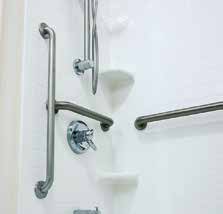 2. Falls in the shower or tub: Far too often, our kūpuna fall in the bathroom. Many years ago, my own father fell and severely injured himself in the tub. We did not find him for over 12 hours…
 1) Medications can cause dizziness that can lead to falls. Simply make an appointment with your doctor or pharmacist today to review your medications, including any over thecounter drugs and supplements.
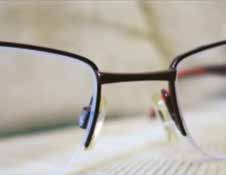 2) Maintaining good vision helps with balance and safety. Paying attention to where you place your feet is important, and so is being able to see where you are going. Have your eyes checked at least once a year.
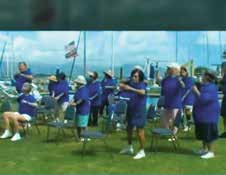 3) Balance and strength are essential to preventing falls. Be active and do simple movements every day to prevent a fall, including walking, gardening, yoga, swimming, dancing or taking a tai chi class.
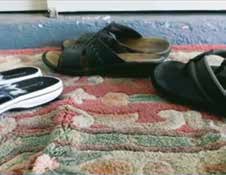 4) Make your home safer by removing fall hazards. Keep pathways clear and the floor free of objects. Be aware that seniors can trip over anything from the grandkids’ toys to the beloved family pet.
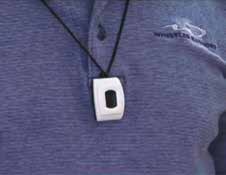 5) Invest in and use a personal electronic safety device. This is absolutely essential for any senior who lives alone. It has been proven that wearing one of these tiny devices saves lives every day.

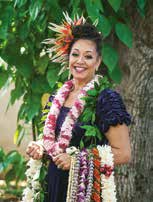
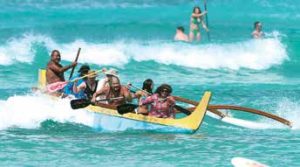
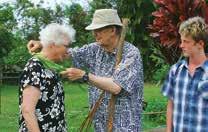 Consider these educational travel explorations over a “mass tourism” group package as tours emphasize learning about the destination, its indigenous peoples, and its history and natural environments. Gain perspective from the locals, discover regional cuisine and leave with a better understanding of what life is like in these places.