Category: April – May 2021

  • A Retirement Dress Rehearsal Can Ease Emotional & Financial Concerns

    Two emotions are likely to strike those who are nearing retirement — excitement and fear. Leaving the world of alarm clocks and offices and having time to pursue your own passions on a daily basis is liberating — but the apprehension of entering a new life stage can easily creep in. Although work-related stress will disappear, the responsibility of filling each week in a satisfying way can be a challenge. Top that off with the ever-present concern about long-term financial security in retirement and the nerves can grow even greater.

    The truth is, feeling excitement and fear is okay, but what if your retirement isn’t everything you envisioned it to be before you left the workforce? What if life after work turns out to be far different from your expectations?

    Consider a practice run

    If you’re nearing retirement, you’ve likely taken steps to prepare financially for the future. But there’s one important thing you might not have considered adding to your pre-retirement checklist — a practice run. How you choose to spend your time (and in many cases, your money) in retirement is your decision to make, but it’s not always an easy one. As we age, our interests, hobbies and relationships change. What you may consider your “ideal” retirement when you’re 55 may not fit when you’re 65. This evolution can make it hard to plan accurately for retirement.

    To the extent you’ve made a financial commitment to a certain lifestyle, this can pose real problems. If you’ve already committed a significant amount of savings toward a particular lifestyle (a home in another part of the country or a trip around the world for a year), changing your mind in 10 or 15 years could throw a wrench in your long-term financial plan.

    Those who have based their financial plan for retirement on the idea that they will be living in a new location may benefit from a practice run before making the big move. It’s natural to change your mind about what you want, but it’s better to understand the potential implications of changing your mind before you actually retire, as they can have unintended consequences.

    Smiling senior couple using a mobile phone together in the kitchen

    For example, consider an individual who has lived his entire life in New York, but moves to Florida when he retires — where taxes and cost-of-living are generally lower. Deciding after several years to relocate back to New York to be near family — where cost of living and tax rates differ — can mean the dollars he’s saved will have to be reallocated and his savings may not go as far as he’d planned.

    The idea of practicing retirement may also mean leaving the 40-hour work week for something that’s more part-time. Some people may want to take a part-time role with their current employer, or work as a consultant to continue  experiencing the challenge of work. This also can offer important financial benefits that help preserve their nest egg.

    Time for a financial rehearsal

    Practice can also be beneficial in another way — by simulating how to manage your expenses in retirement. The idea that your cash flow no longer comes from a reliable paycheck, but from other sources, like Social Security and personal savings, can come as a shock — even to those who are well-prepared for this change. One idea to accomplish this is to run two accounts for a certain period of time. Through one account, manage all of your household and lifestyle expenses that you expect during retirement. This includes the costs for necessities like food, clothing, shelter, utilities, taxes and insurance, as well as “nice-to-have” items like dining out, traveling, etc.

    Keep in mind that you may have to estimate or inflate your lifestyle expenses for retirement as they could rise when you have more free time. The best way to get a handle on these expenses is to experience them while you’re still working. Take that trip to Europe before retirement and find out firsthand what you can do within your budget. If the cost is different than expected, make adjustments to your financial projections to more accurately reflect reality.

    Through the second account, manage all of your expenses that are expected to end in retirement, like principal and interest on a mortgage payment (if your home will be paid off), current car payments (although car payments can certainly happen again in retirement), college costs for your kids and contributions to retirement plans.

    Perfecting life in retirement

    A little practice can go a long way toward easing emotional and financial concerns when it comes to making the jump into retirement. A retirement trial run may not answer all of your questions — and it doesn’t necessarily include the unexpected events that can often throw retirement off track — but doing it for six months or so can be very beneficial in determining if your budget and lifestyle expectations during retirement are realistic. Consider working with a financial advisor who can help you determine a budget and a retirement income plan that fits your needs and desires for retirement.


    MICHAEL W. K. YEE, CFP,® CFS,® CLTC, CRPC®
    1585 Kapiolani Blvd., Ste. 1100, Honolulu, HI 96814
    808-952-1222, ext. 1240 | michael.w.yee@ampf.com
    Michael W. K. Yee, CFP,® CFS,® CLTC, CRPC,® is a Private Wealth Advisor, Certified Financial Planner™ practitioner with Ameriprise Financial Services Inc. in Honolulu, Hawai‘i. He specializes in fee-based financial planning and asset management strategies, and has been in practice for 36 years. Investment products are not federally or FDIC-insured, are not deposits or obligations of, or guaranteed by any financial institution, and involve investment risks including possible loss of principal and fluctuation in value. Investment advisory products and services are made available through Ameriprise Financial Services LLC., a registered investment advisor.
    Ameriprise Financial Services LLC. Member FINRA and SIPC.
    © 2020 Ameriprise Financial Inc. All rights reserved.

     

    Two emotions are likely to strike those who are nearing retirement — excitement and fear. Leaving the world of alarm clocks and offices and having time to pursue your own passions on a daily basis is liberating — but the apprehension of entering a new life stage can easily creep in. Although work-related stress will…

  • Save Yourself From Sympathy Scams

    In a sympathy scam, a con artist plays on the victims’ emotions in order to extract money from them. Typically, you see a lot of these scams stemming from a tragedy that is highly publicized.

    The first time I saw a sympathy scam in action was when I was young. My school passed out plastic banks that looked like loaves of bread, and students were supposed to take them trick-or-treating and ask for loose change. The money was to go to starving kids in Ethiopia. Let’s just say not all of the money made it to Africa.

    Recently, however, I have been seeing a variation of the sympathy scam that is not only playing on the victim’s feelings of guilt and compassion, but also giving them a belief that they will become rich as well. The scammer tells them that the more charitable they are, the more money they will make.

    Young man wearing casual white t-shirt looking positive and happy standing and smiling with a confident smile showing teethThe con starts out by asking the victim what good works they would do if they were rich. Upon learning about these pure desires, the scammer will deem the victim worthy enough to be let into this secret and exclusive opportunity to make so much money that they can finance their charitable goals, and in fact, they themselves could become wealthy.

    Victims are asked to draft a proposal that explains in detail what their charity would actually look like. Some victims have reported going to print shops and advertising agencies to create professional looking presentations. I have heard about victims designing schools for disabled children, planning hula programs for the deaf and designing free hospitals. So excited and distracted about these charitable acts that they are going to perform with their riches, the victims don’t think twice about the “investing” portion of the process and give money to seed the venture and help grow that money tree.

    If the victim questions the economics of the process (like, “How does helping more people make you more rich” or “Why haven’t I gotten any money back yet?”), they are either told confusing economic mumbo jumbo and assured this is how big charities work and why celebrities support them, or are questioned about their sincerity of wanting to help others.

    Guilt and compassion are the con artist’s favorite emotions. Never make financial decisions based on feelings.


    If you suspect elder abuse, call these numbers:
    Police: 911 | Adult Protective Services: 808-832-5115
    Elder Abuse Unit: 808-768-7536
    For questions, email ElderAbuse@honolulu.gov

    In a sympathy scam, a con artist plays on the victims’ emotions in order to extract money from them. Typically, you see a lot of these scams stemming from a tragedy that is highly publicized.

  • A Recipe for Conflict

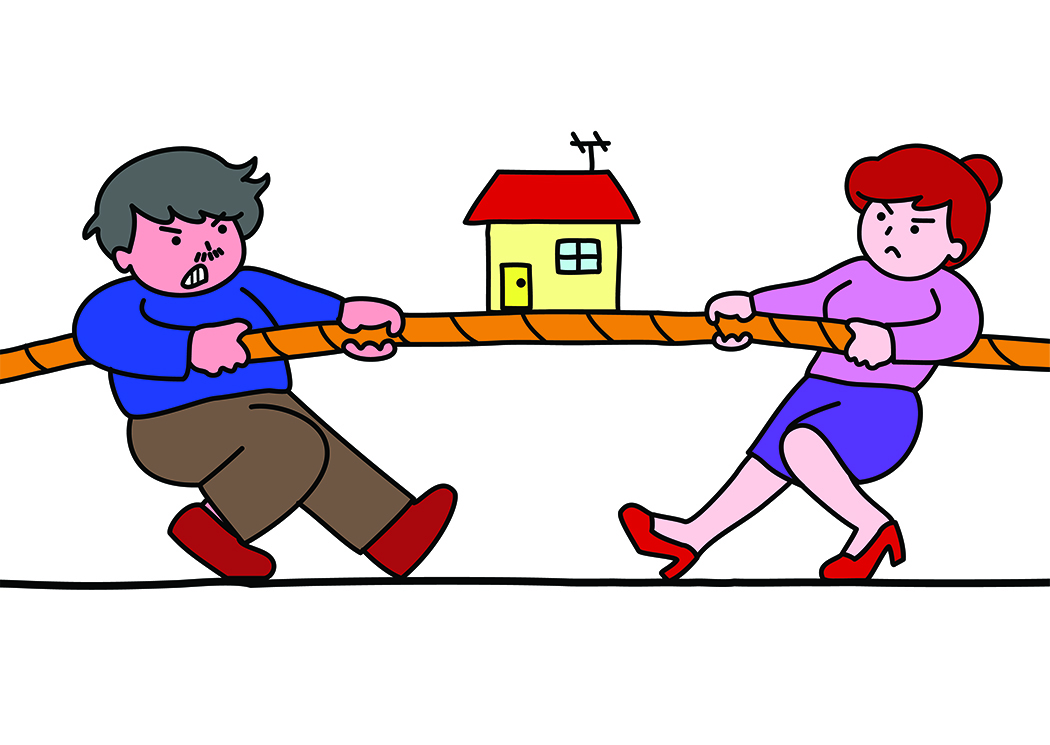
    I have noticed a troubling emerging trend in estate planning. More families are owning property with different generations. This could be because real estate in Hawai‘i is expensive to purchase and even harder to maintain and keep. It is further exacerbated in situations where there are multiple children beneficiaries and/or where the parents need to leverage the equity in the home for their care, and are unable to access the equity due to a lack of income. We have seen situations where the parent gives up some or all interest in the home to their children, in fractionalized interests, so that the children can pool their resources together to qualify for a HELOC or a mortgage.

    These situations are difficult to manage because of the conflicting intentions and layers of complex relationships. Parents want to preserve the home for their children; however, they also need the home for their long-term care. The children want to help their parents but have a family of their own and are also trying to plan for their own future. You can imagine problems surfacing when there are multiple owners with fractionalized interests, all with lives and families of their own. It’s a recipe for conflict, not a family legacy.

    To mitigate family conflict, be proactive about your legacy and start to plan now. If you find yourself in this situation or heading in this direction, contact your estate planning attorney to ensure a lasting legacy for you and your family.


    STEPHEN B. YIM, ATTORNEY AT LAW
    2054 S. Beretania St., Honolulu, HI 96826
    808-524-0251 | www.stephenyimestateplanning.com

    I have noticed a troubling emerging trend in estate planning. More families are owning property with different generations. This could be because real estate in Hawai‘i is expensive to purchase and even harder to maintain and keep. It is further exacerbated in situations where there are multiple children beneficiaries and/or where the parents need to…

  • Your Estate Plan: What NOT to Do

    Problems with your estate plan may not become apparent until it is too late to fix them. Here are some common pitfalls:

    Failing to plan for large expenses, such as long-term care. About 70 percent of us can expect to be completely incapacitated for some period of time before we die, so failing to have a “disability plan” in place can severely limit our options.

    Failing to update your estate plan, including beneficiary designations on bank accounts, investment accounts, retirement accounts and insurance policies. Review your estate plan at least annually, and update it as necessary.

    Failing to take steps to avoid family strife. Making your intentions clear is the first step. Building incentives (and disincentives) into your estate plan can nix courtroom battles.

    Putting your kids on the title to your stuff during your lifetime. You may be setting your loved ones up for capital gains taxes that could have been avoided and you may also be putting your assets at risk. Your kids’ creditors (or ex-spouses) could get their hooks into your assets while you still need them.

    Do your estate planning right and work with professionals. Shop around to find advisors who know what they are doing, will help you devise a workable plan and are worth their fees.


    SCOTT MAKUAKANE, Counselor at Law
    Focusing exclusively on estate planning and trust law.
    www.est8planning.com
    808-587-8227 | maku@est8planning.com

    Problems with your estate plan may not become apparent until it is too late to fix them. Here are some common pitfalls: • Failing to plan for large expenses, such as long-term care. • Failing to update your estate plan, including beneficiary designations on bank accounts, investment accounts, retirement accounts and insurance policies. • Failing…

  • Get Help Paying Health & Prescription Costs

    Female pharmacist discusses prescription medication with senior customer at pharmacy

    If you have limited income and resources,  you may qualify for help paying some healthcare and prescription drug costs. Fifty-two percent of seniors in Hawai‘i qualify for the Medicare Extra Help program.

    You may qualify for extra help if your yearly income and resources were below certain limits (the following are figures for 2021):

    • A single person must earn less than $22,470 and have less than $14,790 in resources.
    • Married persons must earn less than $30,300 and have less than $29,520 in resources.

    Resources include money in a checking or savings account, stocks, bonds, mutual funds and IRAs. Resources don’t include your home, car or household items, your burial plot, up to $1,500 for burial expenses per person or life insurance policies.

    If you qualify for Extra Help and join a Medicare drug plan, you will get help paying your plan’s costs and incur no late enrollment penalties.

    Drug costs in 2021 for people who qualify will be no more than $3.70 for each generic drug and $9.20 for each brand-name drug.

    For more information and to access an Extra Help application, visit socialsecurity.gov/i1020 or call Social Security at 1-800-772-1213.


    FINANCIAL BENEFITS INSURANCE INC.
    1311 Kapiolani Blvd., Ste. 504, Honolulu, HI 96814
    808-792-5194 | emotosue@fbihi.com
    www.fbihi.com | FB: Financial Benefits Insurance

    If you have limited income and resources,  you may qualify for help paying some healthcare and prescription drug costs. Fifty-two percent of seniors in Hawai‘i qualify for the Medicare Extra Help program.

  • Purpose Pals: A Kūpuna-Youth Connection

    Purpose Pals is a free, virtual intergenerational program led by Christy Nishita and Colby Takeda, in collaboration with Age-Friendly Honolulu, Blue Zones Project Hawaii, and the Hawaii Afterschool Alliance. Purpose Pals matches adults 50 and over with high school through college-age students, fostering regular communication using Big & Mini’s web-based video conferencing platform. The program provides themed conversation starters to ensure pals have enriching talk story sessions as often as they like.

    Most seniors have some form of mobile device. But early in the pandemic, the developers of Big & Mini realized that there was a need to connect older individuals with wonderful stories and experiences to younger generations. Soon, Big & Mini was born, shrinking the generational gap and helping to build meaningful intergenerational relationships.

    Purpose Pals creates new friendships, and even enables seniors with a lifetime of experience to become career mentors for their younger pals. Older pals say their younger pals lift their spirits.

    To become a pal or to bring Purpose Pals to your group, see the contact information below.


    PURPOSE PALS
    purposepals.org | info@purposepals.org

    Purpose Pals is a free, virtual intergenerational program led by Christy Nishita and Colby Takeda, in collaboration with Age-Friendly Honolulu, Blue Zones Project Hawaii, and the Hawaii Afterschool Alliance. Purpose Pals matches adults 50 and over with high school through college-age students, fostering regular communication using Big & Mini’s web-based video conferencing platform. The program…

  • Annual Wellness Visits to Stay Healthy

    During a Medicare Annual Wellness Visit (AWV), you and your doctor will focus on overall wellness, prevention and early disease detection.

    The AWV is designed to support you in taking an active role in managing your health and improving your well-being and quality of life. Doctors recommend the visit and encourage all Medicare patients to schedule one every year.

    One of the most valuable parts of the AWV is the creation of a long-term preventive care plan based on Health Risk Assessment; a current list of medical providers and medications; screening for cognition, hearing, functional status and fall risk; family history, health risk factors and age-specific preventive screenings.

    While both an annual physical and an AWV are important, they are not the same. During an annual physical, your doctor looks for signs of major problems and symptoms and conducts important routine tests.

    Medicare covers 100 percent of the AWV visit. You are not responsible for deductibles, co-payments or co-insurance amounts.

    Be your own advocate! Call your primary care doctor today and schedule your AWV.


    MDX HAWAI‘I
    500 Ala Moana Blvd., Ste. 2200, Honolulu, HI 96813-4993
    808-522-7500 | www.MDXHawaii.com
    MDX Hawai‘i has over 35 years of experience serving the people of Hawai‘i. Our physician network represents over 630 top primary care physicians, and more than 2,200 leading specialists and hospitals. MDX Hawai‘i contracts with Humana MO, Humana PPO and AARP/UnitedHealthcare PPO Medicare Advantage Plans.

    During a Medicare Annual Wellness Visit (AWV), you and your doctor will focus on overall wellness, prevention and early disease detection. The AWV is designed to support you in taking an active role in managing your health and improving your well-being and quality of life. Doctors recommend the visit and encourage all Medicare patients to…

  • Workers & Social Security

    Do you plan to pay a cleaning person, cook, gardener, babysitter or other household worker at least $2,300 in 2021? This amount includes any cash you pay for your household employee’s transportation, meals and housing. If you will pay at least $2,300 to one person, you have some additional financial responsibilities.

    When you pay at least $2,300 in wages to a household worker, you must do all of the following:

    • Deduct Social Security and Medicare taxes from those wages.
    • Pay these taxes to the Internal Revenue Service.
    • Report the wages to Social Security.

    For every $2,300 in wages, most household employees earn credits toward Social Security benefits and Medicare coverage. Generally, people need 10 years of work to qualify for:

    • Retirement benefits (as early as age 62).
    • Disability benefits for the worker and the worker’s dependents.
    • Survivors benefits for the worker’s family.
    • Medicare benefits.

    You can learn more about reporting household worker income by reading Household Workers at www.ssa.gov/pubs/EN-05-10021.pdf.


    Call SSA at 800-772-1213 (TTY 800-325-0778)
    Mon–Fri, 8:30am–3:30pm.
    Prince Kuhio Federal Building
    RM 1-114 FED BLDG, 300 Ala Moana Blvd, Honolulu, HI 96850

    Or use the SSA Office Locator at www.socialsecurity.gov to find the office closest to you.

    Do you plan to pay a cleaning person, cook, gardener, babysitter or other household worker at least $2,300 in 2021? This amount includes any cash you pay for your household employee’s transportation, meals and housing. If you will pay at least $2,300 to one person, you have some additional financial responsibilities.

  • Medicare: Increased Benefits for Veterans

    Many veterans don’t understand that the Veteran’s Administration (VA) offers a healthcare plan for veterans, reservists and members of the National Guard only.

    This healthcare plan is not available to all veterans, as eligibility and qualifications are required to receive these healthcare services.

    All medical treatment provided by the VA will be at VA facilities only; therefore, the veteran may have to travel long distances to access care.

    They may also have difficulty obtaining a second opinion for certain specialty treatments.

    Therefore, the VA recommends veterans turning 65 or those under 65 that qualified for Social Security Disability for more than two years should sign up for Medicare Part B when they are first eligible to enroll.

    If you didn’t get Part B when you were first  eligible, your monthly premium may go up 10 percent for each 12-month period you could have had Part B, but didn’t sign up.

    In most cases, you’ll have to pay this penalty each time you pay your premiums, for as long as you have Part B.

    Once a veteran qualifies for Medicare Part A and B, he or she has the option to enroll into a Medicare Advantage Plan, sometimes called “Part C” or “MA Plan.” Medicare Advantage Plans include hospital and outpatient services, with or without prescription drug coverage.

    Medicare Advantage Plans provide increased benefits for veterans. Some plans, at a $0 premium in addition to the Part B premium, will include added value enhancements to increase the veteran’s accessibility to care, such as non-VA emergency {Play} rooms and urgent care facilities, at lower costs.

    In 2021, there are Medicare Advantage Plans that may provide benefits for health club membership and dental service. Based on the veteran’s zip code, some plans will provide a reduction for their Medicare Part B premium.

    Finally, veterans with low income may now qualify for Extra Help or Medicaid Plan benefits with little or no out-of-pocket costs. Both programs can help with Medicare prescription drug program costs. Contact a licensed agent for more information on qualification guidelines and for application assistance.

    During these difficult times, healthcare and extra value benefits like these are critical for some seniors in order to help them reduce costs.

    Please contact a licensed agent specializing in Medicare Advantage Plans for more information and assistance.


    COPELAND INSURANCE GROUP
    1360 S. Beretania St., Ste. 209, Honolulu, HI 96814
    Phone: 808-591-4877 | Fax: 808-589-2399
    margaret@copelandgroupusa.com
    www.copelandgroupusa.com

    Many veterans don’t understand that the Veteran’s Administration (VA) offers a healthcare plan for veterans, reservists and members of the National Guard only. This healthcare plan is not available to all veterans, as eligibility and qualifications are required to receive these healthcare services. All medical treatment provided by the VA will be at VA facilities…

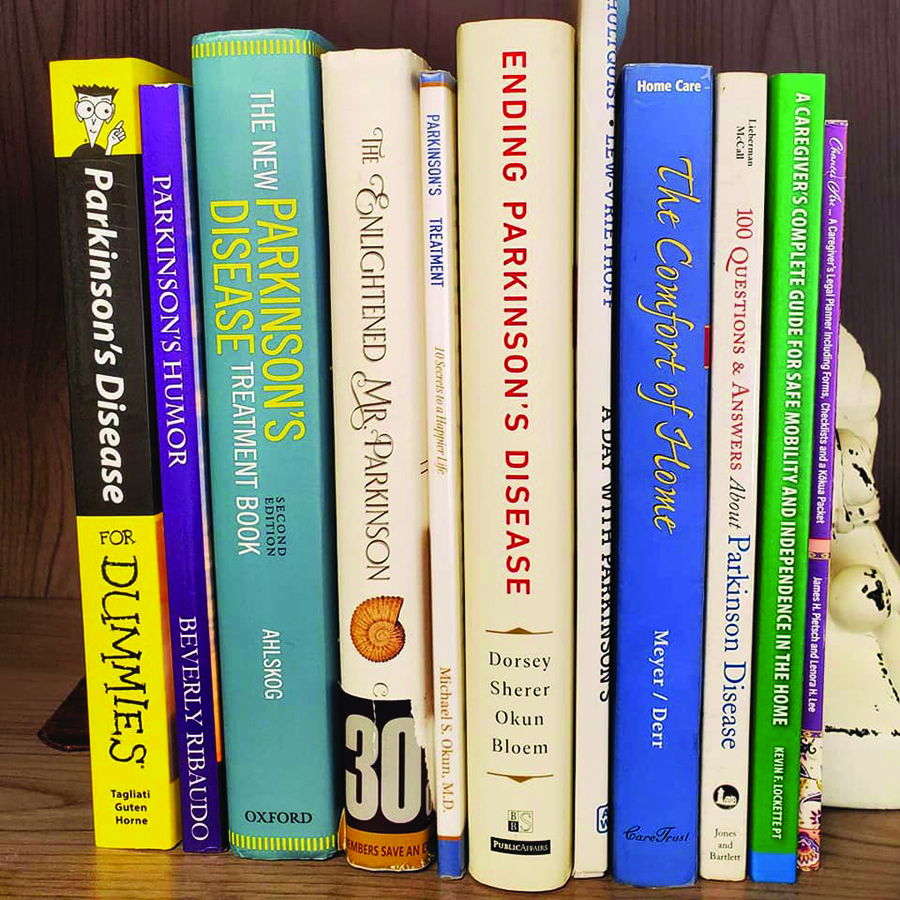
  • Help & Hope for Parkinson’s Patients

    In 1817, Dr. James Parkinson was the first person to systematically describe the symptoms of the disease that bears his name. In “An Essay on the Shaking Palsy,” he reported on three of his own patients and three persons whom he saw in the street.

    In honor of his contributions to Parkinson’s diagnosis and symptom treatment, World Parkinson’s Day is held each year on April 11, the doctor’s birthday.

    Although a cure has still not been found, the nonprofit Hawai‘i Parkinson Association (HPA), was established in 1996 to assist Parkinson’s disease (PD) patients and their family members live the best life possible by uniting people, organizations and resources to treat their symptoms.

    HPA RESOURCE CENTER

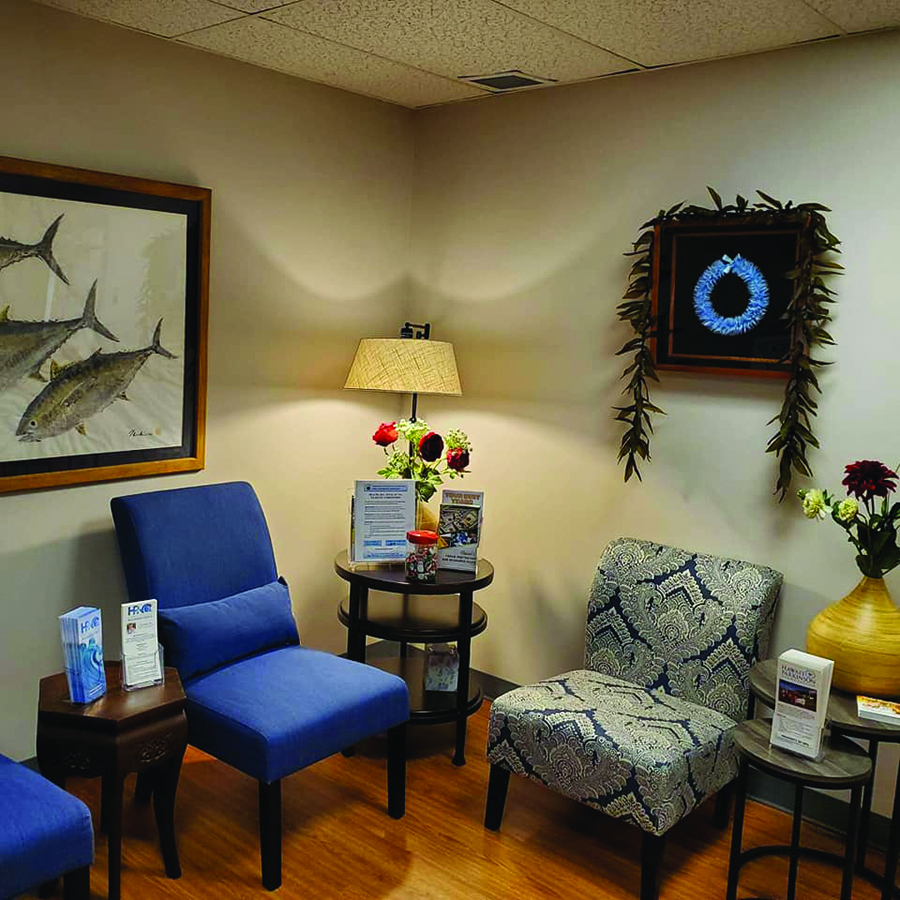
    For education and outreach, HPA recently opened a resource center at St. Francis Healthcare Center on O‘ahu. The center’s goal is to provide the members of the Parkinson community with the most up-to-date information available so they can conduct an informed discussion with their doctor about treating their symptoms.

    Anyone affected by or with an interest in Parkinson’s is welcome to visit the center and find information on physicians, support groups, exercise, medications, clinical drug trials and studies, lending and reference libraries, and general information on Parkinson’s.

    The primary tools used to assist people with Parkinson’s and their families are support groups. A patient has scheduled doctor visits every two to three months. In between visits, they can attend group meetings that provide emotional support and best practices for dealing with Parkinson’s.

    HPA volunteer groups are comprised of people with Parkinson’s, caregivers, family members and healthcare professionals. Volunteers also help educate and support ongoing research in finding the cause and cure. HPA supports the volunteer support group leaders by providing access to resources. Currently, there are approximately 25 HPA-affiliated support groups statewide.

    What is Parkinson’s Disease?

    Parkinson’s is a progressive neurodegenerative condition. It is categorized as a movement disorder because the condition generally includes tremors, slowness, stiffness, walking/balance problems and difficulty with speech/writing. The condition frequently includes non-motor symptoms, such as depression and memory problems.

    Although there is no cure for Parkinson’s, current treatments can help alleviate the symptoms but do not prevent or delay the progression of the disease. Even though there are broad similarities, symptoms and progression are unpredictable and vary from person to person.

    How is Parkinson’s Diagnosed?

    There is no specific test currently available that will generate a definitive Parkinson’s diagnosis. Rather, a diagnosis is based on an aggregation of a patient’s clinical history and both motor and non-motor symptoms observed during an exam by a neurologist. With no conclusive test and the large variation of symptoms among patients, misdiagnosis is not uncommon. Patients should strive to consult a movement disorder specialist (MDS) certified neurologist who has had  specialized training in Parkinson’s diagnosis and treatment.

    What Causes Parkinson’s?

    After a Parkinson’s diagnosis, people often ask how and why they got the disease. For most people, the root cause of Parkinson’s is unknown. However, research has revealed that Parkinson’s is caused by low dopamine levels in the brain. Dopamine helps transmit signals between the areas of the brain that control all purposeful movements, including talking, walking and writing. Low levels occur when the dopamine producing brain cells are dying while the body’s dopamine consumption remains constant.

    Research has indicated that the onset of Parkinson’s primarily has linkages to three environmental events: 1) genetics, 2) traumatic brain injury (TBI) and 3) prolonged exposure to certain pesticides and insecticides.

    It should be noted that these are linkages only, not hard rules. Not everyone who has an identified Parkinson gene will develop the condition. Not everyone who has had a TBI or been exposed to a pesticide will develop Parkinson’s. Research is ongoing worldwide to try and better understand the linkages as a clue to create a cure.

    How is Parkinson’s Treated?

    Treating the whole person is the key to the Parkinson’s patient having the best quality of life possible. This type of treatment requires a multidisciplinary approach of medication, exercise and caring for the general well-being in order to slow and/or mitigate physical symptoms.

    Medications typically work well in the early stages, but as PD progresses, patients typically experience increased drug-related complications, such as motor fluctuations and side effects. Exercise, including physical and occupational therapies, are important for a balanced and healthy lifestyle. Cardio exercise proves to be of greatest benefit, but all exercise is valuable.

    Nutrition, and spiritual and mental health are equally important in the daily treatment for long-term health and well-being of the PD patient.

    National STATs for Parkinson’s

    An estimated 1 million in the US and 8 million people worldwide currently live with PD.

    Parkinson’s affects 1 in 100 Americans over the age of 60. It is reported that there are an estimated 50,000 to 60,000 new cases diagnosed each year. Surveys show that 35 to 42 percent of cases go undiagnosed. With an aging population, better health education and more effective treatments, it is anticipated that the prevalence of Parkinson’s will increase substantially in the next 30 years.

    By 2050, the number of people with Parkinson’s is expected to double.

    The average age of onset is approximately 62 years old; however, 10 to 20 percent of persons with Parkinson’s are diagnosed before the age of 50. The under-50 group is referred to as people with Young-Onset Parkinson’s Disease (YOPD).

    According to a 2019 study, the 1 million Parkinson’s patients in the US cost an estimated $52 billion per year in direct and indirect costs, or an average of $52,000 per person, per year.

    PARKINSON’S IN HAWAI‘I

    Based on a 2018 study, there are approximately 6,800 people aged 45 years and older living with Parkinson’s in Hawai‘i, with another approximately 2,500 undiagnosed.

    To treat these people, there are seven O‘ahu-based neurologist who have the expertise and/or experience to be called Parkinson’s experts: two at Queen’s Medical Center in Honolulu, two at Kuakini Medical Center, one at Hawaii Pacific  Neuroscience, one at the Pacific Health Research and Education Institute (an affiliate of the VA Pacific Islands Health Care System) and one at Kaiser Permanente.

    In Hawai‘i, the economic burden on the local economy is approximately $350 million per year. This onus primarily falls to the insurance companies and families of the patients, as many people with Parkinson’s are retired or disabled.

    To make a contribution, click on “Make a Donation” at www.parkinsonshawaii.org.


    HAWAI‘I PARKINSON ASSOCIATION (501(c) 3 nonprofit)
    808-219-8874 | info@parkinsonshawaii.org
    www.parkinsonshawaii.org
    HPA RESOURCE CENTER
    2228 Liliha St., Ste. 206, Honolulu, HI 96817
    808-762-0600 | resourcectr@parkinsonshawaii.org
    Hours of Operation: Tues 9am–3pm, Wed 8am–4pm, Fri 9am–3pm, and by appointment

    Although a cure has still not been found, the nonprofit Hawai‘i Parkinson Association (HPA), was established in 1996 to assist Parkinson’s disease (PD) patients and their family members live the best life possible by uniting people, organizations and resources to treat their symptoms.

  • How to Wear a Mask With Hearing Aids

    Elderly man with hearing aid in the ear and surgical mask, close-upHearing aid wearers know the difficulty of getting the elastic bands of their protective face mask tangled up with their hearing aid. Hearing aids can fly out when removing a mask. I have seen many patients with lost and damaged hearing aids due to this problem.

    Here are seven tips that will help protect your hearing aids and stop you from losing them.

    1. Put your hearing aids in first, then the mask.

    2. Practice in the mirror. Work on refining your technique until you can remove your mask and keep your hearing aids in place.

    A man standing back to camera tying a medical gauze mask on dark.Virus preventive methods. plastic that holds a facial mask on the back of the head

    3. Long hair adds to the problem. Pull long hair back in an elastic hair tie or bun.

    4. Don’t secure your mask to your ears. Instead, use button extensions to secure your mask at the back of your head.

    5. Use four-string masks. They also tie behind the head rather than on the ears.

    6. Check your hearing aid during and following the removal of your mask.

    7. Remove your mask in a clear area so if the hearing aid comes out, you can find it easily.


    OHANA HEARING CARE
    1296 S Beretania St., Ste. 102, Honolulu, HI 96814
    808-593-2137 | www.ohanahearingcare.com

    Hearing aid wearers know the difficulty of getting the elastic bands of their protective face mask tangled up with their hearing aid. Hearing aids can fly out when removing a mask. I have seen many patients with lost and damaged hearing aids due to this problem. Here are seven tips that will help protect your…

  • Bad Breath: Is It Poor Oral Hygiene?

    Bad breath

    Chronic bad breath can be embarrassing, but it can also tell you what’s going on with your mouth or body, such as underlying medical conditions, stress, hormonal changes, dry mouth and poor oral hygiene.

    Bad breath can be caused by a few things: bacteria, decaying food, infected gums, smoking and even an empty  stomach.

    Make sure your oral health is in good shape by maintaining a solid routine of brushing at least twice a day, flossing daily and seeing your dentist twice a year. Your dentist can tell right away if your gums or other parts of your mouth are  causing bad breath. It’s important to also gently brush your tongue each day, as bacteria tends to cling to the back of the tongue.

    What you eat and drink also plays a  key role in maintaining good oral health. A healthy diet of fruits and vegetables (and yes, even garlic) helps keep your teeth strong and clean. Limiting sugary foods will help prevent cavities, and drinking lots of water helps flush away food debris and bacteria from the mouth.

    There is no better time than now to schedule an appointment with your dentist to kick bad breath and poor oral health aside so you can live well and smile more.


    HAWAII DENTAL SERVICE
    Kahala Howser, Wellness & Events Manager
    808-521-1431 | khowser@hawaiidentalservice.com
    www.HawaiiDentalService.com

    Chronic bad breath can be embarrassing, but it can also tell you what’s going on with your mouth or body, such as underlying medical conditions, stress, hormonal changes, dry mouth and poor oral hygiene. Bad breath can be caused by a few things: bacteria, decaying food, infected gums, smoking and even an empty  stomach.