Category: April – May 2016

  • Message From The Editor – April / May 2016

    May is Older Americans Month and the theme for 2016 is “Blaze a Trail.” In so many ways, seniors in Hawai‘i are already doing just that — leading our nation in health, longevity and productivity. Four decades ago, Lanakila Multi Purpose Senior Center was an “experimental” club for seniors. Today, it’s one of the hundreds of senior clubs throughout our state where seniors may socialize, undertake meaningful activities and serve the community. In addition to clubs, seniors volunteer in nonprofits, contribute to the care of their grandchildren and support community projects and charities. Be sure to reflect on your personal achievements this year. Sustaining a healthy, active and meaningful life — regardless of age — requires focus and discipline. Supporting what is important to you and your family, and making your community just a little better takes a commitment of time and energy. We celebrate all you do to live well.

    Generations Magazine - April-May 2016 - Editors Note - image 01May is also Memorial Day, and the Boy Scouts of America Aloha Council prepares and will be collecting lei to decorate the graves of veterans, as a part of the Good Turn For America Service Program. Watch for publicity on your island to donate or get involved making ti leaf lei. This is a wonderful way to help youth honor our veterans.

    This issue’s Giving Care section authors come at this topic from several perspectives. It drives home the idea that we are all different, with many ways of looking ahead (or avoiding) end-of-life. One common thread is that if you have expectations about your care, where you want to pass your last days, or who will receive your treasures, it’s best to make your intentions clear — while you are of sound mind and body. Our contributors share a lot of wisdom on planning, too.

    As always, we thank you for supporting Generations Magazine® and our partners, who are committed to bringing excellent resource information to seniors and their families.
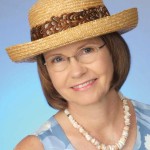
    Generations Magazine - Editors Note - Katherine Portrait
    Every Day is Brand New!
    Katherine Kama‘ema‘e Smith, Associate Editor
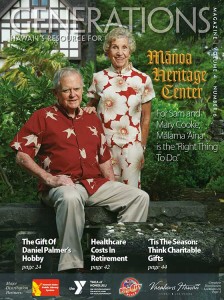


    Generations Magazine - April-May 2016 - Editors Note - image 02A Special Note: In January, Hawai‘i lost Sam Cooke, a captain of business who de-scended from missionaries and worked tirelessly to support conservation, Hawaiian history and fine arts. Manoa Heritage Center is a living legacy of his deep love for Hawai‘i. Sam and Mary Cooke told us their story and graced our cover in Dec/Jan 2015. To their family and friends we extend our deepest condolences.

    May is Older Americans Month and the theme for 2016 is “Blaze a Trail.” In so many ways, seniors in Hawai‘i are already doing just that — leading our nation in health, longevity and productivity. Four decades ago, Lanakila Multi Purpose Senior Center was an “experimental” club for seniors. Today, it’s one of the hundreds of senior…

  • A Hand Up for Humanity

    Honolulu Habitat for Humanity is great, but what do they do? Here’s what Executive Director Jim Murphy told us.

    “In over 70 countries, Habitat For Humanity’s mission is to ensure that everyone has a decent place to live­ — by building new homes or fixing existing ones. Land is so costly in Hawai‘i that our work here is largely repairs.

    Generations Magazine - April-May 2016 - A Hand Up for Humanity - image 01

    “People often think that Habitat for Humanity gives houses away to families in need,” says Murphy. “In fact, we partner with the homeowner, who assists with the repair project and assumes a zero interest mortgage to cover the costs of materials and labor.” Murphy calls it a “pay-forward sustainable model,” a kind of “hand up.” When homeowners pay back the mortgage, Habitat loans the money to other families.

    Candidates for Habitat Honolulu’s Home Preservation Program may be covering their monthly expenses, but cannot afford to make repairs. Perhaps the home is unsafe, or the roof is leaking. Families may not be able to qualify for a bank loan. Others may be one illness or one job loss away from being homeless. Habitat steps in as an equity partner to help the homeowner get a new roof, ramps for wheelchair access, or repair termite damage. Small home preservation projects like installing new carpeting or bathroom grab bars to prevent falls can make a big difference in the safety, value and appearance of a home.

    Habitat for Humanity also pulls in community volunteers to do the construction at a very low cost. They provide professional financial counseling and usually homeowner partners are able pay back their loan within seven years.

    If you live on O‘ahu and need assistance or want to donate your skills, contact T.J. Joseph at 808-538-7575. You may also donate new and lightly used appliances, building materials and furniture to the Honolulu Habitat for Humanity ReStore on Austin Lane. It’s a great place to find bargains for your home improvement projects! All sales fund Honolulu Habitat’s mission. Neighbor islands may google search “Habitat for Humanity” for the location of your local Habitat for Humanity and nearest ReStore.


    HONOLULU HABITAT FOR HUMANITY
    922 Austin Lane, #C-1, Honolulu, HI 96817

    808-538-7575  |  tj@honluluhabitat.org

    Honolulu Habitat for Humanity is great, but what do they do? Here’s what Executive Director Jim Murphy told us. “In over 70 countries, Habitat For Humanity’s mission is to ensure that everyone has a decent place to live­ — by building new homes or fixing existing ones. Land is so costly in Hawai‘i that our work here…

  • Do You Know A Medicare Hero?

    Hero: “a person of distinguished courage or ability, who has performed a heroic act, and is regarded as a model or ideal.”

    I think every longtime Medicare beneficiary fits this definition. Some deal with their own chronic illness, pain and health threats while they care for a sickly loved one. One couple had been on Medicare for more than a decade. A recent stroke paralyzed the husband’s left shoulder, arm and hand, making it difficult to care for his bedridden wife. This setback did not dim his healthy glow and sparkling eyes. Despite these health challenges, the couple invited me into their lovely home to review their Medicare plan options. They had done their homework and understood all the plans they might choose. They asked all the right questions to determine which plan would work best, and they chose wisely. The walls of their home were filled with family pictures and amateur sports trophies awarded in the 60s — evidence of a rewarding life that pales when compared to their heroic efforts to make the best of their lives in 2016. Their home is bright and cheery, even with dozens of medical supplies filling the tables and countertops. Still, I was offered a refreshing iced tea and a tasty frozen ice cream cone as we talked story for more than an hour.

    The lesson for Baby Boomers is to stay healthy and mobile as long as you can, but wisely choose your Medicare health plan — be the champion of your health and plan to be a hero for those that you love.


    808-230-3379  |  getmartha@aol.com
    Medicare Moment With Martha
    A radio program with Martha Khlopin on KHNR-690AM:
    Saturdays, 2 pm–2:30 pm, Sundays, 9:30 am–10 am

    Hero: “a person of distinguished courage or ability, who has performed a heroic act, and is regarded as a model or ideal.” I think every longtime Medicare beneficiary fits this definition. Some deal with their own chronic illness, pain and health threats while they care for a sickly loved one. One couple had been on…

  • Prepare to Care for a Loved One

    Do you use your lunch hour or leave work early to run errands for your parents? Spend more time tending to mom’s prescriptions than your own?

    As our parents age, it’s more a matter of when, not if, they will need our help. In a recent AARP survey of Hawai‘i registered voters age 45 or older, more than one in five residents said they are currently providing care for a loved one. Four in 10 residents believe it’s likely they will do so in the future.

    As Hawai‘i ages, we know that many families don’t have a plan in place to support their parents when the time comes. That’s a problem because one day you may get a call that mom or dad has slipped in the shower and has been admitted to the hospital. At that point, emotions take over. By taking some immediate steps today you can be better prepared for the future:

    Start the Conversation

    Many people wait until a crisis occurs before they ask their parents about their preferences, wishes for health care or the details of their finances. If you wait until a fall, accident or serious diagnosis, big decisions may be driven by inaccurate assumptions of what your parents want.

    Form your Team

    No one should approach the emotions and responsibilities of caregiving alone. While other family members are likely sources of support, don’t overlook friends, colleagues, clubs and faith-based organizations as resources too.

    Make a Plan

    Putting together a caregiving plan now will help you respond more quickly and effectively. It can also provide peace of mind. A plan helps everyone get on the same page and focus on what’s best for your parents.

    Find Caregiving Resources

    Look around your community for resources to help with medical needs, counseling, legal support, adult and senior services, caregiving support groups, in-home care services, veterans’ benefits, and health insurance information on Medicare, Medicaid and long-term care insurance.

    It’s also important to be an advocate for yourself and the person you care for. At the Hawai‘i state legislature this year, AARP Hawaii is part of a coalition of advocates working on a measure that will allow patients to designate a family caregiver when a loved one is admitted to the hospital. The proposed CARE Act would require hospitals to give all inpatients the opportunity to have the designated caregiver instructed, before discharge, in the tasks needed to keep them safe when they go home. The bill is meant to help caregivers with training and education on medical and nursing tasks at home, and prevent costly unscheduled hospital or doctor visits.


    AARP CAREGIVING RESOURCE CENTER
    1-877-333-5885  |  www.aarp.org/caregiving

    Do you use your lunch hour or leave work early to run errands for your parents? Spend more time tending to mom’s prescriptions than your own? As our parents age, it’s more a matter of when, not if, they will need our help. In a recent AARP survey of Hawai‘i registered voters age 45 or…

  • May is Older Americans Month

    Generations Magazine - May is Older Americans Month - Image 01
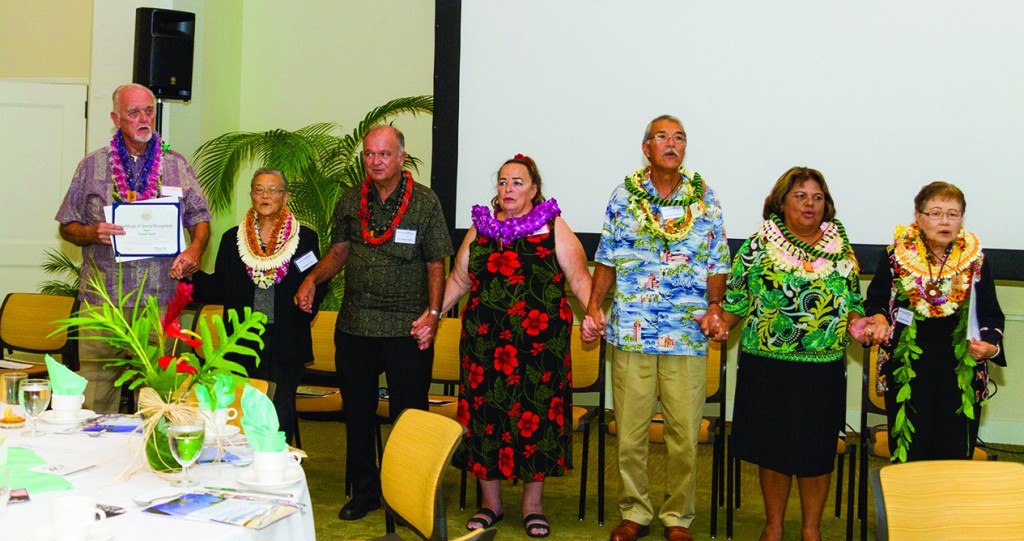
    2015 Outstanding Older American Honorees: (left to right) Maui: Donald Jensen & Katsuko Enoki, Kaua‘i: Roger Caires & Pat Simpson, Honolulu: Alan Kumalae & Yolanda Morreira, Hawai‘i: Janet Murakami

    We can’t overlook what our elder community (289,000 over 60 years) have contributed to the quality of life we share in Hawai‘i. In May, celebrations throughout the state recognize years of continued hard work and positive contributions that senior citizens make to their communities throughout Hawai‘i.

    In 1963, John F. Kennedy established May as Senior Citizens Month. Kennedy recognized community contributions made by his parents’ generation, who fought and won two world wars. From the Great Depression, they worked hard to create a quality of life envied the world over.

    In 1965, Lyndon Baines Johnson signed the Older Americans Act, addressing elder needs, and May became Older Americans Month.

    On May 6, Kaua‘i and Hawai‘i counties will celebrate older Americans, followed by Honolulu and Maui County later in the month. Each County Area Agency on Aging (AAA) receives dozens of nominations from which they select two awardees—just eight for the state. They come from various volunteer groups, community associations, churches and senior centers.

    Patricia Simpson, was completely surprised at her nomination by Kaua‘i’s Hospice group, Share the Care. “I‘ve always looked at volunteering as a way to give back. Getting this kind of recognition was a totally unexpected gift,” she said.

    The state recognizes these awardees and Older Americans Month on June 3, at a luncheon co- operatively hosted by state offices and agencies, and led by the Executive Office on Aging (EOA). The event is organized by the Policy Advisory Board for Elder Affairs (PABEA), a volunteer board appointed by the governor to identify and address issues on aging in Hawai‘i. They advocate for legislative action and elder services program development; they also evaluate current efforts to improve the quality of life for citizens 60 years of age and older. The theme for 2016 Older Americans Month is “Blaze a Trail,” urging seniors to take action and advocate for themselves.


    The 2016 State Recognition Luncheon event will be hosted by Kahala Nui Living Center. Seating is limited and by invitation only. To contribute to the support of this event or for further information, contact the Executive Office on Aging at 808-586-0100.

    We can’t overlook what our elder community (289,000 over 60 years) have contributed to the quality of life we share in Hawai‘i. In May, celebrations throughout the state recognize years of continued hard work and positive contributions that senior citizens make to their communities throughout Hawai‘i. In 1963, John F. Kennedy established May as Senior…

  • I Never Knew That About Hospice

    Kokua Mau is Hawai‘i’s resource for accurate information on hospice and palliative care services. Visit them online. Then call your health insurance company or local hospice to have all your questions answered. What people say about hospice is sometimes inaccurate:

    I don’t need Hospice. Mom’s not in a coma yet.

    Hospice care starts when your doctor says your loved one will probably not survive more than six months. Support from Hospice nurses, doctors, social workers, chaplains and aides can begin at any level of care. There is no need to wait.

    Dad doesn’t want to go to Hospice. He wants to die at home.

    Hospice does some work in facilities, but the Hospice team supports most patients and caregivers at home, in the comfort of familiar surroundings.

    We want to keep the home caregiver we have.

    Hospice joins the care team already in place, providing another level of support for the family and the patient. Hospice is dedicated to making patients comfortable.

    If Dad lives longer than six months, Hospice will kick me out.

    Not so. As long as a doctor recertifies that your loved one has a six-month or less prognosis, hospice service continues. If your loved one gets better, Hospice comes back whenever he/she is eligible again. You don’t “use up” Hospice.


    KOKUA MAU
    P.O. Box 62155, Honolulu, HI 96839

    808-585-9977  |  Info@kokuamau.org  |  www.kokuamau.org

    Kokua Mau is Hawai‘i’s resource for accurate information on hospice and palliative care services. Visit them online. Then call your health insurance company or local hospice to have all your questions answered. What people say about hospice is sometimes inaccurate: I don’t need Hospice. Mom’s not in a coma yet. Hospice care starts when your…

  • Make Your Dream Home Come True

    Generations Magazine - Wisdoms - Make Your Dream Home Come True

    You have the resources to turn your house into the dream home you’ve always wanted. Now, what? Here are some tips to help you plan your remodel.

    Compile your wish list.

    Prioritize your list by identifying what projects and features are important to you and your lifestyle. Use your list to determine the scope and budget of your remodel. Consider breaking your project into phases to make it more manageable if you have a big list.

    Select your contractor — carefully.

    Personal and professional referrals can help you narrow your search for a quality contractor. Find someone you trust professionally, who understands your taste, budget and lifestyle. Make sure your contractor has the bandwidth of employees or subcontractors to complete the work in a timely fashion. Be sure insurance is in place.

    Set your budget, with contingencies.

    Remodeling projects — especially those involving older homes — often reveal surprises that require you to re-evaluate your budget and timeline. For best success, allocate 15 to 20 percent of the project estimate for contingencies. If the project nears completion with your contingency budget still in place, you could upgrade the finishing touches.

    Review the contract before signing.

    Once you’ve agreed on the scope of work , timelines and how contingencies will be handled, your contractor should provide a detailed contract that clearly documents key features or unique aspects of the project. Check that it includes a lien waiver clause, which ensures subcontractors and suppliers will have been paid before you make the final payment.

    Understand how you’ll pay.

    Most contractors require a down payment to get your project rolling. The remaining budget is usually paid in regular installments or as major work is completed (i.e., electrical work, plumbing). The difference between these options can be significant. Review your budget with a financial professional who can help you manage your cash flow.

    Keep remodeling receipts on file.

    Energy efficiency improvements resulting from your remodel may be eligible for tax credits through 2016. And if you sell your home down the road, your remodeling costs may help reduce your capital gains tax. To be eligible, you must show that these expenses enhance the value of your home and are not for general upkeep.


    MICHAEL W. K. YEE, CFP
    1585 Kapiolani Blvd., Ste. 1100, Honolulu
    808-952-1222 ext. 1240 | michael.w.yee@ampf.com

    Michael W. K. Yee, CFP®, CFS®, CLTC, CRPC®, is a Financial Advisor, Certified Financial Planner ™ practitioner with Ameriprise Financial Services, Inc. in Honolulu, HI with Na Ho’okele Financial Advisory Team, a financial advisory practice of Ameriprise Financial Services, Inc. He offers fee-based financial planning and asset management strategies and has been in practice for 29 years.
    Investment advisory products and services are made available through Ameriprise Financial Services, Inc., a registered investment adviser.
    Ameriprise Financial Services, Inc. Member FINRA and SIPC
    ©2016 Ameriprise Financial, Inc. All rights reserved. File #1397316

    You have the resources to turn your house into the dream home you’ve always wanted. Now, what? Here are some tips to help you plan your remodel. Compile your wish list. Prioritize your list by identifying what projects and features are important to you and your lifestyle. Use your list to determine the scope and…

  • Controlling Cancer

    I grew up with cancer in my family. When I was six months old, my father was diagnosed with colon cancer and had the left side of his colon removed. In 1951, he had a permanent colostomy placed so that he could have bowel movements through the side of his abdomen. In those days, my father was the only person I can recall surviving cancer. He lived another 40 years.

    Growing up, I always wondered why there was no cure for cancer. This is why I became a doctor and why I serve as associate chair of the Department of Complementary and Alternative Medicine at the University of Hawaii School of Medicine.

    Cancer is the second leading cause of death in the U.S. and soon will be first. Through my medical training, I kept looking for alternatives to surgery, chemotherapy and radiation — standard treatments offered to cancer patients. Though sometimes needed to remove and shrink tumors, these approaches are harsh and can cause debilitation and even death. I always thought there should be other ways to deal with cancer.

    Now, we are finding additional treatments that are not so toxic: hormone therapy, immunotherapy, nutritional therapy and dietary supplements. Right now the University of Hawaii Department of Complementary and Alternative Medicine is seeking funding to do cancer research on fermented Noni and the Ganoderma mushroom.

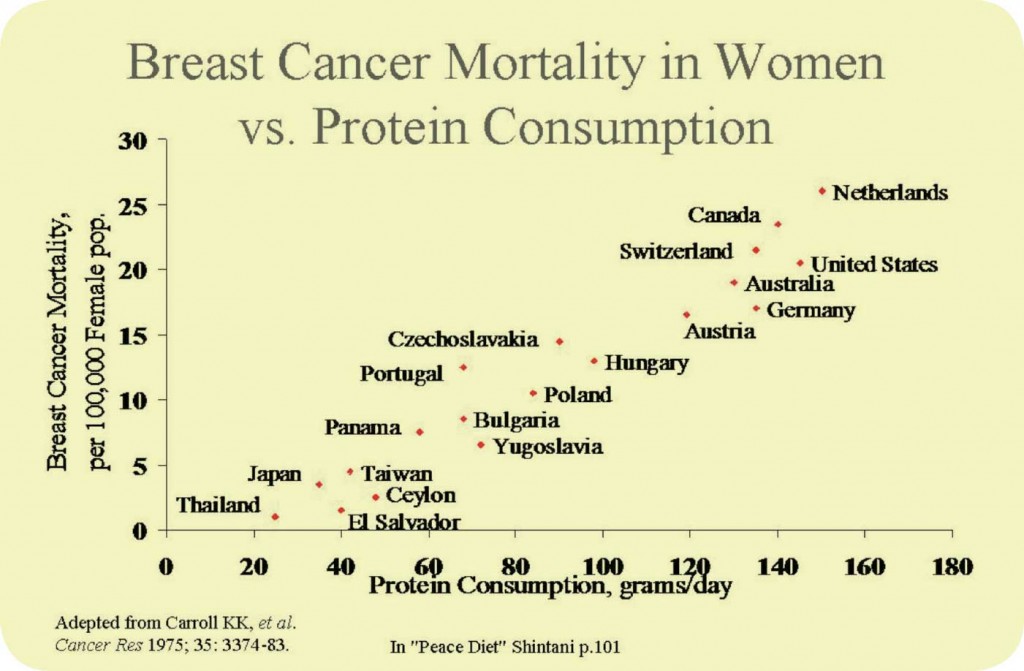
    Look at this graph that compares protein con-
sumption and death from breast cancer. It should be obvious that nutrition plays a pivotal role in cancer. Similar graphs show the relationship between dietary fats and colon, prostate and breast cancer mortality. The China Study by Dr. T. Colin Campbell suggests that dairy products promote the growth of cancer. Another shows that insulin and IGF-1 (insulin-like growth factor) also promote the growth of cancerous cells. Further research finds that eating processed carbohydrates raises insulin and animal products raise IGF-1.

    Generations Magazine - April-May 2016 - Controlling Cancer - image 01
    Several U.S. doctors are applying these concepts in a dietary approach to help control cancer. I explain this modality in Chapter VIII of the Peace Diet book at www.peacediet.org. Basically, cancer responds to a balance between your immune system and factors that promote cancer growth. Whether you receive conventional therapy or not, it makes sense to tip the balance toward a healthy immune system and away from tumors or disease by adopting a healthy diet and lifestyle.


    WELLNESS CENTER Complimentary & Alternative Medicine
    600 Queen St., Ste. C2, Honolulu HI 96813

    808-628-8784  |  www.drshintani.com

    I grew up with cancer in my family. When I was six months old, my father was diagnosed with colon cancer and had the left side of his colon removed. In 1951, he had a permanent colostomy placed so that he could have bowel movements through the side of his abdomen. In those days, my…

  • Ask Your Pharmacist

    Generations Magazine - April-May 2016 - Ask Your Pharmacist - image 01According to the American Society of Consultant Pharmacists, people 60 – 69 years old take nearly 14 prescriptions per year, and those 80 – 84 take an average of 18. While medications do help improve the quality of life for seniors, so do pharmacists. A pharmacist can help you understand when and how to take your medicines, what side effects you might expect and what interactions may occur between drugs. A pharmacist can answer your questions privately in the pharmacy or over the telephone:

    Ask if there are lower cost brand name products or generic equivalents.

    Your pharmacist should offer assistance to lower out-of-pocket expenses.

    Ask questions you have about your medications.

    Ask for a list of medications on file with the pharmacy to discuss with your doctor.

    Ask for written information about your medicines — is it available in large type or your native language?

    Many pharmacists keep track of customer medications on their computer. Buy your medicines at one store so your pharmacist can make sure all your prescription drugs, over the counter medicines and dietary supplements, won’t interact harmfully with one another.

    Find a pharmacist who cheerfully participates in your healthcare and has the answers.


    BYRON N.YOSHINO, PHARM.D.
    3375 Koapaka Street, Suite G320, Honolulu, HI 96819

    808-836-0223  |  www.PharmacareHawaii.com

    According to the American Society of Consultant Pharmacists, people 60 – 69 years old take nearly 14 prescriptions per year, and those 80 – 84 take an average of 18. While medications do help improve the quality of life for seniors, so do pharmacists. A pharmacist can help you understand when and how to take your medicines, what side…

  • Aquatic Therapy for Rheumatoid Arthritis

    Generations Magazine - April-May 2016 - Aquatic Therapy for Rheumatoid Arthritis - image 01Many confuse rheumatoid arthritis (RA) with osteoarthritis (OA), which stems from different causes and demands a separate therapeutic program. Unlike OA, RA is an autoimmune disorder that affects any age. Onset and loss of mobility may appear almost overnight.

    Sanchia Roberts awoke one morning in 1999 unable to move due to crippling pain. Since then, RA has affected almost all her joints, and her ability to walk independently. Fortunately, Sanchia discovered the benefits of aquatic therapy. “The warm water relieves my pain. My balance, flexibility, strength and confidence improved so much that now I can walk in my house without help and get up from a chair with greater ease.” She surprised herself the other day, “I spilled something on the floor and I was able to pick it up!”

    Patients with RA often get caught in a cycle of pain, fatigue and demotivation, leading to inactivity, which increases pain. Aquatic therapy helps break this cycle by reducing the load on joints, allowing patients to increase muscle strength and achieve aerobic conditioning. Aquatic therapy altered the way Sanchia lives her life with RA — for the better.


    MOON PHYSICAL THERAPY, LLC
    320 Ward Avenue, Suite 107, Honolulu, HI 96814

    Aquatic, Land-based and Manual Therapy and 
Cardiopulmonary Rehab Programs
    808-597-1005  |  www.moonpt.com

    Many confuse rheumatoid arthritis (RA) with osteoarthritis (OA), which stems from different causes and demands a separate therapeutic program. Unlike OA, RA is an autoimmune disorder that affects any age. Onset and loss of mobility may appear almost overnight. Sanchia Roberts awoke one morning in 1999 unable to move due to crippling pain. Since then,…

  • Signs of Hearing Loss

    Generations Magazine - April-May 2016 - Signs Of Hearing Loss - image 01Hearing loss is so gradual that many are not aware their hearing has deteriorated, due to medical conditions, ear infections, ear infections, illness, traumatic injury or prolonged exposure to noise. Hearing loss is not like listening with the volume turned down. Instead, you may notice that certain spoken sounds, like “sh,” “th,” and “f” are more difficult to hear. That’s why people often say they can hear, but can’t understand what is being said.

    If you suspect you may be experiencing hearing loss, consider these questions:

    • Do you often ask others to repeat themselves?
    • Do others ask you to turn down the TV/radio?
    • Is it more difficult to understand conversation when there is background noise?
    • Do people seem to mumble all the time?
    • Do you have difficulty following group conversations?
    • Do you find it difficult to identify from which direction sounds are coming?

    If you answered yes to any of these questions, you may have hearing loss. It is important to talk to an audiologist, who can determine the type and degree of hearing loss and methods to improve your hearing. Don’t wait until you fail to hear that truck backing up!


    HEARING CENTER OF HAWAII
    Dr. Howard Tamashiro, Audiologist
Honolulu and Pearlridge Offices
    808-597-1207   |  www.hearingcenterofhawaii.com

    Hearing loss is so gradual that many are not aware their hearing has deteriorated, due to medical conditions, ear infections, ear infections, illness, traumatic injury or prolonged exposure to noise. Hearing loss is not like listening with the volume turned down. Instead, you may notice that certain spoken sounds, like “sh,” “th,” and “f” are…