Category: Wisdoms

  • Please Take Your Car Keys!

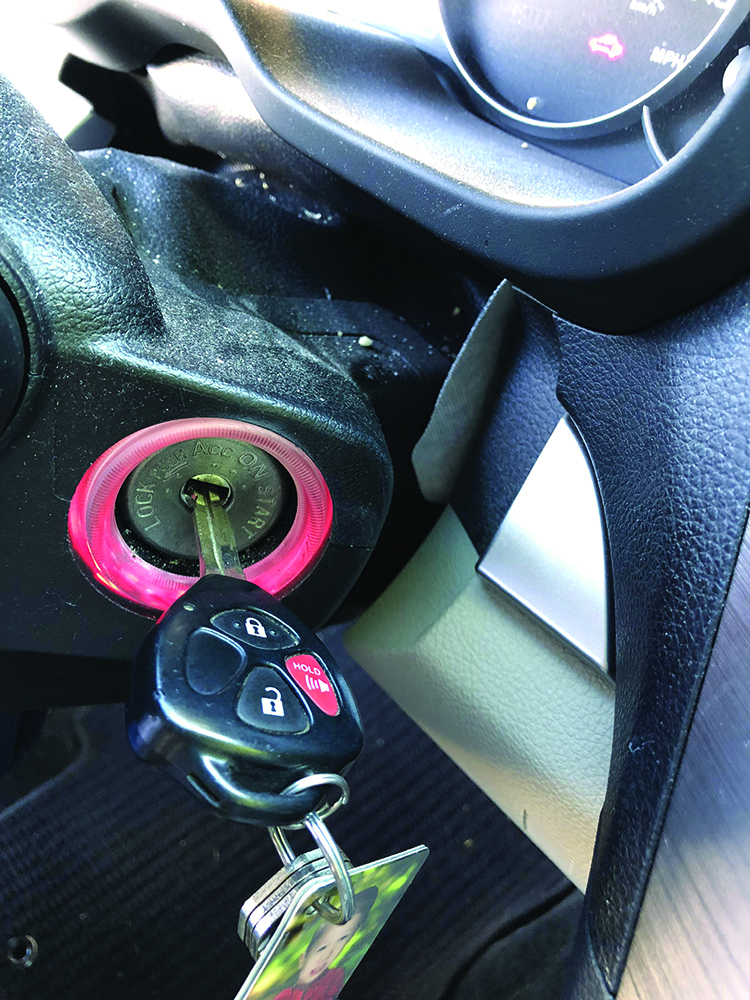
    {Play}You would not place a welcome mat outside your car for criminals or hire someone to waive around a sign by your vehicle saying “steal this,” but that is exactly what many drivers do when they leave their keys in their vehicles.

    As a prosecutor, no crime gets me more upset than one that could have been easily prevented. It seems like a common occurrence for the police to call me to tell me they arrested a car thief who stole a car with the keys left in it.

    Just last month, an elderly gentleman from Waianae had his classic car taken from his garage; in Ewa Beach, a woman had her car taken from a restaurant parking lot; in downtown Honolulu, a law partner had his $100,000 Tesla taken from a parking garage. They had all left keys in the car.

    One might think that these drivers got what they deserved and should suffer the consequences of their lapses in judgement, but the crime does not stop with the single stolen car. Over the past months, my office has seen stolen cars used in a series of purse snatchings that have resulted in injuries to elderly victims; stolen cars smashing into storefronts (like Macy’s at Ala Moana) and thefts from big box stores. These crimes most likely would not have occurred if the criminal was forced to use his or her own vehicle that could easily be traced to the owner.

    Drivers need to realize that car thieves are lazy losers for the most part. If they feel your car is too difficult to steal, they’ll just give up on your car and go home. Or they might go to another vehicle if that driver left his or her keys in the car (they are seemingly everywhere and easy to find).

    If you do have the wherewithal to remove your keys from the car while out and about, another bit of advice would be to not make your keys easily accessible in your garage or home.

    Last week, a criminal who was fleeing from the police ran into an open garage, opened the connecting door to the house, and simply reached in and grabbed the car keys. He was able to easily start the car and avoid arrest. We often see car thefts in association with home burglaries, because the keys are easy to find and make carting off stolen items from the house convenient with the victims even supplying the getaway car!

    So please take your keys and avoid unnecessary frustration and financial loss. You will also be stopping potential ripple effects, including other crimes that can be committed with your car.


    If you suspect elder abuse, call these numbers:
    – Police: 911
    – Adult Protective Services: 808-832-5115
    – Elder Abuse Unit: 808-768-7536
    If you have questions about elder abuse, call or email:
    808-768-7536 | ElderAbuse@honolulu.gov

    You would not place a welcome mat outside your car for criminals or hire someone to waive around a sign by your vehicle saying “steal this,” but that is exactly what many drivers do when they leave their keys in their vehicles. As a prosecutor, no crime gets me more upset than one that could…

  • Special Needs Planning

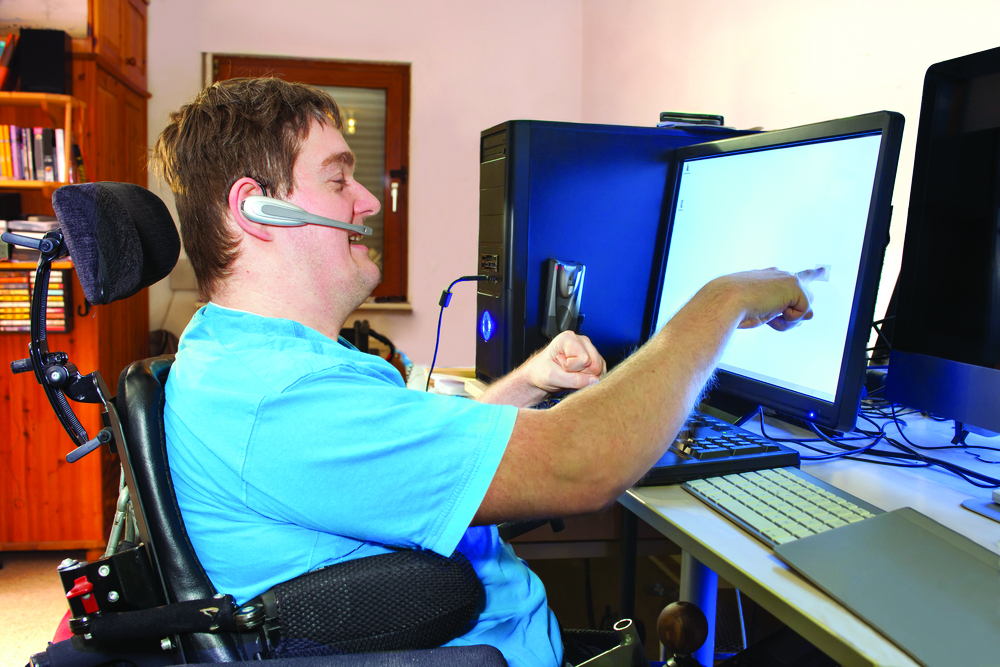
    {Play}Over 54 million adults and children in the U.S. have a disability. The concerns of parents of disabled children are the same for most any parent — ensuring that their children are safe, happy and live a meaningful life.

    Some children may be unable to earn a living. Both the federal and state governments understand this and provide benefits so that they receive food, shelter and medical care. Many of these benefits are “means tested,” meaning that the child cannot have much in terms of assets and cannot make much in terms of income. If the child inherits assets from the parents, these benefits will discontinue and the child must expend all of the inheritance before reapplying for benefits.

    To qualify, some parents think that they must disinherit their children so that they can continue to receive benefits or entrust another family member to manage money for the child. The better alternative is the Supplemental Needs Trust. Properly written and administered, this trust allows parents to leave the child their inheritance and allows the child to continue to receive benefits. The trust instructs the trustee to use assets from the trust for the child only over and above what the child receives in benefits.

    The Heartfelt Legacy Foundation will hold a Supplemental Needs Seminar featuring nationally recognized speaker Theresa Varnet, Esq. Visit the foundation’s website for more information.


    HEARTFELT LEGACY FOUNDATION (501(c) 3 nonprofit)
    Stephen B. Yim, Attorney at Law
    2054 S. Beretania St., Honolulu, HI 96826
    808-524-0251 | www.stephenyimestateplanning.com
    www.heartfeltlegacyfoundation.com

    Over 54 million adults and children in the U.S. have a disability. The concerns of parents of disabled children are the same for most any parent — ensuring that their children are safe, happy and live a meaningful life. Some children may be unable to earn a living. Both the federal and state governments understand…

  • Don’t Be ‘Buried Alive’

    {Play}Protecting personal privacy is generally a good thing, but can also have unexpected results. Consider the plight of a 90-year-old lady (“Nancy”) who was the life of her weekly exercise classes. Nancy was very well known for youthful outlook and zest for life.

    So when Nancy missed class one day, her friends tried to contact her. All they were able to learn was that she had been moved to a nursing home. No one would divulge which facility Nancy was in; her friends couldn’t visit. Nancy’s closest relative lives on the mainland, but none of Nancy’s friends knows how to contact that person. After a little detective work, one of Nancy’s closest friends (“Ms. Holmes”) discovered that a local bank was managing Nancy’s finances and that a court proceeding was pending to have a guardian appointed to look after her welfare. The attorney handling the guardianship proceeding and the bank trust officer handling Nancy’s affairs assured Ms. Holmes that Nancy is well and receiving the best of care. However, the lawyer and the trust officer both cited privacy concerns when declining to say anything further. The assurances were small comfort to Ms. Holmes, who still wonders how Nancy feels about her situation and whether she would appreciate visits from her friends.

    According to Ms. Holmes, “Nancy has several friends who want to see her, but we just keep running into roadblocks when we try to find out where she is. No one is even willing to give Nancy a message. We don’t know how she feels about all this and nobody will tell us. To us, it is as if Nancy has been buried alive!”

    Nancy’s friends have run up against federal and state laws that were intended to protect Nancy’s privacy, but which have isolated her and broken the hearts of her friends. The federal law is the Health Insurance Portability and Accountability Act (HIPAA) of 1996. Hawai‘i law provides similar protections for both medical and mental health records and information.

    Under these relevant privacy laws, Nancy could have permitted her caregivers and medical providers to talk with one or more individuals by signing a HIPAA Authorization.

    If Nancy’s story hits home, talk with your trusted advisors who can help you develop your HIPAA Authorization and avoid the feeling of being buried alive if your health falters.


    SCOTT MAKUAKANE, Counselor at Law
    Focusing exclusively on estate planning and trust law.
    www.est8planning.com
    808-587-8227 | maku@est8planning.com

    Protecting personal privacy is generally a good thing, but can also have unexpected results. Consider the plight of a 90-year-old lady (“Nancy”) who was the life of her weekly exercise classes. Nancy was very well known for youthful outlook and zest for life. So when Nancy missed class one day, her friends tried to contact…

  • Financial Planning for Non-parents

    {Play}Those who do not have children tend to have more financial flexibility to pursue their goals throughout life and retirement. This makes sense when you consider that the cost of raising a child from birth to adulthood is currently estimated at $233,610 (before you factor in college). However, childless singles and couples still need to manage their future financial needs.

    Many mistakenly assume the absence of heirs removes the weight of retirement and legacy planning from their shoulders. Don’t fall victim to this myth. Financial planning is just as important for childless adults as it is for anyone else. I encourage my clients who don’t have children to take the following actions:

    Prioritize saving for retirement. Instead of saving for childcare, sports leagues or a college fund, consider doubling-down on retirement savings. You may spend decades in retirement pursuing your hobbies and goals. Calculate what it will take for you to live the lifestyle you want and compare it to your current savings. Create a plan to save the difference. Consider contributing as much as you can to your workplace savings plan, if you have one, and consider building up Roth IRA savings to help create a source of retirement income that is potentially tax-free.

    Investigate long-term care insurance. One of the biggest concerns clients without kids express is who will take care of them later in life. There’s no guarantee that parents can depend on their kids to support them, but for non-parents there is no backup plan — they’ll have to save for long-term care. So, make it a priority to decide how you will manage healthcare costs in retirement. Medical expenses continue to rise, so it’s important to have adequate savings and insurance coverage. Explore your options through Medicare and your current or former employer to see if long-term care insurance would benefit you. Additionally, consider researching caregiving options and long-term care facilities in your area so you are familiar with the choices if you need them further on down the road.

    Put financial decision-makers in place. Who’s going to make financial decisions for you in the case you become incapacitated? It’s important to draw up documents to name a durable power of attorney to look out for your financial interests if you are unable to, including legal and tax concerns. Your agent should be someone you trust, whether that’s a spouse, friend, extended family member or professional. Keep in mind that you don’t have to share your full financial situation and account numbers now. A common approach is to share enough information so your contact person can step in should a situation arise where you need help making financial decisions.

    Plan your legacy. With no direct heirs in line to inherit your estate, you will want to consider what you’d like your legacy to be — including how your assets should be distributed upon your death. You may have other family members, friends or favorite charities you would like to see benefit from your lifetime of hard work. Creating or updating your will is one of the best ways to articulate your wishes. Also consider using trusts, which sometimes allow more flexibility than a will, to help you meet specific legacy goals. Consult with a financial advisor, attorney and tax legal professional to develop a comprehensive legacy strategy that suits your ultimate goals.


    MICHAEL W. K. YEE, CFP
    1585 Kapiolani Blvd., Ste. 1100, Honolulu, HI 96814
    808-952-1222, ext. 1240 | michael.w.yee@ampf.com
    Michael W. K. Yee, CFP®, CFS®, CLTC, CRPC ®, is a Private Wealth Advisor, Certified Financial Planner ™ practitioner with Ameriprise Financial Services Inc. in Honolulu, Hawai‘i. He specializes in fee-based financial planning and asset management strategies and has been in practice for 32 years.

    Investment advisory products and services are made available through Ameriprise Financial Services Inc., a registered investment advisor. Ameriprise Financial Services Inc. Member FINRA and SIPC. 1“Expenditures on Children by Families Report,” U.S. Department of Agriculture ©2019 Ameriprise Financial Inc. All rights reserved.

    Those who do not have children tend to have more financial flexibility to pursue their goals throughout life and retirement. This makes sense when you consider that the cost of raising a child from birth to adulthood is currently estimated at $233,610 (before you factor in college). However, childless singles and couples still need to…

  • Where’s That Donation Going?

    If you want to make a donation, first go online and research the charity. Check the Better Business Bureau or the Federal Trade Commission for any scams or complaints connected to the organization. Scammers attempt to fool you into thinking they are a legitimate, so before donating, verify that the URL and email address are correct.

    Be very cautious if making donations via social media, even if a “friend” contacted you. Scammers often impersonate individuals and organizations, so contact your friend by phone or email, not by responding via the social media post, to verify that they contacted you about the charity.

    If you receive a solicitation via telephone, don’t let the caller pressure you into donating. Ask for the charity’s exact name, web address, email address and mailing address so you can confirm it later. Do not volunteer any personal information nor confirm any when the caller asks you to identify yourself. Do not trust Caller ID. Scammers can spoof the Caller ID to make it appear the call is from a legitimate organization or person.

    Donating using a credit card with a low line of credit or with a cashier’s check are the safest forms of payment. Do not pay with gift cards, wire transfers or Western Union.

    Always do your research before donating! If you feel that you’ve been scammed, report it immediately to law enforcement.


    THE DEPARTMENT OF THE PROSECUTING ATTORNEY
    1060 Richards St., Honolulu, HI 96813
    808-768-7400 | Office hrs: Mon – Fri, 7:45 am – 4:30 pm
    www.honoluluprosecutor.org/contact-us/

    If you want to make a donation, first go online and research the charity. Check the Better Business Bureau or the Federal Trade Commission for any scams or complaints connected to the organization. Scammers attempt to fool you into thinking they are a legitimate, so before donating, verify that the URL and email address are…

  • Recognizing Warning Signs of Abuse

    I was a guest on “Generations Radio,” AM 690, on Nov. 22, 2019 with Lt. John McCarthy of the Financial Crimes Unit of the Honolulu Police Department. The 39-year department veteran is nationally recognized as an expert in financial crimes and elder abuse.

    On the show, we discussed how scams go undetected because victims don’t recognize the warning signs of abuse. What follows are danger signals that should prompt further investigation.

    ISOLATING THE VICTIM: Abusers don’t want the victim to have a support system and will either try and physically remove the person from a loved one (like a caregiver not letting family members visit the elder) or deceive the victim into thinking that a concerned person is really trying to harm them (like one sibling telling the parent that another sibling wants everything).

    SECRECY: A lot of scams involve instructing the victim not to reveal that the transaction/event is occurring. For example, a letter indicating that a senior has won the lottery will instruct the “winner” not to tell anyone about the prize because “there are a lot of scams going on right now.”

    URGENCY: Scammers will try to rush victims into making poor decisions. Often, they be make tempting offers, such as, “I have extra building materials and can do some repairs really cheap if you hire me right now.”

    EMERGENCY/TRAGEDY: Scammers will also try to take advantage by forcing victims into making emotional decisions. A good example of this technique is the Grandparent Scam, in which victims receive a frantic call saying a loved one is in dire straits and needs money immediately.

    GREEN DOT/MONEYPAK CARDS: Asking victims to purchase a Green Dot/MoneyPak card is a common way criminals transfer money from accounts around the world. Any transaction where money is to be paid using one of these cards should be suspect, including the IRS calling and demanding payment for delinquent taxes.

    LONELINESS: The promise of companionship in exchange for money is another form of abuse. Online dating site users asking for a loan or a caregiver accepting generous gifts to stay longer attempt to take advantage of an elder’s loneliness.

    TOO GOOD TO BE TRUE: Remember, offers, promises, business deals and investments that sound too good to be true are just that.


    If you suspect elder abuse, call these numbers:
    – Police: 911
    – Adult Protective Services: 808-832-5115
    – Elder Abuse Unit: 808-768-7536
    If you have questions about elder abuse, call or email: 808-768-7536 | ElderAbuse@honolulu.gov

    I was a guest on “Generations Radio,” AM 690, on Nov. 22, 2019 with Lt. John McCarthy of the Financial Crimes Unit of the Honolulu Police Department. The 39-year department veteran is nationally recognized as an expert in financial crimes and elder abuse. On the show, we discussed how scams go undetected because victims don’t…

  • What to Do Before a Loved One Passes

    We have been receiving an increased number of phone calls from our clients’ children, notifying us about the imminent death of one of their parents. The children usually call in a panic, asking if anything needs to be done before their parent passes. We do our best to assist them; however, sometimes it is just too late.

    When a client’s child, who is usually the trustee, contacts the estate planner right after their parent passes, the trustee is usually advised to call back sometime after the funeral.

    When the trustee is ready to proceed, he or she is asked to identify and collect financial information and important documents (i.e. wills, trusts, partnership documents, etc.), and bring several certified copies of the death certificate and an inventory of the assets. How the decedent’s assets are to be distributed and handled is determined in the initial estate administration meeting.

    If no issues or problems arise, the entire estate administration process generally takes about six to eight months — up to several years.

    Estate planners strongly suggest conducting an estate plan review at least every three to five years so that important decisions don’t have to be made during the very stressful time of a loved one’s waning days.


    STEPHEN B. YIM, ATTORNEY AT LAW
    2054 S. Beretania St., Honolulu, HI 96826
    808-524-0251 | www.stephenyimestateplanning.com

    We have been receiving an increased number of phone calls from our clients’ children, notifying us about the imminent death of one of their parents. The children usually call in a panic, asking if anything needs to be done before their parent passes. We do our best to assist them; however, sometimes it is just…

  • Smart Charitable Giving

    The people of Hawai‘i are generous with public charities. On the other hand, most of us do not have money to burn. Here are some good ideas about choosing where and how to give.

    ♦ DO YOUR HOMEWORK. The good works that charities do often overlap and some charities are more effective than others. Websites like charitynavigator.org and charitywatch.org can help you compare established charities to find out, for example, how much of your gift will go to charitable work versus administrative and fundraising overhead. While it costs money to run a charity and it also costs money to raise money, if expenses exceed 25 percent of a charity’s revenue, you should ask why. If the charity cannot give you a good answer, you should consider giving elsewhere.

    ♦ DON’T SELL AN APPRECIATED ASSET TO MAKE A CASH GIFT. If you own Apple stock that you bought in 2000 for $2 per share, don’t sell it now at $200 per share to raise the cash to make a charitable gift. Although you will get a deduction for your cash gift, you will also be liable for capital gains tax on the difference between the $200 sale price of the stock and the $2 purchase price. You will have less after-tax cash to give the charity and your deduction will be limited to the amount of your gift. Instead, make a bigger gift and get a bigger deduction by giving the stock to the charity. The charity can then sell the stock without having to pay capital gains tax, and you will get a deduction for the full fair market value of the stock at the time of the gift.

    ♦ MAKE GIFTS FROM YOUR IRAS. If you make your loved ones the beneficiaries of your traditional IRAs after you die, they may have to pay income tax on most of what they receive. However, if you make charities your beneficiaries, there will be no income tax. So to the extent you can, name charities as beneficiaries of your retirement plans and use your non-taxable assets for making gifts to loved ones.
    If you have begun taking required minimum distributions (RMDs) from your traditional IRA, you can give up to $100,000 of your annual RMD to charity. These gifts are not deductible, but you will end up paying less tax because the gifted portion of your RMD is not taxable.

    As always, talk with your trusted advisors to find out how to make charitable giving a win-win for you and the charities you support.


    SCOTT MAKUAKANE, Counselor at Law
    Focusing exclusively on estate planning and trust law.
    www.est8planning.com
    808-587-8227 | maku@est8planning.com

    The people of Hawai‘i are generous with public charities. On the other hand, most of us do not have money to burn. Here are some good ideas about choosing where and how to give…

  • Better Pay Attention to ‘the Fed’

    We hear frequent references to the Federal Reserve (“the Fed”) in the news, but the way it affects our lives seems a bit cloudy. So, let’s clear the air.

    The Federal Reserve, our nation’s central bank, has a fair degree of independence, but it is directly accountable to Congress. Among its primary duties, is to oversee U.S. banking and financial services industries and establish U.S. monetary policy. Here are five ways the Fed impacts us.

    #1 – Sets interest rates for mortgages & loans
    One of the key monetary policy functions of the Federal Reserve’s Open Market Committee is to set the Federal Funds interest rate. This is a rate charged when banks borrow and lend funds from one another. That does not directly determine what banks and other institutions will charge for consumer loans like mortgages or auto financing, but it does have an indirect impact. If the Fed is lowering or raising interest rates, a similar trend is likely to follow for other types of borrowing.

    #2 – Changes in your cost of living
    One of the mandates of the Federal Reserve is to try to manage the inflation rate. The level of change in the cost of living from year to year can have a major impact on your bottom line. The Fed seeks to keep the annual inflation rate at 2 percent or less. It has generally succeeded in maintaining that level in recent years. But it structures monetary policy to respond to current economic conditions in order to keep the inflation rate in check.

    #3 – The employment environment
    Another of the Fed’s mandates is to maintain what is referred to as “full employment,” an environment where most who are seeking work can find it. The Fed tries to accomplish this by managing monetary policy to create favorable conditions so employers can hire more workers. This mandate has to be balanced with the desire to maintain a modest rate of inflation.

    #4 – Short-term investment performance
    Again, the Fed does not have any direct impact on investment markets, but its monetary policy stances, including interest rate policies, are closely watched, particularly by investment professionals. Stock and bond markets can fluctuate depending on expectations of Fed actions or specific policies it implements.

    #5 – Earnings on bank savings
    Banks will often adjust the rates they pay for Certificates of Deposit (CDs) or interest-bearing accounts based on the Fed’s interest rate policy. Yields will improve when the Fed is raising short-term interest rates, but decline if the Fed decides to cut rates.

    To determine your financial position in light of the current state of the Fed’s policies, it may make sense to sit down with a financial advisor and review your portfolio.


    MICHAEL W. K. YEE, CFP
    1585 Kapiolani Blvd., Ste. 1100, Honolulu, HI 96814
    808-952-1222, ext. 1240 | michael.w.yee@ampf.com
    Michael W. K. Yee, CFP®, CFS®, CLTC, CRPC ®, is a Private Wealth Advisor, Certified Financial Planner ™ practitioner with Ameriprise Financial Services, Inc. in Honolulu, HI. He specializes in fee-based financial planning and asset management strategies and has been in practice for 32 years. Investment advisory products and services are made available through Ameriprise Financial Services, Inc., a registered investment adviser. Ameriprise Financial Services, Inc. Member FINRA and SIPC. ©2019 Ameriprise Financial, Inc. All rights reserved.

    The Federal Reserve, our nation’s central bank, has a fair degree of independence, but it is directly accountable to Congress. Among its primary duties, is to oversee U.S. banking and financial services industries and establish U.S. monetary policy. Here are five ways the Fed impacts us…

  • Safe Ways to Use Credit/Debit Cards

    When purchasing items with a credit or debit card online – or over the counter – there are precautions you need to take.

    ● Use a credit card rather than a debit card. Under federal law, your personal liability for fraudulent charges on a credit card can’t exceed $50. But if a fraudster uses your debit card, you could be liable for $500 or more.

    ● Use a prepaid gift card if you don’t have a credit card. But be extra vigilant of emails requesting payment be made in gift cards. It’s ok if you are the one initiating the purchase. ● Keep the line of credit low for all cards.

    ● Do not use cards that are linked to an autopay billing account or accounts that receive scheduled payments or benefits, such as your retirement pension, investment dividends and social security benefits.

    ● Keep records of all your online transactions, including emails and delivery notifications.

    ● Check your financial statements weekly for unauthorized transactions; report them to your financial institution and law enforcement.

    ● Do not use your mobile phone to conduct financial transactions, such as checking your financial statements. Use your home computer and check to make sure your Wi-Fi is secured.

    ● Use the card’s chip technology instead of swiping. The chip makes it harder for the scammer to access account information compared to the data on the card’s magnetic strip.


    THE DEPARTMENT OF THE PROSECUTING ATTORNEY
    1060 Richards St., Honolulu, HI 96813
    808-768-7400 | Office hrs: Mon – Fri, 7:45 am – 4:30 pm
    www.honoluluprosecutor.org/contact-us/

    When purchasing items with a credit or debit card online or over the counter, there are precautions you need to take.

  • Robocalls: An Overview

    In the last year, Americans received about 5 billion robocalls per month, up from the 2 billion a month just two years ago. Robocalls are automated calls made by a computer program, enabling the telemarketer or scammer on the other end to call multitudes of phone numbers in a short span of time.

    It took me under five minutes of “Googling” to find a website and fill out a form to order robocalling software that I could use to dial hundreds of telephone numbers an hour.

    These calls are often from unfamiliar phone numbers. Answering the phone will let robocallers know that there is a person associated with this number as opposed to an automated system.

    Ignoring unfamiliar phone numbers, however, might not be enough to counter this problem, as robocallers have begun using technology that enables them to “spoof” or fake an incoming phone number that may appear to be more familiar. In other words, your caller ID device will indicate that the call is coming from an 808 area code when in actuality it could be from anywhere.

    Robocalls are very prevalent today. Nearly 50% of all mobile phone calls are spam. Many of these calls are telemarketers hoping to sell a product, but some of these calls intend to scam money or personal information from the call recipient.

    There are ways to reduce robocalls.

    Android and iPhone users might find success with applications and services such as Robokiller or Nomorobo. Additionally, Google and Apple have been working on implementing anti-robocall features into their software.

    Asking one’s cell phone carrier to block particular numbers is also a good strategy (a monthly fee may be charged).

    Major carriers such as Sprint, T-Mobile, Verizon and AT&T all have features that might block or reduce robocalls.

    Joining the National Do Not Call registry (DoNotCall.gov) may also reduce robocalls and also lets you file a formal complaint with the Federal Trade Commission.

    But the most effective way to reduce robocalls is to never answer the phone. Let all phone calls go to voicemail, then assess them before returning the call, if appropriate.

    This may not give you the satisfaction of yelling at the robocaller, but the number of unwanted calls you receive will decline.


    If you have questions about elder abuse, call or email:
    808-768-7536 | ElderAbuse@honolulu.gov

    In the last year, Americans received about 5 billion robocalls per month, up from the 2 billion a month just two years ago. Robocalls are automated calls made by a computer program, enabling the telemarketer or scammer on the other end to call multitudes of phone numbers in a short span of time. It took…

  • Once a Child Becomes an Adult…

    A frantic mother once called me after her daughter was injured in a ski accident. When she called the hospital to find out the status of her daughter, hospital personnel would’t release any information and didn’t allow her make decisions on her child’s behalf. Just imagine the stress this caused!

    This situation is all too common. When a child leave for college, for example, in the eyes of the law, he or she is now an adult and parental rights cease. This fact is often overlooked.

    Once individuals reach the age of majority — 18 in most states — parents are no longer entitled to see their child’s medical and financial records, or make decisions on their behalf. The law classifies them as adults with a legal right to privacy and to govern their own lives. As a result, it is important to help your children or grandchildren set up an estate plan. Few 18-year-olds consider the
    need for an estate plan because most have little in the way of property.

    But if a child were to lose the ability to make or communicate decisions, medical professionals and financial institutions may refuse to consult with or release information to the parents. An estate plan appoints trusted individuals to make decisions in the event the child becomes unable to do so.


    STEPHEN B. YIM, ATTORNEY AT LAW
    2054 S. Beretania St., Honolulu, HI 96826
    808-524-0251 | www.stephenyimestateplanning.com

    A frantic mother once called me after her daughter was injured in a ski accident. When she called the hospital to find out the status of her daughter, hospital personnel would’t release any information and didn’t allow her make decisions on her child’s behalf. Just imagine the stress this caused! This situation is all too…