Category: Special Feature

  • Franciscan Vistas ‘Ewa

    “Aging in place” is not just a trendy buzzword for St. Francis Healthcare System of Hawai‘i. It’s something the nonprofit organization is making a reality for older adults who want to live independently yet they are on fixed incomes.

    Franciscan Vistas ‘Ewa, a brand new, 149-unit affordable senior independent living community in burgeoning West O‘ahu, is changing Hawai‘i’s senior housing landscape. A total of six apartment buildings are targeted for completion by May 2011. Tenants will be moving into the first completed apartment building this month, and more residents are expected to occupy the units as the buildings are completed.

    “Franciscan Vistas ‘Ewa is a model community where affordable housing meets wellness,” says Pamela Witty-Oakland, chief administrator of St. Francis Residential Care Community, who is overseeing development of the project. “Older adults at Franciscan Vistas ‘Ewa will be able to enjoy the health and wellness amenities of condo-living.” Plantation-style architectural features pay homage to the area’s rich history. In addition, the needs of older adults were kept foremost in mind throughout the development process. Designed by the architectural firm Alakea Design Group, the units have open floor plans and are ADA-adaptable.

    Each unit includes conveniences such as a fully equipped kitchen with easy-to-reach cabinets and appliances, roll-in shower, split-level air conditioning and private lanai. Each two-story building includes an elevator and a laundry room with coin-operated washers and dryers. The apartments encircle a garden courtyard, creating a sense of community that encourages residents to meet their neighbors and to look after each other.

    A number of environmentally sustainable applications were also integrated into the project. Energy-efficient Energy Star refrigerators and front loading washers; fluorescent lights; high-efficiency shower heads, faucets and toilets; and solar water heating are some of the features that were selected for Franciscan Vistas ‘Ewa not only to support environmental stewardship, but also to help keep the utility costs down for the seniors living there.

    “We wanted to take senior living to a whole new level, while making it affordable for Hawai‘i’s growing number of older adults,” Witty-Oakland adds. “With 127 years of health care experience in Hawai‘i, the Franciscan Sisters recognized the need for a healthy community that fosters a healthy lifestyle to help people remain independent for as long as possible.”

    Social isolation is also a thing of the past for those living at Franciscan Vistas ‘Ewa. A one-story, 5,000-square-foot community center serves as a gathering place for the senior residents, offering cultural, social and recreational activities. The community center has a kitchen, fitness center, hair salon, learning and activity center with Internet, an adjoining conference room and swimming pool. Stanford Carr Development LLC, which is serving as the development consultant to St. Francis, has provided its expertise in all phases of real estate development, including securing land use approvals, community design, permits and affordable housing financing.

    “St. Francis Healthcare System understands the needs of the community and brings together the resources to develop innovative solutions. The St. Francis team transformed vacant land into a beautiful place seniors can call home,” says Jesse Wu, vice president of special projects for Stanford Carr Development. “Every detail for this model community center was carefully planned to be senior-friendly. Franciscan Vistas ‘Ewa has definitely raised the bar for independent senior communities throughout Hawai‘i.”

    Franciscan Vistas ‘Ewa is located at 91-1471 Miula Street in ‘Ewa Beach, in close proximity to stores, restaurants, churches, medical facilities and TheBus lines. Rental units are for households with incomes up to 60 percent of the City & County of Honolulu’s area median income as determined by HUD. Initial monthly rents are $745 for 530-square-foot one-bedroom units and $885 for 750-square-foot two-bedroom units. All individuals in the household must be 62 years and older. Prudential Locations, LLC serves as the property manager.


    For more information, please call (808) 681-4000 or visit www.stfrancishawaii.org

    “Aging in place” is not just a trendy buzzword for St. Francis Healthcare System of Hawai‘i. It’s something the nonprofit organization is making a reality for older adults who want to live independently yet they are on fixed incomes.

  • More Than Just a Vegas Hotel

    The ‘jewel’ of Downtown Las Vegas, Main Street Station Casino, Brewery, and Hotel is nestled just a few steps north of the Fremont Street Experience, and played a significant part in the revitalized downtown Las Vegas.

    Possibly the best-kept secret in all of Las Vegas, Main Street Station is set in the splendor of the Victorian Era and home to a fabulous collection of antiques, artifacts and collectibles.

    Visitors to Main Street Station are encouraged to enjoy self-guided tours of a delightful and astonishing array of antiques and artifacts from throughout the world. Here are just a few items you will find…

    ■ Chandeliers from the San Francisco Opera House now hang throughout the Garden Court Buffet. These majestic bronze and crystal beaded chandeliers were created in the 1850s.

    ■ An Italian marble figure of Goddess Fortuna is located in the Garden Court Buffet. She depicts “Lady Luck” holding a set of dice in her uplifted hands and a deck of cards in the other. Legend holds that gazing upon her brings one good fortune.

    ■ The bronze and crystal beaded chandelier that hangs under the southern stained glass skylights, near the valet parking entrance, is typical of the ornate beauty of the Victorian Era. The intricate crystal beading is accented with a motif representing acanthus leaves.

    ■ A portion of the Berlin Wall can be found at Main Street Station. This graffiti-covered segment of the oppressive wall that once separated East and West Berlin now serves an appropriate function in the Gentleman’s Restroom.

    ■ Three exquisite bronze chandeliers that now hang above the central casino pit were originally installed in the 1980s in the Coca-Cola building in Austin, Texas.

    ■ The Louisa Alcott, a Pullman parlor car, was built by the Pullman Company in 1927, and was one in a series of cars named for women authors and poets. The car has been refurbished to provide an elegant cigar-smoking lounge.

    So when you are on your next “Vegas Fix,” check out Main Street … one of the gems of the Boyd Gaming Group of Hotels and Vacations Hawai‘i.

    The ‘jewel’ of Downtown Las Vegas, Main Street Station Casino, Brewery, and Hotel is nestled just a few steps north of the Fremont Street Experience, and played a significant part in the revitalized downtown Las Vegas. Possibly the best-kept secret in all of Las Vegas, Main Street Station is set in the splendor of the…

  • Moving Made Easy

    Anyone who has ever moved, regardless of age, knows how stressful it can be. But it’s particularly challenging for older adults and their families when it’s time to pack up a home filled with a lifetime of possessions and memories. Just the thought of moving and starting all over somewhere else can be overwhelming.

    As Realtors for 6 years, Dan and Julie Ihara have helped many clients sell their homes and downsize their lives. In the process, they have developed effective and efficient ways to address the challenges of transitioning. Their first-hand experience with assisting clients move to a new setting prompted the Ihara couple to open a new company called Senior Move Managers. They, along with their niece Cynthia Arnold, serve as caring and compassionate consultants for seniors and their families.

    Whether it’s a move to a condo, family home, retirement community or care home, there are systems and services that can help. The Ihara’s experience as full-service Realtors has enabled them to develop strong relationships with trustworthy vendors needed to make a stress-free transition. Their compassionate approach helps Hawai‘i’s seniors transition with dignity and peace of mind.

    “We are a one-stop shop that helps seniors make a stress-free move from their old house to their new home,” Dan says. “We understand that everyone’s situation is unique. Consequently, we create a customized plan that addresses each client’s specific needs.”

    Surveys show that most seniors would rather remain in their homes, and to many of them moving represents a loss of control. “While these moves usually are precipitated by something that’s happened—a health crisis, a death of a spouse or a loss of driving ability—some empty nesters and seniors choose to downsize to a condo or retirement community to improve their quality of life,” Dan says.

    Lynn Goya, M.Ed., Psy.D. knows all so well the stress of a parent that transitions. “My mother felt overwhelmed by the task of cleaning out the stuff she had accumulated in the 53 years she lived in the house. Dan and Julie said they would take care of it! Their excellent wrap-around services, consistent communication and commitment to us, not just as clients but as people, is unprecedented in my experience. I recommend them without reservation. They go the extra mile with integrity and a personal touch.”

    More than 50,000 families will hire a certified senior move manager this year, up from 30,000 just two years ago, according to the National Association of Senior Move Managers. Senior Move Managers is a fee-based service that families find indispensable, and not just because they handle the logistics. Tensions can spill over when an elderly parent must relocate. Hundreds of necessary decisions and actions can swallow time that the family may not have; the inevitable negotiations and concessions can trouble even the best parent-child relationships. There’s now a Hawai‘i company with local roots designed specifically to help seniors transition and downsize their lives while minimizing the stress of moving. If you’d like a free no-obligation consultation or just to chat about your situation, please call Senior Move Managers at 221-8345 or visit their website at www.smmhawaii.com for more information.

    Anyone who has ever moved, regardless of age, knows how stressful it can be. But it’s particularly challenging for older adults and their families when it’s time to pack up a home filled with a lifetime of possessions and memories. Just the thought of moving and starting all over somewhere else can be overwhelming.

  • Work After Work: Our new age of life and the moral necessity for “returnment”

    Returnment n. 1) The act of giving back, or returning in some small way, what the world has given you. 2) Especially as an alternative to retirement.

    At the turn of the 20th century, the average life expectancy was only 47. Today, it is rapidly approaching 80. Our fastest growing age group is folks over the age of 85, with someone in this country turning 50 every eight seconds. More importantly, older adults are healthier than previous generations and this has created an unprecedented average lifespan. An average 60-year-old person today is closer to a 40 or 50 years old health-wise when compared to a 60-year-old 20 or 30 years ago.

    Our old model of retirement suggested that people work until the ages of 60 to 65, and then a person felt fortunate if there were a few years of leisure before their physical health deteriorated and/or death ensued. Today, that is all changing. Many older adults have to work, or want to work, in their later years.

    Our seniors have already expressing that they will not approach retirement in a traditional fashion. For example, many boomers are already having great difficulty relating to the terms senior, elderly, old and mature. Most of them will also resist the term “retirement.”

    As one recent retired teacher said, “I have retired from teaching, but I am not retired. I tell you I am going to find another word that is different from the word retirement. Retirement lends itself for people to say, ‘Well, he is tired, that’s the end of it.’ There has to be another word other than retirement.”

    I believe there is a great spiritual need and moral necessity for redefining “retirement” with “returnment.” I define “returnment” as “the act of giving back, or returning in some small way, what the world has given to you.” Other words could be used such as stewardship, trusteeship or even aloha. I like this new word because it captures not only our new age of life, but also the psychological and spiritual needs of this time of life as well.

    The pursuit of the traditional retirement life of primarily leisure and consumption will lead to not only a tremendous loss of talent, experience and resources, but intensified inter-generational economic and resource conflicts, and ultimately for most individuals, regret and despair. It is not enough to honor our kūpuna, we need to engage them as a renewable resource.

    To live the rest of our lives uninvolved and unengaged will be unrewarding and unacceptable. If you are not engaged in your later years, you are just dying longer not living longer.

    President Obama has called for a new commitment to volunteerism by all age groups. We need to challenge the 80 million strong boomers to step up, get involved and set the example. This growing age group will have more time than any other age group and they have energy and experience that we need and can use.

    The good news is that surveys indicate that up to 80% of all boomers expect to work or volunteer part time in their later years, and 70% said that they would work even if they had enough money to live comfortably, according to a survey by the Rutgers Community Center for Workforce Development. The care giving professions of teaching, childcare, nursing and human services are in great need of replenishment and expansion.

    With “living with purpose” being one of the primary drivers of people over age 50, community service through non-profit organizations (NPOs) is a real win/win opportunity. We cannot afford for boomers in their aging lives to be perceived as socially useless and only living a life of consumerism. There is a great need, opportunity and moral necessity for tapping into their wisdom, experience, wealth, finances and time.

    Just imagine if only a portion of the people here in Hawai‘i retiring each year now were to pursue a life of “returnment.” What problems could be addressed? How many children’s lives would be different? What new kind of energy would be created? What level of hope?

    “This time, like all times, is a very good one, if we but know what to do with it.” ~Ralph Waldo Emerson


    Jay C. Bloom, President of Bloom Anew 808-753-4331 | www.BloomAnew.com

    At the turn of the 20th century, the average life expectancy was only 47. Today, it is rapidly approaching 80. Our fastest growing age group is folks over the age of 85, with someone in this country turning 50 every eight seconds. More importantly, older adults are healthier than previous generations and this has created…

  • Come Zumba with Us!

    The greatest party has arrived here in Hawai‘i. The Zumba® Fitness craze is exploding in popularity across the Islands. The Zumba program fuses hypnotic Latin rhythms with easy-to-follow moves for all ages, shapes and sizes. This one-of-a-kind fitness program aims to get you hooked and make you want to workout.

    Zumba fanatics achieve long-term benefits from this one-hour, calorie-burning, body-energizing workout and conditioning.

    The routines feature interval training sessions, with movements designed to engage your body and mind. Fast and slow rhythms are combined with resistance training to burn fat and tone and sculpt your body. Add some Latin flavor and international zest into the mix and you’ve got a Zumba class!

    In only a few short years, Zumba has spread like wildfire, positioning itself as the single most influential movement in the fitness industry.

    Debbie Azama-Park and Genie Brown are just two of the approximately 300 instructors in Hawai‘i. You can find Zumba classes just about anywhere, including most fitness clubs.

    As a long time fitness member, Debbie continues to exercise in her adult life. She has practiced yoga for 18 years, yet she wanted to add a cardio portion to her physical regimen. Then Zumba came into her life. “The music is key to working out with Zumba,” she says. “You cannot sit still when the music is going. The Cumbia music is my favorite of the Latin rhythms.”

    Debbie knows that trying something new is always a little challenging, but she always says to never give up. She encourages, “If you love music, it will get easier and the music will keep you going.”

    Genie Brown from Mililani has been teaching since early 2009. As a long-time fitness instructor, she confesses that she did not care for Zumba at first. She was not a dancer and sometimes she felt a little awkward. “Shaking around at an older age was not easy at first,” she says, “but I wanted to teach Zumba because I felt that teaching a fun class would be more inspiring. Participants just let loose and put their own attitude into their moves.”

    Genie’s students benefit from class in a variety ways. For example, student Stephanie of Mililani lost 6 pounds in only a couple of months, and Jan found out that her blood pressure went down. Phil of Wahiawaˉ lost eight pounds, but the bigger benefit is that he can now fit into his pants again.

    According to Genie, everyone should walk a minimum of 10,000 steps per day. In a normal 45-minute Zumba class, students take more than 5,000 steps. This is half of the daily recommended steps in just 45 minutes. Zumba also helps with flexibility, strength and back pain … not to mention it almost guarantees a good night’s sleep!

    So if you want to enjoy a longer, healthier life, call Debbie Azama-Park at 625-1040 or Genie Brown at 531-3558 for a class. Active aging is here to stay and so are the Zumba parties.

    The greatest party has arrived here in Hawai‘i. The Zumba® Fitness craze is exploding in popularity across the Islands. The Zumba program fuses hypnotic Latin rhythms with easy-to-follow moves for all ages, shapes and sizes. This one-of-a-kind fitness program aims to get you hooked and make you want to workout.

  • National Hospice Month

    We celebrate hospice care not because of the death of a loved one, but because of the transformative journey each family might experience. At Hospice Hawai‘i, that opportunity for transformation is at the very heart of all we do with a terminally ill person and their family. Hospice staff and volunteers are guides to an entire family as they, together, live out the rest of the life of a loved one. For some families, an expert hospice worker can be a beacon of light in an otherwise dark and fearful situation.

    Hospice staff can provide the setting and opportunity for families to reconnect and, in some cases, reconcile old wounds. They can bring relief of pain and suffering, offering a good night’s rest for both the patient and the family. Hospice also offers very practical support to the family by teaching care giving as a person’s overall condition changes.

    We celebrate hospice because of the profound lessons hospice can share with each individual they work with. Quoting the Rev. Mitsuo Aoki, who recently passed away this summer, the Hospice Hawai‘i Chaplain Clarence Liu reminds us of three such lessons: We must embrace death to find love, we must walk through loneliness to find solitude, and we must walk through anger to find forgiveness.

    As we celebrate National Hospice month we are also reminded of the very practical impact hospice care has on our society. Patients and families who receive hospice care have very high levels of satisfaction and suffer less distressing symptoms, such as pain and achieve a higher degree of preparation for the end of life. Our own experience at Hospice Hawai‘i is that a family who has had hospice care is better prepared to deal with the normal grief. Our emphasis on the whole person and their whole family, with particular attention to each individual’s experience means that their care is individually tailored to them.

    National Hospice month reminds us all that hospice care is not just about keeping someone comfortable until they die…at Hospice Hawai‘i it is about bringing hope, reducing fears and impacting lives.

    Take time this month to reach out to someone in need; your life will be better for it.


    Kenneth L. Zeri, RN, MS, NHA, President & Chief Professional Officer Hospice Hawai‘iHe has more than 25 years of experience in hospice and palliative care. He is the current president of Kokua Mau, a statewide hospice and palliative care organization, and serves on various professional organization committees on a local and national level; including, Aloha United Way, Healthcare Association of Hawaii, the National Hospice and Palliative Care Organization, and Hospice & Palliative Nurses Association.

    For many years, we in Hawai‘i have joined our colleagues across the nation in celebration of National Hospice month. Observed in November, it is a time when we come together to give thanks, reflect on the past year and look forward to the next. We remember those who have passed away and we recall our…

  • An Introduction to Adult Day Care

    It is 6:55 on Monday morning and a small group is gathering outside Lē‘ahi Hospital. Several women with walkers and wheelchairs wait with their sons or daughters for the Lē‘ahi Adult Day Health Center doors to open. The caregivers converse with each other and the ladies greet each other as they wait. As the doors open at 7:00, Mrs. G heads straight for a pedal exerciser for a morning warm-up. Others gather around a table and begin folding napkins that will be used later in the day. Some are chatting about their weekend activities and the weather. As the family members rush off to work, staff members are greeting new arrivals and assisting them to their seats. Another busy day has begun!

    All around our state, programs like this one are providing a cheerful, social environment in where assistance is available when needed. For family caregivers who have to work, these programs are a vital service to help keep loved ones at home.

    Many people imagine that “adult day care” is much like pre-school. In reality, day care programs are more like a club for seniors. While most newcomers are somewhat reluctant to attend at first, the center quickly becomes a comfortable place to go where friends, assistance and reassurance can always be found. The staff is trained to provide discreet assistance, while activities provide satisfactory outcomes regardless of physical and mental abilities. The predictable routine and familiar faces create a satisfying, normal day, even for individuals with memory loss. Participants often look forward to their days at the program as the highlights of their week.

    In addition to providing a social environment, day centers provide one or two meals per day and nutritious snacks in the morning and afternoon. Day Health programs can usually offer special diets and individual nutritional oversight. Group mealtimes are enjoyable and often foster better nutrition. At Waipahu Hale Adult Day Care, for example, the dining area has been fashioned into a bistro with a restaurant atmosphere.

    Activities in these programs are age appropriate and designed to be purposeful. Sakura House in Honolulu offers a culturally specific program that focuses on Japanese language, culture and food. Some programs feature intergenerational activities on a regular basis. The Seagull Schools Adult Day Care in Kapolei is co-located with a pre-school, resulting in regular interactions between keiki and kuˉpuna. Franciscan Adult Day Center in Maˉnoa enjoys rich interaction with various grade levels at St. Francis School. All-day programs offer a range of activities that offer mental, social, physical and spiritual enrichment.

    As providers of adult day services, our primary goal is to improve quality of life for both seniors and their families. We strive to help older adults maintain their functional abilities and stay safely at home for as long as possible. We never forget that we are also serving the caregivers who often need respite from the demands of giving care. Even when used on a part-time basis, two or three days per week, families have noted improvements in their loved one and increased ability to deal with the care giving task.

    Day Care FAQs

    Cost: Adult day services can range from $40 to $100 per day, depending on the level of assistance needed. Services are not covered by Medicare or medical insurance. Day Health is sometimes covered by Medicaid. Many long-term care insurance policies will cover day services. While the cost may seem high at first, over the course of an 8- or 10-hour service day, the average fee may come out to less than $5 per hour. Most programs do not pro-rate services on an hourly or partial day basis.

    Hours: Most programs are open from about 7 a.m. to 5:30 p.m. or 6 p.m., Monday through Friday. Saturday service is available at some centers and several programs such as Pearl City Hale and Waipahu Hale are open 365 days per year.

    ‘Day Care’ vs. ‘Day Health’: These are two different levels of care. ‘Day Care’ is mostly supportive, social-model care. ‘Day Health’ provides some nursing assistance and is required when a client has more complex medical needs. Those who are not ambulatory, or need help with toileting and/ or medication, may need Day Health.

    Licensing: In Hawai‘i, day service programs are regulated by the State of Hawai‘i and required to meet certain standards for certification. Any adult day care program serving five or more clients is required to have certification from the Department of Human Services. Day Health programs are licensed by the Department of Health.

    Benefits:

    Social stimulation is one of the most beneficial aspects of day programs. Interacting with people other than our own family, and using our social skills, often makes us feel sharper and more alert. This also helps to maintain our sense of identity and self-worth. It also brings us back to “normal” daily routines that we knew during most of our active lives.

    Participants in these programs gain a sense of satisfaction upon completion of their day. Even simple “horizons” like regularly scheduled meals or a 2 p.m. Bingo game help us to maintain our sense of orientation.

    Because activity uses energy during the day, most participants sleep better at night and may experience less waking up during the nights, allowing their caregivers much needed rest.

    Activity and the sense of purpose gained from participation may mean less depression and fewer health complaints. This can sometimes result in fewer doctor visits or emergency room trips.

    The program staff can also provide the family with regular reports, vital signs and other useful health information.

    Caregiver strain is often reduced because there is less worry if the loved one is in a safe, supervised environment and not home alone. Free time for self-care, to take a break or do necessary chores and errands is also important.


    For more information on local day care resources, you can visit the website of our statewide providers’ coalition, Adult Day Services Hawai‘i, Inc. at www.AdultCentersHawaii.com.

    It is 6:55 on Monday morning and a small group is gathering outside Lē‘ahi Hospital. Several women with walkers and wheelchairs wait with their sons or daughters for the Lē‘ahi Adult Day Health Center doors to open.

  • The 26th Annual Senior Fair Was a Huge Success!

    The event had more than 22,000 attendees and 250 exhibit booths, including free seminars, craft demonstrations, valuable information on travel and leisure, financial advice, exercise equipment, home products, nutrition, seasonal flu shots, reverse mortgages, retirement communities, games and federal, state and city & county services.

    “With a myriad of lifestyles being represented for the 50-plus population of Hawai‘i, this special event has become a barometer of all the advances and improvements made for seniors,” says Mike Rossell, the show’s producer.

    A “Big Mahalo” goes out to this year’s Senior Fair Ambassador, Kirk Matthews, who spent hours signing the inaugural issue of Generations Magazine.

    The event had more than 22,000 attendees and 250 exhibit booths, including free seminars, craft demonstrations, valuable information on travel and leisure, financial advice, exercise equipment, home products, nutrition, seasonal flu shots, reverse mortgages, retirement communities, games and federal, state and city & county services.

  • In Bloom with the Lei Queen

    May Day is Lei Day in Hawai‘i Nei. The first Lei Day was in 1927 and celebrated in downtown Honolulu with a few people wearing lei as a symbol of friendship and goodwill. From that it grew and more and more people began to wear lei on May 1.

    To continue celebrating the spirit of aloha, the Mayor of Honolulu Mayor Charles Arnold crowned the first lei queen, Nina Bowman, in 1928. After a few years, the City & County of Honolulu started a tradition of hosting an Annual Lei Queen Selection Event in March. The Lei Queen is later crowned at the City’s Annual Lei Day Celebration on May 1. Lei Day has become an important cultural event
    celebrating the Hawaiian culture through various themes. The theme for the 83rd Annual Lei Queen Selection was He Lei No Ka‘ahumanu (A Lei for Ka‘ahumanu). Each year, the lei queen is selected from one of the three rotating groups:
    • Nā Wahine Ōpio
    (The Younger Women, 18-30 years)
    • Nā Mōkuahine
    (The Adult Women, 31-54 years)
    • Nā Kūpunahine
    (The Grandmothers, 55 and over.)

    This year’s event featured the Nā Kūpunahine. On March 12th, six lovely Kūpunahine vied for top honors in this year’s Lei Queen Selection Event at the McCoy Pavilion at Ala Moana Regional Park. The entertaining event celebrated Hawaiian culture, and featured live music and an open hula period.

    Each lady was scored on her lei making, hula, poise and personality, Hawaiian language skills and their ability to convey the spirit of aloha with warmth and dignity. This year’s Lei Queen is Sandrina Lei Ilima Cabato De La Cruz. Lei Queen Ilima is Hawaiian, Filipino and Chinese ancestry and grew up in Kalihi and Na¯na¯kuli. She is an administrative assistant for Parents and Children Together (PACT), and is a student at Windward Community College.

    The Investiture Ceremony is on May 1st (Lei Day). Sandrina will also make public appearances throughout the year, including the Annual Kamehameha Day Parade, June 11, 2011 (tentative date) and the annual Na¯ Hula Festival, August 6 & 7, 2011 (tentative date).

    May Day is Lei Day in Hawai‘i Nei. The first Lei Day was in 1927 and celebrated in downtown Honolulu with a few people wearing lei as a symbol of friendship and goodwill. From that it grew and more and more people began to wear lei on May 1.

  • Road Scholar: Adventures in Lifelong Learning

    Road Scholar is the new name for the programs developed and offered by Elderhostel, Inc., the not-for-profit world leader in lifelong learning since 1975. Its mission is to empower adults to explore the world’s places, peoples, cultures and ideas, and in so doing to discover more about themselves.

    Lifelong learning should be defined by one’s outlook, not by one’s age. Road Scholar develops and offers programs specifically for people in their 50s, 60s, 70s and beyond. In a world that seems to shrink smaller by the day because of technology, Road Scholar believes that true insight and understanding are still sparked by hands-on experience and open discussions that stimulate the senses, energize the body and challenge the mind. Sharing new ideas, challenges and experiences is rewarding in every season of life and the participants come together as a group of diverse individuals who share a passion for learning.

    Road Scholar is educational—participants are considered students, not tourists. Their travel programs are for the enjoyment of learning; there is no homework, no exams or grades and no special educational background is needed or required. Programs are rated by activity level so that participants can select itineraries best suited to their intellectual curiosity, physical ability and comfort.

    Discover nearly 8,000 educational tours in all 50 states and more than 90 countries, including intergenerational programs designed to share your love of learning and thrill of discovery with your grandchildren. Choose from land or ship-based itineraries around the world. Through special behind-the-scenes access, you get exceptional opportunities for learning and authentic experiences while exploring the world’s most fascinating treasures at a great value.

    Road Scholar may be just right for you … all that’s needed is an inquiring mind, an adventurous spirit and the belief that learning and discovery are lifelong pursuits. A fellowship of learning and the joy of discovery are the hallmarks of the Road Scholar experience.

    Pacific Islands Institute has been offering Road Scholar group programs in Hawai‘i and throughout the Pacific islands of Polynesia, Melanesia and Micronesia since 1989. Through its educational programs, Pacific Islands Institute is dedicated to providing positive cultural interactions; to ensuring our programs are culturally and environmentally sensitive; to involving local people in decision making; and to protecting, sustaining and respecting indigenous cultures and environments. This local company has been recognized with awards from the Hawai‘i Tourism Authority, the Hawai‘i Visitors and Convention Bureau and the Hawai‘i Ecotourism Association.

    A sampling of Road Scholar travel programs provided by Pacific Islands Institute:

    Hawai‘i National Parks: Island Life in the Pacific
    This 16-day, 15-night program features national parks, historic sites, wildlife refuges and state parks on five Hawaiian Islands. Follow the journey of Pele, Hawai‘i’s volcano goddess, from Kīlauea’s current eruption in Hawai‘i Volcanoes National Park, to Haleakalā on Maui for a bird’s eye view into the volcanic crater, enjoying black sand beaches, stunning waterfalls and fascinating remnants of ancient Hawai‘i along the way. Then on to Kalaupapa, on Moloka‘i’s peninsula, where Father Damien ministered to Hansen’s Disease patients; then to Kaua‘i where you will see Waimea, the “Grand Canyon of the Pacific,” and watch seabirds soar over the lighthouse and cliffs. End your stay in famous Waikīkī, including a visit to the USS Arizona, a moving memorial to the bombing of Pearl Harbor. Led by former park rangers and local cultural historians you will gain unique insider perspectives as you experience Hawai‘i’s flora, fauna and cultural history.

    Intergenerational South Pacific: The Future of the Oceans
    On this intergenerational adventure starting with 3 nights in Tahiti and then cruising for 7 nights to the French Polynesian islands of Bora Bora, Tahaa, Raiatea and Moorea, you and your grandchild—or even three generations if their parent(s) wish to enroll—will have a hands-on, interactive experience of French Polynesia’s marine and island ecosystems. Explore coral reefs, hike rainforest trails and much more. This voyage on the MS Paul Gauguin is specially designed to be an exciting and memorable learning experience for all ages.

    Following Captain Cook
    The Cook Islands & Society Islands: On this 15- night South Pacific odyssey, spend 3 nights in Tahiti and then set sail on the MS Paul Gauguin to discover the isle of Huahine, renowned for its spectacular rainforests, experience the unique majesty of the Cook Islands, then return to the Society Islands of French Polynesia for days in alluring Bora Bora, Tahaa, Moorea and Tahiti.

    Documenting the Past
    The Easter Island Archaeology Project: Join archaeologists and other researchers for a hands-on exploration of one of the world’s most mysterious and fascinating places. Learn archaeological research techniques and contribute to a growing body of research to bring the mysteries of Rapa Nui into view.


    Road Scholar is the new name for the programs developed and offered by Elderhostel, Inc., the not-for-profit world leader in lifelong learning since 1975. Its mission is to empower adults to explore the world’s places, peoples, cultures and ideas, and in so doing to discover more about themselves. Lifelong learning should be defined by one’s…

  • A New Style of Caregiving

    The term “millennial” typically evokes certain images in our minds. Born between 1985 and 2004, millennials have been labeled the “Me Generation,” “Me, Me, Me Generation,” “Peter Pan Generation” and “Boomerang Generation.” These are far from complimentary.

    Aside from reflecting re-verse ageism, such stereotypes divert attention from this generation’s unique potential for kūpuna care. Millennials differ from Generation X (born 1965–1984), baby boomers (born 1946–1964) and the Silent Generation (born 1925–1945).All generations differ from one other, stamped by the particular historical, social and cultural environments that characterized their formative years. Rather than belittle the traits specific to millennials, how can we take these traits into account to customize eldercare recruitment and training efforts and capitalize on the singular strengths of this generation?

    According to the 2013 Millennial Impact Report, 73 percent of millennials engaged in volunteer work in 2012. Many millennials work in programs for older adults. Some examples:

    • They teach English to older immigrants and help them access health services as part of Project SHINE at Temple University.
    • They provide appropriate home modifications in the Home Safety for Seniors Program, operated by the ManaTEEN Club in Bradenton, Fl.
    • They do yard work and household repairs for the Our Folks Program in Groundwork Hudson Valley, New York.
    • They provide companionship for older adults and respite for family caregivers as part of the Time Out Respite program at Temple University.
    • They help elderly with low vision by shopping for and reading to them in the VISIONS Intergenerational Program in Selis Manor, New York.
    • They instruct older adults on the use of technology in The Gerontechnology Program at Pace University, New York.

    Of all age groups, millennials have been the one most studied. To effectively recruit millennial volunteers and optimize their work with older adults, what characteristics (of theirs) should agencies and organizations keep in mind? Millennials are:

    Multi-taskers. They’re able to juggle many responsibilities at once but can be easily distracted. Their jobs should entail a variety of experiences and tasks; a supervisor should also set explicit daily and weekly goals to keep them on task.

    Tech-savvy and connected to social media. Keep your website and social media, such as Facebook and Twitter, up-to-date and easily accessible. Avoid appearing archaic, which is a real turn-off for this generation. Use their technological skills to keep your organization in-the-know, and allow millennial volunteers freedom and opportunities to identify new, unanticipated technological contributions to the group.

    Interested in work balance and flex schedules. It may be necessary to rethink traditional volunteer roles to accommodate such preferences, perhaps offering “short stints” or micro-ways of initial involvement that are time-limited, then offering a continuum of levels of involvement as they become more invested in their work.

    Support causes, rather than organizations. The work should inspire them to continue. Frequent reinforcement of the relevance and impact of their contributions is essential. Research indicates that support for a given cause is the main reason millennials volunteer, followed by desire to connect with like-minded peers and develop skills and knowledge relevant to future career development.

    The term “millennial” typically evokes certain images in our minds. Born between 1985 and 2004, millennials have been labeled the “Me Generation,” “Me, Me, Me Generation,” “Peter Pan Generation” and “Boomerang Generation.” These are far from complimentary. Aside from reflecting re-verse ageism, such stereotypes divert attention from this generation’s unique potential for kūpuna care. Millennials…

  • Be Proactive to Prevent Falls

    videograp_fallontable_4chr

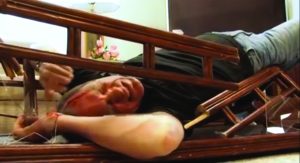
    Falls are the most common cause of unintentional fatal injuries in Hawai‘i, averaging more than 101 senior incidents each year. Falls are also the state’s leading cause of non-fatal injuries, resulting in nearly 27,000 emergency room visits and 2,600 hospitalizations each year.

    Over 8,000 seniors over 65 are transported by an ambulance to an emergency room because of a fall injury. That is almost one every hour.

    The risk of a fall causing a fatality increases dramatically with age, and the emotional and fiscal burden associated with fall injuries are staggering. But there are steps seniors can take to prevent fall injuries and fatalities.

    If you do not pay attention, you will fall.

    It is very easy to become complacent — even lazy — and cruise along in life with your loved ones. Although it’s fine to relax, being aware is crucial — and so simple. I am pleading with every senior that reads this story to get deadly serious about fall prevention.

    Several factors can contribute to a fall — poor vision, diminished physical strength and sense of balance, dizziness as a result of prescription drug interactions and hazards such as electrical cords and slippery floors. You can trip over your pet or your grandchildren’s toys during a micro-second of inattention.

    However, a majority of falls can be prevented by making a conscious effort to be more aware of your surroundings and your physical limitations. This is not easy, as senior habits die hard.

    Before I list five simplest things you can do to reduce your risk for injuries from falls, I will point out two areas that are the easiest to avoid, and which are also the most dangerous. These are two of the simplest fixes to make to avoid a life altering fall injury for seniors.

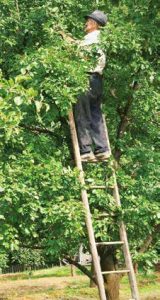
    be-proactive-to-prevent-falls-51. Falls from ladders and trees: Each fruit harvesting season, the number of serious fall injuries spikes at emergency rooms all over the state. Do not climb into your favorite tree or on the roof to harvest the fruits of your labor without someone holding the ladder. Also, do, do not lean or stretch to grab that papaya, because you will fall. Be absolutely aware of your limitations.
    Call a nephew, or son or daughter — someone younger than you — and ask them help you for a share of your bounty.

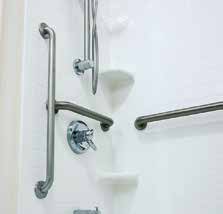
    be-proactive-to-prevent-falls-62. Falls in the shower or tub: Far too often, our kūpuna fall in the bathroom. Many years ago, my own father fell and severely injured himself in the tub. We did not find him for over 12 hours…

    The simple installation of safety grab bars in the bathroom and anti-slip adhesives stickers in the tub or shower add much-needed protection.

    It is an easy and inexpensive solution, especially compared to the hospital bills you will get if you don’t use them.

    If you seriously injury yourself — and survive — chances are very good you may be permanently disabled, lose your independence, and never be able to use the restroom or shower alone again. It is devastating to have to depend on someone else to help you with your basic bodily functions.


    THE FIVE FALL PREVENTION TIPS

    be-proactive-to-prevent-falls-21) Medications can cause dizziness that can lead to falls. Simply make an appointment with your doctor or pharmacist today to review your medications, including any over thecounter drugs and supplements.
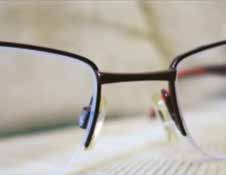
    be-proactive-to-prevent-falls-32) Maintaining good vision helps with balance and safety. Paying attention to where you place your feet is important, and so is being able to see where you are going. Have your eyes checked at least once a year.
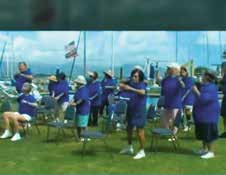
    be-proactive-to-prevent-falls-43) Balance and strength are essential to preventing falls. Be active and do simple movements every day to prevent a fall, including walking, gardening, yoga, swimming, dancing or taking a tai chi class.
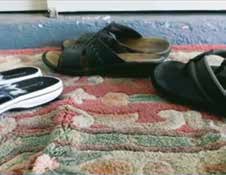
    be-proactive-to-prevent-falls-74) Make your home safer by removing fall hazards. Keep pathways clear and the floor free of objects. Be aware that seniors can trip over anything from the grandkids’ toys to the beloved family pet.
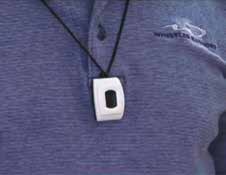
    be-proactive-to-prevent-falls-85) Invest in and use a personal electronic safety device. This is absolutely essential for any senior who lives alone. It has been proven that wearing one of these tiny devices saves lives every day.
    View either of these two fall prevention videos online: www.tinyurl.com/FallPreventionVideo.
    The videos were produced by Edgy Lee, an independent Hawai‘i-born filmmaker.
    As seniors we have earned the right to live a full and complete life. Do not shorten that opportunity by thinking a fall will not happen to you. Falls happen.

    Call 808-733-9202 or visit www.nogethurt.hawaii.gov for a home safety checklist or a free safety assessment.


    HAWAII FALL PREVENTION CONSORTIUM
    808-733-9202 | stanley.michaels@doh.hawaii.gov

    Falls are the most common cause of unintentional fatal injuries in Hawai‘i, averaging more than 101 senior incidents each year. Falls are also the state’s leading cause of non-fatal injuries, resulting in nearly 27,000 emergency room visits and 2,600 hospitalizations each year. Over 8,000 seniors over 65 are transported by an ambulance to an emergency…