Category: Special Feature

  • From the Airwaves to Living Aloha

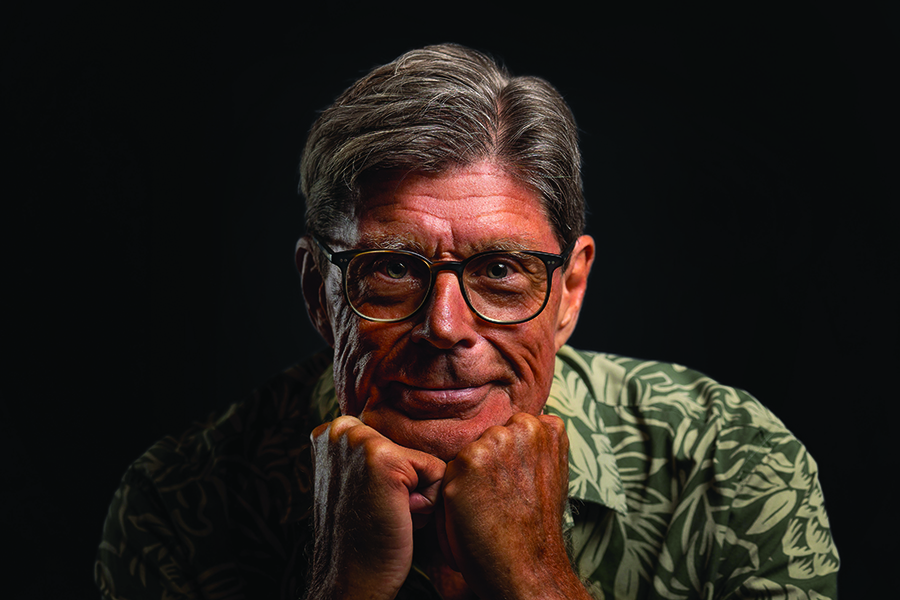
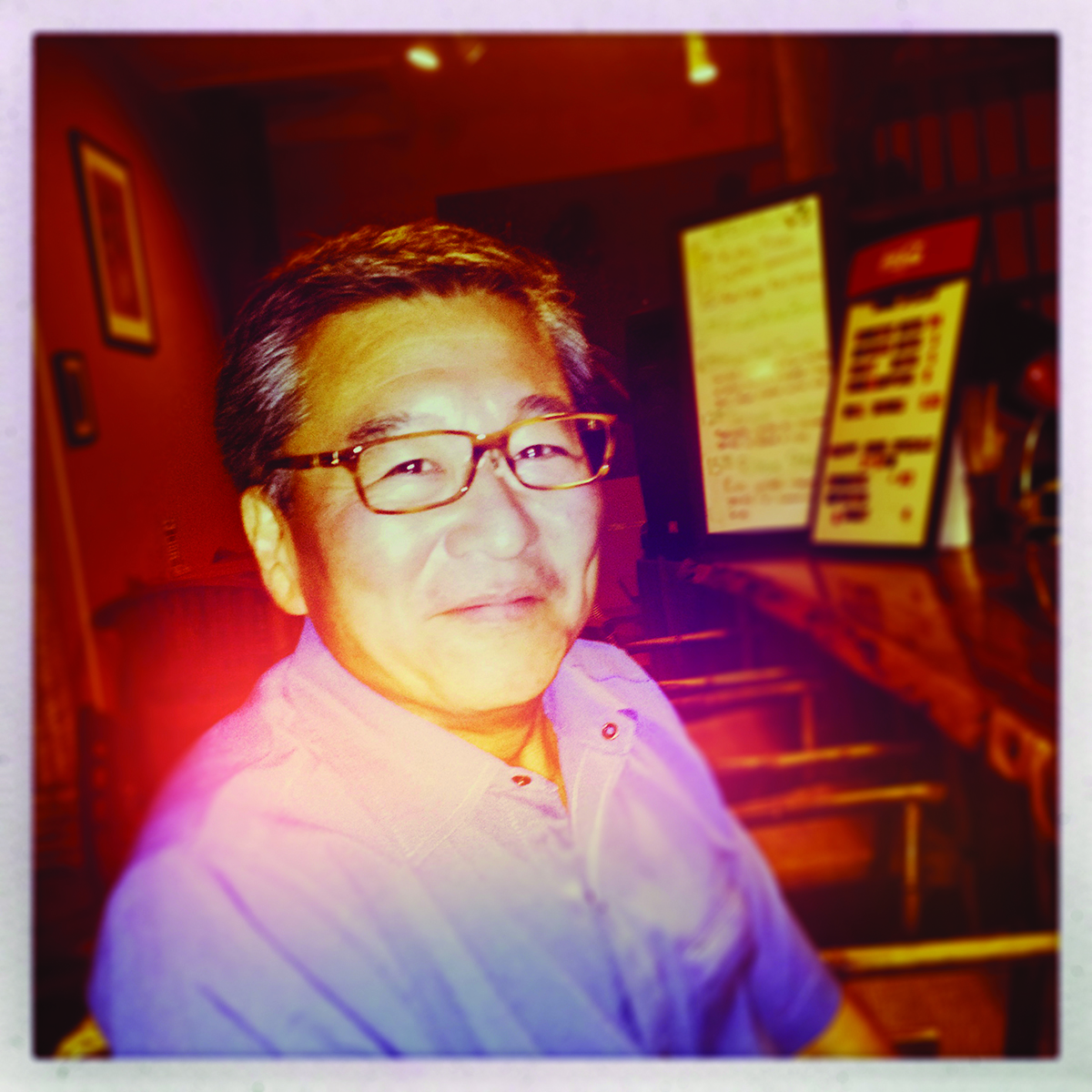
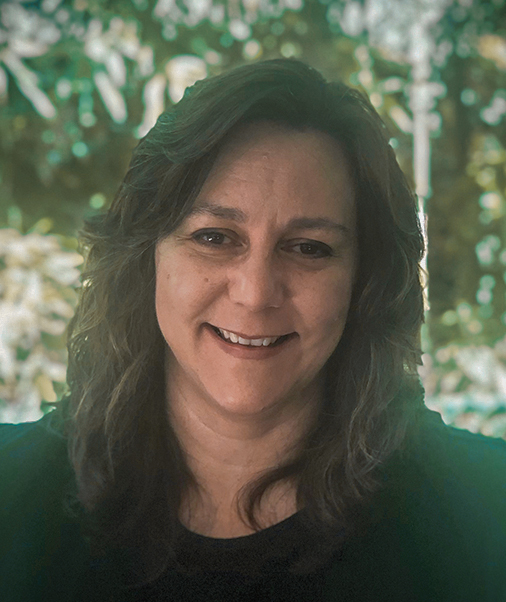
    I’m a long way from Kansas! Wichita is where I started, but my journey has taken me across the US — from the balmy west coast of South Florida to the crisp mountains of Colorado and the high desert of Santa Fe.

    It was the allure of Hawaiā€˜i, however, that brought me to the islands in 1990.

    I’ve been a radio broadcaster all my life — mostly in programming, but also as an announcer. Although I’m out of day-to-day operations, I stillĀ  wear the hat of traffic reporter for multiple Honolulu radio stations.

    You can hear me during the morning rush or the afternoon gridlock. I follow the ebb and flow of Oā€˜ahu’s pesky traffic every weekday.

    In addition to radio, I am also the founder and chief bottle-washer at Linkscreen, a website design company specializing in websites for small organizations and nonprofits.

    One of my premier clients is Generations Magazine, which keeps me hopping with its large and robust website (generations808.com).

    My hobby of photography is intertwined with my website work, taking photos for clients of their businesses and products. I even fly drones to get aerial shots when needed.

    For exercise, I bike, like I have done in most of the places I have lived. As the years have slipped by, I have graduated from a regular road bike to an electric bicycle. No more huffing and puffing on those Kaimuki hills!

    Biking is a great way to avoid those traffic jams that I report every day.

    I’m a long way from Kansas! Wichita is where I started, but my journey has taken me across the US — from the balmy west coast of South Florida to the crisp mountains of Colorado and the high desert of Santa Fe.

  • Good Job, Buddy, You’ve Done Well

    It’s been nearly four months now since my good friend Brian Suda passed away in May. It’s easy to feel his presence — we were workmates for about 13 years. But his work is ever-present whenever I’m working on this magazine. This is where we met. It started back in 2010. I just gotten back from a long career in Los Angeles.

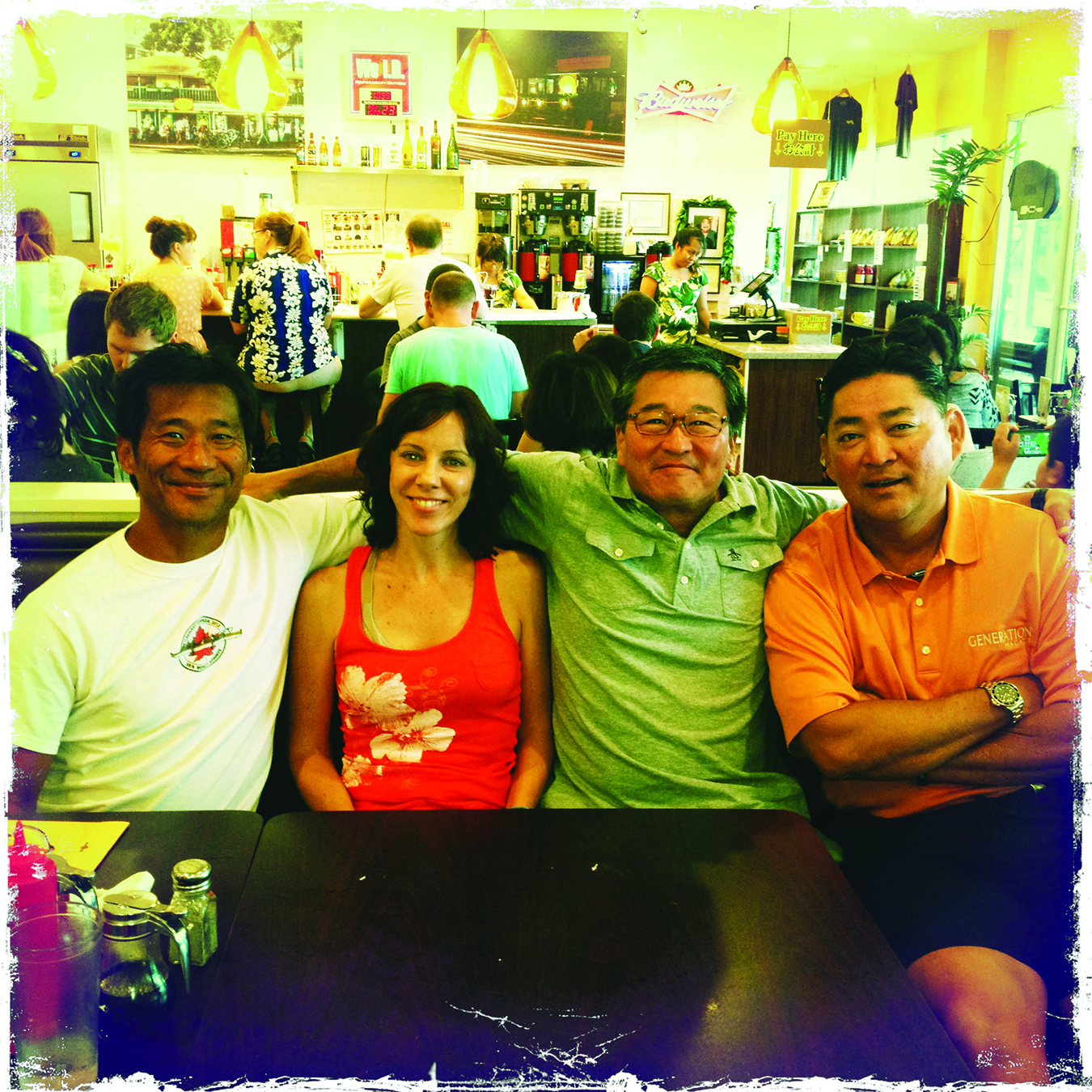
    The original team in the early years. A breakfast meeting of sorts. (L–R) Wilson, Amy, Brian and Percy.
    The original team in the early years. A breakfast meeting of sorts. (L–R) Wilson, Amy, Brian and Percy.

    Our first issue was on Kirk Matthews and I needed a local photographer. It was by happenstance that Brian’s wife, Pamela, was one of the magazine’s early advisors. So naturally, she recommended her husband Brian.

    My first communication with Brian was immediately friendly. He was very accommodating, which made it even easier to discuss directions with him. This was his greatest attribute as a professional and as a person: Brian was easygoing. Easily, friendship became the foundation of our relationship. We took it to heart; maintaining integrity of our work creatively with respect to each other’s craft. Always conscious of our own limitations, we often relied on each other to complete the visual goal. No matter the mundaneness of the subject or the parameters we had to work within, Brian always explored ways to elevate it to another level, even at his own expense — he was very talented and he was a perfectionist — which I’ve always admired. His easygoing attitude was also a plus for everyone working with him.

    The process of a photoshoot always has a level of stress. Brian hardly showed it, but he could be a little bit of a worrywart — as he admitted to me one day. We knew we could never control every aspect of a photoshoot, and when certain wrenches get thrown in the mix, Brian always had a plan ā€œBā€ and then would say ā€œLet’s just have fun.ā€ And that just sums it up on how we mainly rolled.

    BRIAN HIROMI SUDAMay 18, 1960 May 29, 2023
    BRIAN HIROMI SUDA May 18, 1960 May 29, 2023

    Of course, afterwards, we’d always revel over a few cocktails, his choices being as carefully planned as a connoisseur’s. ā€œWe did it again!,ā€ we’d say with a good laugh. We like patting ourselves on the back. That’s what friends are for: To give each other kudos for even making it out alive. We’d laugh at the unnoticed mishaps. And Brian was always out for a good laugh. I could tell him the sorriest story or joke and I’d get a good belly-chuckle. There are so many wonderful stories I could tell.

    In our profession, the joys we find are in the process — the camaraderie, the cheers over a beer. That’s what it’s all about. We love what we do. And we love the people we do it with. Through heartache and laughter, and rolling with the punches, we survive. That’s what we all do. Then, afterwards, we take it to the bar to swap stories — and give each other a round of pats on the back saying, ā€œGood job, buddy. You’ve done well.ā€ I miss you already, Brian. You’ve been an awesome photographer, colleague and friend.

    It’s been nearly four months now since my good friend Brian Suda passed away in May. It’s easy to feel his presence — we were workmates for about 13 years. But his work is ever-present whenever I’m working on this magazine. This is where we met. It started back in 2010.

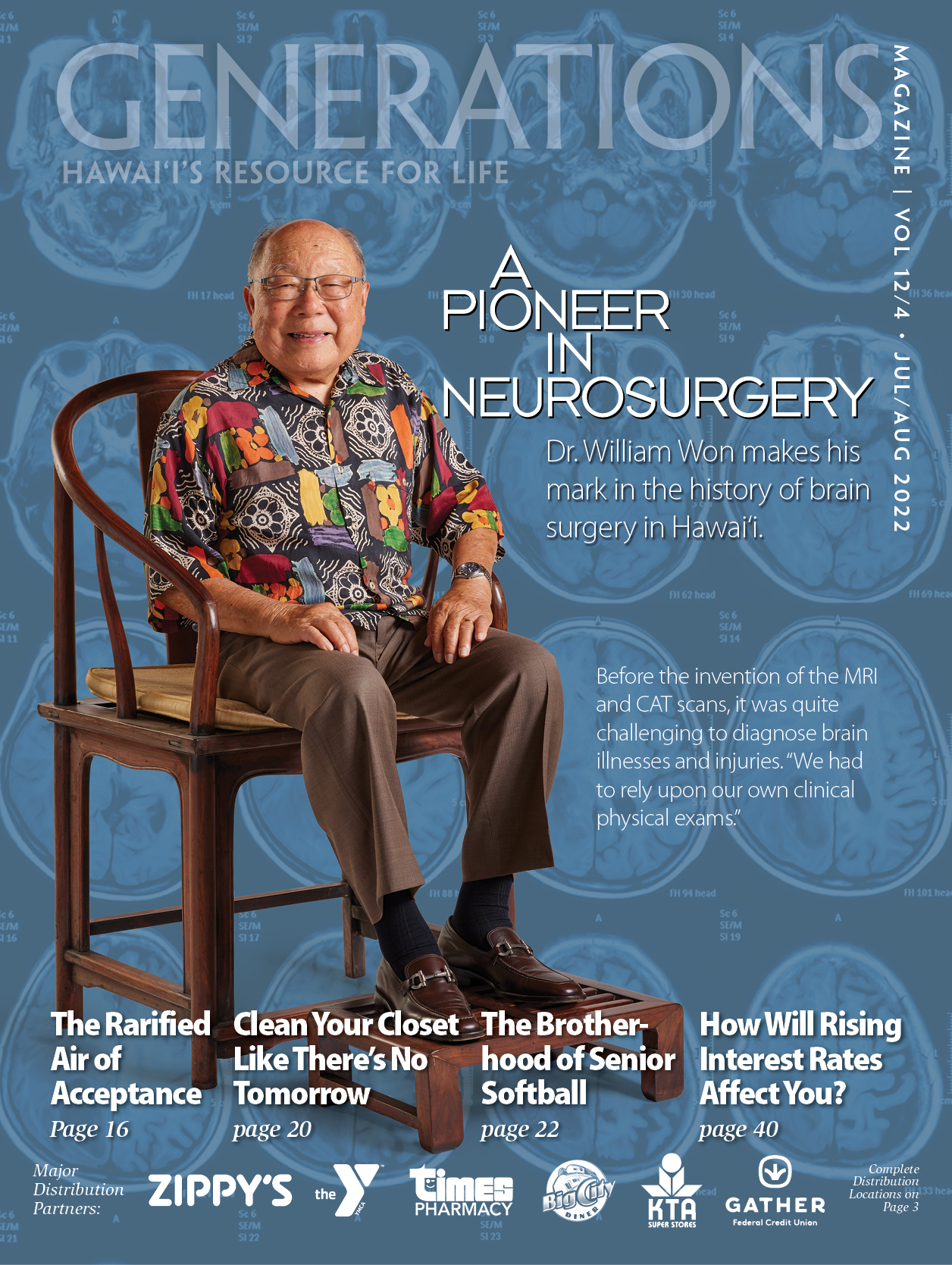
  • A Pioneer in Neurosurgery

    A Pioneer in Neurosurgery

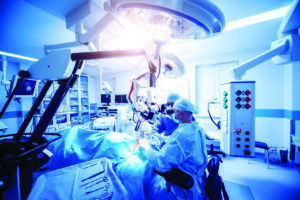
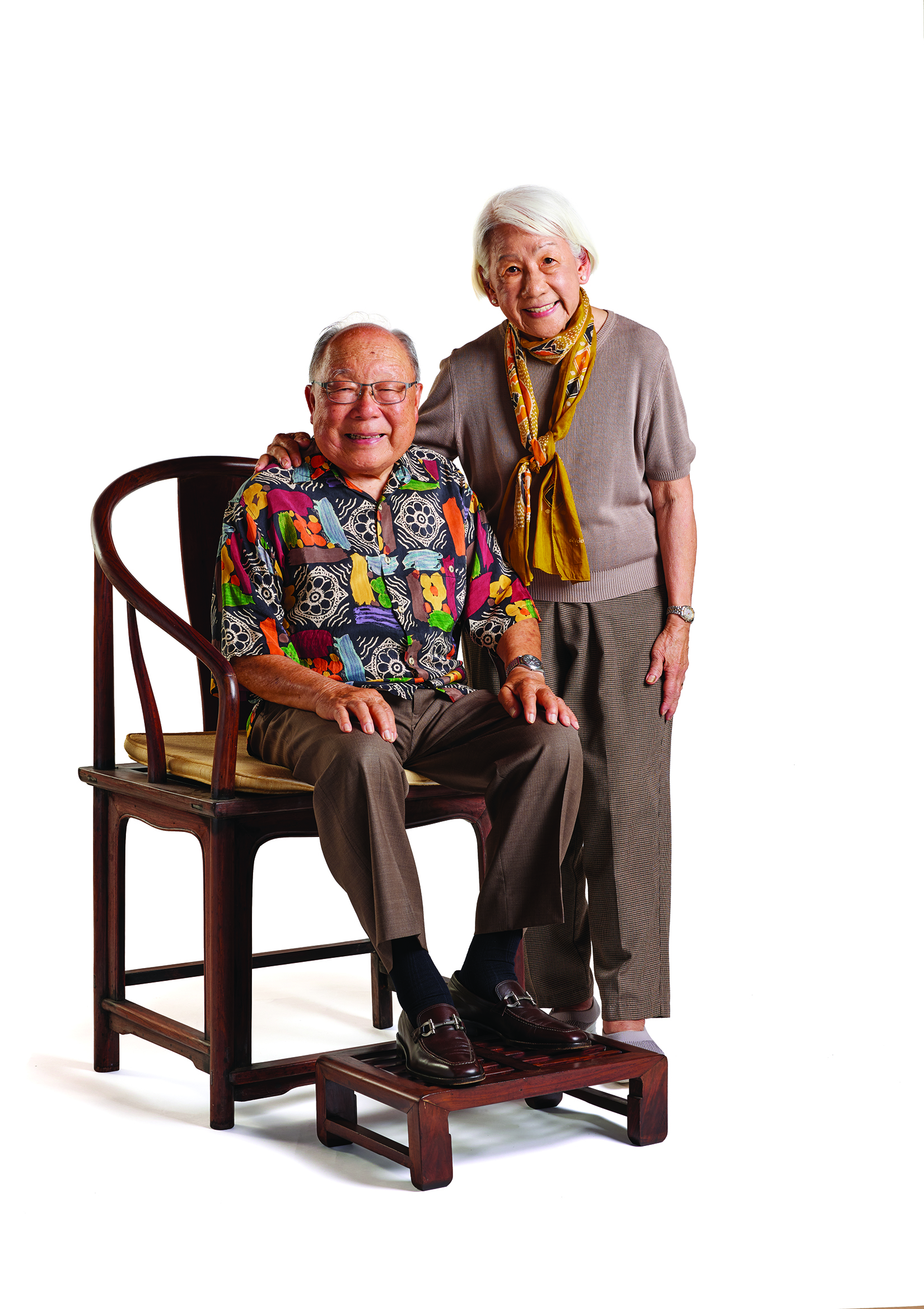
    Becoming a doctor remains one of the most challenging career paths one can embark upon. It requires extensive and expensive schooling followed by intensive residency training. One may go into the field of medicine anticipating that all the hard work will pay off — not only financially, but also in terms of job satisfaction. Then there’s the immeasurable personal benefits of helping people and saving lives. And in terms of respect and prestige, few occupations rank as high.

    But there are few professions that involve higher stakes or more serious responsibilities than the field of medicine. The consequences of a doctor’s decisions can be immense, leading to either remarkable or dire results — life or death. Becoming a doctor requires the discipline and determination to stay the course, and live a life true to oneself and one’s priorities.

    An Ambitious Career is Born

    Bill’s grandfather was part of a group of Chinese laborers who emigrated from China to California near the end of the gold rush to find a better world with greater opportunities. Since their hopes for fortune weren’t ā€œpanning out,ā€ they headed for the Kingdom of Hawaiā€˜i.

    Bill’s parents were born here in Hawaiā€˜i and raised their family in Kula on Maui before moving to Oā€˜ahu. The youngest of 12 children, Bill was ambitious. Although his parents didn’t encourage him due to the Great Depression of the 1930s, he was determined to excel in the field of medicine and saw a way to become a standout by becoming a pioneer in the emerging field of neurosurgery.
    Chasing the Dream

    Bill graduated from President Theodore Roosevelt High School in 1949, setting a course to attain his dream.

    ā€œI was always a good student,ā€ says Dr. Won. ā€œI had the highest grade point average in high school and also won the Harvard Prize Book as a junior. It was my ticket to Harvard, but ultimately, I chose to attend Columbia University in New York instead of Harvard in Boston.ā€

    The Harvard Prize Book, awarded to Bill in 1948, is given to an outstanding high school student who ā€œdisplays excellence in scholarship and high character, combined with achievements in other fields.ā€ Its goal was to attract the attention of talented young students.

    Although he had been given this opportunity to attend Harvard University, money for room and board would still be necessary. He had no connections or accommodations in Boston, so one of his teachers suggested Columbia. Since he had two older siblings who lived inĀ  Manhattan, he could live with them during his early college years. Other expenses that were unmet by the scholarship were covered by Dr. Won’s siblings. As the youngest, he had 11 who could help him.

    He first attended the University of Hawaiā€˜i for two years as an undergraduate, then transferred to Columbia College in Manhattan.

    ā€œI knew that neuroradiology was an emerging field but I didn’t know very much about it,ā€ says Dr. Won. ā€œBut I wanted to make a good living as an adult. Neurosurgery was not very popular because of its long residency — seven years. Most medical residencies were three or four years after internship. Not many people went into that specialty because it was so difficult — so unknown. I had no idea just how specialĀ  Neuroradiology was — but I soon found out.ā€

    ā€œColumbia later became the birthplace of the specialty of neuroradiology, which was non-existent at the time I started,ā€ says Dr. Won. ā€œModern neuroradiology uses radiation to diagnose and treat disorders of the nervous system. But there were no X-ray scans of the brain at that time.ā€

    After finishing his undergraduate years in 1953, he was admitted to the State University of New York Downstate College of Medicine in Brooklyn, New York, graduating in 1957.

    He entered into a surgical internship at the Kings County Hospital in Brooklyn, New York, finishing in 1958. His neurosurgery residency program did not start until 1960 at the Neurological Institute of New York’s Columbia Presbyterian Medical Center, so in the interim, he was called into the US Congress’ Berry Plan military doctor draft. After completing two years of active military service in Japan as a general medical officer in the Air Force, he returned to New York City in 1960 to start his residency in neurosurgery at the Neurological Institute of the Columbia Presbyterian Medical Center in Manhattan, completing his training in 1964.

    All told, he had been away from Hawaiā€˜i for 14 years while engaged in college, medical school, internship and residency training, and active military service overseas.

    He began his private neurosurgery practice in Honolulu in 1965 — one of a handful of experts in the field in the state.

    The Early Days of Brain Surgery

    Even a cursory outline of the history of neurosurgery in Hawaiā€˜i would not be complete without the names of the doctors who laid itsĀ  foundation here. From its humble beginnings in the early 20th century to the present day, neurosurgery has a rich and fascinating history in the state and has experienced rapid growth. This history is particularly unique, given Hawaiā€˜i’s remote location, indigenous population and military presence. However, the information available is relatively sparse before the state’s first full time neurosurgeon settled here in the late 20th century.

    The field and its limited neurosurgical care became available during this period in the form of transient traveling surgeons, notably, Dr. Frederick Reichert. Dr. Reichert trained at Johns Hopkins before moving to Stanford University, where he became chief in 1926. From California, he would make annual trips to the Hawaiian Islands to provide care for the local population.
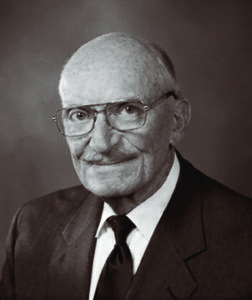
    Dr. Ralph B. Cloward, Hawaiā€˜i’s first full-time neurosurgeon, was arguably the most influential neurosurgeon in the state. The legendary physician made extensive contributions to neurosurgical clinical knowledge, pioneering multiple surgical techniques and operative instrumentation.

    In ’38, at age 30, Dr. Cloward began to practice neurology and neurosurgery in Hawaiā€˜i at ā€œthe Clinicā€ (Straub) where his father had worked. Throughout the ’40s, he provided unique contributions to the Kalaupapa community, relieving pain and returning function to leprosy patients. During the attacks on Pearl Harbor, Dr. Cloward literally worked under fire at Tripler Army Hospital at Fort Shafter, which filled with numerous head traumas within an hour of the initial bombing.

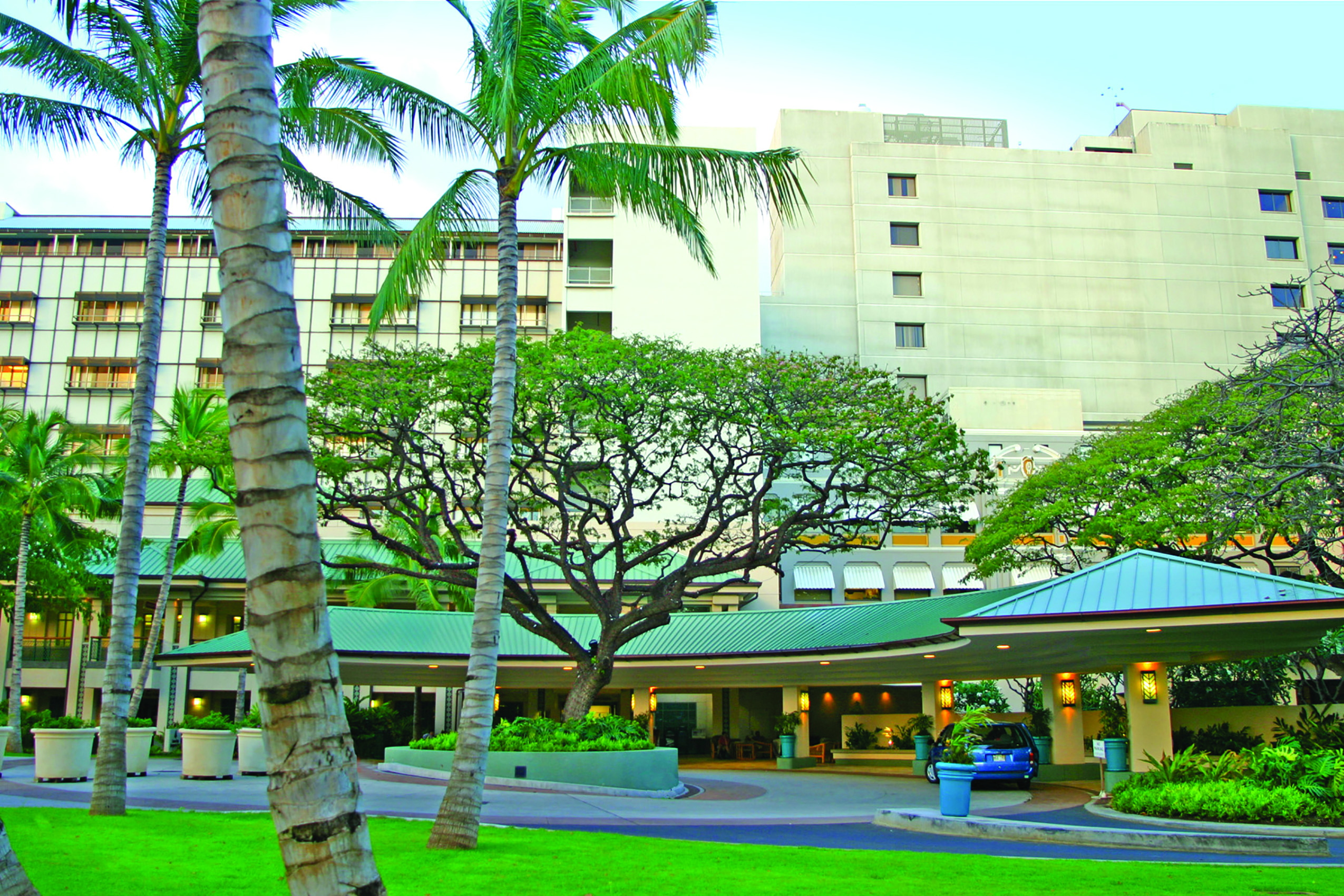
    The ’40s saw the arrival of additional neurosurgeons, including Dr. Thomas Bennet and Dr. John Lowrey. Drs. Cloward, Bennet and Lowrey worked together to provide neurosurgical care on Oā€˜ahu for the next decade. They practiced at Queen’s Hospital, St. Francis Hospital and Children’s Hospital.

    The ’50s saw continued expansion of the field in Hawaiā€˜i. Dr. Cloward continued to practice in the ’60s and beyond, developing andĀ  subsequently refining his anterior cervical spine approach. This technique, which is used for the correction of cervical disk herniation, was ultimately termed the ā€œCloward Procedure,ā€ in honor of its creator.

    The Doctor Returns Home

    The year of Dr. Won’s return as a neurosurgeonĀ  was the same year that the new University of Hawaiā€˜i medical school opened its doors as the John A. Burns School of Medicine (JABSOM). Early in 1965, Dr. Won went into private neurosurgical practice and his wife went to work for Kaiser Permanente–Hawaiā€˜i as an internist practicing primary care medicine.

    ā€œIn the early ’60s, all surgeons in the state had to obtain operating privileges at each separate hospital, except for Kaiser hospital, which was a fairly new kind of health maintenance organization,ā€ says Dr. Won. Medical insurance was in its infancy. ā€œThe Queen’s Medical Center was the most important hospital in town. Once you were accepted at Queen’s, you could work at the other hospitals — St. Francis and Kuakini Medical Center — called the Japanese Charity Hospital until Pearl Harbor was attacked. We worked at all the hospitals, but we all started at Queen’s.ā€

    ā€œIn the mid-’60s, when I started in private practice, there were no physicians’ offices at hospitals,ā€ says Dr. Won. ā€œWe all had to have our own
    private consultation offices somewhere nearby.ā€

    There were no trained emergency room (ER) physicians in the ’60s and early ’70s in the US. Recently graduated interns and residents mainly staffed the ERs.

    Dr. Won reported that he seemed to inherit the lion’s share of pediatric neurosurgical cases in Hawaiā€˜i at that time. However, his practice included all age groups. He performed aneurysm clippings, trauma surgery, pediatric subdural taps, placings of shunts for hydrocephalous, myelomeningocele repairs, brain tumor removals and many diagnostic tests.

    CAT and MRI scans were barely even in the concept stage back in 1966.

    A Challenge for Doctors and Patients Alike

    Before the invention of the MRI and CAT scans, it was quite challenging to diagnose brain illnesses and injuries.

    ā€œWhenever patients with any type of head injury came in, a neurosurgeon was always called in to evaluate the injury, no matter how minor,ā€ says Dr. Won. ā€œBecause there were no CAT or MRI scans available, we had to do specific neurological examinations and depend on what we found in physical examinations of the patient. We had to rely upon our own clinical physical exam and neurological exams that we learned to do in medical school. We had to work from scratch, because at that time, they couldn’t see through the skull. They could just take plain X-rays that only showed the outside of the skull. It was very difficult.ā€

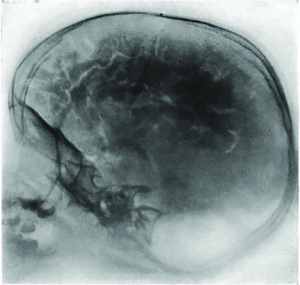
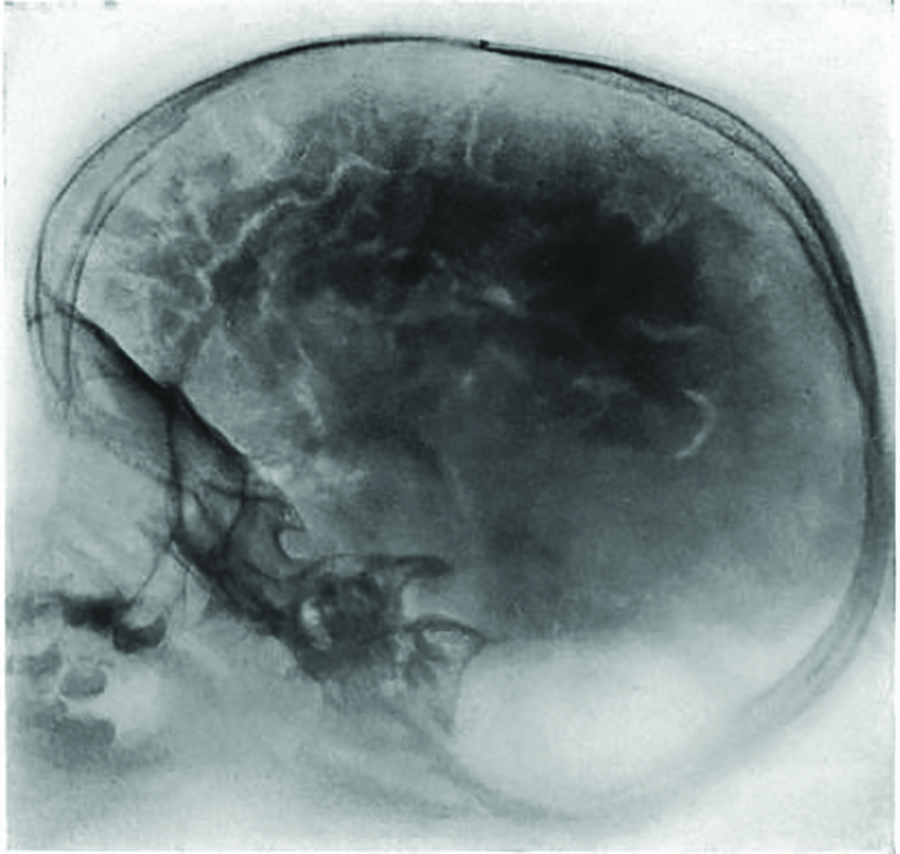
    ā€œMuch of our training and residencies were spent performing diagnostic exams to find out what the problem was,ā€ says Dr. Won. ā€œWe had to do a lot of spinal taps. In order to do a really thorough test, we drained all of the spinal fluid out of the body and replaced it with air. Air shows up on an X-ray as black, so it outlined the brain and it’s convolutions — the grooves (sulci) and the folds (gyri). The pneumoencephalogram procedure gave patients a pretty bad headache.

    Having been trained at the Neurological Institute in New York, Dr. Won was accustomed to the use of the pneumoencephalogram chair, which could invert the patient upside down.

    ā€œAir rises, so if you wanted an image of the bottom of the brain, you had to turn the patient upside down,ā€ says Dr. Won.

    It was Dr. Won who brought the chair idea to Hawaiā€˜i. ā€œI was able to get the biomedical staff in St. Francis Hospital’s radiology department to build a rotating pneumoencephalogram chair adapted from an actual dental chair,ā€ says Dr. Won. His chair was equipped to safely turn the patient upside down. ā€œI was the only one who was able to use the chair due to my experience at Columbia. And it was quite useful, especially when doing that diagnostic test in the pediatric age group under general anesthesia.ā€

    This was one of the best ways to study the internal anatomy of the brain and detect lesions of the nervous system before CAT and MRI scanning became available. Dr. Won’s chair was the only such device in Hawaiā€˜i at the time.

    ā€œThe chair was always in use because that was the only way to see inside the brain,ā€ says Dr. Won. Neurosurgical residents conducted all the X-ray tests because there was no neuroradiology specialty at that time. (The angiogram or arteriogram — injecting dye into an artery — was another way of imaging the brain.)
    A Welcomed Obsolescence

    But Dr. Won didn’t have to use the pneumoencephalogram chair very long, because the CAT scan was developed a few years later, which made diagnosis easier ā€œand the chair immediately obsoleteā€ adds Dr. Won. ā€œAnd all the tests that we were trained to perform were eliminated.ā€

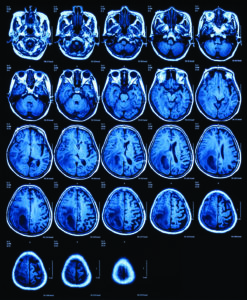
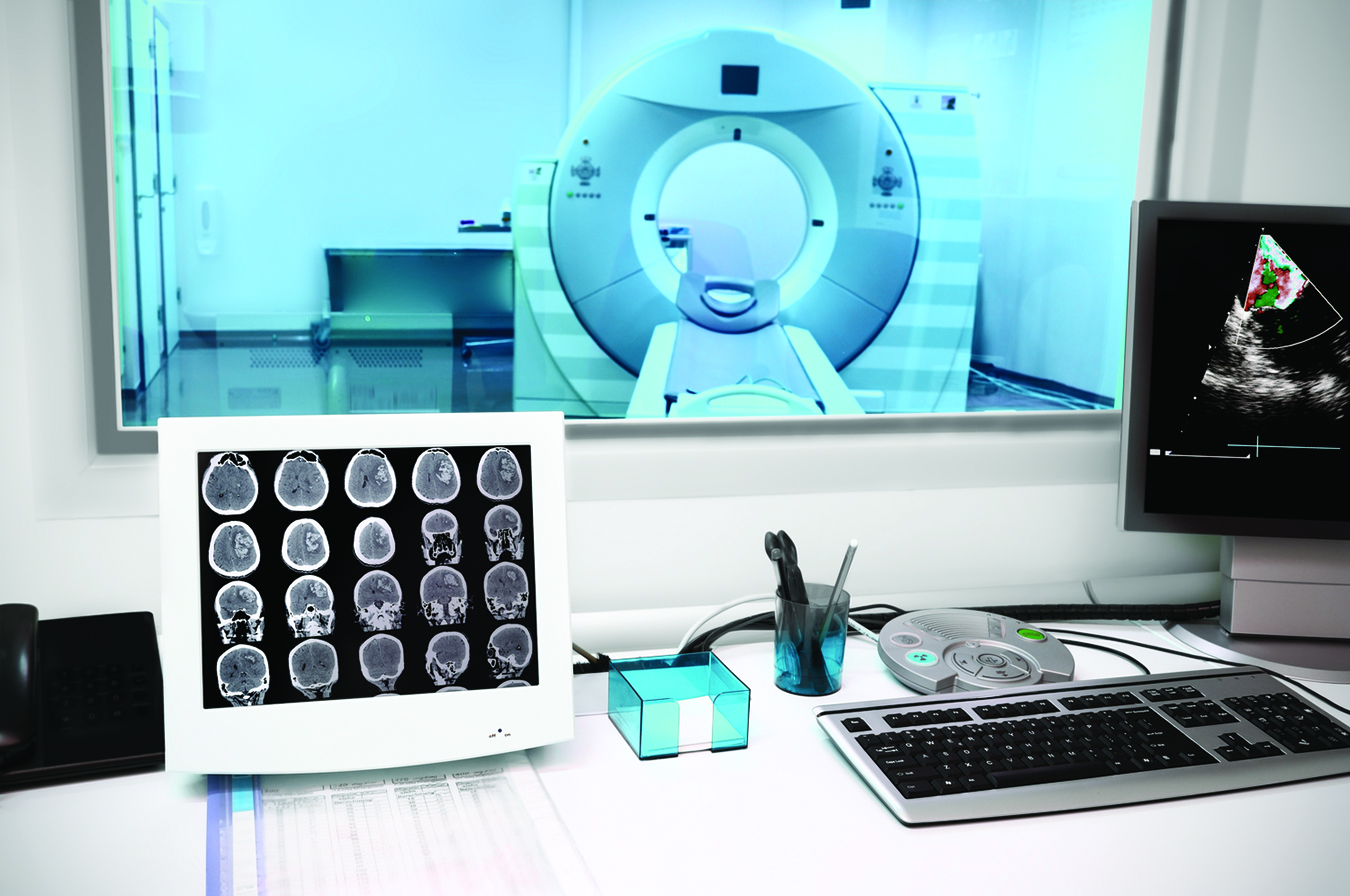
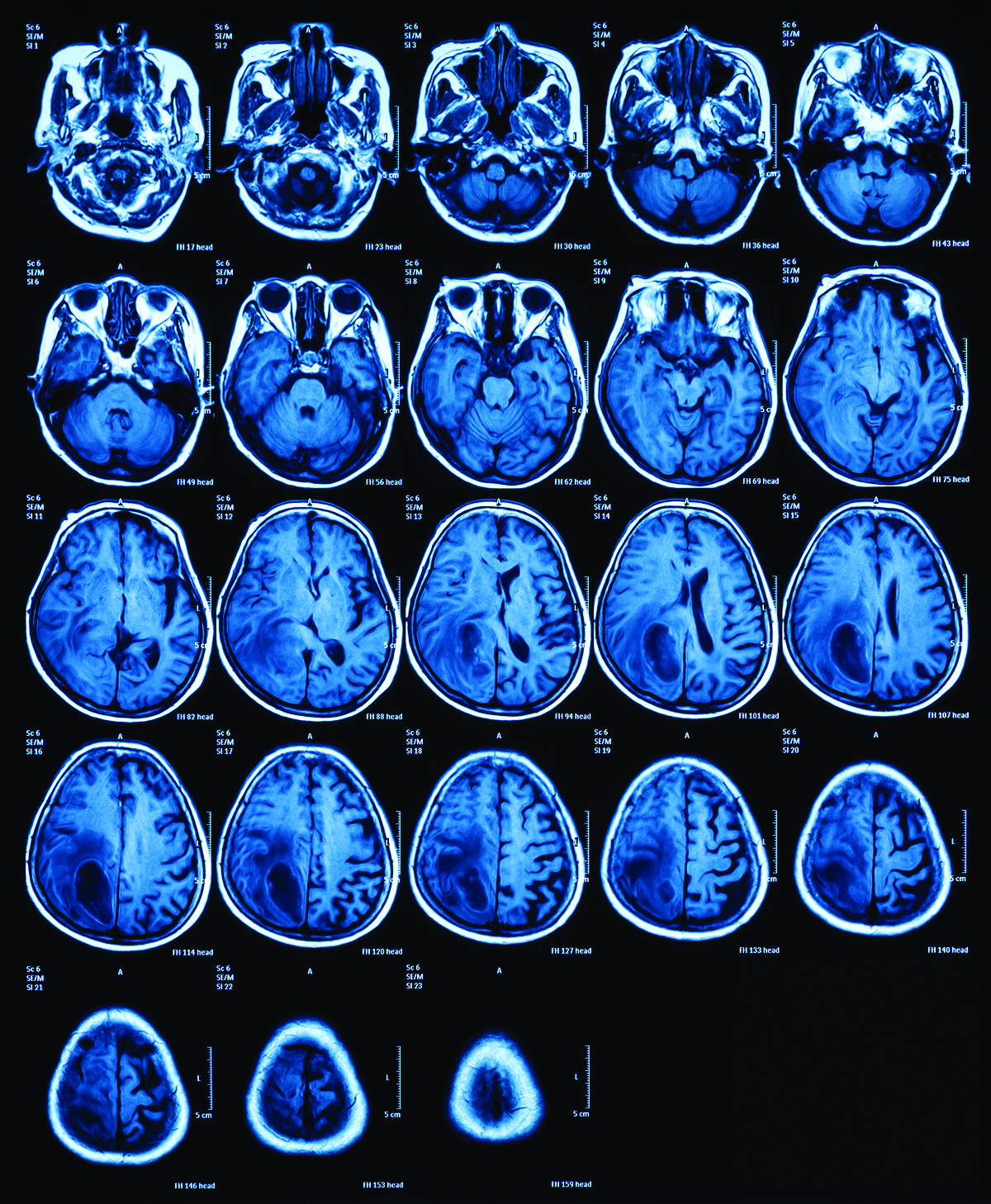
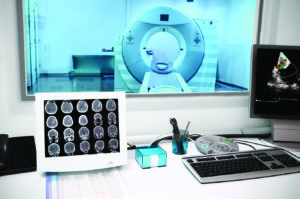
    Computerized axial tomography (CAT, CT) uses a combination of X-rays and computer technology to provide comprehensive images that help detect a number of neurological conditions. The MRI (magnetic resonance imaging) scan, which came later, was able to reveal even more than a CAT scan could. MRI scanning, using radio waves and a strong magnetic field to provide very clear images without ionizing radiation, is best for diagnosing and monitoring many neurological conditions affecting the brain.
    A Day in the Life of a Brain Surgeon

    ā€œNeck and back surgery was also a large part of neurosurgery practice,ā€ says Dr. Won. ā€œAnterior cervical fusion for cervical spine injuries and cervical disc degenerative disease was a ā€˜popular’ operation. Lumbar spine surgery was also more common during those days
    than it is now.ā€

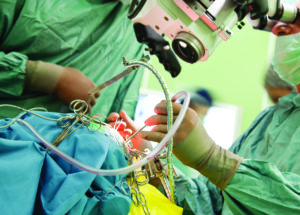
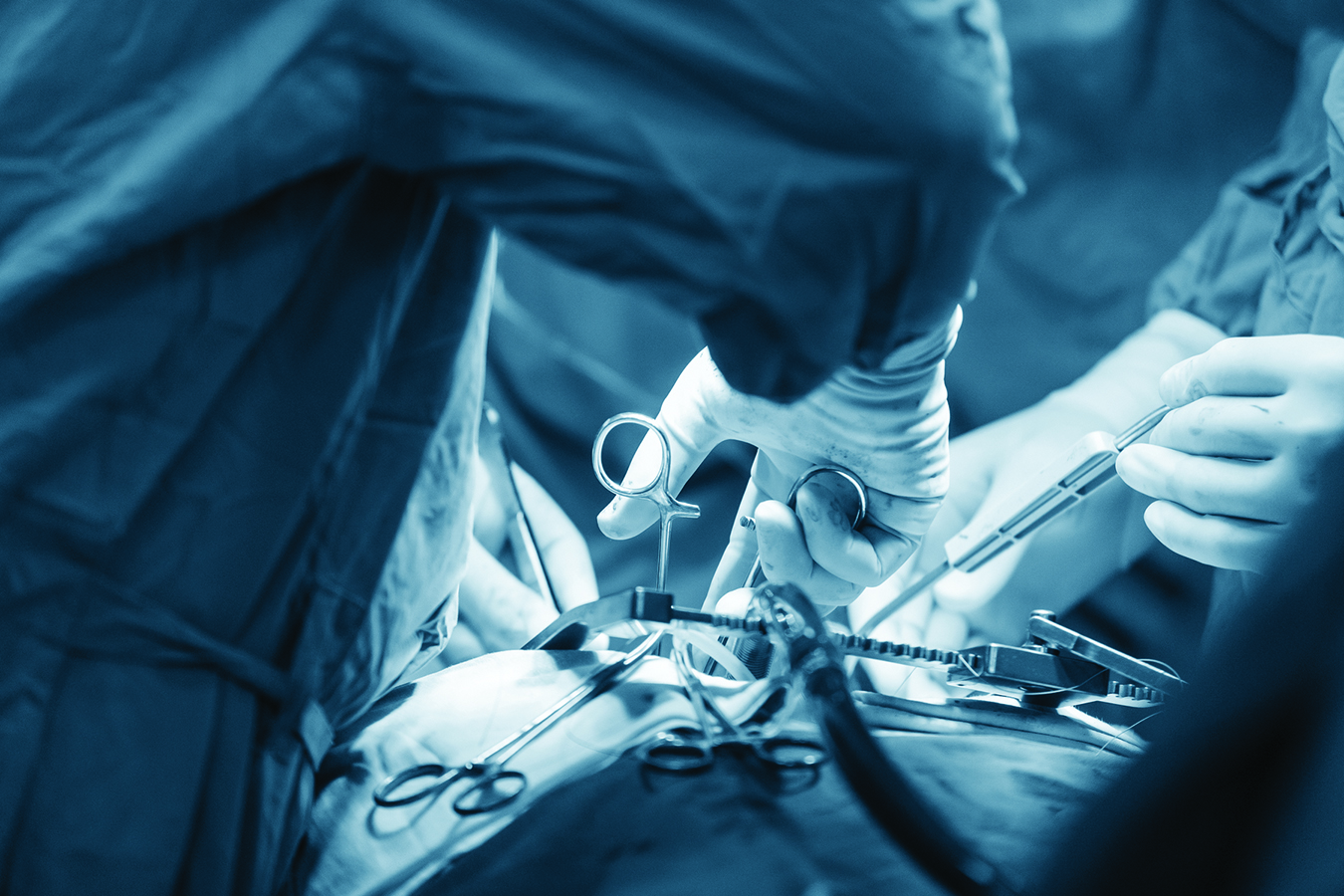
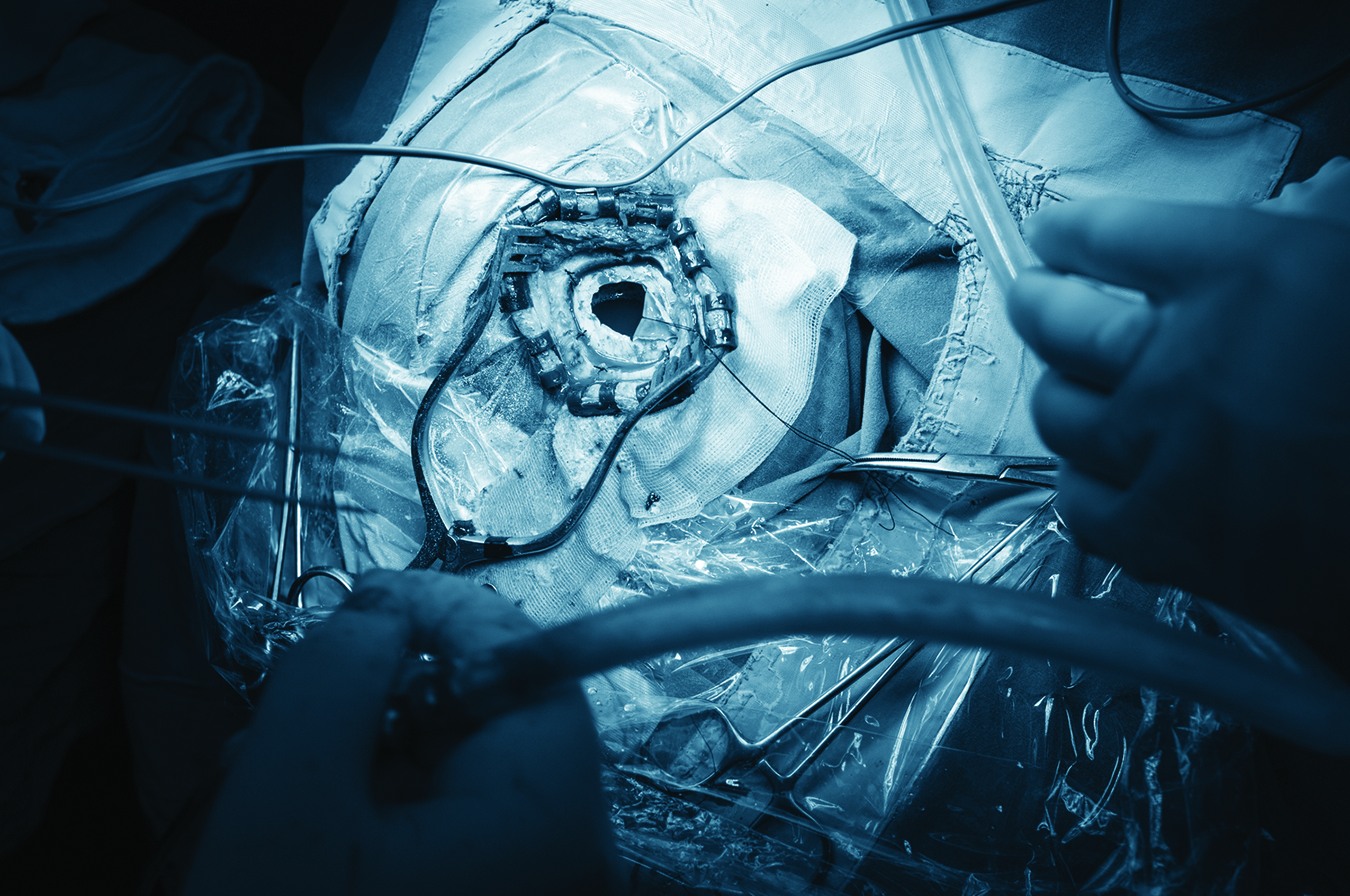
    Most major procedures were craniotomies for brain tumors, aneurysms and severe brain trauma — especially posterior fossa craniectomies — a surgical procedure to make an opening in the back of the head to gain access to the brain. Special head frames with bone pins were used.

    ā€œHead trauma made up the bulk of my neurosurgery work in those early days,ā€ says Dr. Won. ā€œI worked 24/7, until the hospitals began to staff ERs with specialists who were fully trained MDs. Also, the availability of CAT and MRI scans replaced the necessity of having to do emergency carotid angiograms in the middle of the night. That was a great relief!ā€

    ā€œI did much of the pediatric work, for example, subdural punctures via anterior fontanelle, ventriculoperitoneal shunts for hydrocephalus; repair of myelomeningoceles; and rarely, posterior fossa tumors. With the now current knowledge of the important role of folic acid in the prenatal period, the occurrence of many of these pediatric abnormalities has subsided.ā€

    In the late ’80s, Dr. Won moved from his St. Francis Hospital campus office to Queen’s, where he practiced until he retired.

    Neuroradiology: The Evolution of Brain Surgery

    Neurosurgery was still in a relatively primitive state in the ’60s and early ’70s, until the CAT scan became clinically available.

    The first CAT scan machine was installed at Queen’s in the mid-’70s. It radically changed all of neurosurgical practice and firmly established the specialty of neuroradiology.

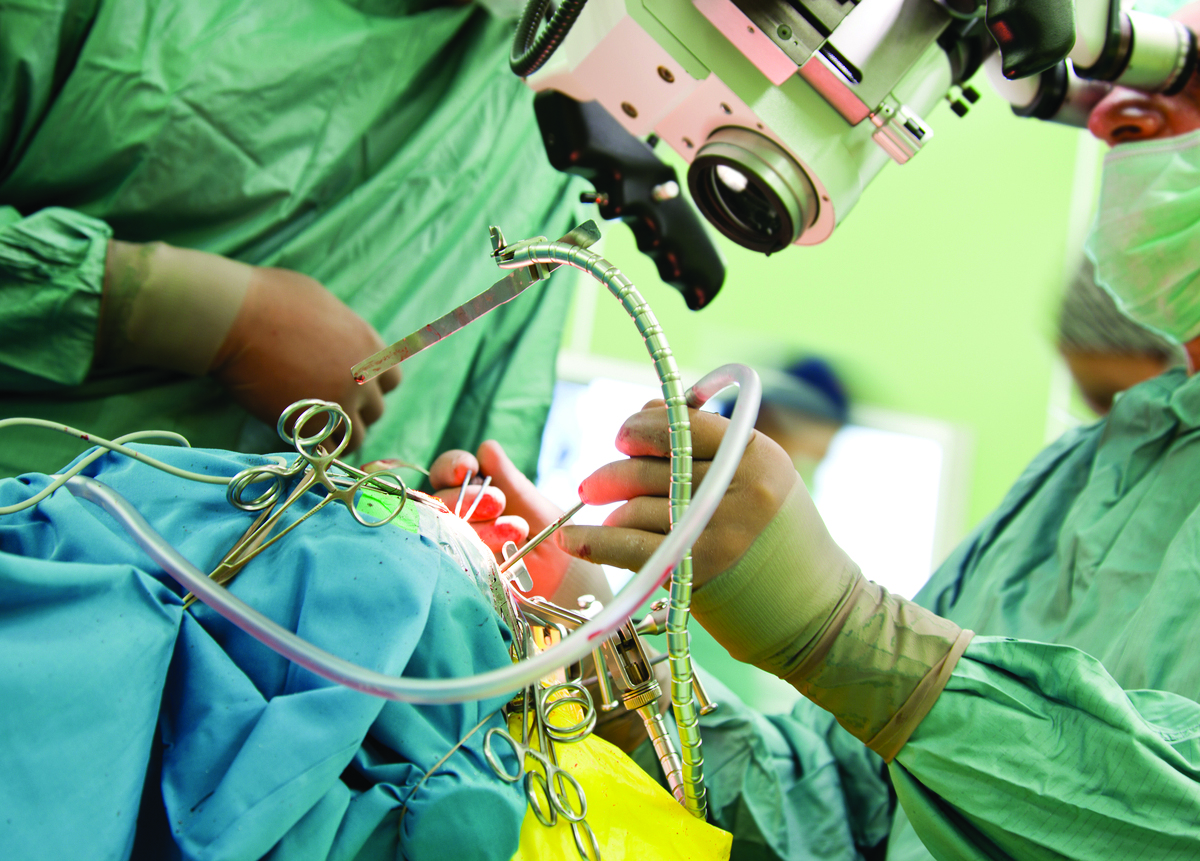
    ā€œThe surgical microscope for neurosurgery was not available at St. Francis Hospital, where I did the major portion of my hospital practice in the early ’60s,ā€ says Dr. Won. ā€œIt was not until the ’70s that we were able to get some training for its use in treating aneurysms and skull base tumors. Individual neurosurgeons in private practice had to get special training in new procedures while attending our annual American Association of Neurological Surgeons and the Congress of Neurological Surgeons meetings on the mainland.ā€

    ā€œIn cases of extremely rare tumors or arteriovenous malformations, and in skull base and midline tumors, I would refer patients to the major medical centers on the mainland or to my neurosurgery training program in New York.ā€

    15 Minutes of Fame

    In 1981, Dr. Won became a reluctant expert witness in an infamous court case that became a major media sensation. A circuit court judge was the target of a large public protest and was criticized by state officials when he overturned a 1979 jury verdict that found a drug dealer guilty of killing and then dismembering another drug dealer, saying discrepancies in testimony by key prosecution witnesses raised serious doubts. The judge said the jury was wrong and the verdict was wrong.

    Many attorneys thought the judge was correct, according to Dr. Won.

    The following day, the judge was found semiconscious from a head injury. Police said he had tried to commit suicide by falling or jumping off a table.

    Although Dr. Won hoped not to be involved, the case came to St. Francis Hospital where he worked because the facility had the new CAT scanner. A CAT scan revealed bilateral skull fractures and a subdural hematoma. Bilateral skull fractures usually occur from two direct impact sites. The eyes and neck were also bruised and one of his collarbones was broken.

    ā€œIf you fall down on one side, it will only fracture one side of the head, because of the big suture in the middle of the skull (fibrous tissue connects the bones of the skull),ā€ says Dr. Won. ā€œA fall on one side won’t affect the other side. But the judge had a fracture on both sides of his skull, so he couldn’t have just fallen. It was my opinion that the patient received several blows to the head while he was asleep.ā€

    Dr. Won performed emergency lifesaving surgery on the judge and was called to testify in court regarding his opinion of the cause of the judge’s suspicious head injury. ā€œBut the police department was not interested in my opinion regarding the judge’s head injuries,ā€ he recalls.

    The court case gave Dr. Won much more than 15-minutes of fame — including articles in The New York Times. ā€œIt was a very sensational case.ā€

    Current State of Neurosurgery in Hawaiā€˜i

    A hundred years ago, the only way to positively diagnose many neurological disorders was through an autopsy. Today, modern medical imaging has allowed physicians and scientists to see the structure of the brain and changes in brain activity as they occur. Some of the most significant improvements in imaging have occurred over the past 20 years, providing sharper images and more detailed functional information.

    Using X-ray, MRI and CAT technologies, radiology has become an important part of the diagnostic process within neuroscience. Modern neuroradiologists focus on interpreting scans of the central nervous system, which includes the brain, spine and spinal cord, face and neck, and peripheral nerves.

    Neurosurgery has continued to develop in Hawaiā€˜i. JABSOM has a Division of Neurosurgery consisting of seven clinical faculty. The faculty operate at hospitals throughout Hawaiā€˜i and the Pacific, including Queen’s and Straub. The faculty teach residents in the general surgery and orthopedic surgery residency programs, as well as medical students. Several from the latter group have gone on to neurosurgical residencies.

    There are typically 13 to 14 neurosurgeons at any given time based at nine hospitals in Hawaiā€˜i. The majority of neurosurgical care is provided in Honolulu. However, neurosurgical services have also been available on Maui for the past several years. The most complex procedures are performed at Queen’s, which has been home to a neuroscience institute since 1996, participating in numerous clinical trials and research projects.

    Neurosurgeons are able to function with relative independence from mainland institutions. However, collaborations do exist. A recentĀ  partnership between Queen’s and the M.D. Anderson Cancer Center in Texas has sought to expand the scope and quality of care available in the Pacific.

    Neurosurgery has continued to grow at UH and its associated training sites, making the state one of the Pacific’s premier destinations for such services.

    Nurturing a New Generation

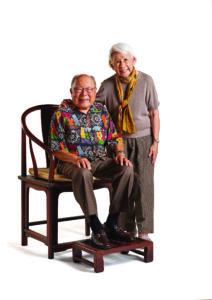
    Dr. Won’s interest in collecting Chinese antiquities began during his college and medical schoolĀ  days. He is a longtime member of the Society of Asian Art of Hawaiā€˜i. During his free time at neurosurgical conferences, he visited antique shops. Over the years, he acquired a collection of Chinese antiques, which he later auctioned off. That auction was an important milestone for the Wons, enabling them to create a financial aid fund for Punahou students in need of tuition assistance.

    ā€œWe know the importance of education,ā€ said Dr. Won. ā€œNow we can offer some help to others.ā€

    Punahou has served as a pillar in the Won family foundation since their only son started kindergarten there more than 40 years ago. He graduated in 1984; all of his children also attended. ā€œWe come from humble beginnings,ā€ said Dr. Margaret Lai, Dr. Won’s wife, ā€œand we realize a lot of people need financial aid, so it’s wonderful to be able to offer that.ā€

    Family Life

    After he retired in 1996, Dr. Won continued to serve as the physician member of Hawaiā€˜i’s Medical Claims Conciliation Panel (MCCP) — now known as the Medical Inquiry and Conciliation Panel.

    In 2006, the Won’s son and his wife and two daughters moved back to live with them.

    ā€œBecause they are busy working parents — our son is a professor of accounting at the UH Department of Business and our daughter-in-law is a professor of geriatrics at JABSOM — we were very busy grandparenting,ā€ say the Wons.

    Up to a few years ago, ā€œYeh-Yeh,ā€ as his grandchildren call him, was on the Punahou campus daily, providing afternoon chauffeuring, picking them up and delivering them to a variety of afterschool activities. Margaret — ā€œNai-Naiā€ — cooked dinner for their extended family of eight, then six, when both granddaughters left for college. Now, their son and daughter-in-law have taken charge of nearly all of these activities.

    After retirement, Bill and Margaret helped make deliveries for Hawaiā€˜i Meals on Wheels for over 15 years. The Wons also attend Kaimuki Christian Church and Bible studies, and contribute to Christian organizations and missionary doctors. They enjoy gardening. and meals with friends and family, and enjoy a regular walking routine.

    ā€œWe give glory and thanks to God for all His blessings,ā€ they say.

    Just Listen…

    Dr. Won and Dr. Lai offer this simple guidance for future and current doctors: ā€œReally listen to your patients and their families. Their descriptions of symptoms are an invaluable tool. When you listen carefully, patients know you care.ā€

    _______________________________
    History of Hawaii Neurosurgery, Robinson M.D., Bernard (www.amazon.com)
    SOURCES
    Columbia Neurosurgery History:
    https://www.neurosurgery.columbia.edu
    The Development of Neurosurgery in the State of Hawaii: 2021meeting.cns.org
    Swinney C, Obana W, The History of Neurosurgery in the Hawaiian Islands, World Neurosurgery (2017), doi: 10.1016/j.wneu.2017.10.065:
    https://iranarze.ir/wp-content/uploads/2018/09/E9610-IranArze.pdf
    WHAT IS NEURORADIOLOGY:
    https://www.radiology.ca/article/what-neuroradiology

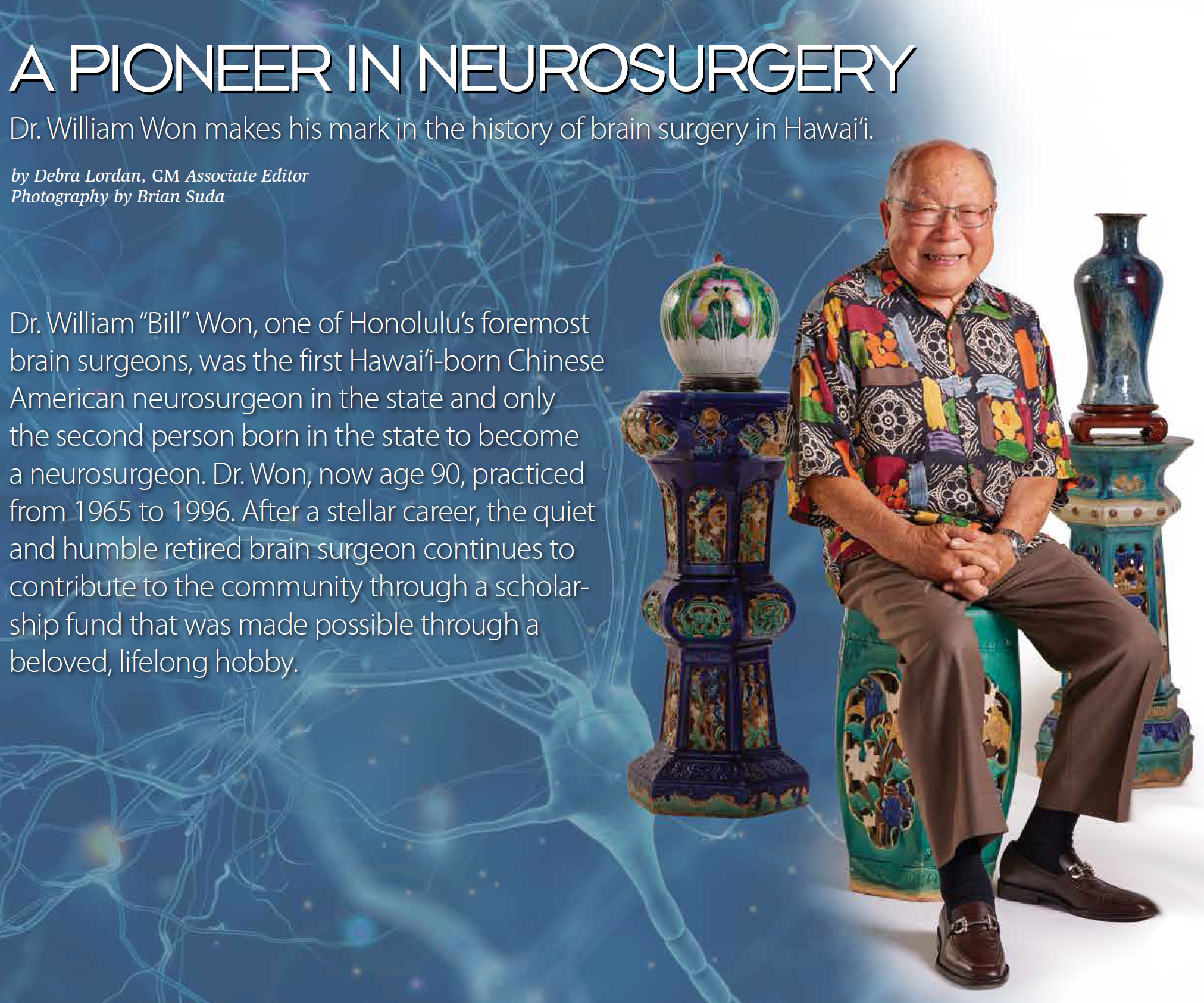
    Dr. William ā€œBillā€ Won, one of Honolulu’s foremost brain surgeons, was the first Hawaiā€˜i-born Chinese American neurosurgeon in the state and only the second person born in the state to become a neurosurgeon. Dr. Won, now age 90, practiced from 1965 to 1996. After a stellar career, the quiet and humble retired brain surgeon continues…

  • Reasons, Steps, Benefits: Preparing for the Future With a Smart and Sound Estate Plan

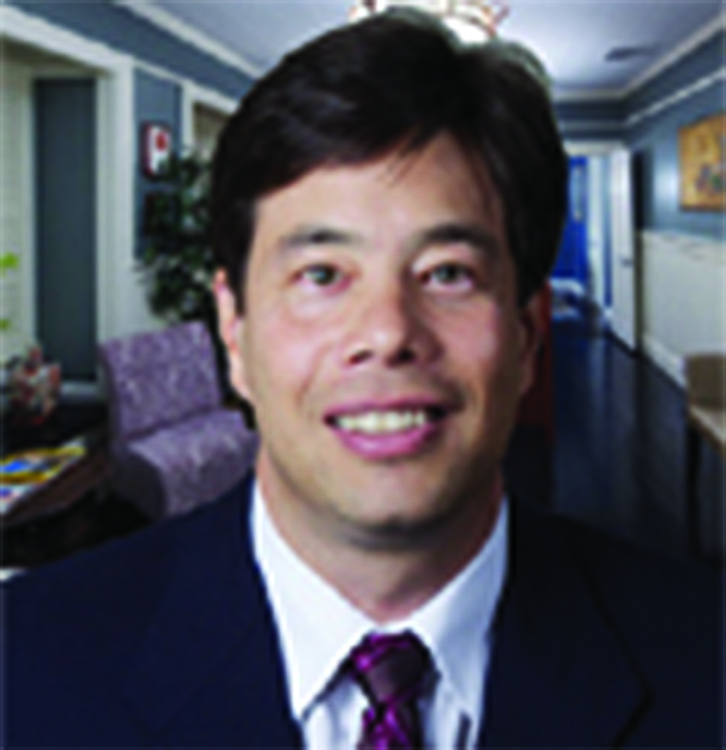
    AN INTERVIEW WITH STEPHEN B. YIM, ATTORNEY AT LAW

    Can you tell us why you chose estate planning
    as a career?

    Facing one’s mortality is like staring into the sun — we don’t want to do either for very long. There is no cure for mortality, but we can do the next best thing by providing peace of mind in a stressful time. Estate planning provides that peace of mind to those with the foresight to create this important document. They know they can rest in peace when they die, because their loved ones are going to be provided for and their path into their future will be smoother. It’s just one less thing to worry about in this confusingĀ  world.

    What is an estate planner’s mission?

    The mission of an estate planner is to clearly document the intentions of the creator of the plan in anticipation of a time when they can no longer speak for themselves. The primary goal is to reduce or avoid conflicts, confusion and cost.

    How is estate planning accomplished?

    I do not view estate planning as simply making a bunch of legal documents, crossing our fingers and hoping that everything works out, and then sending clients on their way. I view estate planning as process-oriented, client-centered and value-driven, as opposed to procedure-oriented, document-centered and worth-driven.

    There is great risk in not engaging in this process. Statistics reveal that about 35 percent of us ever do estate planning and 70 percent of those who do, result in plan failure. Failure means the plan did not go as intended. Of the 70 percent, 3 percent failed because of probate and paying too much tax. The inappropriate receipt of assets makes up the remaining 97 percent of failures. Examples of this type of failure would be minor beneficiaries indicated as recipients, causing court custodianship, or worse, monies ending up with an ex-spouse of a deceased child who share these minor children; spendthrift children receiving and misspending their inheritance in a matter of months; or disabled beneficiaries receiving and losing governmental benefits. Other examples of failure include beneficiaries who fought over the family home, losing their inheritance to lawyers; or beneficiaries losing theirĀ  inheritance to creditors, predators and ex-spouses.

    Can you discuss the estate planning process?

    The first step for an estate planning attorney is to find out as much as possible about the person seeking to create an estate plan. The person should complete a questionnaire and state what he or she owns, and how much the assets are worth. TheĀ  questionnaire should also include answers about family members. The questionnaire should address not just quantitative issues, but quality-of-life and relationship issues. The questions should clarify the person’s story, revealing the nuances of their lives, so the estate planning attorney can really see where they are coming from, consequently, assisting in setting up a plan that suits his or her specific needs.

    Once the plan is signed, a funding recommendation spreadsheet should be prepared, with suggested beneficiary and ownership of assets based on certain facto {Play}rs, including the person’s intentions, convenience, probate avoidance, tax minimization estate/gift, capital gains and income tax, liability protection and relationships.

    This detailed spreadsheet serves two purposes. First, it allows the estate planner to work with his or her client to properly fund the estate plan. Secondly, if the client passed away, the Trustee would have information immediately rather than spending the next couple years looking for information.

    These traditional estate planning documents are the cornerstones that capture and define one’s intentions. But these documents alone cannot relay one’s intention. There are four additional documents that can help complete the estate planning process. (1)Ā  A Will provides a place to tell your life experiences and values — our ā€œroots and wings.ā€ (2) A Personal Property Memorandum provides a place where you can pass on your story, as well as the items of personal property — ā€œour hearts are not accountants.ā€ (3) An Advance Care Plan relays what quality of life means to you at end of your life. (4) An Operating Manual for Children provides a place for parents to express their wishes for their children. It will be used by the Trustee or Guardian.

    This cycle of estate planning concludes with a family meeting. The family is gathered together and the plan is explained, based on the person’s intentions and expectations — not just with regard to assets, but with regard to person’s end-of-life choices.

    This messy and risky conversation can prove to be very challenging, but it is well worth the effort. If you think it is difficult to relay intention while you are living, imagine how difficult it would be when you are gone.

    The cycle begins all over again with a period review. Depending on the person’s situation, they may be advised to meet once a year, every three years, every five years, or sooner, if their situation significantly changes. As accommodators of change, estate planners strive to keep their clients’ plans as current as possible.

    How do I find an estate planning attorney?

    Finding the attorney who is right for you is crucial to a successful plan. Consider the following: Referral. The best way to attain a suitable estate planning attorney is by referral — ask friends, family or co-workers about their experiences with their estate planner.

    Experience. Look for someone with at least 10 years of experience in estate planning or someone who works with an experienced estate planner. Seasoned trust-and-estate lawyers can help navigate even the most complicated situations.

    Full-Time. Work only with an attorney who practices estate planning on a full-time basis.

    Staff. Check whether or not your attorney has sufficient staff to help you when you need it.

    Successor. Establish a long-term professional relationship with your attorney. Look for an attorney who is grooming associates to take over.

    When determining a Trustee or Guardian, what should you consider?

    Whether appointing an agent under a Power of Attorney, a Guardian of children or a Trustee, consider these five questions:
    (1) Do you trust this person?
    (2) Is this person willing?
    (3) Is this person able?
    (4) Is this person available?
    (5) Is the person married to or involved with who will support this person in helping you?

    Facing one’s mortality is like staring into the sun — we don’t want to do either for very long. There is no cure for mortality, but we can do the next best thing by providing peace of mind in a stressful time. Estate planning provides that peace of mind to those with the foresight to…

  • Declutter Your Home for a Move or to Age in Place Safely

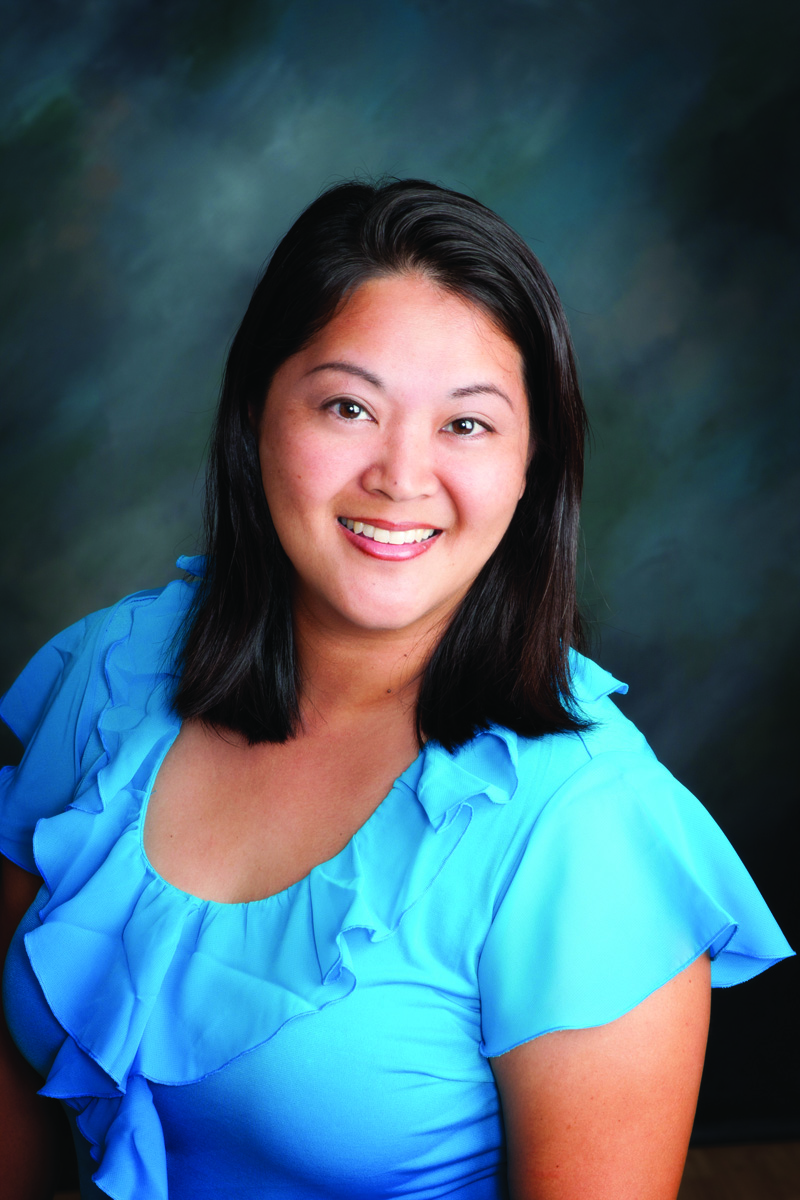
    An interview with Cynthia Arnold, Vice President of Senior Move Managers/De-Clutter Hawaii

    How do decluttering and relocation services help seniors move or age in place?

    These services assist older adults and their families with the emotional and physical aspects of relocation and/or aging in place. The services are used when seniors are preparing to downsize to a smaller residence, retirement community or relative’s home.

    Decluttering services are also used for those aging in place, to help clear and/or organize their home so that it is safer to live in. In all those cases, these services help relieve stress on the senior and help with a smooth transition.

    When should decluttering begin?

    People should always be thinking about decluttering. Clutter isn’t age-related. All of us can accumulate too many possessions. However, if you start to notice that you can’t find things or you can’t get into areas in your home, then that is definitely a time to start thinking about decluttering.

    Can your services be used in preparation for downsizing for a move down the road?

    Yes. When you start thinking about a future move, whether it’s one or five years from now, now is the time to startĀ  downsizing. The emotional aspect of getting rid of things can be difficult, so start as early as possible to help moderate the emotions of moving from your home.

    How do you help seniors and their families make decisions about their possessions?

    Making decisions on what to keep and not keep can be very emotional and difficult. Most clients want to keep everything because they love all their possessions. However, if we keep the focus on what we want in our future, like a move to
    a retirement community — our decisions can be based more on that destination instead of the stuff. We focus our clients on their happy future and their new goals.

    We stress that the value we need to hold onto is our memories and stories, and the journey we are about to embark on.

    How do you help determine what to discard?

    When working with clients, we can’t tell them what to discard. The question we always pose is ā€œWhat do you want to keep?ā€

    What can seniors do with unwanted items?

    Unwanted items are often discarded, but www.Opala.org includes recycling guidelines and locations. There are many organizations that take used household goods, clothing and furniture.

    How do you help them determine what memorabilia to hand down through generations?

    Everyone has different memories or special feelings regarding different items, so family members are the only ones who can determine what they would want. Include immediate and extended family when you are considering gifting your items. Our general rule for family items would be to keep photos and videos. We also recommend scanning photos and digitizing videos.

    What should seniors gift to friends?

    It is nice to give a special gift to a friend, especially if you remember them saying ā€œWow, what a beautiful platter!ā€ or ā€œI love that jacket!ā€

    How do you help them determine what to move to the new location?

    When relocating, the first thing we like to do is create a floor plan of where you are relocating to, which will help you to see what furniture will fit versus what furniture you want to take. You can only take the furniture pieces if they will fit in your new home. After you make those decisions, decide how many books, how much clothing…

    How do you help seniors determine what to declutter for safety reasons?

    When we declutter to age in place, the first places to focus on would be walkways that are obstructed, such as hallways, stairways and high-traffic areas. We want to remove any trip hazards that we can see, like floor mats, and extension and computer cords. Ideally, there should be three feet of clear space in all walking areas.

    When is renting a storage space for extra possessions a viable solution?

    We do suggest a storage unit when clients have a hard time getting rid of things or if they are short on time. If a client needs to be moved out of a place by a specific time and the sorting process is taking much longer, then a storage unit can accommodate those items for the time being.

    Most times, if you are moving from a four- or five-bedroom home to a one-bedroom home, it will be difficult to let go… We also encourage clients to pack up their ā€œmaybeā€ items and put them into storage. If they don’t think about those items in three to six months, then that probably means they don’t mean much to them. This is a good way for them to have more time to process.

    What tips can you offer to motivate everyone approaching their golden years to start decluttering on a regular basis?

    We have what we call a ā€œDe-Clutter Sweep.ā€ Take a box/bag and go into each area of your home and take things out that you quickly see you don’t want — for example, trash items. Take a trash box/bag and discard old mail, paper clippings, food wrappers, etc. You may be surprised how much trash is on the floor.

    Once you get the hang of it, you can then do this with things you don’t like; things you haven’t used in a while; things you don’t need; then, things you don’t want. If you do a declutter sweep once a week, you’ll be surprised how many things you are getting rid of. Before you know it, you’ll have several boxes/bags to get rid of. Call your favorite nonprofit toĀ  schedule a monthly donation pickup.

    What are some of the benefits of hiring an expert rather than attempting to do it with the help of friends and family?

    When our clients moved into their homes 50-plus years ago, they were in their 30s and they called their friends with trucks to help. Moving in 2021 is very different than moving in 1971. Now that they are in their 80s, it’s not that easy to call those friends and ask them for help.

    Having a hired professional will help relieve the stress and ensure that all the details of moving are completed: packing up all the items, moving the furniture, unpacking and even getting your cable, internet and phone set up. There are so many aspects to moving now and it can be extremely stressful, so it is very helpful to hire a professional who can walk you through the entire process.

    When looking for decluttering or relocation help, are there any certifications to look for that help ensure quality service?

    To be a member of the National Association of Senior Move Managers (NASMM), you need to be reviewed based onĀ  experience requirements, certifications and insurance coverage prior to being accepted. Read testimonies or reviews about a company, but also ask around. Many retirement communities have resources on specialists like us.Ā Another place to call is the Elderly Affairs Division, which has many resources as well.

    What advice would you give to those approaching their golden years about the importance of decluttering and downsizing?

    Don’t wait. It is never too early to start the process of decluttering and downsizing. Educate yourself about all the retirement communities on the island. Decide which one you like the best now, that way, when the time comes and you want to move, you are ready to go to the place you like. It is also a good time to get all your affairs in order, like your wills, trusts, life insurance paperwork and such. Not only is it good to declutter for today, but to also prepare for the future.

    When should decluttering begin? People should always be thinking about decluttering. Clutter isn’t age-related. All of us can accumulate too many possessions. However, if you start to notice that you can’t find things or you can’t get into areas in your home, then that is definitely a time to start thinking about decluttering.

  • Hawaiā€˜i Woman Hits It BIG in Las Vegas!

    A frequent Las Vegas visitor from Hawaiā€˜i turned her trip to the Fremont Hotel and Casino into a nearly $790,000 jackpot playing Aristocrat’s Buffalo Infernoā„¢ slot game in September of last year.

    Louise (last name not released) usually stays and plays at the California Hotel and Casino, but decided to stop by the Fremont on that lucky Wednesday morning, hitting the $789,062 progressive jackpot at 8:37am.

    Louise thought she won $79,000 at first, but quickly realized she had won 10 times that amount!

    But that wasn’t the end of Louise’s visit from Lady Luck. While waiting for the payoff from her huge win, Louise hit a second jackpot of more than $5,000 on a nearby machine!

    The Fremont and ā€œThe Cal,ā€ two of three favorite destinations for residents traveling to Hawaiā€˜i’s ā€œninth island,ā€ opened in June. The third fave, Main Street Station, is expected to open at a later date.

    After closing for over two months, opening casinos have put measures in place to ensure the health and safety of visitors and workers alike. For example, every other gaming machine is turned off to allow for social distancing. And a limited number of players are allowed at blackjack and craps tables.

    Lady Luck is alive and well in Las Vegas and welcoming folks back to have some fun again!


    VACATIONS HAWAIā€˜I
    Oā€˜ahu: 808-591-4777 | Neighbor Isles: 800-548-8951
    www.boydvacationshawaii.com

    A frequent Las Vegas visitor from Hawaiā€˜i turned her trip to the Fremont Hotel and Casino into a nearly $790,000 jackpot playing Aristocrat’s Buffalo Infernoā„¢ slot game in September of last year. Louise (last name not released) usually stays and plays at the California Hotel and Casino, but decided to stop by the Fremont on…

  • Assisted Living Facilities Strive to Adapt

    An interview with Tricia Medeiros, Chief Operating Officer of The Plaza Assisted Living

    What brought you into the caregiving field?

    I took a job as a business office manager at an assisted living community while I was in college. My major was accounting and I fully intended to become a CPA. But by the time I graduated, I knew I wanted to be anĀ  administrator at an assisted living community. I felt good about what we did and loved the residents. There was no way I could leave.

    Has the perspective on residing in an assisted living community changed over the years?

    There was a time when there was a stigma attached to moving into an assisted living community. Residents were labeled as ā€œold;ā€ adult ā€œdrop-off,ā€ similar to a childcare facility, was implied. Now, the derogatory labels are far from true. Moving into a senior community is now looked at as a way to live independently, not depending solely on family or others. The lifestyle is an opportunity to enjoy yourself and not be burdened with household chores. It is a much favored option these days.

    What are the most common reasons a senior moves or is moved to assisted living?

    Assisted living is the perfect combination of living in an independent apartment while receiving the assistance to allow that to happen. Assisted living also provides an opportunity to socialize with peers. Residents can have dinner guests or enjoy a cup of coffee with a friend any time. Peers are readily available for exercising, playing mahjong or creating arts and crafts projects together.

    Do residents move to assisted on their own or are they placed there by their families?

    Ultimately, everyone moving into assisted living agrees with the transition. Oftentimes, adult children help and research options, but in the final analysis, every resident has to make the choice to move in or not. The only exception is residents with memory issues. In those cases, a family member or loved one will need to facilitate the process.

    What challenges do facilities face?

    The most recent challenge for assisted living is COVID-19. The pandemic underscored the vulnerability of the senior population and the importance
    of the role an assisted living facility must provide to ensure the safely of its residents.

    Most assisted living communities moved quickly and put protocols in place to protect residents. Staff was screened and equipped with personal protective equipment (PPE). Residents were being carefully monitored.

    It is important that residents, families and team members know that most assisted living facilities have become a safer environment than some of the alternatives at home.

    What precautions should assisted living facilities put in place to protect their kūpuna?

    Senior living facilities should protect their kūpuna during the pandemic. This is certainly a time to put safety first. They have the responsibility of screening everyone that enters the community to ensure that no one is sick, has a fever, recently traveled or has been in contact with anyone with COVID-19. Steps should be taken to include the resident in a cohort to minimize spreading of the virus. The facility must also be equipped in case the virus does enter the community. The facility must have plans already in place in order to care for infected residents and minimize the spread.

    How is the industry preparing for the future?

    The industry is preparing for the ā€œnew norm.ā€ The previous focus on hospitality must shift to safety. Protocols and screening will remain in place for visitors and staff alike. Safety will be prioritized and assisted living facilities will continue to be the safest places for seniors to live.

    I took a job as a business office manager at an assisted living community while I was in college. My major was accounting and I fully intended to become a CPA. But by the time I graduated, I knew I wanted to be anĀ  administrator at an assisted living community.

  • Seniors Assess Lifelong Collections of Heirlooms & Valuables

    An interview with Craig Watanabe, Owner of Captain Cook Coin Company of Honolulu

    How have seniors changed their perspective on aging over the years?

    We seem to be working many more with seniors than ever before. As we get to know them, they share that they seem to be more involved than ever in helping their children financially, and also support their children and grandchildren by offering childcare.

    Have you observed changes in the way seniors are downsizing their possessions?

    Downsizing is really growing among seniors. As they move into retirement homes or their children’s homes, their living space becomes smaller, along with storage space. As the middle class shrinks, even with younger generations, living space is getting smaller and off-site storage space can be expensive.

    Are seniors continuing the tradition of passing their valued collections to future generations?

    Most seniors now say that their children are not interested in collections, so they are opting to liquidate their lifelong collections of coins, currency, jewelry, gold and silver items, Hawaiiana, tokens, medals and more, and just pick a few sentimental or especially valuable pieces to pass on as keepsakes.

    What is the best way to liquidate a collection of valuables?

    Go onto the internet and look up general prices to get an idea. But when you call your local coin dealer, don’t say, ā€œI went on the internet or eBay and I found these prices.ā€ Why? Because those prices are often asking prices, not the prices they sold for.

    Anyone can ask an unreasonable price — one that is much more than what something is worth. Also, saying that suggests that one knows everything about pricing their coins and warns the coin dealer to ā€œwatch out.ā€

    Grading is an art, not a science. A coin on the internet in the same grade as yours may have a total different eye appeal that equals to more or less money. Shop around for best prices, but be upfront and say so.

    And if you are an attorney representing a client, be prepared to pay forĀ  appraisal services. It may cost you, but you’ll save a lot of time and receive an accurate evaluation that could mean thousands of dollars more for your client.

    Please keep in mind that even thoughĀ  coins are an enjoyable hobby for most collectors, a dealer has overhead expenses.

    Ask around for information, but remember that your Uncle Joe or Aunt Minnie who has collected the coins is more than likely not in the know about current prices.

    Please be aware that the closer your coins are bullion-related (silver or gold), the more volatile their values. For example, the value of most silver dimes through half-dollars dated 1964 and before can fluctuate every few minutes during a day!

    How can you tell who is a reputable coin dealer?

    Obtain information from the Hawaiā€˜i Better Business Bureau [BBB Northwest-Pacific, 808-536-6956, www.bbb.org] and listen to word-of-mouth reports. The coconut wireless can also be very helpful at times.

    You can also call coin dealer organizations and ask for any feedback on that dealer. However, no organization membership ensures credibility.

    What wisdom would you care to share based on your life experiences?

    Aging is an incredibly fascinating process.

    As an aunt who worked her whole life as a nurse said, ā€œAfter a certain age, I guess the body just gives out slowly.ā€ Always having an interest in physical fitness, I once asked my physical fitness mentor, the late Timmy Leong, what his definition of old age was. In a pensive pose, he replied, ā€œOld age… it takes a long time to get there, but when I did, it went by too fast.ā€

    As I get older, I listen to my body more closely than ever before.

    We only go around once and I don’t want to squander God’s gift of life to me. I truly believe that being a Christian has and continues to help and guide me here on Earth to take whatever happens with an accepting heart and to not get down because of whatever.

    Our part is to take care of our bodies as best as we can. Accidents will happen, but we don’t want to be an accident waiting to happen.

    Do you have anyĀ  advice or guidelines for rudderless younger people?

    Often, advice comes across as more of a lecture about what the younger generations should and should not do. This is not always welcome. But I have found that using our own lives as examples and sharing our failures can be just as important as extolling our successes.

    As a supporter and partner of Generations Magazine from its inception in 2010, how has the magazine helped you?

    It’s great to know that we’re all in this aging process together, and that comes across loud and clear in Generations articles. It’s a great help to hear others share their expertise, as well as stories about older life in general… the good stuff, as well as the not so good.

    How have seniors changed their perspective on aging over the years? We seem to be working many more with seniors than ever before. As we get to know them, they share that they seem to be more involved than ever in helping their children financially, and also support their children and grandchildren by offering childcare.

  • Keeping KÅ«puna On the Move is Essential

    An interview with Denise Soderholm of Soderholm Mobility Inc.

    How has the transport business for seniors been affected by COVID-19?

    Initially, I think the overall private transport business literally fell off a cliff in early March as tourism abruptly stopped and the State of Hawaiā€˜i went into lockdown. The businesses in Hawaiā€˜i quickly came together to provide solutions to safely transport our kÅ«puna. Fortunately, transport vehicles for retirement facilities and adult day programs have still operated. I was glad that was happening because transportation is vital for our seniors, even though they’ve cut back on traveling because of the lockdown mandates. But the necessary travels to the doctor are essential, as well as to the grocery store and pharmacy. Right now, a lot has fallen onto family for transportation — and that has caused an extra burden for them. However, there have been alternative solutions that businesses have adopted and included in their services, such as special senior and disabled shopping hours as well as store-to-door delivery so that the most vulnerable can still obtain their necessary medications or food.

    During the state’s pandemic mandates, how have client services changed?

    Well, the most obvious for businesses was to incorporate extra safety measures to keep staff, technicians and customers secure. Safety concerns for the more vulnerable and aged populations were paramount for everyone. COVID-19 just couldn’t take hold in those businesses. Many acquired new disinfectant products that are known to be effective for up to 30 days.

    How are seniors faring with changing businesses and client services?

    We’re in such a different time now. Everything around us just seems to be moving by so quickly. So I can only imagine how our seniors are viewing the world around them. I don’t expect them to keep up, but it just seems you almost have to, because technology is now playing a major part in our lives. Seniors must learn the devices we are using in our shifting business landscape.

    Our business as well as many others are focusing on maintaining client communication via tablets, smartphones or what have you. FaceTime and Zoom are being widely used for one-on-one interaction and demonstrations with customers. Something that was once done in person is now an alternative norm — such as virtually examining new mobility equipment. Of course, the old phone call interaction is still always available. But definitely going virtual for businesses has dialed up the client services format.

    YouTube videos are also another method businesses used as they began to think out of the box. Video demonstrations have been popular and businesses have incorporated those videos into their websites. And that’s where and how businesses are adjusting. Not only are clients able to get information about certain products, but transactions are done completely from their own home.

    While online shopping may be popular, we need to recognize the importance of buying local. Warranty, service and repair for products purchased is best done on a local basis by a trusted provider. We want to recognize that as we all try to rebuild our local Hawaiā€˜i economy.

    For businesses in the senior industry, what has been the biggest challenge overall?

    The biggest challenge in this COVID-19 environment was the initial shock and stress of how to do business with restrictions and constantly changing situations. Thinking out of the box was required. With that, new opportunities became available. In a way, there’s always a silver lining to every situation because it forces you to adapt and be flexible, and to change along with uncertain footing. You certainly remain light on your feet just so you’re always prepared.

    In conjunction with the first question, I think the biggest challenge overall for seniors, still, is travel. Travel is such an integral part of our daily lives. We never thought twice about it before this pandemic. We’ve taken that and a lot of other things for granted; socialization stands out enormously. Seniors aren’t able to attend their daily social events, such as going to the park, a friend’s house, a senior club, etc. Travel is essential as they need to get from point A to point B.

    Businesses in this industry must know the importance they play in this modality. They have stepped up and found creative ways to continue their business while keeping seniors mobile in a safe environment.

    I have no doubt that the businesses that serve the disabled and aged communities in Hawaiā€˜i will continue to evolve.

    How do you think Generations Magazine has impacted our kūpuna community?

    I would say Generations Magazine has made a great impact by providing a plethora of valuable information for our kÅ«puna and their related community. As an individual with mobility challenges, I started reading the magazine in the doctor’s office years before I dreamed of being close to the kÅ«puna target age group.

    Generations Magazine contains so many resources and I learn something new with each issue. The Generations community of contributors is also one of compassion and understanding. To have a single, reliable source of kuĀÆ puna-related information is vital to our community.

    We’re proud and honored to be a Generations Magazine partner!

    Initially, I think the overall private transport business literally fell off a cliff in early March as tourism abruptly stopped and the State of Hawaiā€˜i went into lockdown. The businesses in Hawaiā€˜i quickly came together to provide solutions to safely transport our kÅ«puna.

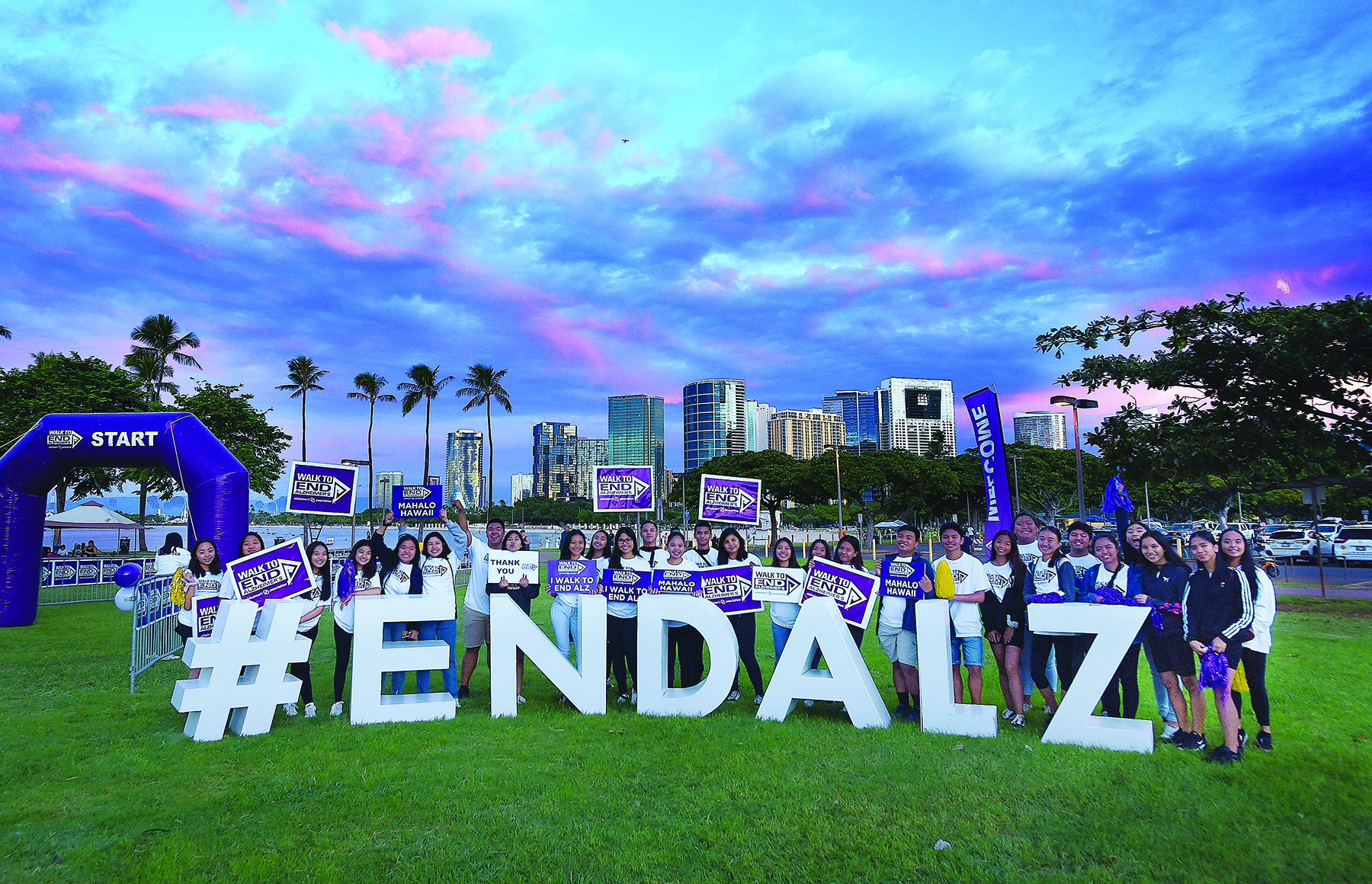
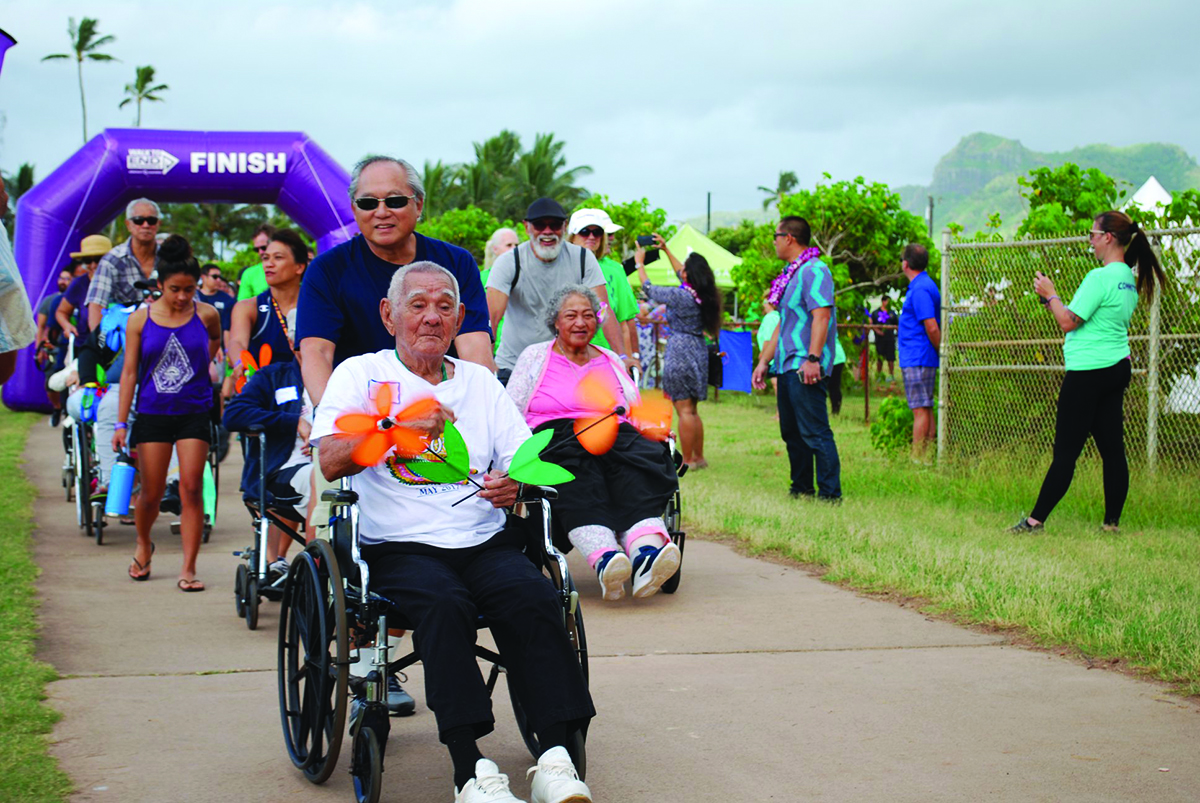
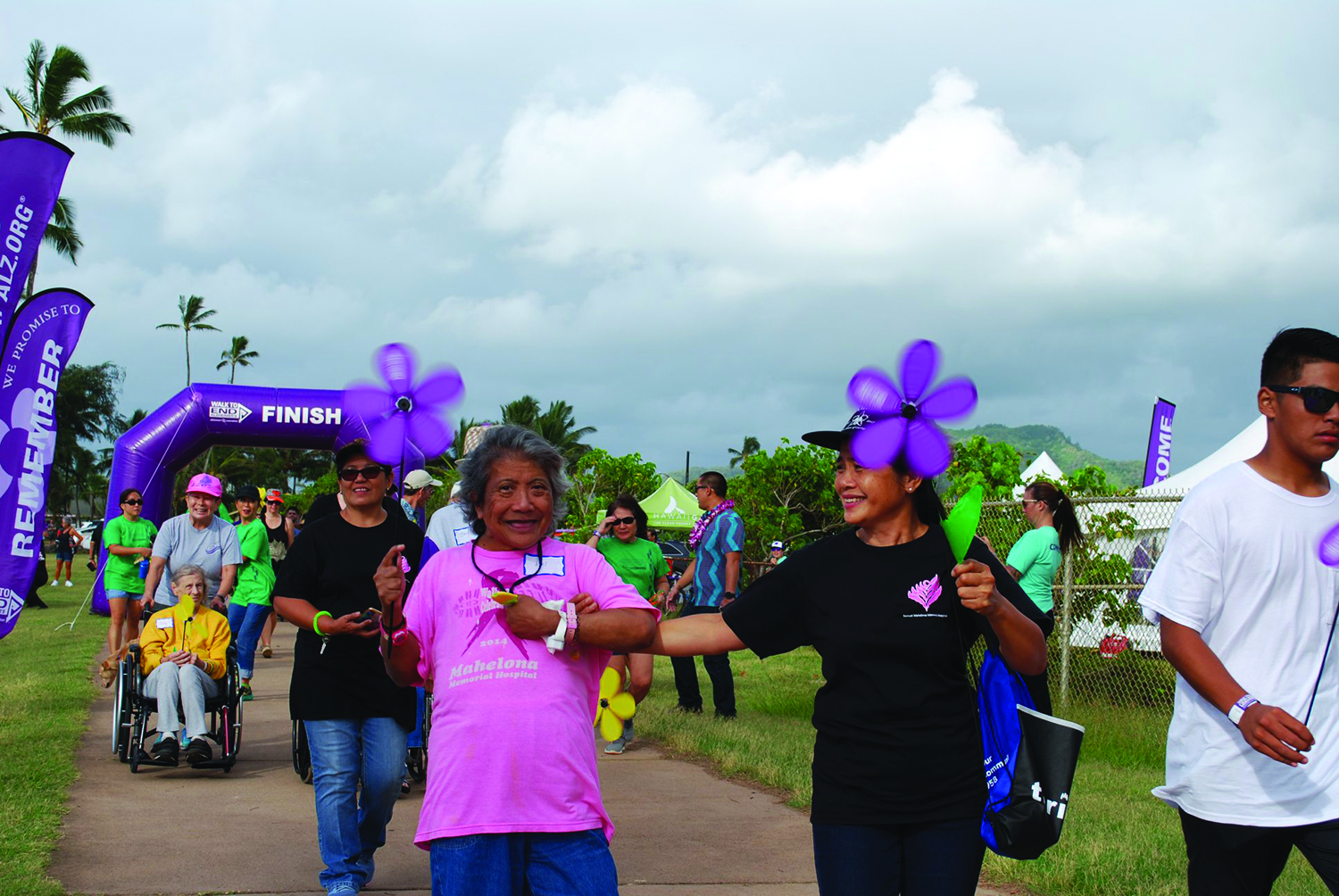
  • How You Can Help Fight Alzheimer’s

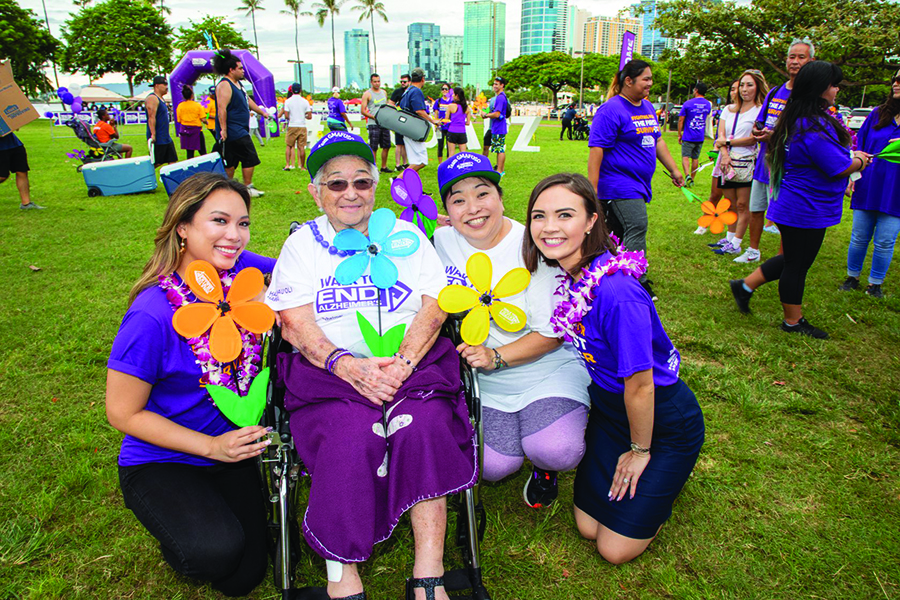
    The Alzheimer’s Association, formed in 1980, is the country’s leading voluntary health organization in Alzheimer’s care, support and research. Its mission is to continue to lead the way to end Alzheimer’s and all other dementia by driving risk reduction and early detection, and by advancing vital, global research regarding treatment and prevention in it’s continuing efforts to find a cure.

    The association is currently the leading voice for Alzheimer’s disease advocacy, fighting for critical research and care initiatives at both the state and federal levels.

    SERVICES PROVIDED

    ā–  Information and Referral. The association provides basic disease information, referrals to community resources and providers, and support for persons living with Alzheimer’s or another dementia, their families and the general public.
    ā–  Care Consultation. The association assists individuals and families in planning for and coping with Alzheimer’s and other dementia. Care consultations may include an assessment of needs and safety, emotional support and information on available resources.
    ā–  Education Programs. The association offers a variety of credible, evidence-informed education programs and training for caregivers, the general public and professionals.
    ā–  24/7 Helpline. The association offers around-the-clock support for families. Trained dementia care experts are ready to listen and assist with referrals to local community programs and services, dementia-related education, crisis assistance and emotional support.
    ā–  COVID Messaging. The association has successfully transitioned its support groups, education programs and family care consultations to a virtual format — through either phone or live video delivery — to ensure uninterrupted care and support services to local families. The number of support groups statewide and programs specific to addressing concerns regarding COVID-19 and caregiving have also been increased.

    ADVOCACY & SUPPORT

    The COVID-19 pandemic presents additional challenges, especially financial, for more than 5 million Americans living with Alzheimer’s, their caregivers, the research community and the nonprofits serving these vulnerable populations. The pandemic will continue to challenge health systems across the nation and affect decisions such as care planning. But thankfully, Congress can act to help the Alzheimer’s and dementia community by including provisions to support the community during this crisis. These key provisions include:

    • $354 million for Alzheimer’s research activities at the National Institutes of Health
    • $20 million to implement the BOLD Infrastructure for Alzheimer’s Act at the Centers for Disease Control and Prevention which will establish centers of excellence that expand and promote the evidence base for effective population-based interventions to improve dementia outcomes

    Contact Sen. Brian Schatz and Congressman Ed Case and ask them for their continued support. Also ask them to gain the support of other members of Congress regarding these provisions.

    Sign up online and encourage others to become Alzheimer’s Association volunteers at www.alz.org/advocate or by calling 800-272-3900.


    ALZHEIMER’S ASSOCIATION
    Online Community: www.alzconnected.org
    Online Education: www.training.alz.org
    Support Groups & Programs: www.alz.org/hawaii
    24/7 HELPLINE: 800-272-3900
    Hawaiā€˜i Office: 808-591-2771

    The Alzheimer’s Association, formed in 1980, is the country’s leading voluntary health organization in Alzheimer’s care, support and research. Its mission is to continue to lead the way to end Alzheimer’s and all other dementia by driving risk reduction and early detection, and by advancing vital, global research regarding treatment and prevention in it’s continuing…

  • Love, Patience, Planning: Tips for Caring for Loved Ones With Alzheimer’s Disease

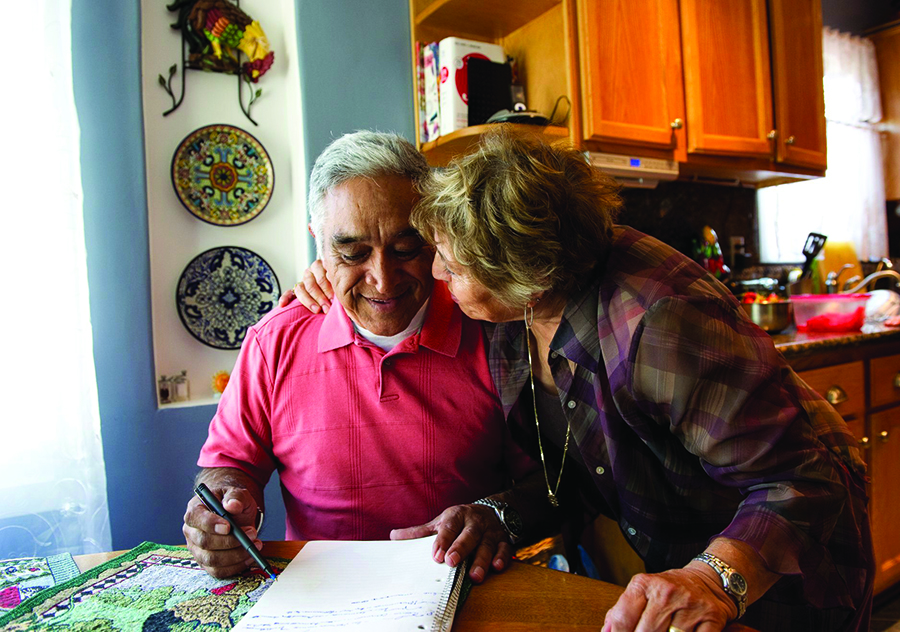
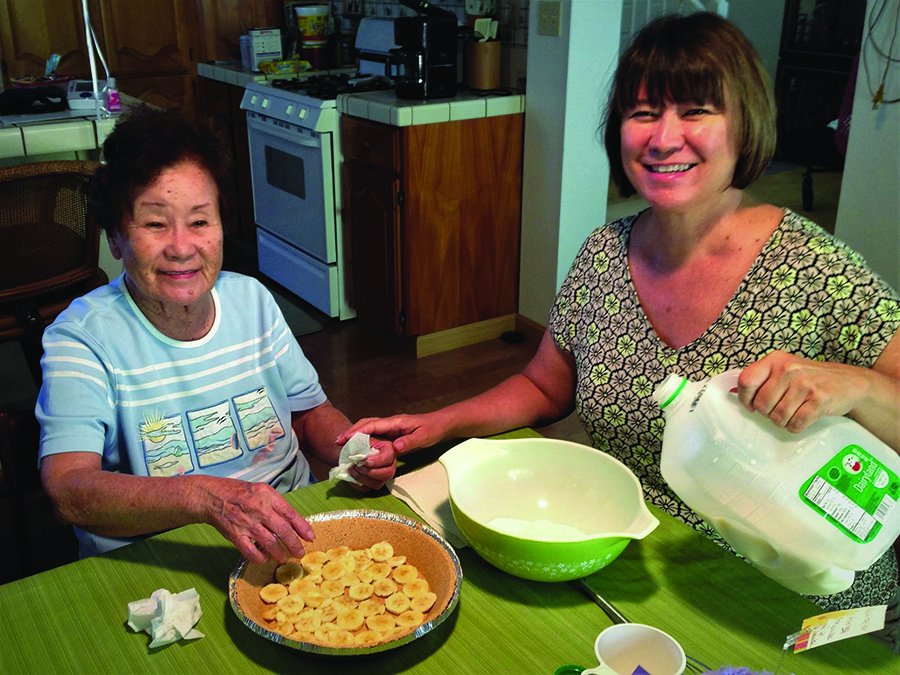
    During the coronavirus pandemic, most adult day centers and community senior centers have closed or cut their services, and families across the state have had to scramble to provide caregiver services at home. If you’re now caring for a loved one with memory or other health issues, follow these tips and find links to resources below.

    Tip 1: Stay healthy. Caregivers need to stay healthy in order to protect and take care of those with dementia. Taking care of yourself is as important for you as it is for your loved ones — without you, they will be even more vulnerable.

    • Take breaks and find enjoyable things to do. Remember to take breaks, because this job is hard. Walk, swim or go running in a park.
    • See if family members or others can help you. You really can’t do this alone. That could be family, calabash cousins or even hired help. You need to maintain that work-life balance in your life.
    • Have meals and groceries delivered. Limit the quantity and duration of your shopping trips.
    • Ask your primary care physician (PCP) to refill 90 days of medication rather than a 30-day supply. Have medications mailed to you for fewer trips and less worry.
    • Seek support through groups. It’s important to talk to other people and other caregivers, especially during this time of social isolation. Look for events on the Alzheimer’s Association website.

    Tip 2: Plan ahead. If you’re the only person taking care of someone with memory issues, you need to create a backup plan for care for your loved one in case you get sick.

    Tip 3: Advance Care Planning. This is very important. Talk with those with dementia about:

    • Their wishes in case a life-threatening situation arises. For loved ones with dementia, it’s important to prepare ahead with advance-care planning. Write down what they want to happen if and when they get sick and may require hospitalization or hospice care.
    • Healthcare power of attorney. It’s also important for patients with memory issues to designate someone they trust if they get sick and can’t make decisions for themselves. Ask your primary care physician for these forms or visit these websites: Kokua Mau (kokuamau.org), Prepare for Your Care (prepareforyourcare.org).

    Tip 4: Keep in Close Contact. Social distancing is necessary during the COVID-19 pandemic, but social isolation is stressful for patients with dementia. Keep in close touch with your loved ones with dementia, especially if you’re not living with them. Loved ones may be feeling confused, and may not remember what’s going on or understand why their family can’t visit them if they’re in a care home. This can cause anxiety and sadness. So make regular phone calls; send emails to tech-savvy seniors. Mail or drop off care packages. Stop by to wave from the outside. Many facilities now have iPads to help residents connect with family members via Facetime, Zoom or Blue Jeans. Little things like these can make a loved one with dementia feel a lot better.

    Tip 5: Maintain a Routine. It’s important to maintain a regular schedule for patients with dementia. They really thrive with a routine. Any kind of deviation may cause confusion, anxiety, agitation and mood changes. With social distancing restrictions, patients who used to go to senior centers suddenly can’t attend anymore. They may not understand why. Develop new routines to put them at ease.

    Loved ones with dementia should wake up and go to bed at a regular time, and eat meals at the same time each day. You might also enhance your own routine by adding a regular daily walk or other activities.

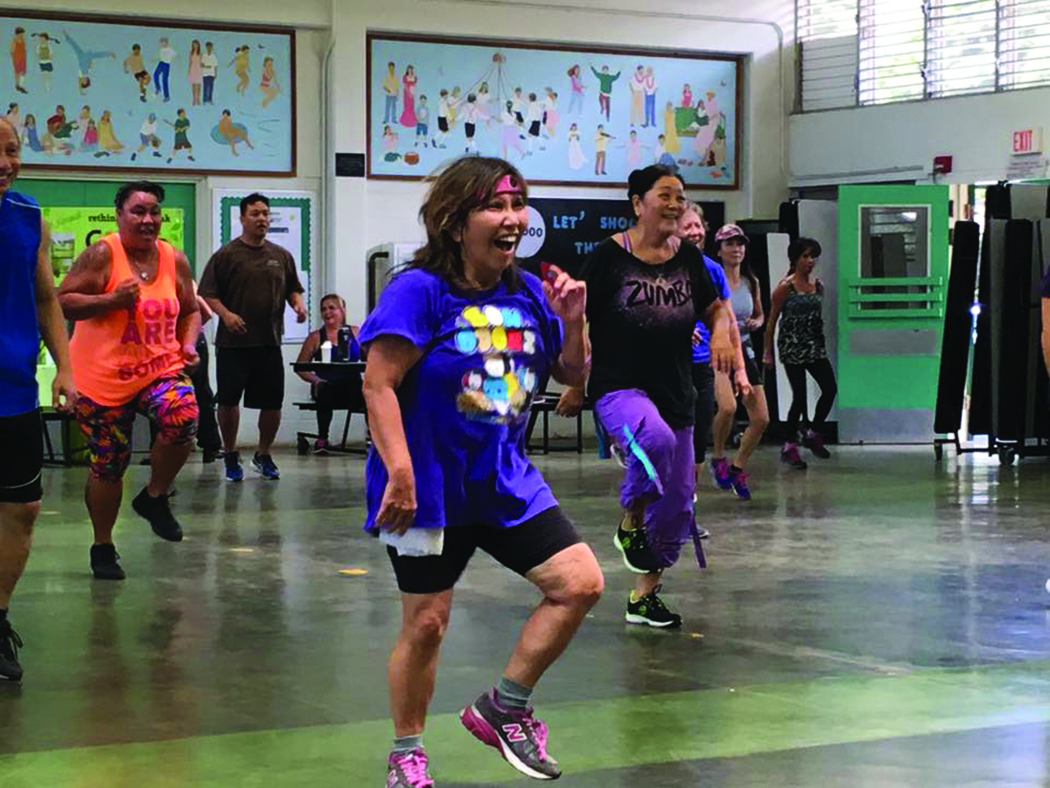
    Tip 6: Keep Active. What kinds of things can you do to keep a loved one with dementia active? Take them on walks, and get fresh air and sunshine. That is really good for the mind and for the sleepwake cycle. Of course, wear a mask and keep a safe distance from other people. Be creative when planning home-based activities. Dust off old board games and play cards — there’s Monopoly, checkers, solitaire, poker and many other activities to chose from. Listening to music is also very therapeutic. Reading books engages the mind. Talking on the phone is a great way to socialize at this time.

    Tip 7: Eat Healthy. It’s important to maintain your energy that keeps you alert, mentally sharp and emotionally balanced.

    • Eat a well-balanced diet. Eat a little bit of everything — fruits, vegetables, protein, dairy. It can be okay to have an occasional piece of cake —
    a small portion is best.
    • Consider using a meal delivery service. Meal delivery services can be lifesavers. Be sure to select well-balanced menu options.
    • Limit canned, processed and prepared frozen foods. During this time, you might not be going to the grocery store as much, and you might have stocked up on a lot of spam, canned foods and frozen meals. Be cautious. A lot of these are high in salt. And if your loved one with dementia has a history of heart failure or heart problems, this is something to watch.

    Tip 8: Calm Your Emotions. We’re all under a lot of stress, balancing a lot of things on our plate. So be aware that patients with dementia can really pick up on these emotions. That’s why it’s really important for caregivers to find ways to relax and de-stress themselves.

    If you’re feeling anxious or angry or frustrated or worried, patients with dementia can pick up on that and react in destructive or challenging ways. If your loved one with dementia is feeling anxious, reassure him or her (and yourself) that things are going to be okay. Change the topic, turn on an old movie, go for a walk or have a snack. Distractions can help, but limit watching or reading the news.

    Tip 9: Avoid Elder Abuse Scams. Check in with people with dementia to see if they are getting emails, mail or calls that are potential scams.

    Tip 10: Call Your PCP if You Feel Sick. Don’t wait to take action because you are afraid to go to the doctor or emergency room. Many physicians are able to help you over the phone or via telemedicine. Take notes on your symptoms so you will have ready all the information your doctor may need during your call.


    During the coronavirus pandemic, most adult day centers and community senior centers have closed or cut their services, and families across the state have had to scramble to provide caregiver services at home. If you’re now caring for a loved one with memory or other health issues, follow these tips and find links to resources…

  • How You Can Help Fight Alzheimer’s

    The Alzheimer’s Association, formed in 1980, is the country’s leading voluntary health organization in Alzheimer’s care, support and research. Its mission is to continue to lead the way to end Alzheimer’s and all other dementia by driving risk reduction and early detection, and by advancing vital, global research regarding treatment and prevention in it’s continuing efforts to find a cure.

    The association is currently the leading voice for Alzheimer’s disease advocacy, fighting for critical research and care initiatives at both the state and federal levels.

    SERVICES PROVIDED

    ā–  Information and Referral. The association provides basic disease information, referrals to community resources and providers, and support for persons living with Alzheimer’s or another dementia, their families and the general public.
    ā–  Care Consultation. The association assists individuals and families in planning for and coping with Alzheimer’s and other dementia. Care consultations may include an assessment of needs and safety, emotional support and information on available resources.
    ā–  Education Programs. The association offers a variety of credible, evidence-informed education programs and training for caregivers, the general public and professionals.
    ā–  24/7 Helpline. The association offers around-the-clock support for families. Trained dementia care experts are ready to listen and assist with referrals to local community programs and services, dementia-related education, crisis assistance and emotional support.
    ā–  COVID Messaging. The association has successfully transitioned its support groups, education programs and family care consultations to a virtual format — through either phone or live video delivery — to ensure uninterrupted care and support services to local families. The number of support groups statewide and programs specific to addressing concerns regarding COVID-19 and caregiving have also been increased.

    ADVOCACY & SUPPORT

    The COVID-19 pandemic presents additional challenges, especially financial, for more than 5 million Americans living with Alzheimer’s, their caregivers, the research community and the nonprofits serving these vulnerable populations.

    The pandemic will continue to challenge health systems across the nation and affect decisions such as care planning. But thankfully, Congress can act to help the Alzheimer’s and dementia community by including provisions to support the community during this crisis. These key provisions include:

    • $354 million for Alzheimer’s research activities at the National Institutes of Health
    • $20 million to implement the BOLD Infrastructure for Alzheimer’s Act at the Centers for Disease Control and Prevention which will establish centers of excellence that expand and promote the evidence base for effective population-based interventions to improve dementia outcomes

    Contact Sen. Brian Schatz and Congressman Ed Case and ask them for their continued support. Also ask them to gain the support of otherĀ  members of Congress regarding these provisions.

    Sign up online and encourage others to become Alzheimer’s Association volunteers at www.alz.org/advocate or by calling 800-272-3900.


    ALZHEIMER’S ASSOCIATION
    Online Community: www.alzconnected.org
    Online Education: www.training.alz.org
    Support Groups & Programs: www.alz.org/hawaii
    24/7 HELPLINE: 800-272-3900
    Hawaiā€˜i Office: 808-591-2771

    The Alzheimer’s Association, formed in 1980, is the country’s leading voluntary health organization in Alzheimer’s care, support and research. Its mission is to continue to lead the way to end Alzheimer’s and all other dementia by driving risk reduction and early detection, and by advancing vital, global research regarding treatment and prevention in it’s continuing…