Category: Programs & Services

  • A Place Called Home

    Aging is a natural process that no one wants to face alone. Many people choose to live alone in their home as they age, but find themselves depressed, lonely and not eating right. There are many benefits to living in a retirement community. Ever wake up and: Wonder what you’re going to do for the day? Not eat a healthy meal because you don’t want to travel to the grocery store? Feel sick and don’t want to get out of bed?

    Do you miss social encounters? Have you ever fallen and could not get to the phone to call for help? I like to think of a retirement community as a group of friends enjoying what they deserve in life, including laughter, entertainment, quality meals, carefree living and an extended family that cares about your well-being.

    Today, an increasing number of families are turning to retirement communities for their aging loved ones. Living in a retirement community, you can experience vibrant and beautiful living spaces that promote wellness, recreation, socialization and healthy choices, not to mention the feeling of having additional services as you age.

    When family members visit their loved ones in a retirement community, they’ll often find them exercising in the pool, arranging tropical floral bouquets, laughing with old and new friends, volunteering in the community thrift store or gardening. The best part, however, is knowing that your Mom or Dad has physical and emotional support in a safe environment with well-trained staff.

    As we know, being active is one of the best ways to maintain good overall health. Many retirement communities offer wellness programs with a variety of fitness levels to set the pace you desire. You may be thinking, “What type of wellness programs?” Consider classes in tai chi, yoga, hula, water fitness exercises and strength and balance exercises. It’s important to find a community that meets your needs and your interests.

    You might have to downsize your current home, but there are specialists who can help you find the right pieces to bring with you as you move into a retirement community. You will be surrounded by the things you love in life to make your new home feel special.


    POHAI NANI

    Contact: John Gruhler III  |  808-236-7835
    pohainani.org

    Aging is a natural process that no one wants to face alone. Many people choose to live alone in their home as they age, but find themselves depressed, lonely and not eating right. There are many benefits to living in a retirement community.

  • Hawaii Five-0: Old Made New Again

    Christmas came early for “Hawaii Five-0” fans last year. The Five-0 production team flawlessly executed the eighth season’s Sunset on The Beach premiere. The event attracts thousands of fans from across the world, cheering as the cast arrive at the red carpet, like former Honolulu resident Judy Glassmaker, who returns every year, and says, “The new season is awesome. Older fans like me, who grew up watching the original series, should watch with their grandkids.”

    The seventh season opened with a surreal dialogue between the original McGarrett (Jack Lord) and the new McGarrett (Alex O’Loughlin), who says, “Sometimes, it feels like this job of mine has taken everything good from me… I’m really starting to wonder whether any of it is worth it.” The original McGarrett replies, “Son, your worth is measured in… the people you save…”

    Likewise, those transitioning to Medicare say that aging, retirement or change in health status can leave them feeling worthless. I remind them that in the ’60s, their generation changed the world. They fought for the rights of others and a world filled with peace and love. So, to those newly eligible for Medicare, it’s time to put down those picket signs, upgrade to Facebook, get your Medicare insurance and enjoy family and friends who love and cherish you, no matter your age.

    Continue to lobby for change via your mobile device as you “Rock On!”


    MEDICARE MOMENT WITH MARTHA
    A radio program with Martha Khlopin
    KHNR-690AM:
    Sat., 2 pm–2:30 pm, Sun., 9:30 am–10 am

    808-230-3379 | getmartha@aol.com

    To learn more about free Medicare wellness visits, go to:
    www.medicare.gov/coverage/preventive-visit-and-yearly-wellness-exams.html

    Hawaii Five-0 flawlessly executed the eighth season’s Sunset on The Beach premiere. The event attracts thousands of fans from across the world, cheering as the cast arrive at the red carpet, like former Honolulu resident Judy Glassmaker, who returns every year and who grew up watching the original series.

  • Kupuna Caregivers Program Launches

    Kupuna Caregivers Program photoIn 2017, Hawai‘i legislators and Gov. David Ige created the Kupuna Caregivers Program. This program helps family caregivers who work at least 30 hours per week outside the home by providing a $70-per-day benefit in services that could help make home caregiving for aging family members more affordable. It could help provide services such as home healthcare workers, extra help preparing meals, adult daycare costs or transportation when a family caregiver is not available. The program is subject to the availability of funds and paid directly to contracted service providers (not the family caregiver).

    To be eligible, family caregivers must:

    • Be employed at least 30 hours per week (by one or more employers),
    • Provide direct care to a care recipient who is a citizen of the United States or a qualified alien; age 60 or older; and not covered by any comparable government or private home and community-based care service, except ku¯puna care services.

    The care recipient cannot reside in a long-term care facility and must have impairments of at least two activities of daily living, or two instrumental activities of daily living, or one activity of daily living and one instrumental activity of daily living, or substantive cognitive impairment requiring substantial supervision.

    Applying for the program includes:

    • Employment verification of caregiver,
    • Assessment of the care recipient,
    • A caregiver burden assessment.
    Governor Ige signs the Kupuna Caregivers bill into action with supporters at the Hawai‘i State Capitol.

    When given the choice, most kūpuna prefer aging at home. This is true for both emotional and financial reasons. Our extended ‘ohana are incredible caregivers but providing that care can create its own financial and emotional stress. According to the Genworth 2017 Annual Cost of Care Survey, the cost of home healthcare in Hawai‘i was more than $10,000 higher than the national average. This is why family members often seek to provide care themselves.

    But when the caregiver is working full-time, adding care duties to the obligations of a job outside the house brings additional personal strain for the caregiver. Care duties can have an effect on job performance, too: Arriving late after helping an elder get settled or off to adult daycare, reducing hours at work to help take care of a kupuna, or turning down a promotion because of caregiving duties at home. The Kupuna Caregivers Program addresses the needs of both ku¯puna and family caregivers. This is what makes it unique in the nation.

    Interested caregivers should contact the Aging and Disability Resource Center (ADRC) as soon as possible to apply at 808-643-2372. This also is the number to call to receive further information.

    From Jan. 1 to June 30, 2018, a total of $600,000 is available to provide these services. FACE, Caring Across Generations, AARP and other organizations will ask the Legislature to provide more money effective July 1, 2018. To support this effort to advocate for the Kupuna Caregivers program, visit Care4Kupuna.org.


    KUPUNA CAREGIVERS PROGRAM

    808-643-2372 hawaiiadrc.org

    In 2017, Hawai‘i legislators and Gov. David Ige created the Kupuna Caregivers Program. This program helps family caregivers who work at least 30 hours per week outside the home by providing a $70-per-day benefit in services that could help make home caregiving for aging family members more affordable.

  • Home-Based Seniors Help Patients

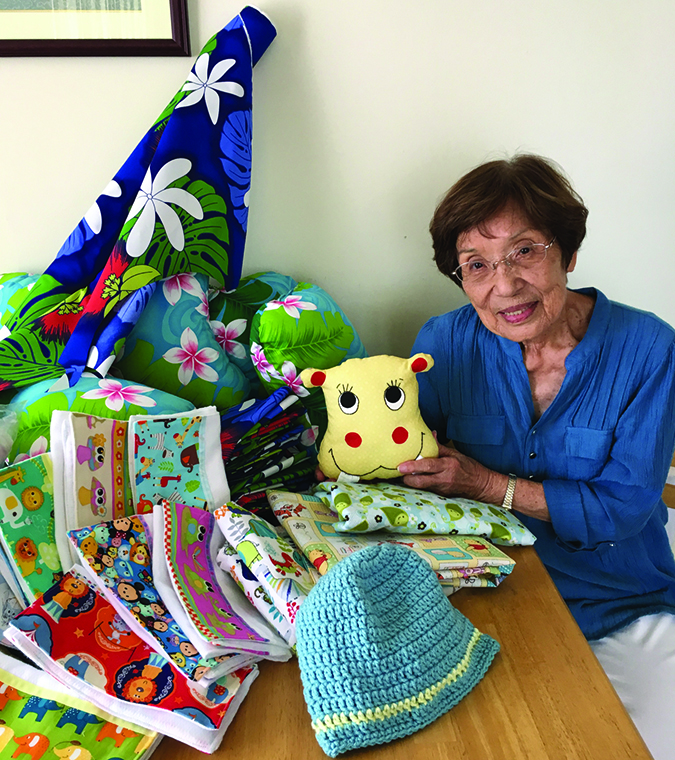
    Inside her Mo‘ili‘ili condo, Yoko Futa, an 83-year-old former clerk for the State Department of Transportation, volunteers for about 10 hours a week, helping patients at Queen’s hospitals. Yes, she volunteers from her own home.

    Photo of Yoko Futa
    Yoko Futa

    Futa is a member of The Queen’s Medical Center’s Volunteers in Place program, a way for community-minded people and groups to serve at home, centers or sites.

    Program participants are crafters who create oncology caps, lap blankets, newborn baby beanies and Hawaiian-print heart pillows, created from donated materials. “There are people who want to be of service to others, but maybe they no longer drive, have limited mobility, or simply prefer to stay at home or with their own groups,” said April Light, volunteer program manager at Queen’s. “This program offers them an opportunity to contribute and make a difference in our patients’ lives.”

    “For me, when you’re retired, you have nothing but time,” Futa said. “Now I’m doing something I really enjoy and putting my time to good use. The end result is something that is needed, so it makes you feel good.”

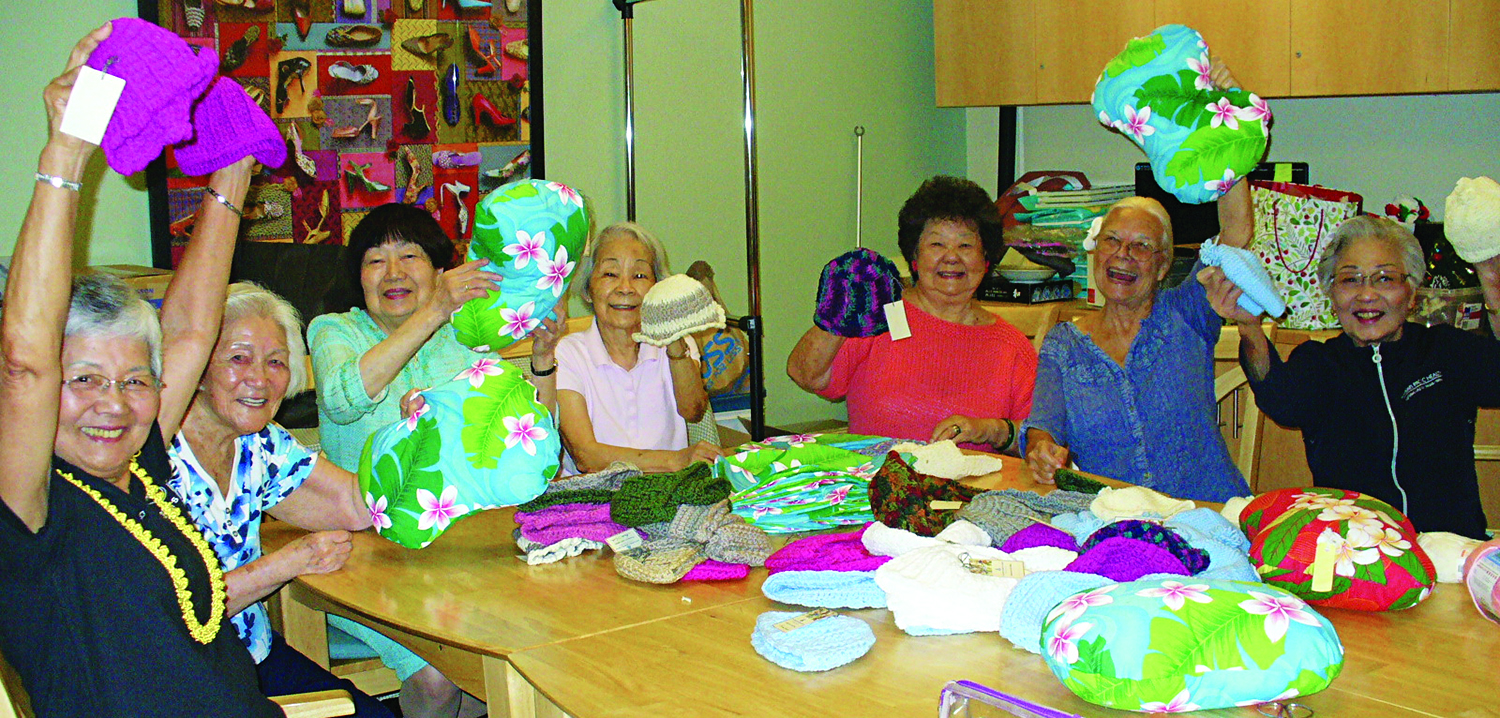
    From left: 15 Craigside craft group members Violet Irinaka, Mabel Sekiya, Florence Nakamura, Hisako Toyooka, Violet Chang, Willie Faria and Katherine Sia.
    From left: 15 Craigside craft group members Violet Irinaka, Mabel Sekiya, Florence Nakamura, Hisako Toyooka, Violet Chang, Willie Faria and Katherine Sia.

    The Volunteers in Place program immediately appealed to the residents of 15 Craigside, a retirement community in Nu‘uanu. A group of about a dozen women — the oldest is 92 — meet Monday mornings to knit, crochet, sew or stuff pillows.

    “We laugh, we roar, sometimes we’re so loud,” said volunteer Willie Faria. Another volunteer,
    Violet Irinaka, joked, “It keeps you out of trouble.”

    Last June, Pearl City resident Barbara “Bobbie” Omoto retired from the University of Hawai‘i Athletic Department where she served as secretary for the men’s basketball team. Now, the 73-year-old grandmother devotes her love for crocheting to Queen’s patients. “I get a sense of joy from doing this,” Omoto said. “I’m happy if I can make something that someone can use, and they can be happy, too. That’s enough for me.”

    SEEKING VOLUNTEERS

    If residents of your retirement community can knit, crochet or sew and are interested in the program, or in donating Hawaiian-print fabric, stuffing or knitting and crocheting supplies, please call Queen’s Volunteer Services at 808-691-4397.


    THE QUEEN’S MEDICAL CENTER

    Volunteers in Place program (VIP)
    808-691-4397
    queensmedicalcenter.org/be-a-volunteer-home

    Yoko Futa, an 83-year-old former clerk for the Dept. of Transportation, volunteers for about 10 hours a week, helping patients at Queen’s hospitals. Yoko Futa is a member of The Queen’s Medical Center’s Volunteers in Place program, a way for community-minded people and groups to serve at home, centers or sites. 

  • You’ve Got Mail: New Medicare Cards

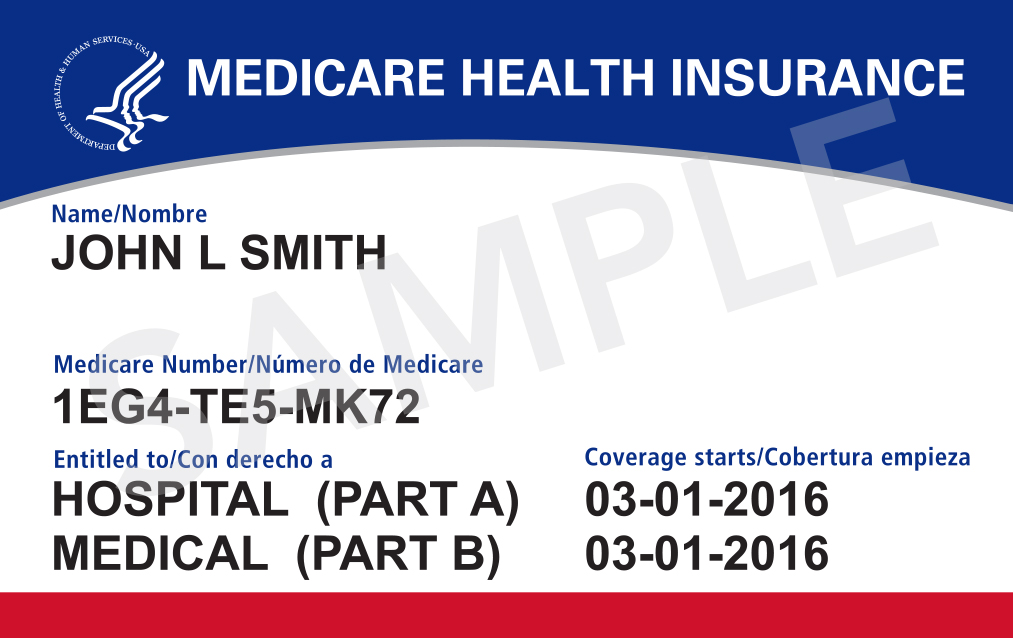
    New Medicare cards will be issued and mailed to beneficiaries between April 2018 and April 2019. In an attempt to protect your identity, the new cards will have a unique number for you instead of your Social Security number, or the number of someone through which you receive Medicare benefits.

    When you receive your card, you have one simple step to complete: Open your mail when it arrives!

    You do not need to take any other action to get your new card. Since you are aware that a new Medicare card will be sent to you, it is a good idea to contact Medicare and verify they have your correct address or request an update.

    There is no charge for the new card, and your current coverage or benefits are not impacted by the change. However, Medicare officials are warning Medicare beneficiaries about possible scam artists, posing as Medicare representatives. These individuals may ask you to confirm information, tell you there is a charge for the card or falsely state that your Medicare benefits will be cancelled if you do not give them your information.

    Medicare officials advise that if someone calls you and asks for your Medicare number or other personal information, hang up and report the suspicious call to 1-800-MEDICARE (633-4227).

    Medicare telephone lines are open 24 hours a day, 7 days a week. You can also contact Medicare for guidance on getting replacement cards and making address changes.


    MEDICARE MOMENT WITH MARTHA
    A radio program with Martha Khlopin

    KHNR-690AM:
    Saturdays, noon to 12:30 pm
    Sundays, 9:30 am to 10 am

    808-230-3379 | getmartha@aol.com

    New Medicare cards will be issued and mailed to beneficiaries between April 2018 and April 2019. In an attempt to protect your identity, the new cards will have a unique number for you instead of your Social Security number, or the number of someone through which you receive Medicare benefits. When you receive your card,…

  • Sign Language Videos and Email Scams

    Q

    I heard there is a Social Security video available in American Sign Language. Where can I find it?

    A

    Yes, it’s true. The video is called “Social Security, SSI and Medicare: What You Need to Know About These Vital Programs.” The video is available in American Sign Language and presents important information about our programs. You can watch the video now at www.socialsecurity.gov/multimedia/video/asl. The video is a part of our larger collection of on-demand videos and webinars available at www.socialsecurity.gov/webinars and at www.YouTube.com.

    Q

    I got an email that says it’s from Social Security, but I’m not so sure. They want me to reply with my Social Security number, date of birth, and mother’s maiden name for “verification.” Did it really come from Social Security?

    A

    No. Social Security will not send you an email asking you to share your personal information, such as your Social Security number, date of birth, or other private information. Beware of such scams­ — they’re after your information so they can use it for their own benefit. When in doubt, or if you have any questions about correspondence you receive from Social Security, contact your local Social Security office or call us at 1-800-772-1213 (TTY 1-800-325-0778) to see whether we really need any information from you.


    For questions, online applications or to make an appointment to visit a SSA office, call from 7am–5pm, Mon–Fri:

    1-800-772-1213 (toll free)  |  1-800-325-0778 (TTY)
    www.socialsecurity.gov

    Q I heard there is a Social Security video available in American Sign Language. Where can I find it? A Yes, it’s true. The video is called “Social Security, SSI and Medicare: What You Need to Know About These Vital Programs.” The video is available in American Sign Language and presents important information about our…

  • Bumper-to-Bumper Service Checks

    Have you taken your car in for its 10,000-mile service checkup? If you are like most car owners who need a reliable car that can go the distance, you schedule an appointment the moment your mechanic sends a reminder. The bumper-to-bumper inspection requires a trained professional to perform an extensive list of tests, including a battery check, look under the hood, and a review of fluid levels and brakes.

    But how do you respond when your healthcare provider sends you a checkup notice? Do you keep up with your body’s maintenance?

    Did you schedule your free annual Medicare wellness visit, a comprehensive examination to check if critical systems are functioning well?

    Remember, your body functions just like any machine. To perform optimally, you need to go in for your 365-day service checkup and stay up to date with your preventive screenings.

    You may not be that excited about scheduling the tests; you may ignore the notices because you really don’t want anyone hammering your knees to check reflexes, and asking for a blood draw and urine sample to “check your fluids.”

    Here’s a tip: When you get your auto’s annual service check notice, give your health provider a call to find out if you are overdue for your personal health service checkup.

    If you are, get it scheduled.


    MEDICARE MOMENT WITH MARTHA
    A radio program with Martha Khlopin

    KHNR-690AM:
    Saturdays, 2 pm–2:30 pm
    Sundays, 9:30 am–10 am

    808-230-3379 | getmartha@aol.com

    To learn more about free Medicare wellness visits, go to:
    www.medicare.gov/coverage/preventive-visit-and-yearly-wellness-exams.html

    Have you taken your car in for its 10,000-mile service checkup? If you are like most car owners who need a reliable car that can go the distance, you schedule an appointment the moment your mechanic sends a reminder. The bumper-to-bumper inspection requires a trained professional to perform an extensive list of tests, including a…

  • How to Use ‘my Social Security’

    The Social Security Administration is serious about safeguarding what’s important to you, as we continue to evaluate and improve our protection programs.

    Our robust, easy-to-use cyber security program is a vital part of keeping you safe and secure.

    Most people who conduct online business use the SSA portal, “my Social Security.”

    This can be found at www.socialsecurity.gov/myaccount/.

    Since “my Social Security” became available in May 2012, more than 30 million people have created and used their own accounts. The design puts you in control — whether you’re using a computer, smartphone or tablet.

    If you already are receiving benefits, the “my Social Security” website allows you to:

    ◆ Request a replacement Social Security card if you meet certain requirements.

    ◆ Receive your benefit verification letter.

    ◆ Check your benefit and payment information and earnings record.

    ◆ Change your address and phone number.

    ◆ Start or change direct deposit of your benefit payment.

    ◆ Request a replacement Medicare card.

    ◆ Get a replacement SSA-1099 or SSA-1042S form for tax season.

    Even if you have not started receiving benefits, “my Social Security” can help you. For example, the site allows you to receive a Social Security card if you meet certain requirements, check the status of your application or appeal, and access other resources.

    Since June 10, 2017, we have required a second method to check the identification of “my Social Security” account holders who register or sign in. This is in addition to the first layer of security, which is a username and password.

    Using the second method, you either can choose your cell phone or your email address. Using two identification methods helps to protect your account from unauthorized use and potential identity fraud.

    If you select email as your second method, you can ensure that the one-time security code email does not go into your spam or junk folder by adding NO-REPLY@ssa.gov to your contact list.

    The “my Social Security” portal automatically adjusts to the size of the screen and device you use — such as a tablet, smartphone or computer.

    No matter what type of device you choose,
    the SSA provides full, easy-to-use access to your personal “my Social Security” account.


    For questions, online applications or to make an appointment to visit a SSA office, call from 7am–7pm, Mon–Fri:

    1-800-772-1213 (toll free)  |  1-800-325-0778 (TTY)
    www.socialsecurity.gov


    The Social Security Administration is serious about safeguarding what’s important to you, as we continue to evaluate and improve our protection programs. Our robust, easy-to-use cyber security program is a vital part of keeping you safe and secure. Most people who conduct online business use the SSA portal, “my Social Security.” This can be found…

  • Common Misconceptions About Medicaid

    By Daniel Bonilla, MedData Community Medicaid Long-Term Care Coordinator

    The decision to move into a long-term care facility can be a difficult one, especially when it comes to finances. In Hawai‘i, a long-term care facility can cost anywhere from $8,000 to $12,000 a month, which is unaffordable for many families.

    Medicaid’s long-term care coverage — an option that can help — is often overlooked because of common misconceptions about who qualifies and what is covered.

    Here are five misconceptions:

    “I will not be approved because I am not a citizen of the U.S.”

    Generally, people who have been permanent residents of the United States for more than five years or those who are from a nation under the Compacts of Free Association who are 65 or older ARE eligible for Medicaid as long as they are Hawai‘i residents.

    “I make too much money to qualify for Medicaid long-term care.”

    Traditional Medicaid coverage does have an in-come eligibility limit, but there is generally no income limit to qualify for Medicaid long-term care. In fact, the more money you make, the less the state incurs in expenses to pay for your coverage.

    “I can’t have any money in the bank to qualify for Medicaid long-term care.”

    You may have checking, savings and other assets. If you are single, you can qualify with up to $2,000 in assets. If you are married, that amount increases significantly to $119,220 in joint assets.

    “I’m over the asset limit; I own my home.”

    Owning a home does not disqualify you from receiving Medicaid long-term care. There are many factors that contribute to whether or not the value of your property will be included in your eligible asset limit, such as its total value or if you still have an outstanding mortgage on your home.

    “I will lose my home if I obtain Medicaid long-term care.”

    If you are approved for Medicaid long-term care, the state may put a lien on your home but this does not mean that you will lose it. The circumstances that determine whether the state can or cannot place a lien on your property will vary. For example, if your spouse is currently living in the home, a lien cannot be placed on your property.


    MEDDATA
    For free screening: 808-566-6666  |  855-690-8977
    www.meddata.com

    By Daniel Bonilla, MedData Community Medicaid Long-Term Care Coordinator The decision to move into a long-term care facility can be a difficult one, especially when it comes to finances. In Hawai‘i, a long-term care facility can cost anywhere from $8,000 to $12,000 a month, which is unaffordable for many families. Medicaid’s long-term care coverage — an option…

  • When to Start Receiving Social Security

    by Jane Yamamoto-Burigsay, Social Security Public Affairs Specialist in Hawai‘i

    Enjoying a comfortable retirement is every-one’s dream. For over 80 years, Social Security (SS) has been helping people realize those dreams, assisting them through life’s journey with a variety of benefits. It’s up to you as to when you can start retirement benefits. You could start them a little earlier or wait until your “full retirement age.” There are perks to both…

    Full retirement age refers to the age when a person can receive their SS benefits without any reduction, even if they are still working part- or full-time. You don’t actually need to stop working to get your full benefits.

    For people who reach age 62 in 2017 (i.e., those born between Jan. 2, 1955, and Jan. 1, 1956), full retirement age is 66 and two months. Full retirement age was age 65 for many years. However, due to a law passed by Congress in 1983, it has been gradually increasing, beginning with people born in 1938 or later, until it reaches 67 for people born after 1959.

    Learn more about the full retirement age and find out how to look up your own online at
    www.socialsecurity.gov/planners/retire/retirechart.html.

    You can start receiving SS benefits as early as age 62… or any time after that. The longer you wait, the higher your monthly benefit will be, although it stops increasing at age 70. Your monthly benefits will be reduced permanently if you start them any time before your full retirement age. For example, if you start receiving benefits in 2017 at age 62, your monthly benefit amount will be reduced permanently by about 26 percent.

    But, if you wait to start receiving your benefits until after your full retirement age, your monthly benefit will be higher. The amount of this increase is two-thirds of one percent for each month — or 8 percent for each year — that you delay receiving them until you reach age 70. The choices you make may affect any benefit your spouse or children can receive on your record, too. If you receive benefits early, it may reduce their potential benefit, as well as yours.

    Be as informed as possible when making any decision about receiving SS benefits. Read “When to Start Receiving Retirement Benefits” at www.socialsecurity.gov/pubs/EN-05-10147.pdf.

    If you decide to receive benefits before you reach full retirement age, you should also understand how continuing to work can affect your benefits. SS may withhold or reduce your benefits if your annual earnings exceed a certain amount. However, for every month benefits are withheld, your future benefits increase. At your full retirement age, SS will recalculate your benefit amount to give you credit for the months they were reduced or withheld. Learn more at www.socialsecurity.gov/planners/retire/whileworking.html.

    Visit the SS Retirement Planner online at www.socialsecurity.gov/planners/retire.


    For questions, online applications or to make an appointment to visit a SSA office, call from 7am–7pm, Mon–Fri:
    1-800-772-1213 (toll free)  |  1-800-325-0778 (TTY)
    www.socialsecurity.gov

    by Jane Yamamoto-Burigsay, Social Security Public Affairs Specialist in Hawai‘i Enjoying a comfortable retirement is every-one’s dream. For over 80 years, Social Security (SS) has been helping people realize those dreams, assisting them through life’s journey with a variety of benefits. It’s up to you as to when you can start retirement benefits. You could…

  • Help a Loved One with Social Security

    by Jane Yamamoto-Burigsay, Social Security Public Affairs Specialist in Hawai‘i

    According to the U.S. Census Bureau, there are nearly 57 million people living with disabilities. Thirty percent of America’s adults help provide care for a sick or disabled family member. Providing physical and emotional support is a demanding job with stresses and rewards, but it can also be a labor of love.

    The Social Security Administration (SSA) is committed to helping secure today and tomorrow for every American. This is especially true for people who need help managing their benefits. SSA works closely with caregivers through its representative payee program. A representative payee is someone who receives and oversees SS or Supplemental Security Income (SSI) benefits for anyone who cannot manage them on their own —child or adult.

    A representative payee is usually a trusted family member or friend, but when they are not available, SSA looks for qualified individuals or organizations to represent the beneficiary. Learn more about becoming a representative payee by watching a new series of videos at www.socialsecurity.gov/payee.

    The videos will enable you to help those who are unable to help themselves.

    For questions, online applications or to make an appointment to visit a SSA office, call from 7am–7pm, Mon–Fri:

    1-800-772-1213 (toll free)  |  1-800-325-0778 (TTY)
    www.socialsecurity.gov


    by Jane Yamamoto-Burigsay, Social Security Public Affairs Specialist in Hawai‘i According to the U.S. Census Bureau, there are nearly 57 million people living with disabilities. Thirty percent of America’s adults help provide care for a sick or disabled family member. Providing physical and emotional support is a demanding job with stresses and rewards, but it…

  • Retired & Senior Volunteers Give Back…

    by Lenny Fabro, Project Director, RSVP Oahu Volunteer Program

    The Retired & Senior Volunteer Program (RSVP), one of the largest senior volunteer networks in the U.S., is one of three Senior Corps programs funded by the Corporation for National and Community Service, a federal agency that supports service and volunteering.

    The mission of the Oahu RSVP is to enhance the lives of older adults and help prevent senior homelessness by meeting the community’s needs through volunteerism, and partnerships with nonprofit organizations and public agencies — including schools.

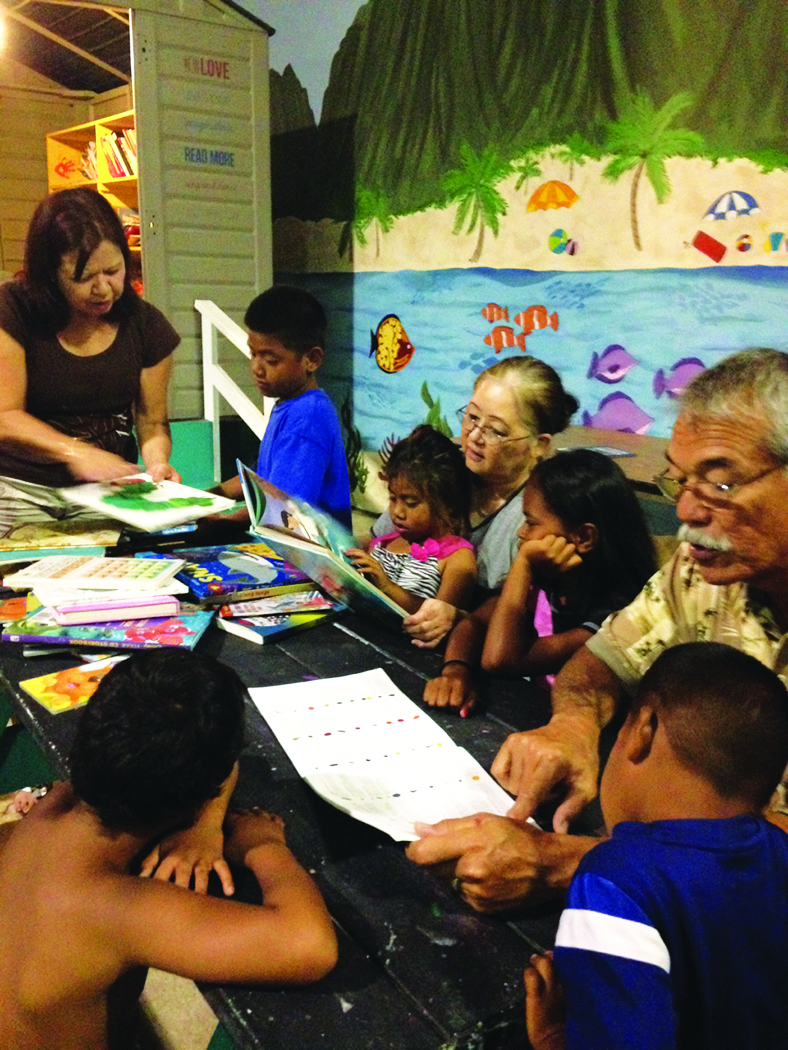
    Volunteers encourage children by reading at the Next Step Shelter.
    Volunteers encourage children by reading at the Next Step Shelter.

    RSVP also addresses the mission of the Elderly Affairs Division of the City and County of Honolulu to strengthen the community by improving the quality of life for its citizens in need through delivery of essential, supportive services.

    Program volunteers help provide health and nutrition services, and also provide tutoring for children and literacy programs for adults.

    RSVP volunteers contribute to public safety and help provide advocacy for seniors. They also help promote and sustain local culture and assist with environmental restoration.

    The benefits of RSVP are many. Isolated seniors feel less lonely as they develop close ties to volunteers; companionship is just a phone call away through RSVP. Many seniors are able to continue living in their own homes with the support they receive from RSVP volunteers. Seniors can receive nutritious meals through Meals on Wheels food delivery, or may even be able to do their own grocery shopping and errands with the help of RSVP volunteers. Transportation is also provided for trips to and from medical appointments.

    More importantly, through RSVP, seniors have the opportunity to be linked with other services they may need.

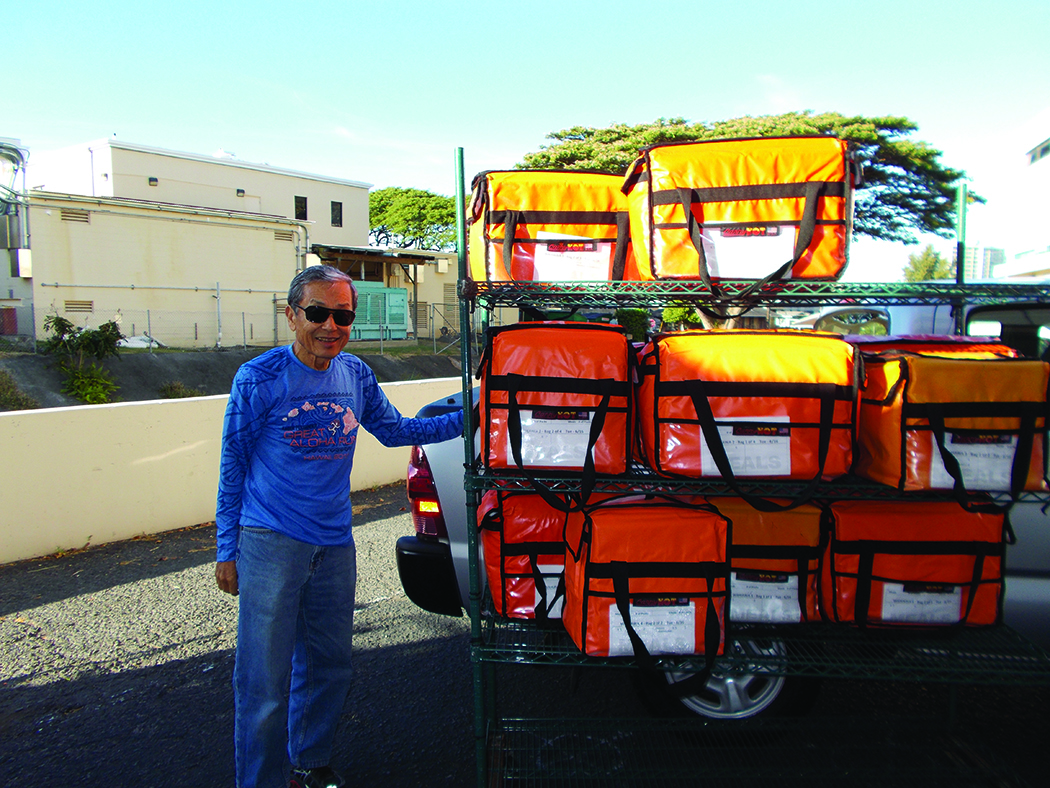
    A Lanakila Meals on Wheels volunteer delivers food... and a smile.
    A Lanakila Meals on Wheels volunteer delivers food… and a smile.

    RSVP provides services to other family members, including respite for caregivers.

    The program also serves underprivileged children by providing them lunch, and serves veterans and their families, as well as young military families.

    The Volunteer Experience

    Oahu RSVP strives to provide a high-quality volunteer experience in order to facilitate the program’s expansion.

    Volunteers 55 and older are assessed, recruited and linked with opportunities that match their interests, and make use of their wisdom, skills and life experience to help social service agencies meet needs.

    Volunteers are placed in nonprofits and public agencies, also known as “Volunteer Stations,” throughout the community.

    The program offers prospective volunteers a wide array of placement choices from 38 nonprofit organizations, public agencies, schools and support services.

    The RSVP program can be accessed at City & County of Honolulu Customer Services Departments. Or contact the Oahu RSVP using the information below to either become a volunteer or to enlist some of its many valuable services for yourself or a loved one.  n

    RSVP OAHU VOLUNTEER PROGRAM
    City & County of Honolulu DCS/Elderly Affairs Division
    715 S. King St. Rm. 211, Honolulu HI 96813

    The Retired & Senior Volunteer Program (RSVP), one of the largest senior volunteer networks in the U.S., is one of three Senior Corps programs funded by the Corporation for National and Community Service, a federal agency that supports service and volunteering.