One of the biggest decisions we face as we age is what to do with our most valuable asset — our real estate. Our home is a precious place of comfort… well, most of the time. But perhaps a flight of stairs is becoming a struggle to climb. Maybe the house is now just too big to maintain. Where to go when it’s time to downsize is a question select real estate professionals can answer. These specialists can help you navigate your living options and help with the transition.
Another big challenge is what to do with your investment property — such as a rental that has become a burden. Experienced realtors can conduct an Asset Performance Test to see how valuable your property is performing. Is your rental generating the most Net Operating Income? If you don’t need extra income but you want to keep the real estate in the family, there are ways to transfer property to your heirs while you are still living. Building wealth through real estate is the way most “akamai” families create generational wealth. If you want a better life for you and your family, now is the time to create a legacy.
One of the biggest decisions we face as we age is what to do with our most valuable asset — our real estate. Our home is a precious place of comfort… well, most of the time. But perhaps a flight of stairs is becoming a struggle to climb. Maybe the house is now just too…
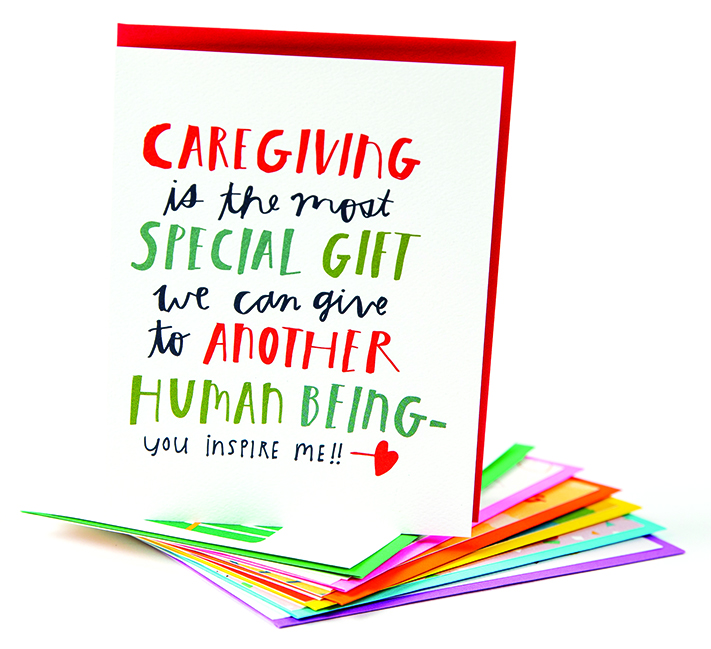
Looking for a simple, non-digital way to connect with family caregivers who take care of older adults? Send them an appreciation card to acknowledge their dedication and compassionate work.
Family caregivers devote their time and energy to provide care and to ensure quality of life for their aging loved ones. Family caregivers play a vital role in healthy aging.
With all the duties involved, family caregiving can be socially isolating, emotionally stressful, physically exhausting, mentally frustrating and financially challenging. Over time, the strain and stress of caregiving can negatively impact a caregiver’s health, according to the National Alliance for Caregiving and AARP. To ensure our loved ones age successfully, we should also focus on the well-being of their caregivers. Their emotional and mental health are critical in performing caregiving tasks. It’s also important to reach out to family caregivers so they do not feel alone.
Family caregivers give love and should receive love, too. A greeting card that acknowledges family caregivers for their important role, recognizes their devotion, honors their work, expresses gratitude and celebrates caregiving can go a long way to shine a bright light on a deserving longtime or new caregiver.
Family caregivers give love and should receive love, too. A greeting card that acknowledges family caregivers for their important role, recognizes their devotion, honors their work, expresses gratitude and celebrates caregiving can go a long way to shine a bright light on a deserving longtime or new caregiver.
Today, innovation is changing our way of life for the better. Technology evolves to eliminate painstaking tasks and make our lives easier. Improving methods also applies to the food business, where the combination of technology and innovation enables hungry islanders to obtain their favorite meals from local restaurants with delivery to their doorsteps within minutes of ordering. We can choose snacks, meal plates or fine dining from the comfort of our home using our smartphone or laptop.
Companies involved in meal plans and food preparation services are personalizing menu items according to customers’ needs. New and improved cooking methods and recipes help chefs to retain great flavor while they provide the customers the healthiest possible meals. Freshly prepared foods do not require preservatives or MSG to boost flavor. Most restaurants have abandoned their use.
Some clients may want to consume less carbohydrates, so the meal company cuts out carbs from the meal item, and adds more proteins and vegetables instead. Seniors controlling their cholesterol need low-fat meals, which restaurants and food services are able to offer.
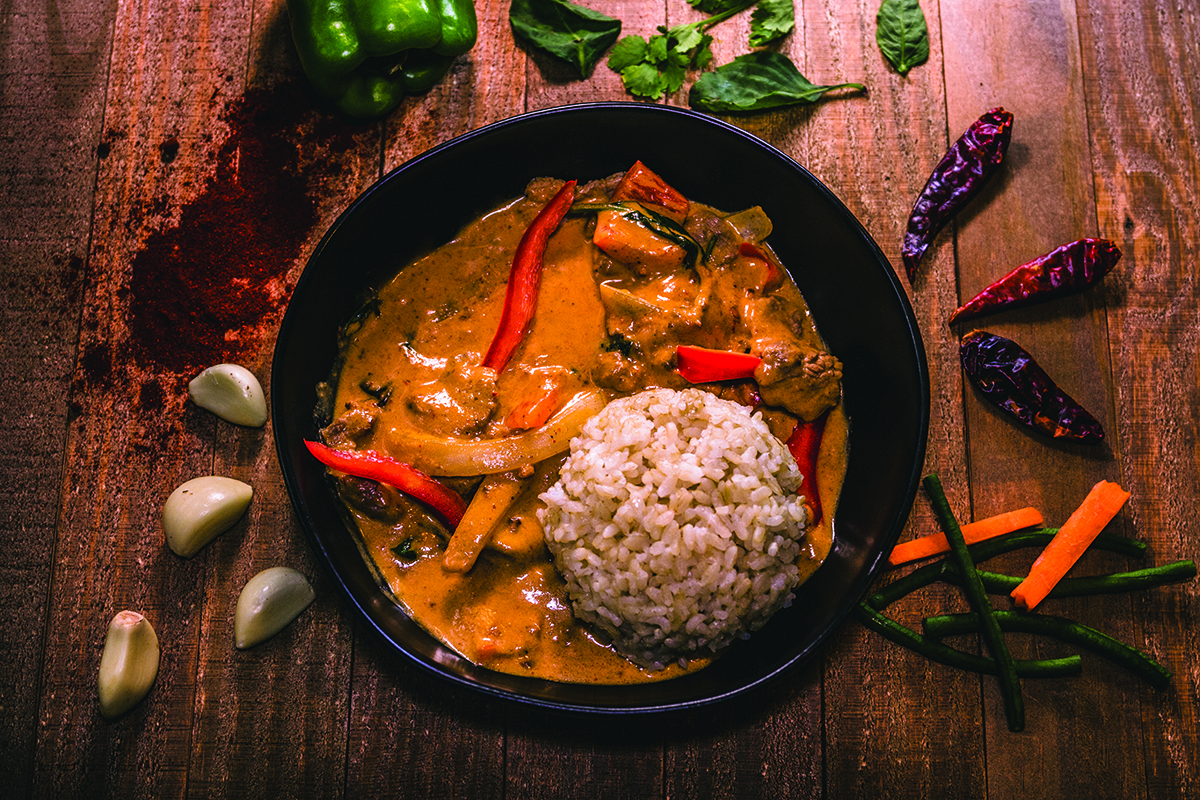
Cuisines from across the world have their own unique flavor profiles. One that rises to the top of the “big flavor” category is Thai food. Chefs incorporate robust herbs and spices, citrus, and “salt and sweet” Thai flavors with the best fresh ingredients so seniors and their families can enjoy healthy, delicious food without consuming excessive calories.
There is a lot more to be gained by eating 500-calorie, taste bud-satisfying veggie and protein dishes, than meals loaded with fat and bland starches. So for a better life, make healthy choices, whether you step out or order in.
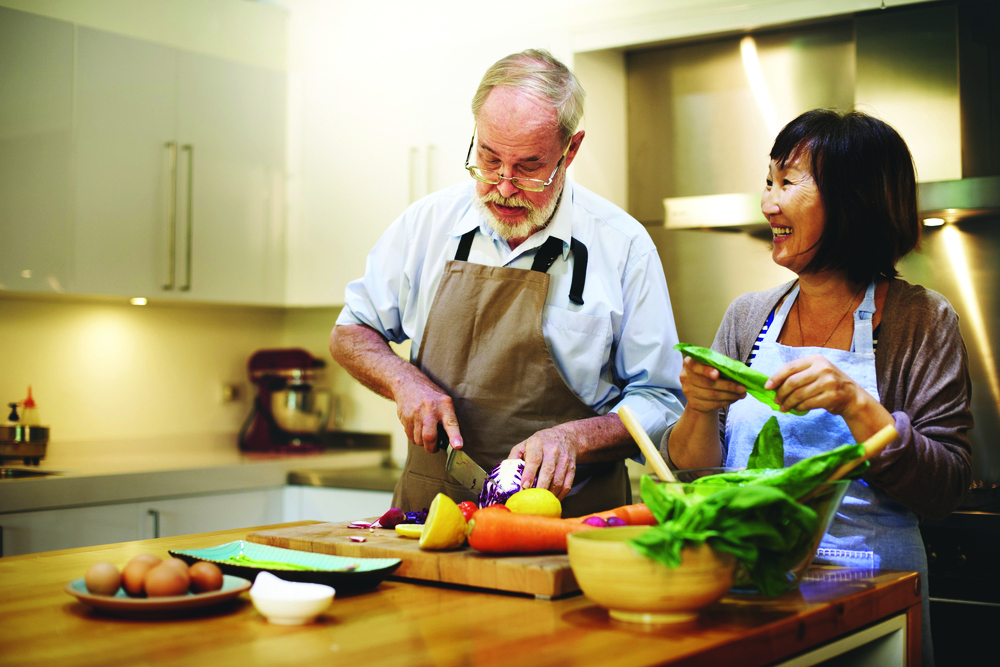
Today, innovation is changing our way of life for the better. Technology evolves to eliminate painstaking tasks and make our lives easier. Improving methods also applies to the food business, where the combination of technology and innovation enables hungry islanders to obtain their favorite meals from local restaurants with delivery to their doorsteps within minutes…
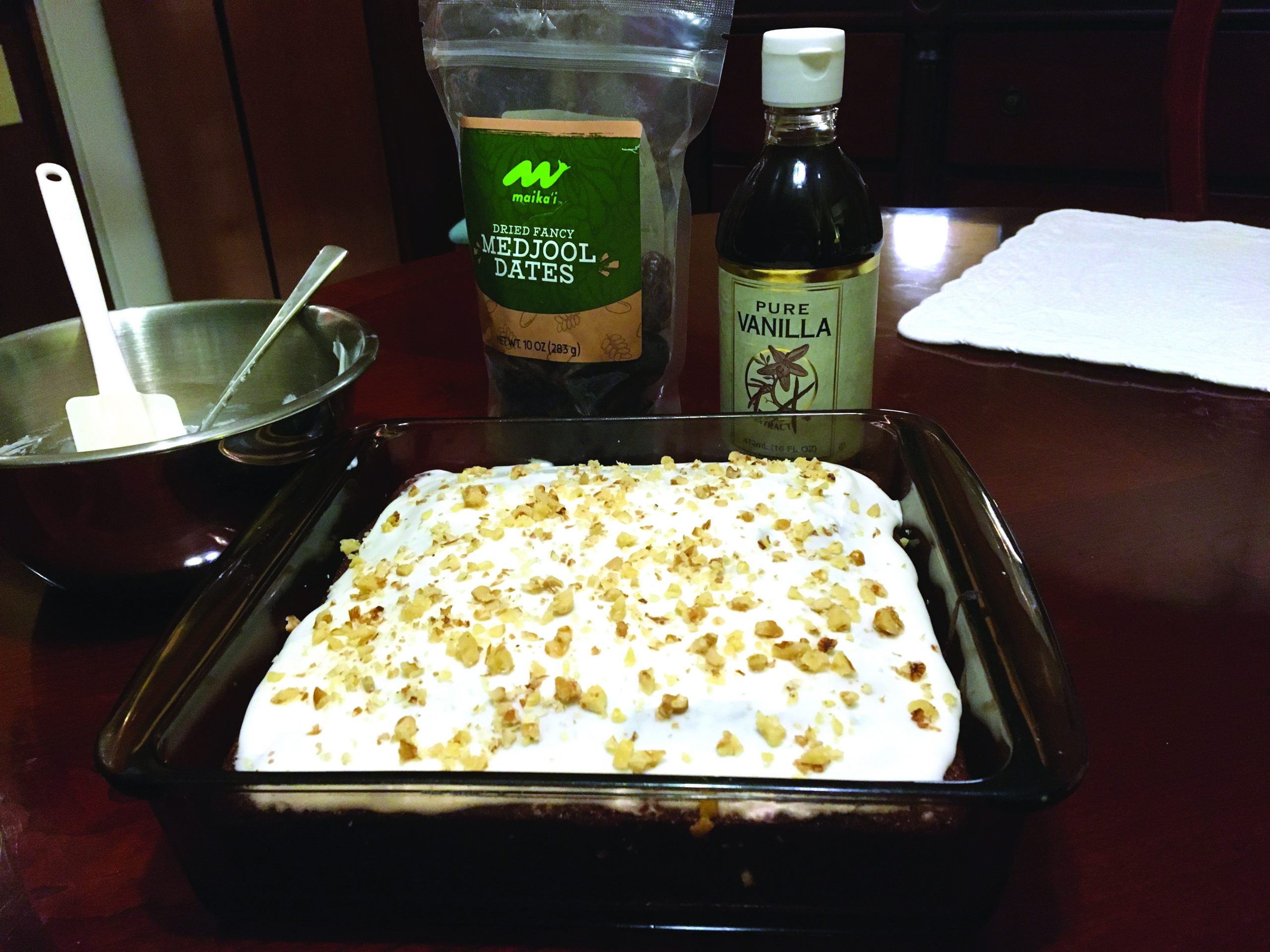
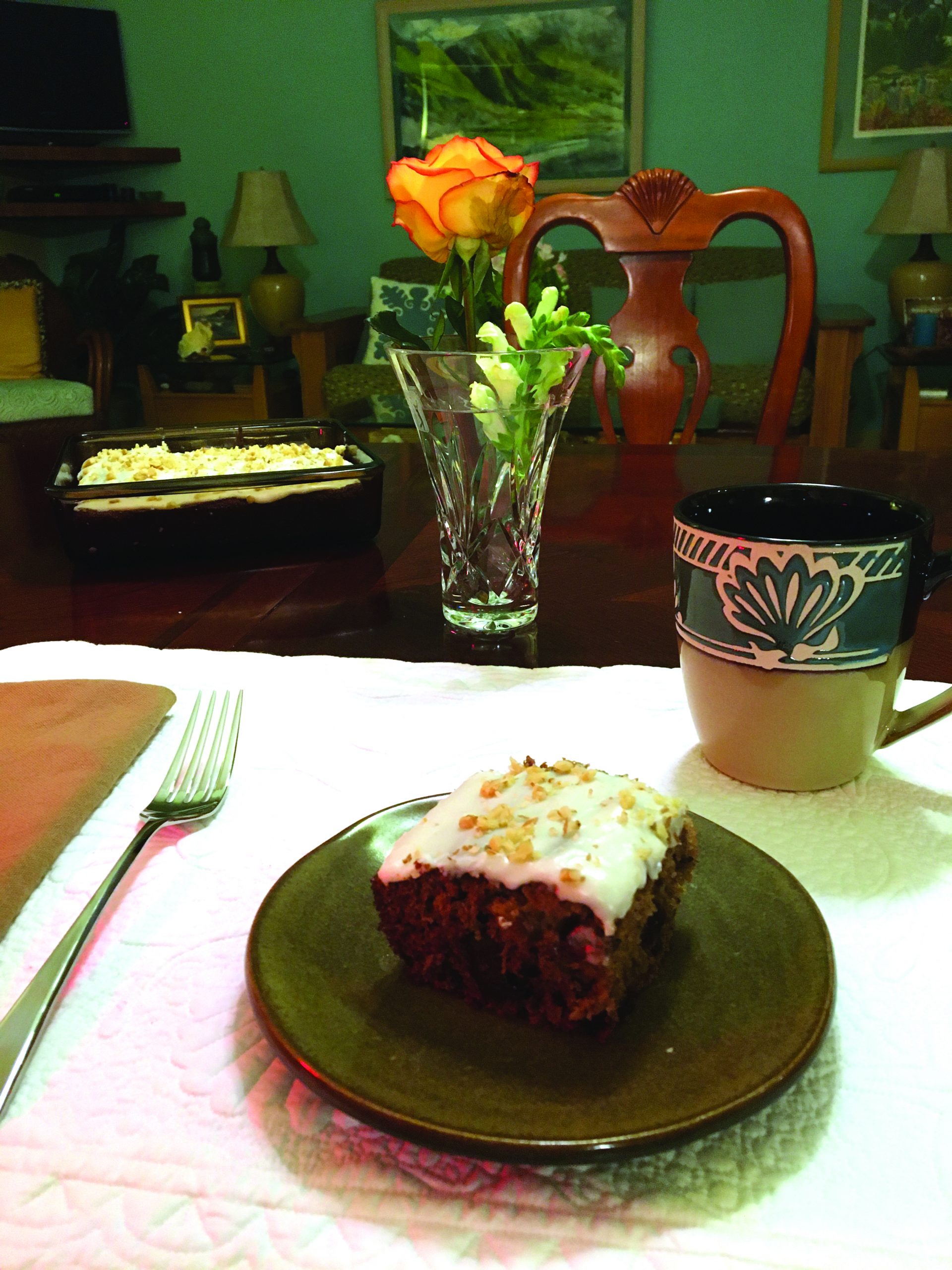
This satisfyingly sweet and moist cake makes up in 10 minutes and a small piece turns morning coffee or afternoon tea into a special occasion. At my home, the women sat down for tea before starting to cook the evening meal or when “the people” came to visit. Funny how a sweet treat triggers fond memories.
Ingredients:
Cake:
1 cup (packed) pitted dates (cut in quarters)
1 tsp. baking soda
2 Tbsp. cubed butter
1 cup boiling water
1 egg
2/3 cup sugar
1-1/2 cup flour
1/2 tsp. vanilla
1/2 tsp. salt
Icing:
1 cup confectioner’s sugar
2 Tbsp milk or cream
Dash vanilla
Pinch salt
1/2 cup+ walnuts (chopped)
Directions: Preheat the oven to 350 degrees. Prepare a square 9-by-9 baking pan. Spray cooking oil on the inside.
Cake:
In a medium bowl, beat all the cake ingredients into a smooth, thin batter, either using an electric beater or by hand.
Then pour into the prepared pan, place it on the middle rack of your oven and bake for 25 minutes, until brown. Remove and let it sit to cool.
Icing:
In a small bowl, beat the ingredients to a smooth consistency. Then spread evenly on top of the cooled cake. Evenly sprinkle chopped walnuts over the icing — add more walnuts if desired.
Serves: 9–16 | Total time: 35 minutes
If you’d like to share, Generations Magazine would love to list your favorite recipe and story behind it. For review, please send your story and recipe to: Generations Food & Story 1414 Dillingham Blvd., Ste. 201, Honolulu, HI 96817
This satisfyingly sweet and moist cake makes up in 10 minutes and a small piece turns morning coffee or afternoon tea into a special occasion. At my home, the women sat down for tea before starting to cook the evening meal or when “the people” came to visit. Funny how a sweet treat triggers fond…
I am a retired preschool teacher from Bemidji, Minnesota, and I live in Kā‘anapali, Maui, all winter. I am an active volunteer in both communities and my huge appetite for travel has taken me to many of the world’s countries. My method of solo travel affords me opportunities to explore each destination and its culture at my leisure. Often that means viewing and appreciating its art. Exposure to unique and diverse art forms has developed my love of art in all its various forms.
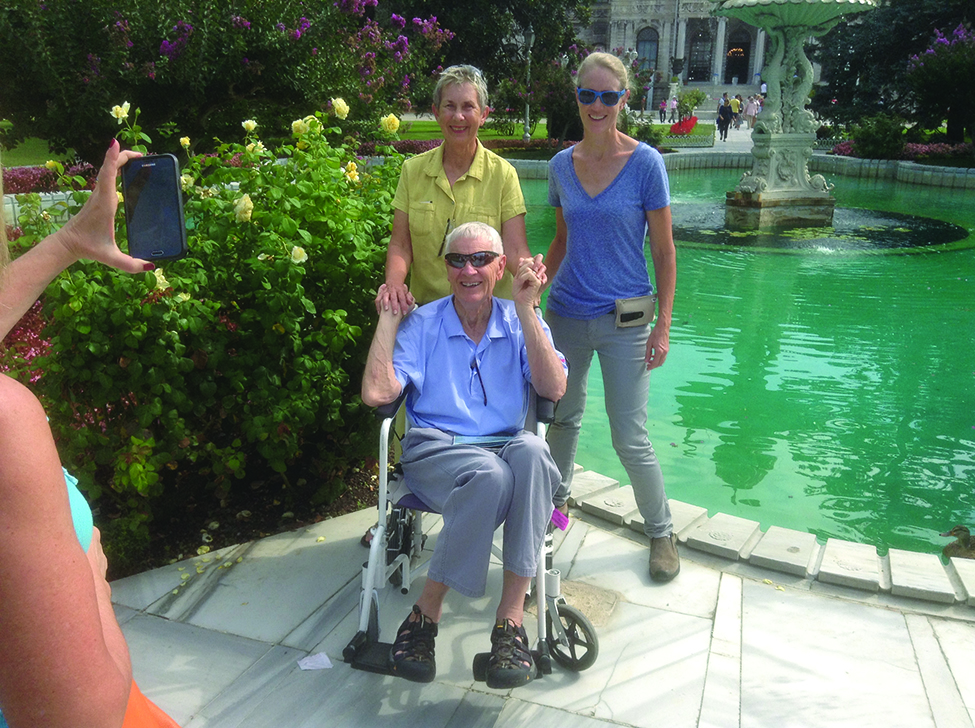
When my husband was alive, we traveled all over the world. I would have to think of the few countries that we have not visited. Lee was a college professor with a passion for new places and a wonderful sense of humor. After a health problem robbed his ability to walk and talk, we figured out how to keep seeing the world. My daughter, Leeann, was able to share those adventures with us.
For most of his life, Lee was a cross-trained athlete and served on the Olympic committee. Before the Bejing Olympics, we spent six fabulous weeks exploring China.
Transitioning to solo travel was not as hard as I thought, because Lee and I were so good at planning itineraries and being flexible on the road.
I share a passion for seeing the world. If you do too, I recommend travel as a rewarding pastime. I have found that people are much friendlier in real life than they are in the news, books or the movies.
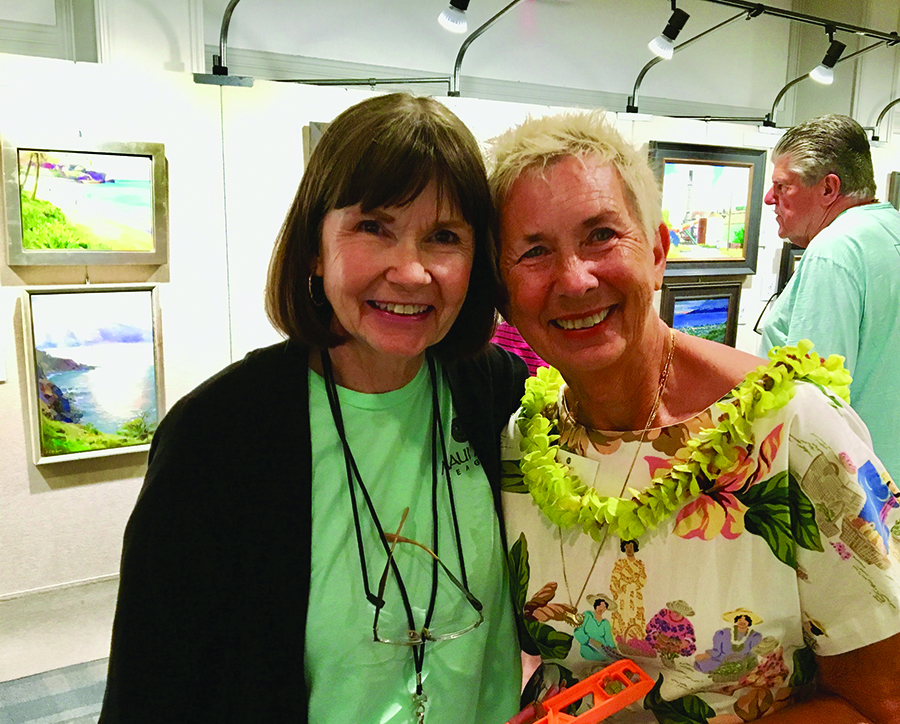
Every February, I stay home on Maui to assist with the Maui Plein Air Painting Invitational event. This unique event is a tremendous asset to our community by bringing world-class artists here. Our local residents and seasonal guests get a front row seat to watch them paint the beauty of Maui. I live to watch the artists select a subject, set up the easel, create the painting, and frame and hang the finished product. At the art shows I get to greet all the families, visitors and collectors. It’s such a joy to do.
There is also a free art lecture one evening by a famous art museum curator about “famous art fakes” and a full day of outdoor painting for Maui school children. For all of us who love art and enjoy watching the creative process, being a volunteer is big fun. Feb. 16 through 24, you can find me watching plein air artists on West Maui — and greeting visitors. Here or abroad, art and culture enriches my life.
I am a retired preschool teacher from Bemidji, Minnesota, and I live in Kā‘anapali, Maui, all winter. I am an active volunteer in both communities and my huge appetite for travel has taken me to many of the world’s countries. My method of solo travel affords me opportunities to explore each destination and its culture…
In my 2005 book Boom or Bust, I made the case that if you are prepared, it is never too late to do the work you are meant to do throughout the bonus years of your lengthening life. But if you’re not prepared, watch out for the storm clouds ahead.
Notice that I used the word “work”— not the word “job.”
Even so, you may be thinking…
• I am retired. • Employers think I am too old to hire. • I can’t do the physical work I once did. • I don’t have a high school diploma or college degree. • I don’t know where to start looking for an opportunity.
These are some of the fear words and phrases I hear every day.
Swallow this. Fear will not lead you into a more financially secure, societally connected, healthy world. But I recognize how fear stops action for many people, educated or not; physically challenged or not; old or not. Should you think that I have not walked in your shoes, I will share that I am 80 years old and in some ways wearing down, while in other ways revving up for new adventures. You can, too, because the need to remain engaged is a lifetime truth for one and all.
Rather than offer you a lengthy strategy, I suggest you take your first step — and only your first step — into the next phase that will include future work.
On a daily basis for the next several weeks, jot down a few notes related to ideas for your working future. Include inspirations, dreams and ideas that may surface around you every day. Use your imagination and remember that work can be done for the good of community, for free, for income, part-time, full-time or some of the time. Ideally, find a regular time to add daily notes to your personal journal. Don’t worry about grammar and spelling — you are the only one who will read what you write. Step No. 1 is up to you and for you only. It is your internal journey.
We will cover more steps next issue. Remember, please, without a first step, you will only be hoping — not planning — for a working future.
In the meantime, allow me to offer a gift for the holidays. If you take the time to capture your ideas in a daily journal and know how to use email, please reach out to me. I’d be happy to give you feedback.
In my 2005 book Boom or Bust, I made the case that if you are prepared, it is never too late to do the work you are meant to do throughout the bonus years of your lengthening life. But if you’re not prepared, watch out for the storm clouds ahead.
Author Scott Makuakane reflects on Generations Magazine, now in its tenth year.
Q: Hawai‘i has the largest older population in the country. How do you think our seniors are currently living and thriving?
Hawai‘i is generally a retirement-friendly state. Taxation of retirement income is relatively benign. Our warm climate and surrounding ocean allow ample opportunities for year-round outdoor exercise and connecting with nature. Our culture is generally inclusive and promotes venues for social interaction. All of these factors form a foundation for a thriving senior population that can enjoy fulfillment and longevity. The key is recognizing the treasure trove and taking full advantage of it.
We have clients in their 70s who are very active in exercise and social groups. One of them recently told us about her hero — a woman in her 90s who attends her Zumba class. Other clients in their 80s are fulfilling their bucket list travel fantasies. It’s encouraging to engage with people like these, who view age as mostly a state of mind and relish each step in their life’s journey. They say 60 is the new 40, but there is no reason that we can’t extend that to 70 or 80 or 90. Sometimes health does not cooperate, but we can do so much proactively to extend the quality of life we enjoy far longer than past generations have.
Q: What important information or trends do seniors and their families need right now to enjoy better quality of life?
Seniors need to take advantage of all that our community offers. Resources are there and it is important to know where to find them. That is part of the beauty of Generations. Between the magazine, the radio and TV exposure, and the website, much of what is so good and senior-friendly about Hawai‘i is showcased and thereby made available to seniors and their families.
Specifically, a key to quality of life is being connected with other people. Technology can play a huge role here. A voice, a video image or an email can fortify the senior soul. So attaining tech-savviness can be a valuable asset. Seniors who believe “you can teach an old dog new tricks” embrace technology and are more connected than ever before. Of course, technology has a dark side, and people are victimized in Hawai‘i every day by internet and telephone scammers. That’s where family can intervene and help make sure bad things aren’t happening in their ‘ohana.
Q: Active baby boomers are now seniors. How do you think they will change the way we look at a “frail senior?”
For many of us, seniors are no longer “them.” They are “us.” One thing I have come to appreciate about the Hawaiian culture is that gray hair is often appreciated, respected and given deference. You see this in informal encounters in public places, as well as in more institutionalized settings, such as the various programs and resources that our state and county governments and nonprofit organizations provide. Most people seem to have an awareness of the fact that we enjoy the quality of life we do in large part because of the contributions of previous generations. And they appreciate how current generations are setting the stage for those yet to come.
Throughout Hawai‘i, the word “kūpuna” means ancestor or grandparent. “Frail” is not part of that definition. A kūpuna is an honored elder, a living treasure who has acquired enough life experience to become a leader and teacher. Kūpuna before us have guided us with their wisdom. They are a rich source of experience, knowledge, guidance, strength and inspiration for the next generations.
This is not the case everywhere. On a recent business trip to Boston, I had a brief conversation with a 20-something-year-old. We told him about the word “kūpuna” and asked him what the local term was. Without missing a beat, he said, “I don’t know. F—ing old people, I guess.”
Lucky we live Hawai‘i.
Hawai‘i is generally a retirement-friendly state. Taxation of retirement income is relatively benign. Our warm climate and surrounding ocean allow ample opportunities for year-round outdoor exercise and connecting with nature. Our culture is generally inclusive and promotes venues for social interaction. All of these factors form a foundation for a thriving senior population that can…
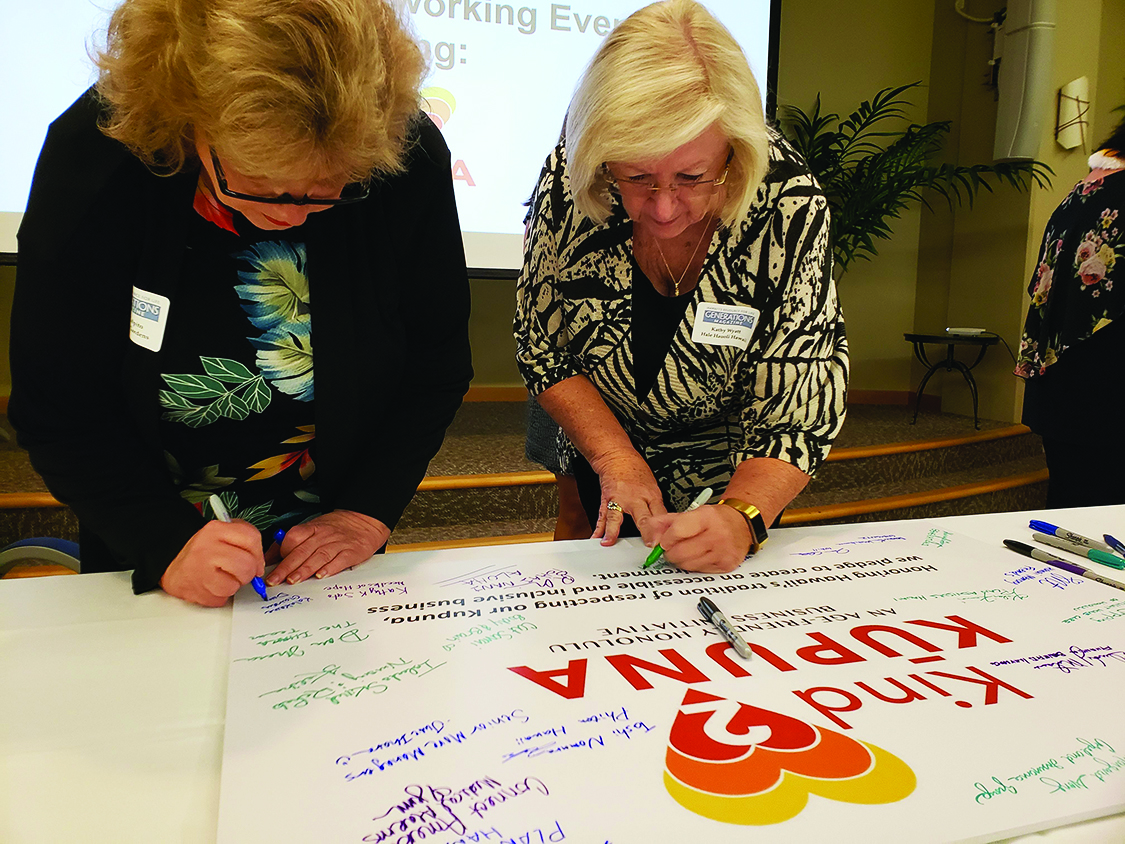
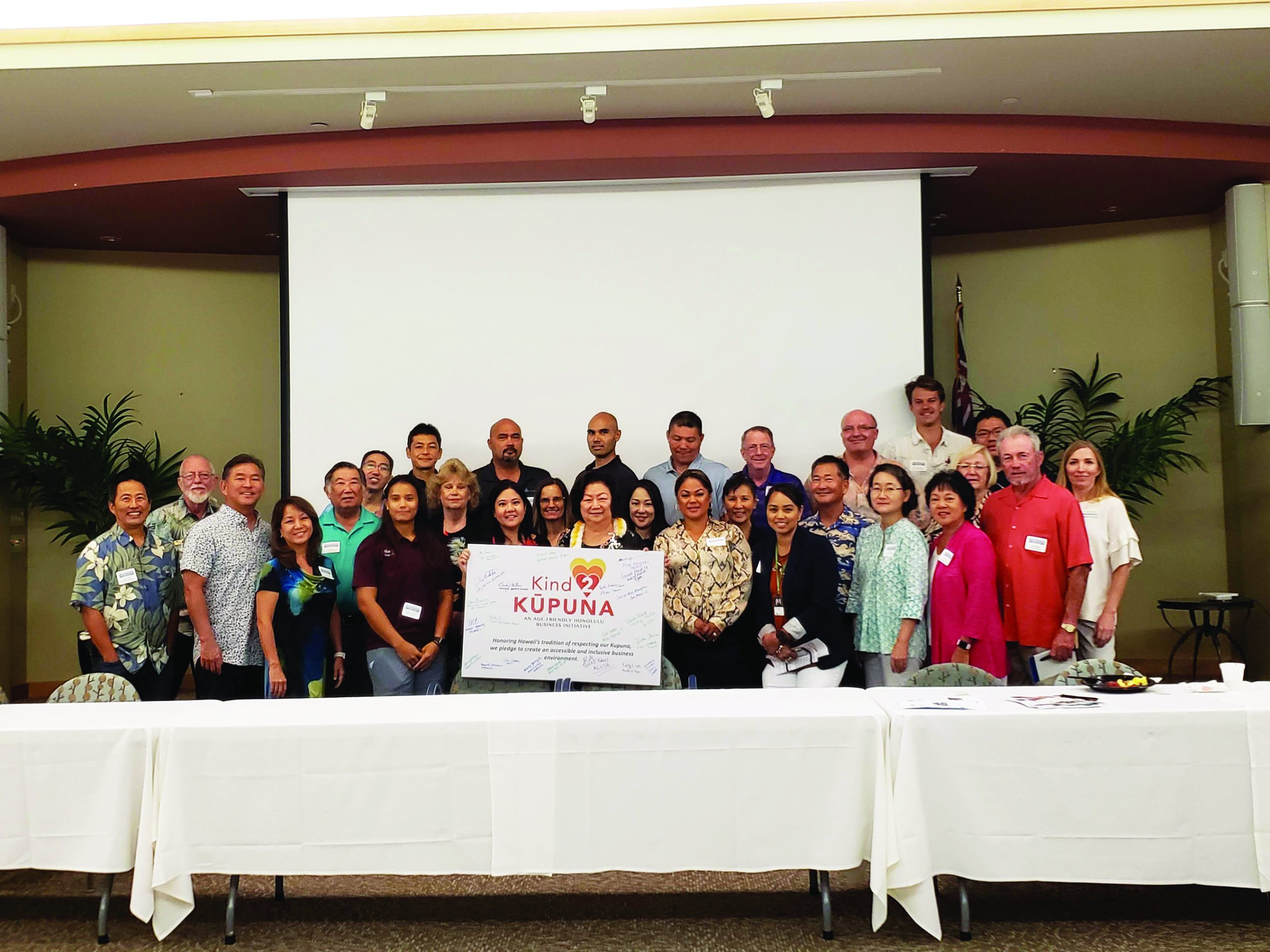
Dawn Calpito of Kalākaua Gardens, Kathy Wyatt of Hale Hau‘oli Hawaii, and other organizations and companies attending a Sept. 17 breakfast event
To better serve Hawai‘i’s senior community, Generations Magazine held a networking event for its partners on Sept. 17 at 15 Craigside, where a delicious breakfast was provided, thanks to Kind2Kūpuna and Margaret Wong of Copeland Insurance Group. Generations Magazine partners met, greeted and learned about each other, making contacts with those who support and serve kūpuna and their families. Generations Magazine contributors and advertisers are not only experts in and on Hawai‘i’s senior community, but have become valuable resources for each other through GM.
The Kind2Kūpuna business network
The goal of the Kind2Kūpuna, an age-friendly business program that is part of the Mayor’s Age-Friendly Honolulu initiative and supported by Kaiser Permanente Hawaii, is to raise awareness and provide networking and recognition opportunities for businesses who pledge to be “age-friendly” and support the needs of older employees and customers. The presentation by GM partner Kind2Kūpuna was well received — GM partners who attended signed a pledge and became part of the Kind2Kūpuna business network.
Amazing Care Network • Cardax Inc. • Copeland Insurance Group • First Light Home Care • Generations Magazine • Good Samaritan Society – Pohai Nani • GYMGUYZ – Urban Honolulu • Hale Hau‘oli Hawaii • Hawaii Memory Friends • Home Care by ALTRES Medical • Humana • Islands Skilled Nursing & Rehabilitation • Kala¯kaua Gardens • Keller Williams Honolulu – The Ihara Team • Kimberly A Cooper Insurance LLC • Ki ¯na¯ ‘Ole Estate • Kupuna Education Center • Needles of Hope • Ohana Hearing Care • Phiten Hawaii • Plan Advisors Hawaii • Prime Physical Therapy, Inc. • Right at Home • Senior Move Managers & De-Clutter Hawaii • Soderholm Bus & Mobility • The Caregiver Foundation • The Okada Group • Vacations Hawaii
To better serve Hawai‘i’s senior community, Generations Magazine held a networking event for its partners on Sept. 17 at 15 Craigside, where a delicious breakfast was provided, thanks to Kind2Kūpuna and Margaret Wong of Copeland Insurance Group. Generations Magazine partners met, greeted and learned about each other, making contacts with those who support and serve…
Food, the source of life, is central to our Hawai‘i mixed plate of cultures. The fine-dining spots of Waikiki and golf and spa resort eateries throughout the islands accommodate the most discerning palates. In plantation days, Western and Eastern cuisines met at potluck tables. “M-m-m! That’s good! How you make that?” Those words began a century of what foodies now call “Fusion Cuisine,” combinations of exotic ingredients and earthy basics, mixed cooking styles that create an endless variety of tastes and textures. This is what we love. Destinations throughout the world have food traditions — but none have as many as Hawai‘i.
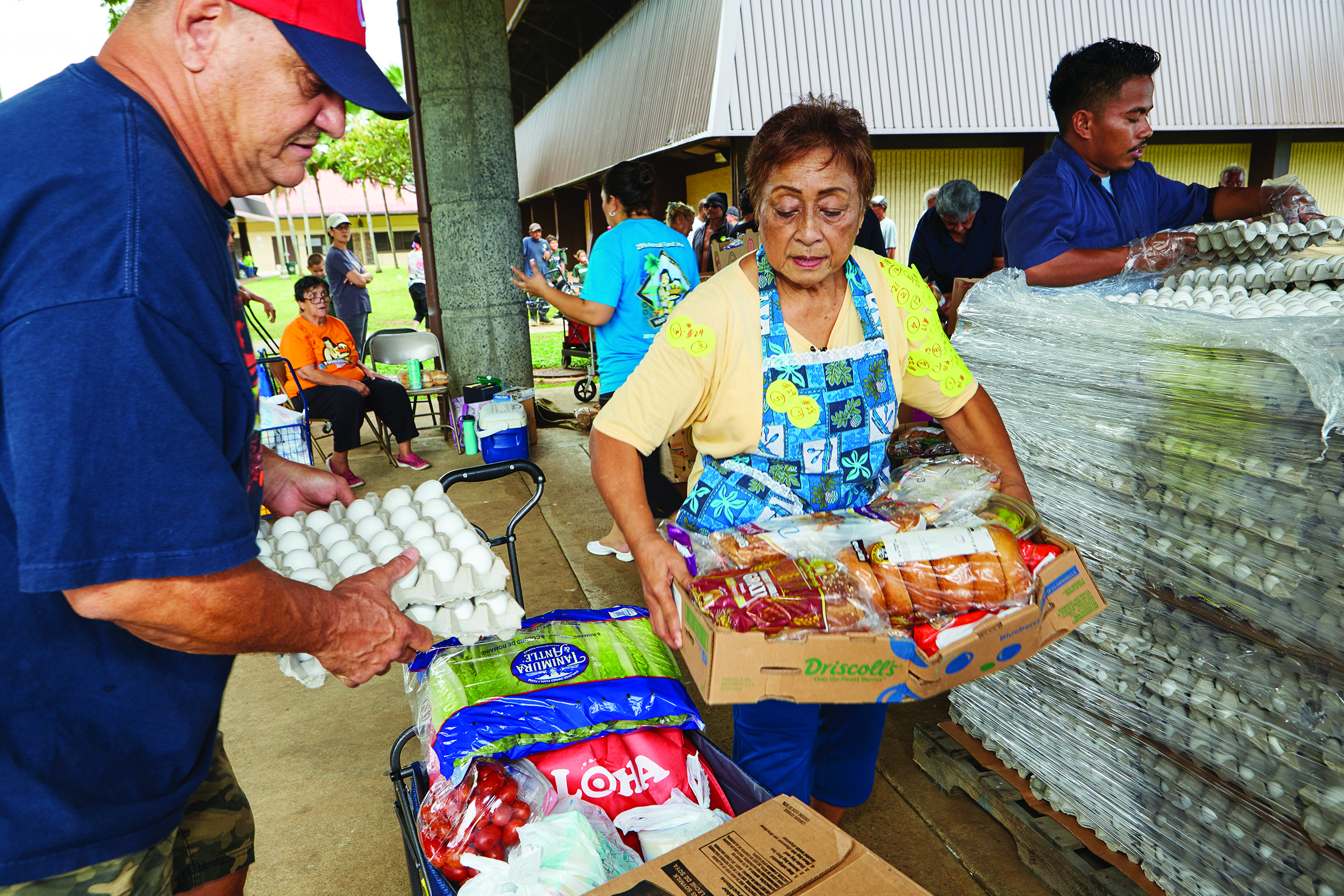
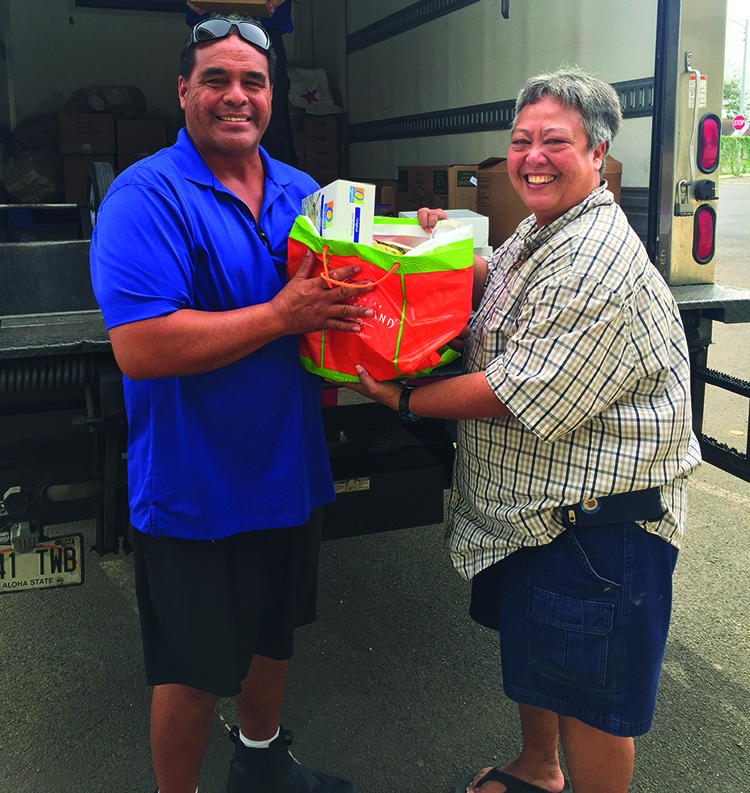
Hawaii Foodbankʻs donations to Dynamic Compassions in Action/Ohana Produce Plus and DCIA/OPP Food Distribution Program at Waimanalo District Park
Naturally, the gift of food starts with fishers, farmers and ranchers, whose wisdom and toil produce an abundant harvest from the ʻaīna. We know how food gets distributed at the market to people who can afford to buy it. For those who can’t, every day, a network of Hawai‘i nonprofits work together to collect food donations and deliver them to the hungry. They serve seniors on a fixed income, low-income families, disabled persons and homeless persons who may not be getting enough food to sustain health or the energy to work. They help children who may not be getting the nutrition they need to thrive and do well in school. This story explores some benevolent organizations in Hawai‘i that are working hard to distribute food to persons in need. We encourage our readers to celebrate all the volunteers, food producers, wholesale and retail outlets, food service professionals and administrators fighting food insecurity and hunger in Hawai‘i.
Photo courtesy of Hawaii Meals on Wheels
HUNGER IN HAWAI‘I IS AN ECONOMIC ISSUE
The United States produces more food crops and livestock than any other nation, yet one in six persons goes without sustenance at least one day a week. Food insecurity affects American families with low income, fixed-income seniors over 65, disabled persons and the homeless population. In Hawai‘i, the poverty rate dropped from 12.5 percent of the population in 2014 to 9.5 percent in 2017 (the latest published statistics). Poverty and anticipation of falling into it are at the heart of food insecurity.
Food insecurity is a lack of certainty that you can afford enough food to keep you and your family from going without meals. It can be caused by anything that competes for dollars needed for food. It can happen in households where all individuals are employed. In deprived neighborhoods without local food stores, food insecurity is always present. For seniors and disabled persons, mobility problems, cost of medication and availability of assistive care can lead to food insecurity. Resorting to eating less nutritious and smaller portions of food is a common method of making ends meet when bills for housing and prescriptions are due. Add to that the high cost of living in Hawai‘i — the highest in the nation by a good margin — and economic pressures are intense. Experts estimate that 35 percent of all persons over the age of 65 have protein deficiencies and worry about their ability to live independently. It’s easy to see that identifying reliable, free food resources can relieve insecurity, improve health and promote well-being.
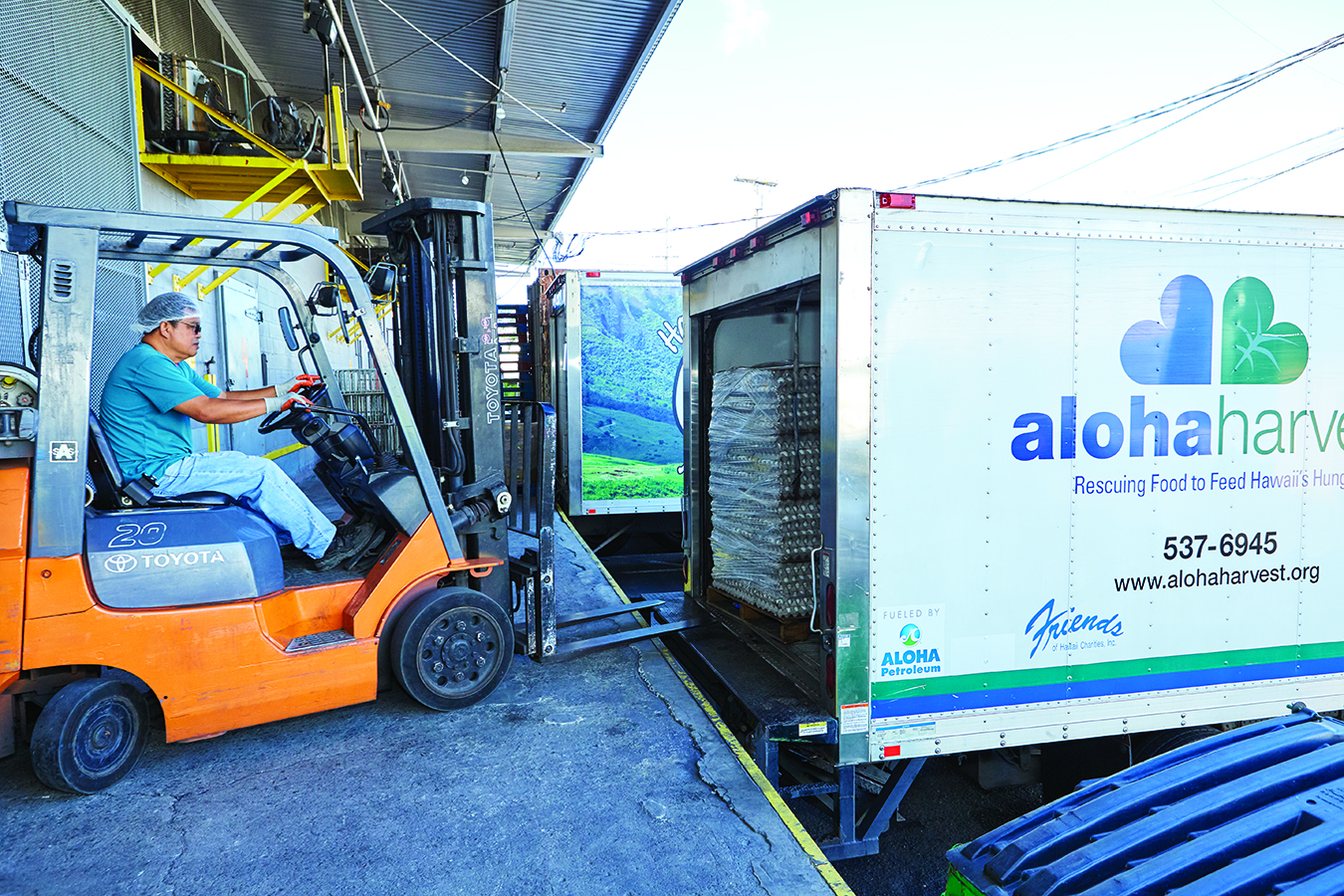
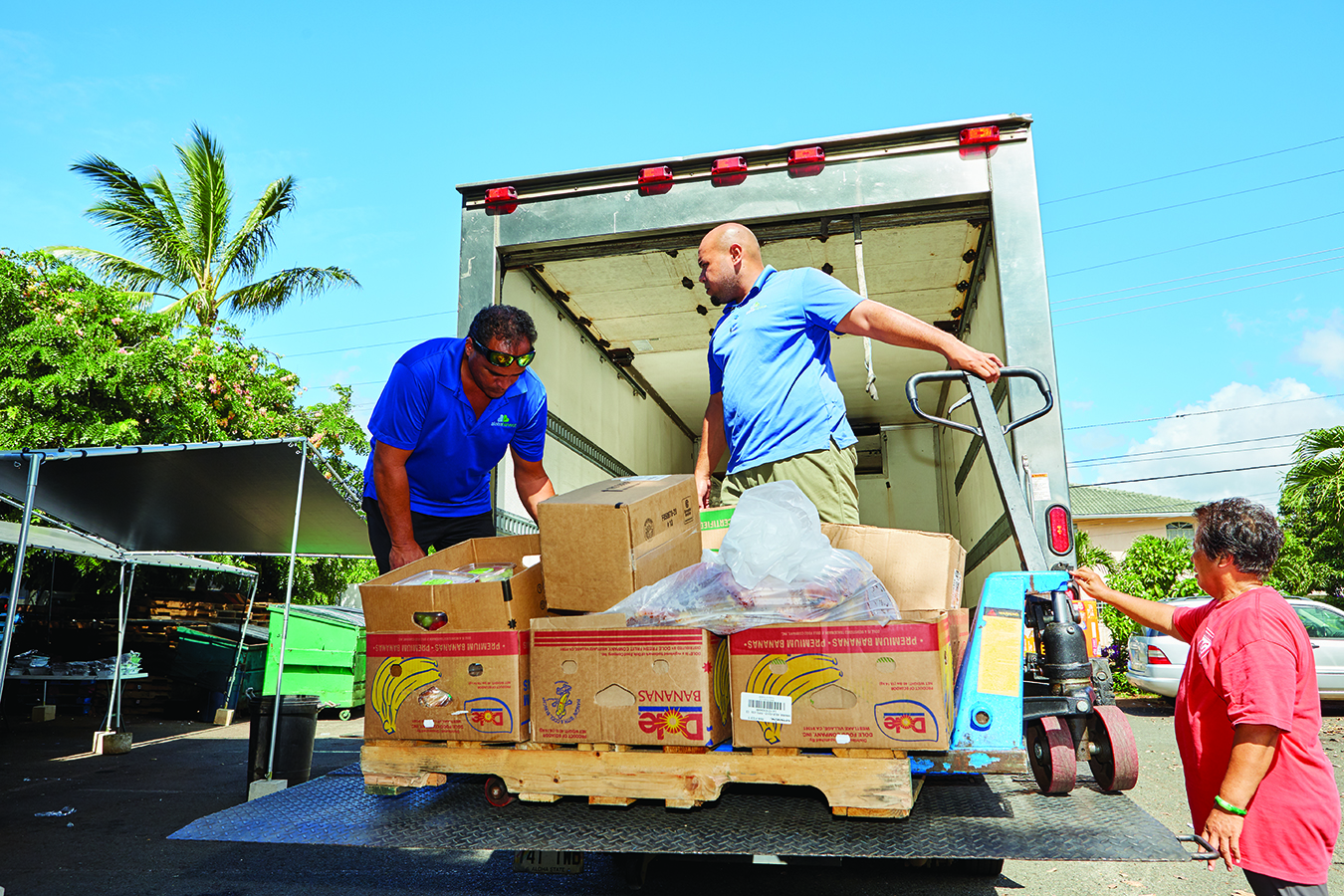
Aloha Harvest picking up donations
AN INCREASING NUMBER OF SENIORS WILL EXPERIENCE FOOD INSECURITY
MealsonWheelsAmerica.org reported that 10 percent of seniors live in poverty and face increasing levels of food insecurity. Baby boomers are retiring at a rapid rate, so our fixed-income population is growing. The fastest-growing age group in Hawai‘i is seniors over 80 years old. Seniors in Hawai‘i have the most extended longevity in the U.S., so the number of homebound seniors and disabled persons will also continue to rise. Hawai‘i Meals on Wheels (HMoW) reports that the median age of their clients in 2018 was 86 years for females and 83 years for males. The organization served 99,531 meals to 800 homebound clients. HMoW clients, mostly Asian and female, are unable to shop or prepare meals, and receive limited social contact and caregiving services. Overall food assistance to seniors in Hawai‘i amounted to over 700,000 meals for 6,300 persons. Fortunately, Hawai‘i food assistance charities and agencies that were developed decades ago have the systems, reputation and capacity to expand their services. But expanding requires more money and volunteers. These charities can only continue to grow with help from federal, state and local funding, private donations and people with a heart to donate their time.
Hawaii Foodbank preparing donated food to distribute
WHERE DOES HAWAI‘I FOOD COME FROM?
Food production in our state is not sufficient to meet all our consumption. In 2012, The Office of Business Economic Development and Tourism (OBEDT) and Hawai‘i Department of Agriculture (HDOA) reported that we import 85 percent of our food from outside the state. Our food supply would only last 10 days if a disaster shut down shipping. Therefore, OBEDT and HDOA recommended a plan to increase food security by increasing local production. It may be surprising to find out that we don’t import only frozen foods and spam. Bananas, mangoes, lemons, every kind of vegetable you can name and even taro come from other places. Hawai‘i also relies on “the barge” to bring ingredients for bakeries and restaurants, packaged goods for convenience stores, food for school cafeterias, hotel kitchens, foodservice companies and food processing plants.
A good example of our food supply is Love’s Bakery, which siloes enough flour for two week’s production so that it will be able to make baked goods — even if a disaster delays ships. The Hawai‘i Farm Bureau Federation and Farmers Union United, and the University of Hawai‘i Department of Agriculture extension service encourage farmers in rural areas to increase edible crops. On Maui, Mahi Pono LLC plans to grow food crops on 41,000 acres of former Pu‘unēnē Mill sugar lands. Supermarkets offer Moloka‘i sweet potatoes and locally grown tomatoes and fruits that were once only available at neighborhood farmers’ markets. A new generation of poi eaters demands taro products in local groceries. Now that revised sugar mill water diversions allow more normal streamflow, Maui taro farms that were nearly extinct a generation ago, are revitalizing old patches. A growing source of fresh produce is rural homeowners who have orchards and grow small plots of vegetables. In times of high yield, these “gentleman farmers” donate produce to local charities.
Hawaii Meals on Wheels preparing individual meals.
Another positive trend is increasing consumer demand for fresh and organically grown fruits and vegetables. Hawai‘i Farm Bureau Federation and Farmers Union United are helping local farmers develop small and boutique farms. Locally grown produce tends to be harvested when ripe, yielding the highest concentration of beneficial nutrients, robust texture and flavor. Hawai‘i farmers can deliver local ingredients that tell a story, showcase the chef’s creativity and add nutrition into their menus,
DISTRIBUTION OF FOOD TO THOSE IN NEED
Throughout our state, many charities receive and deliver donated food to persons who need it — food pantries, soup kitchens, foodbanks of staples and nonperishable food, meal plan cafeterias, delivered hot meals programs and farmer markets. Support comes from public funds and private donations. Thousands of happy volunteers with good hearts collect, sort, package, redistribute, or serve the food to tens of thousands of clients. These agencies and charities manage the logistics of regular food distribution with a remarkably small but highly skilled and dedicated staff. It would be impossible to name every group, but taking a look at the four largest on O‘ahu reveals how food redistribution and food recovery operations work. In addition to HMoW, Lanakila Meals on Wheels, Hawaii Foodbank and Aloha Harvest are meeting much of the need on O‘ahu.
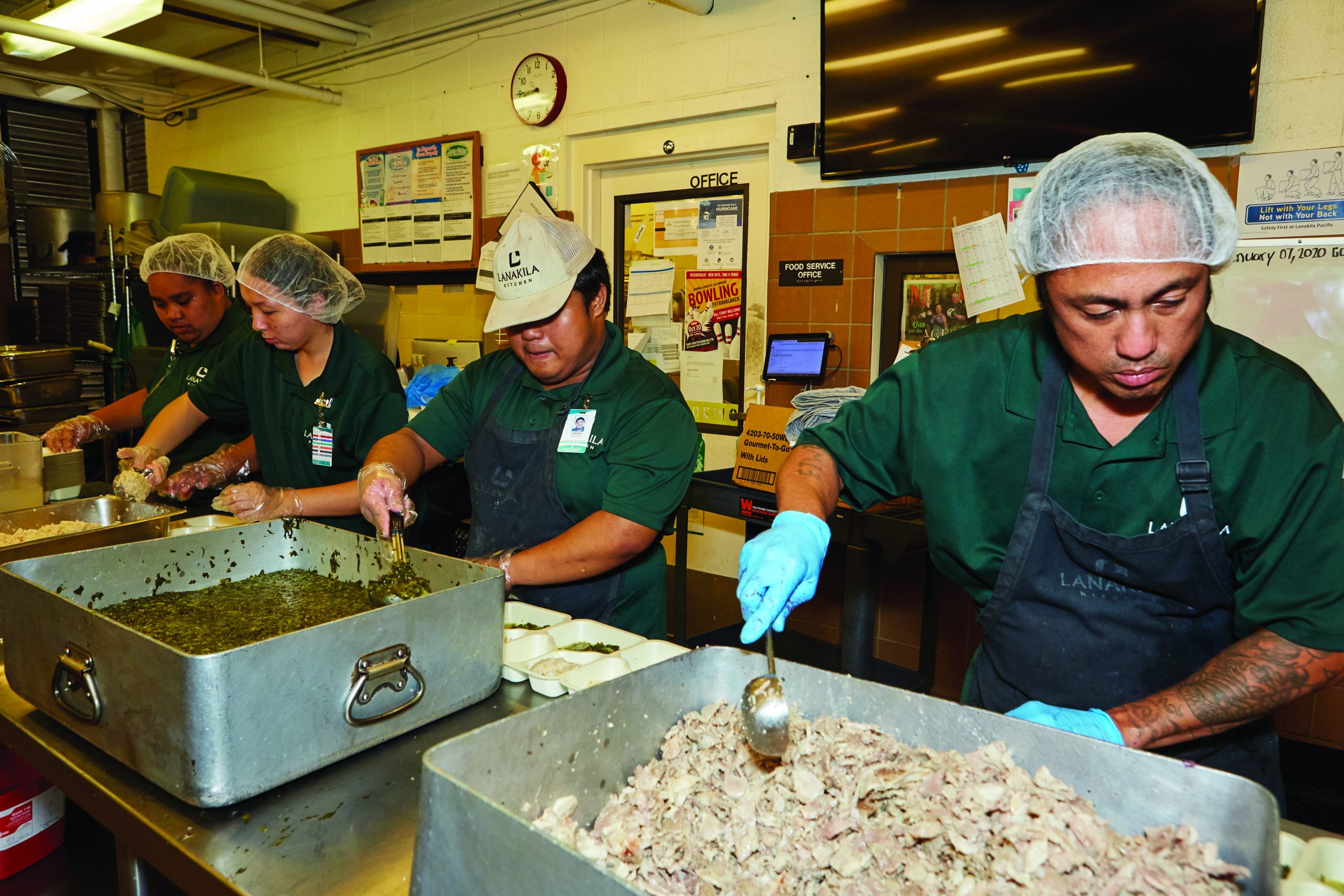
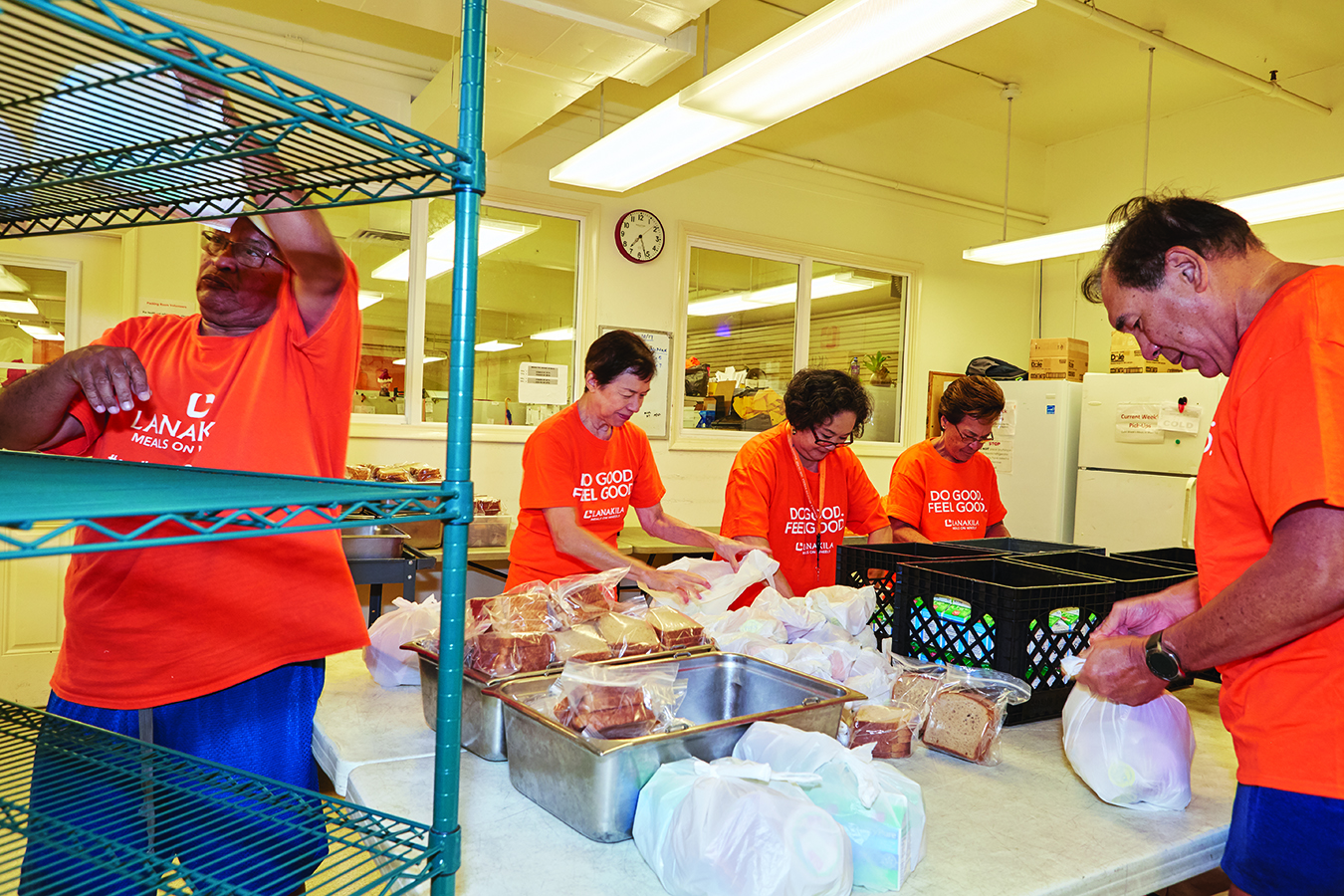
Lanakila Meals on Wheels kitchen crew.
HOW DOES MEALS ON WHEELS WORK?
■ Hawaii Meals on Wheels
The simple image of an elderly lady accepting a tray containing a hot meal from a Hawaii Meals on Wheels’ (HMoW) volunteer is accurate but far from the big picture of all this agency accomplishes. HMoW partners with 10 kitchens in hospitals and nursing homes on O’ahu to distribute hot meals once a day to 800 homebound clients. Over 400 HMoW volunteers deliver about 100,000 hot meals each year on 53 routes. The areas are close to the commercial kitchen partners so that hot foods arrive hot and cold foods, cold. Poor nutrition and isolation are two of the biggest problems facing the homebound. These stressors can lead to heart disease and cognitive decline — even shorten life as much as a smoking habit or alcoholism.
Lanakila Meals on Wheels packing individual meals
HMoW meals must be customized to the client’s medical needs and dietary restrictions by certified dietitians, and designed for taste by professional chefs. Some examples are low-salt, high-fat or low-cholesterol meals. Patients with diabetes or kidney disease need special meals. Others need pureed foods or thickened liquids.
HMoW volunteers take to the road every day, delivering the gift of food between 9am and noon. Over time, they develop relationships with their clients and become an extra pair of eyes to observe how clients are doing. Volunteers may be the first people to report a client’s illness, change in behavior or serious injury. Any senior who needs a hot meal each day and is unable to warm a meal on their own may apply to the Hawai‘i Aging and Disability Resource Center (ADRC) for food assistance by calling its statewide intake number: 808-768-7700. Food-insecure clients qualify if they are homebound and unable to shop and cook their own meals. Because the number of requests continues to rise, HMoW needs cash donations and volunteers to sustain and grow this valuable program.
Hawaii Foodbank: Church of the Crossroads Donor Tour
If you wish to volunteer at Hawai‘i Meals on Wheels, call its main number: 808-988-6747. You may make donations by mail (P.O. Box 61194, Honolulu, HI 96839) or online at www.hmow.org.
■ Lanakila Meals on Wheels
Lanakila Pacific has provided meals to homebound seniors and individuals with disabilities through its Lanakila Meals on Wheels program for over 48 years. As the largest and only island-wide provider of home delivered meals, Lanakila Meals on Wheels delivers both hot and frozen meals to individuals, six days a week, Monday through Saturday. Most individuals’ meals are paid for through state and federal funds, or as part of their Medicaid benefits. If able, families can also self pay for their meals or possibly use Supplemental Nutrition Assistance Program (SNAP) benefits to pay for their home-delivered meals (Lanakila Meals on Wheels is an approved SNAP vendor).
Hawaii Foodbank: Dynamic Compassion in Action
In Lanakila Pacific’s Kupuna Wellness Centers, seniors gather Monday to Friday for wellness activities and lunch, focusing on healthy living and enjoying older adulthood. Activities include exercise programs, outings, guest speakers and games. Seniors enjoy visiting with friends, learning new things and having fun. Lanakila Kupuna Wellness Center locations on O‘ahu include Pohulani Elderly Apartments on Coral Street, Wahiawa¯ District Park on Kilani Street, Waianae District Park on Farrington Highway and West Loch Elderly Village on Renton Road. It also partners with four other senior centers to provide meals to all seniors 60 years and older, though each location may have some additional requirements. Partner centers include Mō‘ili‘ili Community Center on South King Street, Lanakila Multipurpose Senior Center on Lanakila Avenue, Unity House on Pauahi Street and Kokua Kalihi Valley on Linapuni Street.
Aloha Harvest receiving donations from various vendors
Lanakila Pacific runs two commercial kitchens that prepare the meals. Each meal contains one-third of the recommended daily allowances and consists of an entree, starch, vegetable, fruit, margarine and bread, and low-fat milk. Lanakila Meals on Wheels menu items are developed by dietitians and local chefs to ensure that they meet or exceed USDA nutritional guidelines while incorporating the flavors we all love.
Members within a short drive of the kitchen may receive hot meals. Those who are able to warm their meals can opt for frozen meals.
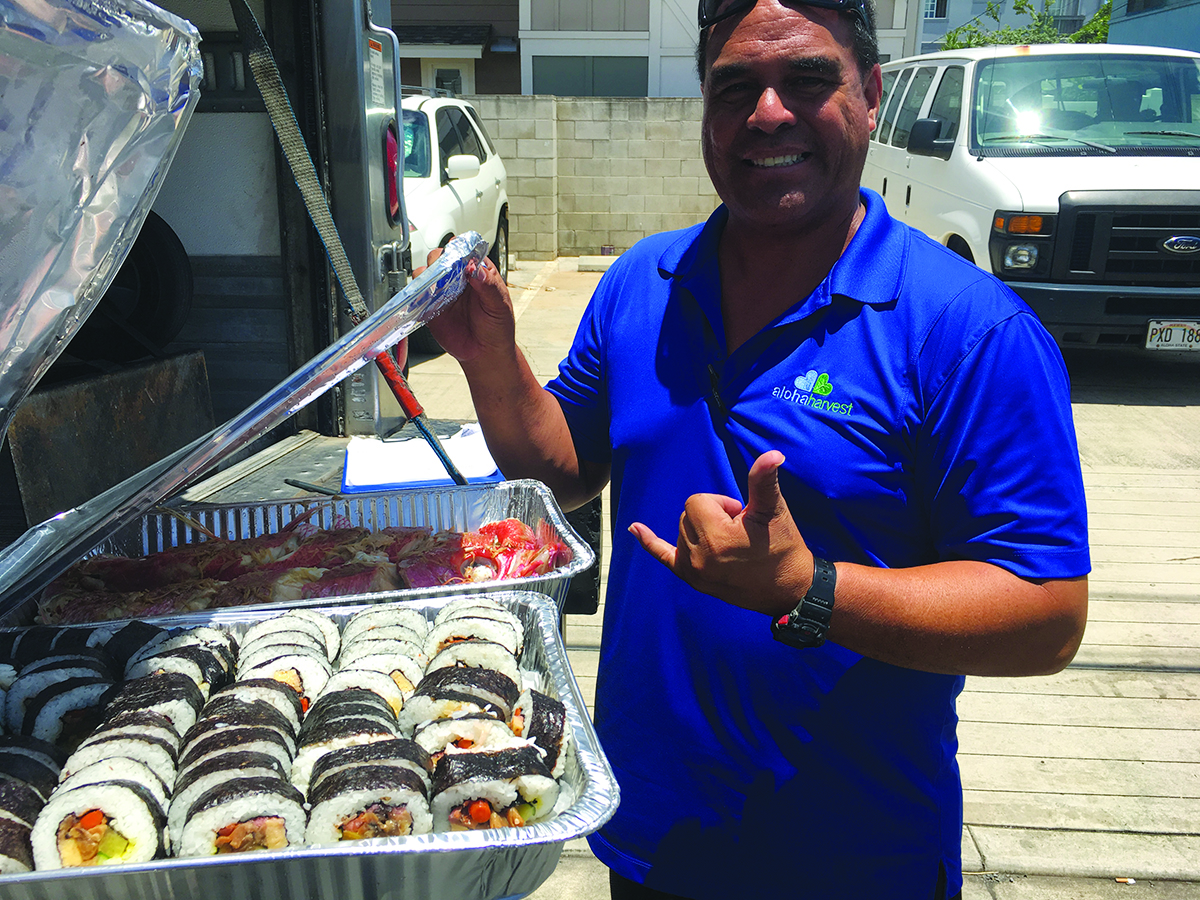
Aloha Harvest receives surplus foods from restaurants
The Lanakila Meals on Wheels program relies on a dedicated team of volunteers to help with packing and delivering meals and supporting the seniors in the Kupuna Wellness Centers. Relationships the volunteers build with the program participants can feel as close as family — and like family, the Lanakila Kupuna Wellness Centers throw holiday parties to celebrate. For many years, Coldwell Banker has supported the Thanksgiving party with volunteers, entertainment, gifts for attendees and a monetary donation. Lanakila Meals on Wheels delivers a traditional Thanksgiving meal and an emergency food care package to participants on Thanksgiving Day; a Hawaiian meal and a Christmas gift on Christmas Day.
“We know that many people on O‘ahu are relying on us for their only or primary source of nutrition. Having reliable access to healthy food doesn’t just fill the tummy and reduce hunger, but it helps improve many chronic illnesses, such as high blood pressure, diabetes, high cholesterol and other diet-related illnesses. “We want people to have access to nutritious food to help keep them healthy, as well as provide friendly visits and wellness checks to support their ability to live independently with dignity,” says Lori Lau, director of Lanakila Meals on Wheels.
The largest foodbank in the state is Hawaii Foodbank, a certified member of Feeding America that screens and stores perishable and nonperishable food, and then distributes through approximately 200 charitable agencies on O‘ahu and Kaua‘i. The amount of food donated and distributed trends with the economy. Currently, Hawai‘i Foodbank serves one in eight people, including kūpuna, keiki and families struggling to make ends meet.
Hawaii Foodbank also partners with The Food Basket to serve Hawai‘i County and Maui Food Bank to serve Maui County. It is a partner agency of Aloha United Way and Kaua‘i United Way.
Small, private and backyard farm donations
Ron Mizutani, who directs Hawaii Foodbank, says, “We have many senior clients and senior volunteers. Currently, about 1,900 seniors over 60 on O‘ahu qualify for the Senior Food Box Program. Kūpuna who meet income guidelines can be certified to receive one box of dry milk, cheese, cereal, peanut butter, rice, canned meat, fruits and vegetables per month. We also offer kūpuna fresh produce through the senior farmers market nutrition program. Each qualified senior receives $50 worth of vouchers to use in exchange for fruits and vegetables. Six thousand seniors participated last year.”
Shoppers can help people in need of food during the holidays by taking part in the annual Check-Out Hunger program in supermarkets on O‘ahu, Maui and Kaua‘i from now through Jan. 15, 2020, and on Hawai‘i Island from Dec. 1 through Jan. 31, 2020. Participating stores have displays with green tear pads. You may choose to buy breakfast for a child for a week, a month of lunches for a senior or a month of family dinners. Tear off the coupon and give it to the checker to scan with your groceries.
“Our motto is ‘Hawaii Foodbank provides food so that no one in our family goes hungry,’” says Ron. “The easiest way for people to find available services on O‘ahu is to dial 2-1-1, Aloha United Way’s social service hotline.”
Ron says they always need more volunteers; many of their 6,000 volunteers are seniors. To sign up, call 808-954-7866 or email volunteer@ hawaiifoodbank.org. To make a cash donation, visit www.hawaiifoodbank.org/donate or mail a check to Hawai‘i Foodbank, 2611 Kilihau St., Honolulu, HI 96819-2021.
■ Aloha Harvest Food Rescue Program
You may not be as familiar with Aloha Harvest because they rescue and redistribute food products before they outdate or become waste. They pick up excess prepared and perishable food from restaurants and retail stores and deliver them the same day to charities who feed the hungry. For 20 years, Aloha Harvest has been soliciting donations of prepared, perishable and hot foods, and trucking them to soup kitchens, local food pantries and other outlets that distribute them to the hungry.
Phil Acosta, executive director of Aloha Harvest, says, “There is an unhealthy interdependence among basic needs for housing, healthcare and food. All are necessary, but big-ticket needs get more attention; when money is scarce, food is the easiest thing to cut back. Unfortunately, without food, we can’t stay healthy enough to work and pay the rent. The way we look at it is — feeding the hungry helps all three needs.”
Phil, the operations manager of Mele Pepa Latu, and community resource coordinator Leslie Pyo conduct logistics and dispatch for six trucks that last year redistributed over 1.7 million pounds of rescued food on O‘ahu. They warehouse none. Every day starts and ends with empty trucks! Their food donations come from hotels, restaurants, supermarkets, convenience stores and a few farmers. They deliver packaged sandwiches, baked goods, pans of prepared foods from Waiki ¯ki ¯ hotel kitchens and O‘ahu restaurants to 170 outlets — shelters, soup kitchens with protection from liability under the Bill Emerson Good Samaritan Food Donation Act.
Before starting Aloha Harvest, Phil ran a family nonprofit for homeless persons. He estimates that 475 million pounds of excess perishable and prepared food go to waste every year on O‘ahu. Therefore, Aloha Harvest is just scratching the surface of food rescue in Hawai‘i. Not all the foods they distribute are destined to become waste. Some are very desirable excess products donated to help food-insecure people. But Phil estimates that up to 40 percent of excess perishable food in Hawai‘i can be rescued and distributed.
“Hawai‘i has plenty of food to go around if we just redistribute the excess food that we don’t consume,” he says. His distribution model is efficient and low-cost. His goal in 2020 is to bring on more drivers, trucks and volunteers to expand their impact. Donations from farms, food service professionals, retailers and manufacturers are welcome every day. Charitable cash donations that pay salaries or insure and maintain delivery trucks may be made online at www.alohaharvest.org or by mail to Aloha Harvest, 3599 Wai‘alae Ave., Unit 23, Honolulu, HI 968816. Food professionals who wish to donate food may call Mele or Leslie at 808-537-6945.
SMALL CHARITIES FEEDING THE HUNGRY DESERVE OUR ATTENTION, TOO
■ Waste Not Want Not – Maui
Food distribution and food rescue strategies move abundance to people in need in small communities too. Melanie Kehaunani King runs a nonprofit on Maui called “Waste Not Want Not.” Small farmers and people who grow fruits and vegetables on their properties call Mel when they have excess yield or if fruits are the wrong size for the market. She harvests and hauls the produce to Hale Makua, a rehabilitation and long-term care facility, where they incorporate fresh produce into their foodservice menu. “We need volunteers and donations of fresh produce,” she says. “Folks on Maui with excess crops can just give me a call at 808-359-9103 to schedule a pickup.”
■ Key Project – Kahalu‘u Key Project is a cultural community organization in Kahalu‘u that is an outlet for both Hawai‘i Foodbank and Aloha Harvest. Key Project distributes bags of food twice a month and farms wetland taro that teen volunteers may harvest and take home for their families. For more information about community activities at Key Project, or to donate or volunteer, visit www.projectkey.org, email info@projectkey.org or call Kalai Kukahiko at 808-239-5777. Mail donations to Key Project, 47-200 Waihe‘e Road, Kaneohe, HI 96744.
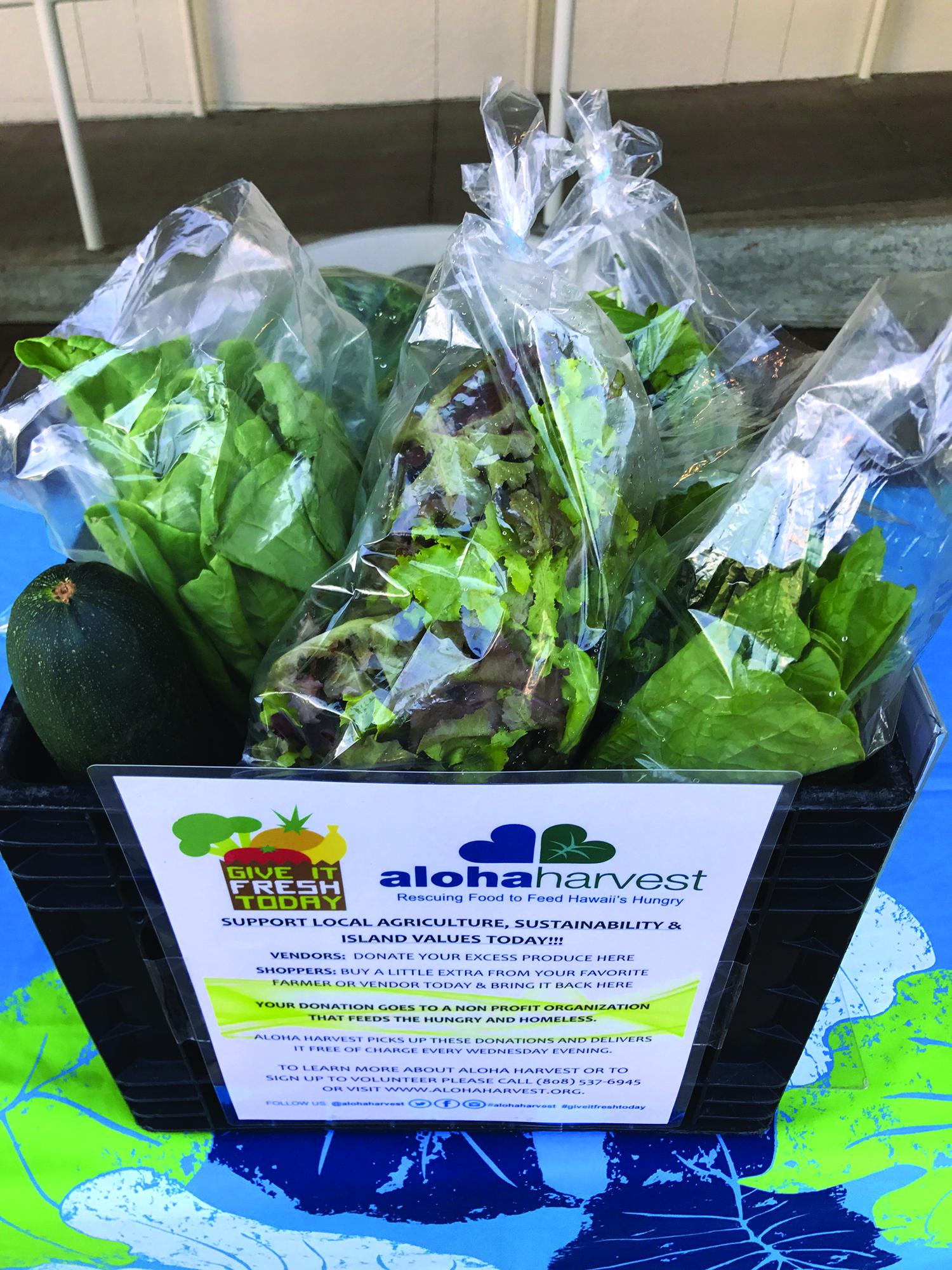
■ Give it Fresh Today Produce Donation Project – Kaimuki
The Hawai‘i Farm Bureau Federation sponsors a farmers market at Kapiolani Community College, 4303 Diamond Head Road in Honolulu, every Tuesday afternoon from 4 to 7pm and Saturday morning from 7:30 to 11am. At the market, Give it Fresh Today solicits donations of vegetables and fruit for charities that feed the hungry. Stop by their booth to donate produce. For further information, email giveitfreshtoday@gmail.com.
The gift of food is a traditional value in Hawaii and community organizations that collect and give out food reduce food insecurity and help feed those in need earn our admiration and respect every day. The ones highlighted here are joined by many small volunteer and nonprofit food distribution efforts in your local community. Celebrate them.
This year, look for ways you can help them deliver the gift of food. Share this article with your family; if you suspect a neighbor of friend is food-insecure but too shy to ask for help, give them a copy. Put a food charity on your list of organizations to consider for donations of food, volunteer time or a cash donation. Together, we can make sure that nobody goes hungry.
We know how food gets distributed at the market to people who can afford to buy it. For those who can’t, every day, a network of Hawai‘i nonprofits work together to collect food donations and deliver them to the hungry. They serve seniors on a fixed income, low-income families, disabled persons and homeless persons who…
When purchasing items with a credit or debit card online – or over the counter – there are precautions you need to take.
● Use a credit card rather than a debit card. Under federal law, your personal liability for fraudulent charges on a credit card can’t exceed $50. But if a fraudster uses your debit card, you could be liable for $500 or more.
● Use a prepaid gift card if you don’t have a credit card. But be extra vigilant of emails requesting payment be made in gift cards. It’s ok if you are the one initiating the purchase. ● Keep the line of credit low for all cards.
● Do not use cards that are linked to an autopay billing account or accounts that receive scheduled payments or benefits, such as your retirement pension, investment dividends and social security benefits.
● Keep records of all your online transactions, including emails and delivery notifications.
● Check your financial statements weekly for unauthorized transactions; report them to your financial institution and law enforcement.
● Do not use your mobile phone to conduct financial transactions, such as checking your financial statements. Use your home computer and check to make sure your Wi-Fi is secured.
● Use the card’s chip technology instead of swiping. The chip makes it harder for the scammer to access account information compared to the data on the card’s magnetic strip.
In the last year, Americans received about 5 billion robocalls per month, up from the 2 billion a month just two years ago. Robocalls are automated calls made by a computer program, enabling the telemarketer or scammer on the other end to call multitudes of phone numbers in a short span of time.
It took me under five minutes of “Googling” to find a website and fill out a form to order robocalling software that I could use to dial hundreds of telephone numbers an hour.
These calls are often from unfamiliar phone numbers. Answering the phone will let robocallers know that there is a person associated with this number as opposed to an automated system.
Ignoring unfamiliar phone numbers, however, might not be enough to counter this problem, as robocallers have begun using technology that enables them to “spoof” or fake an incoming phone number that may appear to be more familiar. In other words, your caller ID device will indicate that the call is coming from an 808 area code when in actuality it could be from anywhere.
Robocalls are very prevalent today. Nearly 50% of all mobile phone calls are spam. Many of these calls are telemarketers hoping to sell a product, but some of these calls intend to scam money or personal information from the call recipient.
There are ways to reduce robocalls.
Android and iPhone users might find success with applications and services such as Robokiller or Nomorobo. Additionally, Google and Apple have been working on implementing anti-robocall features into their software.
Asking one’s cell phone carrier to block particular numbers is also a good strategy (a monthly fee may be charged).
Major carriers such as Sprint, T-Mobile, Verizon and AT&T all have features that might block or reduce robocalls.
Joining the National Do Not Call registry (DoNotCall.gov) may also reduce robocalls and also lets you file a formal complaint with the Federal Trade Commission.
But the most effective way to reduce robocalls is to never answer the phone. Let all phone calls go to voicemail, then assess them before returning the call, if appropriate.
This may not give you the satisfaction of yelling at the robocaller, but the number of unwanted calls you receive will decline.
In the last year, Americans received about 5 billion robocalls per month, up from the 2 billion a month just two years ago. Robocalls are automated calls made by a computer program, enabling the telemarketer or scammer on the other end to call multitudes of phone numbers in a short span of time. It took…
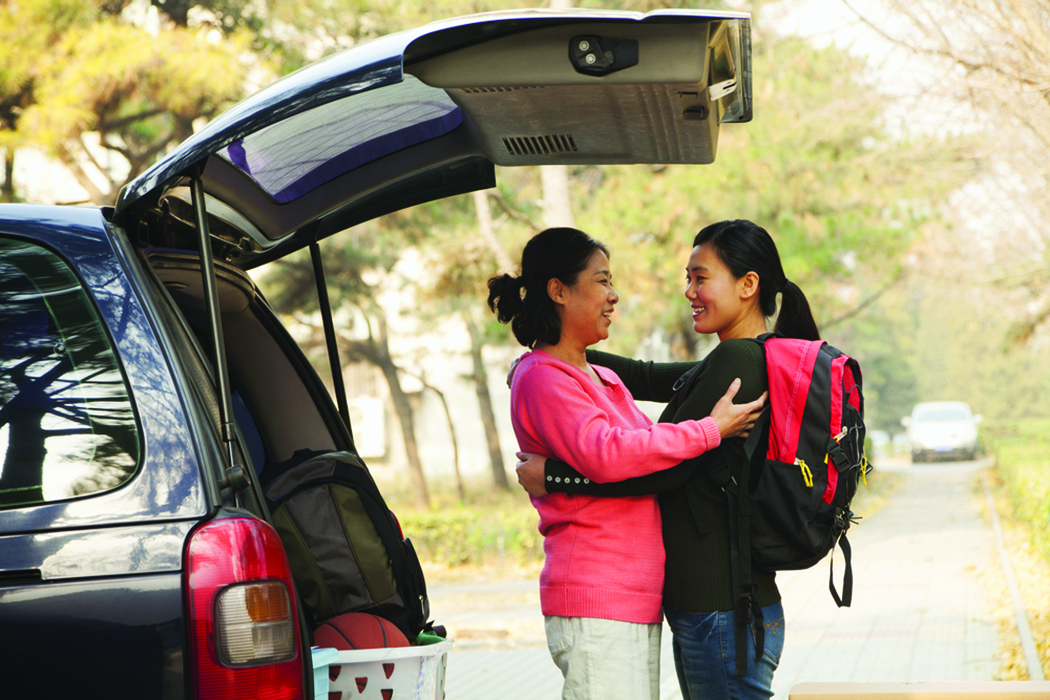
A frantic mother once called me after her daughter was injured in a ski accident. When she called the hospital to find out the status of her daughter, hospital personnel would’t release any information and didn’t allow her make decisions on her child’s behalf. Just imagine the stress this caused!
This situation is all too common. When a child leave for college, for example, in the eyes of the law, he or she is now an adult and parental rights cease. This fact is often overlooked.
Once individuals reach the age of majority — 18 in most states — parents are no longer entitled to see their child’s medical and financial records, or make decisions on their behalf. The law classifies them as adults with a legal right to privacy and to govern their own lives. As a result, it is important to help your children or grandchildren set up an estate plan. Few 18-year-olds consider the
need for an estate plan because most have little in the way of property.
But if a child were to lose the ability to make or communicate decisions, medical professionals and financial institutions may refuse to consult with or release information to the parents. An estate plan appoints trusted individuals to make decisions in the event the child becomes unable to do so.
A frantic mother once called me after her daughter was injured in a ski accident. When she called the hospital to find out the status of her daughter, hospital personnel would’t release any information and didn’t allow her make decisions on her child’s behalf. Just imagine the stress this caused! This situation is all too…

 One of the biggest decisions we face as we age is what to do with our most valuable asset — our real estate. Our home is a precious place of comfort… well, most of the time. But perhaps a flight of stairs is becoming a struggle to climb. Maybe the house is now just too big to maintain. Where to go when it’s time to downsize is a question select real estate professionals can answer. These specialists can help you navigate your living options and help with the transition.