Category: Articles

  • Track Social Security Earnings Online

    Social Security is an earned benefit. SS keeps track of your earnings so you can be payed the benefits you’ve earned over your lifetime. This is why reviewing your SS earnings record is so important. You can do much of your business with SS online.

    If an employer didn’t properly report just one year of your work earnings to SS, your future benefit payments could be less than they should be. Over the course of your lifetime, that could cost you tens of thousands of dollars in retirement or other benefits to which you are entitled. It is important to report problems with your earnings record right away, because as time passes, you may not have access to old tax documents.

    While it’s the responsibility of your employers, both past and present, to provide accurate earnings information to SS, you are the only person who can look at your lifetime earnings record and verify that it’s complete and correct. The easiest way to validate your earnings record is to visit www.socialsecurity.gov/myaccount and set up or sign in to your My Social Security account. Carefully review each year of listed earnings and use your own W-2s and tax returns to confirm them. (Earnings from this year and last year may not be listed yet.) If you spot errors, call SS.

    Find more detailed instructions on how to correct your SS earnings record at www.socialsecurity.gov/pubs/EN-05-10081.pdf.


    For questions, online applications or to make an appointment to visit a SSA office, call from 7am–5pm, Mon–Fri: 1-800-772-1213 (toll free) | www.socialsecurity.gov

    Social Security is an earned benefit. SS keeps track of your earnings so you can be payed the benefits you’ve earned over your lifetime. This is why reviewing your SS earnings record is so important. You can do much of your business with SS online.

  • Affordable Adult Day Care

    Often, families don’t know where to turn when a loved one suddenly needs constant care. Insurance and Medicare plans may cover very few long-term care expenses — or none at all. In the past, nursing homes were the only option for care outside of the family home. However, now there are many home- and community-based services that help support aging in place.

    In Hawai‘i, adult day care services, home care and respite services are available. One of the most cost-effective options is adult day care. Programs provide eight to 10 hours of supervised care in a group setting facility licensed by the Hawai‘i Department of Health. Participants are engaged in exercises, music, arts and crafts, enabling them to socialize with their peers. This interaction reduces the clients’ loneliness and isolation, and also provides peace of mind and respite for families.

    Day care fees range from $65 to $100 per day and include snacks and a meal. Some centers accept long-term care insurance, Medicaid and/or may be contracted with the state Kūpuna Caregiver Assistance Program. To find an adult day care center near your home or work place, contact the Aging and Disability Resource Center (ADRC) at www.hawaiiadrc.org or 808-643-2372 toll-free.


    LIVE WELL AT IWILEI by Kahala Nui
    888 Iwilwi Road, Ste. 105, Honolulu, HI 96817
    808-218-7777 | www.livewellhi.com

    Often, families don’t know where to turn when a loved one suddenly needs constant care. Insurance and Medicare plans may cover very few long-term care expenses — or none at all. In the past, nursing homes were the only option for care outside of the family home. However, now there are many home- and community-based…

  • Dementia: Making Mealtime Easier

    Do you have trouble with your person living with dementia (PLWD) during mealtime?

    There are many types of dementia; Alzheimer’s disease is the most prevalent. Dementia is ultimately brain failure. As the brain changes, a person’s skills and abilities regress.

    The following are four changes you can expect as dementia progresses.

    ♠ Peripheral vision narrows with age. If you use your hands like a pair of binoculars, you can simulate the field of vision that a PLWD in the early stages may experience. PLWDs may not even be able to see the food on their plate due to this narrowed field of vision.

    Fine motor skills diminish over time. This is most prevalent in the middle stages of dementia. Fine motor skills in the hands, feet and mouth are gradually affected by this disease. That is why you may see PLWDs pick up food with their fingers instead of using a utensil. They may also have increased difficulty swallowing food or liquids. If your PLWD is coughing while eating or drinking, consider modifying the consistency of their food and beverages.

    ♠ Recognition of object linked to purpose diminishes. The PLWD may experience increased confusion and misuse common objects. For example, a PLWD might use a hairbrush to brush his or her teeth rather than their hair. As care partners, we can help our PLWD by using the hand-underhand technique to get them started on a task. Often, the PLWD is able to continue an action after having help starting it.

    ♠ Challenging behaviors will escalate. As a person goes through the various stages of dementia, he or she may become hypersensitive to touch. It is important to remember that with every interaction, the PLWD is reacting to the way that we approach them. Therefore, care partners need to always approach from the front and use more visual gestures to communicate. If PLWDs feel like you are threatening them, they may react with a fight, flight or fright reaction. If you notice one of these three behaviors, it will be beneficial to back off and rethink your approach.


    HAWAII MEMORY FRIENDS LLC
    Caregiver Education & Consultation
    Mapuana Taamu, Certified PAC Trainer
    808-469-5330 | mfriends808@gmail.com
    Learn more about dementia at our upcoming 2020 workshops. Contact Hawaii Memory Friends LLC for details.

    There are many types of dementia; Alzheimer’s disease is the most prevalent. Dementia is ultimately brain failure. As the brain changes, a person’s skills and abilities regress. The following are four changes you can expect as dementia progresses…

  • Make the Most of Your Doctor Visit

    Most people only visit the doctor a few times a year, so it’s important to make the most of your appointment. The more information you share with your physician, the better he or she can take care of you.

    1. Bring a list to your appointment
    Before you go to the doctor, make a list of questions and complaints. Put the important questions and complaints at the top of the list. Talking with your doctor can help identify and address any potential issues, allowing you to get better quickly.

    2. Write down the answers
    During the visit, take notes. Your doctor is experienced in discussing complex medical topics and explaining them to make them easy to understand. So, do not be shy! Be sure to ask questions if you do not understand something.

    3. Follow through
    Keep your notes from the doctor’s visit and follow through. Write down any changes you see. Bring your updates to your next appointment. This can help your doctor determine what is working the next time you talk.

    Your doctor’s goal is to provide you with the care you deserve at every visit. You are a key part of your health and wellness. It is important to work as a team to achieve your optimal health.


    MDX HAWAI‘I
    500 Ala Moana Blvd., Ste. 2200, Honolulu, HI 96813-4993
    808-522-7500 | www.mdxhawaii.com
    Care coordination for Medicare Advantage Plans: Humana HMO, Humana PPO, and UnitedHealthcare AARP Medicare Advantage PPO on O‘ahu, Maui and Kaua‘i.

    Most people only visit the doctor a few times a year, so it’s important to make the most of your appointment. The more information you share with your physician, the better he or she can take care of you.

  • Vaping: The New Lung Killer

    Everyone knows that secondhand cigarette smoke is a lung irritant. When the vaping craze started in 2015, I watched family members switch from tobacco cigarettes to a fancy little device called a MOD. It was thought then that vaping wouldn’t affect other people.

    But working in healthcare for over 20 years and having a grandmother who passed away from pneumonia, I thought about the patients in an ICU suffering from serious cases of pneumonia due to water in their lungs. It occured to me that if vaping is a water-based vapor and is inhaled directly into your lungs, how could it be safer?

    We now know that vaping kills. And it can kill faster than tobacco. These battery-powered MODs can also malfunction. To date, there have been about 316 MOD explosions, 219 of them resulting in death or personal injury. Exploding MODs are known to knock out teeth — in some cases, the entire jaw. Vaping has also caused serious lung problems. Teens have have been reported as needing ventilators to help them breathe. According to the CDC, at least 1,479 lung injury cases and 33 deaths have been attributed to vaping as of Oct. 15, 2019.

    The problem is serious. If you or someone you know vapes or smokes, share these statistics with them and help save a life.


    ISLANDS SKILLED NURSING & REHABILITATION
    205 Alexander St., Honolulu, HI 96826
    Kelika Ishtol, Director of Community Relations 808-284-0003
    kishol@islandsnr.com
    www.islandsnr.com

    We now know that vaping kills. And it can kill faster than tobacco.

  • How to Choose the Right Assistive Device

    If you have developed a fear of falling as you have aged, you may want to consider using an assistive device . A physical therapist can test and fit you with the proper type — or you may be able to decide what is best for you by reading these tips and recognizing signs:

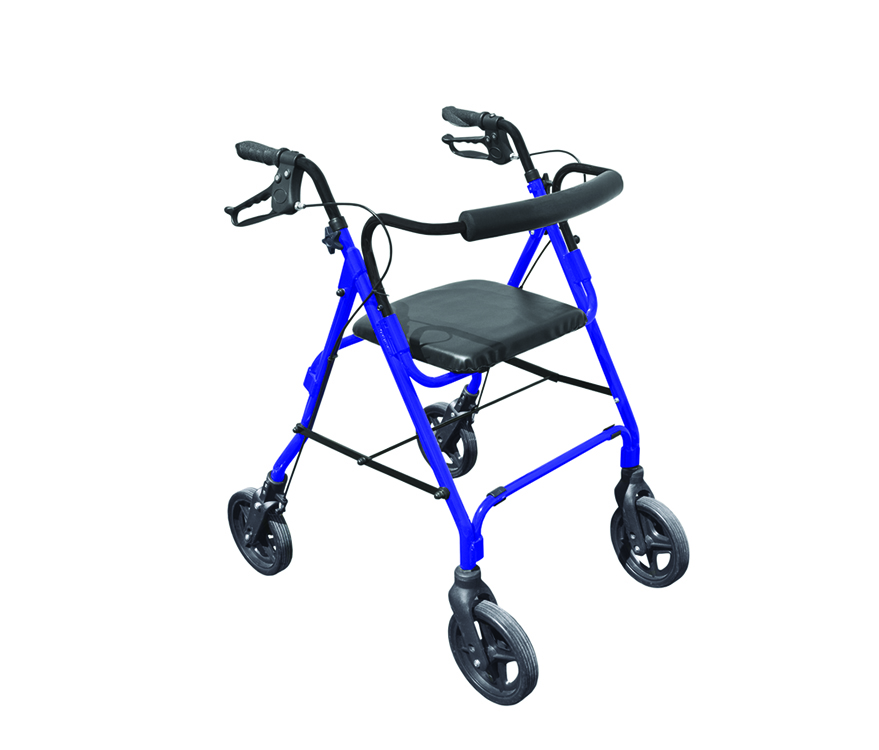
    You may need a cane if you grab walls, furniture and counters looking for more support as you walk. If you already use a cane and still reach for support, it may be time for a four-wheel walker.

    Four-wheel walkers provide more support and mobility. The seat allows for breaks from longer tasks, such as marketing. However, those who use increased arm pressure on the walker for support will experience difficulty controlling it.

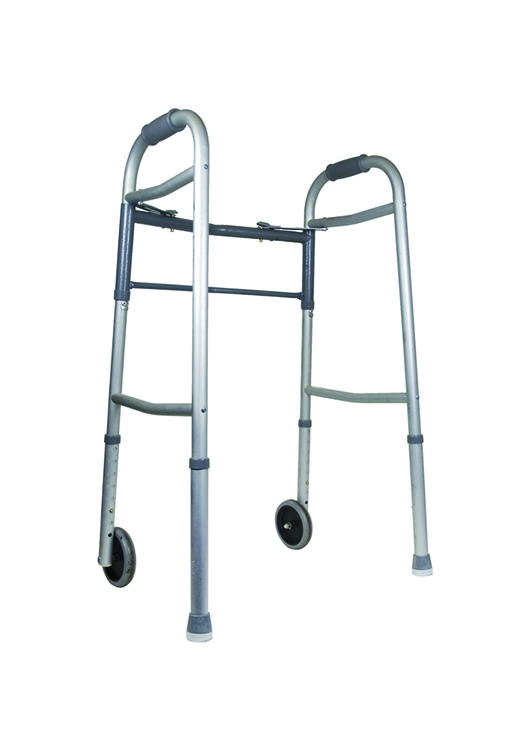
    If you are still feeling unstable and have a fear of falling, a front-wheel walker may be what you need. These walkers are lighter and have only two wheels, providing more control. Adding tennis balls, skis or sliders to the walker’s back legs can alter the speed and smoothness of the walker to accommodate various surfaces.


    MAKAI MOBILE REHAB LLC (In-Home Physical Therapy)
    Jason Dacumos PT, MPT President/Owner
    808-783-9320 | jason@makaimobile.com
    www.makaimobile.com

    If you have developed a fear of falling as you have aged, you may want to consider using an assistive device . A physical therapist can test and fit you with the proper type — or you may be able to decide what is best for you by reading these tips and recognizing signs:

  • Wellness Means Training Your Body & Brain

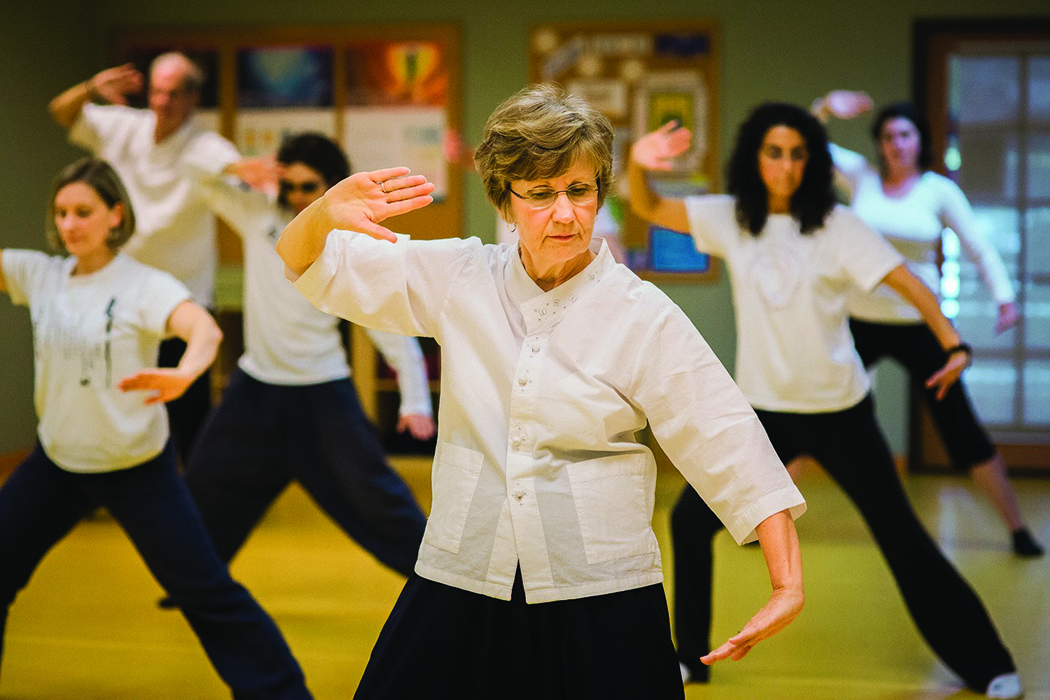
    Tai chi is a great way to incorporate strength, movement and breathing, aligning your mind, body and spirit while helping the body heal itself. Through a balanced mix of exercise and ancient Eastern medicinal philosophy, tai chi and qigong training can help seniors improve fitness and gain deeper insight to mastering the mind and emotions, which can help lower blood pressure and create meaningful longevity.

    Most pain is caused when energy gets blocked, creating inflammation. When energy flows again, pain decreases. Tai chi offers natural stretching and controlled slow movement to open meridian channels throughout the body, allowing energy to flow and improving blood circulation to the heart and brain.

    Qigong is another gentle healing practice very similar to tai chi that emphasizes meditation and energy accumulation for self-healing. It helps to move energy to the chakras (energy centers in the body) that release energy for the brain and organs. Both practices can improve mental and physical health.

    Check out group classes to enjoy the company of other health-conscious seniors.


    BODY & BRAIN YOGA/TAI CHI
    Honolulu 808-596-9642
    Aiea 808-486-9642
    Kaimuki 808-738-5522
    Manoa Energy Healing Center 808-691-9642
    www.bnbenergyhealing.com
    www.bodynbrain.com

    Tai chi is a great way to incorporate strength, movement and breathing, aligning your mind, body and spirit while helping the body heal itself.

  • Alternative Strategies for Sleep Apnea

    About 50 to 70 million people in the U.S. are chronic sleep apnea sufferers; more than 85 percent of them are undiagnosed.

    The Mayo Clinic defines sleep apnea as a potentially serious sleep disorder in which breathing repeatedly stops and starts. Sleep apnea sufferers may snore loudly and feel tired, even after a full night’s sleep.

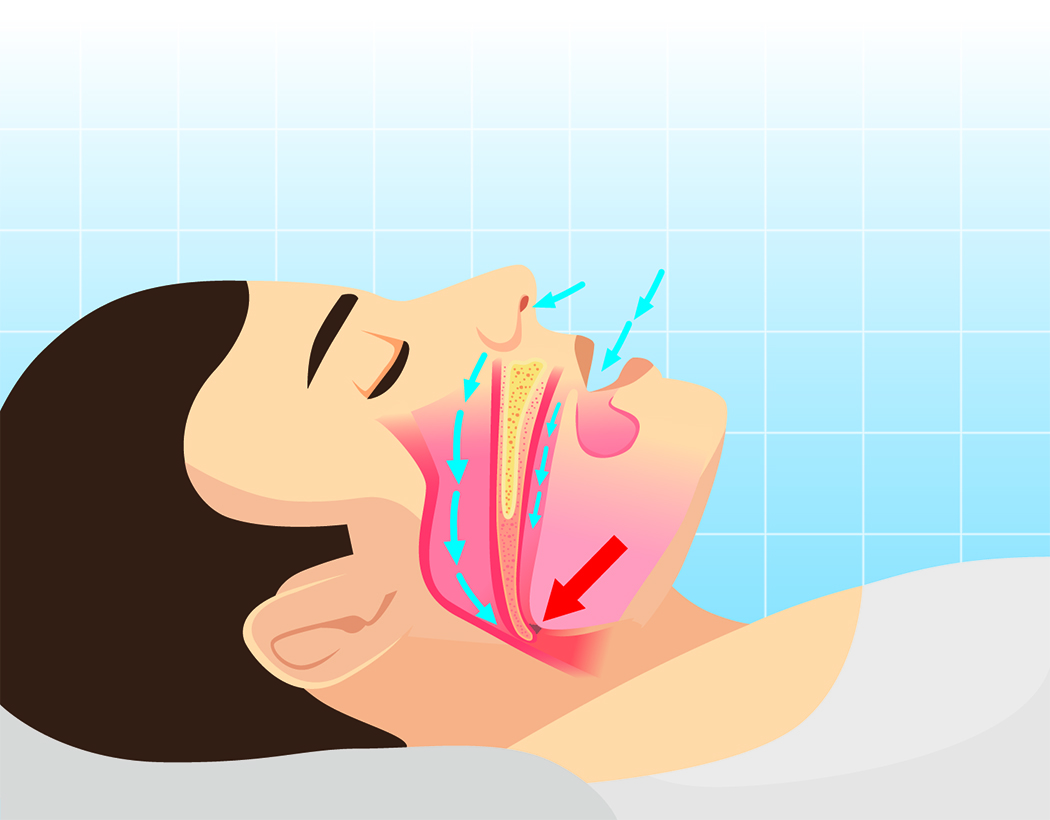
    There are two main types of sleep apnea:  Obstructive Sleep Apnea (OSA) commonly occurs when an airway collapses when you sleep; Central Sleep Apnea (CSA) occurs when your brain doesn’t send the proper signals to the muscles that control breathing. A person with OSA may  experience shallow breathing and possible pauses in breath. Breathing interruptions can last anywhere from a few seconds to over a minute and occur up to 30 times an hour. These disturbances can cause extreme fatigue the following day.

    Signs of Sleep Apnea
    •  Has anyone noticed that you gasp for air or even stop breathing while you are sleeping?
    • Do you often wake up “unrefreshed?”
    • Are you excessively sleepy during the day?
    • Has your energy and motivation decreased?
    • Do you find it difficult to concentrate?
    • Do you have high blood pressure?
    • Have you suffered a stroke or heart attack?
    • Do you have type 2 diabetes?

    Serious Risks to Your Health
    •  High blood pressure, heart disease, stroke, depression and greater risk of dying from cancer.
    •  60 to 65 percent of diabetic patients have OSA.
    •  83 percent of those on blood pressure meds have sleep apnea.
    •  A person with untreated sleep apnea is seven times more likely to be involved in a vehicle accident.

    What Are the Treatment Options?
    • CPAP machine is the No. 1 treatment choice.
    • Oral appliance made by a dentist.
    • Various types of surgery.

    How Does an Oral Appliance Work?
    An oral appliance keeps the lower jaw in a for- ward position, bringing the back of the tongue forward and opening up the airway. It is recommended for patients with mild or moderate sleep apnea and those who cannot tolerate a CPAP (Continuous Positive Airway Pressure) machine. Severe sleep  apnea is usually treated with a CPAP or surgery.

    For more information on CPAP alternatives, see your dentist or primary care physician.


    LANCE I. TERAMOTO, DDS, DASBA
    4747 Kilauea Ave., Ste. 101, Honolulu, HI 96816
    Free consultations: 808-737-9882
    www.smilesofaloha.com

    About 50 to 70 million people in the U.S. are chronic sleep apnea sufferers; more than 85 percent of them are undiagnosed. The Mayo Clinic defines sleep apnea as a potentially serious sleep disorder in which breathing repeatedly stops and starts. Sleep apnea sufferers may snore loudly and feel tired, even after a full night’s…

  • Tips for Healthy Knees

    The majority of patients who come into my office do not realize they lock or hyper-extend their knees while standing or walking. They often do this out of habit or because of weakness. Generally, locking your knees transfers stress from supporting muscles to the knee joint, compressing it. The result is decreased mobility and blood flow and increased friction that can lead to pain or wearing away of the joint. While standing, you should be able to contract your quads so that your kneecaps lift. If you can’t see your kneecaps lifting, you are probably locking.

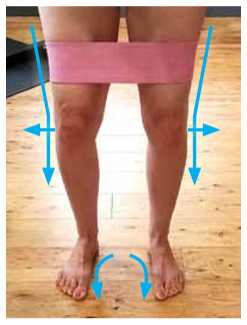
    Proper strengthening is essential. Strengthening of the quads and hamstrings used to be recommended. We now know that strengthening the muscles surrounding the hip and correcting foot alignment will reduce stress on the knee joint. The following exercise will target the entire leg to maximize knee function:

    ◆ Wrap a resistance band around your thighs and align your feet under your hips. Push your toes down like you’re gripping the floor to create an arch under your foot. Bend your knees slightly and push them out against the band, hold up to 30 seconds and relax. Repeat 10 times.


    MOON PHYSICAL THERAPY, LLC
    320 Ward Ave., Ste. 107, Honolulu, HI 96814
    95-1057 Ainamakua Drive, F-11, Mililani, HI 96789
    808-597-1005 | www.moonpt.com

    The majority of patients who come into my office do not realize they lock or hyper-extend their knees while standing or walking. They often do this out of habit or because of weakness. Generally, locking your knees transfers stress from supporting muscles to the knee joint, compressing it. The result is decreased mobility and blood…

  • The Benefits of Neuro-Acupuncture

    Ancients 3,000 years ago implicitly understood how stimulating acupuncture points with very thin needles could affect both our central and peripheral nervous systems. The central nervous system is made up of our brain and spinal cord, while the peripheral nervous system is the system of nerves outside the brain and spinal cord.

    For low back pain, for example, a needle is inserted into the area and a signal is sent through the nervous system to the brain, where natural painkillers are released. Some of these are 10 to 200 times stronger than morphine!

    Chinese needling has now joined forces with neuroscience, creating neuro-acupuncture, also known as scalp acupuncture, because specific areas of the scalp are needled to stimulate the underlying brain cells.

    By stimulating areas on the scalp that are associated with motor, sensory or other functional impairment, brain cells are induced to make new connections. Surrounding neurons are also recruited to rewire circuitry and restore lost abilities. Making new connections is important for persons recovering from a stroke or who suffer from tremors or neuropathy.


    NEEDLES OF HOPE
    1314 S. King St., Ste. 1050, Honolulu, HI 96814
    808-450-2527 | kathy@needlesofhope.com
    www.needlesofhope.com

    Ancients 3,000 years ago implicitly understood how stimulating acupuncture points with very thin needles could affect both our central and peripheral nervous systems. The central nervous system is made up of our brain and spinal cord, while the peripheral nervous system is the system of nerves outside the brain and spinal cord.

  • Everyone Needs a Medical Organizer

    The year 2006 was a difficult time for Sandi Yorong and her family. Her father started the year undergoing treatment for low-grade prostate cancer. The mild radiation treatment made him tired, but there were no other complications. By mid-year, however, he began experiencing upper back pain. In November, he was diagnosed with terminal lung cancer. Sandi’s father passed away in January 2007.

    Sandi spent many days going back and forth to the hospital with her mother while her father received care. She juggled work demands, and coordinated information between doctors and nurses, while updating her siblings and relatives.

    After customizing her own medical organizer to manage doctor updates, prescriptions, health changes, legal documents and other health-related information for her father, Sandi realized she had developed a very useful tool to communicate and coordinate with family, friends and health professionals — even when she was unavailable.

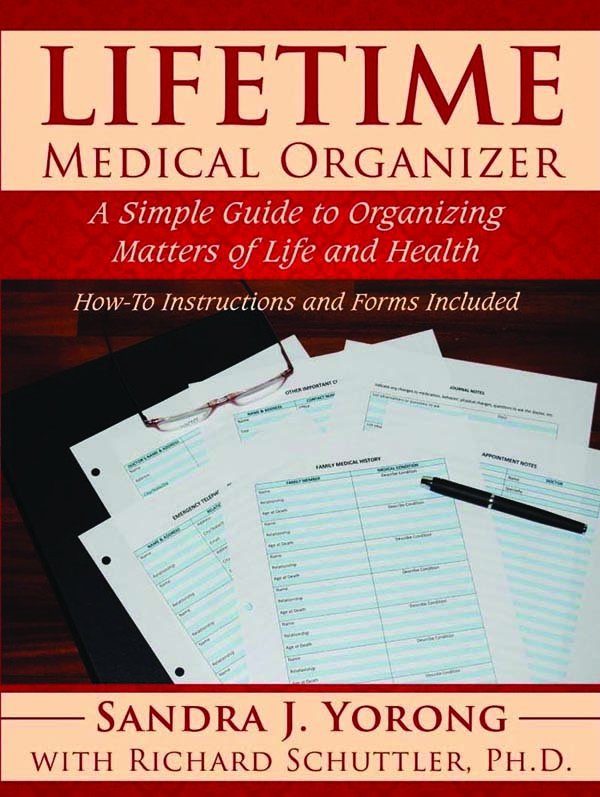
    Several months later, a friend encouraged Sandi to write a book to share her experiences and her process of creating a medical organizer. She soon published Lifetime Medical Organizer: A Matter of Life and Health. Although Sandi already knew how effective it was for her family, she had an opportunity to test her concept. Her friend created an organizer following the process in Sandi’s book when her own mother needed full-time caregiving. Her friend found that the organizer served as a bridge of communication for her 10 siblings living in various parts of the country who wanted updates about their mom’s health.

    After reading the book, Sandi’s doctor said he wished more families would apply the concept of a medical organizer.

    “My doctor thought it was a great idea for patients, especially when they occasionally bring different family members to accompany them,” Sandi explained. “He said it would create more consistent conversations when loved ones are up to date before the appointment.”

    Always the problem solver, Sandi still enjoys finding practical solutions. It doesn’t hurt that Sandi is a financial advisor with more than 24 years of experience. Helping clients find answers has become part of her DNA.

    Although health information is now available electronically, Sandi believes that creating a customized medical organizer is still valuable for caregivers and loved ones in order to combine online records with other essential documents.

    Yorong’s book is available at www.Amazon.com or email her at sandiyorong@gmail.com to order a personalized copy. Receive a discount when you mention Generations Magazine.


    SANDI YORONG is a financial advisor at Pacific Wealth Planning Group with more than 24 years of experience helping people with retirement planning. Find her on LinkedIn or Facebook, or call 808-792-5935.

    The year 2006 was a difficult time for Sandi Yorong and her family. Her father started the year undergoing treatment for low-grade prostate cancer. The mild radiation treatment made him tired, but there were no other complications. By mid-year, however, he began experiencing upper back pain. In November, he was diagnosed with terminal lung cancer.

  • Dust to Dust: Leaving a Clean Legacy

    In Hawai‘i, we’ve developed a rich social discourse around issues of sustainability impacting our communities and environment during our lifetimes. The ever-increasing level of consciousness regarding single-use plastics, reusable bags, clean energy and more is an encouraging sign. But what about the eco-impact of our decisions about end-of-life space? Each year in Hawai‘i, we bury an average of 3,400 imported caskets constructed from non-biodegradable materials such as metal, polyester, lacquer, caustic glue, rubber and formaldehyde. We additionally inter hundreds of gallons of hyper-toxic embalming fluid. These are materials we would never bury on any other day of the year in our backyards. So how have we arrived at a place where our lifestyle choices for the environment look markedly different from our end-of-life choices?

    This casket was made from 100 percent locally reclaimed monkeypod wood.
    This casket was made from 100 percent locally reclaimed monkeypod wood.

    We live in a society where conversations about mortality are largely uncomfortable, disintegrated and oftentimes taboo. The unintended consequence  is that the eco-implications of our very impactful choices in this space are also not discussed. When we don’t engage, we’re not able to make fully informed decisions and instead, fall back on what is traditionally offered. Funeral homes typically provide a standard catalog with dozens of casket options — very few of which are biodegradable. Given these items are intended to be buried in our beloved land, they should, at a minimum, be able to return to the earth.

    The wonderful news is the Federal Trade Commission has established the Funeral Rule, a comprehensive set of rights and protections we all enjoy as consumers in the death space. It includes, among many other privileges, the ability to purchase a casket from any source, regardless of where you’re buried or cremated. This allows families time for an unmediated, online search from the comfort of home. It also affords them the opportunity to procure an environmentally conscious option in the event the funeral home does not offer one. The Funeral Rule is an empowering protection that allows us to leave a clean eco-legacy for future generations.


    PĀHIKI ECO-CASKETS
    808-542-7691 | aloha@pahikicaskets.com
    www.pahikicaskets.com
    https://www.instagram.com/pahikicaskets/?hl=en

    Each year in Hawai‘i, we bury an average of 3,400 imported caskets constructed from non-biodegradable materials such as metal, polyester, lacquer, caustic glue, rubber and formaldehyde. We additionally inter hundreds of gallons of hyper-toxic embalming fluid. These are materials we would never bury on any other day of the year in our backyards. So how…