It is part of our practice to ensure our patients drink ample water during a physical therapy session. The fact that water counts for 95 percent of the brain, 82 percent of blood and 73 percent of muscle tissue explains how important it is to be hydrated. Dehydration can pose serious health problems for older adults, especially with Hawai‘i’s hot, humid weather. Dehydration symptoms that increase fall risk are dizziness, weakness, fatigue, confusion and low blood pressure.
Blood pressure can drop so low with dehydration that a condition called “orthostatic hypotension” can occur. As a person rises from lying down or sitting, blood rushes out of the brain, causing dizziness, faintness and weakness. This can result in a collapse or fall. Drinking more fluid would increase blood volume and help prevent a drop in blood pressure, thus reducing the risk of falling.
If you feel dizzy or light-headed when changing positions from prone to sitting or standing, we recommend waiting roughly 20 seconds before moving to allow more blood circulation and for the dizziness to subside. If you still feel light-headed, lie back down immediately. If you commonly experience this type of dizziness, drinking more fluids may be your solution.
Drinking plenty of fluids and eating foods with high water content every day is a great way to keep your body properly hydrated to prevent possible falls and injuries.
It is part of our practice to ensure our patients drink ample water during a physical therapy session. The fact that water counts for 95 percent of the brain, 82 percent of blood and 73 percent of muscle tissue explains how important it is to be hydrated. Dehydration can pose serious health problems for older…
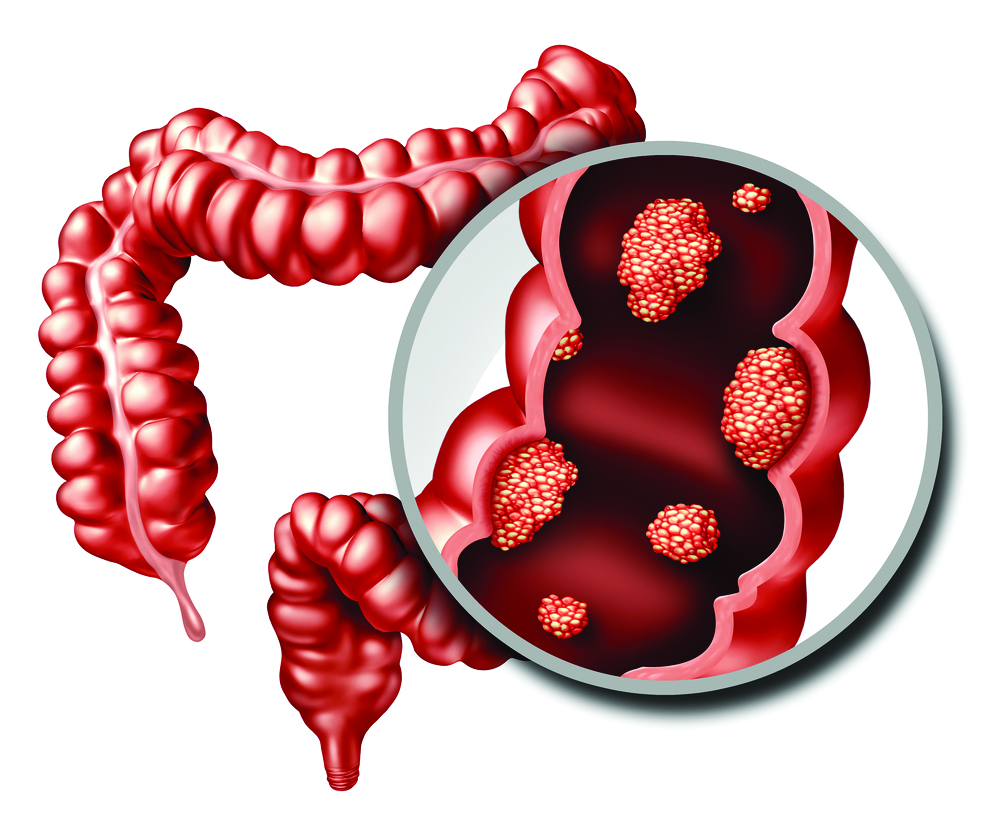
More than 50,000 Americans die each year from colorectal cancer. The heartbreaking thing is that most of these deaths could have — and should have — been prevented.
Screening is the No.1 way you can reduce your risk of colon cancer. If found early, colon cancer is one of the most treatable forms of the disease.
Know Your Options
From colonoscopies to at-home stool tests, there is an option for everyone to get screened. The only questions are what method to use, when to get screened and how often.
There are several different ways to be screened for colon cancer, including laboratory tests on your stool, simple procedures and imaging tests. It’s important to discuss with your doctor which screening option is best for you given your medical condition and preferences.
The U.S. Preventive Services Task Force (USPSTF) recommends colon cancer screenings starting at age 50 through age 74. According to the USPTSF, your stool should be tested every one to three years. You should also have a direct visualization of your colon through a simple procedure every three to 10 years.
Advocate for your health! Do not put it off. Talk to your doctor about getting checked.
MDX HAWAI‘I
500 Ala Moana Blvd., Ste. 2200, Honolulu, HI 96813-4993 808-522-7500 | www.mdxhawaii.com MDX Hawai‘i has over 34 years of experience serving the people of Hawai‘i. Our physician network represents over 630 primary care physicians, and 2,200 specialists, hospitals and ancillary providers. MDX Hawai‘i contracts with Humana HMO, Humana PPO, and AARP/UnitedHealthcare PPO Medicare Advantage Plans.
More than 50,000 Americans die each year from colorectal cancer. The heartbreaking thing is that most of these deaths could have — and should have — been prevented. Screening is the No.1 way you can reduce your risk of colon cancer. If found early, colon cancer is one of the most treatable forms of the…
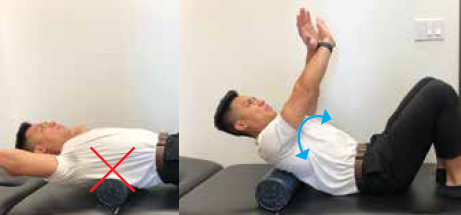
The popularity of the foam roller has been growing so steadily in the world of fitness that it is often used as a cure-all for many different conditions. It is a great tool for increasing mobility of the spine and soft tissue if used correctly. If it’s not used the right way, you could be doing more harm than good.
If you are rolling your lumbar spine (lower back), stop! Although the thoracic spine (middle back) is supported by the strong rib cage, the lumbar spine is not, which makes it more unstable. Forcing the lower back into more extension may cause more issues, increasing pain and sometimes causing stress fractures. But targeting the thoracic area and the region between your shoulder blades will improve mobility and overall posture.
You will block the thoracic spine with your shoulder blades if you clasp your hands behind your head, so expose the spine by reaching out, crossing your wrists and rounding the shoulders. Relax your abs, drop your butt and sink into the foam roller. Gently roll the tight spot, rocking side to side. Slowly bring your arms back over your head to get a great stretch.
The popularity of the foam roller has been growing so steadily in the world of fitness that it is often used as a cure-all for many different conditions. It is a great tool for increasing mobility of the spine and soft tissue if used correctly. If it’s not used the right way, you could be…
There are many ways of honing your mental sharpness and helping your brain stay healthy. You could work on jigsaw puzzles, listen or play music, learn a new language, use your non-dominant hand or even socialize.
Doctors often use specific neurological exams to assess the integrity of the central nervous system. One could take these same neurological exams and use them to exercise or to rehabilitate specific areas of the brain.
Here are three brain exercises to try:
◆ Index finger-thumb tapping: examines motor function. One hand at a time, tap the index finger on the thumb as fast and as big as possible, separating the digits as wide as possible before tapping. This will help exercise the motor area.
◆ Finger-to-nose test: assesses coordination. Extend your arms straight out to your sides and then touch the tip of your nose with the tip of your index finger. Alternate hands. This exercise can help with cerebellar deficiencies— balance issues or essential tremors.
◆ Rapid alternating movements exam: helps with cerebellar issues. One hand at a time, rapidly and repeatedly flip your hand from the palm-up to the palm-down position.
If you find doing these exercises difficult, more reason to do them. The more you do them, the more neuro-pathways can be reinforced, helping your brain (and body) to stay healthy
There are many ways of honing your mental sharpness and helping your brain stay healthy. You could work on jigsaw puzzles, listen or play music, learn a new language, use your non-dominant hand or even socialize. Doctors often use specific neurological exams to assess the integrity of the central nervous system. One could take these…
A Greek proverb says, “A society grows great when old people plant trees under whose shade they will never sit.” This is the basis for an expanding network that is harnessing the power of the over-50 age group.
The demographic landscape has changed over time, requiring a paradigm shift regarding what we think and how we feel about people over 50 — including how they work and contribute to society.
There are more people in the U.S. over 50 today than there are under 18. By 2035, 140 million Americans — more than 1 in 3 — will be over 50. With decades of productivity ahead, adults 50 and over are a growing and renewable resource. Encore.org’s goal is to help those decades become a time of social contribution and impact in order to leave the world better than we found it.
Encore.org addresses this shift by outlining changes that need to be made and innovating new ideas and models to leverage the skills and talents of experienced adults. It is also the hub for a growing group of leaders advancing the Encore Movement, which aims to solve social problems by making use of the experience of people in midlife and beyond. It includes people in or aspiring to transition to their encores, the people and organizations working to enable encores and the organizations tapping encore talent.
The many organizations that were spawned by or are aligned with the Encore Movement are organized into the Encore Network, a global coalition of leaders and organizations committed to turning our longer lives into a valuable asset.
An “encore” or “encore career” is continued work in the second half of life that combines social impact, purpose, and often, continued income. An encore can be paid or volunteer and doesn’t have to be limited to the nonprofit sector.
Although it’s much more about life stage than age, the encore phase of life sits squarely in those years that used to comprise retirement. Many people plan for their encores in their late 40s or early 50s and move into encore work in their 50s, 60s, 70s and beyond.
If you are thinking about your own encore, look under the “Resources” section of Encore.org, where you’ll see a page called “For Encore Seekers” that will suggest ideas and resources, including The Encore Career Handbook.
There are Encore Networks in 33 states and 12 countries, but none have been established in Hawai‘i. You can change that. Together, we can create a better future for future generations.
A Greek proverb says, “A society grows great when old people plant trees under whose shade they will never sit.” This is the basis for an expanding network that is harnessing the power of the over-50 age group. The demographic landscape has changed over time, requiring a paradigm shift regarding what we think and how…
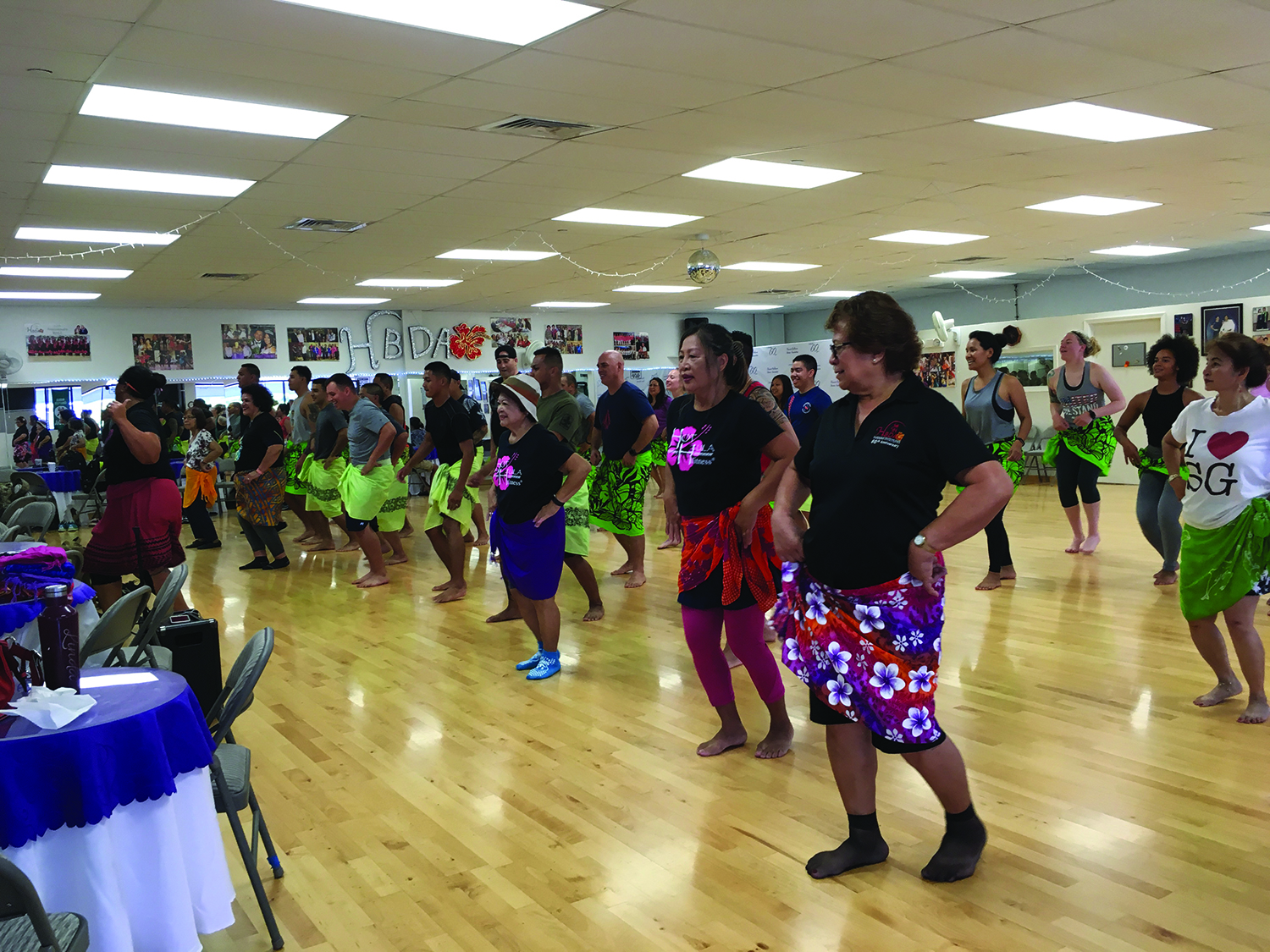
The HOT HULA fitness® Matua workout provides exhilarating exercise using Polynesian dance moves. Matua is a Māori word meaning elder or parent, so this fitness routine is geared to seniors, but can also be enjoyed by all age groups and fitness levels. Anyone who enjoys dancing and keeping fit can benefit from this exercise with a Polynesian flair.
HOT HULA fitness® Matua is a low-impact, yet heart-pumping cardio workout that targets larger muscle groups to increase strength and definition of your core (abs), glutes, quads and arms. This action-packed dance provides a 60-minute, total body workout.
HOT HULA fitness has four basic moves: 1) Tamau is hitting your hips side to side; 2) Ami is a circle movement; 3) Afata is a box movement by which you are drawing a box with your hips, hitting all four corners; and 4) Varu, a figure eight (the infinity symbol).
Inspired by the dances of the Pacific Islands, HOT HULA fitness® movements are set to the sounds of traditional Polynesian drumbeats fused with funky Reggae music. The instructor breaks down each choreographed siva (dance) into easy sections. The founder, Anna Rita Sloss, believed in helping her ‘aiga (family) as she searched for a program that would help move her people toward an active lifestyle.
“Our people can relate to drumbeats. When they hear it, they start moving and swaying their hips — enticed to get off their bums and move!” she says. Numerous studies show how dancing benefits benefits mind and body by getting your heart pumping and your blood flowing — a plus for joints, heart and brain. Dancing helps participants lose weight and manage stress. It also instills grace and exercises memory to help curb development of dementia.
Studies also show that dancing lifts the spirit, which is one of the many reasons I love teaching this format.
The exercise pace of HOT HULA fitness® Matua is slower and each move is specially modified for the matua. However, students may opt to execute either the full movements or the modified version. The health benefits are the same.
I encourage my HOT HULA fitness® Matua class to “move at your own pace and listen to your body. Keep moving your feet and make those big circles with your hips.”
HAWAII BALLROOM DANCE ASSOCIATION
98-019 Kamehameha Highway, Ste. 211A, Aiea, HI 96701 808-753-8673
The HOT HULA fitness® Matua workout provides exhilarating exercise using Polynesian dance moves. Matua is a Māori word meaning elder or parent, so this fitness routine is geared to seniors, but can also be enjoyed by all age groups and fitness levels. Anyone who enjoys dancing and keeping fit can benefit from this exercise with…
Do you recall in your younger days having lots of friends? Did you have so many that your social calendar always seemed full?
As we age, our social network changes. Our friends may move away, enter careers that take us in different directions, or get busy with family activities. While our social network may look different now, it is still important to maintain a group of family and friends. Studies have shown a direct correlation between life satisfaction and the presence of social networks with older adults 50 and over.
Many factors will influence who will be in your social network. Perhaps it is your family who you live with, a church group or even former high school classmates who you feel most comfortable socializing with. Sometimes transportation or mobility issues may lead you to limit your social network to your neighborhood or those who are in the vicinity. A social network becomes a resource and sounding board to discuss topics that make our lives better. Socialization has been proven to decrease feelings of loneliness or isolation.
So whether you meet others to walk the mall or catch up over coffee every Wednesday at a nearby café or you join a formal networking group, don’t ignore the importance of interacting with others. It may be just what you need or you may be exactly what someone else really needs.
Do you recall in your younger days having lots of friends? Did you have so many that your social calendar always seemed full? As we age, our social network changes. Our friends may move away, enter careers that take us in different directions, or get busy with family activities. While our social network may look…
Spring cleaning can be a satisfying experience for seniors, but it’s important to do it safely. Take your time, rest often and stay hydrated. Do not climb on furniture or a ladder. Ask for help. Staying safe is more than wearing an alert device. Work safely so you don’t have to activate it!
Use Careful Cleaning Methods.Wear rubber gloves to protect your skin from harsh chemicals. Senior skin is thinner and more sensitive.
Declutter.Clutter poses a falling risk for seniors — especially when reorganizing closets. “De-junking” surfaces and floors reduces that risk.
Clean Hidden Sources of Germs in the Kitchen.Sponges harbor food-borne bacteria like E. coli and salmonella. Disinfect sponges with bleach every day. Clean countertops and everyday kitchen items with disinfectant, followed by hot, soapy water.
Take Fire Safety Precautions. Replace batteries in smoke detectors, keep the stovetop area free of flammables, and clean the lint filter in the dryer before and after each load.
Clean the Air.Seniors with asthma may be even more sensitive to pollutants like dust. Replace your HVAC filter often. Choose a HEPA filter, which removes dust, mold and pollen.
Spring cleaning can be a satisfying experience for seniors, but it’s important to do it safely. Take your time, rest often and stay hydrated. Do not climb on furniture or a ladder. Ask for help. Staying safe is more than wearing an alert device. Work safely so you don’t have to activate it!
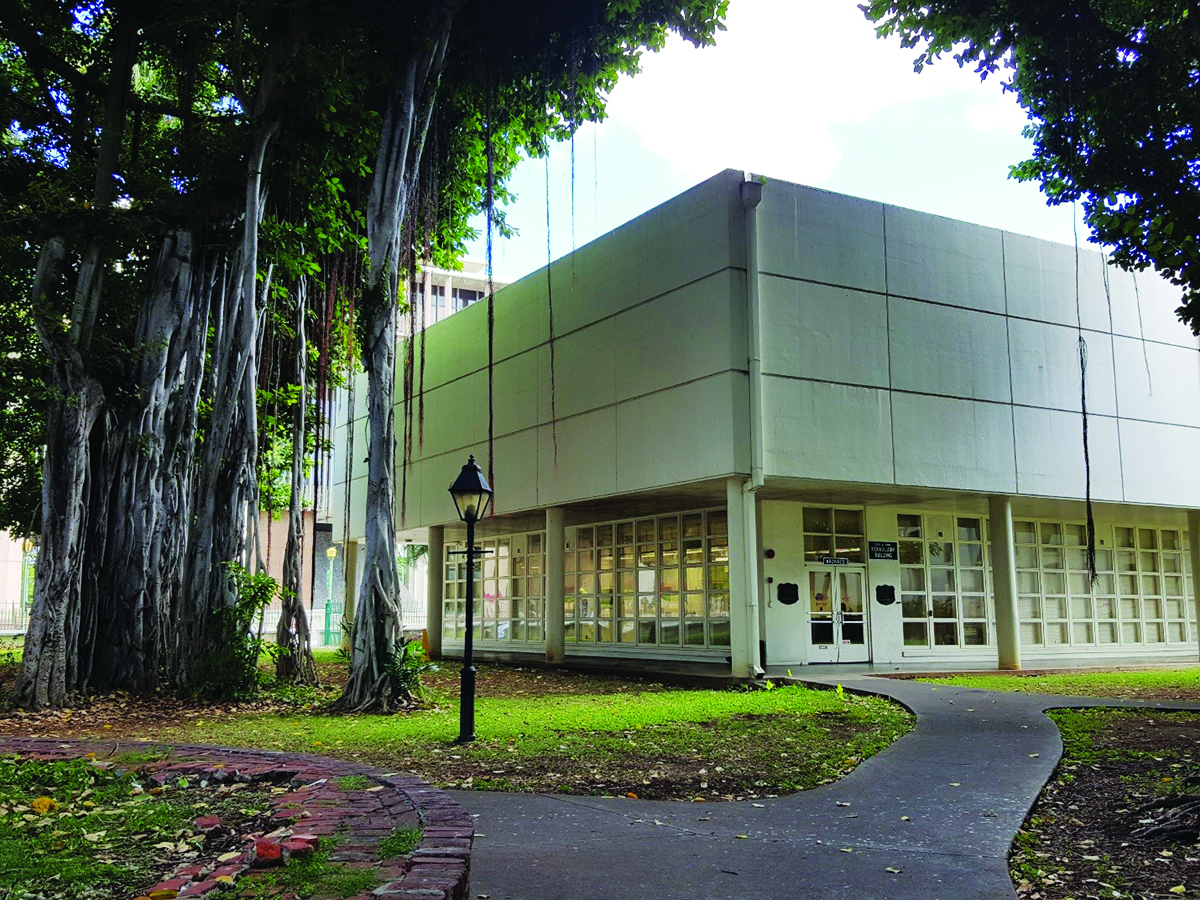
The Hawai‘i State Archives is a little-known, virtually untapped (by most of us) compilation of Hawai‘i’s history.
It’s mission is to ensure open government by preserving and making accessible the historic records of state government and to partner with state agencies to manage their records. The division is organized into two branches — the Historical Records Branch, which is accessible to the public, and the Records Management Branch, which does not offer services directly to the public.
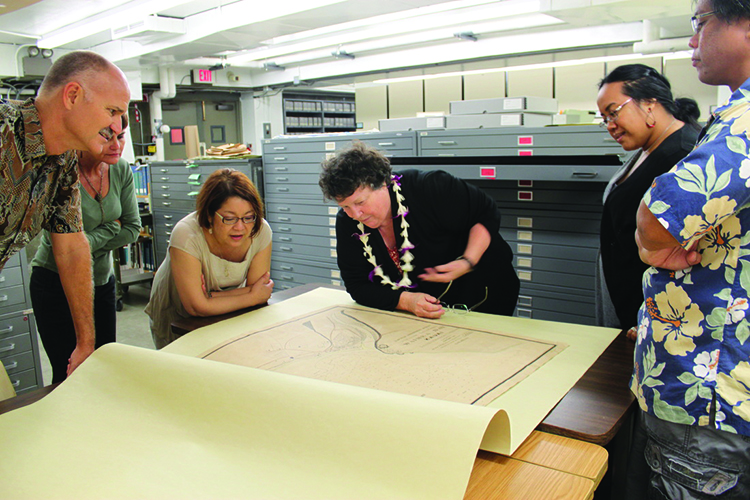
The Historical Records Branch preserves and provides public access to the state’s government archives and special collections through the Hawai‘i State Archives. These government records date from the monarchy to the current legislative session, and include photographs, maps, artifacts, 19th century newspapers, rare books, and library collections specializing in Hawaiian history, culture
and Pacific voyages, and private collections.
The archives opened to the public in 1906. As caretakers of irreplaceable historical treasures, the Hawai‘i State Archives has the responsibility of ensuring the materials are available for research, study and viewing by the public. Therefore new security measures are being implemented:
• Upon entering, all visitors will check in using
the Patron Registration system.
• All visitors will check in with the security guard
and surrender a current government-issued photo
ID (i.e. driver’s license, state ID, passport, etc.) in
exchange for a research badge.
• All bags, purses, folders and containers must be
stored in your free locker.
• Loose papers entering the research room will be
stapled by the guard (or leave them in a locker).
• Only bound materials (notebooks, books, papers
bound in binders) are allowed, which will be inspected
before entry and again as you exit.
• No food or drinks are allowed.
Summary of rules and procedures can be found on the archive website, ags.hawaii.gov/archives: search for “Public Use of Archives.”
HAWAI‘I STATE ARCHIVES
Kekāuluohi Building, ‘Iolani Palace Grounds
364 S. King St., Honolulu, HI 96813 808-586-0329 | archives@hawaii.gov ags.hawaii.gov/archives Business Hours: Mon–Fri 9 am to 4 pm; Closed Sat, Sun, state holidays
The Hawai‘i State Archives is a little-known, virtually untapped (by most of us) compilation of Hawai‘i’s history. It’s mission is to ensure open government by preserving and making accessible the historic records of state government and to partner with state agencies to manage their records. The division is organized into two branches — the Historical…
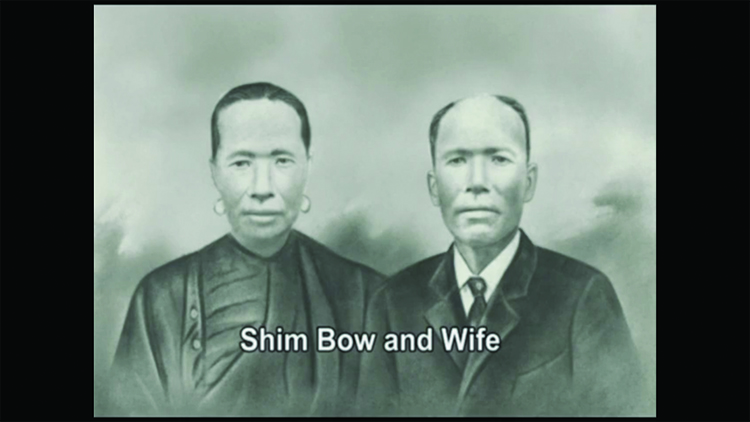
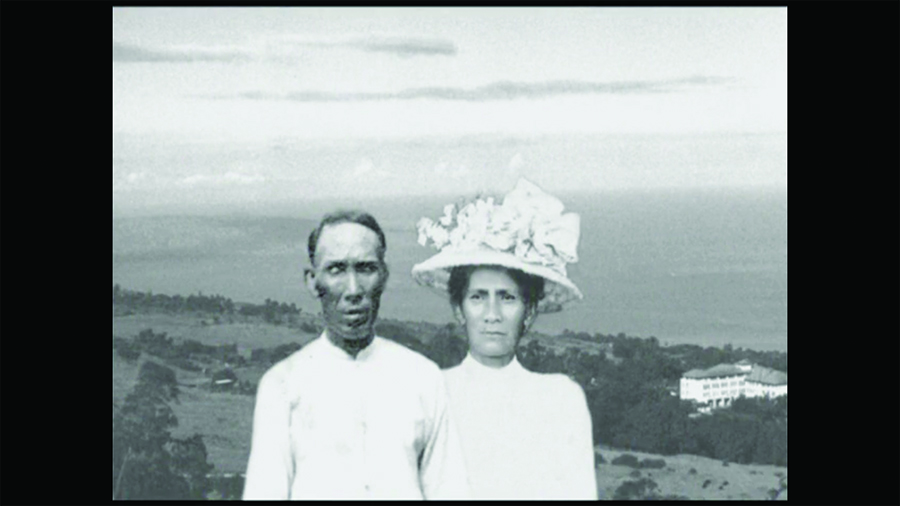
The Shim family documents their genealogy to Emperor Hwang Ti, China’s first emperor, who began building the Great Wall. In the 1860s, Shims from Kwangtung Province across the China Sea from Hong Kong took advantage of agricultural and business opportunities in Kula, and worked hard to improve life in Upcountry Maui.
Goong Goong (grandfather) Shim Bow was a herbalist healer. He died at age 58, but Popo (grandmother) worked her farm, still carrying avocados uphill when she was in her 80s. She lived to 104, had excellent hearing and vision, no diseases and very little white in her hair.
Our uncle, Shim Mook, was a prominent business man who supervised the building of the Kula pipeline in 1905. His mule teams pulled loads of pipes as far as the mules could go; then Chinese workers carried them the rest of the way. A Chinese teacher was needed in Kula, so he wrote to China and they sent Rev. Shim Yin Chin. It took remarkable dedication and courage to leave his family and come to Hawai‘i, but he was ordained here, and in 1907, opened the doors of St. John’s Episcopal Church.
Rev. Shim successfully lobbied to amend the Homestead Act in 1911 to keep Chinese farmers from losing their land. The Legislature agreed: “Chinese who had been long resident in the district, and whose children, seventeen or eighteen years of age who had been born here, would be granted leases on the premises which they had occupied and improved.”
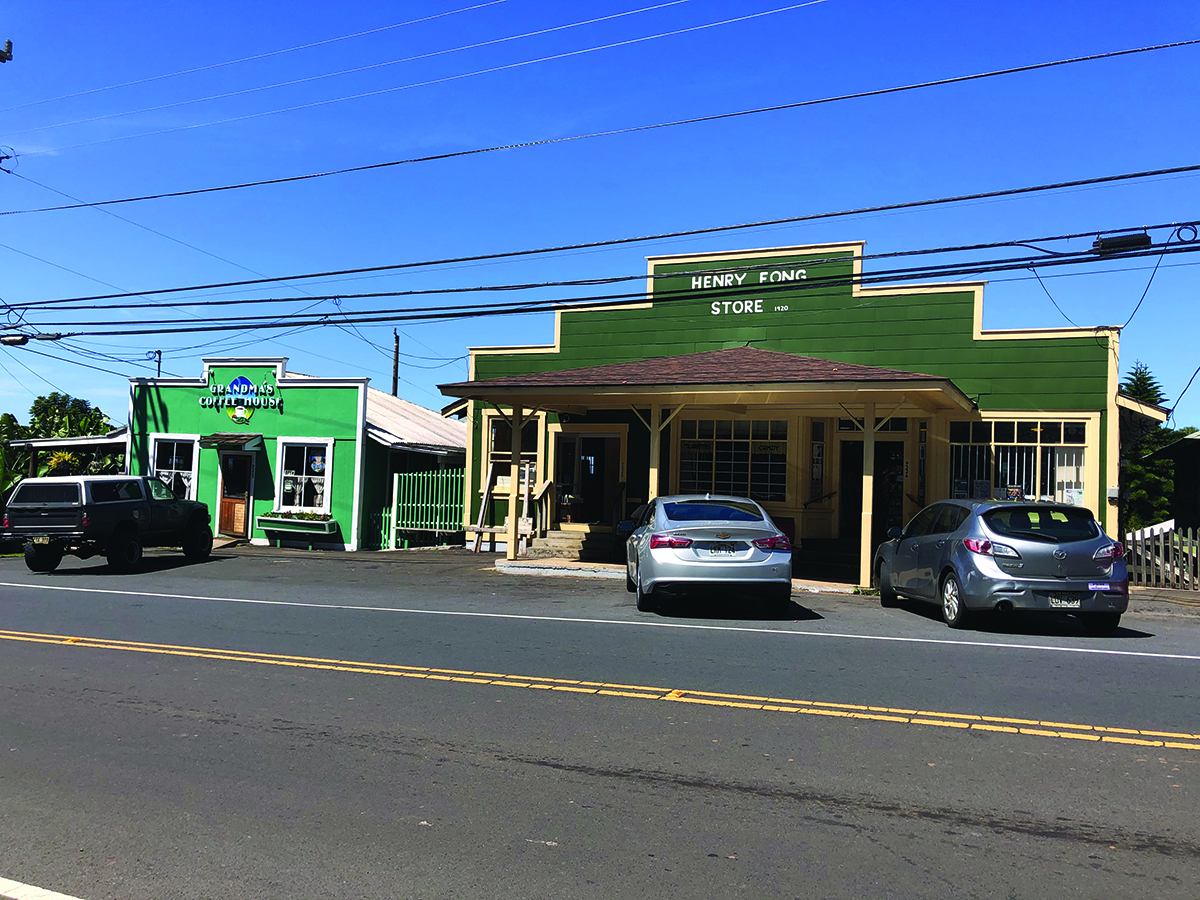
Grandma’s Coffee House and Henry Fong Store.
Shim Mook’s grandson, Herbert, was a farmer, rancher, conservationist and founder of the first Upcountry farmers’ market. His brother, Richard Shim, is called “The Mayor of Kēōkea,” a place once known as “China Town.” He loves to share the history of Kēōkea Sun Yat-sen Park and the Kwock Hing Society hall with family and visitors.
Next door to Fong Store in Kēōkea is Grandma’s Coffee House. That building was Shim’s Restaurant, opened by Shim Bow’s son, Harold, and his wife, Hannah, during WWII. They kept the military men well fed!
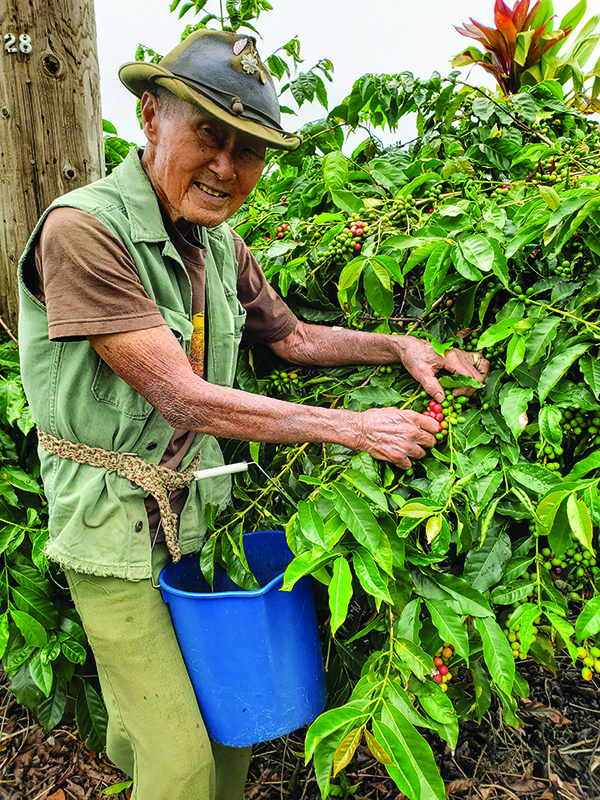
Casey Shim picking coffee on his farm.
At 89, nephew Casey Shim works the rich soil of his Kula farm, called “Utopia.” His one-man coffee and botanical farm wins many accolades from connoisseurs across the country. Casey attributes his green thumb to his ancestors. He says, “Being among plants is very relaxing and healing. If you’re around nature a lot, you won’t ever need a psychiatrist.” Even at his advanced age, harvesting 3,700 pounds of coffee beans each year by himself is something he enjoys!
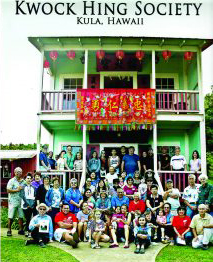
Shim generations gather at the Kwock Hing Society.
Many Shims were founding members of the Kwock Hing Society, erected in 1907 as a place where Chinese families could get information from China. (Dr. Sun Yat-sen came here to plan his overthrow of the Manchu Dynasty.) Today, our family still gathers at Kwock Hing to socialize and share our Chinese cultural events, traditions and rituals. On April 22, we will celebrate Ching Ming
grave-cleaning day with prayers and a community banquet.
Bibliography: Talk-story sessions with Harold Shim, Herbert Shim, Richard Shim, Casey Shim; St. John’s Church Archive, Kwock Hing Society Archive.
The Shim family documents their genealogy to Emperor Hwang Ti, China’s first emperor, who began building the Great Wall. In the 1860s, Shims from Kwangtung Province across the China Sea from Hong Kong took advantage of agricultural and business opportunities in Kula, and worked hard to improve life in Upcountry Maui.
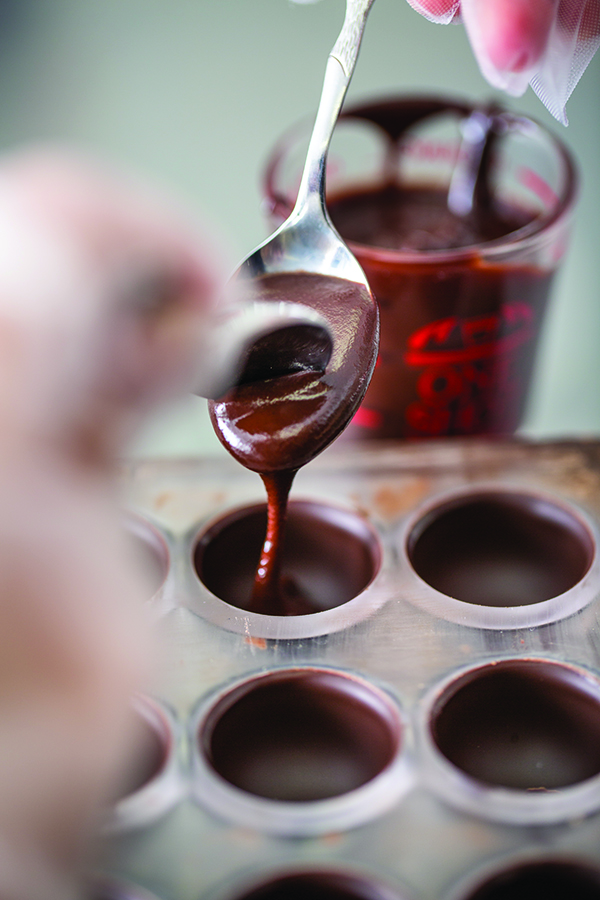
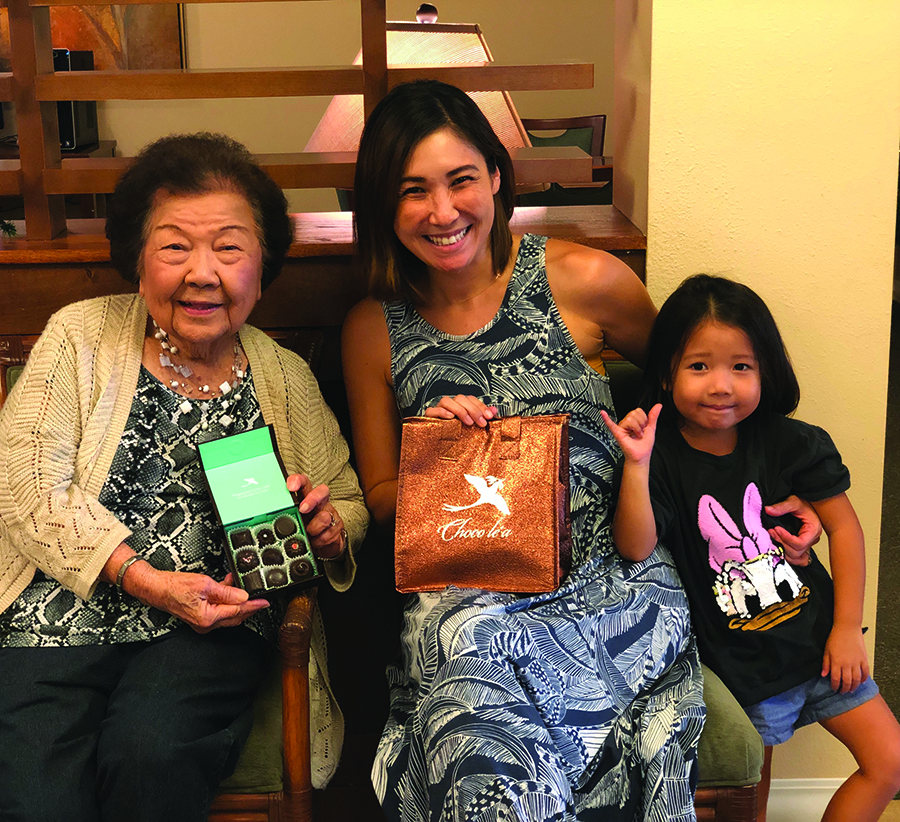
Jane Hiranaga volunteers as a greeter for her senior community at The Plaza Assisted Living at Waikīkī. She also organizes group outings to Mānoa Valley to visit her granddaughter, Erin Uehara, a specialty chocolatier and owner of the Choco Le‘a chocolate shop.
“Who doesn’t love chocolate?” says Erin. “Seniors especially love our shop because it is like the candy stores of long ago. Tutus tell me the chocolate aroma and display cases evoke the nostalgia of going to their favorite candy store when they were keiki.”
The shop sources its chocolate locally and from Europe, making the ganache and fondant centers from exclusively local ingredients. Creamy caramels, butterscotch and crunchy nut clusters are customer favorites, but Erin raises the bar with her own local-flair creations, like creamy, chocolate truffles that surprise the palate with bits of tangy, tropical fruit jelly, or smooth kaki mochi. The truffles are a kūpuna favorite. For Chinese New Year, she makes gau truffles to bring good luck and satisfy the local custom and taste buds.
The benefits of consuming chocolate go beyond flavor — the sweet treat actually contains a molecule that is the same natural substance the body produces when falling in love! Made from the seed of the cocoa tree, it is one of the best sources of antioxidants on the planet. And dark chocolate has added health benefits as well, including reducing the risk of heart disease and lowering blood pressure. Research also shows that dark chocolate may also improve the function of your brain! So Jane’s sweet outings offer seniors a happy and healthy trip down memory lane. Maybe that’s why they are always packed!
Jane Hiranaga volunteers as a greeter for her senior community at The Plaza Assisted Living at Waikīkī. She also organizes group outings to Mānoa Valley to visit her granddaughter, Erin Uehara, a specialty chocolatier and owner of the Choco Le‘a chocolate shop. “Who doesn’t love chocolate?” says Erin.
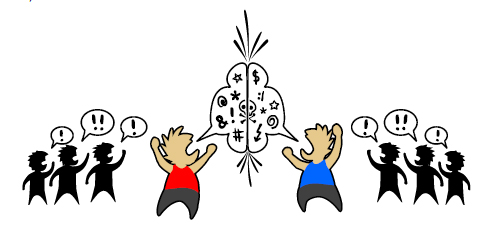
Even the most solid sibling dynamic can erupt into arguments when it comes to the health and welfare of beloved parents who are beginning to show signs of frailty.
You: “Hey. Mom and Dad fell twice; why don’t we hire a helper each day?”
Your sister: “Nah, they’re OK — you’re hyper.”
Your brother: “The doctor says they are fine. So what — you’re our expert now?”
You: “DAD WAS ON THE FLOOR FOR AN HOUR!
Mom couldn’t find her cell phone to call us! Me hyper? If something BAD happens, it’s your fault!”
Siblings duking it out without parental input can result in complete caregiving failure. On the other hand, wise families collaborate without meltdowns or muzzling each other.
Three Smart ABC Steps to Building a Family Dream Team
1. ATTITUDE. Switch negative thoughts into positive language and behaviors.
Tip:Perceptive families tactfully welcome and value new ideas. They are patient and kind regarding each other’s opinions and suggestions.
2. BRAINSTORMING. Tough topics require discussion: financing caregiving, selling vs. renting the family home, dividing assets, sharing caregiving responsibilities. Savvy families form judgment-free zones where everyone is protected from criticism when they voice their suggestions. They must also be understanding when their ideas are not accepted by all.
Tip:Circulate a “WHAT IF?” list to gather ideas and suggestions from everyone in order to give all time to think about them in depth rather than responding quickly with an emotional outburst.
3. COMMAND CENTRAL. Akamai families prepare ahead by finding out their parents’ wishes instead of guessing in order to carry out their desires. They prepare for financial outcomes, and have easy access to advanced directives and wills. Clarity saves time and money.
Tip:Gather documents in a binder to serve as a treasure trove of parents’ wishes and resources that everyone can refer to. This paves a smooth road ahead by avoiding unwanted potholes and excess stress at an already stressful time.
ANNETTE PANG
Family Caregiver Coach and Life Transition Advisor 808-372-3478 | ap@annettepang.com Annette Pang offers workshops, online training and one-to-one private life coaching. She has owned two adult residential care homes since 2000. She adores her four siblings and her husband’s four siblings—all smart and kind.
Even the most solid sibling dynamic can erupt into arguments when it comes to the health and welfare of beloved parents who are beginning to show signs of frailty.

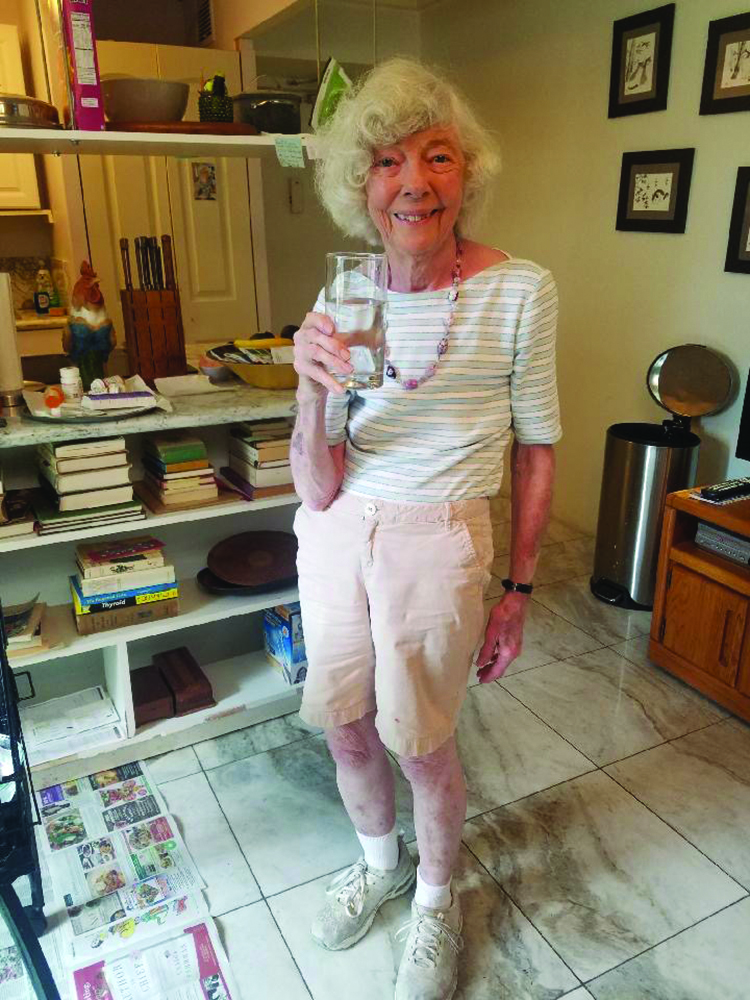 It is part of our practice to ensure our patients drink ample water during a physical therapy session. The fact that water counts for 95 percent of the brain, 82 percent of blood and 73 percent of muscle tissue explains how important it is to be hydrated. Dehydration can pose serious health problems for older adults, especially with Hawai‘i’s hot, humid weather. Dehydration symptoms that increase fall risk are dizziness, weakness, fatigue, confusion and low blood pressure.