Category: Articles

  • How You Can Help Fight Alzheimer’s

    The Alzheimer’s Association, formed in 1980, is the country’s leading voluntary health organization in Alzheimer’s care, support and research. Its mission is to continue to lead the way to end Alzheimer’s and all other dementia by driving risk reduction and early detection, and by advancing vital, global research regarding treatment and prevention in it’s continuing efforts to find a cure.

    The association is currently the leading voice for Alzheimer’s disease advocacy, fighting for critical research and care initiatives at both the state and federal levels.

    SERVICES PROVIDED

    ■ Information and Referral. The association provides basic disease information, referrals to community resources and providers, and support for persons living with Alzheimer’s or another dementia, their families and the general public.
    ■ Care Consultation. The association assists individuals and families in planning for and coping with Alzheimer’s and other dementia. Care consultations may include an assessment of needs and safety, emotional support and information on available resources.
    ■ Education Programs. The association offers a variety of credible, evidence-informed education programs and training for caregivers, the general public and professionals.
    ■ 24/7 Helpline. The association offers around-the-clock support for families. Trained dementia care experts are ready to listen and assist with referrals to local community programs and services, dementia-related education, crisis assistance and emotional support.
    ■ COVID Messaging. The association has successfully transitioned its support groups, education programs and family care consultations to a virtual format — through either phone or live video delivery — to ensure uninterrupted care and support services to local families. The number of support groups statewide and programs specific to addressing concerns regarding COVID-19 and caregiving have also been increased.

    ADVOCACY & SUPPORT

    The COVID-19 pandemic presents additional challenges, especially financial, for more than 5 million Americans living with Alzheimer’s, their caregivers, the research community and the nonprofits serving these vulnerable populations.

    The pandemic will continue to challenge health systems across the nation and affect decisions such as care planning. But thankfully, Congress can act to help the Alzheimer’s and dementia community by including provisions to support the community during this crisis. These key provisions include:

    • $354 million for Alzheimer’s research activities at the National Institutes of Health
    • $20 million to implement the BOLD Infrastructure for Alzheimer’s Act at the Centers for Disease Control and Prevention which will establish centers of excellence that expand and promote the evidence base for effective population-based interventions to improve dementia outcomes

    Contact Sen. Brian Schatz and Congressman Ed Case and ask them for their continued support. Also ask them to gain the support of other  members of Congress regarding these provisions.

    Sign up online and encourage others to become Alzheimer’s Association volunteers at www.alz.org/advocate or by calling 800-272-3900.


    ALZHEIMER’S ASSOCIATION
    Online Community: www.alzconnected.org
    Online Education: www.training.alz.org
    Support Groups & Programs: www.alz.org/hawaii
    24/7 HELPLINE: 800-272-3900
    Hawai‘i Office: 808-591-2771
    The Alzheimer’s Association, formed in 1980, is the country’s leading voluntary health organization in Alzheimer’s care, support and research. Its mission is to continue to lead the way to end Alzheimer’s and all other dementia by driving risk reduction and early detection, and by advancing vital, global research regarding treatment and prevention in it’s continuing…

  • Hiroshima Survivor Shares Story of Hope

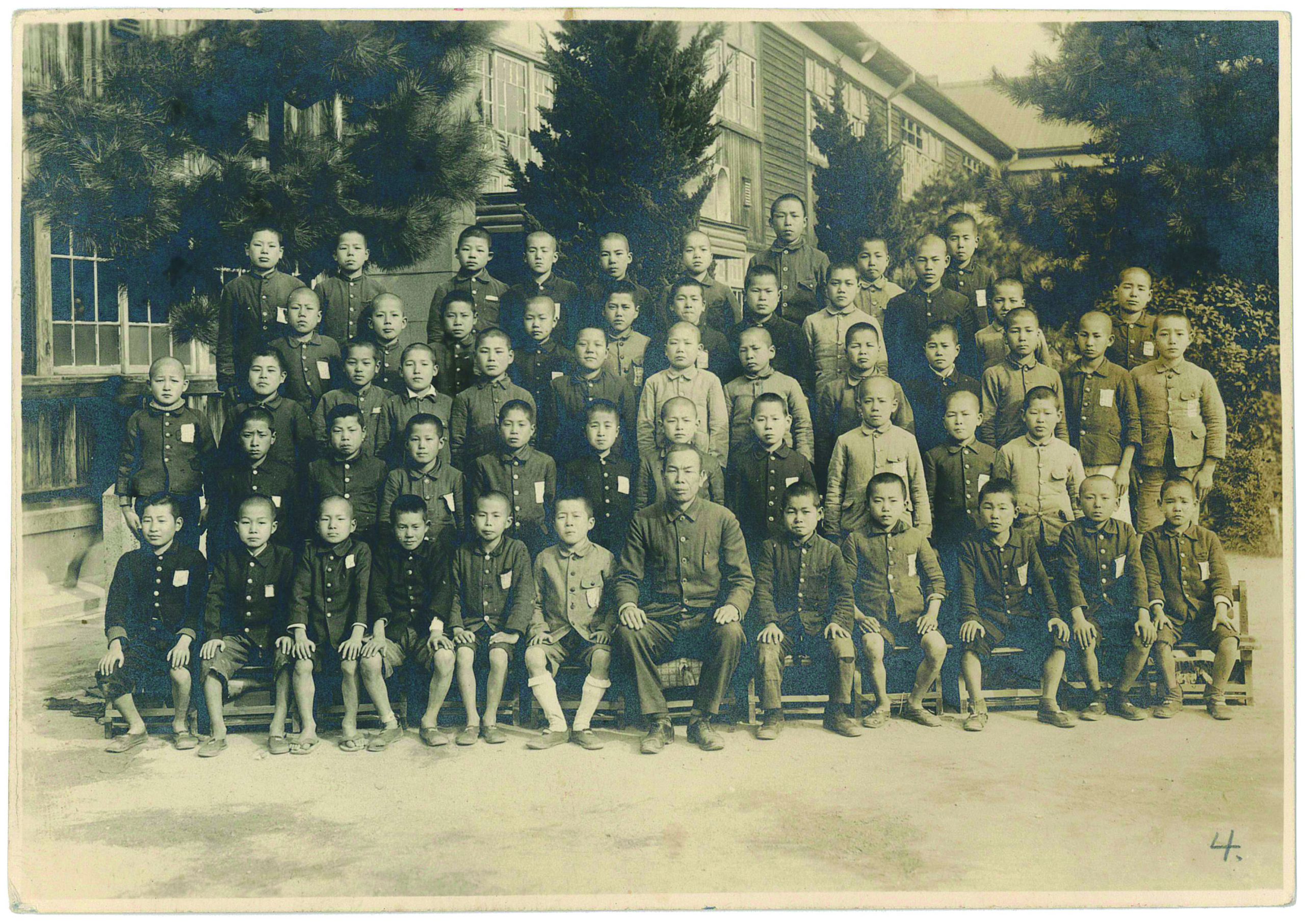
    Lawrence Fumio Miwa was born in Hawai‘i in 1931 and lived in Hiroshima, Japan, from age 2 to 15. Now 89, he was 14 years old when the atomic bomb was dropped on Hiroshima, Japan, on Aug. 6, 1945. Although he was in school approximately 20 miles away from his Hiroshima home, he could see what happened. Seventy-five years later, he can still recall “that unforgettable morning,” when the bombers flew over the city. He remembers the blinding yellow flash from the atomic explosion. He thought at the time that it was the end of the world. He wondered if his family survived.

    Days later, he returned to the city and witnessed overwhelming casualties and total devastation. “People were suffering severe burns and their clothes were burned and tattered.”

    Lawrence Fumio Miwa at age 12 in 1943, when he was a sixth grader at Misasa Elementary School. Below, at age 88, visiting Punahou Japanese classes in 2019.
    Lawrence Fumio Miwa at age 12 in 1943, when he was a sixth grader at Misasa Elementary School. Opposite, at age 88, visiting Punahou Japanese classes in 2019.

    Approximately 70,000 people were killed when the US military dropped an atomic bomb over Hiroshima during World War II. Tens of thousands later died from radiation exposure and cancer. Three days later, another atomic bomb was dropped over Nagasaki, killing about 40,000 people. The exact mortality figures will never be known. The destruction and overwhelming chaos made orderly counting impossible.

    “We didn’t know that that was the first atomic bomb,” he said. “On Aug. 15, our teacher allowed us to go back to the city — and for me, to find out if my parents and sister were still alive. When I arrived at the Hiroshima train station, there were no houses or buildings. The ground was burned and blackened. In that moment of time, I was the only person standing alone in the city where some 140,000 people had lost their lives. I was sure I had experienced a big turning point in my life.” Miraculously, his family survived.

    August marks the 75th anniversary of the bombings. Larry has devoted his life to sharing his story with the goal of working together to eliminate nuclear weapons.

    “It should not matter what nationality we are,” says Larry. “We are all human beings living together on our precious Earth. We all have a duty and responsibility to preserve humanity for our future  generations. We should work together, setting a goal of common sense and decency to eliminate all nuclear weapons and related materials, for the sake of world peace.”

    “No one, especially our children, should ever experience the horrors of nuclear weapons,” Larry said in a recent public presentation. “Please remember my story of survival. Overcoming animosity and making efforts to understand each other can lead to world peace and a better world for every one of us.”


    [box] Larry shared more thoughts at the University of Hawai‘i Matsunaga Institute for Peace via Zoom on August 5, 2020. You can see the recording here. [/box]


    The five-generation history of Miwa’s family is detailed in the book Tadaima! I Am Home by Tom Coffman.

    Lawrence Fumio Miwa was born in Hawai‘i in 1931 and lived in Hiroshima, Japan, from age 2 to 15. Now 89, he was 14 years old when the atomic bomb was dropped on Hiroshima, Japan, on Aug. 6, 1945. Although he was in school approximately 20 miles away from his Hiroshima home, he could see…

  • Where Did All the Toilet Paper Go?

    Shoppers across the county and around the globe cleaned out shelves of toilet tissue, disinfectant sprays/wipes, rubbing alcohol and hand  sanitizers during the beginning of the outbreak of COVID-19 pandemic.

    Stores were overwhelmed due to fears of supply chain disruptions, although none occurred.

    Even though items that were scarce during the initial phase of the pandemic have been restocked in most stores, some of us must still fight the urge to hoard in preparation for what may come this fall and beyond. Keep in mind, the impact of over-acquiring affects the entire community.

    Pharmacies have even been dealing with people hoarding certain medications in hopes that they may be used as treatment in the future. Buying up existing medications puts people who truly need them at risk if they are forced to go without.

    There are some strategies to quell the natural impulse to acquire more than is needed. Start by taking stock of the items you already have at home and and assess how long they will last. Make a pragmatic list of what and how many supplies you will need to tide you over to your next shopping trip — not the next decade.

    When shopping, stick to the items on your list. Then, you’ll be less likely to succumb to anxiety-driven purchases triggered by the sight of empty shelves or thoughts of supermarkets closing.

    If shopping is “your thing,” expand your experience by helping people in your community who may need it. Add their list to yours and enjoy!

    Making sure you are doing all you can to manage stress is also helpful. Why not try 30 minutes of daily, moderate cardiovascular activity, muscle relaxation, mindfulness meditation exercises and other enjoyable activities.

    Shoppers across the county and around the globe cleaned out shelves of toilet tissue, disinfectant sprays/wipes, rubbing alcohol and hand  sanitizers during the beginning of the outbreak of COVID-19 pandemic. Stores were overwhelmed due to fears of supply chain disruptions, although none occurred.

  • Overcoming Depression Through Faith

    I’d like to introduce you to a friend of mine. His name is Depression. I didn’t like being around him, but he dropped in whenever he felt like it.

    Over time, I began feeling like the little bird in this picture. I was barely keeping my balance and felt very alone even when I wasn’t. Depression made it difficult for me to see clearly; my eyes were closed.

    But I didn’t give up. My belief in God gave me hope. I can see now that it is hope for the future that moved me onto the road to recovery. I also began following the advice of a friend who told me to just “take one day at a time.”

    I also learned this: “A major depression is the membership fee to an exclusive club. It enables one to move freely among the other members.”

    You might be amazed to learn how many people struggle with depression. It’s very likely that one day you’ll meet someone who is also going through a tough time. Because you‘ve “been there,” you’ll be able to encourage this person and give them hope for the future, too.

    You are probably wondering why I called Depression my friend. It’s because being able to help someone through something you have gone through is a true blessing. God has given you the opportunity to be a part of His response to someone’s prayer.

    Jesus said, “Love one another. As I have loved you, so you must love one another.” So please take care and be kind when an opportunity to be a blessing to someone presents itself. And don’t forget to make your family and friends a priority in your life. You will not regret it.

    I’d like to introduce you to a friend of mine. His name is Depression. I didn’t like being around him, but he dropped in whenever he felt like it.

  • Community Living Centers

    As a veteran who is “getting up there,” how to live out my last years comfortably without being a burden is more than a passing thought. Fortunately, there are 100 Veterans Affairs Community Living Centers (CLCs) across the country. Their mission is to restore the veteran to his or her highest level of physical and/or psychological well-being before being discharged to their own home.” CLCs also provide nursing home-level care.

    Tripler Army Medical Center is a 60-bed CLC facility that offers the comforts of home as much as possible. It provides convalescent care, rehabilitation, geriatric and geri-psychiatric assessment to eligible veterans in an inpatient setting.

    Veterans must be enrolled in the VA Health Care System to receive this care.

    CLCs provide activities for veterans of all ages in a family-friendly setting for visitors. Pets are also allowed to visit or live in the CLC. Organizations visit to host games, sing and hold barbecues, giving veterans an opportunity to talk story.

    Veterans may also receive nursing home-level care, which includes help with activities of daily living, as well as nursing and medical care.

    This level of care helps prevent declines in health and provides comfort at the end of life.


    VFW DEPARTMENT OF HAWAII
    438 Hobron Lane, Ste. 407, Honolulu, HI 96815
    808-946-7250 | adj@vfw-dept-hi.org
    www.vfw-dept-hi.org

    As a veteran who is “getting up there,” how to live out my last years comfortably without being a burden is more than a passing thought. Fortunately, there are 100 Veterans Affairs Community Living Centers (CLCs) across the country. Their mission is to restore the veteran to his or her highest level of physical and/or…

  • Work Longer — Brain Smarter

    There is plenty of evidence revealing that work boosts cognitive health. Delaying full-time retirement means mitigating the risk of several types of dementia, including Alzheimer’s.

    Evidence shows that:

    • Work gives us purpose and a social environment (online or in person) that creates community.
    • Work requires learning, unlearning and relearning — solid reasons to continue to learn new ways to work.

    Almost 30 percent of us are over 60. But the flexible workforce favors those prepared at any age. What better time to learn? Community colleges, adult learning schools and four-year universities are awash with learning opportunities that you can take advantage of from your home.

    Online learning also reduces social isolation without having to leave the comfort and safety of your home. Check out ThirdAge.com, Senior-Net.com and AARP.org. Many other sites are just an internet search away.

    If you need support to attain the help you need, reach out to me at carleenmackayhi@gmail.com and this 81-year-old worker will do her best to help get you started in your pursuit of a rejuvenated career.


    NEW WORKFORCE HAWAII
    Carleen MacKay
    916-316-0143 | carleenmackayhi@gmail.com
    www.newworkforcehawaii.com
    Contact Carleen via her website and receive New Ways to Work, a free PDF book co-written with Phyllis Horner.

    There is plenty of evidence revealing that work boosts cognitive health. Delaying full-time retirement means mitigating the risk of several types of dementia, including Alzheimer’s.

  • The Right to Vote is Yours!

    As we age, we may not be able to do some things as well as we used to. But there’s one important thing we can do today with greater power and effectiveness: We can vote!

    Throughout our history, people have fought and died for the right to vote. But this pivotal right has not always been as accessible as it is today. When our country was established, voting was limited to white men of property. Voting was determined by state law, not by the United States Constitution or federal law.

    As the country evolved, states began eliminating the property requirement for voting. Only some states allowed former slaves and women to vote. In 1870, the Fifteenth Amendment to the Constitution was adopted, giving African Americans (and other non-whites) the right to vote. Fifty years later, the Nineteenth Amendment was adopted, giving women the right to vote.

    But despite the Fifteenth Amendment, southern states continued to deny African Americans their right to vote by various means, including poll taxes (which were barred by the Twenty-Fourth Amendment), violence and death. Finally, in 1965, largely because of the civil rights movement led in part by Rev. Martin Luther King Jr., Congress passed the Voting Rights Act to enforce the Fifteenth Amendment in  southern states. Yet despite these gains, efforts to suppress the African American vote in the South continue to this day.

    The Twenty-Sixth Amendment was adopted in 1971, setting the minimum voting age at 18. Before that, just three states allowed those under 21 the right to vote. Hawai‘i was one of them.

    At the county level, we vote for mayors, council members, prosecutors and county charter amendments. At the state level, we vote for governors, lieutenant governors, legislators and state constitutional amendments. At the federal level, we vote for president, vice president, two senators and two representatives.

    We are very fortunate to live in one of the most convenient and safest states in which to vote. Any citizen who is 18 years or older and a resident of the state can register to vote and vote by mail. The latter is particularly important during the COVID-19 pandemic. There are no impediments. There are no efforts to disenfranchise voters or suppress the vote as seen in other states.

    However, less than half the people in our state who are eligible to register and vote actually do so. “No right is more precious in a free country than that of having a voice in the election of those who make the laws under which… we must live.” Encourage your family and friends to vote.


    The Honorable Daniel Foley served as an Associate Judge of the Hawai‘i Intermediate Court of Appeals. He is a well-known civil rights attorney who taught at William S. Richardson School of Law, University of Hawai‘i.

    As we age, we may not be able to do some things as well as we used to. But there’s one important thing we can do today with greater power and effectiveness: We can vote!

  • Donating with Care

    Hawai‘i’s residences are often targeted by door-to-door solicitors asking for donations. Here in Hawai‘i, we are a generous people. We take pride in living the Aloha Spirit, but we must exercise caution as well. We must know the basic things about charitable giving in the event that anyone tries to take advantage of our good nature. Hawai‘i’s Better Business Bureau (BBB) suggests that you:

    • Find out how your charitable contributions are being used.
    • Beware of appeals that bring tears to your eyes but tell you little about what the charity is doing about the problem it describes so well.
    • Watch out for statements such as “all proceeds will go to the charity.” This can mean that only the money left after expenses, such as the cost of written materials and fund raising efforts, will go to the charity. These expenses can be high, so check carefully.
    • Check with Hawai‘i’s BBB for information on local charities and solicitors operating in Hawai‘i. Let the BBB’s resources work for you. Check out a business or charity at www.hawaii.bbb.org

    Give with the knowledge that those soliciting have an obligation to be transparent to the public. Be assured that you are making informed decisions, and have the confidence that every donation you make is positively impacting lives. When in doubt about any charity or organization, contact Hawai‘i’s Better Business Bureau for more information.


    Bonnie Horibata is vice-president of Hawai‘i’s Better Business Bureau. BBB provides objective advice, business and charity reports, and information about topics affecting marketplace trust at www.bbb.org

    Hawai‘i’s residences are often targeted by door-to-door solicitors asking for donations. Here in Hawai‘i, we are a generous people. We take pride in living the Aloha Spirit, but we must exercise caution as well. We must know the basic things about charitable giving in the event that anyone tries to take advantage of our good…

  • Meaningful Legacies

    What are you leaving behind? This is a question that all too many of us fail to address before it’s too late. It’s not just a question about money, but about the entire heritage that you want to pass on to future generations—to those in your family and even to society as a whole.

    When mapping out your legacy plan, there are many things to think about: your current assets and debts, tax implications, income, expenses … and the list goes on. While it might seem like a lot to sort through—especially once you tack on the emotional aspect of planning for your own end of life—the reward of proper planning is knowing you’ve done all you can to enhance the well being of your beneficiaries.

    Here are a few issues to consider:

    • Taxes: The federal estate tax has been eliminated for individuals who passed away in 2010 (barring action from Congress to reverse the situation), but this was just a temporary change to the law. The estate tax is scheduled to reappear by 2011, possibly affecting estates as small as $1 million (compared to the previous law with a $3.5 million tax exemption level). Even now, estate and inheritance taxes may still affect many on a state level.

    In addition, beneficiaries may not escape income taxes. Those who inherit a traditional IRA, for example, will have to pay applicable income tax on distributions. An alternative is to convert a traditional IRA to a Roth IRA, which requires that the income tax be paid currently. This will allow beneficiaries to enjoy tax-free distributions for years to come.

    • Managing the Estate: Will anybody manage your money with the care and conviction that you practice today? Not likely, unless you make your wishes clear. A will allows you to specify who will administer your estate, and how your property will be distributed. If you have minor children, a will can also identify to whom their guardianship will be transferred. Be sure to put a comprehensive will in place and revisit it on a routine basis, or whenever major life events occur.

    Depending on your situation, you may also want to consider setting up a trust, or other type of ownership arrangement, to provide some structure to the management and disposition of assets.

    Careful planning is all the more crucial for small business owners who need to determine the future of their company, including who will take charge and the financial implications of business succession. If your business provides products or services that others have come to rely on, it is important to plan ahead to maintain normal business activity in your absence.

    • Protection: Keeping assets protected from potential creditors or the impact of future lawsuits is another important aspect of legacy planning. In some states IRAs, annuities and insurance can be useful tools to help minimize the potential exposure. This is an issue regardless of the size of the estate but should only be done in consultation with your legal advisor.
    • Organization: One of the greatest gifts you can leave behind is a set of well-organized records. Good documentation of all assets and debts, where everything important can be found and key contact names will go a long way toward the proper disposition of your estate. You can also leave a letter, separate from a formal will, outlining specific wishes regarding matters like organ donations or the conduct of your funeral, as well as how specific items you own should be distributed to others—but the rules on this vary state to state.

    Seek the advice of tax, legal and financial advisors to protect the legacy you’ve been working to build.


    Michael W. Yee is a financial advisory practice of Ameriprise Financial Services, Inc. As a financial advisor, Yee’s customized advice is anchored in a solid understanding of client needs and expectations. For more information, please contact Michael W. Yee at (808) 952-1240. Advisor is licensed/registered to do business with U.S. residents only in the states of Hawaii. Brokerage, investment and financial advisory services are made available through Ameriprise Financial Services, Inc. Member FINRA and SIPC. Some products and services may not be available in all jurisdictions or to all clients.© 2010 Ameriprise Financial, Inc. All rights reserved.

    What are you leaving behind? This is a question that all too many of us fail to address before it’s too late. It’s not just a question about money, but about the entire heritage that you want to pass on to future generations—to those in your family and even to society as a whole.

  • Internet-Drafted Estate Plans Don’t Save Money

    If you want to, you can devise your own estate plan without the benefit of lawyers or other trained advisors. All you need is a credit card, a computer, a printer, and access to the Internet. With those tools, you can come up with a set of documents that may or may not accomplish your goal. The problem is that you will never know. The ultimate success or the failure of an estate plan is rarely revealed during the lifetime of the “planmaker.” (No, planmaker is not a real word, but you know what I mean.)

    You have seen the commercials. You have heard the radio ads. But before you go to a website to have your estate plan constructed by a computer program, be sure to ask yourself this: Do I really believe that a brilliant lawyer, or a highly-paid radio personality who hawks these kinds of programs, would trust a website to come up with an estate plan for himself and his family? If it’s not good enough for them, why would it be good enough for you?

    You may not have as large of an estate as Mr. Fancy Shmancy lawyer or Mr. Radiobucks, but everything you own is everything you own, and it makes a difference to you whether it goes where you want it to go after you are gone. It also makes a difference to you who will make decisions on your behalf if there is ever a time when you can’t make them yourself. Do you want your hand-picked decision-maker talking with your doctor when you’re unable to speak, or are you willing to leave it to chance as to who steps up to the plate?

    The problem with computer-driven estate plans is that in the real world, more often than not, they don’t work. An effective estate plan involves far more than a set of documents, even very well drawn documents, that would stand up in any court in the land. For one thing, wouldn’t it be better to have an estate plan that will help you and your family stay out of court altogether? Going to court is not the end of the world, but it can be a royal pain. It would be better for you and your loved ones if you get your plan right the first time. It should also continue to work according to your wishes in light of changes in your health, your “stuff,” the law, and the list of people you like and trust.

    Bottom line: There is a lot of really good information on the Internet. There is also a lot of misinformation. Do you have the training and background to tell one from the other when it comes to putting your estate plan in order? If so, knock yourself out, Professor. If not, there is something to be said for working with live professionals instead of an impersonal website that cares more about your credit card authorization than about what happens to you and your family. For more information about creating an estate plan that works, check out www.est8planning.com.


    SCOTT MAKUAKANE is a lawyer whose practice has emphasized estate planning and trust law since 1983. He hosts Est8Planning Essentials, a weekly TV talk show which airs on KWHE (Oceanic channel 11) at 8:30 p.m. on Sunday evenings. For more information about Scott and his law firm, Est8Planning Counsel LLLC, visit www.est8planning.com.

    If you want to, you can devise your own estate plan without the benefit of lawyers or other trained advisors. All you need is a credit card, a computer, a printer, and access to the Internet. With those tools, you can come up with a set of documents that may or may not accomplish your…

  • Chef Michi’s Recipe: Waldorf Salad

    Salad:

    • 1 head romaine lettuce
    • 1 bunch local watercress (3 cups chopped)
    • 2 whole Fuji apples or ripe pears
    • ž cup walnuts
    • 4 oz. crumbled feta or Gorgonzola cheese
    • ½ cup dried cranberries
    • 2 Tbs. honey or pancake syrup
    • 1 Tbs. brown sugar
    • Parmesan cheese
    • Fresh ground black pepper, to taste
    • Non-stick spray

    Dressing:

    • Âź cup balsamic vinegar
    • 1 cup prepared light ranch style dressing

    To prepare “candied” walnuts, pre-heat oven to 325 °F degrees. In a small bowl, combine walnuts and syrup, toss in brown sugar to coat. Line a baking sheet with foil, spray with a nonstick spray and layer the prepared walnuts in a single layer. Bake for about 12-15 minutes, or until golden brown. Set aside to cool.

    Cut romaine into bite-size pieces, chop watercress into 1-inch pieces and toss together in a large salad bowl. Slice apples and/or pears into bite-size pieces, and add to salad. Add feta or Gorgonzola, candied walnuts and cranberries.

    For the dressing, combine ingredients to make the creamy balsamic vinaigrette. Take care to lightly dress the salad and toss gently. Season with fresh ground pepper and sprinkle generously with Parmesan cheese. For an attractive presentation, use a vegetable peeler to scrape wide curls of Parmesan and place on top of tossed salad.


    Chef Michi has more than 12 years of experience as a “casual gourmet,” cooking for family and businesses. Her catering company, Michi’s Fresh Cooking For You, was founded three years ago. Since then, Chef Michi has become a recipe developer for KTA Superstores on the Big Island. All recipes center on healthy yet easy to prepare dishes that are packed with flavor. Visit www.cookingfreshforyou.com or contact Michi at cookingfreshforyou@gmail.com or (808) 286-6484

    Here are all the ingredients and the directions to make a yummy Waldorf salad. Enjoy!

  • Franciscan Vistas ‘Ewa

    “Aging in place” is not just a trendy buzzword for St. Francis Healthcare System of Hawai‘i. It’s something the nonprofit organization is making a reality for older adults who want to live independently yet they are on fixed incomes.

    Franciscan Vistas ‘Ewa, a brand new, 149-unit affordable senior independent living community in burgeoning West O‘ahu, is changing Hawai‘i’s senior housing landscape. A total of six apartment buildings are targeted for completion by May 2011. Tenants will be moving into the first completed apartment building this month, and more residents are expected to occupy the units as the buildings are completed.

    “Franciscan Vistas ‘Ewa is a model community where affordable housing meets wellness,” says Pamela Witty-Oakland, chief administrator of St. Francis Residential Care Community, who is overseeing development of the project. “Older adults at Franciscan Vistas ‘Ewa will be able to enjoy the health and wellness amenities of condo-living.” Plantation-style architectural features pay homage to the area’s rich history. In addition, the needs of older adults were kept foremost in mind throughout the development process. Designed by the architectural firm Alakea Design Group, the units have open floor plans and are ADA-adaptable.

    Each unit includes conveniences such as a fully equipped kitchen with easy-to-reach cabinets and appliances, roll-in shower, split-level air conditioning and private lanai. Each two-story building includes an elevator and a laundry room with coin-operated washers and dryers. The apartments encircle a garden courtyard, creating a sense of community that encourages residents to meet their neighbors and to look after each other.

    A number of environmentally sustainable applications were also integrated into the project. Energy-efficient Energy Star refrigerators and front loading washers; fluorescent lights; high-efficiency shower heads, faucets and toilets; and solar water heating are some of the features that were selected for Franciscan Vistas ‘Ewa not only to support environmental stewardship, but also to help keep the utility costs down for the seniors living there.

    “We wanted to take senior living to a whole new level, while making it affordable for Hawai‘i’s growing number of older adults,” Witty-Oakland adds. “With 127 years of health care experience in Hawai‘i, the Franciscan Sisters recognized the need for a healthy community that fosters a healthy lifestyle to help people remain independent for as long as possible.”

    Social isolation is also a thing of the past for those living at Franciscan Vistas ‘Ewa. A one-story, 5,000-square-foot community center serves as a gathering place for the senior residents, offering cultural, social and recreational activities. The community center has a kitchen, fitness center, hair salon, learning and activity center with Internet, an adjoining conference room and swimming pool. Stanford Carr Development LLC, which is serving as the development consultant to St. Francis, has provided its expertise in all phases of real estate development, including securing land use approvals, community design, permits and affordable housing financing.

    “St. Francis Healthcare System understands the needs of the community and brings together the resources to develop innovative solutions. The St. Francis team transformed vacant land into a beautiful place seniors can call home,” says Jesse Wu, vice president of special projects for Stanford Carr Development. “Every detail for this model community center was carefully planned to be senior-friendly. Franciscan Vistas ‘Ewa has definitely raised the bar for independent senior communities throughout Hawai‘i.”

    Franciscan Vistas ‘Ewa is located at 91-1471 Miula Street in ‘Ewa Beach, in close proximity to stores, restaurants, churches, medical facilities and TheBus lines. Rental units are for households with incomes up to 60 percent of the City & County of Honolulu’s area median income as determined by HUD. Initial monthly rents are $745 for 530-square-foot one-bedroom units and $885 for 750-square-foot two-bedroom units. All individuals in the household must be 62 years and older. Prudential Locations, LLC serves as the property manager.


    For more information, please call (808) 681-4000 or visit www.stfrancishawaii.org. 

    “Aging in place” is not just a trendy buzzword for St. Francis Healthcare System of Hawai‘i. It’s something the nonprofit organization is making a reality for older adults who want to live independently yet they are on fixed incomes.