Category: Articles

  • Nutritional Supplements & COVID-19

    Facing the potential that the COVID-19 variants may keep this virus around, it makes sense that practitioners are looking for other treatments to slow the spread of the disease. The results of a clinical trial in India using two natural supplements to treat COVID-infected individuals showed that these herbal products can speed up recovery time from the disease. On average, after five days, 88 percent of those treated tested negative for the virus, compared with 72 percent of those receiving hospital-standard anti-viral medications. By day 10, the ratios rose to 100 percent versus 88 percent. This begs the question, how can nutritional supplements assist the body in fighting the virus?
    When considering specific supplements such as vitamins, it should be noted that the real issue is not the amount of vitamin that is ingested, since the body can only utilize so much of it before expelling it. A person’s “nutritional profile” is what really matters. Someone who lacks vitamins and minerals needed for proper immune system function will benefit from adding certain supplements to their diet. A German study indicates that vitamins D, K and A could bind to the viral spike protein of the COVID-19 virus and reduce its effect. This is already being used in hospitals as part of an integrative approach to COVID-19.

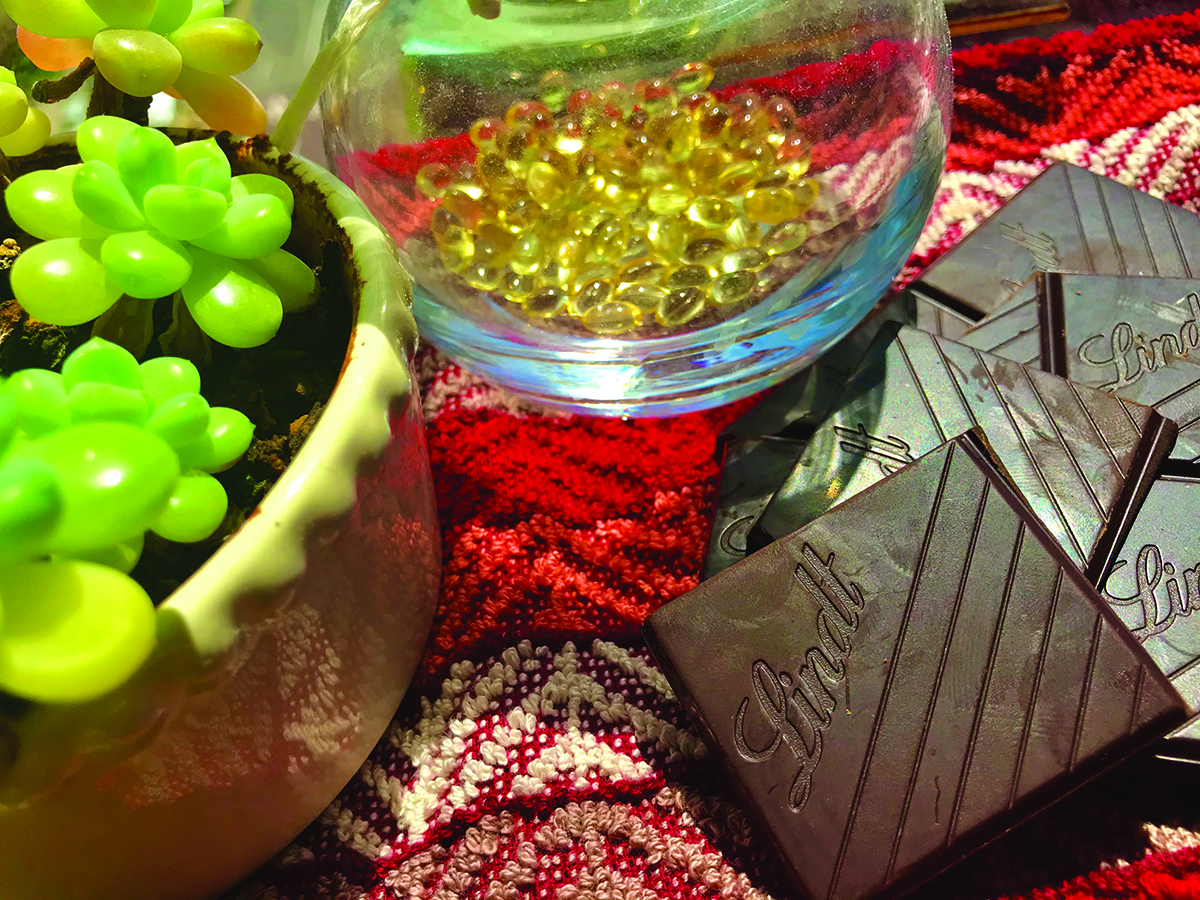
    Other individuals have a lack of vitamins and nutrients because of poor nutrition, and will need to develop healthier eating habits before any boost from supplements will help. Adopting a healthier nutritional attitude can be as easy as adding specific foods to your diet. Another study found the natural compounds in green tea, muscadine grapes, cacao and dark chocolate interact with the COVID virus to make it harder for it to propagate in humans. On the other hand, cholesterol was found to have the opposite effect, making COVID-19 more severe by interacting with the spike to increase concentrations of the virus. This supports evidence of more severe cases of the disease among overweight individuals.

    This confirms what we have known all along — the overall quality and balance of nutrition has a strong influence on our immune system’s ability to fight infection. Once the system is out of balance, it is vulnerable and more likely to result in a longer, more severe illness from the disease. Making up for lack of nutrition by taking lots of vitamins does little to restore the needed nutritional balance. It comes down to these basics:

    ❶ Eat a variety of fresh, raw produce
    ❷ Strictly limit processed foods and sugar
    ❸ Get regular exercise, preferably outdoors
    ❹ Maintain a healthy physical and mental equilibrium in your daily routine

    The goal here is not to load up on 1,000 percent of any particular supplement, most of which will be flushed out of the system, but to establish a good nutritional foundation, eat regular meals of the right size, and build on this base with natural supplements as recommended by your physician or naturopath.

    And of course, COVID-19 vaccines are now available to all age groups to give your immune system a head start in warding off the virus.


    ATTENTION PLUS CARE HOME HEALTHCARE
    Accredited by The Joint Commission
    1580 Makaloa St., Ste. 1060, Honolulu, HI 96814
    808-739-2811 | www.attentionplus.com
    AGING IN HAWAII EDUCATIONAL OUTREACH PROGRAM by Attention Plus Care — a program providing resources for seniors and their families, covering different aging topics each month. For class information and upcoming topics, call 808-440-9356.
    Facing the potential that the COVID-19 variants may keep this virus around, it makes sense that practitioners are looking for other treatments to slow the spread of the disease. The results of a clinical trial in India using two natural supplements to treat COVID-infected individuals showed that these herbal products can speed up recovery time…

  • Gerofit for Veterans

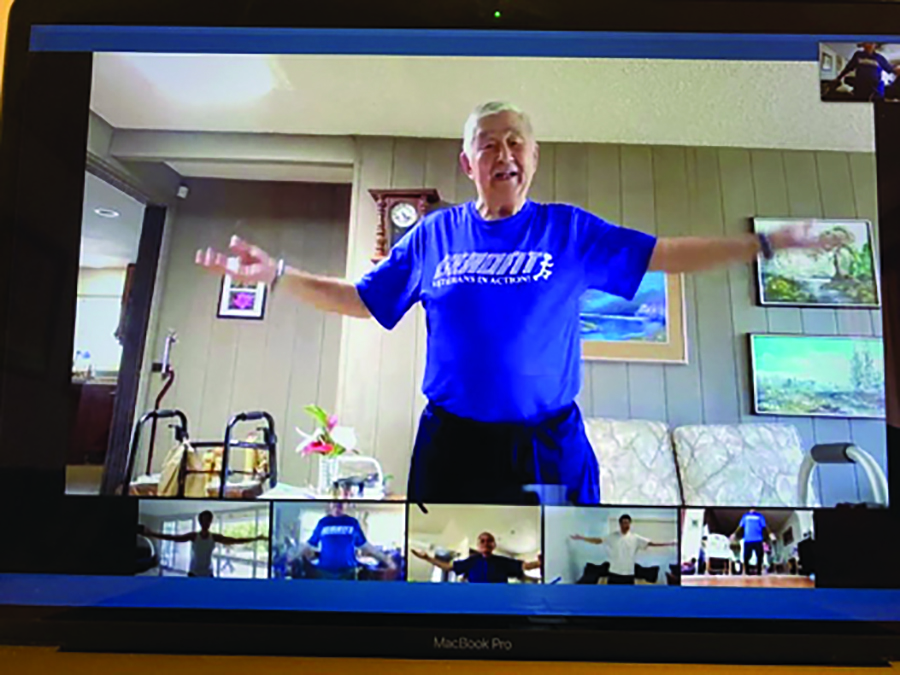
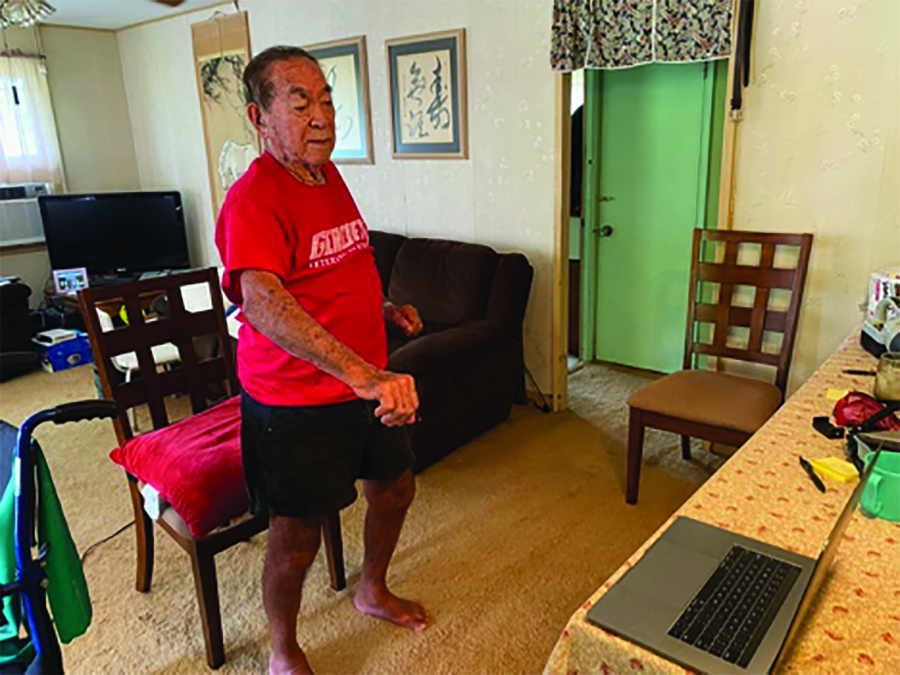
    Gerofit is a group-based exercise program for veterans aged 65 years and older. This program, meeting at the Veterans Affairs Pacific Islands Health Care Systems (VAPIHCS) in the Community Living Center (CLC), has transitioned to a telehealth-based exercise program offered two or three times weekly.

    Joe Kuroda (93) and Henry Lee (90) are active participants giving younger veterans aged 65 to 88 a purpose. In addition to being a former state Senator, Joe also served in World War II in the US Army, rising to the rank of colonel. Harold is a retired command sergeant major who served in three conflicts. Both lead by example, motivating those decades younger than them in exercising and the importance of a healthy lifestyle. To join Gerofit, you must be referred by a VA doctor.

    Gerofit has demonstrated improved health, mental, physical function and wellbeing for veterans.
    Gerofit has demonstrated improved health, mental, physical function and wellbeing for veterans.

    Classes are limited to seven per group, allowing the therapist/instructor to closely monitor the progress of each veteran. Currently there are six active groups. It was a challenge initially to convert to telehealth, but veterans eventually connected through iPads, tablets and personal computers and the program grew.

    When it is deemed safe to reopen the CLC, everyone is looking forward to returning for the comradery and potluck kaukau!


    VFW DEPARTMENT OF HAWAII (501(c) 3 nonprofit)
    438 Hobron Lane, Ste. 407, Honolulu, HI 96815
    808-946-7250 | adj@vfw-dept-hi.org
    www.vfw-dept-hi.org

    Gerofit is a group-based exercise program for veterans aged 65 years and older. This program, meeting at the Veterans Affairs Pacific Islands Health Care Systems in the Community Living Center, has transitioned to a telehealth-based exercise program offered two or three times weekly.

  • Easier Rider: Boomers Boost E-Bike Use

    Fueled by the pandemic, bicycling in general has experienced a boom. Biking is an ideal way to exercise while socially distancing.

    Electric bicycles (e-bikes), much like toilet paper, face masks and hand sanitizer, are another pandemic success story. As Americans emerged from lockdowns, most e-bike companies saw sales skyrocket. While people of all ages buy e-bikes as an eco-friendly, alternative means of transportation, seniors are the largest target market.

    E-bikes are revolutionizing cycling for senior adults, allowing us to ride longer, faster and with little or no pain. The low-impact exercise is simply easier on an aging body. With an e-bike, “over-the-hill”  boomers can get a little help getting over that hill without injuring muscles and joints.

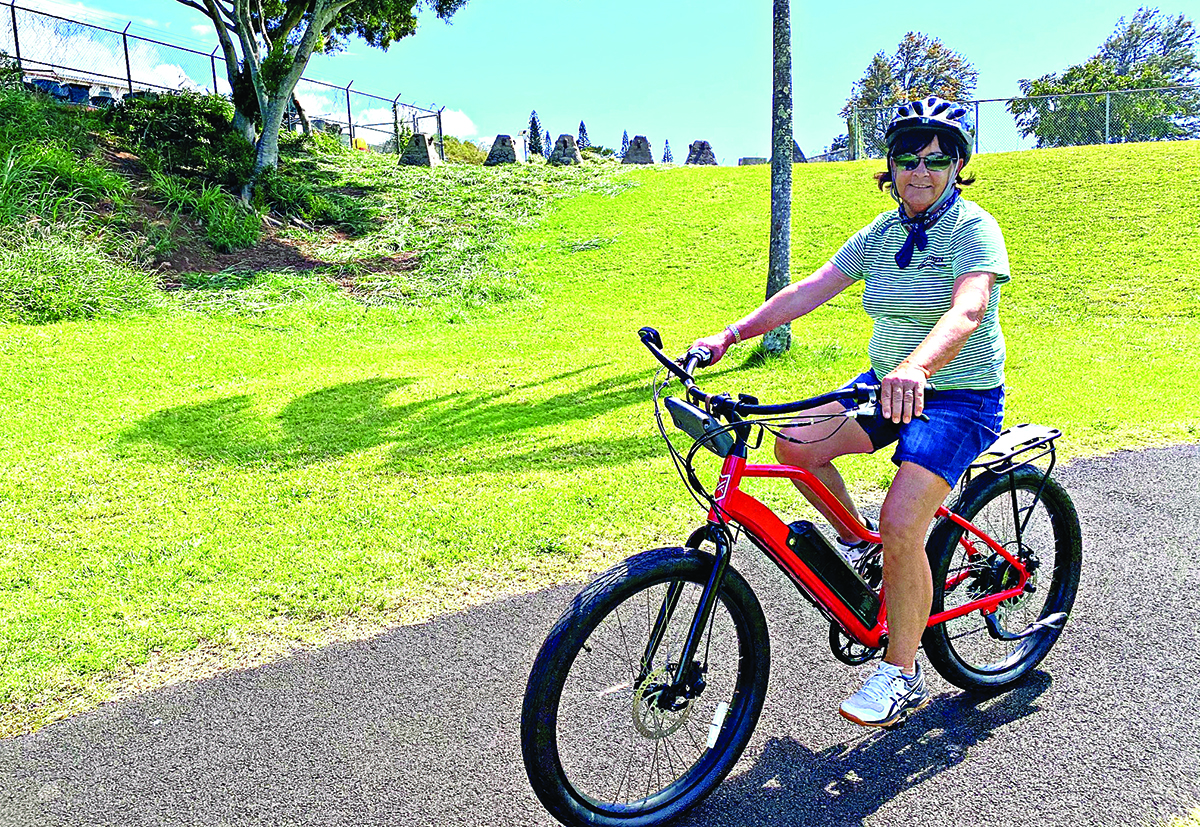
    Recently retired Maui schoolteacher Sharon Heinzman loves her new e-bike. “Its all the fun of a bike ride without all of the work battling Upcountry’s hilly terrain.”
    Recently retired Maui schoolteacher Sharon Heinzman loves her new e-bike. “Its all the fun of a bike ride without all of the work battling Upcountry’s hilly terrain.”

    Health Benefits

    Cycling improves cardiovascular health while pumping more blood to the brain, contributing to improved mood. Medical researchers have even discovered that cycling helps alleviate the symptoms of Parkinson’s and Alzheimer’s diseases.

    Seniors who bike together also reap social benefits in the safety of the great outdoors. Seniors who live in bike-friendly communities can use e-bikes as regular means of transportation to do shopping and errands.

    While riding an e-bike may not be as intense a workout as riding a regular bike, users are much more likely to ride longer and more often, because the e-bike experience is more enjoyable.

    How an E-bike Works

    E-bikes are conventional bicycles with assistive superpowers. Riders use gears and pedals most of the time, just like with a traditional bike, but have the option to give themselves a boost, thanks to a rechargeable lithium-ion battery-powered motor. The small motor can be engaged to help you whiz up hills and battle head winds more easily.

    Buying an E-Bike

    Just like traditional bikes, different models of e-bikes are available depending on the rider’s needs. The most popular styles for seniors are cruiser bikes, trikes and recumbents. E-bikes are more complicated and expensive than conventional bicycles, so you need to do your research.

    There are three classes of e-bikes: Pedal-assist electric bikes provide assistance only when the rider is pedaling and only up to 20 mph. Throttle-assist e-bikes let you use the motor without pedaling, also up to 20 mph. Speed pedal-assist e-bikes are similar to pedal-assist bikes, except the motor will assist with speeds of up to 28 mph.

    The average e-bike weighs about 50-plus pounds. Prices vary widely, starting at about $1,000 and going as high as $12,000.

    Find a bike shop in your area so you can test-ride a few and begin rolling back the years!

    For information about Hawai‘i’s e-bike laws, visit http://bit.ly/HawaiiE-bikeLaws.

    E-bikes are revolutionizing cycling for senior adults, allowing us to ride longer, faster and with little or no pain. The low-impact exercise is simply easier on an aging body. With an e-bike, “over-the-hill”  boomers can get a little help getting over that hill without injuring muscles and joints.

  • Do You Have a REAL ID?

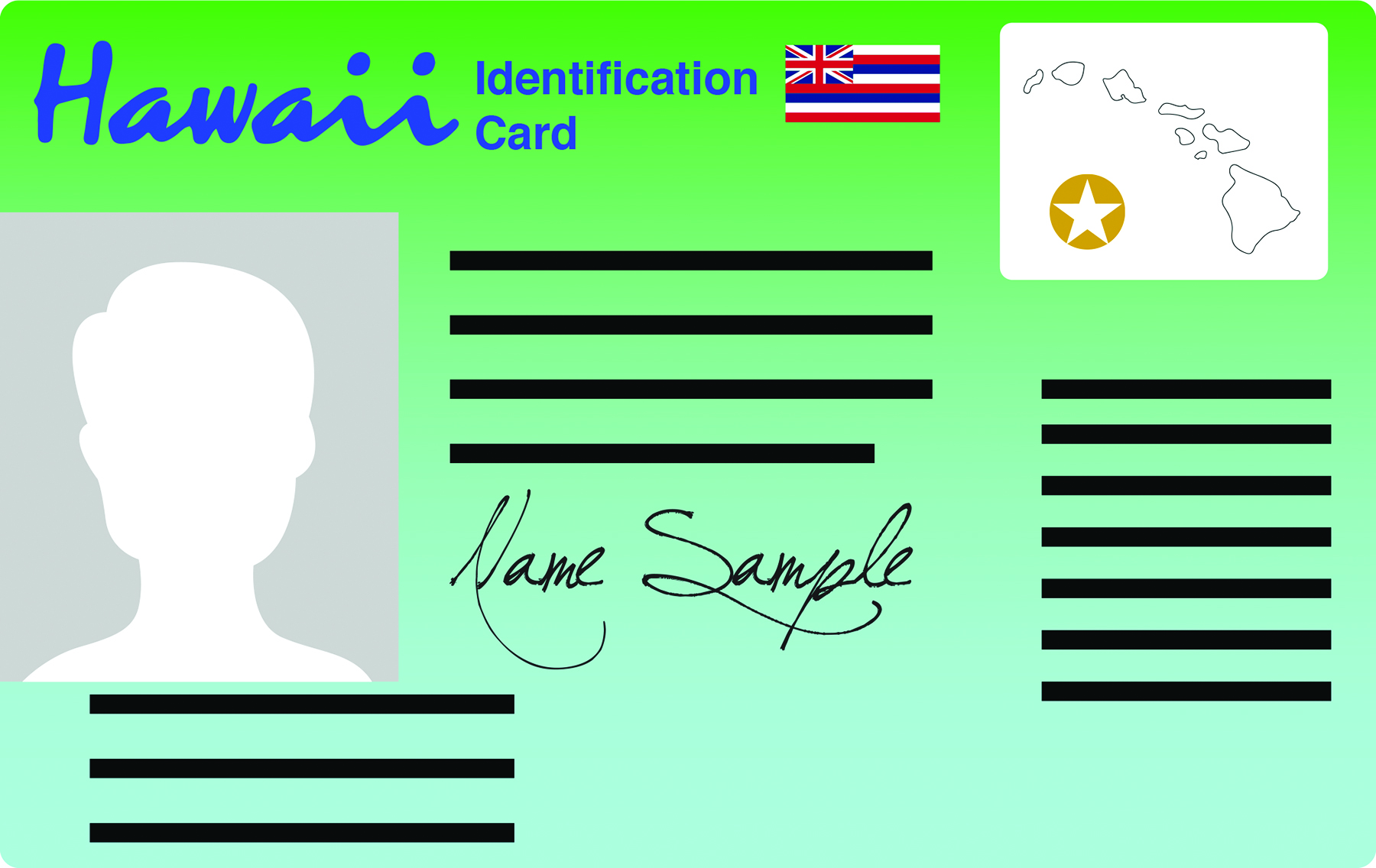
    In Hawai‘i, residents were asked to obtain a REAL ID-compliant Hawai‘i driver’s license or state identification card with the star in a gold circle marking by Oct. 1, 2020. But due to the COVID-19  pandemic, the Department of Homeland Security has extended the REAL ID enforcement deadline to Oct. 1, 2021.

    After Oct. 1, 2021, only federal-compliant REAL ID driver licenses and state ID cards will be accepted to get on domestic airline flights and to enter certain federal buildings and military bases. A US passport or military ID can be used as an alternate identification.

    When acquiring or renewing a driver license or state ID card, residents must indicate on the  application whether the card will be federal-compliant REAL ID. There is no additional fee for the star.

    Having a state ID is voluntary, not required, and typically used only by those who don’t have a driver license. You may hold a REAL ID-compliant driver license or state ID, not both.

    There is no rush to acquire one if your state ID is not nearing expiration. Valid Hawai‘i state ID cards are compliant with Department of Homeland Security standards until Oct. 1, 2021.

    A state ID costs $40 and is good for eight years. It can take six weeks for your permanent card.


    STATE ID ISSUING LOCATIONS FOR EACH COUNTY
    City/County of Honolulu: http://bit.ly/stateIDHonolulu
    Maui County: http://bit.ly/stateIDMauiCounty
    Hawai‘i County: http://bit.ly/stateIDHawaiiCounty
    Kaua‘i County: www.kauai.gov/DMV
    For more information: http://bit.ly/stateIDfaqs

    In Hawai‘i, residents were asked to obtain a REAL ID-compliant Hawai‘i driver’s license or state identification card with the star in a gold circle marking by Oct. 1, 2020. But due to the COVID-19  pandemic, the Department of Homeland Security has extended the REAL ID enforcement deadline to Oct. 1, 2021.

  • Adapting to a Changing Job Market

    This past year has has served as a glaring stoplight for many people who assessed their slim chances of ever working again. The truth is that the changes we have experienced — those due to COVID-19 and more — have opportunities embedded within their threats. As previously promised, here is a straightforward, basic planning model for future work. It’s a guiding light to follow as you plan to continue to work in one of several ways in the foreseeable future.

    Forget endless chronology and look instead at your unique interests, gifts and verifiable  accomplishments. Write  them down. What do you want to highlight in any work you do in the future? For example, you may have been working in a company full-time as an accountant. You loved some — but not all — of the work. The work you loved are the highlights you are selling to a future employer, client or customer. Ask former teammates for their strongest impressions regarding your contributions. Think about new areas of interest and how your strengths might be an asset. Ask yourself how the work you will do in your older years will contribute to achieving your goal of living a purposeful and even longer life?

    Keeping your interests in the forefront of your mind as you check the market. Where are the strongest opportunities that meet your interests? Be sure to check options beyond the fulltime job market because you may find that one of the strongest opportunities for mature workers is in the flexible workforce.

    The flexible workforce option is growing at warp-speed and is a treasured opportunity for many of us facing the need to continue to earn, learn and to be a part of a larger community.

    Yes, you may need to enhance your skills by learning how to use a laptop, the internet and social media. Fear alone, not competency, makes this hard for many seniors. Be aware that the answers to most of your questions about your future work are at your fingertips.

    Put this in perspective! Do you still drive in the crazy traffic on most of our islands? If so, learning to use the basic technology at your fingertips will seem simple by comparison.

    Where might you learn and/or improve your knowledge? Any adult school, the community colleges, the universities and vocational schools across all islands are here to help now.

    Finally, for today, ask yourself life’s central questions — “Am I creating the meaningful, longer lifetime I desire and deserve? What form of work, beyond the old-world of jobs, will help me achieve this goal?”

    In the next issue, I will address flexible opportunities in the field of health and wellness; options that are exploding for older workers.


    NEW WORKFORCE HAWAII
    Carleen MacKay
    916-316-0143 | carleenmackayhi@gmail.com
    www.linkedin.com/in/carleenmackay

    This past year has has served as a glaring stoplight for many people who assessed their slim chances of ever working again. The truth is that the changes we have experienced — those due to COVID-19 and more — have opportunities embedded within their threats. As previously promised, here is a straightforward, basic planning model…

  • Prepare Yourself to Sleep Better

    Have you ever examined your bedtime routine? You probably take care of basic bodily needs like brushing your teeth, but what about the rest of you? Where does your mind go? What about the stress and tension you’ve carried all day? Do you do anything to show your body and brain you really care about them?

    If you want to age well, getting proper rest is essential for your health, happiness and relationships. Quality of sleep is just as important as quantity when it comes to focusing and functioning well during the day. If you go to bed with stressful thoughts, you will probably not sleep well. If you do manage some shut eye, you may end up feeling tired in the morning.

    So how can you help yourself find better rest? Start by turning off the TV and putting your phone out of reach when you get in bed. Then, raise your feet and do some ankle rotations. Use your arms and hands to gently stretch your legs, hips and lower back as you inhale through your nose, and exhale long, slow breaths through your mouth.

    Say, “Thank you, body. Today has ended. Anything unfinished will still be there tomorrow. Rest now.” Release your thoughts and reassure your mind and body that all is well. Try it for a week. Your body and mind will thank you.


    KAIMUKI BODY & BRAIN
    3569 Harding Ave., #B, Honolulu, HI 96816
    808-738-5522 | www.bodynbrain.com/kaimuki

    Have you ever examined your bedtime routine? You probably take care of basic bodily needs like brushing your teeth, but what about the rest of you? Where does your mind go? What about the stress and tension you’ve carried all day?

  • Beware of COVID-19 Scams

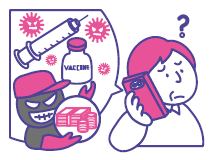
    Now that COVID-19 vaccination is in full swing along with economic relief packages from the federal government, scammers are using phishing emails and texts, bogus social media posts, robocalls,  impostor schemes and more to prey on the public. Federal and state agencies are reporting a flood of vaccine scams, with phony websites and email campaigns promising easy and early access to coronavirus shots. They also anticipate a rise in financial stimulus scams targeting relief payments, unemployment benefits and small business loans.

    From the earliest beginnings of the COVID pandemic, fraudsters have been luring consumers with fake remedies; now they’re using the vaccine rollout as bait to lure unsuspecting consumers.

    The Hawai‘i Department of Health and Human Services says consumers should be on the lookout for the following signs of vaccine scams:

    • Requests that you to pay out-of-pocket to receive a shot or get on a vaccine waiting list
    • Ads for vaccines via websites, social media posts, emails or phone calls
    • Marketers offering to sell or ship doses of COVID-19 vaccines

    The FBI says con artists are still advertising fake COVID-19 antibody tests to mine personal  information to be used in identity theft or health insurance scams. This includes fake unemployment filings and even stealing one’s stimulus check.

    Other scammers claim to be selling or offering supplies such as masks, test kits and sanitizers, often in robocalls, texts or social media ads.

    Scammers are also impersonating banks and money lenders, offering bogus help with bills, credit card debt or student loan forgiveness.

    Beware of calls, texts or emails, and social media posts originating from what appear to be  government agencies that instruct you to click a link, pay a fee or confirm personal data (your Social Security number) to secure your stimulus check.

    The FTC and the Justice Department also issued an alert about phishing texts and phone calls that are supposedly from contact tracers, warning you that you’ve been exposed to someone with COVID-19. If you click the text message link, malware downloads to your device. These messages will appear to be from actual businesses or government agencies, but clicking on links or downloading attached files could enable the theft of personal information and your identity. Messages from actual contact tracers will not include a link, or ask you for money or personal data.

    Also use care when conducting an internet search for coronavirus information. Are you going to the actual CDC or WHO website, or to a scam portal created by a cybercriminal?


    Christopher Duque | aikea808@gmail.com

    Now that COVID-19 vaccination is in full swing along with economic relief packages from the federal government, scammers are using phishing emails and texts, bogus social media posts, robocalls,  impostor schemes and more to prey on the public.

  • Finding Freedom Once More

    COVID-19 impacted this industry greatly — it may never be the same again. We had to stop large gatherings, monthly meetings and communal dining, restrict visitors, volunteers and even family members who uplifted our community on a daily basis, and social distance ourselves when hugs and closeness were once shared.

    Many administrators like myself had to take swift action to attain the balance of retaining the simple freedoms of our residents and fighting to keep our communities safe.

    Over a year later, the pandemic continues to defer our freedom — the freedom to do what we please, visit with others at any time and travel anywhere in the world to live our best life.

    Independence Day 2021 will be a period of reflection on our own personal freedoms and our nation’s. Don’t give up hope; we are turning a new leaf. It will take courage to gain back our freedom and a sense of peace.


    ROSELANI PLACE (501(c) 3 nonprofit)
    88 South Papa Ave., Kahului, Maui, HI 96732
    808-871-7720 | Toll Free: 800-554-9853
    info@roselaniplace.com | www.roselaniplace.com

    The overall mission for senior living communities is to provide socialization, wellness, a sense of community and independence. As the general manager for Roselani Place, my mission is to enrich the lives of our kūpuna and manifest my passion to enable them to live their lives to the fullest each and every day.

  • Dealing With Our Feelings

    No problem has ever been resolved through emotional upheaval.

    As I mentioned in my April/May column (“Nine Coping Skills For Managing Stress”), to find our way to productive solutions, we’ll first want to deal with our feelings.

    Feelings are important because they can tell us what we need to do. To deal with our feelings, we must name them, realize it’s ok to feel them and express them in a safe way. Then we can decide what to do to feel better.

    It’s ok to have negative feelings. But owning our feelings rather than blaming others for them is the key to a sustainable resolution.

    Using the “I feel” sentence is helpful, for example, “I feel lonely because I’m social distancing for my safety.” Remember, life is 10 percent what happens and 90 percent how we respond. No one makes us do or feel anything. We are responsible for our feelings or responses. So if we own our feelings and actions, we’ll be on our way to more reasonable outcomes.

    To change or break a negative response pattern, note these few physiological facts:

    • Our brain needs oxygen to think clearly.
    • Negative feelings like anger and fear trigger adrenaline, shifting oxygen from our brain to our air passages to provide our muscles with the oxygen needed for flight-or-fight responses.
    • Without oxygen, our brain focuses on familiar reactive, defensive response patterns rather than proactive, solution-oriented, productive outcomes.

    To relearn and find helpful stopgaps to break patterns, we’ll first need to agree there’s an issue we’d like to change. Once motivated to change, we’ll face the realization that change is a challenging process. But with patience, persistence and practice, anyone committed to change can break the habit of engrained negative response patterns.

    The simplest tool used to manage a stressful event is the STOP sign acronym technique: Stop, Think, Options, Plan.

    If we stop our undesirable emotions before they escalate, we’ll automatically think of options and create a more reasonable plan. By stopping, we’ll breathe, calm down and reach a better plan than if we fly out of control driven by emotions.

    Because we are all human, we all experience negative emotions. But it’s what we do with them that defines us. Working toward eliminating personal attacks or put-downs will enhance the quality of our relationships with ourselves and others. Learning to manage stressors also improves our physical and mental health.

    Accept imperfection, practice forgiveness, and give yourself and loved ones a break.


    RICK TABOR
    GM Community Development Director
    808-285-5936 | Rick@Generations808.com

    Feelings are important because they can tell us what we need to do. To deal with our feelings, we must name them, realize it’s ok to feel them and express them in a safe way. Then we can decide what to do to feel better. It’s ok to have negative feelings. But owning our feelings…

  • How to Navigate Travel Requirements & Restrictions During the COVID-19 Pandemic

    An interview with Kevin Kaneshiro, Sales & Promotions Manager at Vacations Hawaii

    How has interisland travel changed for Hawai‘i residents during the pandemic?

    With frequent changes to travel requirements, make sure to check for updates  prior to your travel. As of April 5, 2021, Neighbor Island travelers entering O‘ahu do not need a test and no quarantine is required. If you are entering Kaua‘i or Maui counties, you can avoid a 10-day quarantine with proof of a pre-approved negative test within 72 hours of your arrival. For Maui, you will also have to  download the AlohaSafe Alert app (www.alohasafealert.org). For the Big Island, visitors can either do the 72-hour pre-test like the other islands or they can quarantine until negative test results confirmed from a post-arrival test.

    How does the proof-of-vaccination process work for interisland, mainland and international travel?

    Whether traveling interisland or out of the state, you will first need to set up your Safe Travels account at www.travel.hawaii.gov before your arrival to Hawai‘i. You will then need to get a PCR test (polymerase chain reaction) or NAAT (nucleic acid amplification test) from a State of Hawai‘i-approved testing site within 72 hours prior to your arrival. Most results take up to 48 hours, so you will want to take that into account when scheduling your test. Most COVID-19 test
    sites will direct you to the valid test dates to book when you submit your arrival date.

    Many testing locations require you to make a reservation online. Once you take your test, the company will email you a positive or negative test result in the form of a PDF. If negative, you can then upload the result to your State of Hawai‘i Safe Travels account or you can print a copy of your result to present upon arrival at your destination. I recommend both  uploading your result and printing a copy as a backup.

    At your destination, present your negative test result on your Safe Travels account and you’re done. If you don’t already have it uploaded to your account, you would then need to process your negative test result at the airport with a representative. Lastly, within 24 hours of your arrival, you will want to fill out the 24-hour health questionnaire on the Safe Travels Hawaii site. Once complete, you will receive a QR code that will save you time at the airport.

    What kinds of protections have been put in place for kūpuna visiting Las Vegas?

    On Omni Air charter flights and at all Boyd Gaming Hotels, enhanced cleaning, disinfecting and sanitization measures have been put in place. An electrostatic fogging sprayer further sanitizes the aircraft. Boarding protocols to allow for social distancing have been established. All flight attendants and passengers wear masks or face coverings during the flight. Pillows and blankets have been removed from the planes, so you may want to bring your own and/or warm outer apparel. Bottled water, canned soda, coffee or tea will be offered only with meal service. Customers are encouraged to bring their own beverages.

    At Vacations Hawai‘i hotel properties, temperature checks are being conducted upon arrival. All guests are required to wear facial coverings. Hand sanitizer is available and complimentary for all guests. Guest spaces are cleaned and disinfected multiple times daily with EPA-approved products. This includes slot machines, chairs, table games, restaurants, kitchens, restrooms, doors, handrails, counters, ATMs, kiosks and Team Member areas. The frequency of air filter replacement and HVAC system cleaning has been increased. Slots, table games, and restaurant and bar seating are configured, and limited to adhere to social distancing recommendations. Guest occupancy limits are followed in retail shops, and banquet and meeting spaces.

    Hawai‘i-bound travelers can bypass the 10-day quarantine by receiving a negative COVID test result within 72 hours of their return to Hawai‘i. Convenient COVID testing in Las Vegas provided by Worksite Labs is available at the Main Street Station for Vacations Hawaii and Hawaiian Airlines customers.

    These PCR nasal swab tests do not require assistance. All customers must be scheduled no later than 72 hours before the departure of the last leg of the journey. The price per test starts at $90.

    To qualify for a test, you must have an upcoming Hawaiian Airlines or Vacations Hawaii flight with a Hawaiian destination in the next 72 hours and proof of a ticket.

    Hours of operation are 6am to 2pm, seven days a week. An appointment is required and can be made at www.schedulecovidtesting.com.

    Walk-up testing will take place in the Main Street Station Social Club; drive-through testing will be held in the parking area immediately outside the Social Club (around the Main Street garage entrance).

    Is there any way to arrange special meals?

    Due to COVID restrictions, we cannot accommodate special meal requests at this time. Current meals consists of prepackaged items such as sandwiches, chips and candy. You may also bring your own food onboard for a long trip.

    What accommodations can be provided for someone who requires a wheelchair?

    You have the option of bringing your own wheelchair on Omni Air charter flights. There is no charge for transporting the wheelchair. Airport wheelchair service is available curbside; travelers will also receive assistance boarding the plane.

    The same service in reverse will be provided upon arrival. Should you need a lift bus to eliminate walking up the steps of the bus or an aisle chair to be transported to your seat on the airplane, let us know and it will be arranged. We can also assist you with wheelchair rental.

    What travel safety tips do you recommend for kūpuna traveling to Las Vegas?

    Do your research prior to travel as to COVID restrictions and requirements for your destination. If you don’t have a mobile phone for uploading your test result, make sure you have access to a place to print a hard copy. Most hotels will assist or will direct you to a location that can help, like an internet café, FedEx or UPS store.

    What changes do you foresee in your industry?

    A vaccination passport, which would allow vaccinated people the ability to travel and interact with others with less  restrictions, is gaining support. As more become vaccinated, I believe this could work. After you get vaccinated, keep your vaccination card handy. That card may become a requirement for some venues.

    Whether traveling interisland or out of the state, you will first need to set up your Safe Travels account at www.travel.hawaii.gov before your arrival to Hawai‘i. You will then need to get a PCR test (polymerase chain reaction) or NAAT (nucleic acid amplification test) from a State of Hawai‘i-approved testing site within 72 hours prior…

  • A Retirement Dress Rehearsal Can Ease Emotional & Financial Concerns

    Two emotions are likely to strike those who are nearing retirement — excitement and fear. Leaving the world of alarm clocks and offices and having time to pursue your own passions on a daily basis is liberating — but the apprehension of entering a new life stage can easily creep in. Although work-related stress will disappear, the responsibility of filling each week in a satisfying way can be a challenge. Top that off with the ever-present concern about long-term financial security in retirement and the nerves can grow even greater.

    The truth is, feeling excitement and fear is okay, but what if your retirement isn’t everything you envisioned it to be before you left the workforce? What if life after work turns out to be far different from your expectations?

    Consider a practice run

    If you’re nearing retirement, you’ve likely taken steps to prepare financially for the future. But there’s one important thing you might not have considered adding to your pre-retirement checklist — a practice run. How you choose to spend your time (and in many cases, your money) in retirement is your decision to make, but it’s not always an easy one. As we age, our interests, hobbies and relationships change. What you may consider your “ideal” retirement when you’re 55 may not fit when you’re 65. This evolution can make it hard to plan accurately for retirement.

    To the extent you’ve made a financial commitment to a certain lifestyle, this can pose real problems. If you’ve already committed a significant amount of savings toward a particular lifestyle (a home in another part of the country or a trip around the world for a year), changing your mind in 10 or 15 years could throw a wrench in your long-term financial plan.

    Those who have based their financial plan for retirement on the idea that they will be living in a new location may benefit from a practice run before making the big move. It’s natural to change your mind about what you want, but it’s better to understand the potential implications of changing your mind before you actually retire, as they can have unintended consequences.

    Smiling senior couple using a mobile phone together in the kitchen

    For example, consider an individual who has lived his entire life in New York, but moves to Florida when he retires — where taxes and cost-of-living are generally lower. Deciding after several years to relocate back to New York to be near family — where cost of living and tax rates differ — can mean the dollars he’s saved will have to be reallocated and his savings may not go as far as he’d planned.

    The idea of practicing retirement may also mean leaving the 40-hour work week for something that’s more part-time. Some people may want to take a part-time role with their current employer, or work as a consultant to continue  experiencing the challenge of work. This also can offer important financial benefits that help preserve their nest egg.

    Time for a financial rehearsal

    Practice can also be beneficial in another way — by simulating how to manage your expenses in retirement. The idea that your cash flow no longer comes from a reliable paycheck, but from other sources, like Social Security and personal savings, can come as a shock — even to those who are well-prepared for this change. One idea to accomplish this is to run two accounts for a certain period of time. Through one account, manage all of your household and lifestyle expenses that you expect during retirement. This includes the costs for necessities like food, clothing, shelter, utilities, taxes and insurance, as well as “nice-to-have” items like dining out, traveling, etc.

    Keep in mind that you may have to estimate or inflate your lifestyle expenses for retirement as they could rise when you have more free time. The best way to get a handle on these expenses is to experience them while you’re still working. Take that trip to Europe before retirement and find out firsthand what you can do within your budget. If the cost is different than expected, make adjustments to your financial projections to more accurately reflect reality.

    Through the second account, manage all of your expenses that are expected to end in retirement, like principal and interest on a mortgage payment (if your home will be paid off), current car payments (although car payments can certainly happen again in retirement), college costs for your kids and contributions to retirement plans.

    Perfecting life in retirement

    A little practice can go a long way toward easing emotional and financial concerns when it comes to making the jump into retirement. A retirement trial run may not answer all of your questions — and it doesn’t necessarily include the unexpected events that can often throw retirement off track — but doing it for six months or so can be very beneficial in determining if your budget and lifestyle expectations during retirement are realistic. Consider working with a financial advisor who can help you determine a budget and a retirement income plan that fits your needs and desires for retirement.


    MICHAEL W. K. YEE, CFP,® CFS,® CLTC, CRPC®
    1585 Kapiolani Blvd., Ste. 1100, Honolulu, HI 96814
    808-952-1222, ext. 1240 | michael.w.yee@ampf.com
    Michael W. K. Yee, CFP,® CFS,® CLTC, CRPC,® is a Private Wealth Advisor, Certified Financial Planner™ practitioner with Ameriprise Financial Services Inc. in Honolulu, Hawai‘i. He specializes in fee-based financial planning and asset management strategies, and has been in practice for 36 years. Investment products are not federally or FDIC-insured, are not deposits or obligations of, or guaranteed by any financial institution, and involve investment risks including possible loss of principal and fluctuation in value. Investment advisory products and services are made available through Ameriprise Financial Services LLC., a registered investment advisor.
    Ameriprise Financial Services LLC. Member FINRA and SIPC.
    © 2020 Ameriprise Financial Inc. All rights reserved.


    Two emotions are likely to strike those who are nearing retirement — excitement and fear. Leaving the world of alarm clocks and offices and having time to pursue your own passions on a daily basis is liberating — but the apprehension of entering a new life stage can easily creep in. Although work-related stress will…

  • Save Yourself From Sympathy Scams

    In a sympathy scam, a con artist plays on the victims’ emotions in order to extract money from them. Typically, you see a lot of these scams stemming from a tragedy that is highly publicized.

    The first time I saw a sympathy scam in action was when I was young. My school passed out plastic banks that looked like loaves of bread, and students were supposed to take them trick-or-treating and ask for loose change. The money was to go to starving kids in Ethiopia. Let’s just say not all of the money made it to Africa.

    Recently, however, I have been seeing a variation of the sympathy scam that is not only playing on the victim’s feelings of guilt and compassion, but also giving them a belief that they will become rich as well. The scammer tells them that the more charitable they are, the more money they will make.

    Young man wearing casual white t-shirt looking positive and happy standing and smiling with a confident smile showing teethThe con starts out by asking the victim what good works they would do if they were rich. Upon learning about these pure desires, the scammer will deem the victim worthy enough to be let into this secret and exclusive opportunity to make so much money that they can finance their charitable goals, and in fact, they themselves could become wealthy.

    Victims are asked to draft a proposal that explains in detail what their charity would actually look like. Some victims have reported going to print shops and advertising agencies to create professional looking presentations. I have heard about victims designing schools for disabled children, planning hula programs for the deaf and designing free hospitals. So excited and distracted about these charitable acts that they are going to perform with their riches, the victims don’t think twice about the “investing” portion of the process and give money to seed the venture and help grow that money tree.

    If the victim questions the economics of the process (like, “How does helping more people make you more rich” or “Why haven’t I gotten any money back yet?”), they are either told confusing economic mumbo jumbo and assured this is how big charities work and why celebrities support them, or are questioned about their sincerity of wanting to help others.

    Guilt and compassion are the con artist’s favorite emotions. Never make financial decisions based on feelings.


    If you suspect elder abuse, call these numbers:
    Police: 911 | Adult Protective Services: 808-832-5115
    Elder Abuse Unit: 808-768-7536
    For questions, email ElderAbuse@honolulu.gov

    In a sympathy scam, a con artist plays on the victims’ emotions in order to extract money from them. Typically, you see a lot of these scams stemming from a tragedy that is highly publicized.