Category: Articles

  • The Long Goodbye

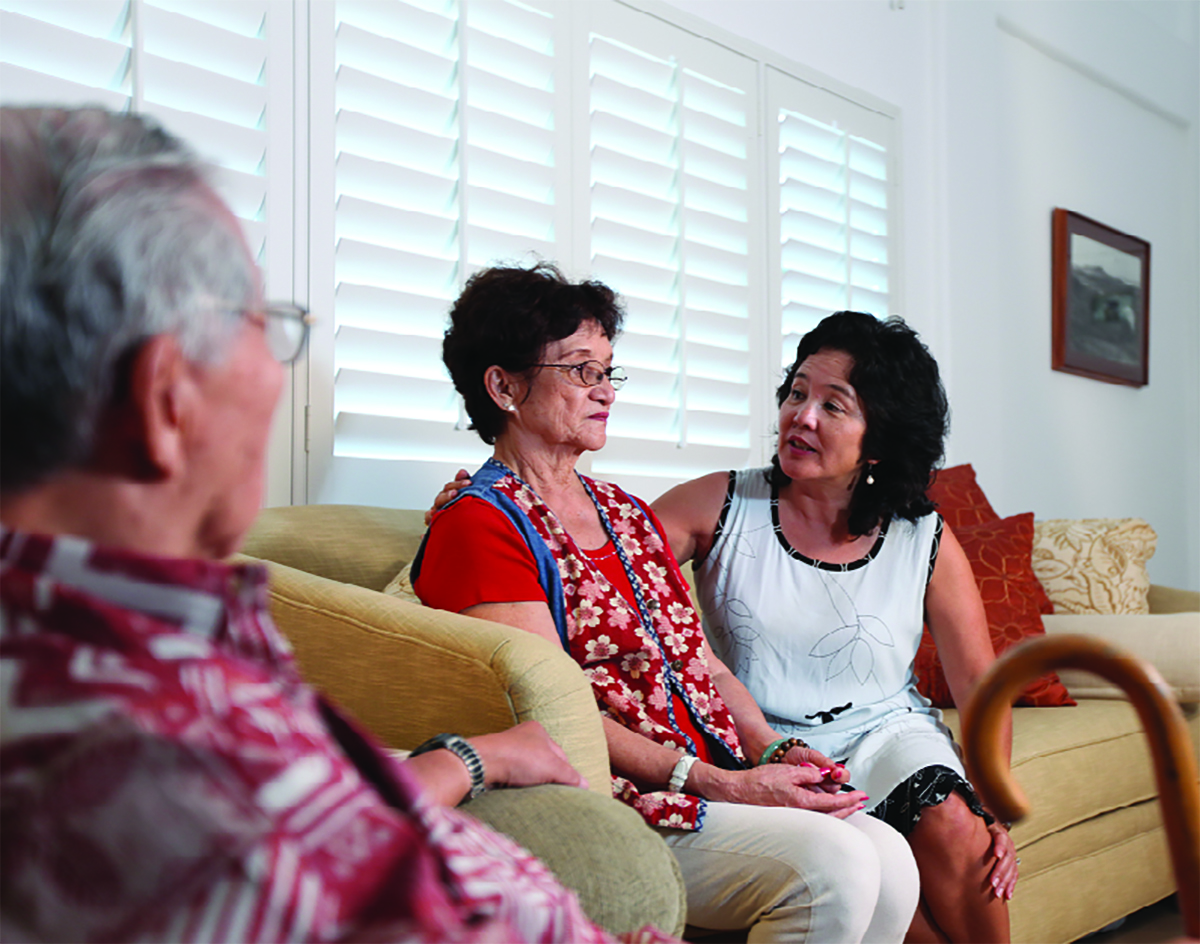
    Usually, events that necessitate a goodbye are seen as sad… or at least poignant. In our younger years, we expected these goodbyes to be temporary — we knew we were going to see them again! As we get older, we start to understand that a goodbye may mean moving so far away that visiting will be unlikely and the relationship we loved may be permanently changed. And then come the goodbyes we know are final — the farewells at the end of a life that leave us with only memories of a loved one.

    Waking each caregiving day and finding your loved one still breathing is another opportunity for you to cherish that life — an opportunity to set aside words spoken in frustration yesterday. Today is another opportunity to smooth the worried brow of a person unable to finish their days on Earth on their own terms. Today gives us another chance to learn better ways to say goodbye.

    Although caregivers can get easily get caught up in a myriad of daily details that need constant attention, they also need to remember that caregiving is often a long, slow goodbye. Help ensure this final goodbye is a sweet one by telling your loved one what they want to hear from you — reassurance that you love them, what they mean to you and positive memories of the wonderful times you’ve shared.


    THE CAREGIVER FOUNDATION (501(c) 3 nonprofit)
    926 3rd St., Pearl City, HI 96782
    808-625-3782 | info@thecaregiverfoundation.org
    www.thecaregiverfoundation.org

    Usually, events that necessitate a goodbye are seen as sad… or at least poignant. In our younger years, we expected these goodbyes to be temporary — we knew we were going to see them again! As we get older, we start to understand that a goodbye may mean moving so far away that visiting will…

  • Signs That Mom Needs More Help

    Family members must prepare now for the day their senior needs more help — the kind of help that may require them to reprioritize their lives. If only there were a date set aside for this change in everybody’s life. But we must keep in mind that a sudden fall or illness could change everything — and it could happen at any time.

    Our seniors can have active lives up until the day they don’t. Then, family members may have to change directions suddenly. This may involve taking time off work and moving other commitments to the back burner.

    However, we can look for signs that indicate our senior may soon be needing a bit more help. Here are a few to look out for:

    AGE: The older your senior is, the closer they will be to needing help, especially if they are slowing down physically.

    MEMORY: Forgetfulness could be a sign of illness affecting the brain or other systems. This symptom generates worry for family members who must leave their senior alone for long periods of time.

    DRIVING: If your senior is not driving anymore because it is not “safe” due to visual problems, mobility issues or cognitive concerns, this may be a sign that other tasks are not easy for them as well.

    WEIGHT LOSS OR DEHYDRATION: These are real concerns that indicate they are not eating or drinking enough. Frequent urinary tract infections may indicate not enough fluid intake or poor personal hygiene in the bathroom.

    UNPAID BILLS/UNOPENED MAIL: Our seniors like to have control over their finances until there comes a day when they stop opening their mail. This is a clue they are either forgetting to do it or its not a priority for them anymore.

    FREQUENT PHONE CALLS WHILE FAMILY IS AT WORK: If family members are receiving frequent calls from their senior during working hours, it may mean things are about to change. These frequent calls can indicate loneliness, forgetting that they just called or anxiety about something they have no control over.

    FALLS: This could be the “last straw,” especially if the fall results in an injury. Family members may have to find outside help to monitor their senior for safe mobility while they are away at work.

    Just like planning ahead for disasters, planning for the day your senior needs help should be a priority, so being aware of some of the scenarios above should be on your radar.

    Of course, your senior will deny they need help and may say something like, “I don’t want you to worry about me. I can take care of myself.” But if you feel that twinge in your gut telling you that what you are seeing is not consistent with what they are saying, don’t ignore it! Now may be the time to move into a different role for your senior or the time to seek outside help.


    ATTENTION PLUS CARE HOME HEALTHCARE
    Accredited by The Joint Commission
    1580 Makaloa St., Ste. 1060, Honolulu, HI 96814
    808-739-2811 | www.attentionplus.com
    AGING IN HAWAII EDUCATIONAL OUTREACH PROGRAM
    by Attention Plus Care — a program providing resources for seniors and their families, covering different aging topics each month. For class information and upcoming topics, call 808-440-9356.

    Family members must prepare now for the day their senior needs more help — the kind of help that may require them to reprioritize their lives. If only there were a date set aside for this change in everybody’s life. But we must keep in mind that a sudden fall or illness could change everything…

  • Diabetes and Hearing Loss

    Diabetes disproportionately affects older adults. Approximately 25 percent of Americans over the age of 60 years have diabetes. The aging of the US population is widely acknowledged as one of the drivers of the diabetes epidemic.

    Although the burden of diabetes is often described in terms of its impact on working-aged adults, the disease also affects longevity, functional status and risk of institutionalization for older patients.

    While diabetes can be managed effectively, living with the disease as you get older presents some unique challenges. Every day offers a new hurdle. And as you age, jumping over those hurdles can become a bit more challenging — but it’s not impossible. Although increased risk for specific complications increases with age, with diligence and care, you can properly mitigate those risks.

    More than 37 million people in the US have diabetes and an estimated 34.5 million have some type of hearing loss. Many are experiencing both concurrently.

    A recent study found that hearing loss is twice as common in people with diabetes as it is in those who don’t. Also, of the 133 million adults in the US who have prediabetes, the rate of hearing loss is 30 percent higher than in those with normal blood glucose (blood sugar).

    It is not understood exactly how diabetes is related to hearing loss. It’s possible that the high blood glucose levels associated with diabetes cause damage to the small blood vessels and nerves in the inner ear in the same way diabetes can damage the eyes and the kidneys. But more research needs to be done to discover why people with diabetes have a higher rate of hearing loss.

    Since it can happen very slowly, the symptoms of hearing loss can often be hard to notice. In fact, family members and friends sometimes notice the hearing loss before the person experiencing it does.

    Signs of hearing loss:

    • Frequently asking others to repeat themselves
    • Trouble following conversations that involve more than two people
    • Thinking that others are mumbling
    • Problems hearing in noisy places, such as busy restaurants
    • Trouble hearing the voices of women and small children
    • Turning up the TV or radio volume so that it becomes too loud for other people who are nearby
    • Being unable to understand conversations over the telephone

    Talk to your primary care doctor if you suspect hearing loss. You may then want to seek help from hearing specialist, such as an audiologist, a licensed hearing aid dispenser or a doctor who specializes in hearing problems. From a full hearing exam, you’ll learn more about your hearing loss and what can be done to treat it.

    The American Diabetes Association in Hawai‘i is here to help. Learn how to thrive with type 2 diabetes through the ADA’s year-long program. Sign up for free at www.diabetes.org/living.


    AMERICAN DIABETES ASSOCIATION — HAWAI‘I (501(c) 3 nonprofit)
    808-947-5979, ext. 7035 | Lleslie@diabetes.org
    ADAHawaii@diabetes.org
    www.diabetes.org/get-involved/community/local-offices/hawaii

    Diabetes disproportionately affects older adults. Approximately 25 percent of Americans over the age of 60 years have diabetes. The aging of the US population is widely acknowledged as one of the drivers of the diabetes epidemic. Although the burden of diabetes is often described in terms of its impact on working-aged adults, the disease also…

  • Nursing Homes Should Prioritize Oral Health

    Poor oral health can affect overall physical health at any age. Without treatment, poor oral health can lead to pain, infection, malnutrition and even serious illnesses. Therefore, it’s important to incorporate good oral health habits into all stages of life. So if you’re weighing options for a long-term care facility for yourself or a loved one, ask them how oral health practices are incorporated into their care program.

    More long-term care homes have expanded their nurse training to incorporate dental care. For example, the HDS Foundation created the Kupuna Smiles — Oral Health Training Program for nurses and other professionals who provide healthcare for seniors. Through this program, dental hygienists have conducted hands-on training for more  than 80 registered nurses, certified nurse assistants and the managerial nursing staff of The Clarence TC Ching Villas at St. Francis in Liliha. Hygienists instructed each staff member on how to properly brush and floss patients’ teeth and care for dentures, reach difficult spots in the mouth, work carefully around mouth sores and identify signs of decay.

    Long-term care facilities should prioritize oral health, especially if patients are unable to brush and floss on their own. The formula for good oral health is to brush, floss and see a dentist so you can live well and smile more!


    HAWAII DENTAL SERVICE (501(c) 4 nonprofit)
    Kahala Howser, Wellness & Events Manager
    808-521-1431 | khowser@hawaiidentalservice.com
    www.HawaiiDentalService.com

    Poor oral health can affect overall physical health at any age. Without treatment, poor oral health can lead to pain, infection, malnutrition and even serious illnesses. Therefore, it’s important to incorporate good oral health habits into all stages of life.

  • Swedish Massage Eases Aches & Pains

    As we age, it may become more difficult to get a full night’s rest. This is caused by many things: changes in your body’s internal clock, spending less time outdoors or moving and a decrease in the hormones that help aid in sleep. It is a common misconception that we need less sleep as we get older. Sleep is still very important. Adults over age 65 should strive to get seven to eight hours of sleep a night.

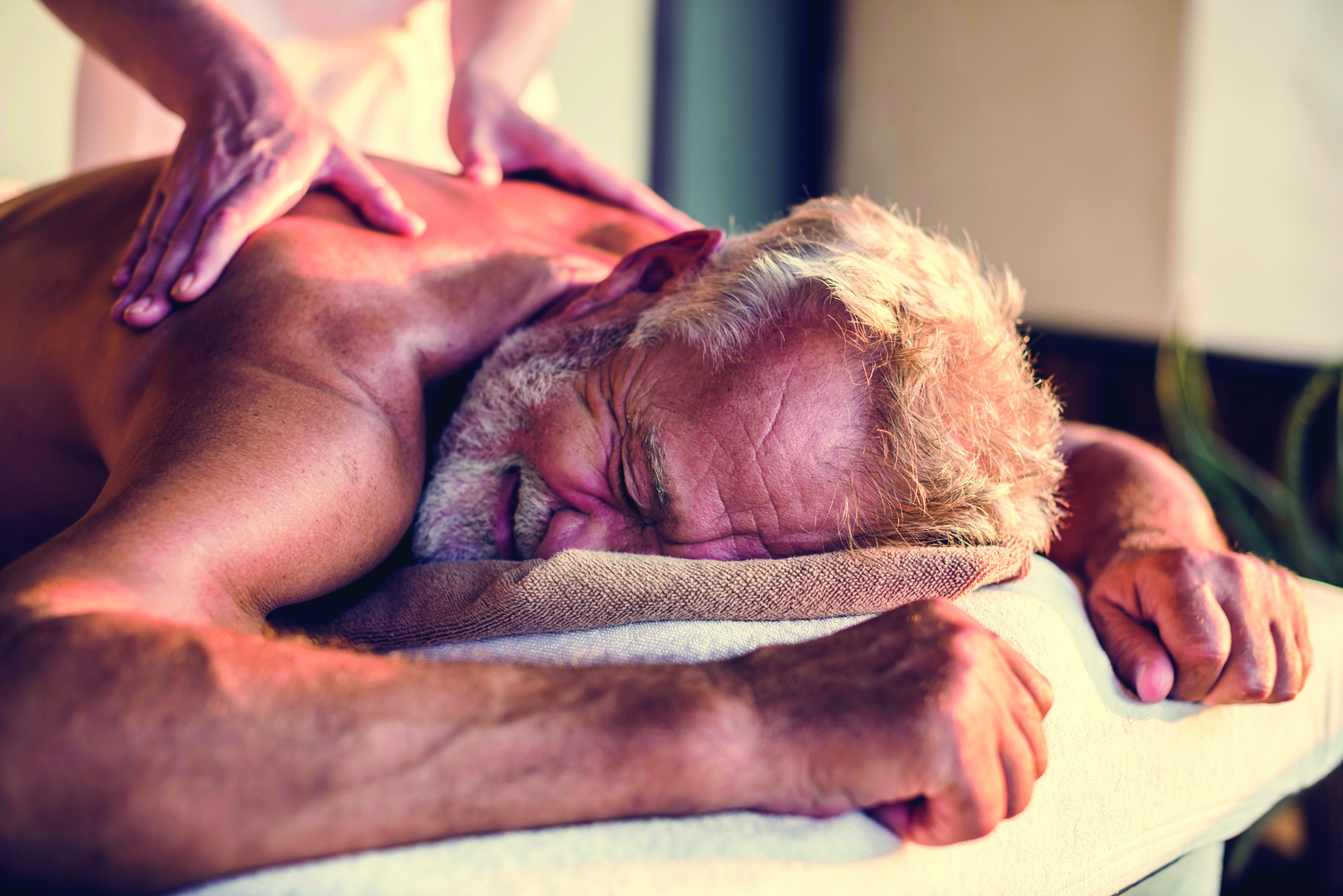
    Swedish massage, which should already be a part of your regular wellness routine, can also help you get a better night’s rest because it helps the body release serotonin and dopamine. These hormones help you relax and feel good, and can help your body achieve more restful sleep.

    Another fantastic benefit of Swedish massage is its ability to connect you with your body again. As we age, there is tendency toward less  movement. This can be because of injuries, or lack of balance or mobility. When we move less, we become less in tune with our bodies. A huge part of massage is to bring that awareness back.

    In addition, humans are social beings and need physical touch. When babies are born they crave being held. The simple act of being carried brings them comfort. We still need this physical connection as we age.

    Massage also helps us retain muscle tone. As we age, we naturally lose muscle strength. Swedish massage improves muscle tone by mechanically stimulating the reflexes within the muscle. Muscle tone/strength is important in maintaining balance, which helps in preventing falls, and also increases an overall sense of well-being and vitality. Your body also recovers from a fall faster if you have good muscle tone.

    To enhance sleep, reconnect to your body and retain muscle tone, schedule a massage on a weekly, biweekly or monthly basis. It really depends on your needs. Massage can be done wherever you feel comfortable — at a massage facility, in your own bed or even a recliner.

    Wherever you go, always communicate with your massage therapist. Let him or her know if you are feeling any discomfort from the pressure or the technique. Our goal is to help you feel relaxed and relieved from pain you may be experiencing. Regular massage can help you live a better, happier, more pain-free life.


    REJUVENATE WITH ARLENE
    Arlene Estrella, Licensed Massage Therapist, #11968
    808-888-8169 | FB/Instagram: @rejuvenatewitharlene
    www.rejuvenatewitharlene.com

    As we age, it may become more difficult to get a full night’s rest. This is caused by many things: changes in your body’s internal clock, spending less time outdoors or moving and a decrease in the hormones that help aid in sleep. It is a common misconception that we need less sleep as we…

  • Get Out and Explore!

    Naturalist John Muir once said, “The mountains are calling and I must go.” The yearning to bask in the glory of nature is the same for those who can get up and walk as it is for someone who gets around by wheelchair.

    However, most of those places are much more accessible to those who are able-bodied. Parks, beaches and hiking trails present many barriers and challenges for someone who can’t get around easily. But being surrounded by nature has been proven to have immense health benefits, so we should help ensure that these wonders of the world are accessible to all.

    Increasing the number of wider, smoother trails, bringing bathrooms closer to the trail and destination, and having better signage and visibility are ways we can help make the world more accessible. Even with these improvements, just getting to these destinations can still be incredibly difficult.

    The degree of flexibility paratransit services provide their customers may vary considerably. Therefore, if you don’t have your own means of wheelchair-accessible transportation, you may be left out of these activities. But a wheelchair-accessible van available for your on-demand use can be life-changing. Find out more and get out and explore!


    SODERHOLM MOBILITY INC.
    2044 Dillingham Blvd., Honolulu, HI 96819
    808-834-1417 | www.SoderholmMobility.com
    Info@SoderholmBus.com
    Soderholm Sales and Leasing Inc.
    PO Box 19010, Honolulu, HI 96817

    Naturalist John Muir once said, “The mountains are calling and I must go.” The yearning to bask in the glory of nature is the same for those who can get up and walk as it is for someone who gets around by wheelchair.

  • The Genteel Sport of Lawn Bowling

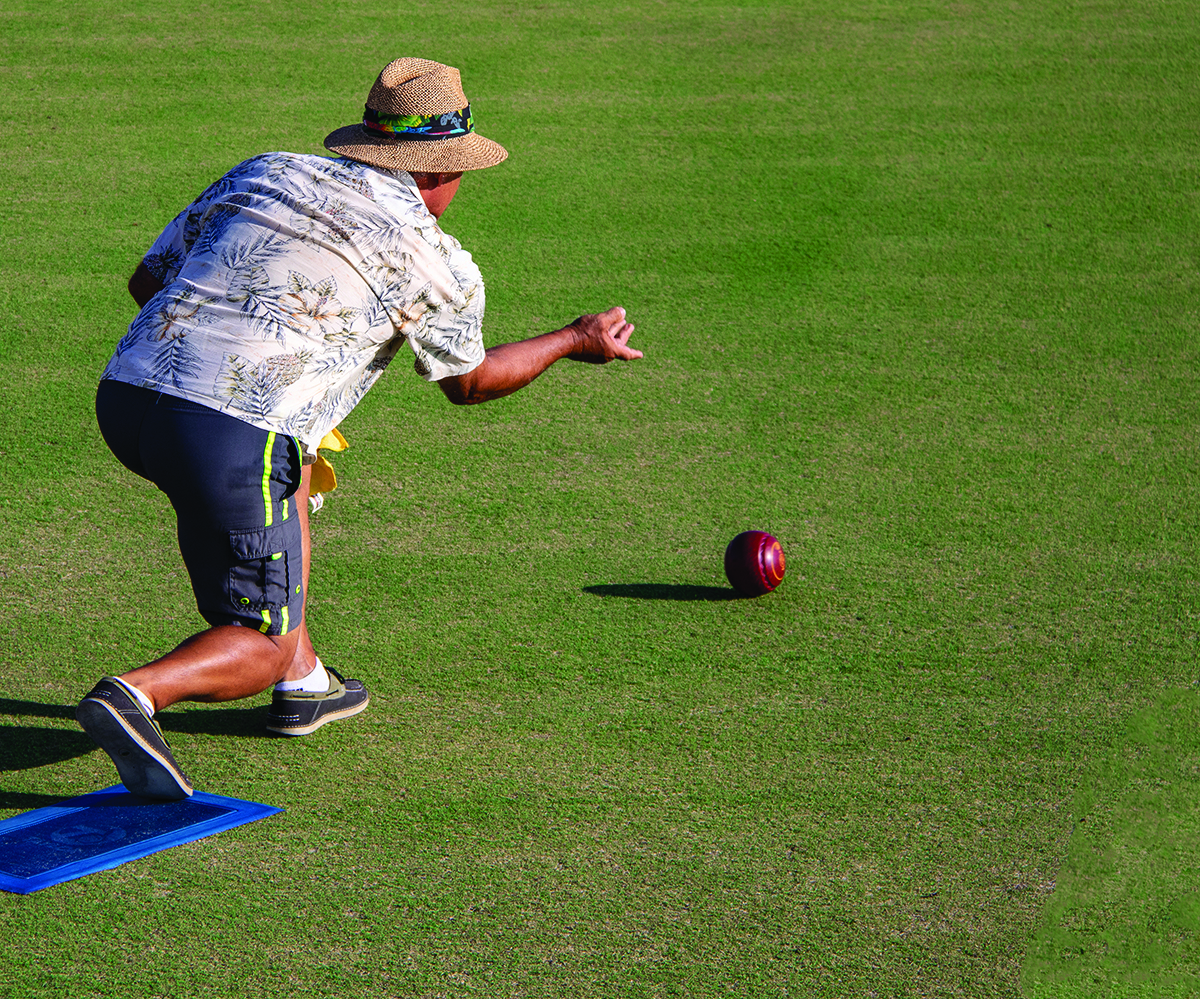
    Photo of man lawn bowlingWhile the sport of pickleball has swept across Hawai‘i, there’s another game that has been enjoyed by seniors for a much longer time but often goes unnoticed. Lawn bowling is a genteel sport particularly liked by seniors because it demands little physicality.

    In Hawai‘i, the only organized lawn bowling club is on O‘ahu at Ala Moana Regional Park. A lawn bowling “green” was incorporated into the original design of the park in 1937. The first club was established in 1939 and the game has been played at that location ever since.

    Lawn bowling is similar to bocce ball (also called “Italian lawn bowling”), with a few differences. Lawn bowling players roll a “bowl” (not a ball) at a marker ball (the jack) on the other side of the playing green. There are more rule details, but basically, you try to roll your bowls as close to the jack as possible.

    The game can be played in singles, doubles, triples formats or with four players on each side. Games generally last one to two hours. The bowls come in different sizes to match players’ hand sizes. Each bowl weighs about 3.5 pounds. Unlike a round bocce ball, the lawn bowl is not spherical, but weighted on one side so that it “hooks” to the right or left after it is thrown.

    Expert players use that hook to finesse their way closest to the jack in order to score points.

    At Honolulu Lawn Bowls Club, games are generally played on Saturday mornings with occasional games on weekdays.

    As for exercise, lawn bowling is considered to be a low-impact, therapeutic exercise that can improve fitness, coordination and confidence. It’s particularly appealing to seniors because of its ease of play, although an increasing number of young people are taking up the sport.

    If you’re interested in joining a team or just want to give it a try, contact the club.


    HONOLULU LAWN BOWLING CLUB (501(c) 3 nonprofit)
    802-465-2695 | facebook.com/honolululawnbowls
    www.honolululawnbowls.com
    The bowling green is located just west of McCoy Pavilion on the west end of Ala Moana Regional Park.

    While the sport of pickleball has swept across Hawai‘i, there’s another game that has been enjoyed by seniors for a much longer time but often goes unnoticed. Lawn bowling is a genteel sport particularly liked by seniors because it demands little physicality.

  • A Window of Opportunity

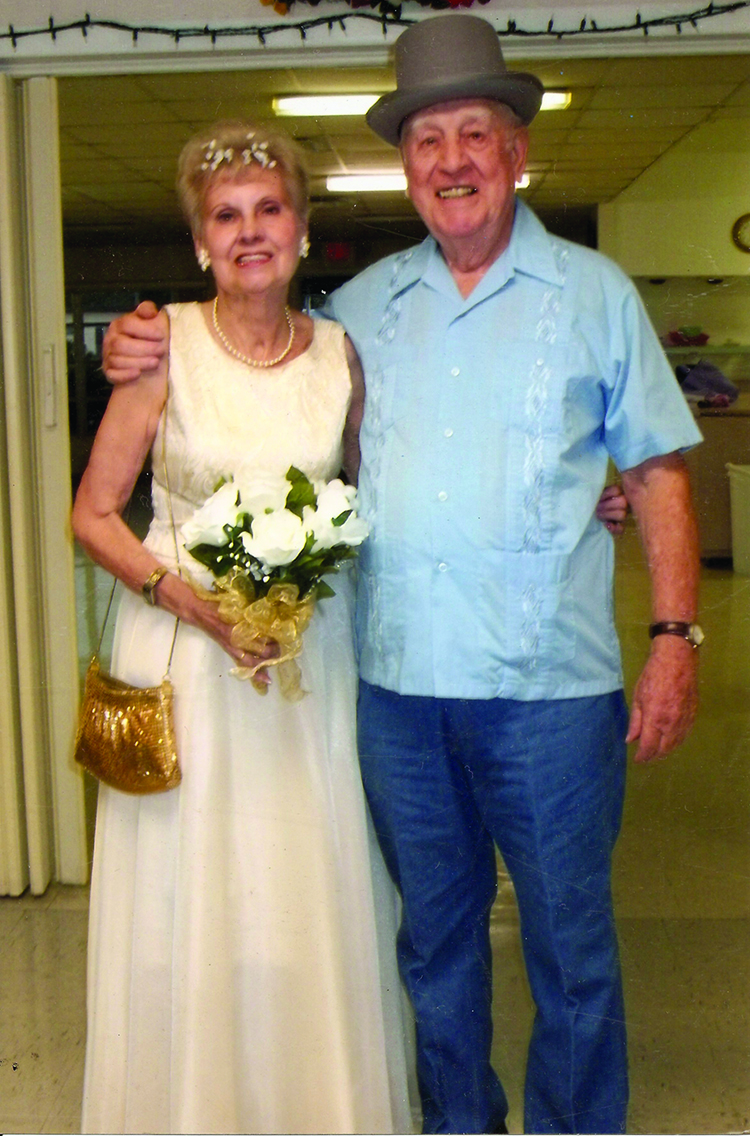
    In the early hours of a chilly October morning, Rick donned his bomber jacket and hat, and stealthily snuck into the carport, his trusty shaving kit in hand. He quietly pushed his golf cart down the long gravel driveway before starting it, as to not wake his wife. The former Korean War pilot navigated back roads to the bank, where he withdrew $1,000. He tucked half of it into the lining of his hat for safe keeping. His family had said they were not going on their annual trip from Michigan to their winter home in Florida this year, so with quiet determination, he was leaving for warmer climes that very day, by himself, via golf cart. His “great escape” ended when the police spotted him and gave him a ride home.

    What is most remarkable about this story is that Herbert “Rick” Maurice Key was 87 at the time of his attempted trek. He had lung cancer that had spread to his brain, causing dementia. He was receiving in-home hospice care and was not expected to live much longer.

    “I had gotten calls for months saying, ‘Dad has gotten really bad. You better come quickly,’” says Denise, one of Rick and Wilma’s six children. “I was told that Dad was not eating and was not able to walk… ‘he can’t do anything.’ He was also seeing people and things no one else could see.”

    But on the morning Denise arrived from Hawai‘i, her father had showered, shaved and dressed himself. He was excitedly awaiting his middle daughter’s visit so they could have breakfast together and talk story.

    “We sat, ate breakfast and had a nice conversation,” says Denise. “He was quite coherent. Then he said, ‘Why are all those people going out the bedroom window?’ “When he would see things like that, I believe the veil between worlds had begun to fade for him.”

    The tapestry of moments of lucidity intertwined with times of total incapacity can be confusing to those with a loved one with end-stage dementia. The contradictory behaviors give family caregivers and professionals alike the mistaken impression that the senior is either hopelessly helpless or completely capable.

    “During the time I was there, we had profound conversations,” says Denise. “Age had softened his rough edges, which had melted into acceptance, opening the door to discussions that were previously impossible. My father was never one to share his emotions, like a lot of men of his generation.” Communication was deflective and abstract. “My father would take the truth and make a joke out of it. I left two months before he died, so I experienced firsthand the phenomenal things father was able to examine in his moments of clarity and the incredible physical abilities he had near the end of his life. I don’t understand it.”

    That may be because paradoxical lucidity in dementia is a clinically significant, but understudied phenomenon. It has been widely observed that even as confusion and memory loss escalate during the end stages of dementia, there’s often a welcome reprieve that occurs. Paradoxical lucidity signifies a sudden, short-term regaining of clarity near the end of a dementia sufferers life. For family members, it is a welcomed reprieve and a gift to be cherished. Although it is not indicative of health improvement, this temporary clarity presents a precious opportunity to reconnect. It offers the opportunity for meaningful reminiscing, and sharing of feelings and thoughts. But the same mysterious force that opens the door for poignant conversation can also enable the dementia sufferer to try to accomplish the incredibly dangerous, like Rick’s escape attempt.

    “Join them in their world during the different states of consciousness they experience,” Denise advises. “But enjoy these tiny windows of connection that close too quickly — savor those last sparks of connectedness.”

    For more information about this phenomenon, read “‘Awakenings’ in Advanced Dementia Patients Hint at Untapped Brain Reserves” (https://bit.ly/paradoxicallucidity).



    In the early hours of a chilly October morning, Rick donned his bomber jacket and hat, and stealthily snuck into the carport, his trusty shaving kit in hand. He quietly pushed his golf cart down the long gravel driveway before starting it, as to not wake his wife. The former Korean War pilot navigated back…

  • Home is Where the Heart Is

    Throughout our lives, we can call a variety of places home. For me, one of those places was my grandmother’s house. I’ve been going  in and out of her house since I was a baby. I knew every inch of my grandmother’s house, like which rooms had the best hiding spots or which drawers held my grandma’s fancy scarves.

    Despite living in Waipahu, I attended the schools in Pearl City, which was where my grandmother’s home was. Every morning, my sister and I would be dropped off at my grandma’s and be driven to school by one of my grandparents. We’d often play board games together, like cribbage or Chinese checkers, while awaiting the ride to school. In my intermediate and high school years, I walked to and from school from my grandmother’s house with my sister and cousins. After school, there would always be popsicles in the freezer and my grandma would be waiting for  us while enjoying one of her 1,000-piece puzzles. If we were lucky, her homemade cucumber kimchi was waiting for us, too.

    Then in November 2014, my grandmother was diagnosed with Parkinson’s disease. Parkinson’s disease is a  neurodegenerative disorder that affects a person’s motor skills and the production of dopamine in the brain. The initial years following her diagnosis were relatively normal. But after my grandfather passed away, my grandmother lived alone and her Parkinson’s slowly got worse. After several incidents of my grandma falling while alone at home, my family decided to get caregivers to help watch over her during the day. However, as her Parkinson’s progressed, it became clear that my grandmother needed 24-hour care. Keeping up her home was becoming a stressor for her and my family, as well.

    After many discussions with my grandmother, the decision was made to move her into a care home. So, last October, my grandmother and I said goodbye to the house that she had lived in for 56 years. For the last time, she sat outside and looked out at her neighborhood like she had done everyday. It was sad to see her being driven away from the place that I had always thought she’d be. It was strange to think about another family playing in the yard and using the scarf drawer for something else.

    My grandmother hadn’t outwardly expressed any sadness about the move, but sometimes due to her Parkinson’s-related dementia, she still forgets that she cannot go back to her old home. It’s hard to remind her why, but in the end, it was her decision, because she trusted the family to do what was best for her.

    While there is something so sad about losing a place you called home, truly, it was my grandmother who made that house special. My grandmother is still around to make more memories and to carry that home with her wherever she lives. In a way, we never lost that place we called home because it’s really true, that home is where the heart is.


    Throughout our lives, we can call a variety of places home. For me, one of those places was my grandmother’s house. I’ve been going  in and out of her house since I was a baby. I knew every inch of my grandmother’s house, like which rooms had the best hiding spots or which drawers held…

  • The Answer is: What is an HMO?

    Ever imagine you might need to become a contestant on “Jeopardy” to pay your healthcare costs? Your answer may be no, but it seems it pays to understand how a health maintenance organization (HMO) works, if you have one.

    Recently, a Medicare beneficiary’s daughter was distraught to learn her mom’s insurance rejected a skilled nursing facility (SNF) claim. Her mom suffered a stroke, and after a brief hospital stay, was transferred to a SNF. A few days later, the SNF requested payment for an anticipated stay of about 20 days. At $750 a day — that’s $15,000! The SNF then threatened to discharge the patient for non-payment.

    The daughter then later that her mom’s plan is an HMO, which (except for emergencies) requires pre-authorization for services and primary care physician (PCP) referrals to in-network providers only. The family was unaware of these HMO plan rules. The claim was denied because there was no referral by the PCP and the SNF was out-of-network.

    Learn how your insurance plan works, otherwise, you really may need to win a round of “Jeopardy” to cover unexpected costs. If asked, “What type of insurance requires pre-authorization and network referrals, answer, “What is an HMO?” Make sure anyone you rely upon in a health crisis also knows.


    GET2INSURANCE.COM FAMILY OFFICE
    1003 Bishop St., Ste. 2700, Honolulu, HI 96813
    800-226-3660 | martha@get2insurance.com
    www.Get2insurance.com

    Ever imagine you might need to become a contestant on “Jeopardy” to pay your healthcare costs? Your answer may be no, but it seems it pays to understand how a health maintenance organization (HMO) works, if you have one.

  • The Keys to Your Online Kingdom

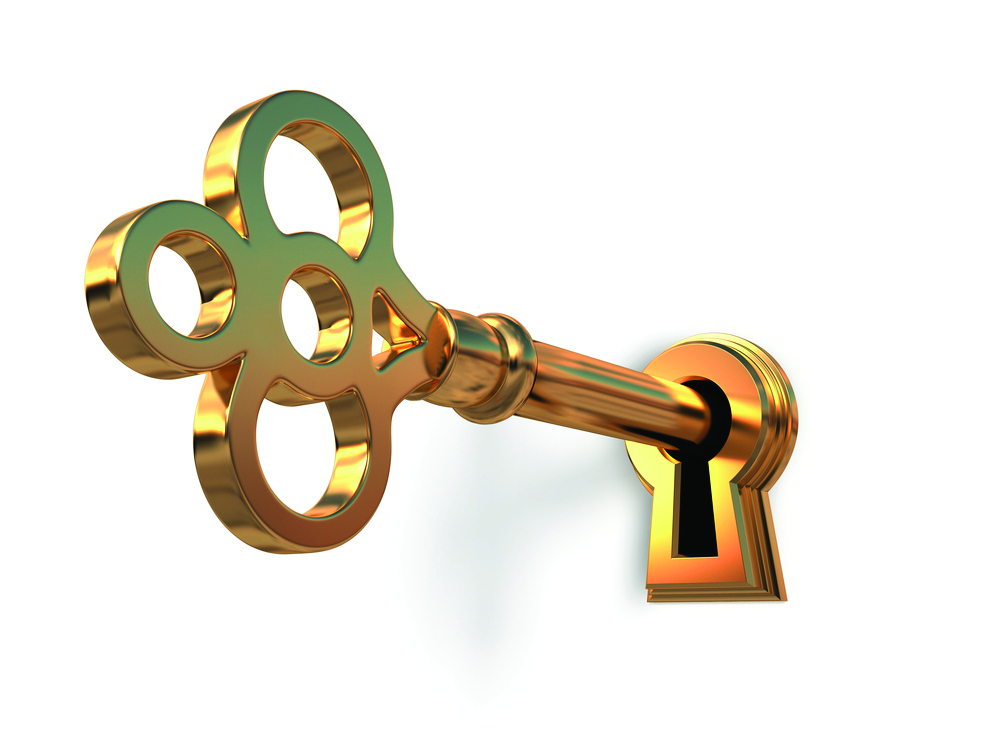
    Golden key in keyholeWhen you open an online account of any kind (anything from Facebook to online banking), you generally want to set the minimum password length to at least eight characters. The longer the password, the harder it is to crack, so for even greater security, set the minimum password length to 14 characters.

    • It can be a word; I recommend using a non-English word.
    • Or it can be a a phrase, such “the cow jumped over the moon,” without spaces between the words in the phrase.
    • At least one character should be upper case.
    • One or more of the letters could be substituted for a number using leet, or leetspeak, a method of typing words using alternate characters. Letters are replaced with numbers or symbols that closely resemble them. For example, the letter “a” might be replaced with “@”, the symbol. The letter “E” might be replaced with the number 3 and the letter “i” can be  replaced with the number 1.
    • If permitted, include a control character such as an asterisk (*) or a caret or circumflex (^).

    The result will not be the final password, but what I call the “core password,” which is the base from which you create the password for the account you are using it for.

    For example, if your core password is “theC0wjumped^0verthem00n,” you can add an “F” at the beginning, and a “B” at the end and use it for your Facebook account. If want to use for your Gmail account, you can add “GM” to the end or the beginning of the core password.

    How to remember your passwords

    My recommendation is to write it down in a hard copy notebook. Make sure you note which account the password is for. Include the date when it was first created. Keep the notebook in a secured area, like a locked desk or file cabinet. Keeping password information on your cellphone, tablet and computer is not advised. Neither is keeping them in your wallet or handbag.

    If you may need password information when you’re not at home, write it on a piece of paper, keeping your notebook  secured at home. When you’re done using the password, make sure to destroy the paper and discard it. Ripping to little pieces will do the trick.

    Remember, passwords are the keys to your online kingdom. Beat the hackers by creating strong passwords and by keeping them secure.


    Contact me with questions about online security.
    Christopher Duque | aikea808@gmail.com

    When you open an online account of any kind (anything from Facebook to online banking), you generally want to set the minimum password length to at least eight characters. The longer the password, the harder it is to crack, so for even greater security, set the minimum password length to 14 characters. • It can…

  • It’s Time to Embrace Technology

    Some of us seniors may still cling to the belief that the old days were so much better. However, most of us have certainly developed an appetite for the latest cellphones, ultra-modern appliances and high-tech cars.

    Likely as a result from the pandemic, baby boomers (born between 1945 and 1965) who previously gathered to talk story, now chat on Facebook. They find themselves expressing opinions on an internet blog and sharing photos with family and friends through email.

    In-person visits in the doctor’s office are becoming a rarity. Today, using our cellphones, laptops or tablets, we simply connect with the physician via a virtual healthcare session. And afterwards, we can use our favorite search engine to find out more about diagnoses and medications that may have been prescribed.

    We are also shopping online and ordering meals to be delivered to our homes. We are watching downloaded movies on our smart TVs or searching for do-it-yourself videos on YouTube. Some of us are also enjoying games on our cellphones, laptops or tablets, while others have advanced to doing their banking and bill-paying through the internet.

    Yes, now more than ever, seniors are using digital technology in their daily lives, and a growing number of them are also taking classes to learn how to use these “newfangled” devices, programs and apps.

    As a retired educator, I used to dismiss the idea of distance learning in the classroom. No more! Today, I have become well aware of how online courses ultimately enhance student learning. Not only do my grandchildren learn at their own pace while receiving one-on-one screen time from their teachers, seniors can also take online classes in the comfort of their homes.

    As long as we exercise safety precautions (especially on a cell phone) and adhere to security practices on the internet, we can overcome our fear and embrace technology. If you aren’t already tech-savvy and online, now is the time.


    KAPI‘OLANI COMMUNITY COLLEGE
    Office of Continuing Education
    University of Hawai‘i/Kapi‘olani Community College
    Teri Pinney | 808-342-7690 | tpinney@hawaii.edu
    continuinged.kapiolani.hawaii.edu

    Some of us seniors may still cling to the belief that the old days were so much better. However, most of us have certainly developed an appetite for the latest cellphones, ultra-modern appliances and high-tech cars. Likely as a result from the pandemic, baby boomers who previously gathered to talk story, now chat on Facebook.