“We need to face our challenges together, and build a Hawai‘i for all ages.”
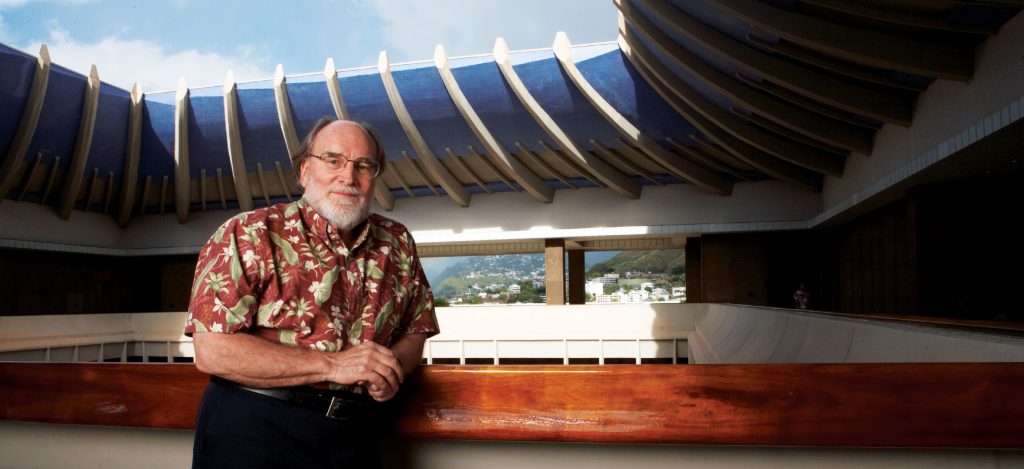
As Neil Abercrombie marched into the governorship of Hawai‘i, he carried with him a manifesto — A New Day In Hawai‘i. One of the plan’s key points was to enhance the quality of life for older adults — even to ambitiously turn age into an asset.
Now that it’s been just about 365 “new” days (or one year), since Abercrombie assumed office, Generations Magazine sat down with the governor to see whether, indeed, a new day is dawning for seniors in Hawai‘i.
GM: What is the fire in your belly that motivates you to want to help seniors and make it a significant part of your administration’s goals?
NA: I grew up during the Depression in Buffalo, New York, a city with many ethnic and religious divides. I often got into fights to defend me and others for having the “wrong” background. It was also during a time when women faced open discrimination. I witnessed the injustice of working women, such as my mother Vera, who received lower pay and benefits simply because of their gender. Through this and other childhood incidents, my mother taught me the importance of fairness, equality and of standing up for what was right. I was taught that big kids shouldn’t pick on little ones, I believed it and believe it now.
When I was first elected to public office, my mother reminded me of how she was treated unfairly and to always fight for those who can’t fight for themselves. In these times, the most vulnerable are often our seniors.
Prior to the 2010 elections, I knew we were facing the most trying time in the history of the State of Hawai‘i. I felt the responsible thing to do was to utilize my relationships in Congress and the White House and my decades of legislative experience to address important social issues, such as aging, in these difficult times as Governor.
GM: Set the stage for us …what is the status of our retirees and elders in Hawai‘i?
NA: First off, I want to say nearly ninety-five percent of people over 60 are active, engaged and want to contribute. In that way, our ku¯puna are a tremendous economic and social asset. However, we often view aging through a deficit or sick-care lens. My administration is changing that viewpoint. We’re partnering with senior advocacy groups to redefine social attitudes about aging.
For example, this year our Executive Office on Aging joined the United States Administration on Aging in proclaiming the month of May as “Older Americans Month” in Hawai‘i. The recognition celebrates the role older Americans play in steering the course of our history and recognizes them for their valuable insights and wisdom. We honored seniors by showcasing them as “treasured resources,” united by historical experiences and strengthened by diversity.
We understand that older Americans are now living healthier, longer and richer lives. We look forward to the many accomplishments they will offer our local communities in the future.
GM: Besides creating awareness, what are you doing to help seniors stay integrated into the whole of society?
NA: Seniors who want to work or volunteer, should be able to. It is part of government’s job to make sure that they have a chance to do so. It’s part of our plan to create a “silver wave” of opportunities for active older adults. Through incentives and partnerships we are encouraging non-profits and businesses to create flexible paid and volunteer opportunities for seniors. We also recognize model employers who bring in retirees to serve as mentors and trainers.
Senior Corps is one great example of the“silver wave” at work. The program taps the skills, talents and experience of individuals age 55 and better to meet a wide range of community needs through three programs: RSVP, Foster Grandparents and Senior Companions.
RSVP connects volunteers with service opportunities in their communities that match their skills and availability. Volunteers conduct safety patrols for local police departments, participate in environmental projects, provide intensive educational services to children and adults and respond to natural disasters, among other activities. Foster Grandparents serve one-on-one as tutors and mentors to young people with special needs. Senior Companions help homebound seniors and other adults maintain independence in their own homes. I encourage seniors to inquire about these volunteer opportunities at the Hawai‘i Aging and Disability Resource Center (643-2372). For an update on the RSVP Program, click here.
Also, Kapi‘olani Community College’s Kūpuna Education Center offers assistance in comprehensive life planning and upgrading skills, including lifelong and/or intergenerational learning opportunities for older adults.
GM: For seniors who are less active, or need more assistance, how is your administration helping?
NA: One of the most important public challenges of our time is to ensure that our rapidly aging population of retirees and elders can live productive and dignified lives.
Currently, the state helps the most frail and vulnerable older adults through Medicaid’s QUEST Expanded Access Program (QExA). The program covers health services for nearly 39,000 Hawai‘i resident who are aged, blind and disabled (ABD). However, Hawai‘i’s Medicaid plans are plagued with rising health care costs and a growing senior population. Medicaid is on a path to exceed our ability to pay and is at risk of failing those who need it the most.
In view of that, I will continue to lobby the federal government for federal matching provisions to support the Medicaid program. My administration is also planning to attack the skyrocketing costs of health care statewide, including a greater focus on prevention, quality and on programs that demonstrate their cost savings.
The silver lining in all of this is that states all across the country are encountering similar fiscal challenges, and the Obama Administration and Congress are aware of this and looking for ways to help. With my strong ties to the White House and to Congress, I am working to move Hawai‘i to the front of the line for these opportunities.
GM: Will existing services for seniors, especially through Ku¯puna Care funding, be increased to support the growing number of seniors?
NA: For seniors who are not eligible for Medicaid, our administration will continue to provide Kūpuna Care, which is a publicly-funded service that provides services such as meals, bathing, companion and assisted transportation to people needing help with daily living.
More importantly, however, is that state and county governments are currently transforming our service delivery system. We want families to have better access to and assistance with navigating our long-term supports and services.
For example, through the Aging and Disability Resource Centers in each county, we will provide information and referrals in a very person-centered manner. We hope to empower families and caregivers to make informed decisions about their options. The goal is to streamline access to the public and privately funded services and support, such as counseling, case management and programs such as the before mentioned Ku¯puna Care and QUEST Expanded Access.
GM: As you know, many adult children take care on their aging parents. Although most wouldn’t have it any other way, caring for our elderly parents and grandparents can be difficult. How does the state support those who embrace it as their duty?
NA: I understand how difficult caregiving can be. My mother-in-law was incapacitated for almost seven years. I saw every variety of care facility and workforce caliber. Only the professional dedication of health care personnel enabled my wife and me to get through the ordeal with her.
Despite government’s best efforts over the years to provide all of our kūpuna care, our efforts are falling way short of the mark. Too many older adults and their families are without the support and resources they need, forcing them to turn to more expensive and less desirable living situations. For seniors who are alone and impoverished, the situation is even worse.
Out of this crisis, we have found opportunities. Hawai‘i is a very adaptable and resourceful place. As such, Hawai‘i is the nation’s leader in intergenerational households. Grandparents are routinely involved in raising grandchildren. And adult children oftentimes care for their aging parents. These family caregivers are the backbone of our system of support and services for older adults. They care for our kūpuna in a way the government can’t — emotionally and fiscally.
Family caregivers allow people to grow older in their own homes and communities, without requiring a huge and expensive new government program. In fact, the estimated economic value that family caregivers provide is about $2 billion, which is more than government can afford to spend on care and why it’s so important to help family caregivers in areas such as respite, care coordination, and education and training.
GM: Do you have a ‘A New Day In Hawai‘i’ legacy that you would like to leave behind?
NA: For the senior and aging component of A New Day In Hawai‘i, I hope to develop a Hawai‘i Center of Excellence on Aging. This is something that can continue to grow in years to come after I leave office.
I’d like to see our university system, community colleges, the private business sector and non-profits come together to obtain funding for major research and cutting-edge projects around the subject of aging. We already have outstanding experts and programs at Kapi‘olani Community College, the University of Hawai‘i at Mānoa and community-based programs throughout the Islands. These can be coordinated to develop training programs, career paths in gerontology, and new advancements that can benefit people in Hawai‘i and can be exported around the world, particularly in China, Japan and Korea, which are rapidly aging. There is no reason why Hawai‘i cannot be a world leader in this field.
 GM: This was just year one of your governorship … you have three more years to see your plan come to fruition. Do you have a parting message for our readers?
NA: Well, last but not least, I do believe government has a responsibility to build a streamlined system of supports and services for families. I note, however, that the care of Hawai‘i’s kūpuna is a shared responsibility. No one entity can do this alone. From philanthropic organizations to the for-profit sector, from government to non-profits, from individuals and families to clubs and associations, we all have resources — monetary, in-kind, volunteer, ideas, time — to contribute to care for our kūpuna and to create the society that we want to live in.
We need to face our challenges together, and build a Hawai‘i for all ages.
Every place on Earth, whether it be a large metropolitan city in Asia or an isolated Island community like Hawai‘i, has a culture that was created over time by the inhabitants of that place. That’s why all of us who live in these Islands must never forget that we owe much to the generations who came before and to the older people in our community. They helped to educate us, form our ideas about brotherhood and establish the spirit of Aloha that pervades our home. I extend to all of our seniors my most heartfelt appreciation for their past contributions and wish them all the very best.
GM: What do you have planned for retirement once your term is over?
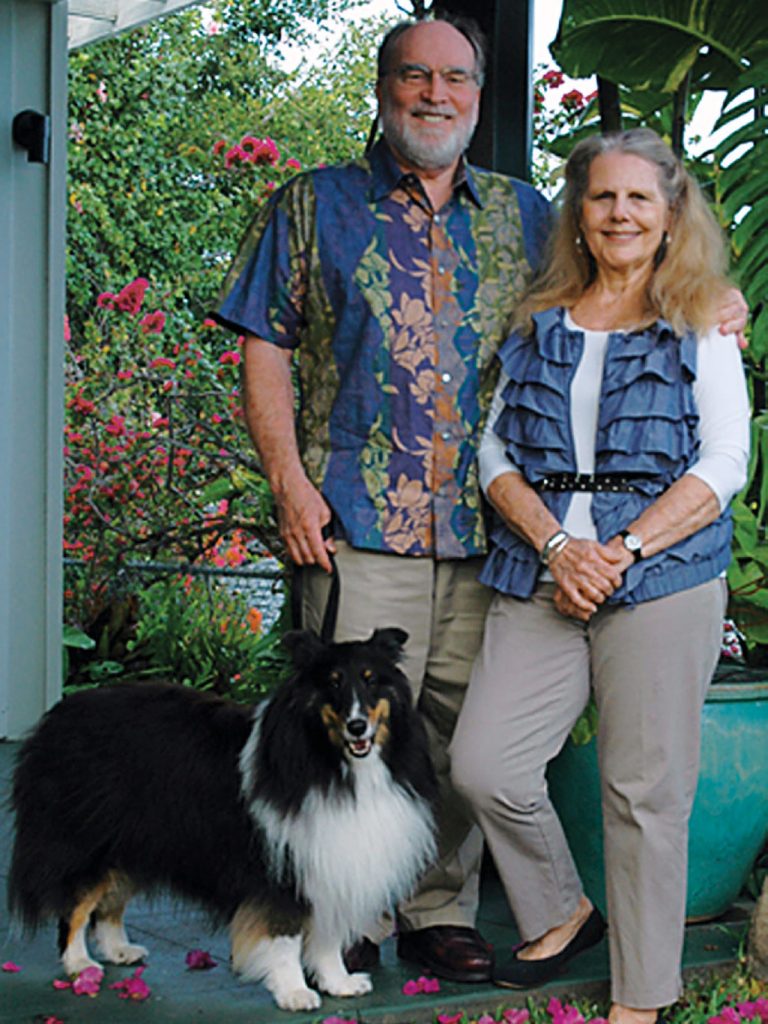
NA: I’ll help wherever and whenever I can, but I’m not looking for any other job. This run for Governor was the culmination of a lifetime of public service. This is the last public office I will hold. In retirement I plan to walk my dog Kanoa every day, read and spend more time with my wife, Dr. Nancie Caraway.

 Thanks in part to convincing commercials on TV, many people are sold on the benefits of scooters and powerchairs before they even enter a showroom.

 Hawai‘i Life Flight is an air ambulance provider serving the Hawaiian Islands, transporting patients from pediatrics to geriatrics. It’s scope of care ranges from cardiac and trauma to neurological and burn patients.
 In 2006, Hunt got to work right away hiring an entirely new management team. He replaced the older Cessna fleet with newer, faster aircraft, opting for Raytheon King Air C90B models. More than $2 million of custom reconfiguration work was done to prepare the fleet for the demands of Hawai‘i’s medical community. The company also raised the bar when selecting pilots, aircraft maintenance and medical personnel to above current FAA and industry standards. In addition, new positions were created to monitor and ensure quality management and safety, compliance, efficient communications and risk assessment.
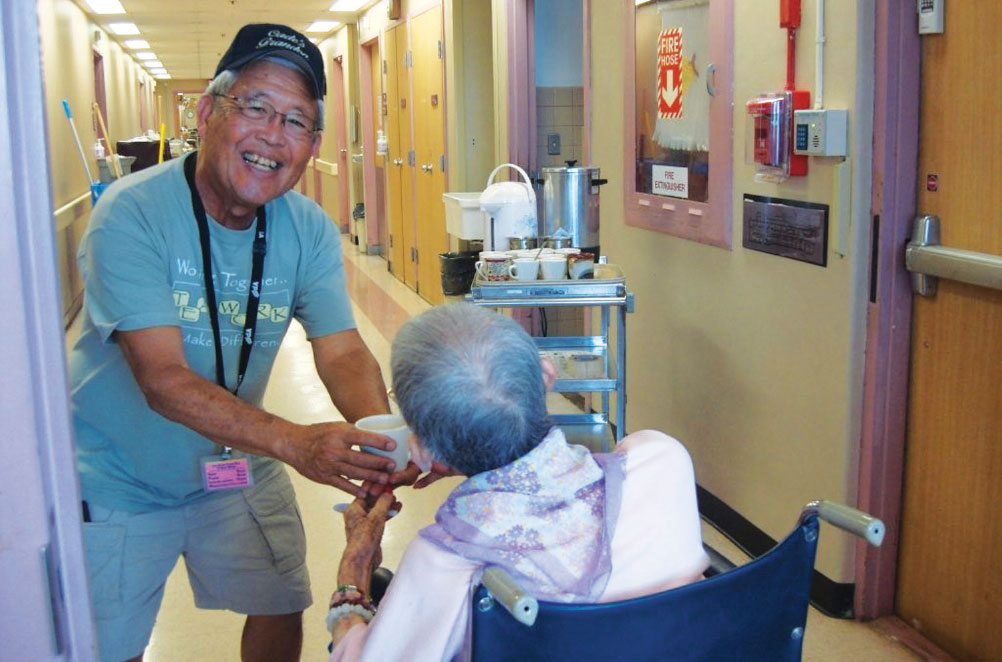
 The Retired Senior Volunteer Program (RSVP) has a new family. We are now under the Information and Assistance (I&A) Section of the Elderly Affairs Division (EAD), Department of Community Services (DCS). We also proudly welcome and congratulate Ashley Muraoka as the newly hired director for this great new program. We previously knew her as the coordinator for the Medicare for Participants and Providers Act.
 RSVP is also in the process of creating a Senior University. At the university, volunteers will be able to conduct a class or take a class. This will give our volunteers the opportunity to share their knowledge, skills and talents with all generations. We will capture historical and institutional knowledge to enhance our community planning, growth and services.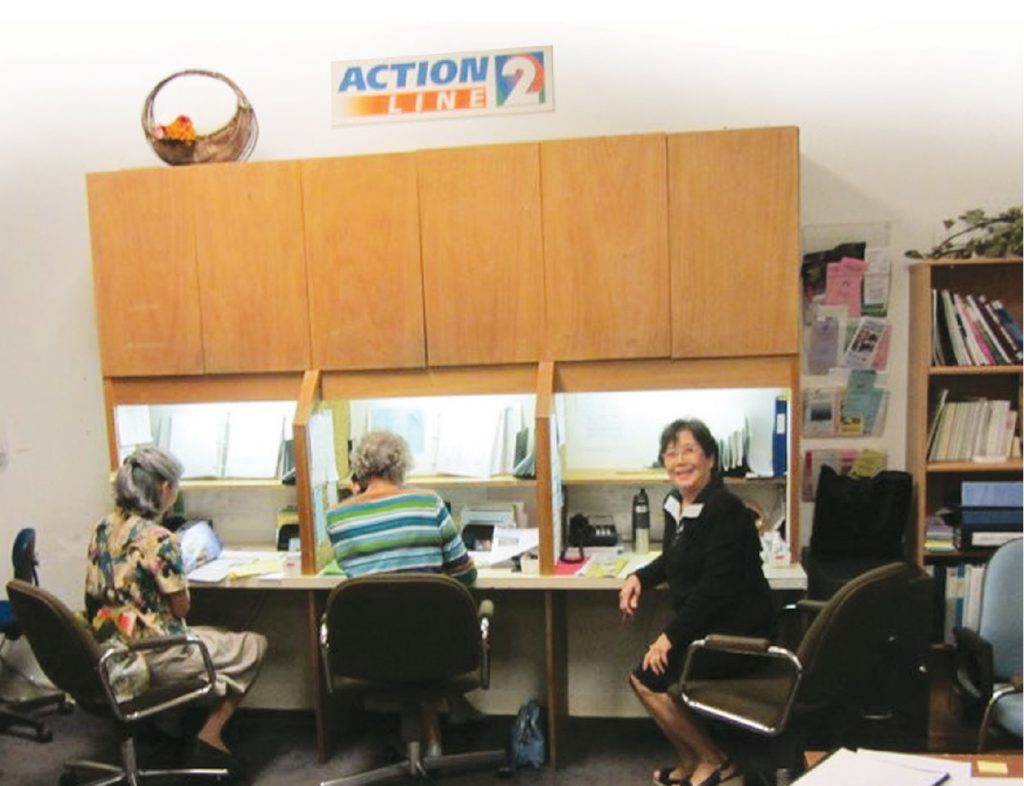

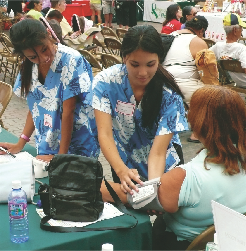 Have you ever owned something that became a prized possession? One of our donor’s fathers, a retired truck driver named John, purchased a new Lincoln Town Car years ago. For John, the Town Car was a special vehicle, a possession he delighted in maintaining as well as driving. For his daughter, Jodi, a kidney transplant recipient, it came to be a special car, too. Jodi suffered from a disease that damaged her kidneys. John drove Jodi to her doctor’s office and dialysis facilities for 15 years. That Town Car ended up being the place where father and daughter bonded.
 The mission of the National Kidney Foundation of Hawai‘i is to prevent kidney and urinary tract diseases. It also improves the health and well-being of families affected by these diseases, and increases the availability of all organs and tissue for transplantation in Hawai‘i.