Category: Living Life

  • The Scary Thought of Surgery

    The Scary Thought of Surgery

    If you had told me a year ago that I would be experiencing the Granddaddy of Major Surgeries in 2024, I wouldn’t have believed you. But that’s what happened. And I was scared.

    Last year, my cardiologist found a blocked artery. It was not partially blocked — which might have been fixed by a stent or a teeny-tiny Roto-Rooter — it would require major open heart surgery.

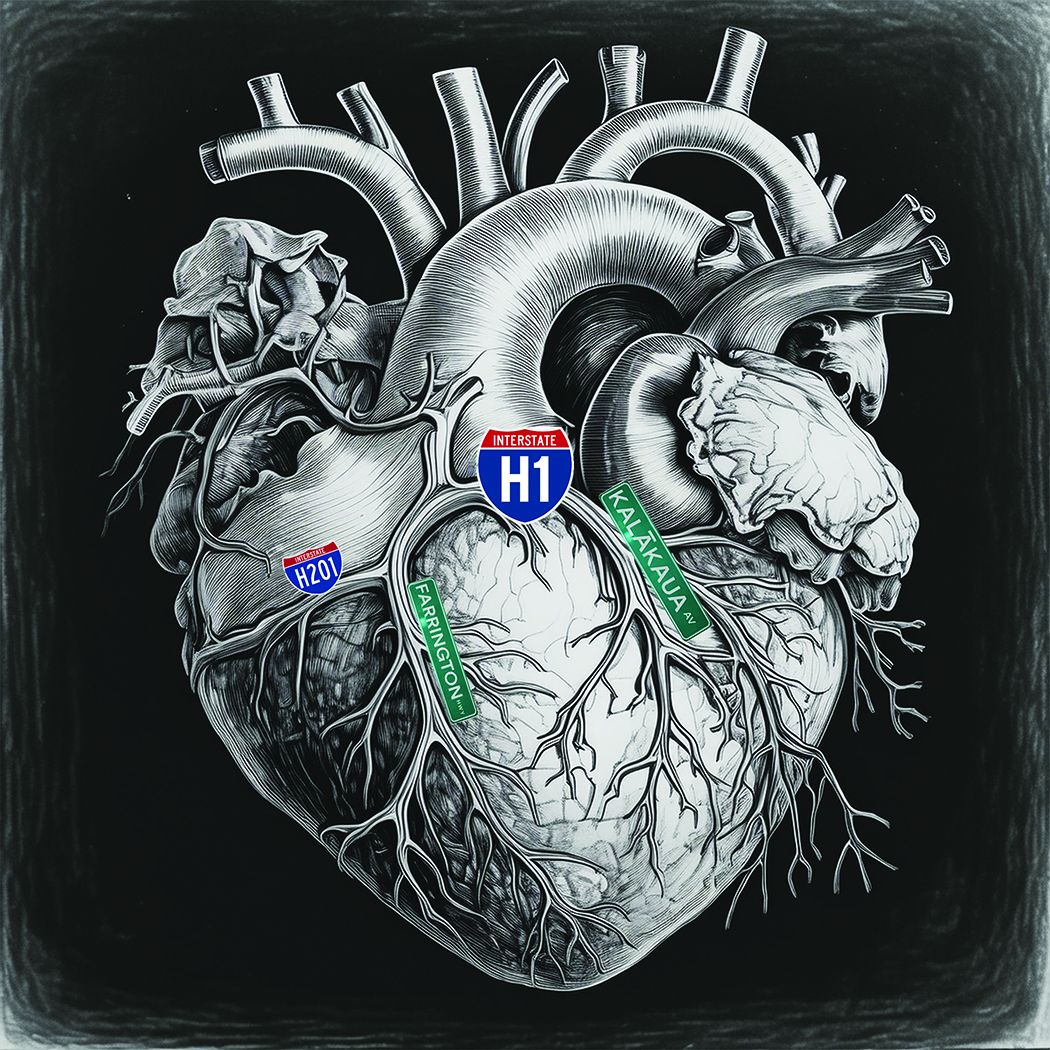
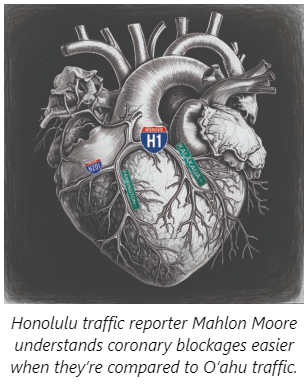
    After months of tests and procedures, surgery was scheduled. Reality set in: I was not just going under the knife — I was having my chest opened up like a cheap can of tuna and a crew of scrubs-wearing spelunkers taking an expedition into my chest.

    The planning began: My sister was flying in from the Mainland, I cleared my calendar and prepped frozen dinners. But these practical preparatory measures didn’t mitigate my fears. I’m a grown man, I’ve been through surgeries before — but the thought of having my ticker worked on was extremely frightening.

    So I did some investigating and found this type of surgery is incredibly common. Over 700 of these surgeries are performed each year at the major O‘ahu hospitals. My procedure was at Straub, which alone performs over 160 of these procedures annually.
    My surgeon explained everything — before, during and after. Although I would advise people to do their homework, I would also suggest avoiding a deep dive into the rabbit hole of details available online. Those facts won’t matter — you are not doing the surgery — and they’ll just drive you nuts.

    Your hospital stay: What should you bring to the hospital? Well, think of it as packing for a vacation. Necessities include your “Boarding Pass” (driver’s license and credit card). Bring a warm robe (hospitals keep the AC at Reykjavik levels). Pack your phone, laptop, chargers, cables and toiletries. Books and magazines are very important because the TV only picks up the major channels. Don’t expect to stream Netflix or Hulu. The new season of “Only Murders in the Building” will just have to wait.

    You won’t get much sleep. Staff will be entering your room at intervals of 3.5 seconds to take your vitals, provide meds and take an inventory of supplies. You can throw your privacy out the window.
    There is none in the hospital.

    Friends and relatives will make the trip to the hospital, sit on cold metal folding chairs in your room and make small talk while trying not to stare at the tubes, wires and bags hanging from your body. So when they call, let them know that you’d love to see them but you will only have 10 minutes to visit because of some procedure (that you made up). That way, you will spare your visitor from having to make up a “I have to go now” story.

    Home sweet home: You probably won’t be allowed to drive, so make arrangements for meals and grocery delivery.

    In my case, my wonderful sister had everything under control: My necessities were all within reach and the new season of “Murders in the Building” was queued up. After she left a couple weeks later, my pre-prepared frozen meals certainly came in handy.

    Major surgery is scary: That can’t be avoided — but with a little preparation, knowledge and help from friends and family, surgery may not be quite as bad as you thought it would be. Although daytime TV is…
    If you had told me a year ago that I would be experiencing the Granddaddy of Major Surgeries in 2024, I wouldn’t have believed you. But that’s what happened. And I was scared. Last year, my cardiologist found a blocked artery. It was not partially blocked — which might have been fixed by a stent…

  • Walls of Honor

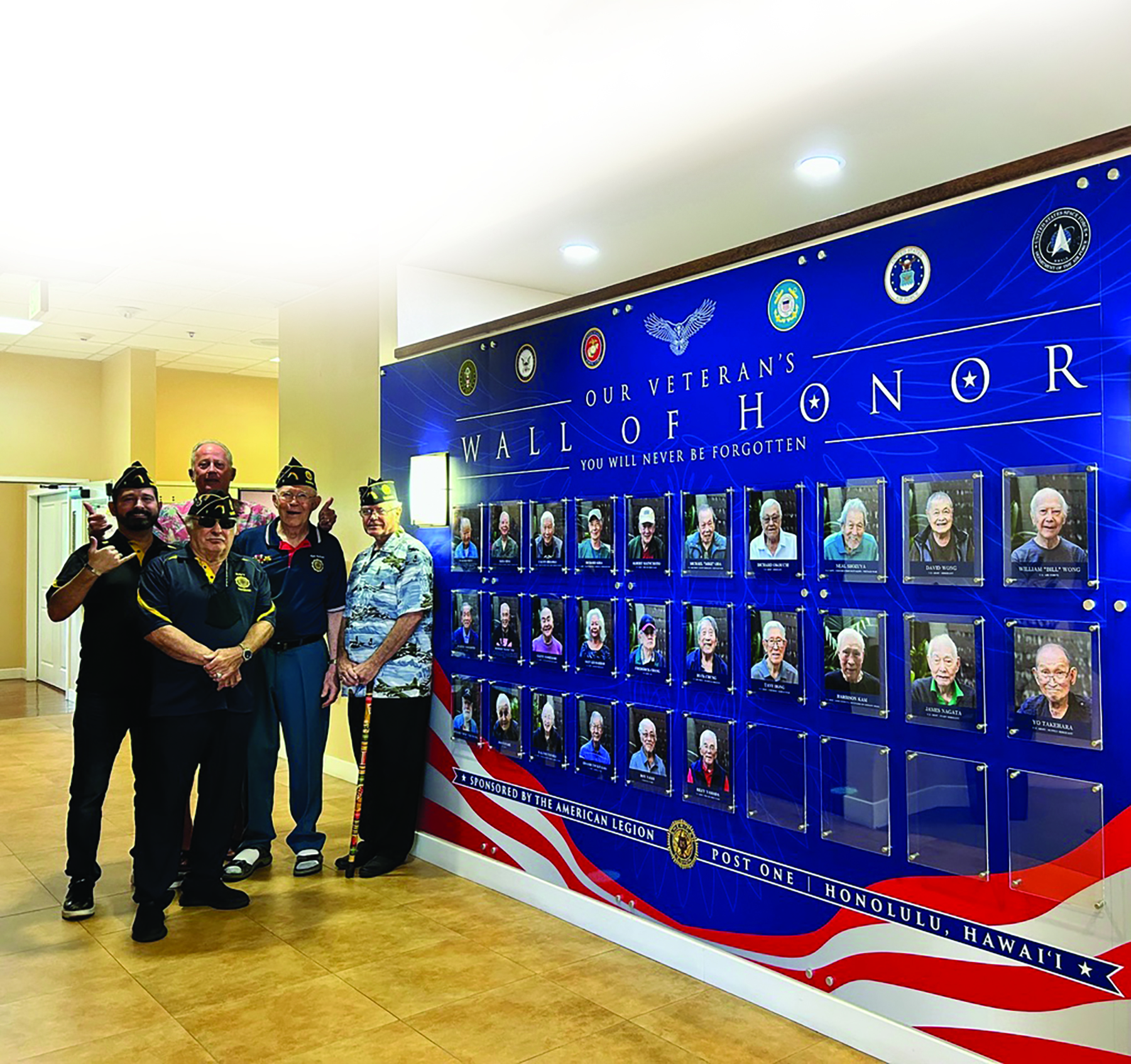
    One of The American Legion’s main pillars is its concern for veterans who have served their country in any of our military branches during wartime or peacetime.

    I visited many longterm care facilities as a American Legion Post 1 representative to make short patriotic talks and pass out “Thank You For You Service” certificates. I was surprised to find so many veterans residing in these facilities. The number, on average, ranged from 30 to 40 veterans, with a high of 79 at one facility.

    After making a presentation in late 2021 at The Plaza in Waikiki, I became concerned about the veterans’ well-being and the loneliness they must face at the end of their lives. I wondered if they felt if anyone outside the facility really cared about them besides their family. That is when I got the idea of establishing a memorial in their honor that would serve as a lasting reminder that they would be remembered.

    The Plaza in Waikiki activities director and I collaborated on a plan to have a large Wall of Honor (16-by-4-feet) with black-and-white photos, name and service branch positioned in a prominent place in the facility as a permanent reminder. It was constructed and installed by a local company and the cost was divided between our Post 1 and The Plaza’s board of directors. The wall was dedicated in 2022. Since then, another wall was installed at The Plaza in Moanalua in 2023. The next wall was installed at The Plaza in Mililani on Memorial Day, May 27, 2024.

    These Walls of Honor pay tribute to The Plazas’ veterans, who have served and contributed to the the freedom that we all enjoy today. More Walls of Honor are in the queue.

    THE AMERICAN LEGION POST 1
    612 McCully St., Honolulu HI
    808-946-6383

    One of The American Legion’s main pillars is its concern for veterans who have served their country in any of our military branches during wartime or peacetime. I visited many longterm care facilities as a American Legion Post 1 representative to make short patriotic talks and pass out “Thank You For You Service” certificates. I…

  • Safe Falling Principles & Prevention

    Falls are the leading cause of fatal injury and the most common cause of non-fatal trauma-related hospital admissions among older adults. But falling is not the inevitable result of aging. Awareness and lifestyle adjustment can help prevent falls or lessen the number of falls. And learning how to fall safely will reduce the potential for significant injury.

    Practice fall prevention with the ABC method:

    Awareness: When you walk, focus on walking. Lifting your feet, looking where you are going and walking heel to toe will help keep you safe.

    Balance: Exercise regularly to help develop strength and flexibility. Practice standing on one foot for 20 to 30 seconds to help develop your balance. In addition, tai chi, dancing and yoga are some of the activities that can help keep you balanced by enhancing your mind-body connection.

    Control: Take control of your environment. Use handrails whenever possible. Install grab bars in your bathroom.

    Using these safe falling principles can help reduce the severity of injury from falls.

    When you feel like you’re about to fall forward, here are important points to remember:

    • Protect your head. Tuck your chin into your chest and place one hand across the centerline of your body so that your head hits your hand rather than the ground. Rather than brace for a fall, relax your hands.
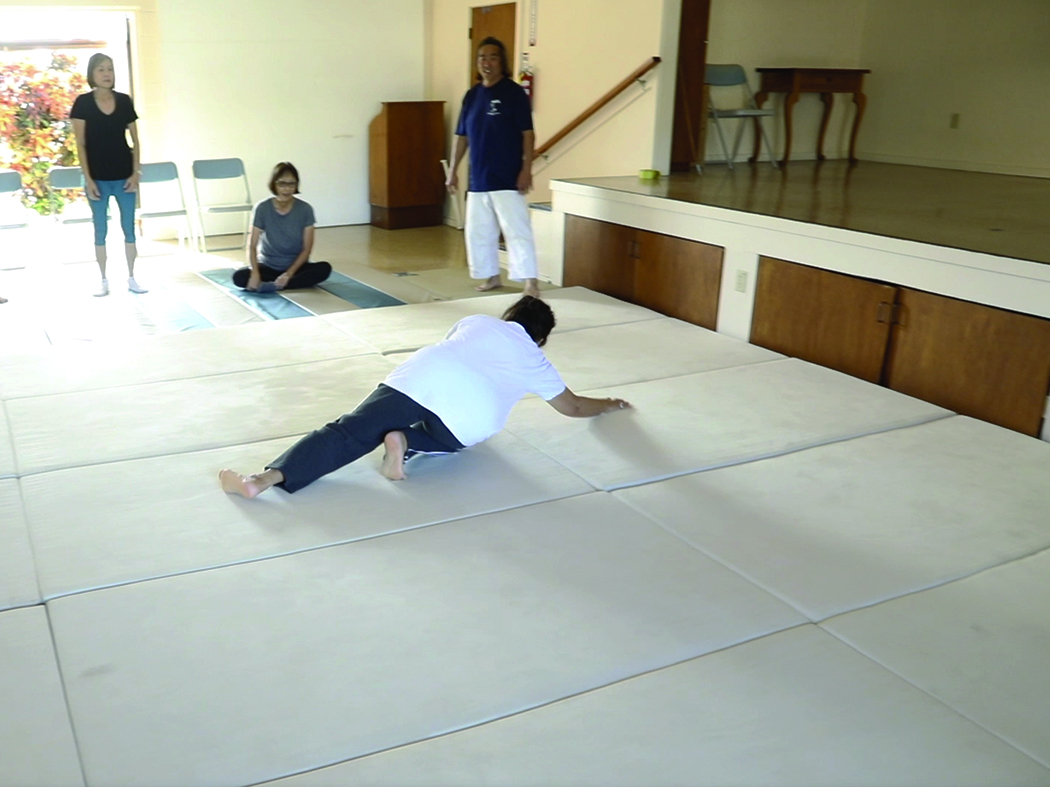
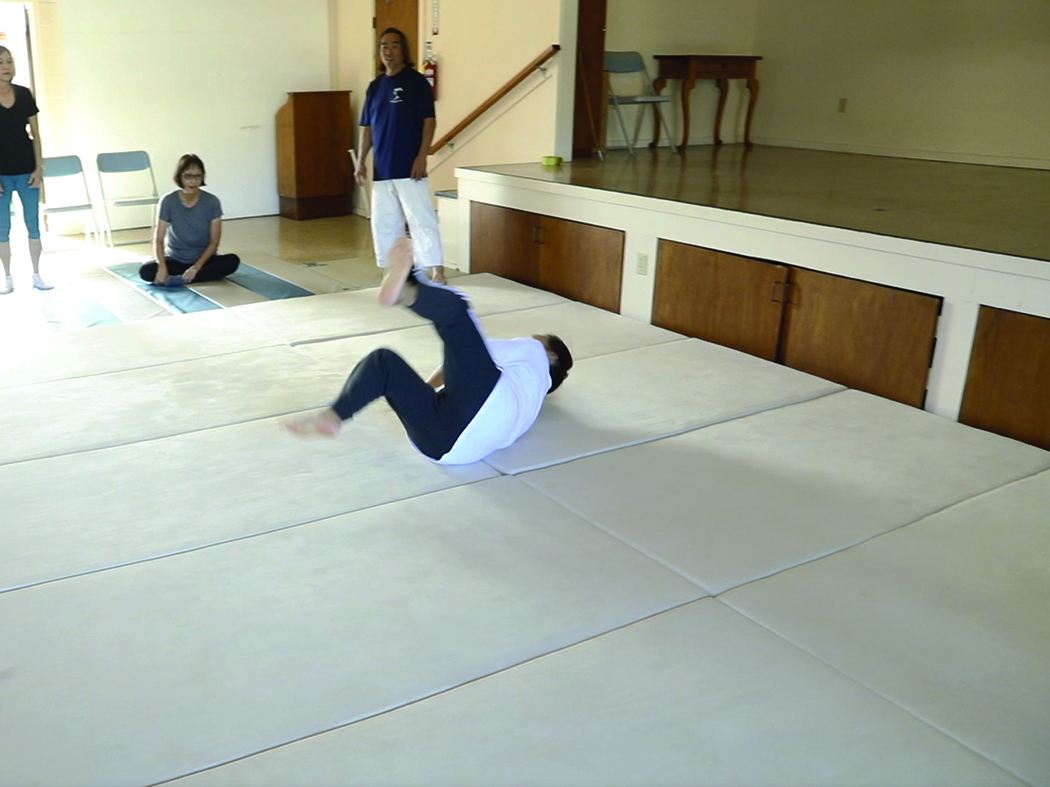
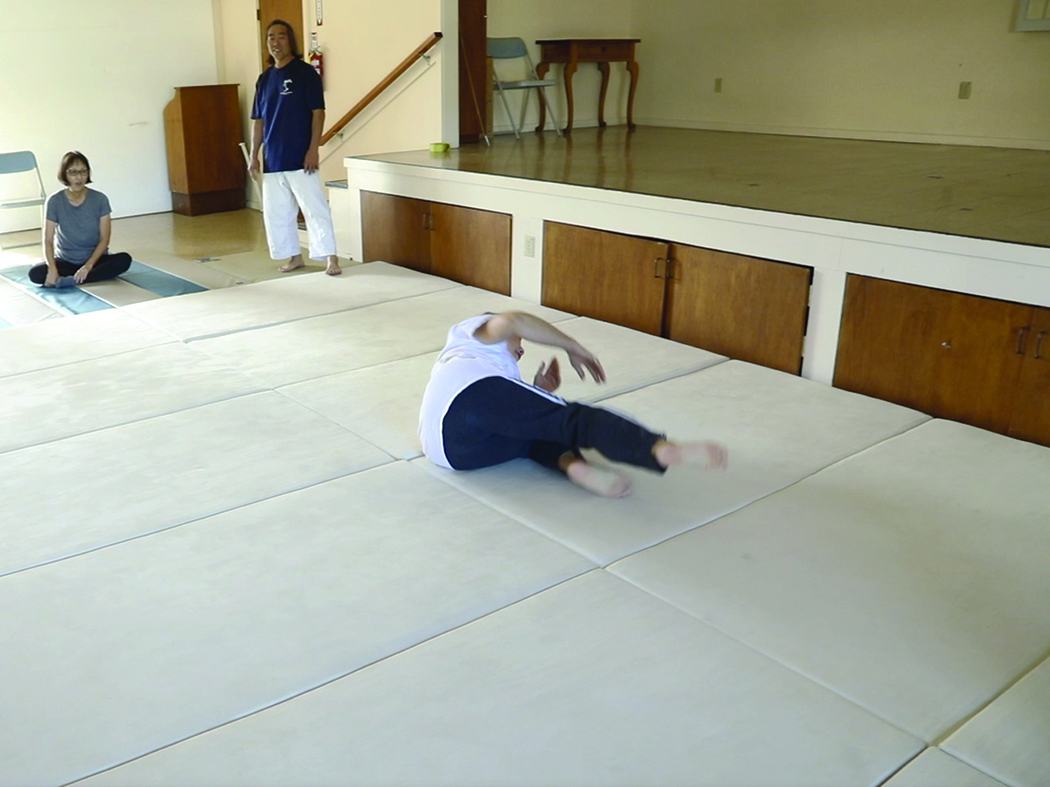
    • Get low. Take a step forward and lower yourself as much as possible. Reach forward with one hand slightly ahead of the other. Extend both arms forward in a sliding motion. Relax into the motion. As you fall forward, begin turning your body so that you fall on soft tissue — first your calf, then your thigh, then turn onto your back, and finally, your lower back.
    • Do not get up immediately. If you feel dizzy, hurt or strange, don’t get up and ask for medical assistance. If you feel ok, ask for help getting up.

    The practice of falling properly and safely must be conducted within a safe environment only. For more information on how to fall safely, contact Kupuna Aikido for presentations, instructions and class schedules. Visit the Kupuna Aikido website for more prevention and safety tips.

    KUPUNA AIKIDO (nonprofit)
    kupuna.aikido@gmail.com | kupunaaikido.org
    – Japanese Cultural Center of Hawaii, Honolulu
    – Higashi Hongwanji, Honolulu
    – Mililani District Park, Mililani
    – Ahuimanu, Kaneohe

    Falls are the leading cause of fatal injury and the most common cause of non-fatal trauma-related hospital admissions among older adults. But falling is not the inevitable result of aging. Awareness and lifestyle adjustment can help prevent falls or lessen the number of falls. And learning how to fall safely will reduce the potential for…

  • Honolulu Kūpuna Shed Grows in Kaka‘ako

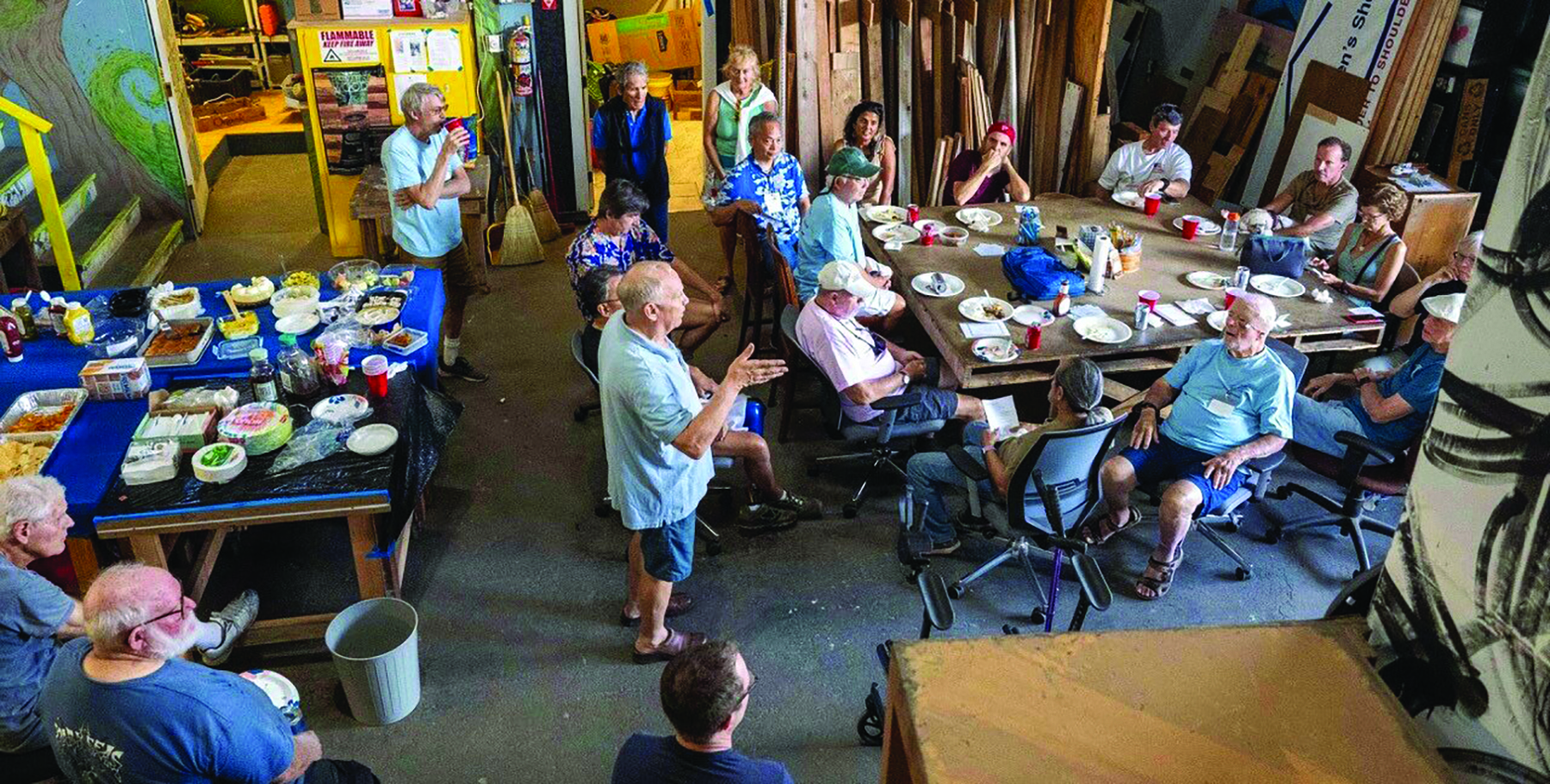
    Founded in 2016, Honolulu Kupuna Shed was originally named the “Honolulu Men’s Shed,” based on an Australian model that promotes fellowship and well-being among senior men. For the past 8 years, “The Shed” focused on traditional woodworking, bike repair and canoe building. In 2022, The Shed renamed itself the “Honolulu Kupuna Shed” to encourage more women to join. From its new home in Kaka‘ako, the Honolulu Kupuna Shed has expanding its repertoire of activities to include handcrafting and jewelry making. The new, two-story facility also houses areas for laser engraving, CNC carving (a woodworking technique that uses computer-controlled machines) and lathe turning.

    Additionally, the Shed will offer short classes in a number of wood and craft disciplines.

    The Shed welcomes kūpuna interested in making items from wood (and other materials), collaborating in projects that benefit the community and connecting with like-minded individuals.

    HONOLULU KUPUNA SHED (nonprofit)
    330 Cooke St., Ste. D, Honolulu, HI 96813
    Jim Maskrey, Vice President
    808 457-5703 | Jmaskrey8@gmail.com
    Info@Honolulukupunashed.org
    honolulukupunashed.org

    Founded in 2016, Honolulu Kupuna Shed was originally named the “Honolulu Men’s Shed,” based on an Australian model that promotes fellowship and well-being among senior men. For the past 8 years, “The Shed” focused on traditional woodworking, bike repair and canoe building. In 2022, The Shed renamed itself the “Honolulu Kupuna Shed” to encourage more…

  • Smart Home Modifications Now

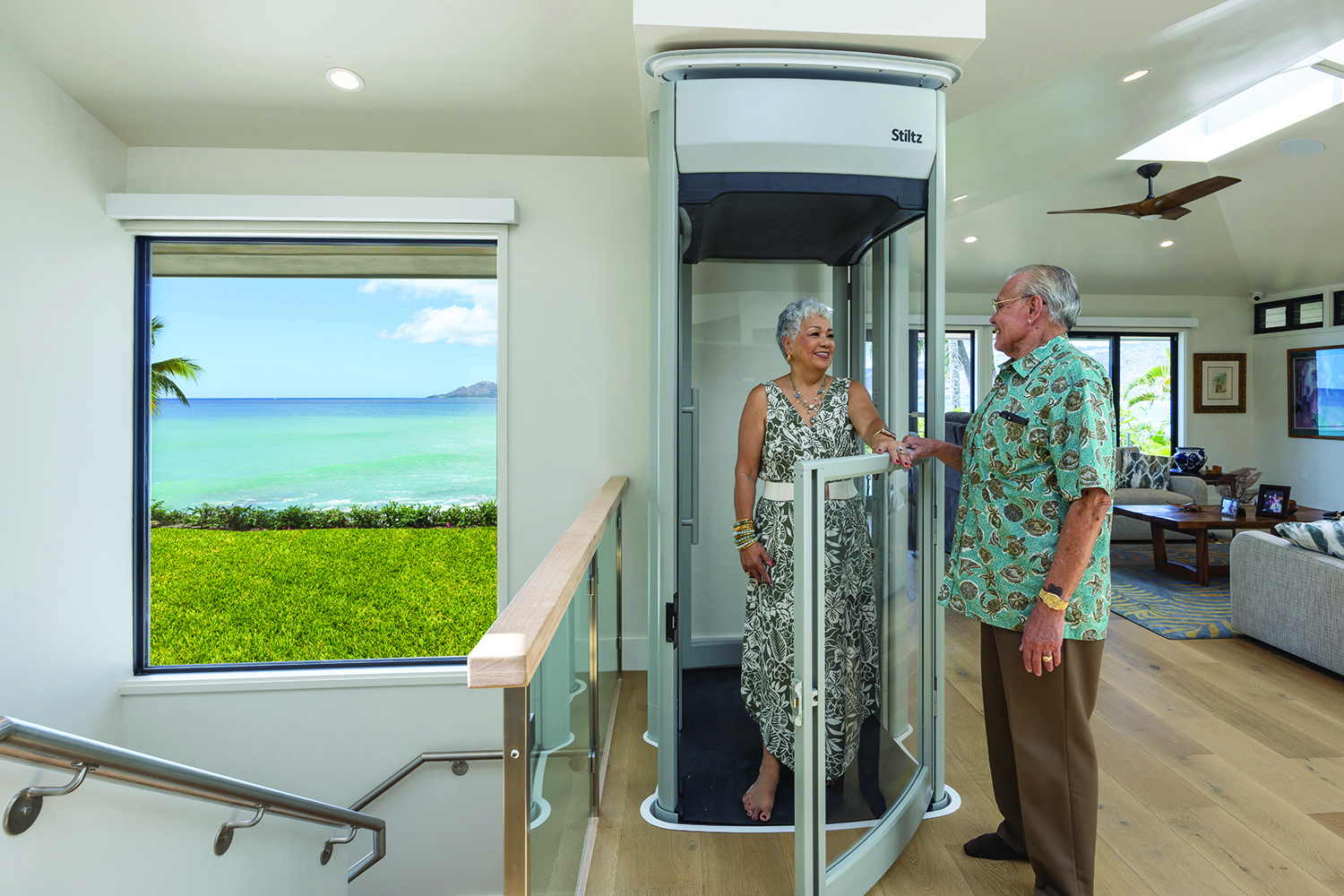
    Accessing the second story of your home using a wheelchair may not be something you have ever even considered. But planning proactively and modifying your home now can help you stay independent and comfortable as you age in place.

    You may not even feel old yet, but it’s important to consider what you may need in the future as the realities of aging approach. Caregivers can also benefit from home modifications by reducing physical and mental stress.

    Modifications such as installing an elevator lift, or making doorways wider or constructing ramps for easier wheelchair access can make a significant difference in a senior’s quality of life.

    Home modifications do not have to be complicated or expensive, however. And aesthetically pleasing options are available, such as bathroom grab bars that look like ordinary towel bars or soap holders.

    Making modifications can help prevent falls, secure your independence and ensure safety. And knowing your home will support you through each stage of life can bring peace of mind.

    Talk to your doctor about getting a home modification assessment completed by an occupational therapist (OT). OTs ensure modifications will align with your health needs, as certain conditions may require specific accommodations.

    THRIVE FOR LIFE, LLC
    1441 Kapiolani Blvd., Ste. 1114, Honolulu, HI 96814
    808-797-2590 | info@thriveforlife.com
    thriveforlife.com

    Accessing the second story of your home using a wheelchair may not be something you have ever even considered. But planning proactively and modifying your home now can help you stay independent and comfortable as you age in place. You may not even feel old yet, but it’s important to consider what you may need…

  • BBB: Ethical & Trustworthy Online Shopping

    Internet shopping continues to evolve quickly. Today, anyone can set up an online store and start selling, even without a business license. With both good and bad online businesses to choose from, consumers now have more opportunities than ever to support and encourage ethical online stores. Here are five BBB recommendations on how to do so:

    1. Leave reviews. Whether it’s positive or negative, help evaluate a seller’s legitimacy by leaving a review on BBB.org.
    2. Reward security. Let business owners know that you’ll only shop at companies with a commitment to customer privacy and data protection. Look for websites with secure URLs that start with “https” and show the secure lock icon.
    3. Comment. Your social media comments can let future customers know about a business’s quality, service and practices.
    4. Do the survey. Most businesses have a feedback form or survey request. Tell them what they are doing right that you enjoy and how they can improve to better earn your trust.
    5. Recommend BBB. If there’s a business that’s gone above and beyond for you — tell them about BBB. They can benefit from being in our community of Accredited Businesses.

    BETTER BUSINESS BUREAU GREAT WEST + PACIFIC (nonprofit)
    800-460-0910 | info@thebbb.org | thebbb.org
    Ad or company clarification: bbb.org
    Report a scam: bbb.org/scamtracker
    File a complaint: bbb.org/file-a-complaint

    Internet shopping continues to evolve quickly. Today, anyone can set up an online store and start selling, even without a business license. With both good and bad online businesses to choose from, consumers now have more opportunities than ever to support and encourage ethical online stores. Here are five BBB recommendations on how to do…

  • Seminars Explore Smart Homes, Brain Health

    Remember those kitschy “Clap on! Clap off!” commercials of the 1980s? (See one below). Who would have guessed that “The Clapper” device they advertised to turn your lights on and off with a clap of your hand was ahead of its time?

    Now we have entire homes with smart devices and voice assistants. Instead of clapping, we say, “Hey, Alexa,” “Hey, Google” or “Hey, Siri.”

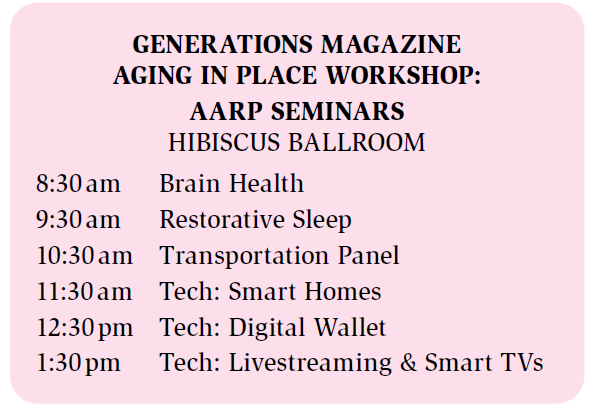
    If you’re still stuck in the ’80s and clapping to turn on a light or manually using light switches, AARP is offering a free seminar just for you at the Generations Magazine Aging in Place Workshop on Aug. 3, Saturday, this year.

    An instructor from Senior Planet, an AARP affiliated charity dedicated to helping older adults thrive in today’s digital age, will teach participants about smart homes and how they can help caregivers and kūpuna age in place. Smart homes can do so much more than just control your lights. Using technology, you can monitor your body health, visit with doctors and nurses through telehealth, detect falls or wandering, detect fires or unsafe situations and call for emergency assistance.

    Other seminars AARP is offering will cover the importance of sleep in keeping your brain healthy and strategies to fight insomnia, streaming and smart TVs, how to use a digital wallet, transportation alternatives and more.

    There’s no pre-registration and seating is first come, first served. You don’t have to be an AARP member, nor of AARP age to attend the Aging in Place Workshop or AARP’s seminars.

    Learn more about Senior Planet classes and resources: Seniorplanet.org.

    AARP HAWAI‘I (nonprofit)
    1001 Bishop St., #625, Honolulu, HI 96813
    808-545-6000 | hiaarp@aarp.org | aarp.org/hi
    AARP is a non-partisan organization dedicated to empowering
    Americans 50 and older to choose how they live as they age.

    Remember those kitschy “Clap on! Clap off!” commercials of the 1980s? (See one below). Who would have guessed that “The Clapper” device they advertised to turn your lights on and off with a clap of your hand was ahead of its time? Now we have entire homes with smart devices and voice assistants. Instead of…

  • It’s Obon Season Again!

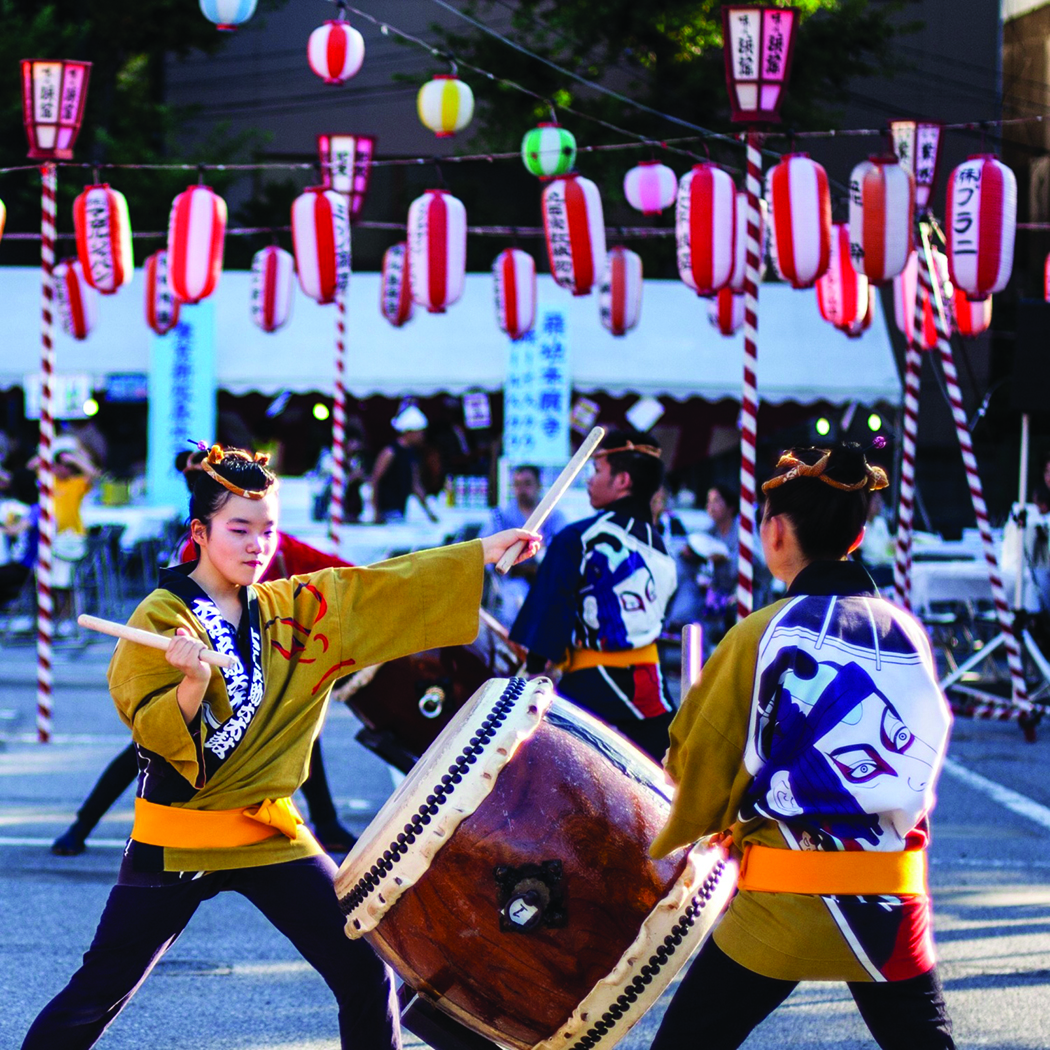
    Each summer from June to August, communities across the State of Hawai‘i gather for the annual Bon dance festivals.

    Many generations of both Buddhists and non-Buddhists gather to honor the memories of their ancestors, while nurturing the community through dancing, fellowship and, of course, food, at the same time.

    Obon, or just Bon, is a fusion of the ancient Japanese belief in ancestral spirits and a Japanese Buddhist custom to honor the spirits of one’s ancestors. It is believed that a follower’s mother was saved by the Buddha, who danced with joy.

    Bon dance has undergone a modernization, while attempting to maintain the tradition. With the resurgence of Obon after the pandemic, we see that Obon maintains its ability to reconnect/connect everyone through “Okage Sama De” (I am who I am because of you/You are who you are because of me). Obon also fosters the importance of who we are because of our families, community and place in an ever-changing world.

    Today, kūpuna and keiki alike travel across the state to be immersed in the experiences of traditional Bon dances and massive festivals, such as the Mo’ili’ili Summer Fest and Megabon on July 6.

    With so much going on in the world, Obon offers great opportunities to be able to escape — even for just a moment — to dance the night away in joy and appreciation, patronize local vendors or temple booths, and celebrate the life that we have. Hope to see you there!

    MŌ‘ILI‘ILI HONGWANJI
    902 University Ave., Honolulu, HI 96826-3249
    808-949-1659 | mhm@moiliilihongwanji.org
    moiliilihongwanji.org

    Each summer from June to August, communities across the State of Hawai‘i gather for the annual Bon dance festivals. Many generations of both Buddhists and non-Buddhists gather to honor the memories of their ancestors, while nurturing the community through dancing, fellowship and, of course, food, at the same time. Obon, or just Bon, is a…

  • Ice Cream Dreams

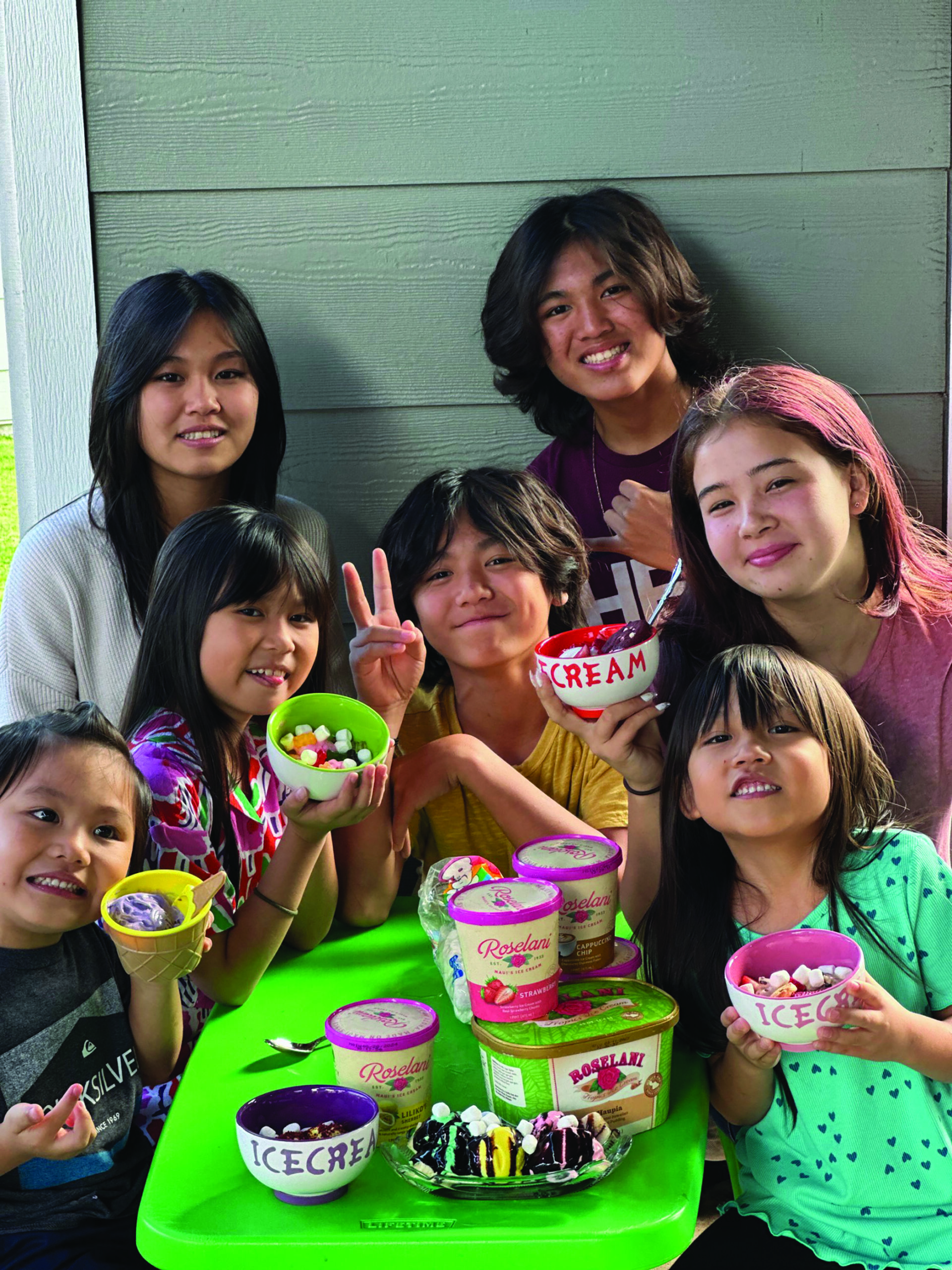
    Alexis Arnold and her Tamaoka cousins celebrate summer
    with a sundae bar offering several Roselani ice
    cream flavors and a variety of toppings — gummy bears,
    marshmallows, bananas, and of course, chocolate syrup!

    Everyone enjoys a scoop now and then, especially during those hot summer days. For something a little different, the sweet folks at Roselani Ice Cream were kind enough to share their expert ideas about how to make a good thing even better. With 42 flavors of their ice cream to choose from, their recipes are virtually infinite. These simple recipes may spark some of your own ideas for ice cream creations… they did for our staff, who also contributed a favorite. All you need is a dish or a tall glass, a spoon and a reusable straw. Eat your heart out, Ben & Jerry!

    Mahealani Deloso, sales assistant at the Frozen Products Division of Maui Soda & Ice Works, shared some of her favorite concoctions:

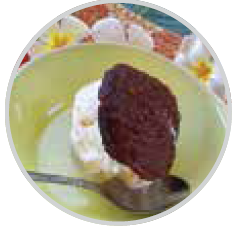
    Kūlolo & Haupia: Kūlolo a traditional Hawaiian dessert made of taro, coconut cream and sugar. Flatten the block of kūlolo and toast it in a frying pan, then top it with Roselani Haupia ice cream.

    Lilikoi Mimosa: Scoop Lilikoi sherbet into a glass of champagne. It was a spur of the moment creation — her aunt had champagne and she brought the Roselani. “It’s my contribution to every party I go to.”

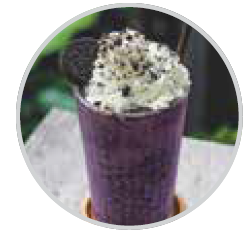
    Ube & Oreo Shake: For a vivid, violet Hawaiian vacation in a glass, scoop Ube (purple sweet potato) ice cream into a blender with oat milk, blend well, add oreos and blend some more. Pour into a tall glass and crush cookies on top. Grab a straw and a spoon, and enjoy.

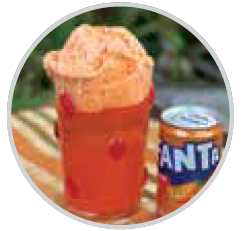
    Pa‘uwela Sunrise Float: Sail into summer with a scoop of Pa‘uwela Sunrise ice cream in a tall glass of orange soda for a delicious, pineapple-creamsicle float.

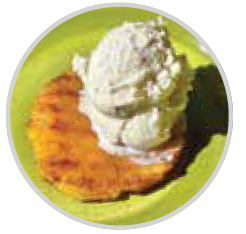
    Grilled Pineapple Mac Nut a la Mode: He is not just Generations Magazine’s art director. Wilson Angel is also the patron saint of a heavenly dessert that is Hawaiian through and through.

    Peel a ripe pineapple and cut it into 1/4-inch-thick slices. Spread honey on both sides and grill until caramelized. Serve the grilled slices with a large scoop of Roselani Macadamia Nut ice cream for a taste of the tropics. “Fo’ sho’ broke da mouth. And no shame, mop ’em!”

    Do you have a favorite recipe and story to share? For consideration in the next issue, include a photo and mail them to Generations Recipe, PO Box 4213, Honolulu, HI 96812, or email them to Cynthia@generations808.com.

    Everyone enjoys a scoop now and then, especially during those hot summer days. For something a little different, the sweet folks at Roselani Ice Cream were kind enough to share their expert ideas about how to make a good thing even better. With 42 flavors of their ice cream to choose from, their recipes are…

  • Palliative Care Enhances Quality of Life

    After a heart attack, 69-year-old Kumu Hula Tutu Malia developed heart failure, resulting in four trips to the ER and several hospital stays within three months.

    When a friend informed Tutu Malia about palliative care, she asked her doctor about it and he referred her to a new, home-based palliative care program. The program includes a nurse and a social worker who come to her home and provide nursing care and social support for her and her family. And there is no cost to her — it is covered by her insurance.

    Palliative care offers extra support in your home from a caring team who helps you:

    • Enjoy more days at home with family and have fewer visits to the hospital
    • Experience less stress and burden on caregivers
    • Receive 24/7 phone support if there’s a health concern
    • Receive management of symptoms of your illness, such as pain, shortness of breath and nausea
    • Understand explanations about care and treatment options
    • Receive referrals to other resources

    Since she started participating in the palliative care program, Tutu Malia hasn’t gone back to the hospital. Instead, she spends much more time enjoying visits with her ‘ohana and friends.

    KŌKUA MAU (nonprofit)
    PO Box 62155, Honolulu, HI 96839
    808-585-9977 | info@kokuamau.org
    kokuamau.org/palliative-care-for-patients-and-families

    After a heart attack, 69-year-old Kumu Hula Tutu Malia developed heart failure, resulting in four trips to the ER and several hospital stays within three months. When a friend informed Tutu Malia about palliative care, she asked her doctor about it and he referred her to a new, home-based palliative care program. The program includes…

  • Children’s Book Explores Dementia

    Frances H. Kakugawa, a Hawai‘i Island native, began writing poetry a half-century ago, then stopped for some years to work for the public school system. But when she became the primary caregiver for her mother, she found that writing poetry helped ease her stress.

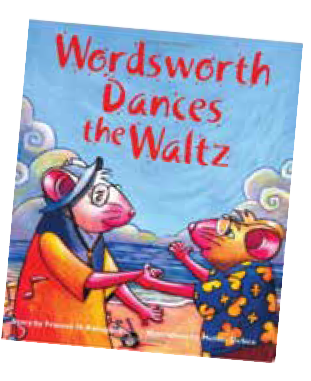
    Her multiple award-winning 2007 children’s book, Wordsworth Dances the Waltz, is dedicated to her mother, who was afflicted with Alzheimer’s disease. It is about families living with elders impacted by dementia. In this book, children are introduced to the concept that as grandparents age, they may behave differently and sometimes forget things.

    The book illustrates aspects of dementia and how the disease affects the entire family through Wordsworth, a Hawaiian mouse, who remembers a time when he and Grandma danced around the room. But now, Wordsworth must walk softly as not to disturb her.

    Because Wordsworth loves poetry, he finds comfort in writing verses that express his confusion over his grandma’s changing behaviors, and by recalling memories of more vibrant days. His poems also help his family understand that Grandma is still his loving grandparent and an important part of the family.

    If you are looking for an excellent tool to ease fears and explain changes in an elder loved one’s behavior, this book may be helpful.


    The book is illustrated by Melissa DeSica and available through Amazon. Call your nearest bookstore to purchase a copy locally. For children 9 and older.

    Frances H. Kakugawa, a Hawai‘i Island native, began writing poetry a half-century ago, then stopped for some years to work for the public school system. But when she became the primary caregiver for her mother, she found that writing poetry helped ease her stress.

  • Should You Insure Your Pet?

    If your pet is healthy, is pet insurance still necessary? The American Veterinary Association suggests pet insurance to defray costs, which can be around $250 for a simple treatment to over $8,000 if the condition is more serious. The over 85 million pet households in the US spend a whopping $75 billion on pet care annually.

    During the summer months, one of the biggest dangers for dogs is heat. They don’t sweat like humans and can suffer from heatstroke. Signs to look for are fatigue and loss of appetite. In addition, seeds found in grassy areas during the summer can cause skin problems, such as hives or rashes. If your pet can’t stop scratching, the area can become tender and an infection can set in, making matters worse, so it’s important to keep ticks and fleas under control, too.

    A recent PetMD article notes that a new medication for canines with osteoarthritis is available. Without insurance, a course of treatment can cost around $100 monthly.

    So do your homework regarding your particular furry or feathered friend. Closely review insurance coverage details for limitations and exclusions.

    Always check with your veterinarian about insurance options in order to provide a financial safety net for your beloved family member.


    GET2INSURANCE.COM FAMILY OFFICE
    1003 Bishop St., Ste. 2700, Honolulu, HI 96813
    800-226-3660 | martha@get2insurance.com
    Get2insurance.com

    If your pet is healthy, is pet insurance still necessary? The American Veterinary Association suggests pet insurance to defray costs, which can be around $250 for a simple treatment to over $8,000 if the condition is more serious. The over 85 million pet households in the US spend a whopping $75 billion on pet care…