
Founded in 1973, the People’s Open Market (POM) was formed to accomplish three goals:
- Provide the opportunity to purchase fresh agricultural and aquacultural products and other food items at low cost.
- Support the economic viability of diversified agriculture and aquaculture in Hawai‘i by providing market sites for local farmers, fishermen or their representatives to sell their surplus and off-grade produce.
- Provide focal point areas for residents to socialize.
More than 1 million people shop at the 25 market sites each year. Each market operates once a week and lasts about one hour. Prices are usually 35% lower than retail stores. The POM staff closely regulates the markets. The staff conducts weekly price surveys at various stores to determine a recommended price for the POM vendors to follow. Vendors may sell below, but not over, the recommended prices. The staff also supervises the arrival and departure of the POM vendors to ensure safety for both vendor and consumer. Each vendor is monitored to ensure that they comply with all city, state and federal government rules and regulations, ordinances and laws affecting their participation in the POM.
TYPES OF PRODUCE
At the POM, you will find many kinds of ethnic fruits, vegetables and other food items that are not ordinarily available in grocery stores. Depending on the ethnic make-up of the neighborhood, you’ll find a variety of foods associated with the different ethnic groups. Fresh ocean and pond fish, as well as farmed shrimps and prawns, are available—many sold live. In addition, a variety of Hawai‘i-grown flowers, such as ginger, orchids and anthuriums are for sale.
HISTORY OF THE OPEN MARKETS
The beginning of the open markets is attributed to Mrs. Joyce Fasi. After hearing concerns of women in a discussion group regarding the high cost living in Honolulu and in particular the high cost of food, she relayed these thoughts to her husband, then Mayor Frank F. Fasi. Hence, the People’s Open Market was started to assist farmers with selling their “off-grade,” “ungraded” and surplus produce while lowering food costs for the citizens of Honolulu.
The first People’s Open Market (POM) was started at the Banyan Court Mall location in Kalihi in November, 1973. People in other communities began requesting their own POMs. Soon, a caravan of POM farmer/vendors was traveling to various sites to help the public purchase low-cost food items.
The city requires all vendors to be authorized to accept food stamps to help those who are on fixed incomes.
SHOPPING TIPS
The People’s Open Market (POM) vendors are bound by a set of rules and regulations, which ensure that the POM operates smoothly and fairly for vendors and as well as customers. It is the vendors’ responsibility to see that their customers follow the rules and regulations. They are subject to citations and disciplinary action, including dismissal from the program for failure to comply with the rules and regulations.
Please cooperate with the POM vendors. Here are some of the POM shopping tips:
Plan ahead! There will be times that the market will start or end a little earlier or later than officially scheduled (5–10 minutes) due to certain conditions such as traffic, road conditions, school, weather, etc.
Things to keep in mind:
- Do NOT bag or ask vendor to reserve items before the start of the market (sound of an air Horn)!
- Do NOT cut in lines that vendors have formed!
- Do NOT shoplift!
- Do NOT squeeze or mistreat fruits and vegetables (papayas, tomatoes, etc.)!
- Do NOT bring animals (except seeing eye/working dogs)!
- Do NOT litter!
- Do NOT ride bicycles through the shopping area. Park on the sides of the POM.
- Do NOT park illegally, double park or block driveways!
- Park in marked stalls ONLY!
- Bring your own shopping bags, packages and cartons!
- Be careful when the POM vendors’ trucks and P vans are entering or leaving a POM site!
- Be considerate of other shoppers!
- Bring small bills and coins!
Market Scheduled Areas
- Mondays: Honolulu City Area
- Tuesday: Leeward-Central Area
- Wednesday: Honolulu City Area
- Thursdays: Windward Area
- Fridays: Leeward Area
- Saturdays: Kalihi-Hawaii Kai Area
- Sundays: Leeward Area
People’s Open Market
M : Manoa Valley District Park
2721 Kaaipu Avenue, 6:45a.m. – 7:45a.m.
M : Makiki District Park
1527 Keeaumoku Street, 8:30a.m. – 9:30a.m.
M : Mother Waldron Park
525 Coral Street, 10:15a.m. – 11:00a.m.
M : City Hall Parking Lot Deck
Alapai and Beretania Streets, 11:45a.m. – 2:30p.m.
T : Waiau District Park
Komo Mai Drive, 6:30a.m. – 7:30a.m.
T : Waipahu District Park
94-230 Paiwa Street, 8:15a.m. – 9:15a.m.
T : Wahiawa District Park
N. Cane St. & California Ave., 10:00a.m. – 11:00a.m.
T : Mililani District Park
94-1150 Lanikuhana Avenue, 11:45a.m. – 12:30p.m.
W : Palolo Valley District Park
2007 Palolo Avenue, 6:30a.m. – 7:30a.m.
W : Old Stadium Park
2237 South King Street, 8:15a.m. – 9:15a.m.
W : Queen Kapiolani Park
Monsarrat and Paki Streets, 10:00a.m. – 11:00a.m.
R : Waimanalo Beach Park
41-741 Kalanianaole Hwy., 7:15a.m. – 8:15a.m.
R : Kailua District Park
21 South Kainalu Drive, 9:00a.m. – 10:00a.m.
R : Kaneohe District Park
45-660 Keaahala Road, 10:45a.m. – 11:45a.m.
R : Halawa District Park
99-795 Iwaiwa Street, 7:00a.m. – 8:00a.m.
F : Ewa Beach Community Park
91-955 North Road, 9:00a.m. – 10:00a.m.
F : Pokai Bay Beach Park
85-037 Pokai Bay Road, 11:00a.m. – 11:45a.m.
S : Banyan Court Mall
800 North King Street, 6:15a.m. – 7:30a.m.
S : Kaumualii Street
700 Kalihi Street, 8:15a.m. – 9:30a.m.
S : Kalihi Valley District Park
1911 Kam IV Road, 10:00a.m. – 10:45a.m.
S : Salt Lake Municipal Lot
5337 Likini Street, 11:15a.m. – 12 Noon
S : Hawaii Kai Park-n-Ride
300 Keahole Street, 1:00p.m. – 2:00p.m.
Su : Kapolei Community Park
91-1049 Kamaaha Loop, 7:00a.m. – 8:30a.m.
Su : Royal Kunia Park-n-Ride
Kupuna Lp./Kupuohi St., 9:30a.m. – 11:00a.m.
Su : Waikele Community Park
94-870 Lumiaina Street, 11:30a.m. – 12:30p.m.
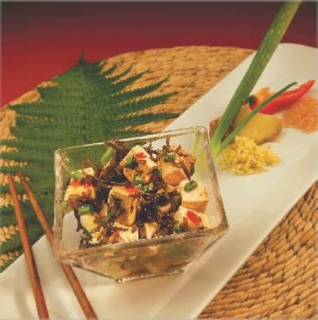 I love my vegetarian friends and family (my daughter eats NO meat). This can get challenging at times, but there are some vegetarian dishes that are so good even the carnivorous type will take a bite or two. On friends and family gatherings, try serving poke’ that everyone can cheer about!
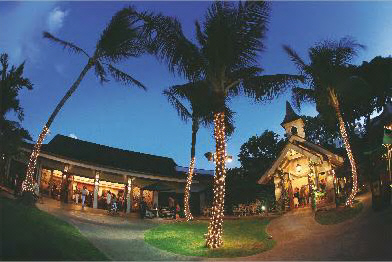 Nestled within the heart of historic Mo‘ili‘ili in Honolulu, The Willows sits upon one acre of lush tropical gardens, abundant with native Hawaiian flowers, and bordered by cascading waterfalls. Guests can enjoy award-winning dining outdoors or within one of the many private rooms. Like the Shangri-La of myth, The Willows is an unexpected oasis amid the hustle and bustle of the city. First-time guests usually catch their breath as they walk through the doors, while those who return always feel welcomed and at home.
 The Willows Chapel has been the venue for many isle weddings, and is a popular choice for wedding receptions and other celebrations for up to 150 people in private rooms, as well as restaurant buy-outs for larger private events. Contact Keri Endo, Catering & Special Events Director for information, (808) 952-9200 ext. 63.
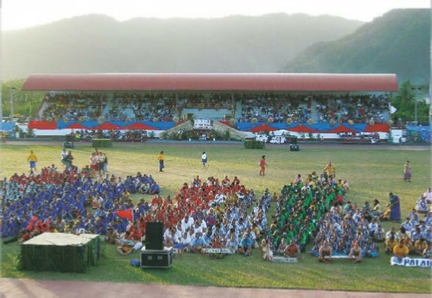 A special event occurs every four years called the Festival of Pacific Arts, where over 27 South Pacific nations gather to share their culture and develop friendships. The festival lasts for approximately two weeks and is filled with events from morning till night at different venues. There are over 2500 participants and many of the countries have competitions in advance to be sure they are represented by their best performers. There is no “competition” as the focus is on the celebrating and sharing of each other’s cultures. This year’s theme will be Culture in Harmony with Nature.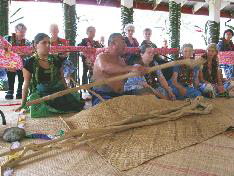
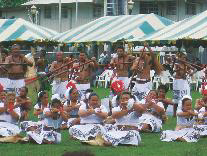
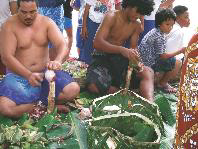 The festival is held in the summer, when school is out, as the local villages are responsible for the housing and feeding of participating delegations. This opportunity allows for sharing hospitality and cultural interactions between the locals and visiting countries.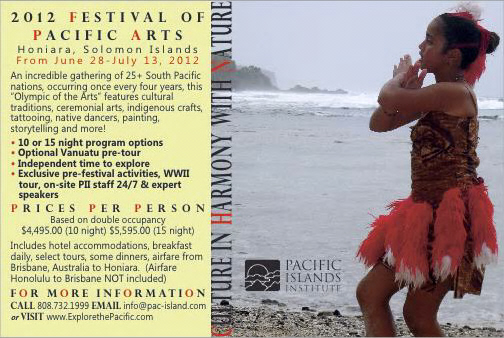
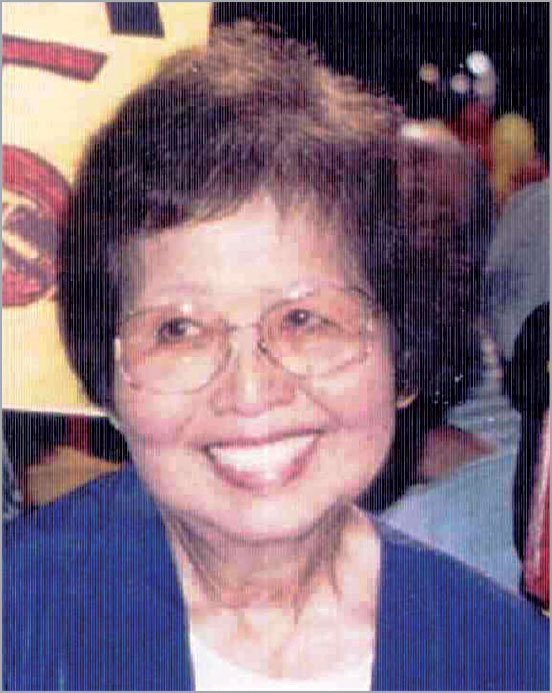 My mother Sue (Sumiko) Higa died in July of 2010. She was 84 years old and for nearly half of her life she suffered with rheumatoid arthritis. Mom came to live with us in our Ma¯noa home for the last two years of her life.
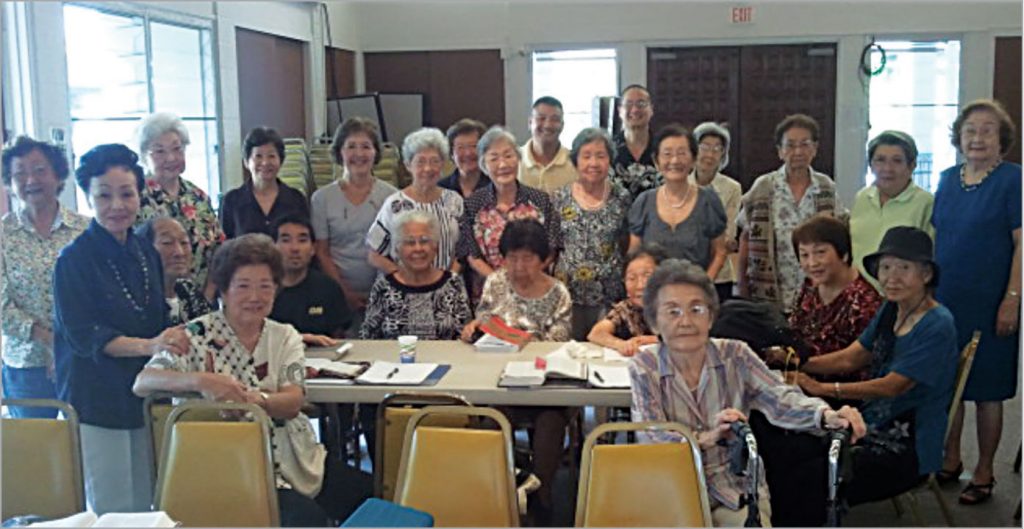 What are the blessings of having a church family?
 My interest in this field piqued while attending UH, Manoa in 1993 in pursuit of a degree in Gerontology. In a Sociology of Aging course, the professor lectured about the importance of storytelling throughout history. He talked about elders transferring valuable cultural and personal information from one generation to the next.
 Hawai‘i is paradise but so are her Pacific sisters – the Islands of French Polynesia. Earlier this year, I drift snorkeled over coral reefs in the beautiful lagoon of Bora Bora, swam in shallow water with sting rays and black-tipped sharks, visited a black pearl farm and spotted spinner dolphins up close off the island of Moorea.
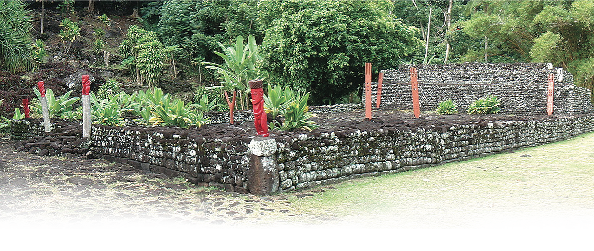
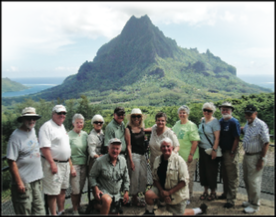 For our program — Heart of French Polynesia — the first two days of the trip were spent getting acquainted with Tahiti. We made ourselves comfortable at our great hotel with a beautiful, sandy beach and a coral reef just offshore that was teeming with colorful tropical reef fish. A daylong bus tour took us for a drive through the city of Papeete, to a cascading waterfall, a visit to the Paul Gauguin Museum and a stop at a carefully restored historic temple called a marae. As part of the Road Scholar program, we had a private local guide, who shared Tahiti’s history, people and culture with us. We visited the local open market with many booths displaying the abundant tropical fruit, fresh reef fish, and various crafts and fabrics.
 Then it was time to explore the Pacific! We boarded the luxurious cruise ship Paul Gauguin, which is specially designed to enter the shallow lagoons of the Islands. The crew was attentive and gracious, and the dining service was outstanding. Complimentary wine and other beverages added to the enjoyment of a relaxed and comfortable atmosphere where fellow travelers shared the events of the day’s adventures. After dinner everyone retired to comfortable cabins with a view.
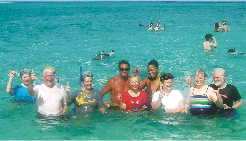 Our snorkeling excursions at each island stop began with a shuttle from the ship to the pier, where we transferred to a local dive boat that was either a catamaran or large outrigger canoe. The boats accommodated us well with large outboard motors to speed us along to our next dive site. Gratefully, they also featured canvas covers to protect us from the tropical sun while underway. The boat operators were good singers with ‘ukulele and lots of fun entertainment. The dive locations offered something for everyone. On drift snorkels we entered the lagoon in about 10 feet of aqua-clear water over a coral reef and then floated effortlessly down a slow current while we “soared” past schools of fish and colorful coral mounds. If you wished to linger in one area, swimming against the current allowed you to hover over the bottom. The boat remained close by if you wished to be picked up early. Snorkeling with stingrays and black-tipped sharks may sound dangerous, but the years of boat tours have conditioned the fish to calmly swim up and wait for a handout of fish food. They were waiting for our arrival! Snorkelers were invited to either wade in chest-deep water over a soft sandy bottom, swim out to observe the feeding or remain aboard to watch.
 Road Scholar is for adults who love to learn for learning’s sake. Road Scholar provides a memorable learning experience in an informal and friendly environment. If you enjoy exploring new ideas and places, and meeting interesting people who share your interests and love of learning, then Road Scholar will be perfect for you. My fellow travelers ranged in age from 45 to 85 (average age for tours is typically mid-60s to mid-70s), and the excursions, although active, are not strenuous. If you enjoy the tropics and snorkeling, a trip to the Pacific may well be the highlight of your life, too. Hope to see you in Tahiti!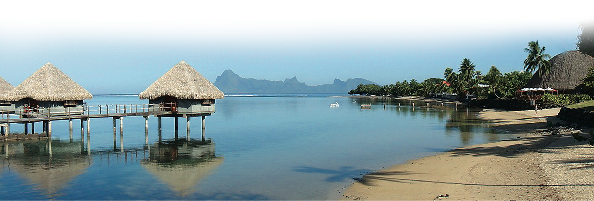
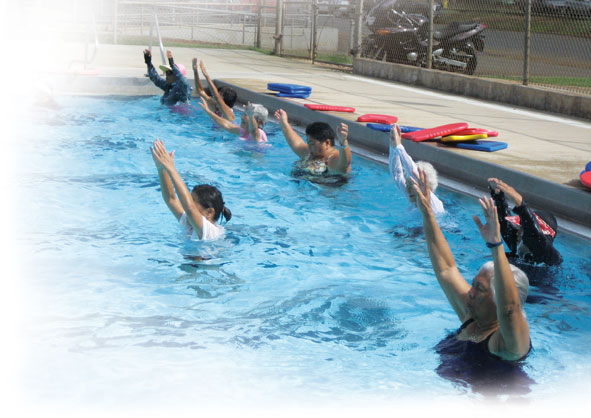 Adult Water Aerobics
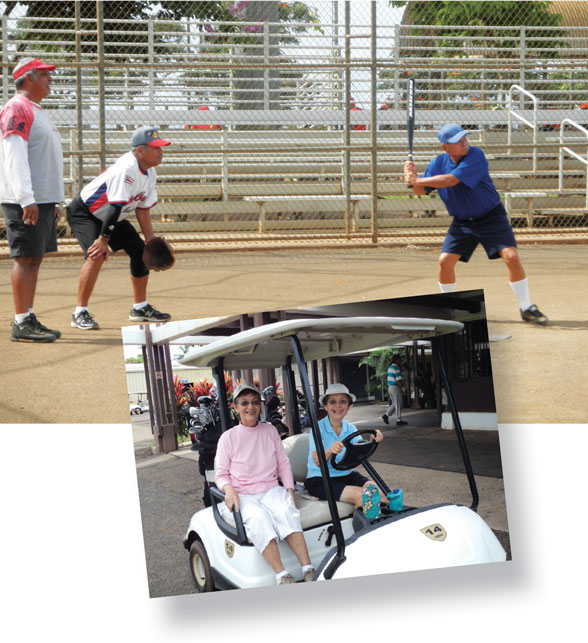 Senior Softball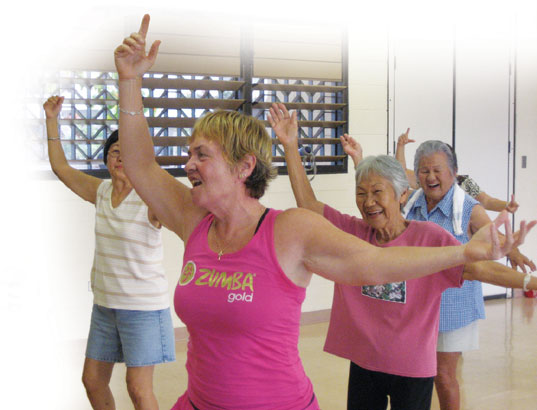
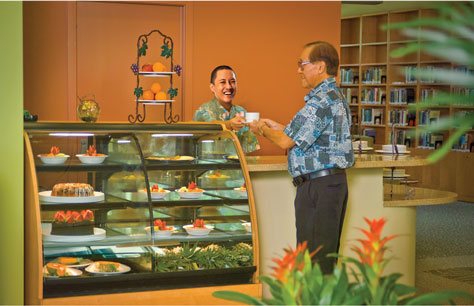 15 Craigside is Hawai‘i’s newest not-for-profit senior living community. It welcomed its first residents on March 4, 2011. It is the first continuing care retirement community in Hawai‘i geared to moderate-income seniors who believed that a retirement community with a full continuum of care was not possible until now.
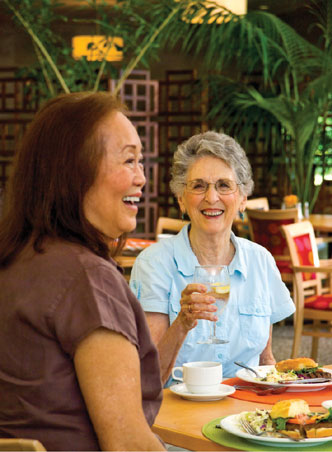 15 Craigside also offers a number of attractive lifestyle features, including a small e-café/bistro with wireless communication and technology, and a private dining area for special occasions, complete with a quality menu selection of many types of cuisines to entice the palate.
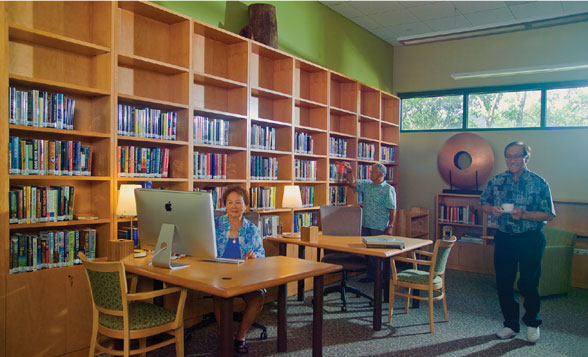 The development of the community brings life to the perception that 15 Craigside is a place where active and happy seniors want to spend the “best years” of their lives. “Imagine the possibilities!” says White with enthusiasm, “What would you be able to do if you had someone else cooking and cleaning and maintaining your home? We have seniors who engage in writing and painting, creating Websites, learning how to ‘Skype,’ volunteering and doing things that they never had time to do before. It is an exciting time providing the means for a very fulfilling life.”