Category: Living Life

  • Waikīkī Revival; Your Perfect Weekend Retreat is Within Reach

    As good as we have it in Hawaii, even in our golden years the grind can get to us. The best way to beat the blahs? A weekend of ease and indulgence without breaking the bank, close to home yet a world away: Waikiki. The new Waikiki, that is — fully restyled with fresh local appeal and new-millennium spirit. You’ll escape not only your daily routine, but also the chaos of the unfamiliar, the craze of airport commutes and the cost of a rental car. In fact, you don’t need a car at all. Plus, the fall season is filled with kamaaina and seniors hotel discounts, so you can afford an oceanfront room. Hele mai! Rediscover why there’s no place like home.

    A Prescription for Paradise

    FRIDAY :: Check in and settle on your balcony for full oceanview relaxing. Then ease into sunset bliss at the immortal waterfront lanai, House Without a Key, where savory pupu, cocktails and vintage Hawaiian melodies soothe the soul. Stay put or take the beach boardwalk to the Hilton Hawaiian Village for 7:45 p.m. fireworks and Lappert’s ice cream.

    SATURDAY :: Begin with coffee on your balcony. For a bagel or strawberry waffles, try Honolulu Coffee Co. For an oceanfront breakfast, Hula Grill is an affordable gem. Grab homemade sandwiches from Panya to take back to your room, then laze away the day with a mid-morning nap, lunch on your balcony and a good book.

    To sup in slippers, go Mexican-Carib at Cha Cha Cha or all-American at The Cheesecake Factory. Wrap with shopping on Kalakaua or a nightcap at the beachfront Mai Tai Bar. For fancy fare, Roy’s, Nobu and Azure are the new Waikiki dining dream team. The also-new Rumfire serves tapas and a tremendous selection of rums. The Manhattan-style jazz Lewers Lounge is decadence deluxe.

    SUNDAY :: Enjoy an early-morning stroll to Kapiolani Park, where area residents walk their dogs. Relax with a classic Island breakfast at Hau Tree Lanai. Afterward, take a dip at Kaimana Beach, wander the Waikiki Aquarium or head back to your hotel for balcony time before checkout.

    Leave your bags with the front desk so you’re free to roam. Trade lunch for leisurely afternoon tea service at The Veranda, a 100-year-old Moana tradition. End your weekend with pampering treatments at the Moana’s new spa, Moana Lani.
    As good as we have it in Hawaii, even in our golden years the grind can get to us. The best way to beat the blahs? A weekend of ease and indulgence without breaking the bank, close to home yet a world away: Waikiki. The new Waikiki, that is — fully restyled with fresh local…

  • Swiiing Battah! Senior League Softball

    For some people, playing ball into your 60’s, 70’s or even your 80’s may seem like a stretch. Well, not for the active seniors at Kawananakoa Park in Nuuanu. Every Sunday morning you can find teams sweating in the warm morning sun, trying to beat each other … and these guys are serious.

    The league runs eight months out of the year with six teams that sport players whose average age is 70.

    For the last 50-plus years, this American Japanese American (AJA) community softball league has been at this park keeping avid ballplayers in shape and having the time of their lives. Actually, it’s unclear as to how long this league has been playing. You see, you have to be a minimum of 60 years old to be on the team, but none of today’s players were in the league 50 years ago (even though there are players in their 90’s still playing in the league).

    For some former players just getting out to the park to cheer on the teams keeps them active and young, just like Takeo “Take” Shimabukuro, at 90 years of age.

    And then there is rookie Dennis Koki at 60 years young. The opportunity to compete and play the game keeps him spry. And, for many of the seniors, the pupus after the games are the best part!

    Every 10 seconds someone in the U.S. turns 62 years old. As our population grows older, we hope that the interest in senior sports and activities grows too — as this has certainly been the case with several of Hawaii’s softball leagues. Mostly recently, the state softball tournament was held on Maui. There were 49 teams, with five divisions of various skill levels and more than 750 players.

    One of the more popular leagues is the statewide City and County parks and recreations senior league where on Oahu, they play every Wednesday morning at the beautiful Waipio complex. If you are interested in playing in the Kawanakoa league just come on down to the park and talk to the players as they are always looking to recruit new “young” men. For the city league you may call Les Lunasco 295-3962 as their minimum age is 55.

    Good luck to all the players and see you soon at the park, as I am only 50.

    For some people, playing ball into your 60’s, 70’s or even your 80’s may seem like a stretch. Well, not for the active seniors at Kawananakoa Park in Nuuanu. Every Sunday morning you can find teams sweating in the warm morning sun, trying to beat each other … and these guys are serious.

  • Love to Spare? Become a Pet Foster Parent

    If you have some time, energy and love to spare, the Maui Humane Society in Pu‘unēnē offers an opportunity to open your heart and home to foster one of its shelter animals.

    Foster pet parents provide temporary care in their home for companion animals when the shelter is full or for those not yet ready for adoption.

    By offering a home to one of these animals in need, volunteer parents help prepare them for adoption into a permanent home, and at the same time, create valuable space in the shelter to accommodate other homeless animals.

    Dogs, cats, rabbits and guinea pigs may be selected as foster candidates. Those that qualify or the program include very young animals that are often under-socialized and too timid to thrive in   shelter. MHS also takes in ill, injured and stressed animals that need additional TLC and a quiet place to recover. Animals may need a foster home for a few days, a few weeks or a few months.

    Foster parents are responsible for feeding, cleaning, socializing and cuddling. Some animals may need bottle feeding or medications. Cats and kittens don’t require much space — a laundry room or bathroom is fine, but a cage set up in the corner of a room will work as well. For puppies, a bathroom or crate will usually suffice. It is recommended that larger dogs be kept in a crate while parents sleep or when they leave the house until their home-alone behavior can be assessed.

    MHS provides food, veterinary care and other supplies, including carriers, beds, blankets,  towels, kennels, toys, collars, leashes, bowls, food or formula, litter, medicines, as well as any other items the furry foster may require.

    The Foster Pet Program is perfect for seniors who spend a lot of time at home. It’s a joy to be a foster parent and it’s easy to sign up. The hardest part of the program may be “letting go” as your new friend moves on to a permanent home. Rest assured you have played a significant role in making that happen.

    Go to www.mauihumanesociety.org, click on the “Get Involved” tab, then “Volunteer,” then “HS Volunteer Foster Program.”

    During the COVID-19 pandemic, prospective parents should click on the “Sign up for the MHS Emergency Foster Network” tab. MHS will contact you when it needs your help.


    MAUI HUMANE SOCIETY
    Foster Pet Program (501(c) 3 nonprofit)
    1350 Mehameha Loop, Puunene, Maui, HI 96784
    808-877-3680, x221 | foster@mauihumanesociety.org
    www.mauihumanesociety.org
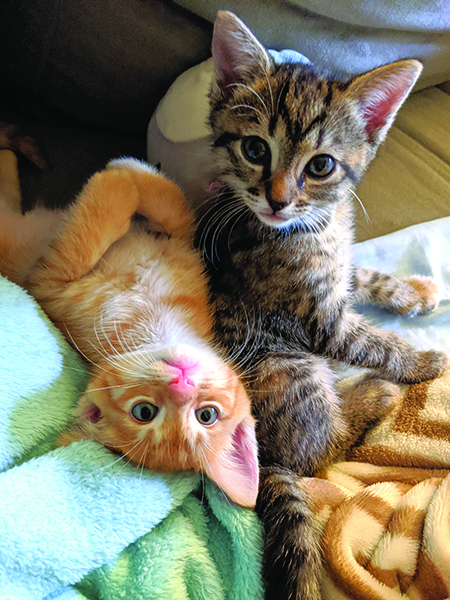
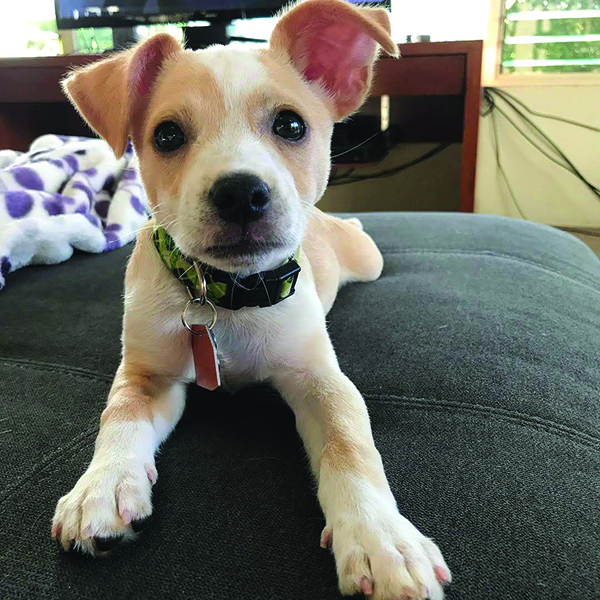
    Puppy photo by Maui Humane Society; Kitten photo by Kristen Deblasi

    If you have some time, energy and love to spare, the Maui Humane Society in Pu‘unēnē offers an opportunity to open your heart and home to foster one of its shelter animals. Foster pet parents provide temporary care in their home for companion animals when the shelter is full or for those not yet ready…

  • New Book Reveals Chronic Pain Solutions

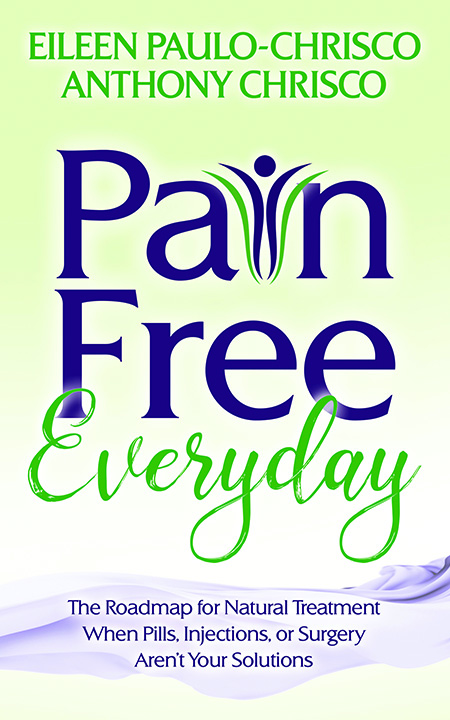
    Husband-and-wife team Anthony Chrisco and Eileen Paulo-Chrisco offer drug-free relief for chronic pain in Pain Free Everyday: The Roadmap for Natural Treatment When Pills, Injections, or Surgery Aren’t Your Solutions.

    The book explains how those suffering from stiffness and chronic pain who prefer to avoid opiates and surgical intervention can restore the body’s innate ability to heal.

    Anthony, a post-rehabilitation specialist, and Eileen, a former medical researcher and fitness professional, reveal how pain-free and drug-free living begins by reconnecting with the largest organ system of the body, the fascia.

    Fascia weaves throughout the body, binding and supporting muscles, bones and organs. Tight fascia causes excess pressure on structures within the muscles — arteries, veins, nerves, lymphatic vessels and nerve endings — causing of dozens of different idiopathic pathologies.

    The authors describe a holistic, sustainable, self-care strategy that can minimize or completely eliminate a number of ailments — from joint pain to irritable bowel syndrome.

    Pain sufferers can learn to “let go and relax” by reducing muscle adhesions (knots) and experience increased oxygenated blood flow, lymphatic drainage and cellular waste removal, and a body free from musculoskeletal imbalances.


    The book is available at www.thefascianator.com/shop-2/ and www.amazon.com.
    Or contact: 808-227-5888, thefascianator@gmail.com

    Husband-and-wife team Anthony Chrisco and Eileen Paulo-Chrisco offer drug-free relief for chronic pain in Pain Free Everyday: The Roadmap for Natural Treatment When Pills, Injections, or Surgery Aren’t Your Solutions. The book explains how those suffering from stiffness and chronic pain who prefer to avoid opiates and surgical intervention can restore the body’s innate ability…

  • Help for Seniors in Transition

    The National Association of Senior Move Managers (NASMM) recently held its annual conference for over 400 members who were there to learn, network and share ideas.

    NASMM is recognized for its innovative programs and expertise related to senior move management, transition and relocation issues affecting older adults.

    NASMM companies specialize in assisting older adults and their families with the emotional and physical aspects of relocation and/or “aging in place.”

    NASMM members are experienced professionals bound by a pledge of integrity, committed to safety and ethics, and dedicated to development.

    NASMM is comprised of a very small group of companies. Although they compete with one another, it was apparent at the conference that there is a common spirit of cooperation and “‘ohana.”

    When seniors move — for whatever reason — their lifetime of possessions and precious memories may require downsizing and selling — all done with tender, loving care and compassion.

    NASMM members aim to meet each client’s personalized needs.


    SENIOR MOVE MANAGERS/DE-CLUTTER HAWAII
    808-779-6224 | info@smmhawaii.com
    www.smmhawaii.com

    When seniors move — for whatever reason — their lifetime of possessions and precious memories may require downsizing and selling — all done with tender, loving care and compassion. NASMM members aim to meet each client’s personalized needs.

  • Encore.org: Utilizing the Over-50 Resource

    A Greek proverb says, “A society grows great when old people plant trees under whose shade they will never sit.” This is the basis for an expanding network that is harnessing the power of the over-50 age group.

    The demographic landscape has changed over time, requiring a paradigm shift regarding what we think and how we feel about people over 50 — including how they work and contribute to society.

    There are more people in the U.S. over 50 today than there are under 18. By 2035, 140 million Americans — more than 1 in 3 — will be over 50. With decades of productivity ahead, adults 50 and over are a growing and renewable resource. Encore.org’s goal is to help those decades become a time of social contribution and impact in order to leave the world better than we found it.

    Encore.org addresses this shift by outlining changes that need to be made and innovating new ideas and models to leverage the skills and talents of experienced adults. It is also the hub for  a growing group of leaders advancing the Encore Movement, which aims to solve social problems by making use of the experience of people in midlife and beyond. It includes people in or aspiring to transition to their encores, the people and organizations working to enable encores and the organizations tapping encore talent.

    The many organizations that were spawned  by or are aligned with the Encore Movement are organized into the Encore Network, a global coalition of leaders and organizations committed to turning our longer lives into a valuable asset.

    An “encore” or “encore career” is continued work in the second half of life that combines social impact, purpose, and often, continued income. An encore can be paid or volunteer and doesn’t have to be limited to the nonprofit sector.

    Although it’s much more about life stage than age, the encore phase of life sits squarely in those years that used to comprise retirement. Many people plan for their encores in their late 40s or early 50s and move into encore work in their 50s, 60s, 70s and beyond.

    If you are thinking about your own encore, look under the “Resources” section of Encore.org, where you’ll see a page called “For Encore Seekers” that will suggest ideas and resources, including The Encore Career Handbook.

    There are Encore Networks in 33 states and 12 countries, but none have been established in Hawai‘i. You can change that. Together, we can create a better future for future generations.


    ENCORE.ORG® (501(c) 3 nonprofit)
    www.Encore.org | www.encore.org/donation-page/

    A Greek proverb says, “A society grows great when old people plant trees under whose shade they will never sit.” This is the basis for an expanding network that is harnessing the power of the over-50 age group. The demographic landscape has changed over time, requiring a paradigm shift regarding what we think and how…

  • Hot Hula Dance Moves for Seniors

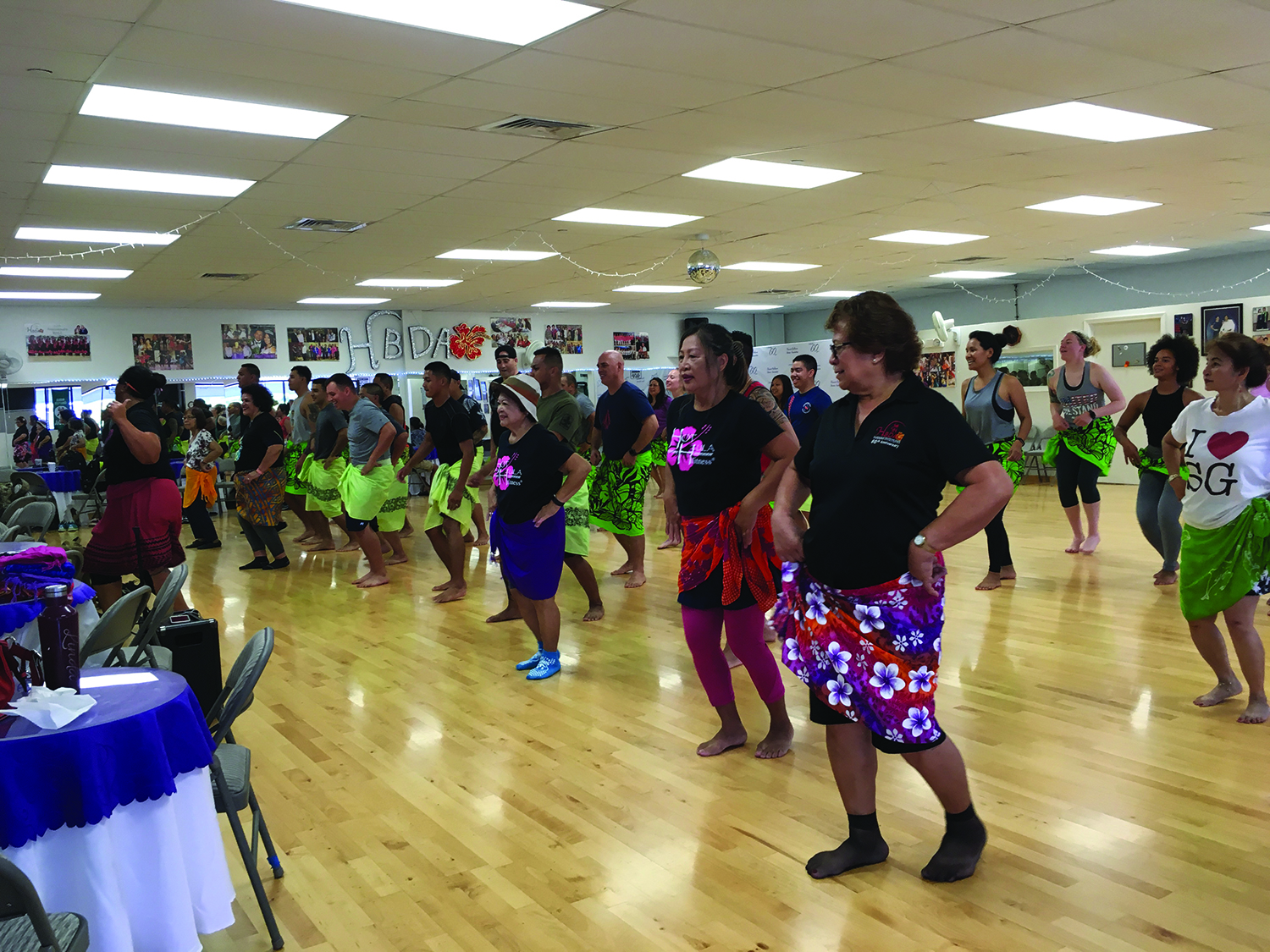
    The HOT HULA fitness® Matua workout provides exhilarating exercise using Polynesian dance moves. Matua is a Māori word meaning elder or parent, so this fitness routine is geared to seniors, but can also be enjoyed by all age groups and fitness levels. Anyone who enjoys dancing and keeping fit can benefit from this exercise with a Polynesian flair.

    HOT HULA fitness® Matua is a low-impact, yet heart-pumping cardio workout that targets larger muscle groups to increase strength and definition of your core (abs), glutes, quads and arms. This action-packed dance provides a 60-minute, total body workout.

    HOT HULA fitness has four basic moves: 1) Tamau is hitting your hips side to side; 2) Ami is a circle movement; 3) Afata is a box movement by which you are drawing a box with your hips, hitting all four corners; and 4) Varu, a figure eight (the infinity symbol).
    HOT HULA fitness has four basic moves: 1) Tamau is hitting your hips side to side; 2) Ami is a circle movement; 3) Afata is a box movement by which you are drawing a box with your hips, hitting all four corners; and 4) Varu, a figure eight (the infinity symbol).

    Inspired by the dances of the Pacific Islands, HOT HULA fitness® movements are set to the sounds of traditional Polynesian drumbeats fused with funky Reggae music. The instructor breaks down each choreographed siva (dance) into easy sections. The founder, Anna Rita Sloss, believed in helping her ‘aiga (family) as she searched for a program that would help move her people toward an active lifestyle.

    “Our people can relate to drumbeats. When they hear it, they start moving and swaying their hips — enticed to get off their bums and move!” she says. Numerous studies show how dancing benefits benefits mind and body by getting your heart pumping and your blood flowing — a plus for joints, heart and brain. Dancing helps participants lose weight and manage stress. It also instills grace and exercises memory to help curb development of dementia.

    Studies also show that dancing lifts the spirit, which is one of the many reasons I love teaching this format.

    The exercise pace of HOT HULA fitness® Matua is slower and each move is specially modified for the matua. However, students may opt to execute either the full movements or the modified version. The health benefits are the same.

    I encourage my HOT HULA fitness® Matua class to “move at your own pace and listen to your body. Keep moving your feet and make those big circles with your hips.”


    HAWAII BALLROOM DANCE ASSOCIATION
    98-019 Kamehameha Highway, Ste. 211A, Aiea, HI 96701
    808-753-8673

    The HOT HULA fitness® Matua workout provides exhilarating exercise using Polynesian dance moves. Matua is a Māori word meaning elder or parent, so this fitness routine is geared to seniors, but can also be enjoyed by all age groups and fitness levels. Anyone who enjoys dancing and keeping fit can benefit from this exercise with…

  • Networking: Living Your Best Life!

    Do you recall in your younger days having lots of friends? Did you have so many that your social calendar always seemed full?

    As we age, our social network changes. Our friends may move away, enter careers that take us in different directions, or get busy with family activities. While our social network may look different now, it is still important to maintain a group of family and friends. Studies have shown a direct correlation between life satisfaction and the presence of social networks with older adults 50 and over.

    Many factors will influence who will be in your social network. Perhaps it is your family who you live with, a church group or even former high school classmates who you feel most comfortable socializing with. Sometimes transportation or mobility issues may lead you to limit your social network to your neighborhood or those who are in the vicinity. A social network becomes a resource and sounding board to discuss topics that make our lives better. Socialization has been proven to decrease feelings of loneliness or isolation.

    So whether you meet others to walk the mall or catch up over coffee every Wednesday at a nearby café or you join a formal networking group, don’t ignore the importance of interacting with others. It may be just what you need or you may be exactly what someone else really needs.


    AMAZING CARE NETWORK
    PO Box 70322, Oakland, CA 94612
    877-248-7098
    customer.service@amazingcarenetwork.com
    www.amazingcarenetwork.com

    Do you recall in your younger days having lots of friends? Did you have so many that your social calendar always seemed full? As we age, our social network changes. Our friends may move away, enter careers that take us in different directions, or get busy with family activities. While our social network may look…

  • Springtime Safety Means No Emergencies

    Spring cleaning can be a satisfying experience for seniors, but it’s important to do it safely. Take your time, rest often and stay hydrated. Do not climb on furniture or a ladder. Ask for help. Staying safe is more than wearing an alert device. Work safely so you don’t have to activate it!

    Use Careful Cleaning Methods. Wear rubber gloves to protect your skin from harsh chemicals. Senior skin is thinner and more sensitive.

    Declutter. Clutter poses a falling risk for seniors — especially when reorganizing closets. “De-junking” surfaces and floors reduces that risk.

    Clean Hidden Sources of Germs in the Kitchen. Sponges harbor food-borne bacteria like E. coli and salmonella. Disinfect sponges with bleach every day. Clean countertops and everyday kitchen items with disinfectant, followed by hot, soapy water.

    Take Fire Safety Precautions. Replace batteries in smoke detectors, keep the stovetop area free of flammables, and clean the lint filter in the dryer before and after each load.

    Clean the Air. Seniors with asthma may be even more sensitive to pollutants like dust. Replace your HVAC filter often. Choose a HEPA filter, which removes dust, mold and pollen.


    CONNECT AMERICA
    98-030 Hekaha St., Ste. 4, Aiea, HI 96701
    808-721-1202
    Jennifer.Borja-Johnson@connectamerica.com
    www.connectamerica.com

    Spring cleaning can be a satisfying experience for seniors, but it’s important to do it safely. Take your time, rest often and stay hydrated. Do not climb on furniture or a ladder. Ask for help. Staying safe is more than wearing an alert device. Work safely so you don’t have to activate it!

  • A Treasure Trove of Island History

    The Hawai‘i State Archives is a little-known, virtually untapped (by most of us) compilation of Hawai‘i’s history.

    It’s mission is to ensure open government by preserving and making accessible the historic records of state government and to partner with state agencies to manage their records. The division is organized into two branches — the Historical Records Branch, which is accessible to the public, and the Records Management Branch, which does not offer services directly to the public.

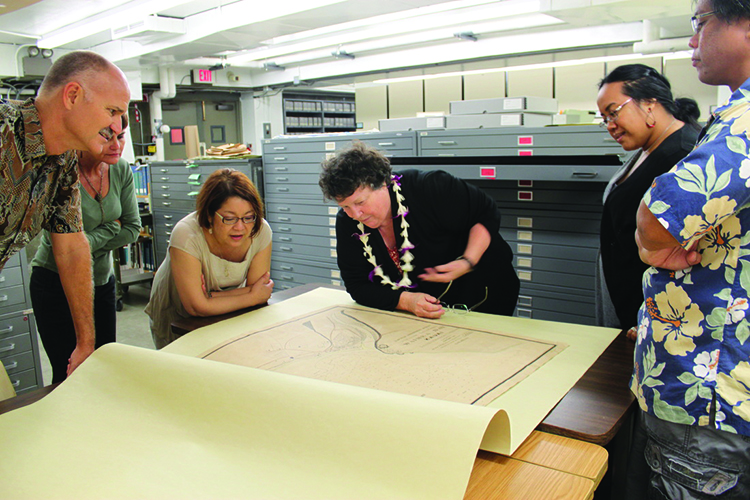
    The Historical Records Branch preserves and provides public access to the state’s government archives and special collections through the Hawai‘i State Archives. These government records date from the monarchy to the current legislative session, and include photographs, maps, artifacts, 19th century newspapers, rare books, and library collections specializing in Hawaiian history, culture
    and Pacific voyages, and private collections.

    The archives opened to the public in 1906. As caretakers of irreplaceable historical treasures, the Hawai‘i State Archives has the responsibility of ensuring the materials are available for research, study and viewing by the public. Therefore new security measures are being implemented:

    • Upon entering, all visitors will check in using
    the Patron Registration system.
    • All visitors will check in with the security guard
    and surrender a current government-issued photo
    ID (i.e. driver’s license, state ID, passport, etc.) in
    exchange for a research badge.
    • All bags, purses, folders and containers must be
    stored in your free locker.
    • Loose papers entering the research room will be
    stapled by the guard (or leave them in a locker).
    • Only bound materials (notebooks, books, papers
    bound in binders) are allowed, which will be inspected
    before entry and again as you exit.
    • No food or drinks are allowed.

    Summary of rules and procedures can be found on the archive website, ags.hawaii.gov/archives: search for “Public Use of Archives.”


    HAWAI‘I STATE ARCHIVES
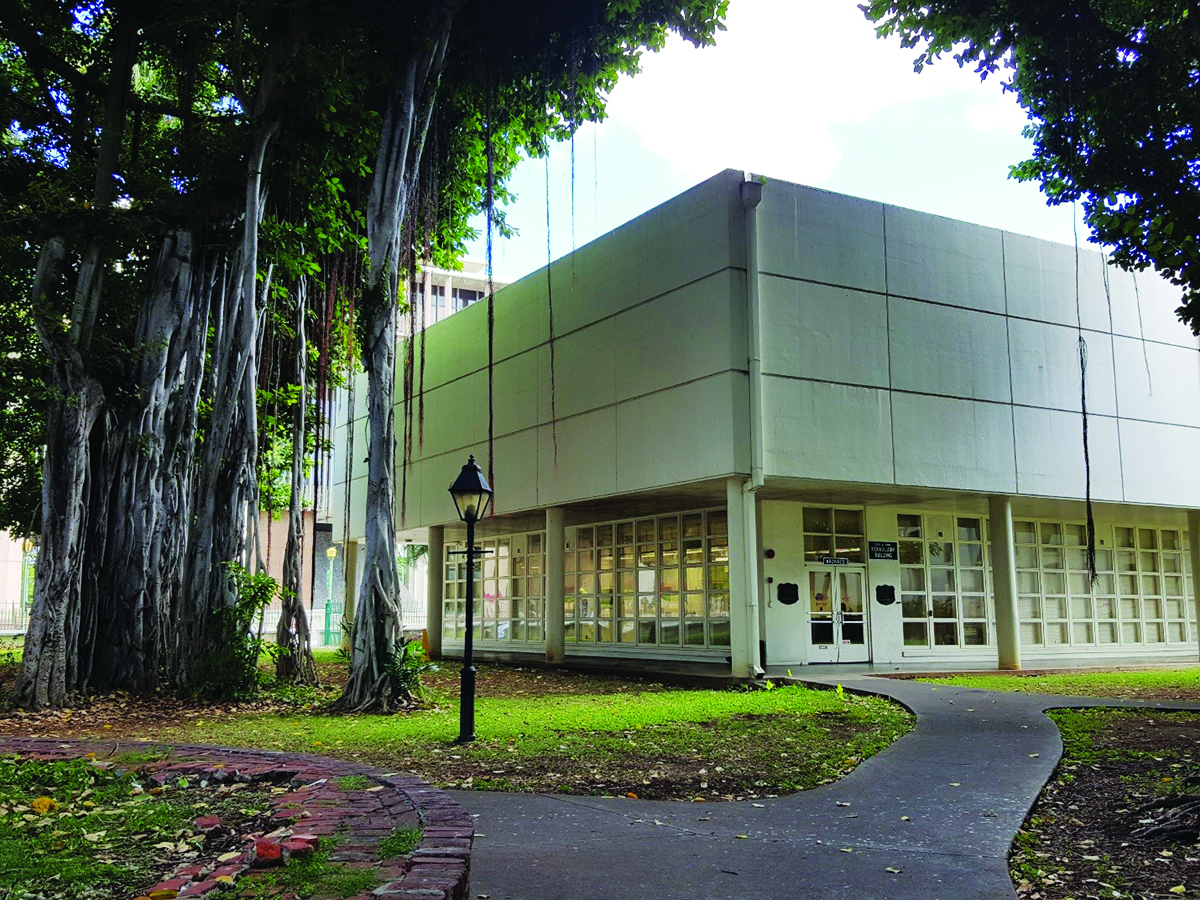
    Kekāuluohi Building, ‘Iolani Palace Grounds
    364 S. King St., Honolulu, HI 96813
    808-586-0329 | archives@hawaii.gov
    ags.hawaii.gov/archives
    Business Hours: Mon–Fri 9 am to 4 pm; Closed Sat, Sun, state holidays

    The Hawai‘i State Archives is a little-known, virtually untapped (by most of us) compilation of Hawai‘i’s history. It’s mission is to ensure open government by preserving and making accessible the historic records of state government and to partner with state agencies to manage their records. The division is organized into two branches — the Historical…

  • The Kula Shims: Contributions That Last

    The Shim family documents their genealogy to Emperor Hwang Ti, China’s first emperor, who began building the Great Wall. In the 1860s, Shims from Kwangtung Province across the China Sea from Hong Kong took advantage of agricultural and business opportunities in Kula, and worked hard to improve life in Upcountry Maui.

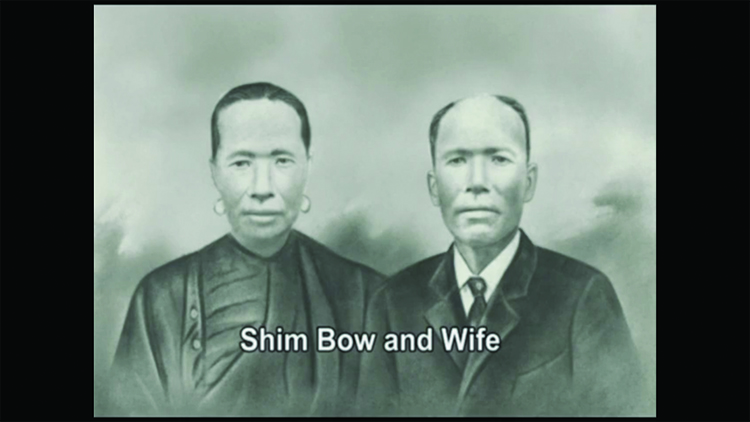
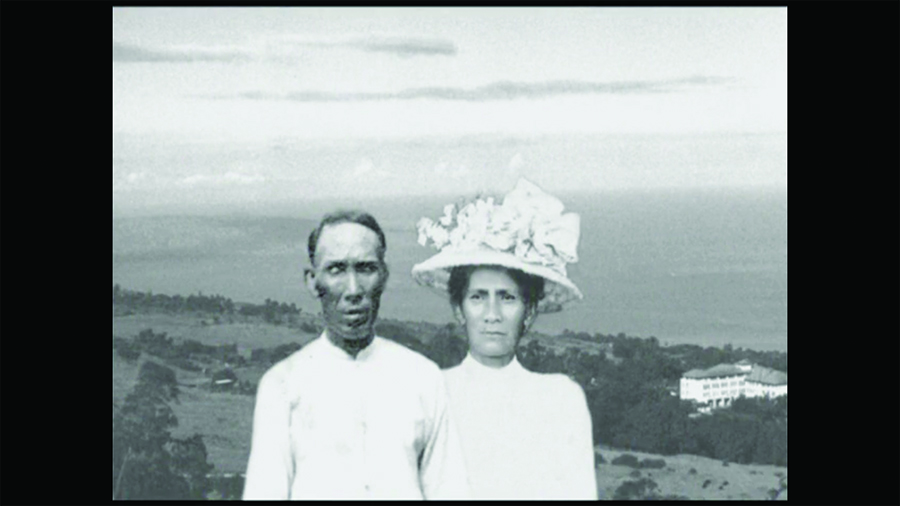
    Goong Goong (grandfather) Shim Bow was a herbalist healer. He died at age 58, but Popo (grandmother) worked her farm, still carrying avocados uphill when she was in her 80s. She lived to 104, had excellent hearing and vision, no diseases and very little white in her hair.

    Our uncle, Shim Mook, was a prominent business man who supervised the building of the Kula pipeline in 1905. His mule teams pulled loads of pipes as far as the mules could go; then Chinese workers carried them the rest of the way. A Chinese teacher was needed in Kula, so he wrote to China and they sent Rev. Shim Yin Chin. It took remarkable dedication and courage to leave his family and come to Hawai‘i, but he was ordained here, and in 1907, opened the doors of St. John’s Episcopal Church.

    Rev. Shim successfully lobbied to amend the Homestead Act in 1911 to keep Chinese farmers from losing their land. The Legislature agreed: “Chinese who had been long resident in the district, and whose children, seventeen or eighteen years of age who had been born here, would be granted leases on the premises which they had occupied and improved.”

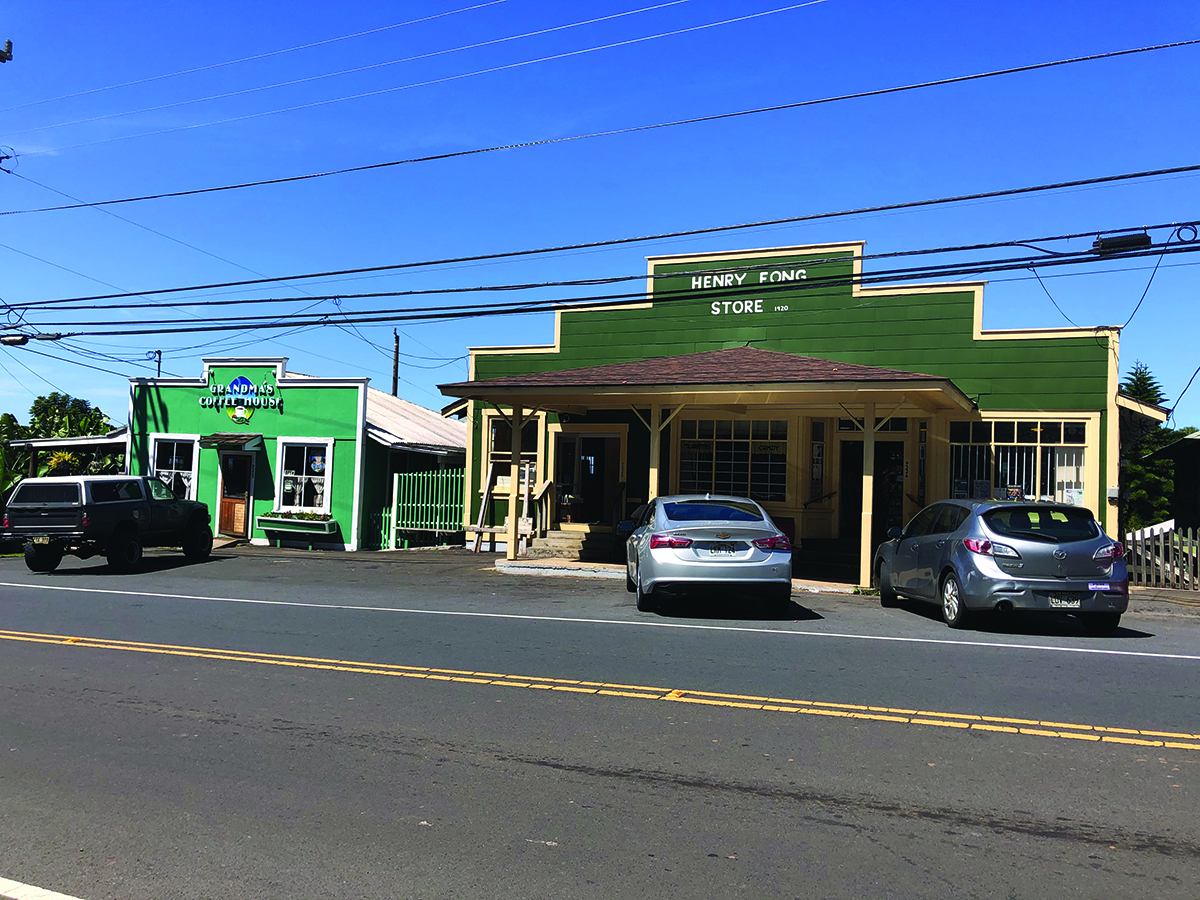
    Grandma’s Coffee House and Henry Fong Store.
    Grandma’s Coffee House and Henry Fong Store.

    Shim Mook’s grandson, Herbert, was a farmer, rancher, conservationist and founder of the first Upcountry farmers’ market. His brother, Richard Shim, is called “The Mayor of Kēōkea,” a place once known as “China Town.” He loves to share the history of Kēōkea Sun Yat-sen Park and the Kwock Hing Society hall with family and visitors.

    Next door to Fong Store in Kēōkea is Grandma’s Coffee House. That building was Shim’s Restaurant, opened by Shim Bow’s son, Harold, and his wife, Hannah, during WWII. They kept the military men well fed!

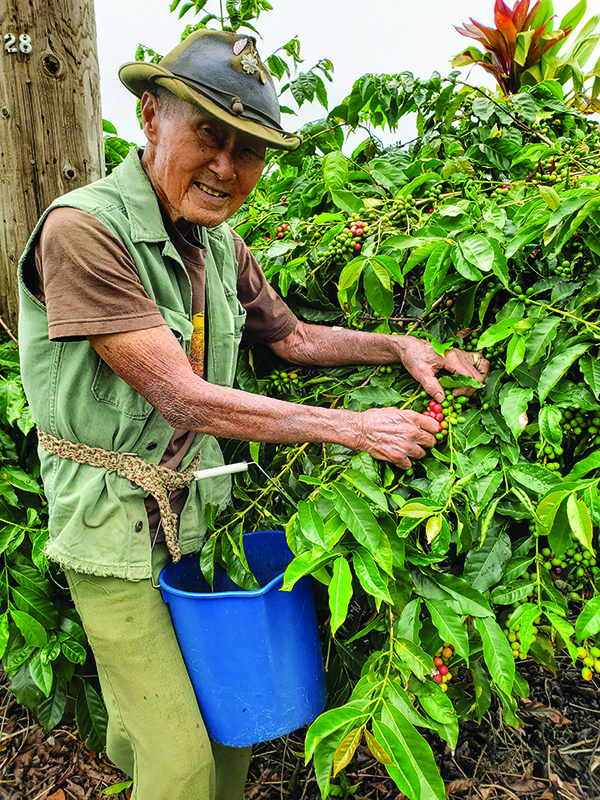
    Casey Shim picking coffee on his farm.
    Casey Shim picking coffee on his farm.

    At 89, nephew Casey Shim works the rich soil of his Kula farm, called “Utopia.” His one-man coffee and botanical farm wins many accolades from connoisseurs across the country. Casey attributes his green thumb to his ancestors. He says, “Being among plants is very relaxing and healing. If you’re around nature a lot, you won’t ever need a psychiatrist.” Even at his advanced age, harvesting 3,700 pounds of coffee beans each year by himself is something he enjoys!

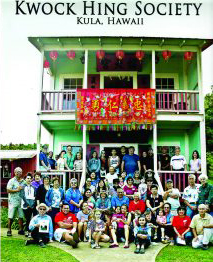
    Shim generations gather at the Kwock Hing Society.
    Shim generations gather at the Kwock Hing Society.

    Many Shims were founding members of the Kwock Hing Society, erected in 1907 as a place where Chinese families could get information from China. (Dr. Sun Yat-sen came here to plan his overthrow of the Manchu Dynasty.) Today, our family still gathers at Kwock Hing to socialize and share our Chinese cultural events, traditions and rituals. On April 22, we will celebrate Ching Ming
    grave-cleaning day with prayers and a community banquet.


    Bibliography: Talk-story sessions with Harold Shim, Herbert Shim, Richard Shim, Casey Shim; St. John’s Church Archive, Kwock Hing Society Archive.

    The Shim family documents their genealogy to Emperor Hwang Ti, China’s first emperor, who began building the Great Wall. In the 1860s, Shims from Kwangtung Province across the China Sea from Hong Kong took advantage of agricultural and business opportunities in Kula, and worked hard to improve life in Upcountry Maui.

  • A Sweet Trip Down Memory Lane

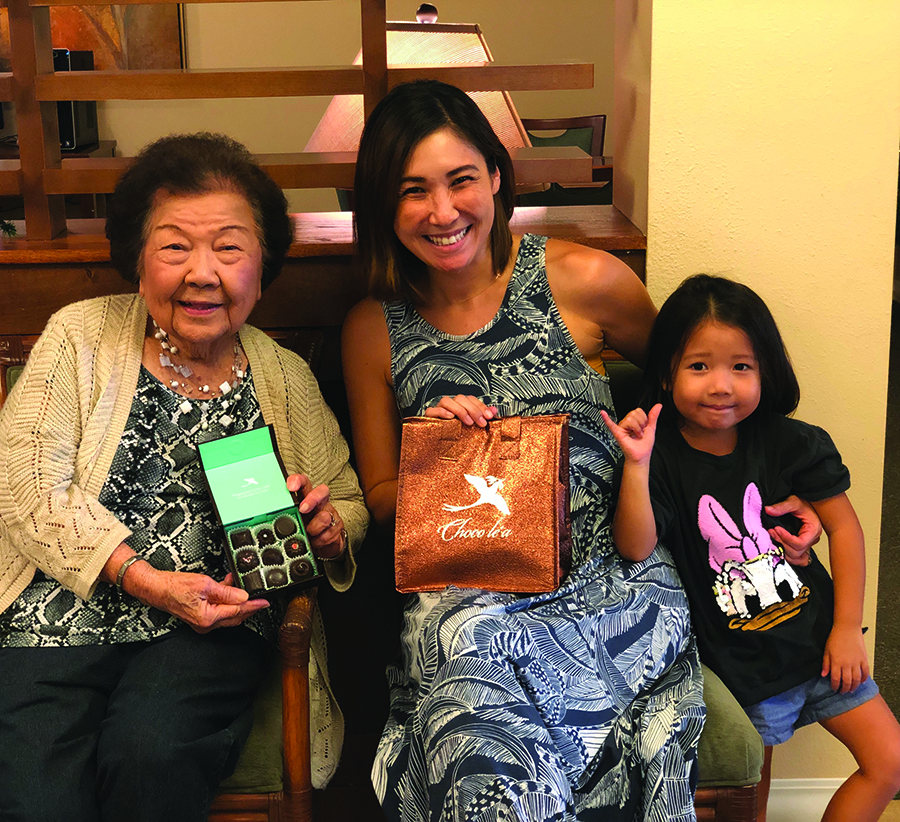
    Jane Hiranaga volunteers as a greeter for her senior community at The Plaza Assisted Living at Waikīkī. She also organizes group outings to Mānoa Valley to visit her granddaughter, Erin Uehara, a specialty chocolatier and owner of the Choco Le‘a chocolate shop.

    “Who doesn’t love chocolate?” says Erin. “Seniors especially love our shop because it is like the candy stores of long ago. Tutus tell me the chocolate aroma and display cases evoke the nostalgia of going to their favorite candy store when they were keiki.”

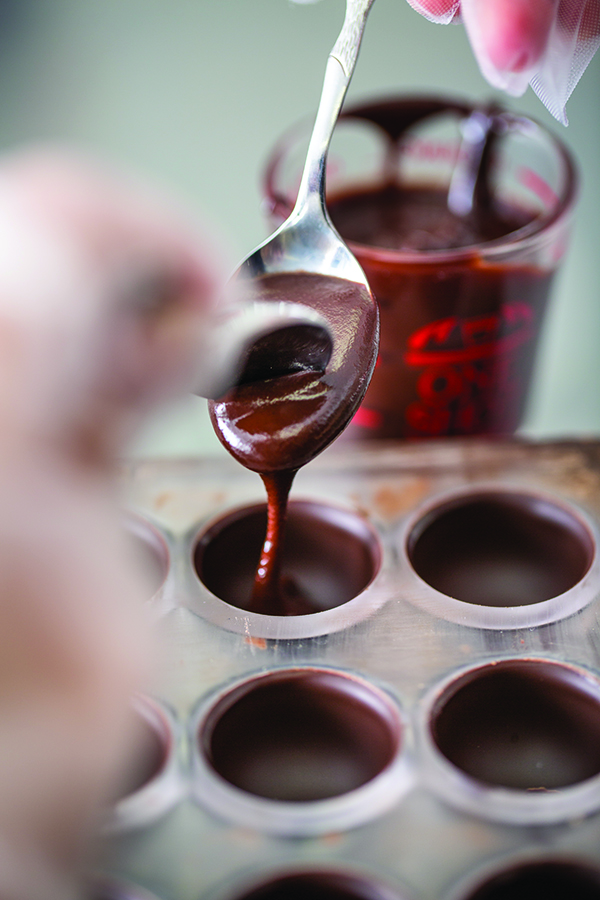
    The shop sources its chocolate locally and from Europe, making the ganache and fondant centers from exclusively local ingredients. Creamy caramels, butterscotch and crunchy nut clusters are customer favorites, but Erin raises the bar with her own local-flair creations, like creamy, chocolate truffles that surprise the palate with bits of tangy, tropical fruit jelly, or smooth kaki mochi. The truffles are a kūpuna favorite. For Chinese New Year, she makes gau truffles to bring good luck and satisfy the local custom and taste buds.

    The benefits of consuming chocolate go beyond flavor — the sweet treat actually contains a molecule that is the same natural substance the body produces when falling in love! Made from the seed of the cocoa tree, it is one of the best sources of antioxidants on the planet. And dark chocolate has added health benefits as well, including reducing the risk of heart disease and lowering blood pressure. Research also shows that dark chocolate may also improve the function of your brain! So Jane’s sweet outings offer seniors a happy and healthy trip down memory lane. Maybe that’s why they are always packed!


    CHOCO LE‘A
    2909 Lowrey Ave., Honolulu, HI 96822
    808-371-2234 | yourchocolatefamily@chocolea.com
    www.chocolea.com

    Jane Hiranaga volunteers as a greeter for her senior community at The Plaza Assisted Living at Waikīkī. She also organizes group outings to Mānoa Valley to visit her granddaughter, Erin Uehara, a specialty chocolatier and owner of the Choco Le‘a chocolate shop. “Who doesn’t love chocolate?” says Erin.