Category: Health

  • Music Therapy for Continuing Wellness

    Sounding Joy Music Therapy, Hawai‘i’s first and only nonprofit music therapy organization, was established in 2002 by board-certified music therapist Keiko Kajiwara to serve diverse local communities that value music as a cultural resource for healing and empowerment. Its mission is to improve well-being and quality of life through music therapy, especially in underserved communities. Services include music therapy for people with disabilities, medical/mental health challenges and those in at-risk circumstances, in collaboration with hospitals, rehabilitation and long-term care centers, senior programs, shelters, schools and other community sites. Public education and advocacy services include research, training and charitable events.
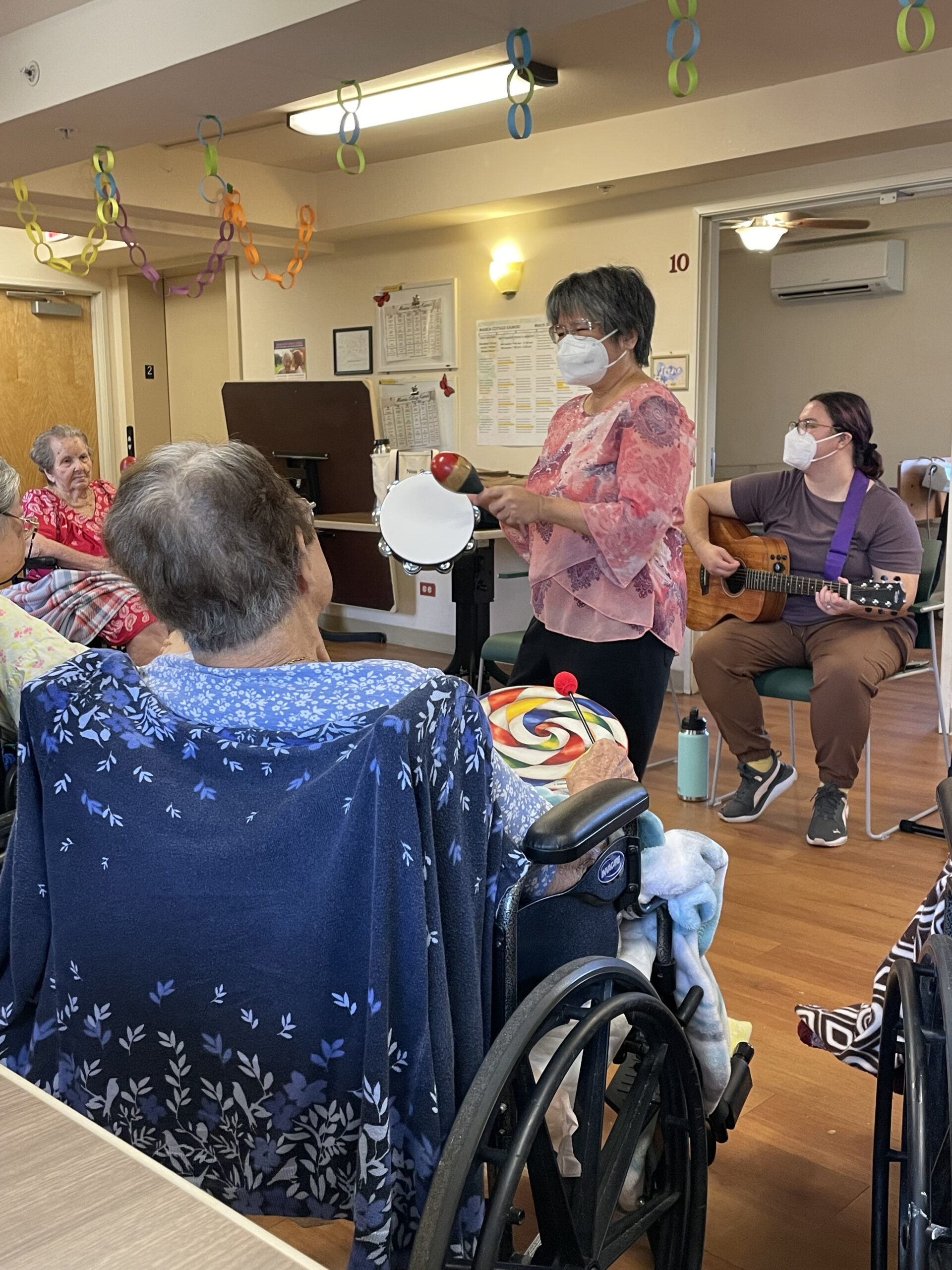
    Music therapy participants engage in singing, movement and improvisation on a variety of instruments. The purpose of this therapy is creative self-expression and community-building, so no prior musical experience is required. Participants’ diverse musical preferences and cultural traditions are embraced in group music-making, honoring the wealth of knowledge and life experience of Sounding Joy’s older adult participants.

    The federal government has recommended music therapy as a mandatory service for senior programs, as it supports active engagement, rehabilitation and palliative care. It is also accessible for those with limited verbal communication.

    Because music stimulates and integrates the functioning of different areas of the brain, it can address a variety of therapeutic goals—motor functioning, memory, communication, emotional expression and socialization. Research demonstrates beneficial music therapy outcomes for a wide range of conditions, including autism, dementia, developmental disabilities, movement disorders, chronic pain and trauma. The program has partnered with the Hawai‘i Parkinson Association and others to offer music therapy to Parkinson’s patients and their caregivers.

    While Sounding Joy works with clients of all ages, the state’s fast-growing population of seniors constitutes the largest age group. But there are less than 12 board-certified music therapists practicing in Hawai‘i. To help make music therapy available to those in need, support Sounding Joy’s Holiday Giving campaign using the donation link below.


    SOUNDING JOY MUSIC THERAPY, INC. (nonprofit)
    Serving people of Hawai‘i since 2002
    1314 South King St., Ste. #963, Honolulu, HI 96814
    808-593-2620 | nguerrero@soundingjoymt.org | soundingjoymt.org
    Donate: tinyurl.com/Donate-SoundingJoyMusic

    Sounding Joy Music Therapy, Hawai‘i’s first and only nonprofit music therapy organization, was established in 2002 by board-certified music therapist Keiko Kajiwara to serve diverse local communities that value music as a cultural resource for healing and empowerment. Its mission is to improve well-being and quality of life through music therapy, especially in underserved communities.…

  • Prostate Cancer in Hawai‘i

    It is estimated that there will be 1,160 new cases and 190 deaths from prostate cancer in Hawai‘i in 2025. If it is diagnosed at an advanced (metastatic) stage, the five-year survival rate is just 37%. If diagnosed at an early stage, the five-year survival rate is more than 99%.

    Early-stage prostate cancer often does not have any symptoms. Screening starts with a prostate-specific antigen (PSA) blood test. Individualized risk assessment and imaging can now help determine if a biopsy is necessary.

    Non-aggressive prostate cancers may not need treatment. New treatments available in Hawai‘i, such as focal therapy, target only the cancerous part of the prostate, minimizing side effects.

    Men don’t have to face prostate cancer alone. The Us TOO Hawaii support group offers virtual monthly meetings for patients/their loved ones, providing information, education and support.

    Patients often have choices in their cancer treatment. Learning about prostate cancer terminology, various diagnostic and treatment options and talking with other prostate cancer patients helps them make informed decisions for their individual situation.

    US TOO HAWAII 501(c)(3) nonprofit
    Gary Kim, 808-486-9675 | garyhkim@hawaii.rr.com
    hawaiiprostatecancer.org
    bit.ly/cancer-facts-and-figures-2025
    bit.ly/survival-rates-for-prostate-cancer

    The information and opinions expressed on this article are not an endorsement or recommendation for any medical treatment, product, service or course of action by Us TOO Hawaii and are not intended to be a substitute for professional medical advice, diagnosis or treatment. Consult with your physician or other qualified healthcare provider.

    It is estimated that there will be 1,160 new cases and 190 deaths from prostate cancer in Hawai‘i in 2025. If it is diagnosed at an advanced (metastatic) stage, the five-year survival rate is just 37%. If diagnosed at an early stage, the five-year survival rate is more than 99%. Early-stage prostate cancer often does…

  • Healthy Teeth and Gums at Every Age

    September is National Gum Care Month—a great reminder for kūpuna to care for their oral health and protect their smiles. As we age, maintaining healthy gums becomes even more important to overall well-being. One common concern is gum disease, also called periodontal disease, which affects nearly 60% of adults over age 65.

    Often caused by poor brushing and flossing habits, gum disease can lead to tooth loss and increase the risk of other health problems if left untreated. It is fortunate that it’s both preventable and treatable, especially when caught early.

    Early signs include red or swollen gums, tenderness, bleeding, bad breath, painful chewing and receding gums. These symptoms may seem small but can lead to serious problems.

    To keep your gums healthy, brush twice a day with fluoride toothpaste and floss daily. Regular dental visits are also important, especially if you notice changes. Your dentist may recommend a deep cleaning, such as scaling and root planing, or surgery.

    Caring for your gums is a lifelong habit. This September, make oral health a priority and keep your smile strong for years to come.

    HAWAII DENTAL SERVICE
    Dr. Vinh Tran, DDS, Dental Director
    808-529-9213
    vinh.tran@hawaiidentalservice.com
    HawaiiDentalService.com

    September is National Gum Care Month—a great reminder for kūpuna to care for their oral health and protect their smiles. As we age, maintaining healthy gums becomes even more important to overall well-being. One common concern is gum disease, also called periodontal disease, which affects nearly 60% of adults over age 65. Often caused by…

  • Think Pink in October

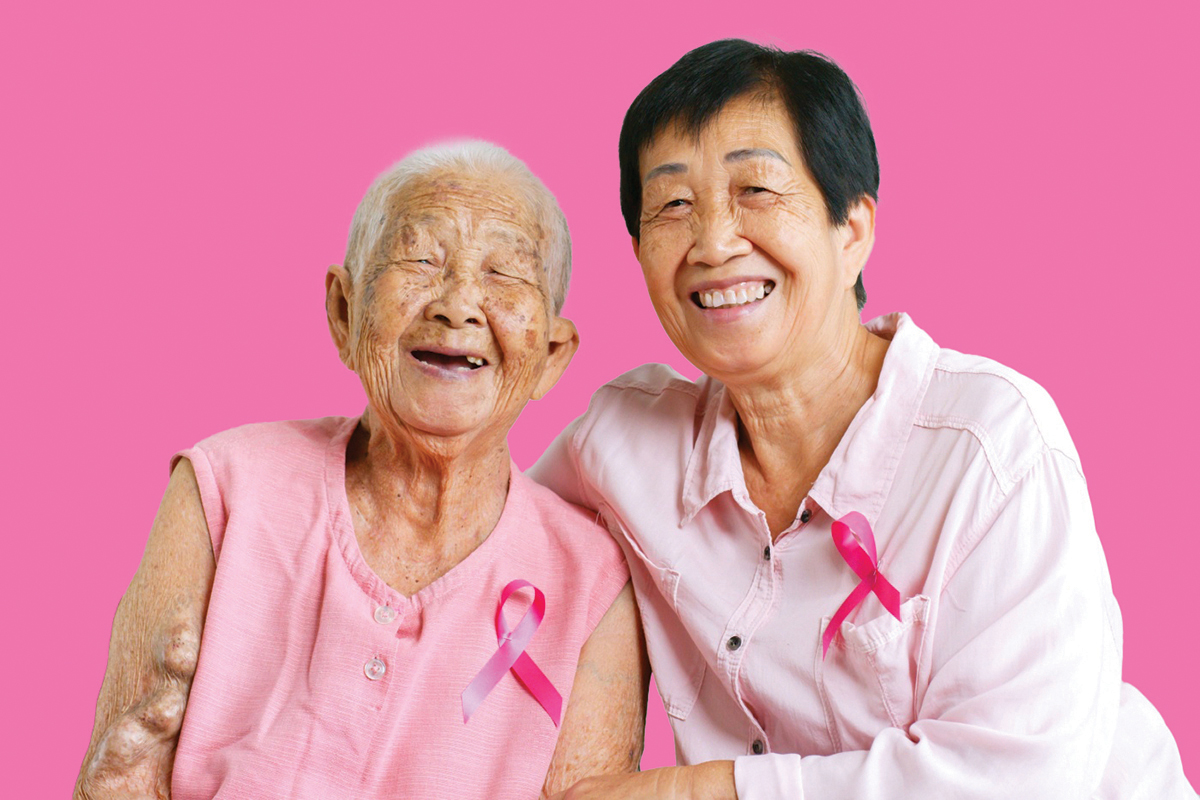
    The pink ribbons and pink merchandise at retail stores mean it is National Breast Cancer Awareness Month, commemorated annually in October. Think Pink is a campaign for prevention, perseverance in finding a cure and the possibilities for surviving breast cancer.

    According to the National Cancer Institute, 1 in 8 women and 1 in 800 men in America will develop breast cancer. Yes, men are susceptible, too. Breast cancer is the second most diagnosed cancer in the US, and No. 1 in Hawai‘i. Although diagnosis rates are high, death rates have significantly decreased.

    The best way to increase your chance of survival is to detect cancer early. Getting tested according to your doctor’s recommendations is so important. If you are due or overdue for a mammogram, please call your doctor’s office today! Many insurance plans do not charge a copayment for mammograms. And if copay amounts are a concern, most hospitals will work with patients to provide financial assistance or a payment plan.

    In between machine screenings, everyone can benefit from self-exams. If at any time you see or feel anything unusual or suspicious, contact your doctor.

    Do it for yourself and the ones you love.

    ALOHACARE
    1357 Kapiolani Blvd., Ste. G101, Honolulu, HI 96814
    808-973-0712 | toll free 1-877-973-0712
    kreid@alohacare.org | alohacare.org

    The pink ribbons and pink merchandise at retail stores mean it is National Breast Cancer Awareness Month, commemorated annually in October. Think Pink is a campaign for prevention, perseverance in finding a cure and the possibilities for surviving breast cancer. According to the National Cancer Institute, 1 in 8 women and 1 in 800 men…

  • Summer Tips for Healthy Teeth and Gums

    You may have heard of the saying “Drink well, eat well, live well.” What we eat and drink directly affects our overall health and our oral health. That’s especially true during the summer months, when it is typically hotter in Hawai‘i.

    Dehydration, especially for kūpuna, can lead to dry mouth, which may put them at greater risk for cavities and gum disease.

    The solution is simple: Drink plenty of water. Native Hawaiian wisdom notes, “ola i ka wai,” which loosely translates to “water is life.” Drinking water helps remove food particles and harmful bacteria in our mouth and stimulates saliva production. This prevents plaque buildup and tooth decay. Avoid sweet, acidic beverages or rinse with water immediately after drinking them.

    This summer, remember that what you eat also affects your health. Nutritional foods help to maintain healthy tissues and bones, including your teeth. Avoiding foods that contain excessive sugar also help us maintain healthy teeth. Remember, your children and grandchildren are looking to you as their role model!

    With these simple reminders, you can have a more enjoyable, healthy summer. Eat well, drink well, live well and smile more!

    HAWAII DENTAL SERVICE
    Kahala Howser Pimentel, Wellness & Events Manager
    808-529-9391
    Kahala.Pimentel@HawaiiDentalService.com
    HawaiiDentalService.com

    You may have heard of the saying “Drink well, eat well, live well.” What we eat and drink directly affects our overall health and our oral health. That’s especially true during the summer months, when it is typically hotter in Hawai‘i. Dehydration, especially for kūpuna, can lead to dry mouth, which may put them at…

  • UV Protection is Important for Eye Health

    Ultraviolet (UV) radiation can do permanent damage to our eyes. Regardless of age, it’s important to keep our eyes safe from the powerful summer sun, as our vision quality helps to support a long, healthy and happy life.

    For UV Safety Month in July, there are many things we can do to help protect our eyes; these preventive measures are crucial:

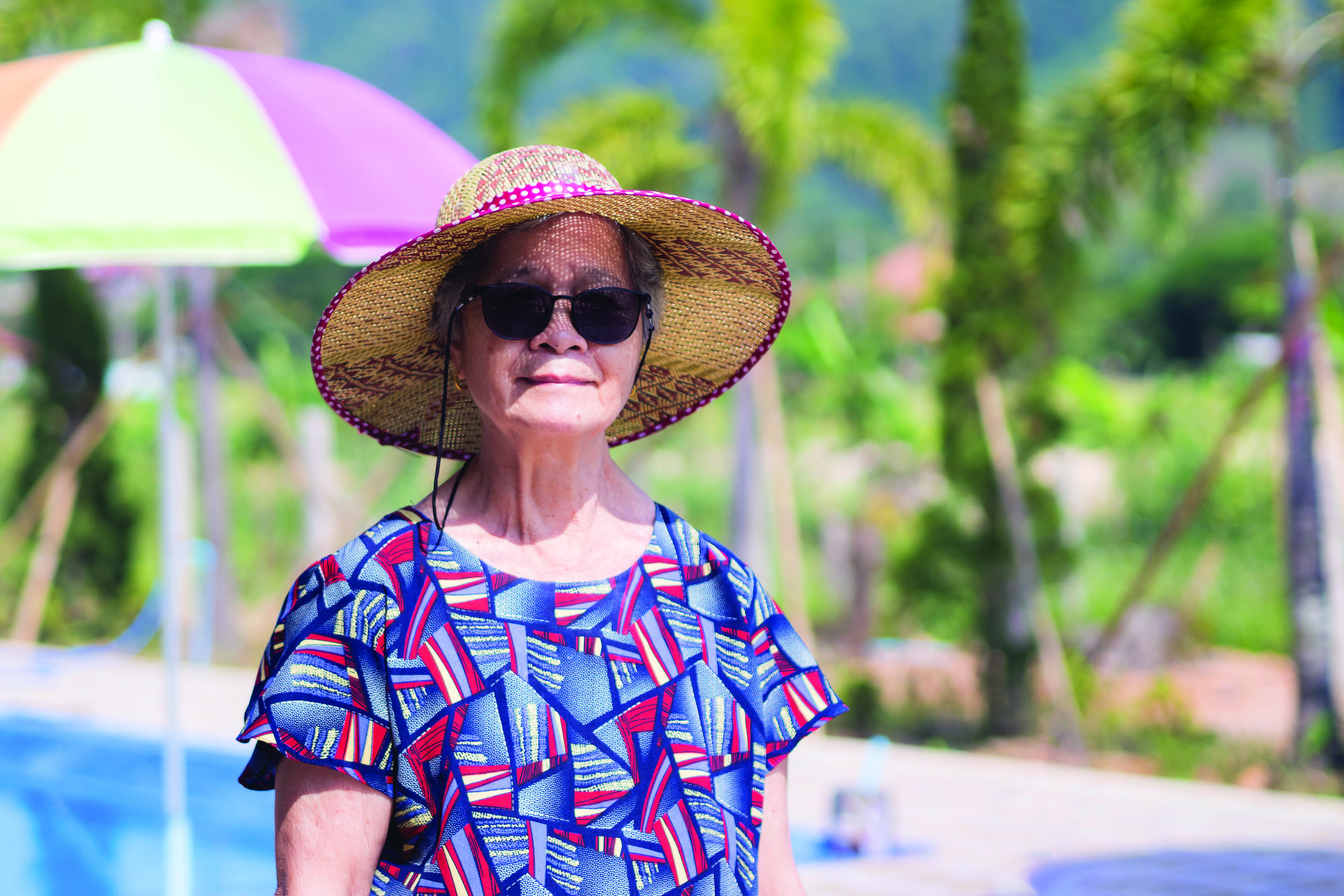
    • Wear sunglasses that block 100% of both UVA and UVB rays. This is a simple yet highly effective way to protect your eyes. Your sunglasses should wrap completely around your temples so the sun can’t enter from the side.
    • Wear a broad-brimmed hat. This can reduce the amount of UV radiation that reaches your eyes by up to 50%.
    • Stay in the shade. Or make sure you are blocking out UV rays during peak UV hours—10am to 2pm—when UV rays are most damaging.

    If you experience any signs or symptoms of vision problems, schedule an eye exam as soon as possible. Note that some common eye diseases can show little or no symptoms or may not be vision-related, such as headaches or dizziness.

    Take precautions before heading outside to safeguard your vision and reduce the long-term impact of UV damage, ensuring your health and vision for years to come.

    HAWAIIAN EYE CENTER
    606 Kilani Ave., Wahiawa, HI 96786
    808-621-8448 | HawaiianEye.com

    Ultraviolet (UV) radiation can do permanent damage to our eyes. Regardless of age, it’s important to keep our eyes safe from the powerful summer sun, as our vision quality helps to support a long, healthy and happy life. For UV Safety Month in July, there are many things we can do to help protect our…

  • Make Oral Health a Family Tradition

    As we age, oral health becomes even more essential in order to maintain a healthy mouth, not just for ourselves, but also as an example for future generations. Passing down the tradition of good oral hygiene habits can have a lasting impact on your keiki and grandchildren.

    Just as traditions like family meals and shared stories strengthen bonds, teaching children the importance of brushing, flossing and regular dental visits help instill lifelong habits that help prevent serious oral health issues. These small yet powerful routines become part of who they are, ensuring their health for years to come.

    As role models, adults have the unique opportunity to demonstrate that oral care isn’t just a chore but a vital part of a healthy life. By brushing our teeth twice a day, flossing daily and regularly visiting the dentist as part of our routine, we show younger family members the importance of self-care and creating healthy habits.

    By embracing oral health as a tradition, we not only safeguard our own well-being but also pass down a legacy of care and self-respect. The example we set today will continue to shape the smiles and health of tomorrow. Let’s celebrate the simple act of oral care as a lasting gift for those we love!

    HAWAII DENTAL SERVICE
    Kahala Howser Pimentel, Wellness & Events Manager
    808-529-9391
    Kahala.Pimentel@HawaiiDentalService.com
    HawaiiDentalService.com

    As we age, oral health becomes even more essential in order to maintain a healthy mouth, not just for ourselves, but also as an example for future generations. Passing down the tradition of good oral hygiene habits can have a lasting impact on your keiki and grandchildren. Just as traditions like family meals and shared…

  • The YMCA: Your Second Home

    Many seniors first step into the Y because their doctor says they need to keep moving. Others stop in for a visit because their health plan includes a free membership. Some are nudged to give “the Y” a try by family members who want them to get out and stay engaged. But what happens next is something we see time and again — what starts as a single visit turns into a daily routine, a lifeline — a second home.

    It’s that first warm greeting when they check in — and every time after. It’s the welcoming class instructor, friendly potlucks, laughter over mahjong or the camaraderie of our Kupuna Food & Fun program, where seniors share meals, swap stories and enjoy activities. Some classes are staff-led, like crafting, bingo and gardening. Others are member-led, with seniors sharing skills in lei-making, cooking or ‘ukulele. Volunteers even teach seniors how to confidently and safely use iPhones and email.

    With seniors making up a third of Y members, there are endless opportunities to make new friends and reconnect with old ones. And it’s affordable — many health insurance plans include free Y memberships. We offer senior rates and financial aid. The Y isn’t just a gym. It’s a second home. It’s ‘ohana. Join today!

    YMCA OF HONOLULU (501(c) 3 nonprofit)
    1441 Pali Hwy., Honolulu, HI 96813
    808-678-4296 | info@ymcahonolulu.org
    ymcahonolulu.org

    Many seniors first step into the Y because their doctor says they need to keep moving. Others stop in for a visit because their health plan includes a free membership. Some are nudged to give “the Y” a try by family members who want them to get out and stay engaged. But what happens next…

  • A Natural Path to Senior Wellness

    Holistic medicine offers seniors a natural, gentle approach to wellness. By focusing on the balance of mind, body and spirit, holistic practices address the root causes of health concerns, helping seniors to feel their best every day.

    Holistic medicine combines natural therapies with traditional care to support your body’s healing abilities. Gentle treatments like acupuncture, chiropractic care, meditation, light therapy patches and herbal supplements can ease chronic pain, reduce stress and improve flexibility and mobility. Light therapy patches use innovative technology to promote cellular repair and improve energy levels, offering a convenient and non-invasive option. Stretching or strengthening exercises can also enhance balance, help prevent falls and keep your mind sharp.

    Good nutrition is essential! Choosing organic and foods rich in nutrients gives you more energy and strengthens your immune system. Staying socially active — whether it’s joining a senior club, going to church or enjoying pickleball or golf — can brighten your outlook on life and create deeper social connections.

    Holistic medicine empowers you to stay independent, energetic and vibrant by embracing a lifestyle that supports your well-being, helping you enjoy your golden years with vitality.

    LIFEWAVE
    808-554-9710 (text only, no calls)
    About Lightwave: startx39now.com

    Holistic medicine offers seniors a natural, gentle approach to wellness. By focusing on the balance of mind, body and spirit, holistic practices address the root causes of health concerns, helping seniors to feel their best every day. Holistic medicine combines natural therapies with traditional care to support your body’s healing abilities. Gentle treatments like acupuncture,…

  • RSV Symptoms & Vaccine Developments

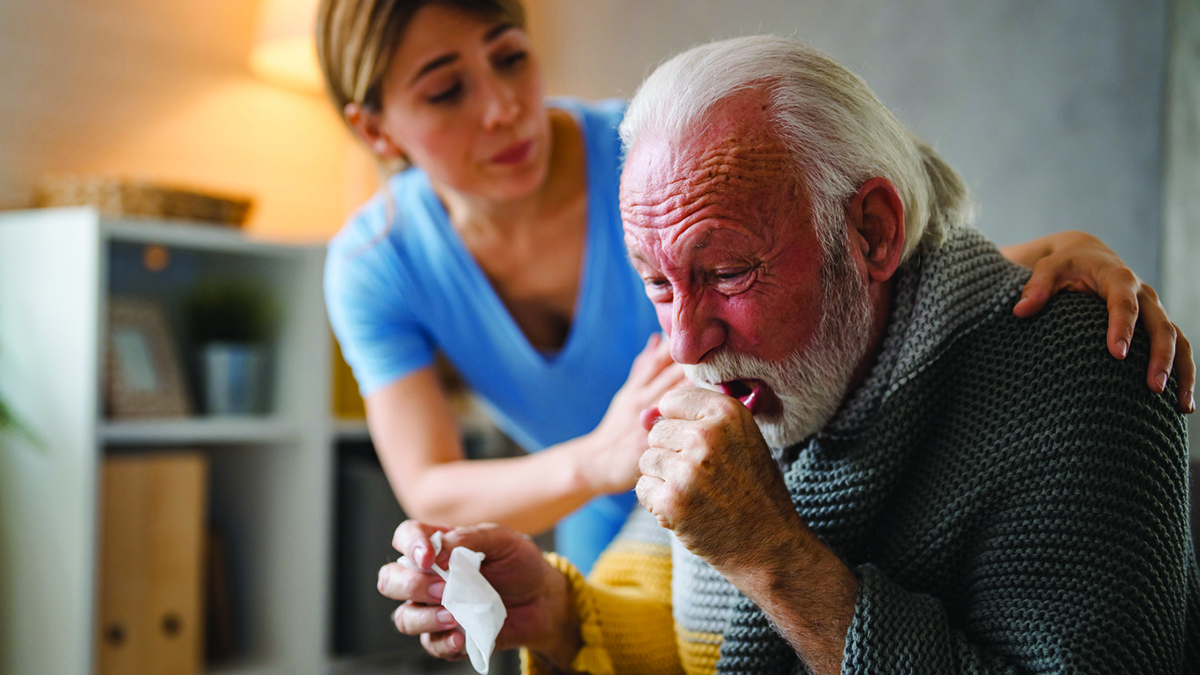
    Respiratory Syncytial Virus (RSV) is a widespread infection that can affect anyone. But the virus poses a heightened threat to infants, young children, seniors and those with compromised immune systems. The virus tends to circulate more frequently during fall and winter. Gaining awareness of the virus’ symptoms, risk factors and available vaccines can help safeguard vulnerable individuals.

    What is RSV?

    RSV is a highly infectious virus that impacts the respiratory system, particularly the lungs and airways. While most cases result in mild symptoms resembling a cold, some individuals may develop more severe respiratory illnesses, such as bronchiolitis and pneumonia. These more serious cases often occur in infants and the elderly. The virus spreads through droplets when an infected person coughs or sneezes and can also be contracted by touching contaminated surfaces. Due to its ease of transmission, it frequently spreads in schools, daycare facilities and nursing homes.

    Symptoms of RSV

    Symptoms of RSV usually begin to manifest within four to six days after exposure. The severity of symptoms can vary, influenced by factors such as age and pre-existing health conditions. Common signs include runny nose, persistent coughing, sneezing, fever, wheezing, loss of appetite, and in severe cases, difficulty breathing.

    Older individuals with chronic lung or heart conditions may experience more significant respiratory issues, such as pneumonia, which may necessitate hospitalization.

    High-Risk Groups
    ■ Infants, particularly those born prematurely or with health complications.
    ■ Children under the age of 2 who have chronic lung or congenital heart disease.
    ■ Adults over 65, especially those with weakened immune systems or chronic respiratory conditions like COPD or asthma.
    ■ Immunocompromised individuals of all ages.

    Preventive Measures and Vaccines

    For many years, RSV prevention was limited, as no specific vaccines existed. However, recent medical advancements have led to vaccines and treatments that provide greater protection for high-risk groups.

    Vaccination for Older Adults

    In 2023, the FDA approved a vaccine known as Arexvy, designed for adults aged 60 and over. This vaccine aims to reduce the risk of severe illness caused by RSV, particularly for seniors who are at an elevated risk for hospitalization. The vaccine is administered in a single dose to help protect against serious respiratory complications — ideally, before RSV season begins.

    RSV, though common, can lead to serious health risks for certain individuals. Recognizing its symptoms and the current availability of new vaccines offer hope in reducing severe cases, particularly among those most at risk. With proper preventive measures, we can significantly reduce both the spread and the impact of RSV.

    CARE PLUS by OHANA PACIFIC MEDICAL LLC
    1150 S. King St. #1007, Honolulu, HI 96814
    808-930-9858 | info@micareplus.org
    micareplus.org

    Respiratory Syncytial Virus (RSV) is a widespread infection that can affect anyone. But the virus poses a heightened threat to infants, young children, seniors and those with compromised immune systems. The virus tends to circulate more frequently during fall and winter. Gaining awareness of the virus’ symptoms, risk factors and available vaccines can help safeguard…

  • Exercise Does Not Have to Be a Chore

    Incorporating fitness into your schedule doesn’t have to feel like a chore or an obligation you struggle to find time for. Adding physical activity — focusing on strength, balance and flexibility — can easily fit into your day.

    Start Your Day with Gentle Movement

    Before getting out of bed, awaken your muscles and joints. Begin with deep breathing and heel slides. Slide one leg up and down on the bed, lengthening and bending it. After a few reps, hug your knee to your chest and hold. Straighten your leg and repeat these motions with the other leg. With the soles of your feet touching, let your knees fall open like a butterfly to stretch your hips and thighs. A low trunk rotation is a good stretch for increasing your back’s range of motion. Allow your knees to fall to one side of your body at a time and take a breath.

    Incorporate More Movement

    Throughout your day, add simple exercises. For example, try two to three sit-to-stands before you walk to your task. While enjoying your favorite show, do leg kicks during commercials or move pillows from one side of the sofa to the other to increase your torso’s range of motion. Daily outdoor walks are great, but consider adding a few laps around the grocery store or doctor’s office to boost your step count. When your grandkids visit, engage them in a game of catch using a ball or socks. Sit to catch and stand to throw. Get a small basketball hoop that attaches to a door and shoot while seated or standing, or play a game of HORSE. If bowling is more your style, mini sets can be used on the floor or tabletop. All of these offer fun, total body workouts that allow you to focus on balance, strength and flexibility.

    End With a Breath and a Stretch

    At the end of your day take a moment to focus on breathing and posture. Seated or lying, lengthen your neck, and relax your shoulders as you inhale through your nose and exhale through your mouth. Imagine sniffing flowers and blowing out candles. Initially, you may feel muscle soreness from exercise, but remember that soreness doesn’t always indicate something is wrong. The right amount of work can increase muscle strength and flexibility. Gradually incorporating more activity as your body allows is an effective way to cultivate a more active lifestyle, helping you stay functionally fit and engaged in your daily life.

    GYMGUYZ Urban Honolulu
    808-204-4747 | urbanhonolulu@gymguyz.com
    gymguyz.com/urban-honolulu-hi

    Incorporating fitness into your schedule doesn’t have to feel like a chore or an obligation you struggle to find time for. Adding physical activity — focusing on strength, balance and flexibility — can easily fit into your day. Start Your Day with Gentle Movement Before getting out of bed, awaken your muscles and joints. Begin…

  • Actively Aging: Safe Activities for Seniors

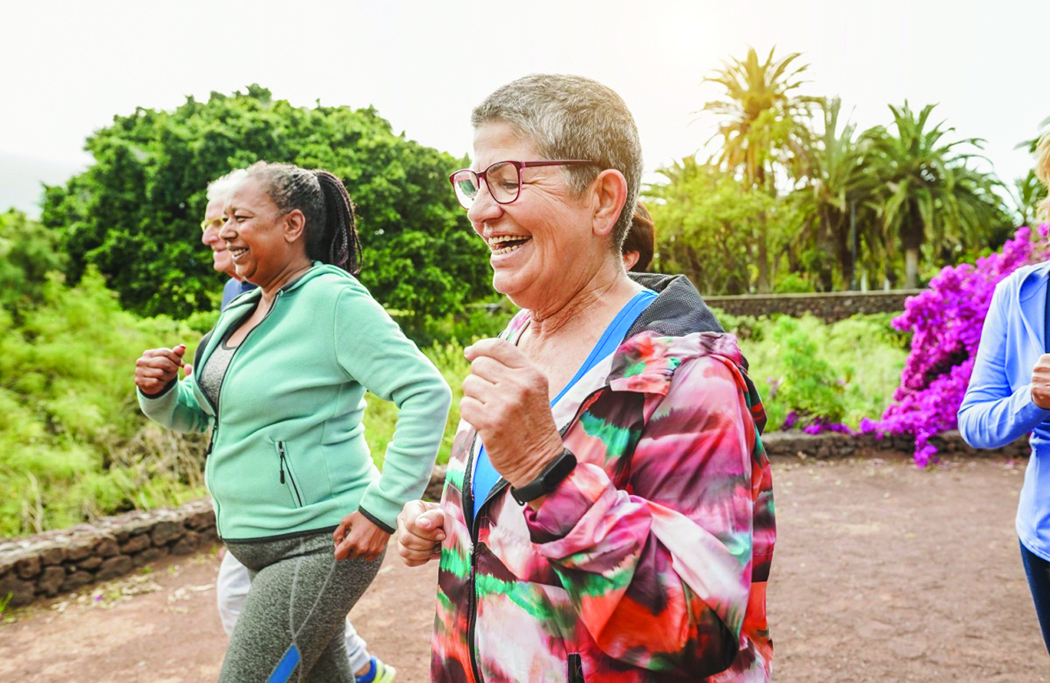
    Staying physically active as you age is crucial for maintaining overall health and well-being. Regular activity can help improve mobility, sleep and mental health, while reducing the risk of falls and injuries.

    Here are some beneficial activities:

    Walking together: Simple and effective, walking around safely with a friend inside or out can boost cardiovascular health.

    Stretching first: Gentle stretching exercises before you start moving can improve flexibility and reduce muscle stiffness throughout the day.

    Taking breaks: Where you rest is just as important as when you rest. Plan on taking short breaks where you can get in and out of a seated position easily.

    Keep moving: Enjoy music by singing, clapping or even shuffling your feet while seated to get your heart pumping.

    While these activities are beneficial, a fully licensed senior care community offers a safe and supportive environment in which kūpuna can stay safe and active. Senior care communities may offer structured programs, professional supervision and social opportunities, ensuring that seniors can enjoy a level of physical activity that can help them maintain their independence.

    ROSELANI PLACE
    88 S Papa Ave., Kahului, HI 96732
    808-871-7720 | marketing@roselaniplace.com
    roselaniplace.com

    Staying physically active as you age is crucial for maintaining overall health and well-being. Regular activity can help improve mobility, sleep and mental health, while reducing the risk of falls and injuries. Here are some beneficial activities: Walking together: Simple and effective, walking around safely with a friend inside or out can boost cardiovascular health.…